Vietnam vol. 3 (Aug 2026)
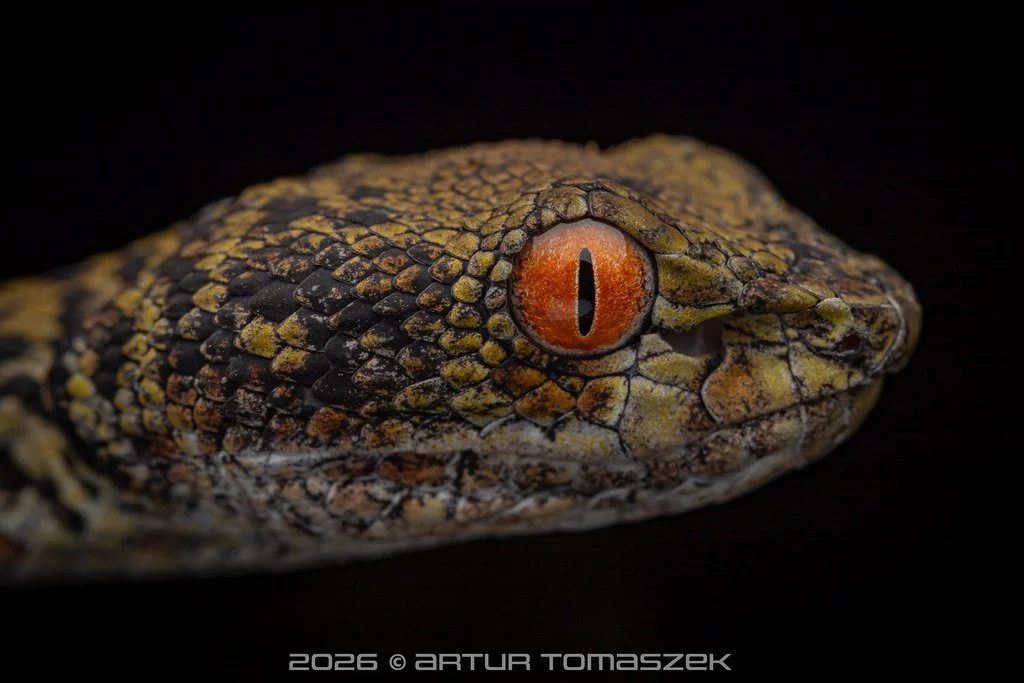
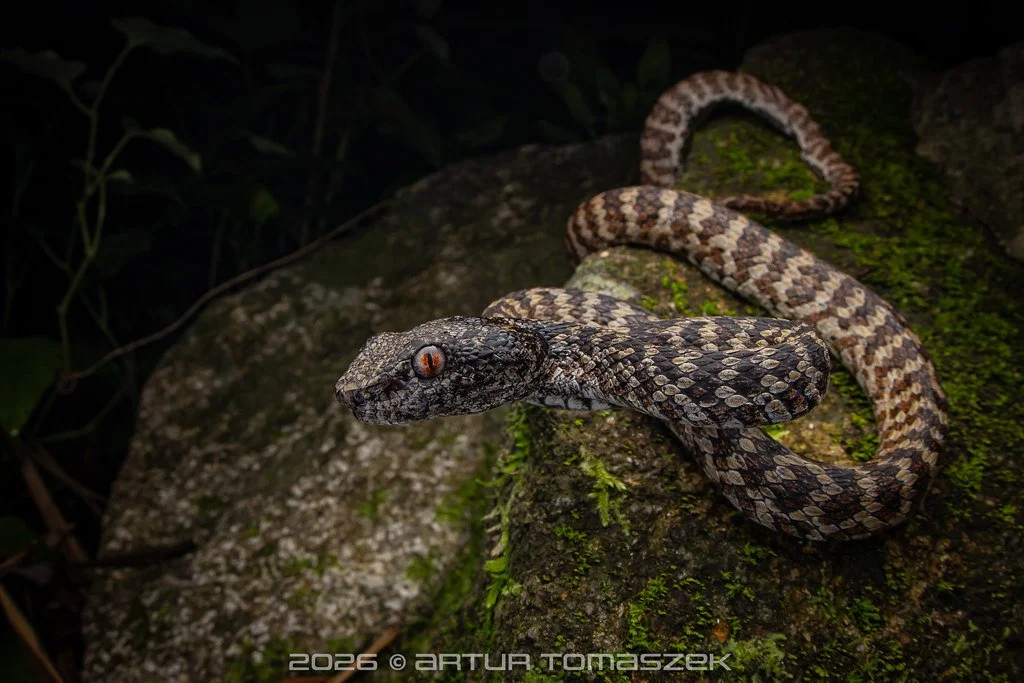
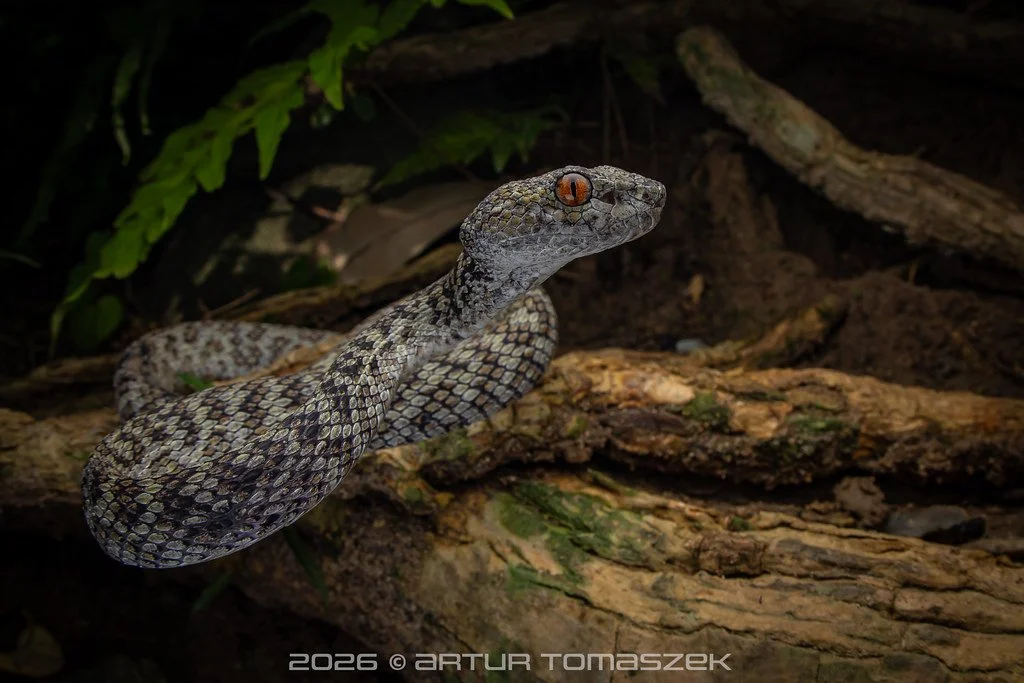
Trimeresurus honsonensis
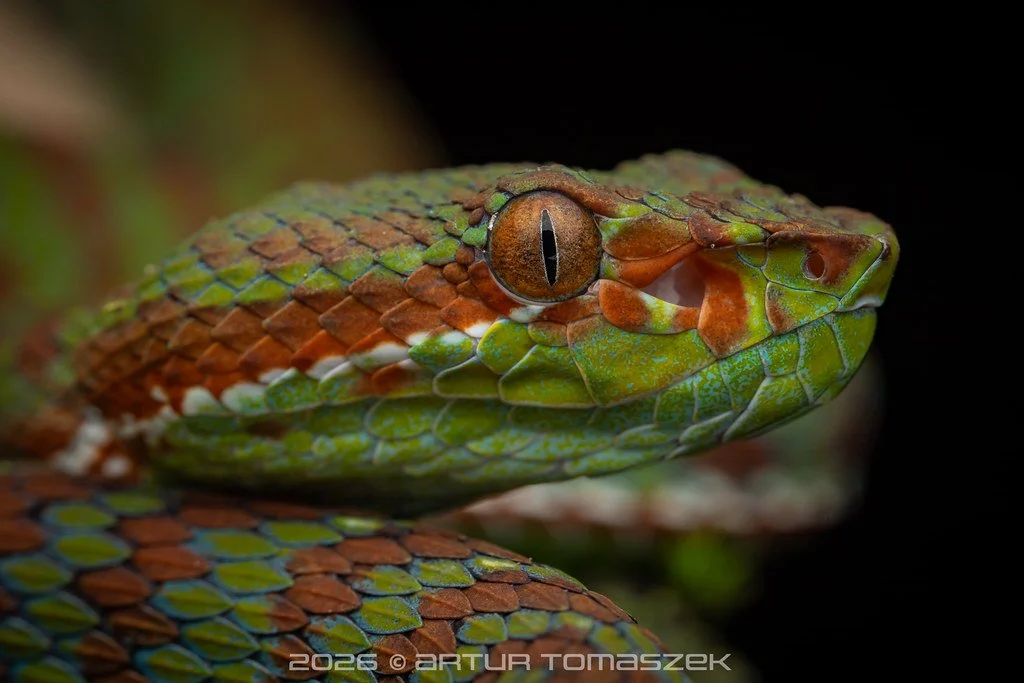
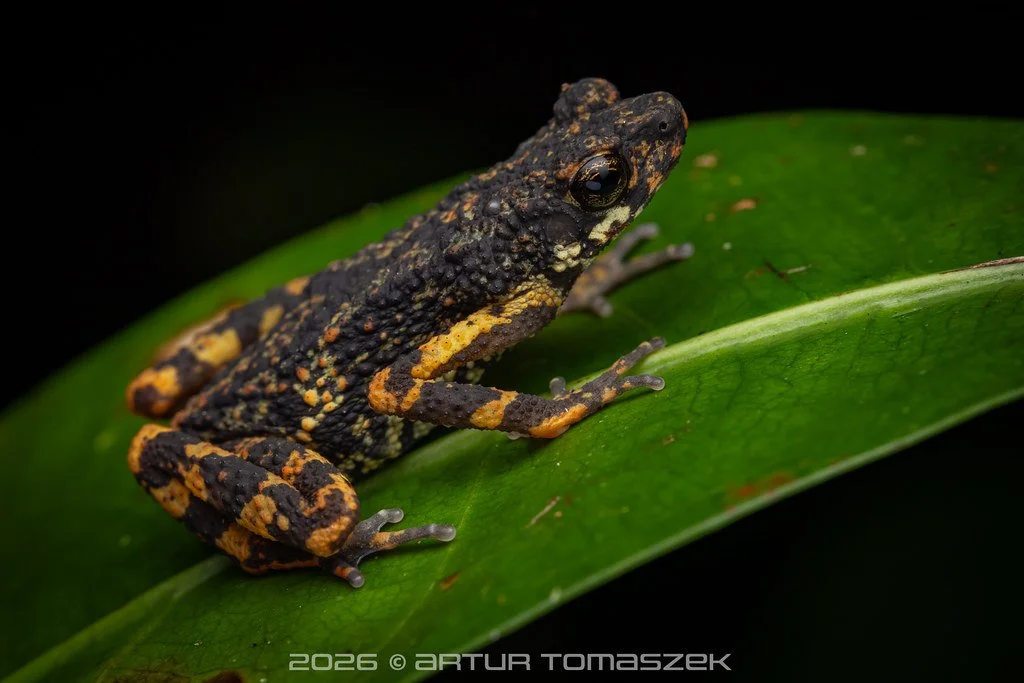
Before flying to Vietnam, Artur had one free night in Phuket. Naturally, he used it for herping.
Artur went out with two very specific targets: Trimeresurus phuketensis and Ansonia phuketensis. Despite having only a single night, he managed to find both. It was a short but successful start to the final part of the six week trip.
The following day, Artur flew to Ho Chi Minh City, where he met up with Lowzi and Woody. Ahead of them were ten days, three very different locations and a rather ambitious list of targets.
The weather made them work painfully hard throughout the trip, but somehow, despite the heat and exceptionally dry conditions, they managed to find every one of their main targets.
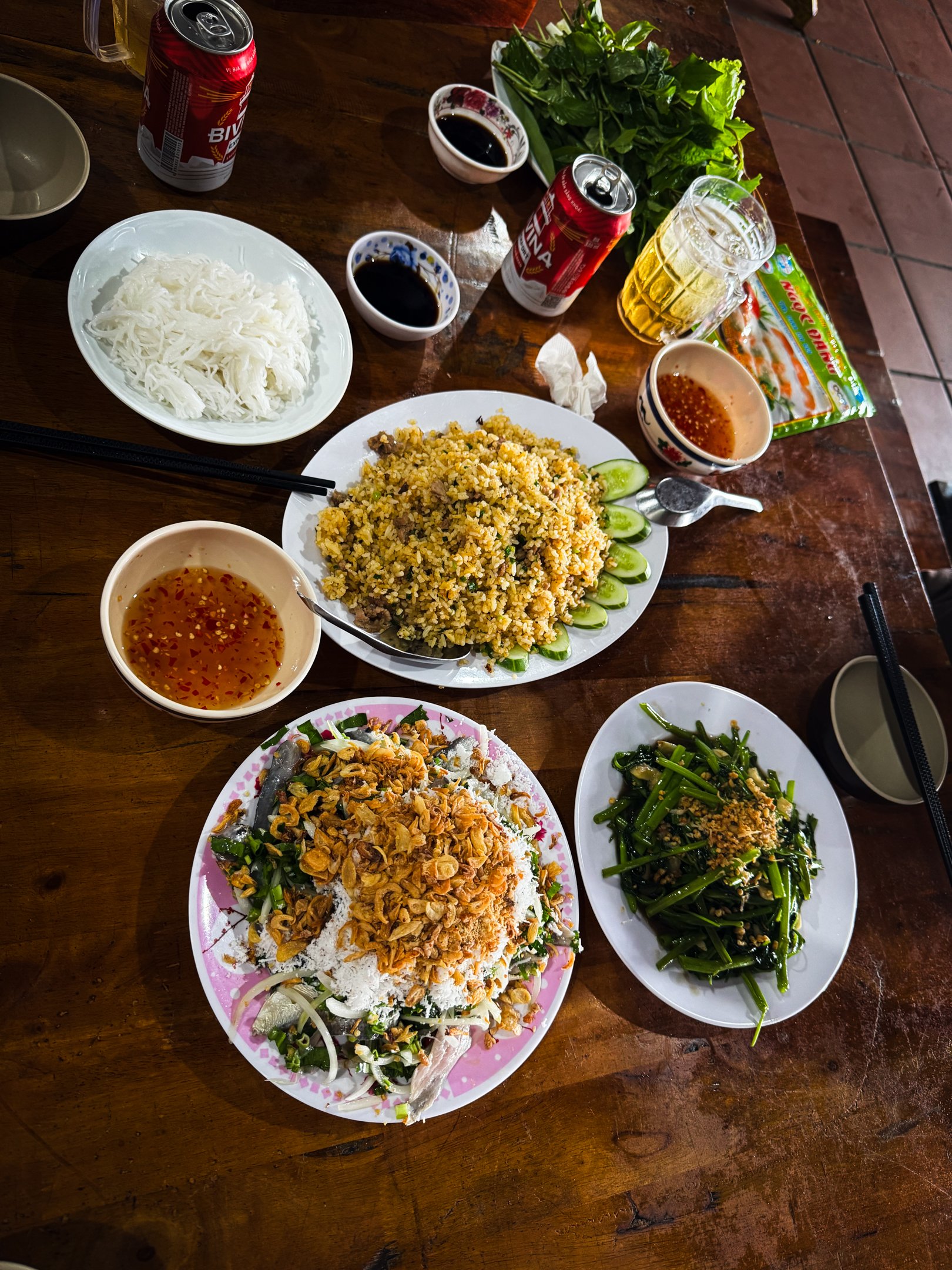
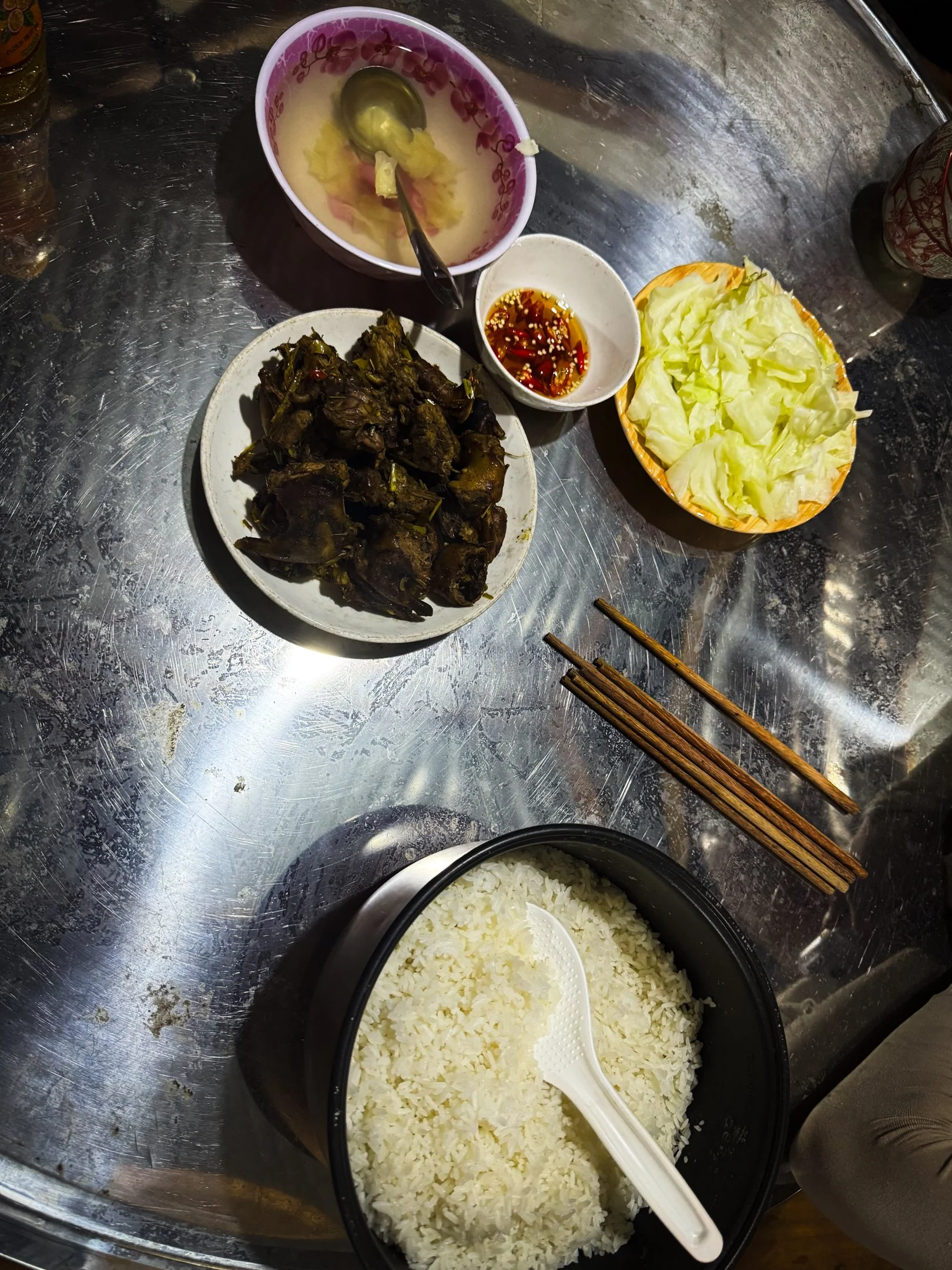
There were uncomfortable journeys, excellent sleeper buses, enormous leeches, far too little sleep and some of the best local and street food Artur has had. A fairly typical herping trip, then.
Hon Son Island
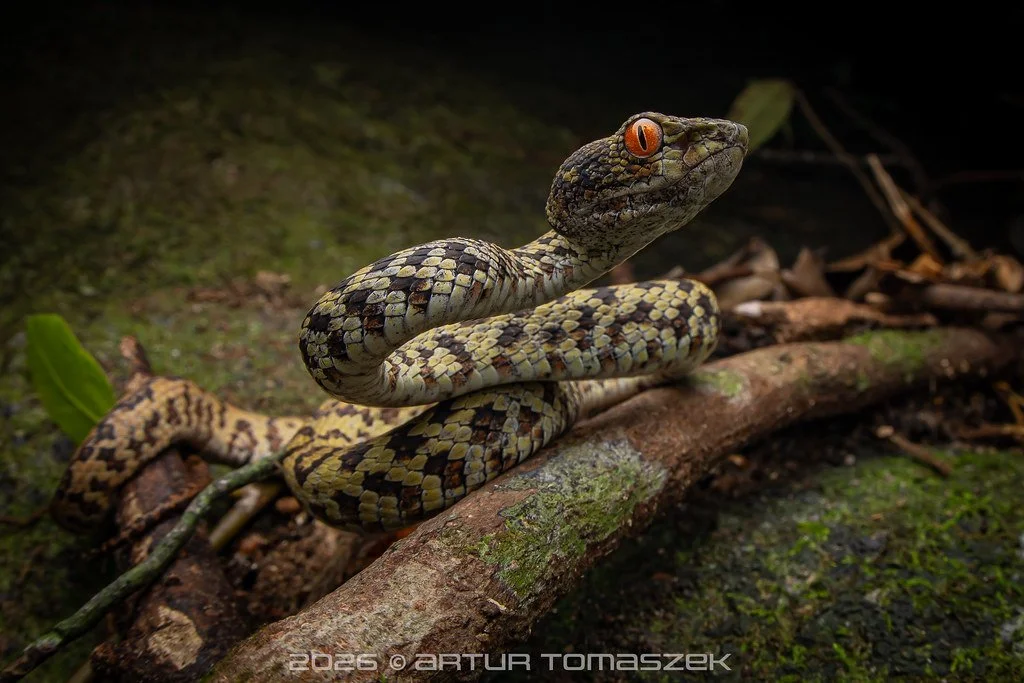
Their first stop was Hòn Sơn Island, where they had one very specific goal: the Hòn Sơn pit viper (Trimeresurus honsonensis).
This beautiful pit viper is endemic to the island. With such a tiny known distribution, seeing one in its natural habitat felt particularly special.
They had allowed themselves only one night on the island, so there was no room for bad luck. Fortunately, Hòn Sơn delivered exactly what they had come for. They found several individuals, ticked off the first major target and were ready to move on almost as quickly as they had arrived.
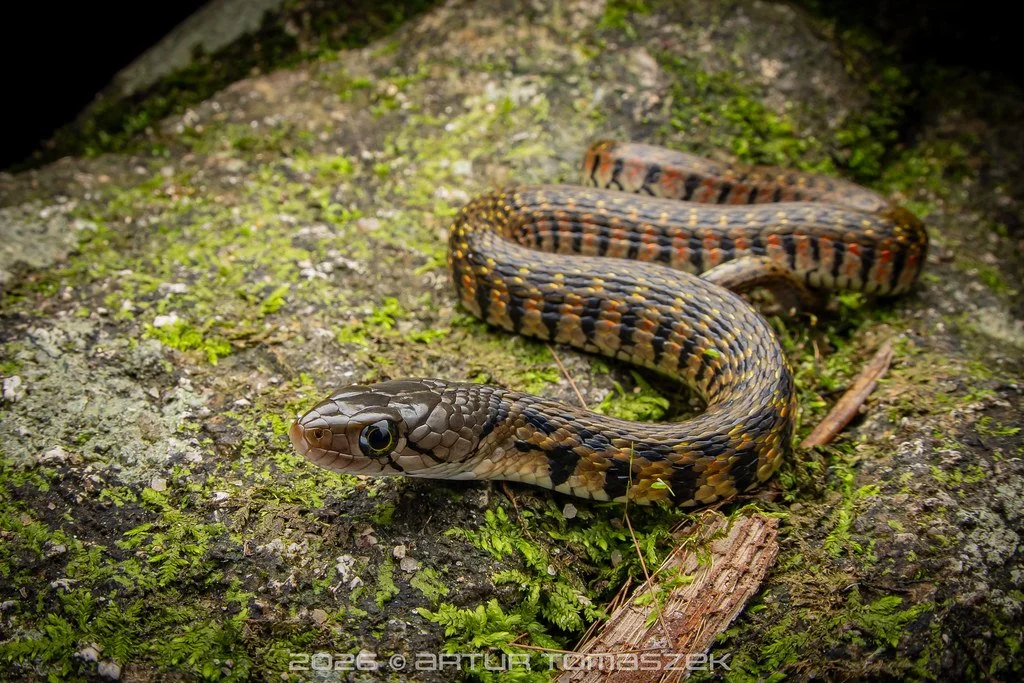
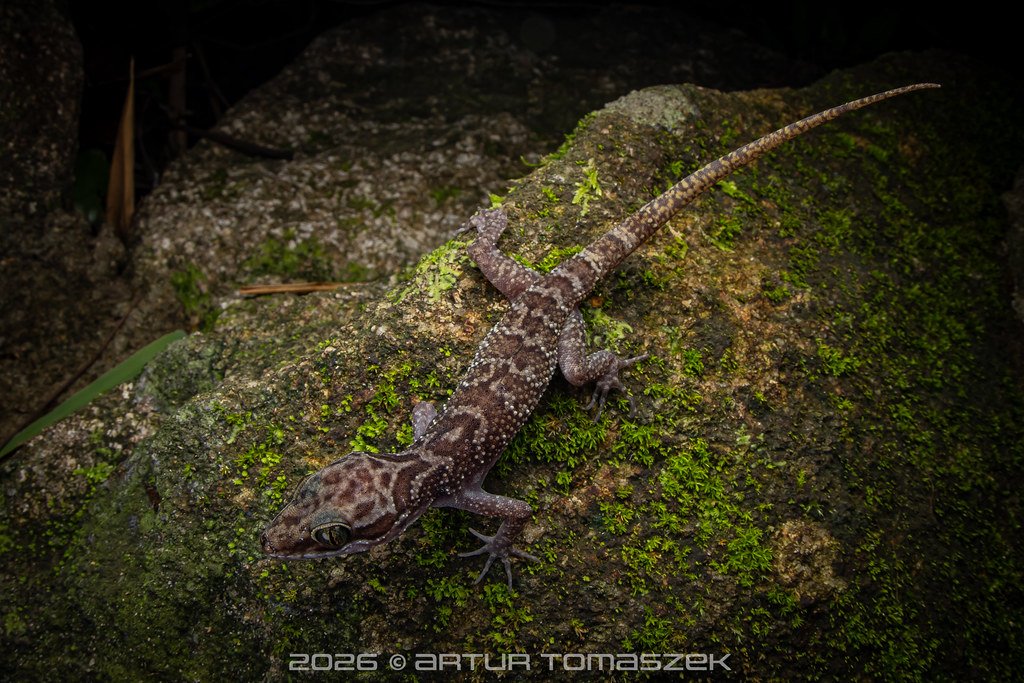
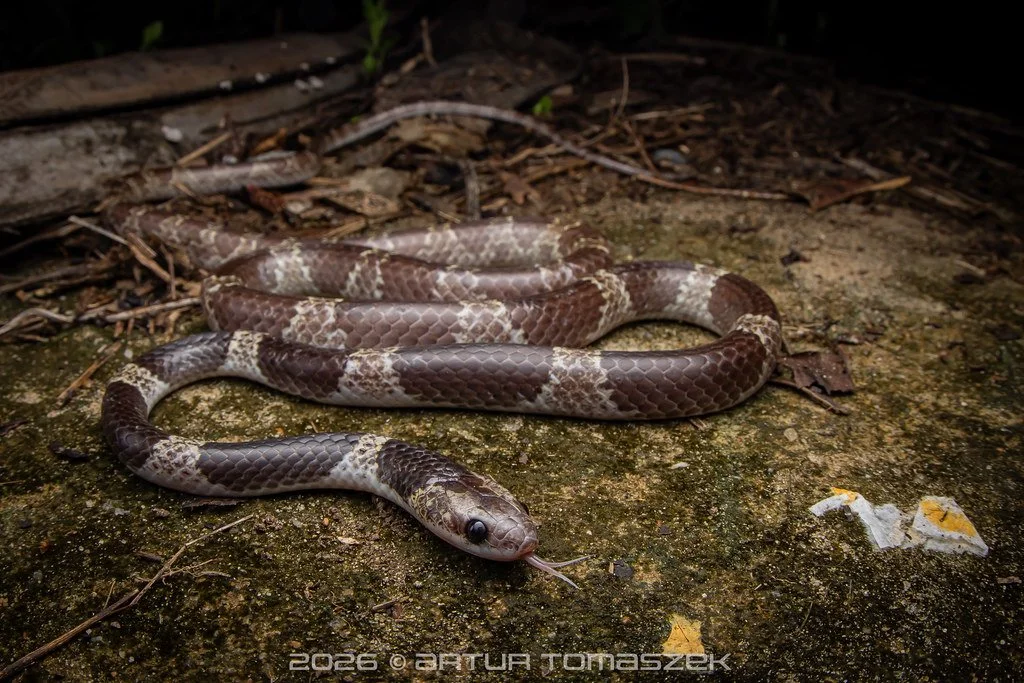
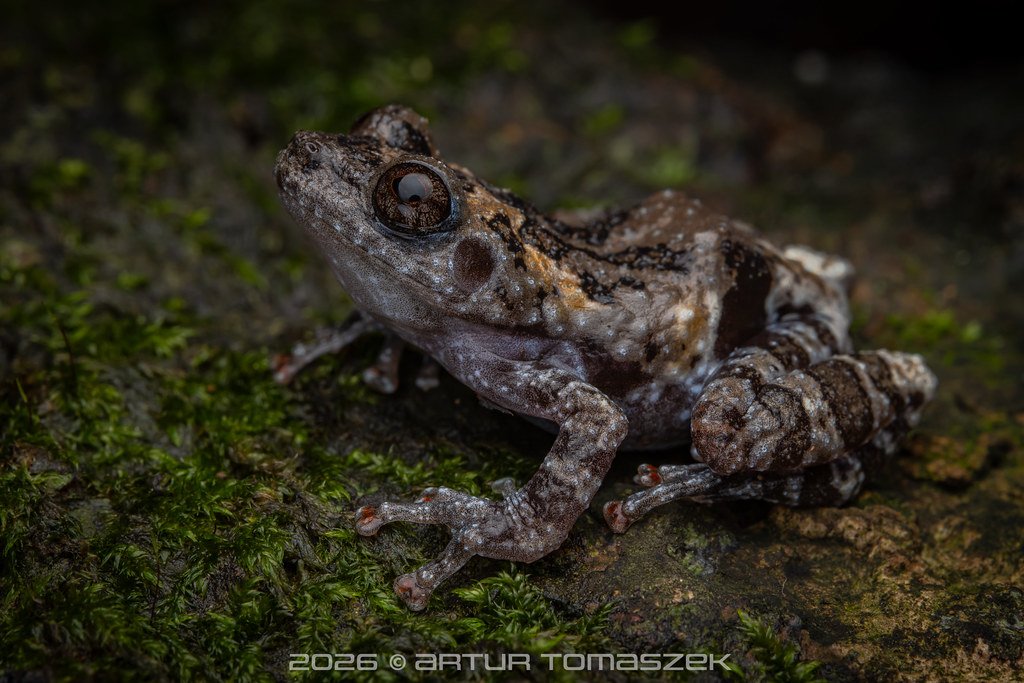
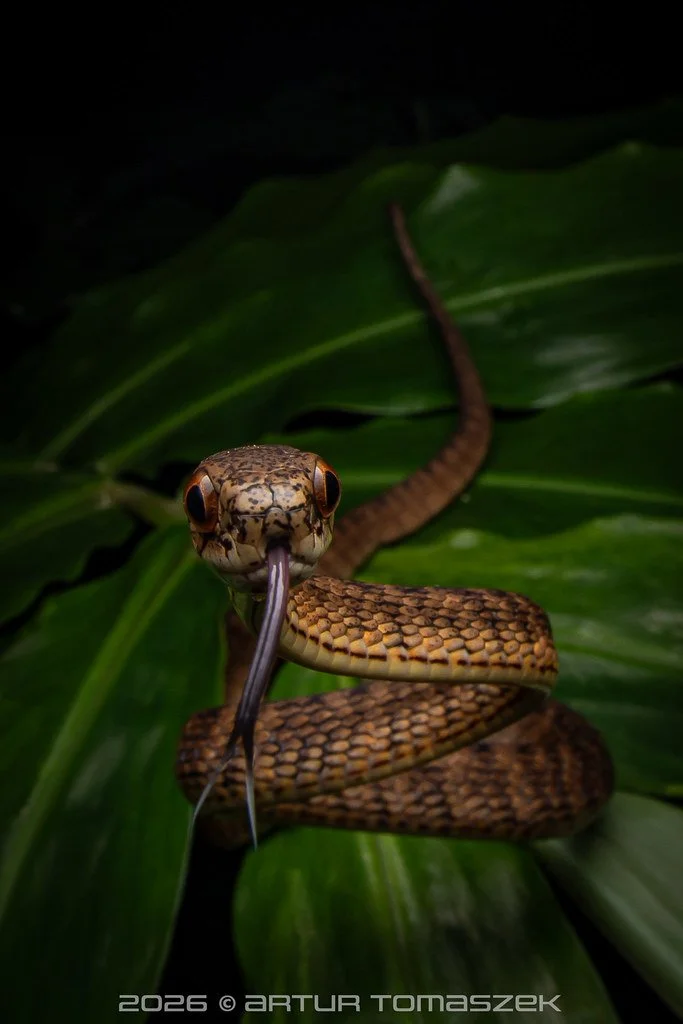
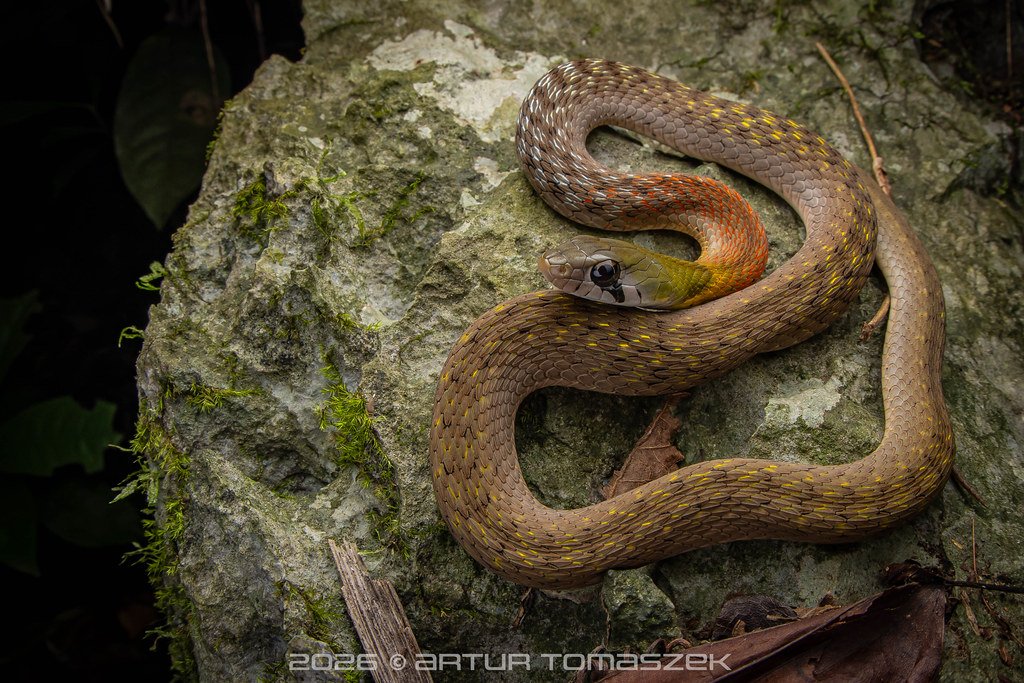
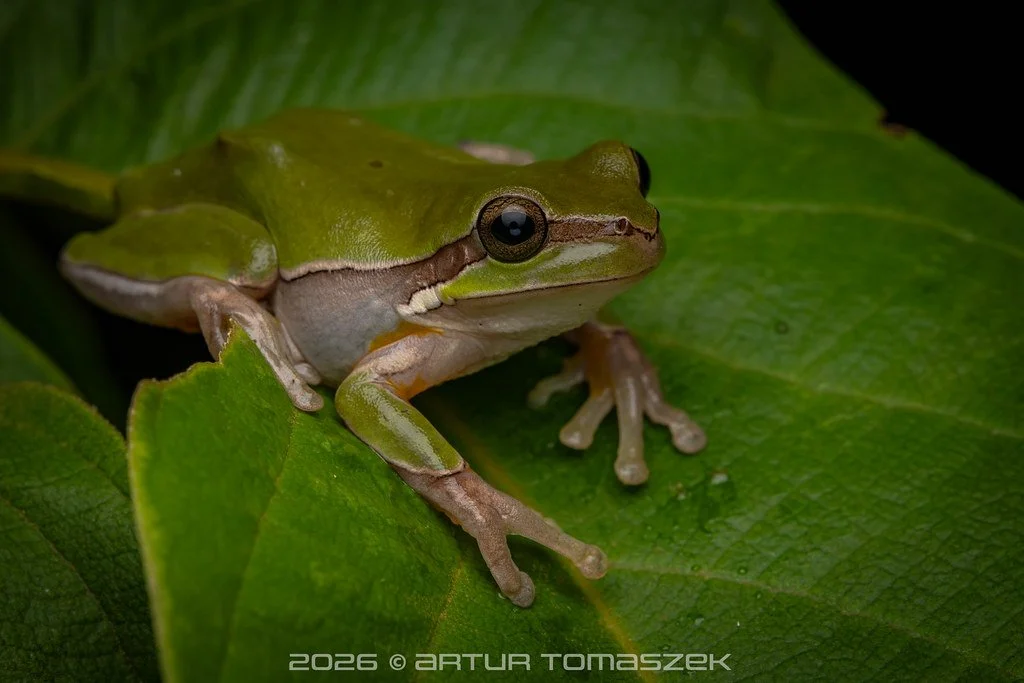
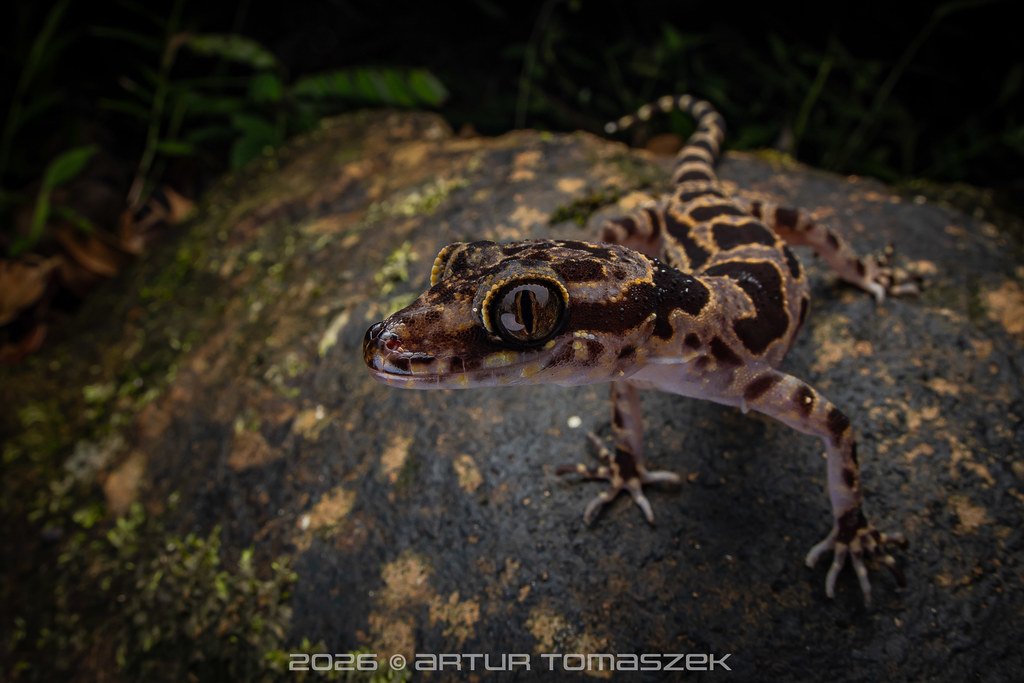
The island produced several other herps during their short visit, including Davison’s wolf snake (Lycodon davisonii), oriental whipsnake (Ahaetulla prasina), Vietnamese bug-eyed frog (Theloderma vietnamense), yellow-spotted keelback (Fowlea flavipunctata), Côn Đảo bow-fingered gecko (Cyrtodactylus condorensis) and Berdmore’s slug snake (Pareas berdmorei).
Not a bad result for a single night.
Central Vietnam
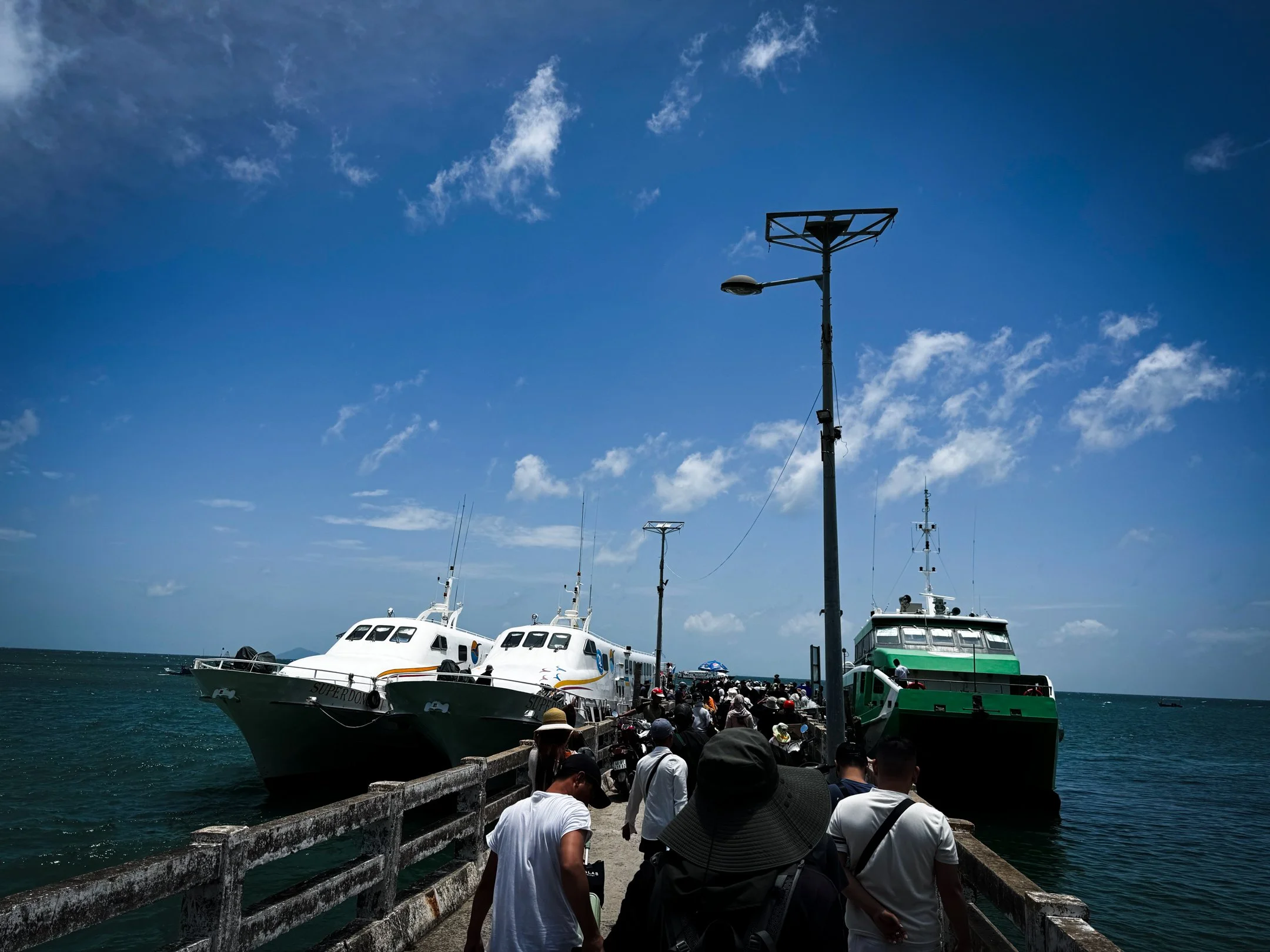
From Hòn Sơn, they flew to Đà Nẵng. Before continuing with the herping part of the trip, they spent a morning searching for red-shanked doucs (Pygathrix nemaeus).
With their red legs, white arms, black hands, orange face and long white whiskers, red-shanked doucs are among the most colourful primates in the world. Watching them move through the canopy was a welcome change from spending every night staring at the forest floor and scanning branches with a headlamp.
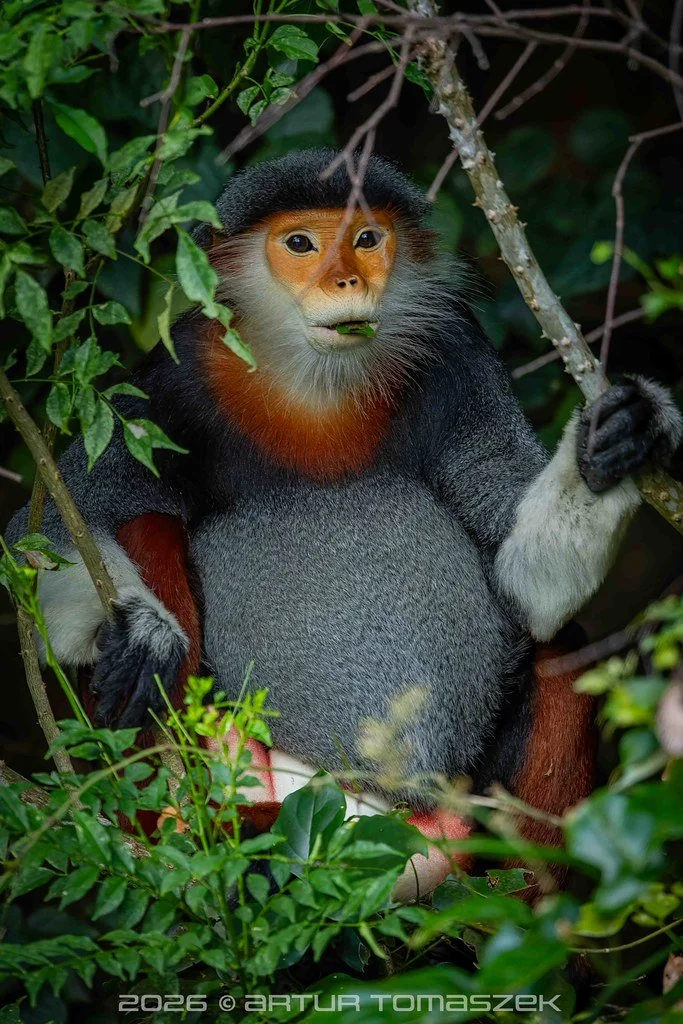
Pygathrix nemaeus
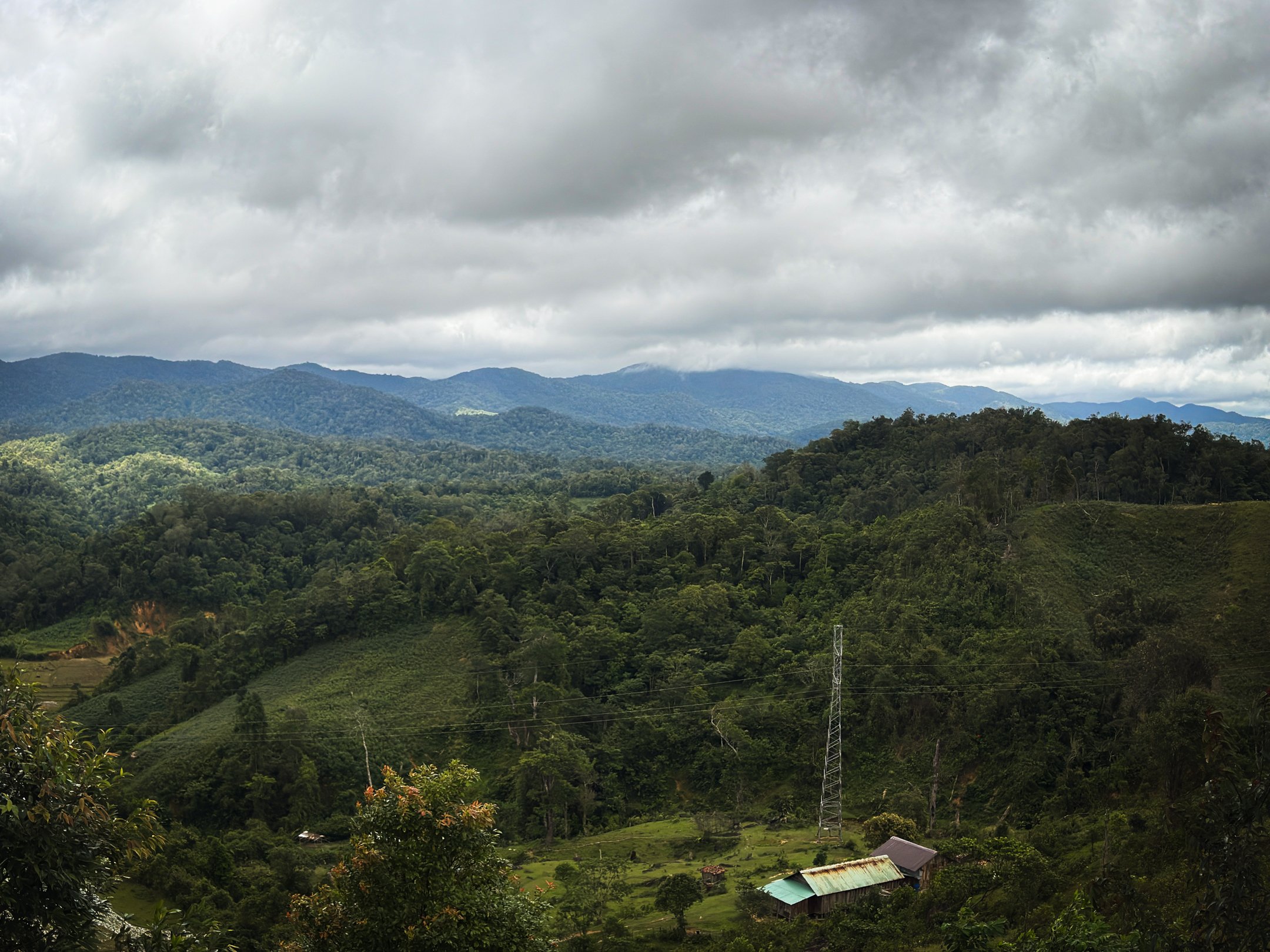
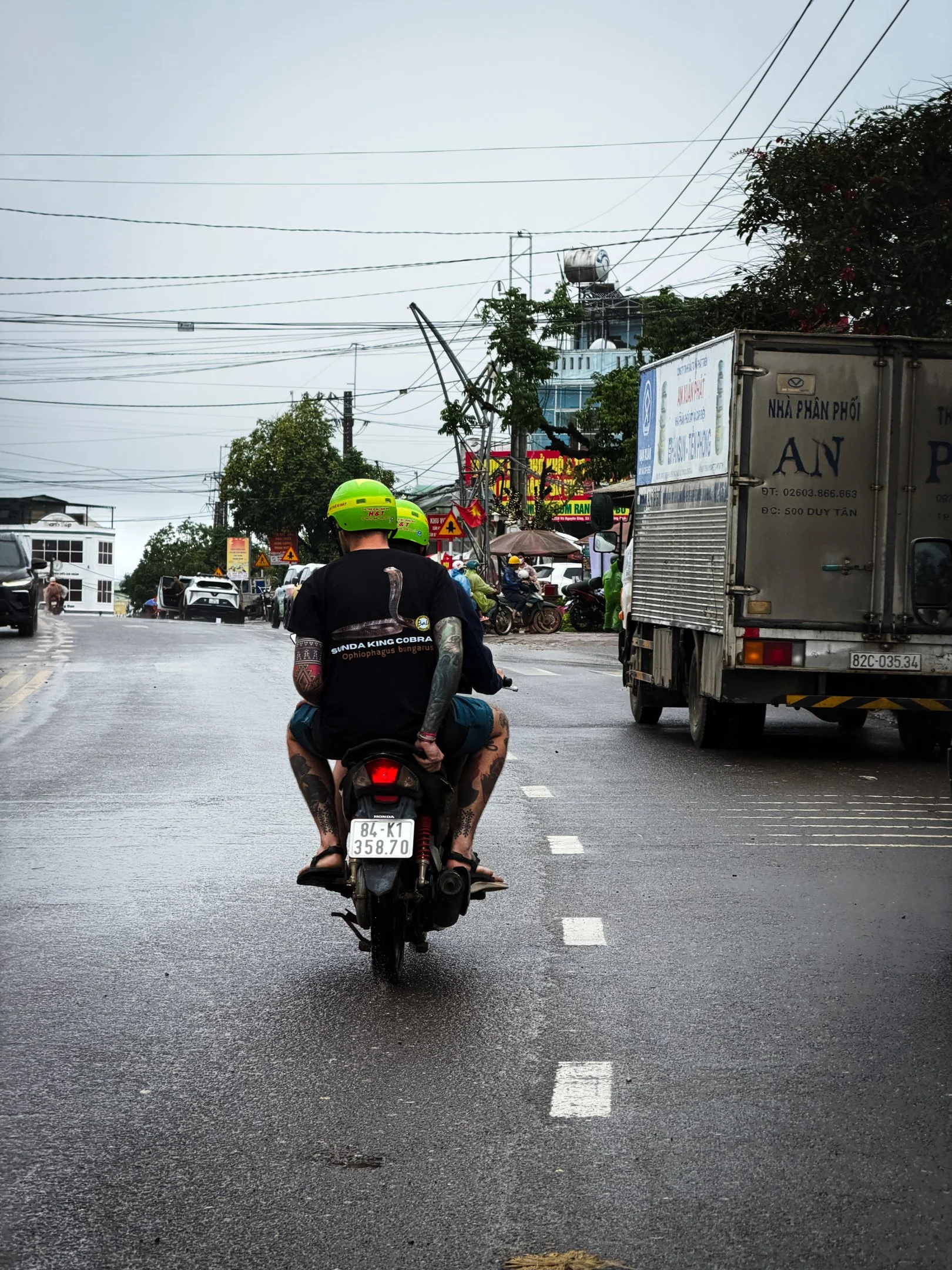
That peaceful morning was followed by a considerably less pleasant journey of approximately eight hours crammed into what was essentially a delivery van heading into the Central Highlands. It was extremely uncomfortable, but it brought them closer to Artur’s biggest amphibian target of the entire trip.
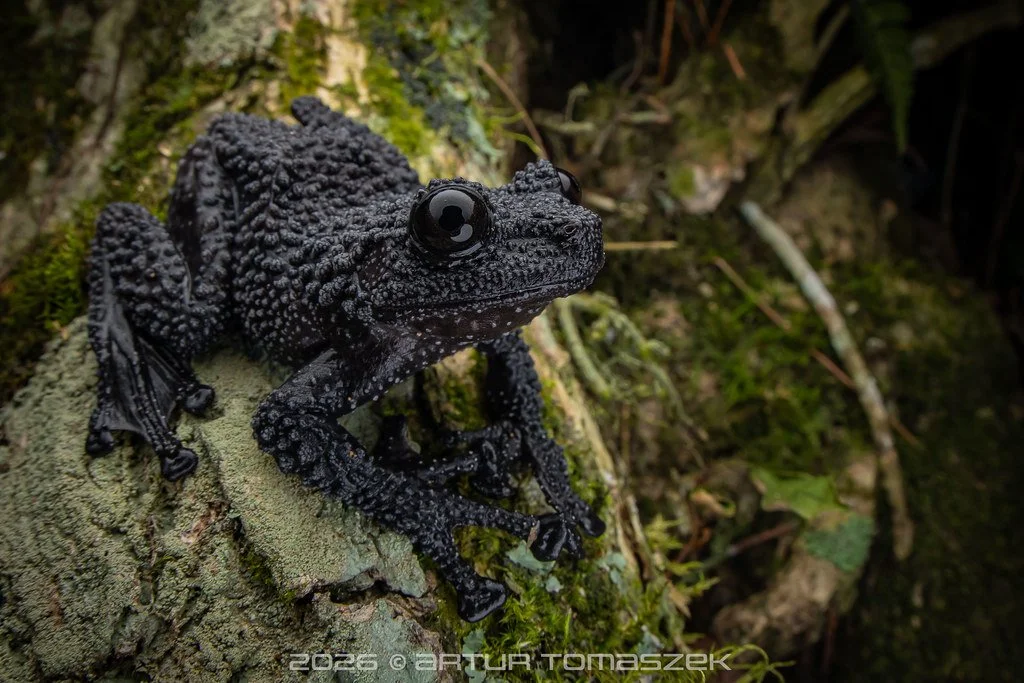
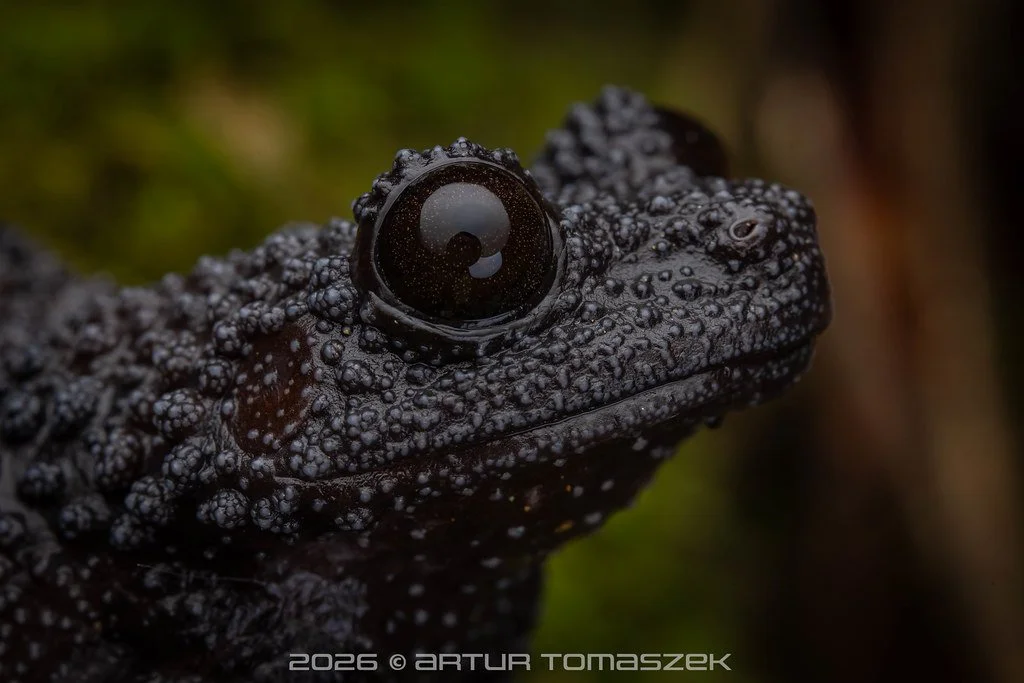
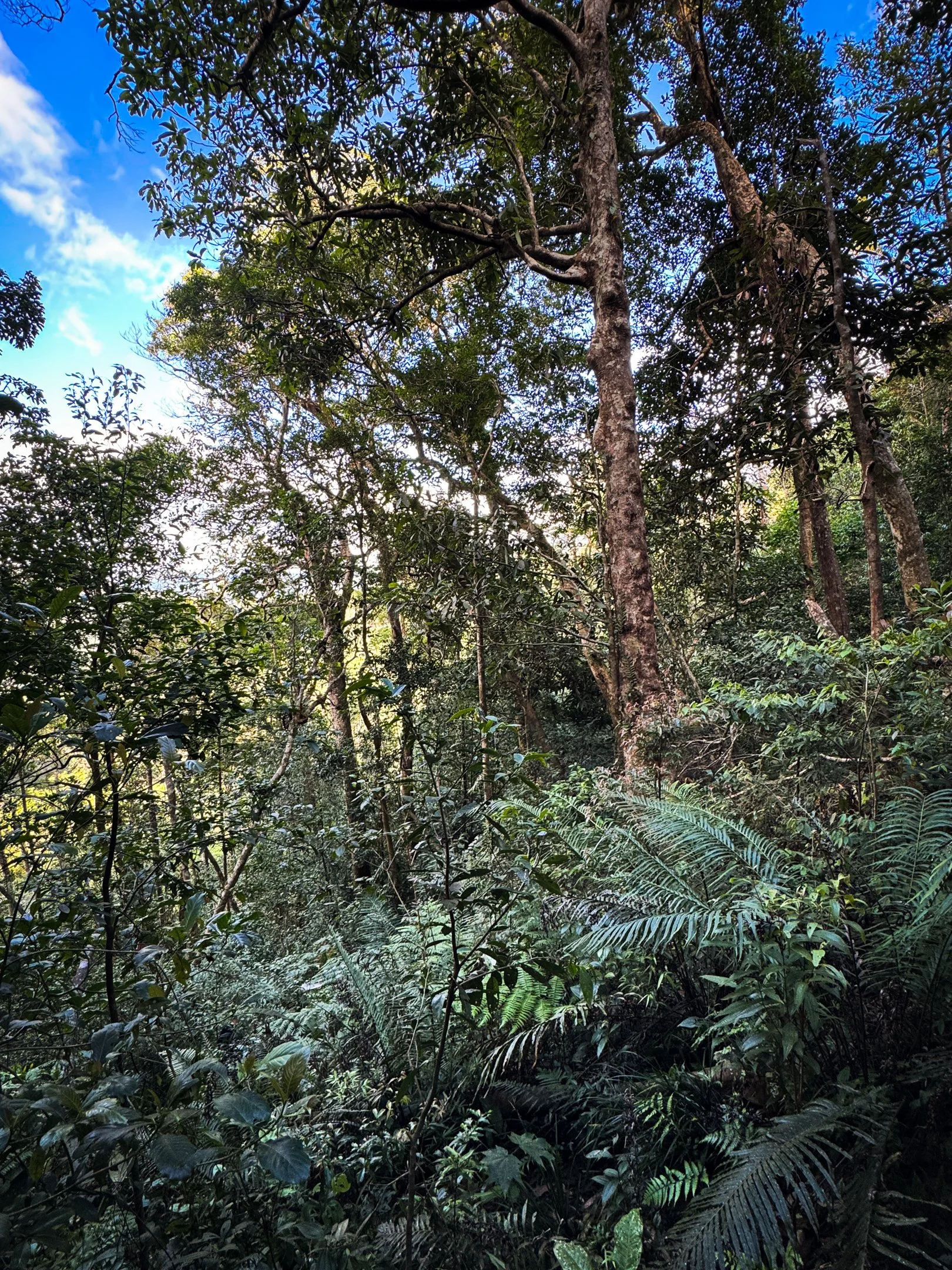
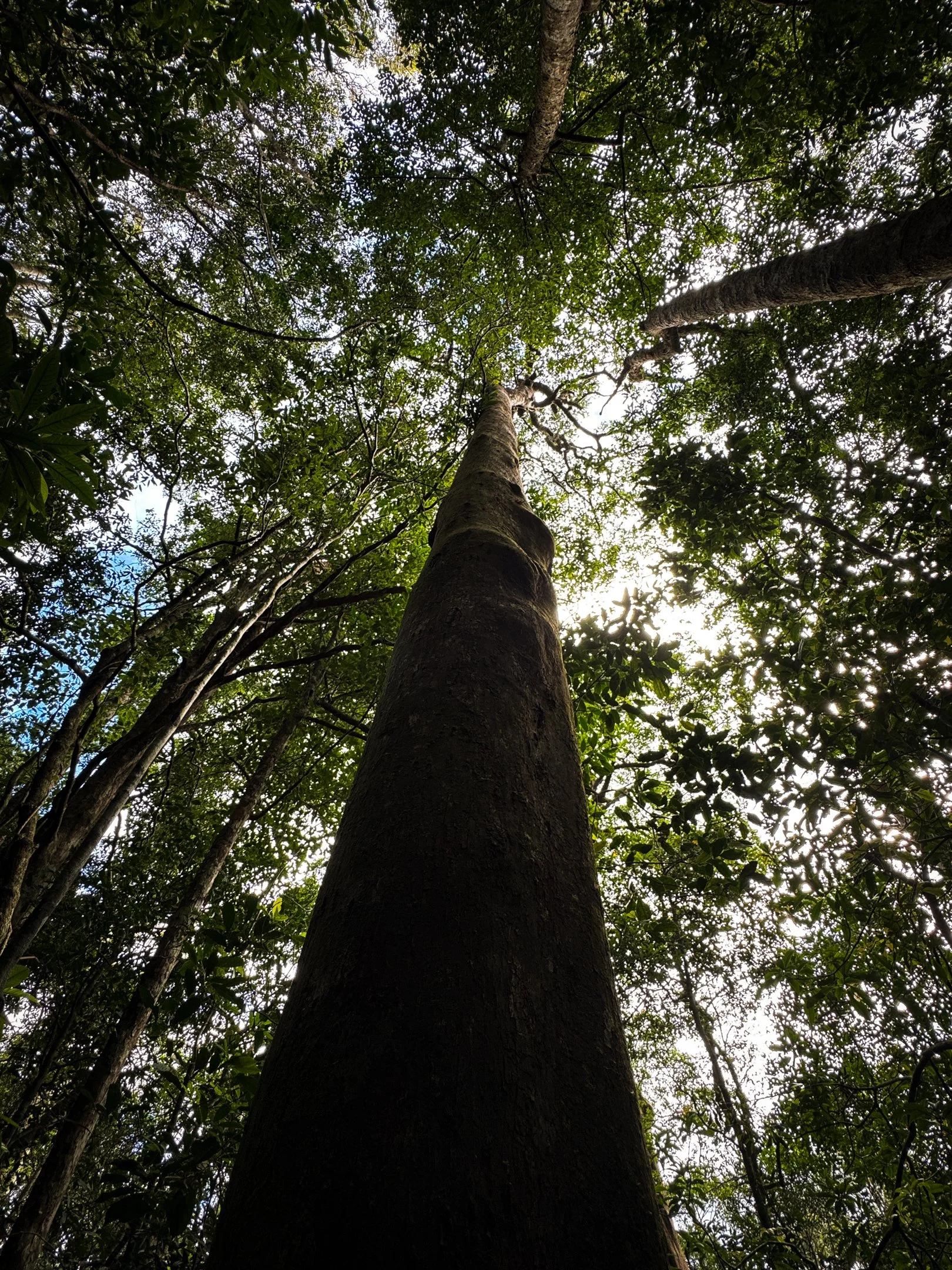
They spent three nights in the highlands searching for Ryabov’s bug-eyed frog (Theloderma ryabovi). Unfortunately, they arrived during exceptionally hot and dry conditions, just as a new El Niño event was beginning to strengthen.
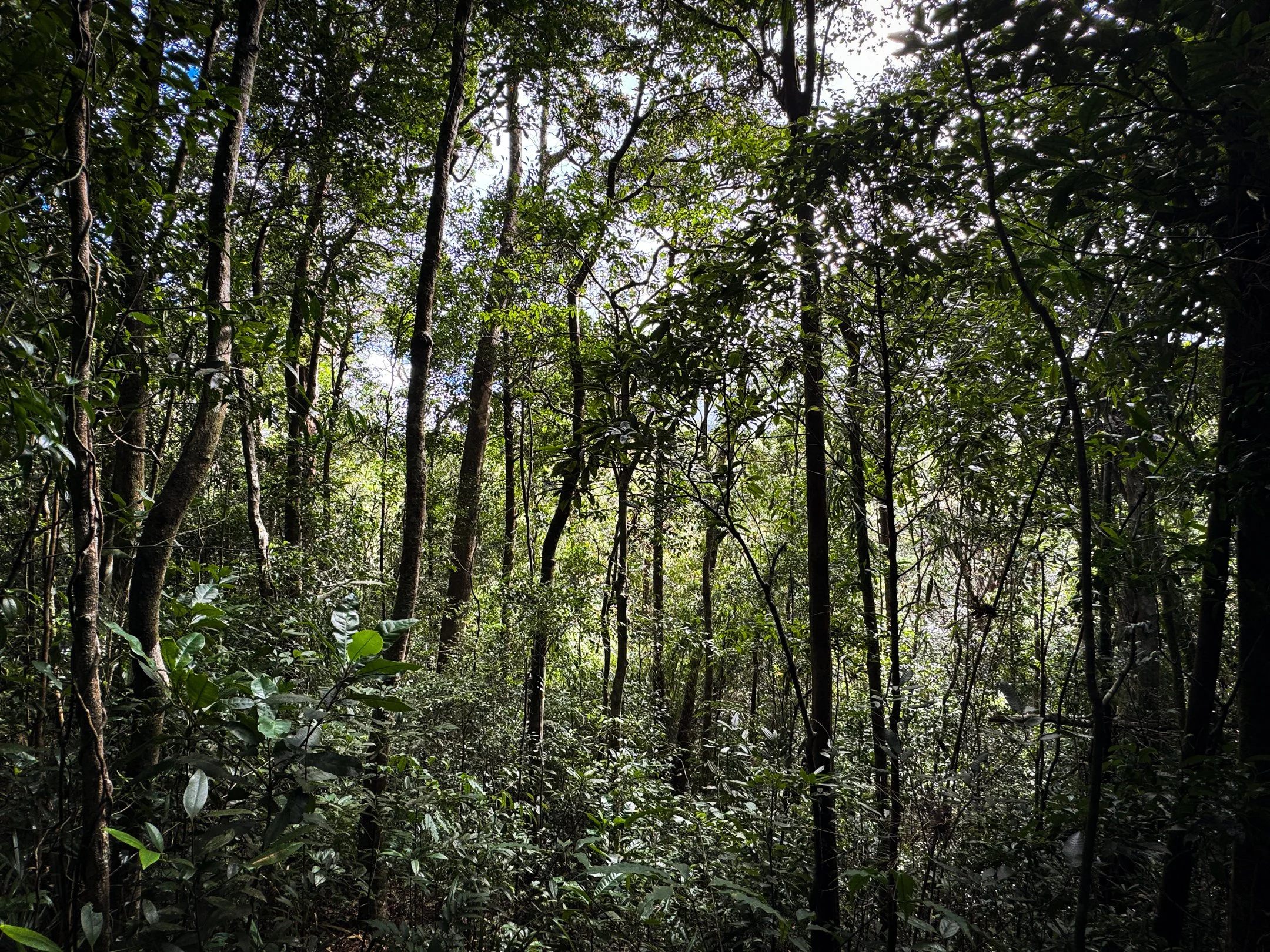
The forest was far quieter than they had hoped. Previously water-filled cavities that appeared perfect for Theloderma were completely dry, and although the boys occasionally heard calls coming from the canopy, they were impossibly high above them. They could not even be certain which Theloderma species were calling.
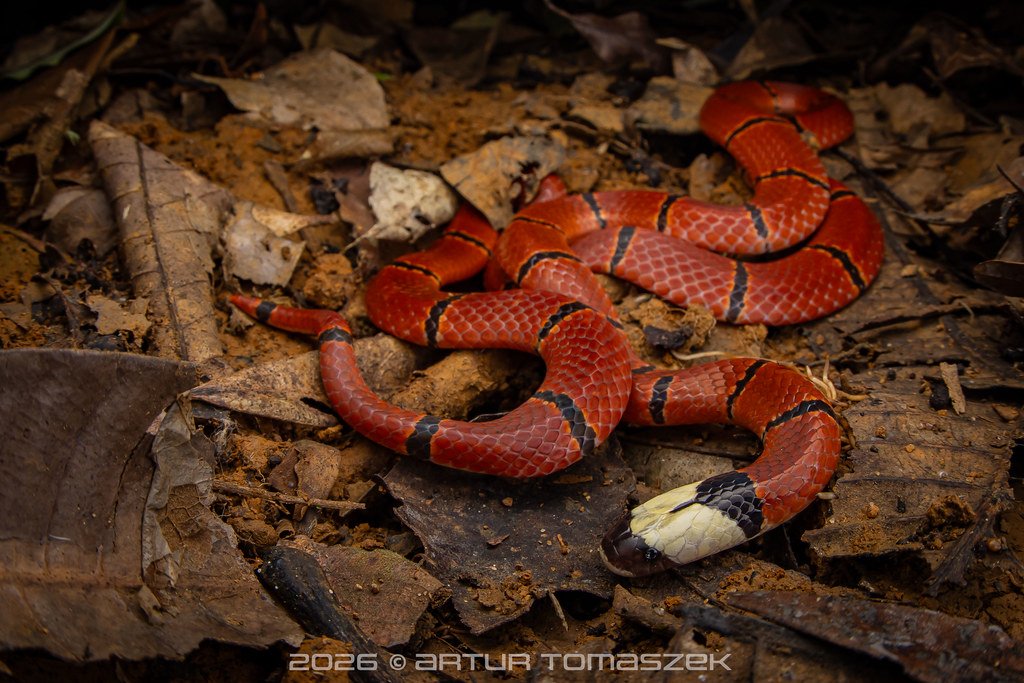
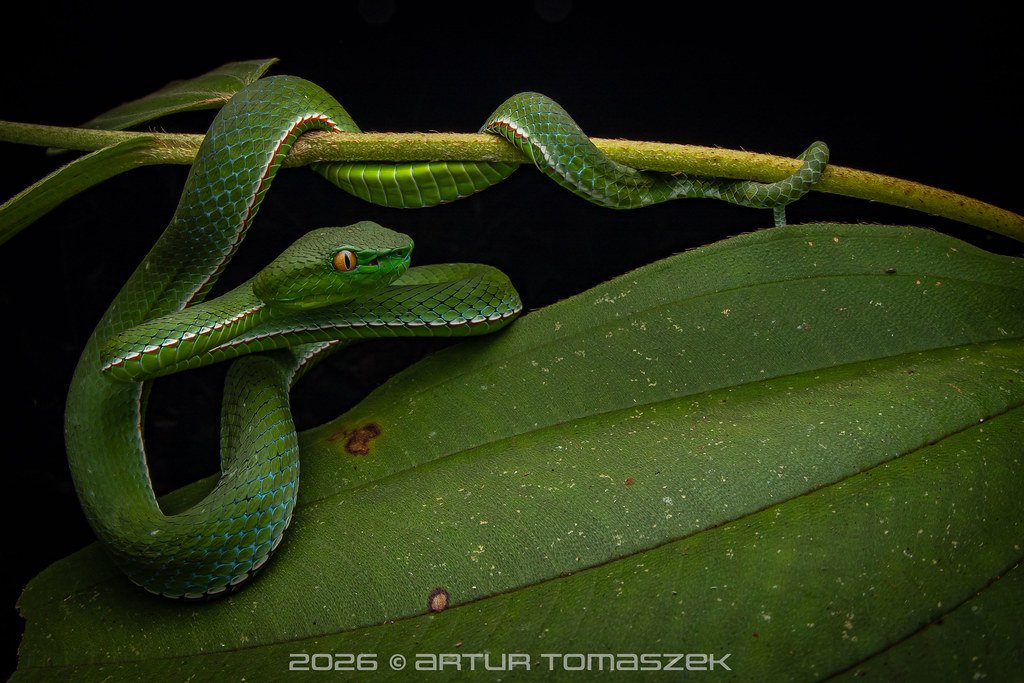
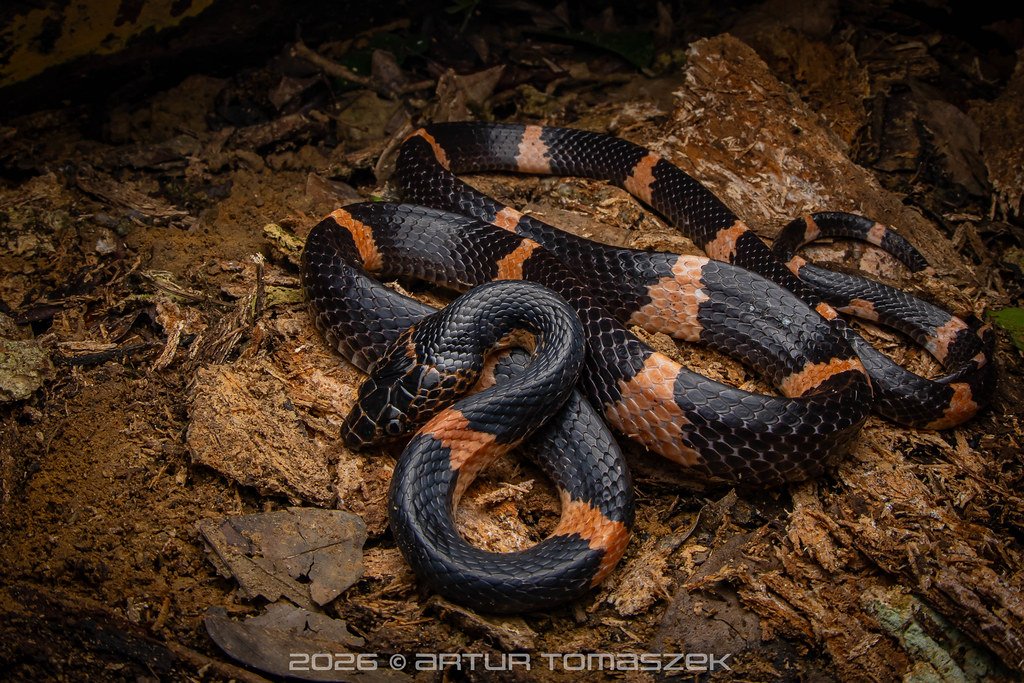
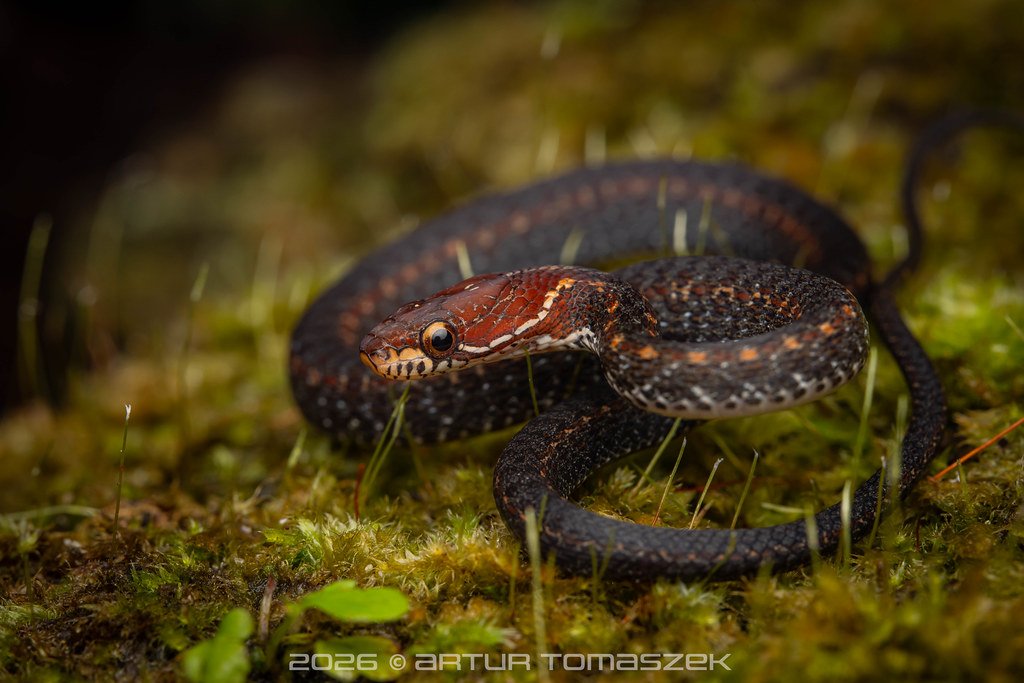
The conditions were bad, but the forest still produced some excellent herps. Among them were Peinan’s coral snake (Sinomicrurus peinani), Vogel’s pit viper (Trimeresurus vogeli), Tai-yong keelback (Hebius boulengeri), Rendahl's wolf snake (Lycodon paucifasciatus) and plenty of interesting bugs and frogs.
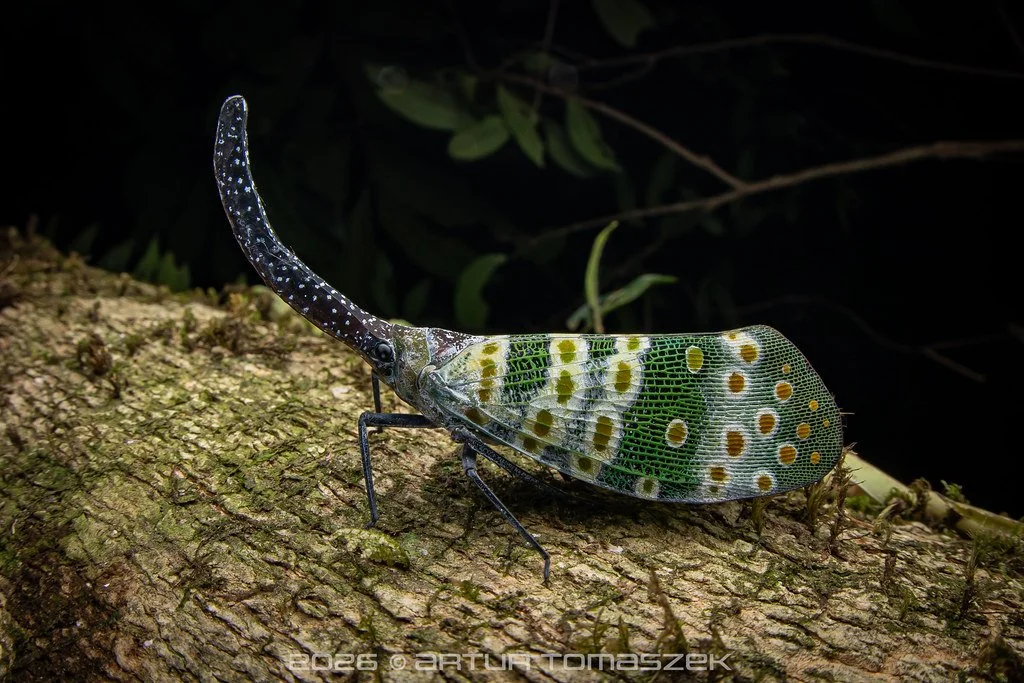
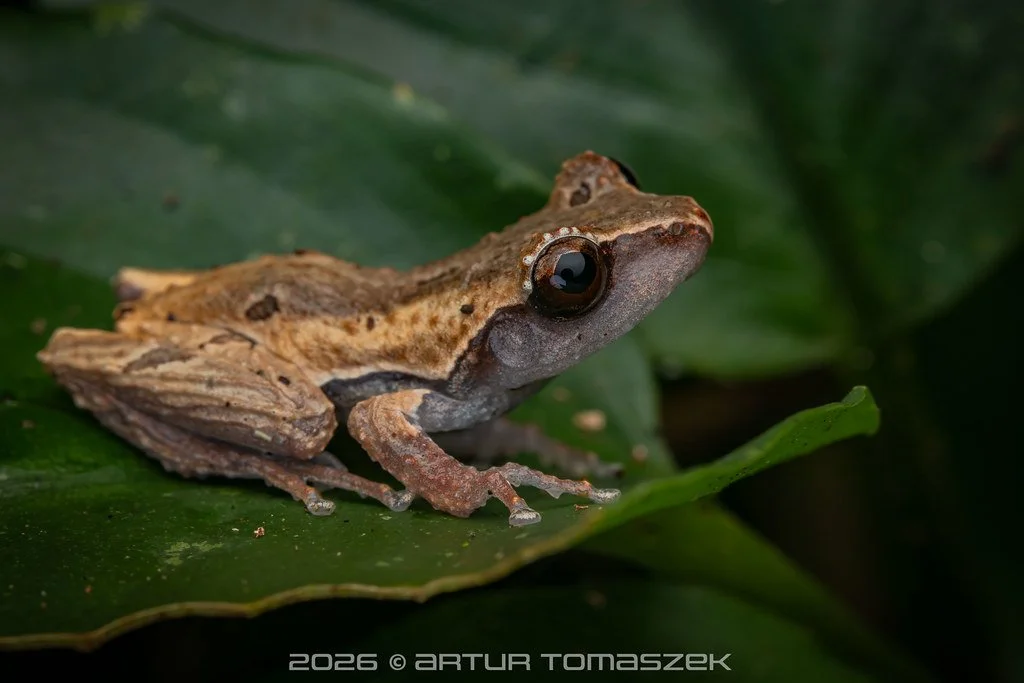
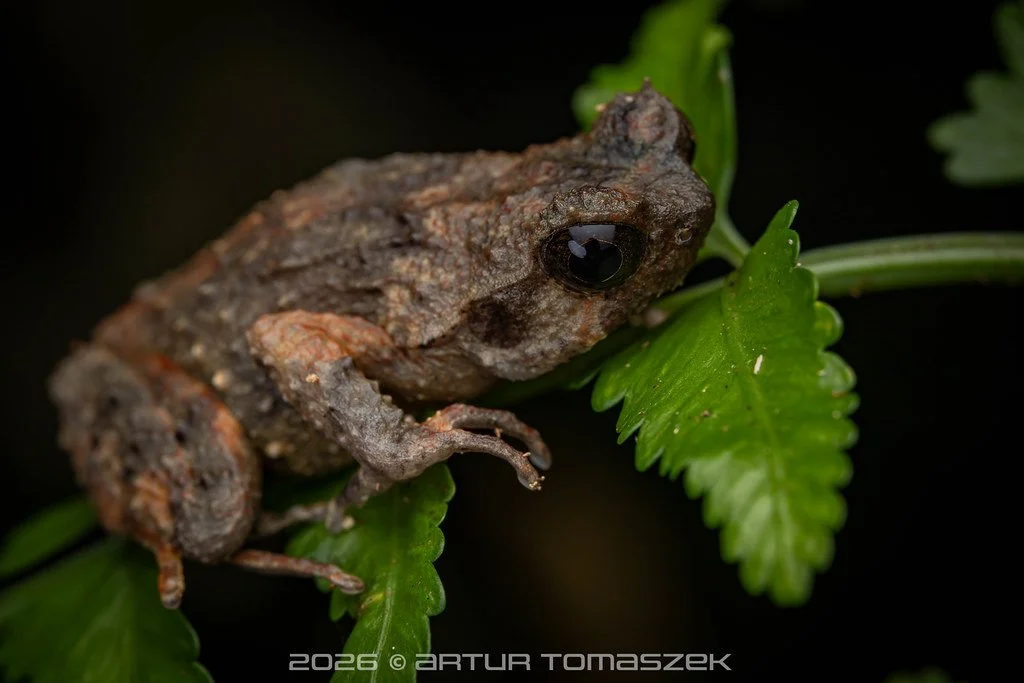
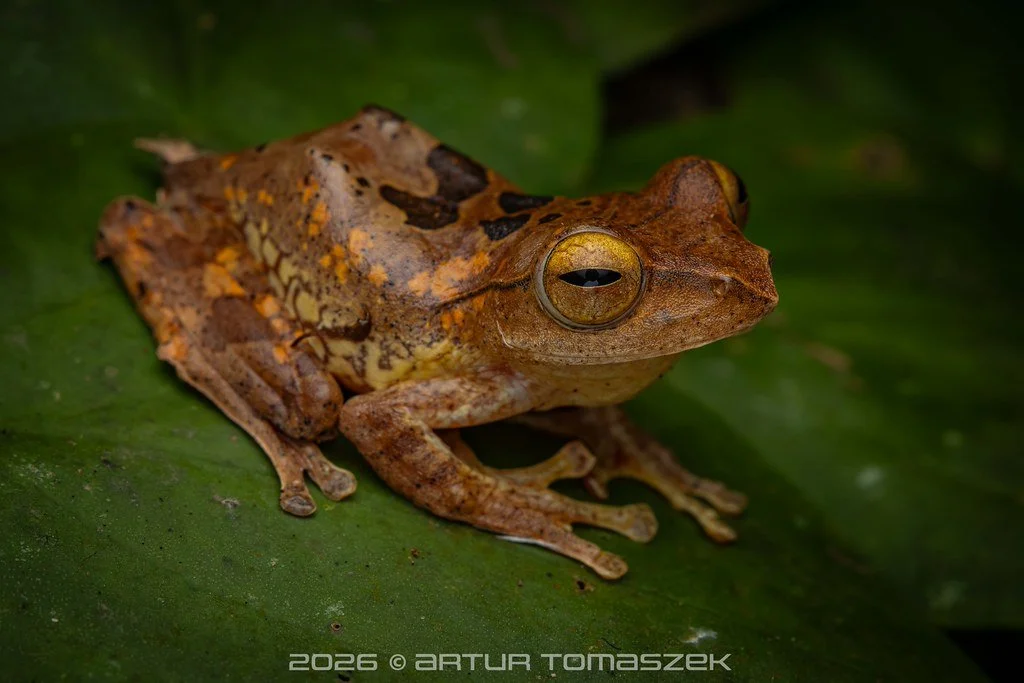
One of the highlights was the tiny bubble-nest frog (Gracixalus supercornutus). This small montane species deposits tiny clutches of eggs on leaves positioned above shallow water. After hatching, the tadpoles fall into the water below to continue their development. Males have also been observed guarding the eggs. Artur has observed this behaviour before in Gracixalus gracilipes in China.
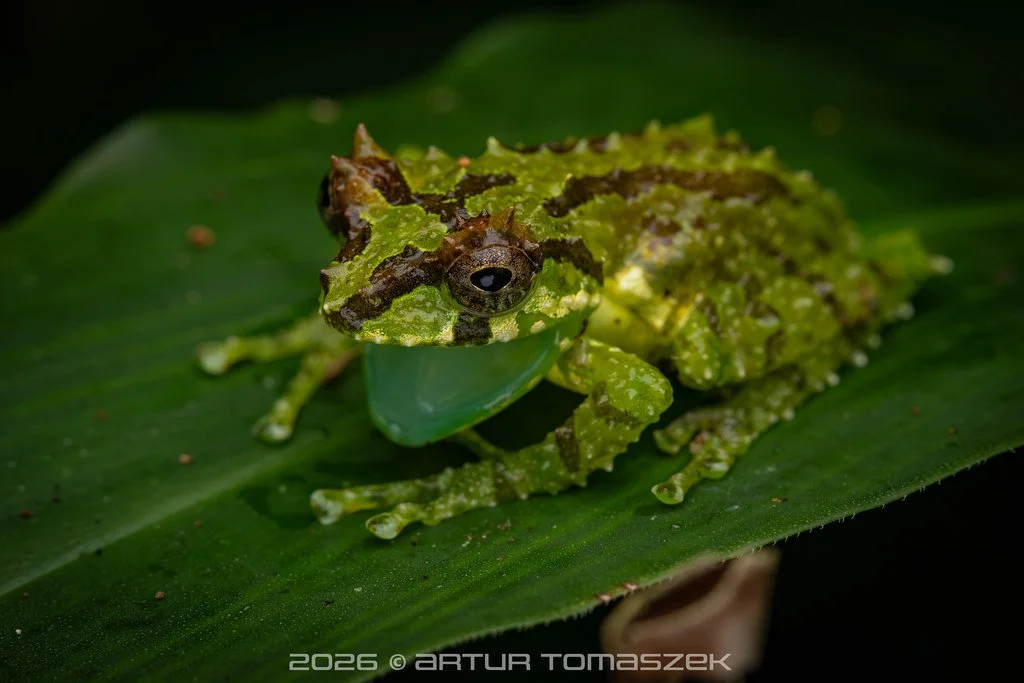
Gracixalus supercornutus
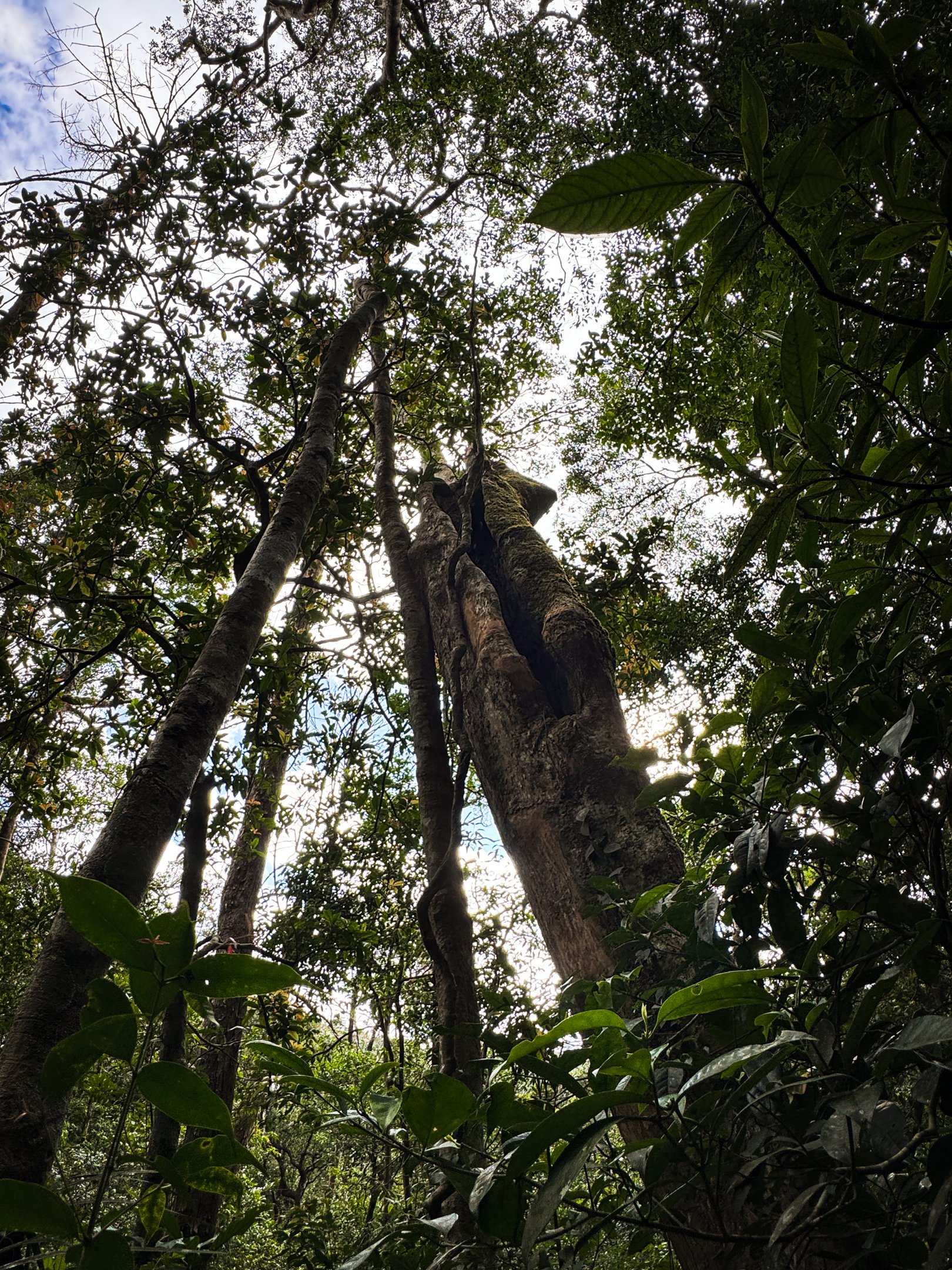
The other unforgettable feature of this forest was the leeches.
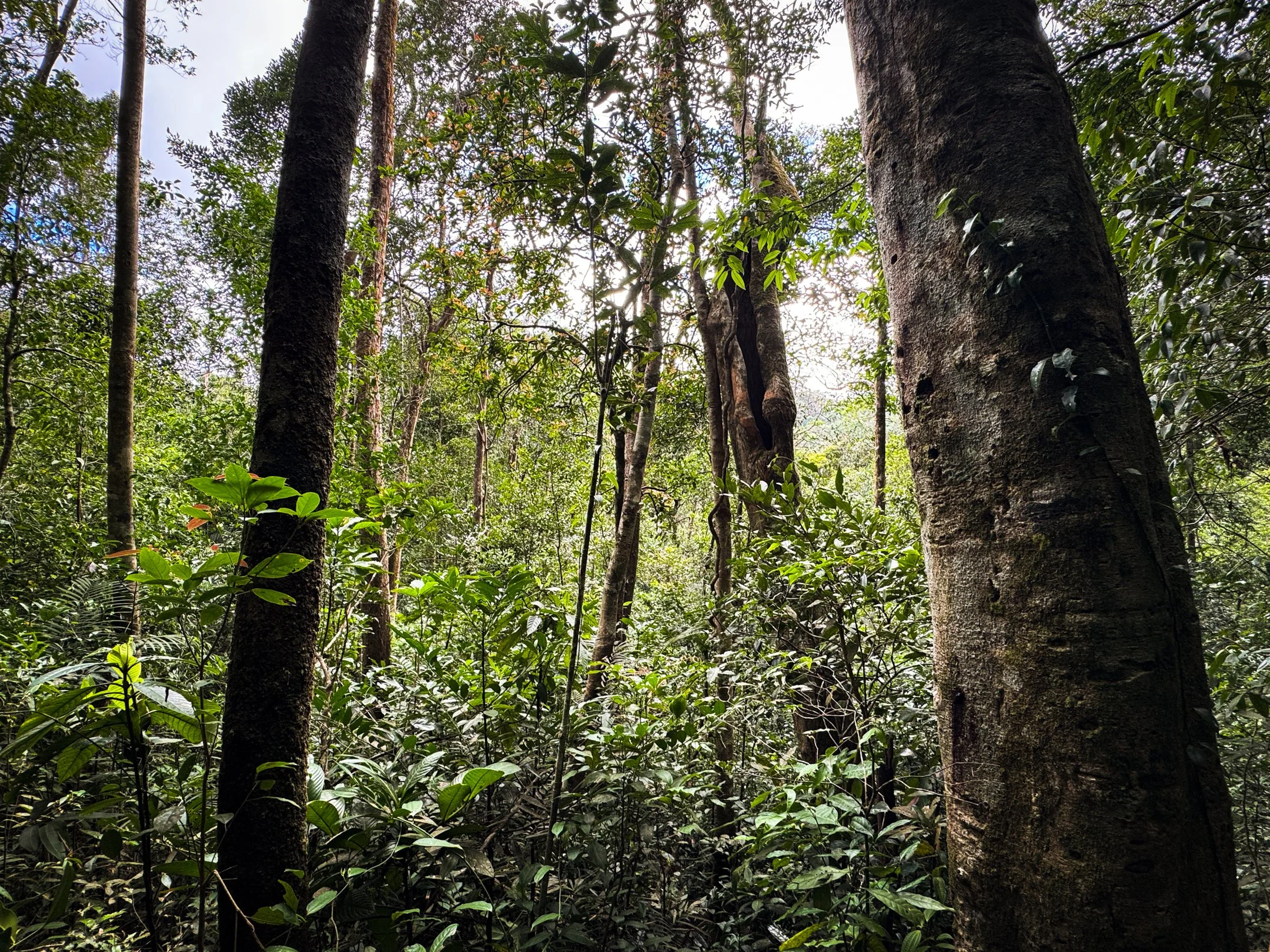
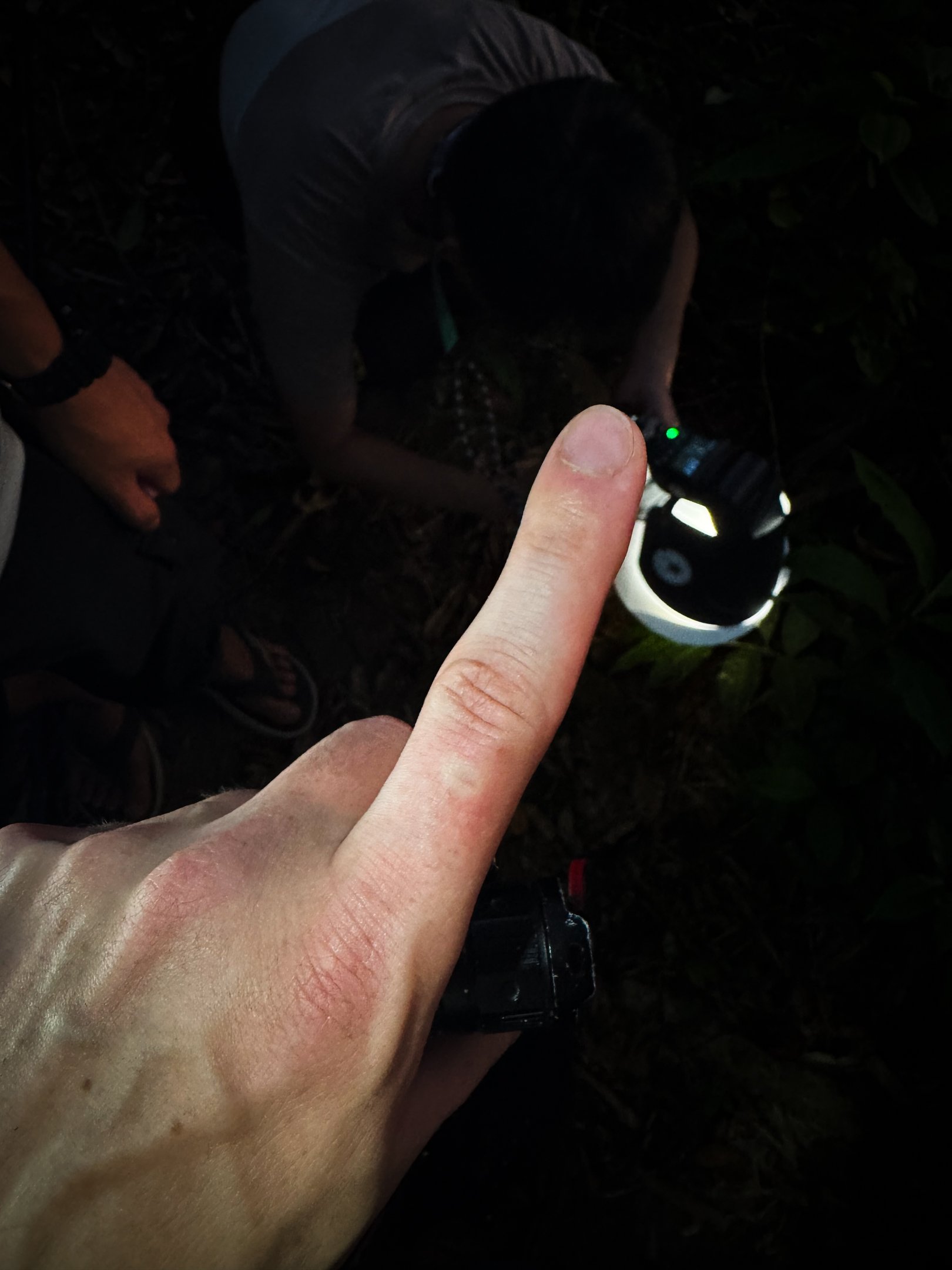
We have visited plenty of jungles with bad leeches, but this place was on another level. They were absolutely everywhere (even during extremely dry conditions!) and they were enormous. Artur genuinely could not imagine what the forest must be like during wet weather.
Leeches during an extremely DRY DAY…
They continued searching, but with every dry cavity and silent stretch of forest, Artur began losing hope. The heat had become exhausting, the expected breeding sites contained no water, and their chances of finding the frog seemed increasingly slim.
Eventually, they managed to see three thanks to local intel.
This endangered frog is known from a very restricted area of Vietnam’s Central Highlands. It is a phytotelm breeder, meaning it reproduces in small bodies of water held by plants. In this case, it was water-filled cavities inside trees. These hidden miniature pools allow its tadpoles to develop far above the forest floor.
On their third night, they attempted to explore a lowland location. It was so hot and dry that the forest appeared almost lifeless, and they eventually cancelled the search and returned to the cooler highlands.
Another great find in Central Highlands was a stunning individual of Acanthosaura nataliae, a lizard Artur wanted to see as well.
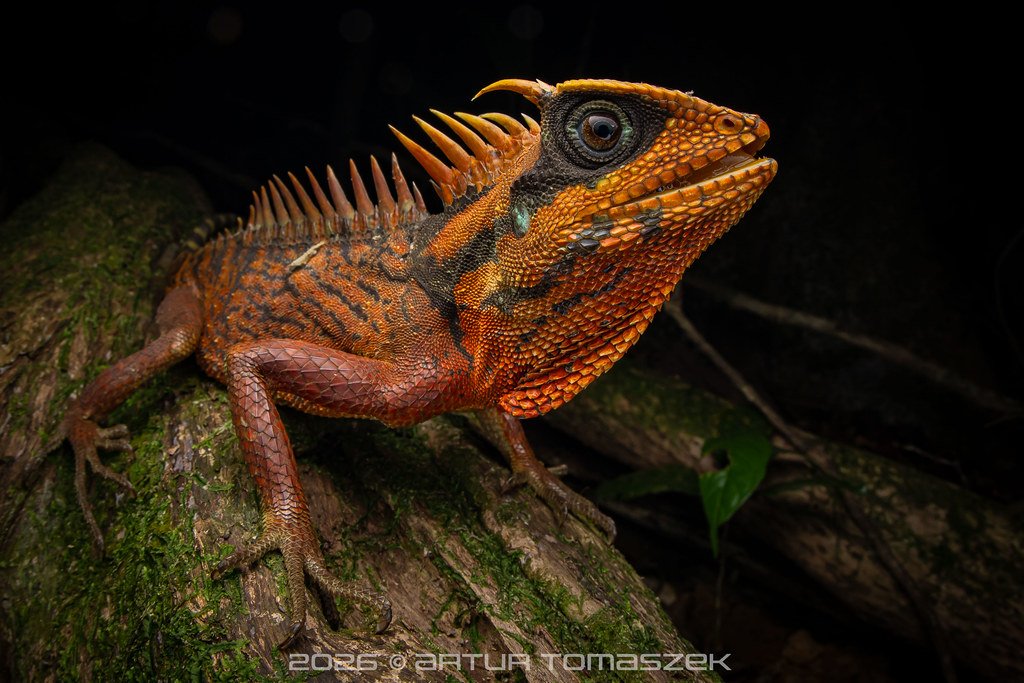
Acanthosaura nataliae
Phong Nha - Ke Bang NP
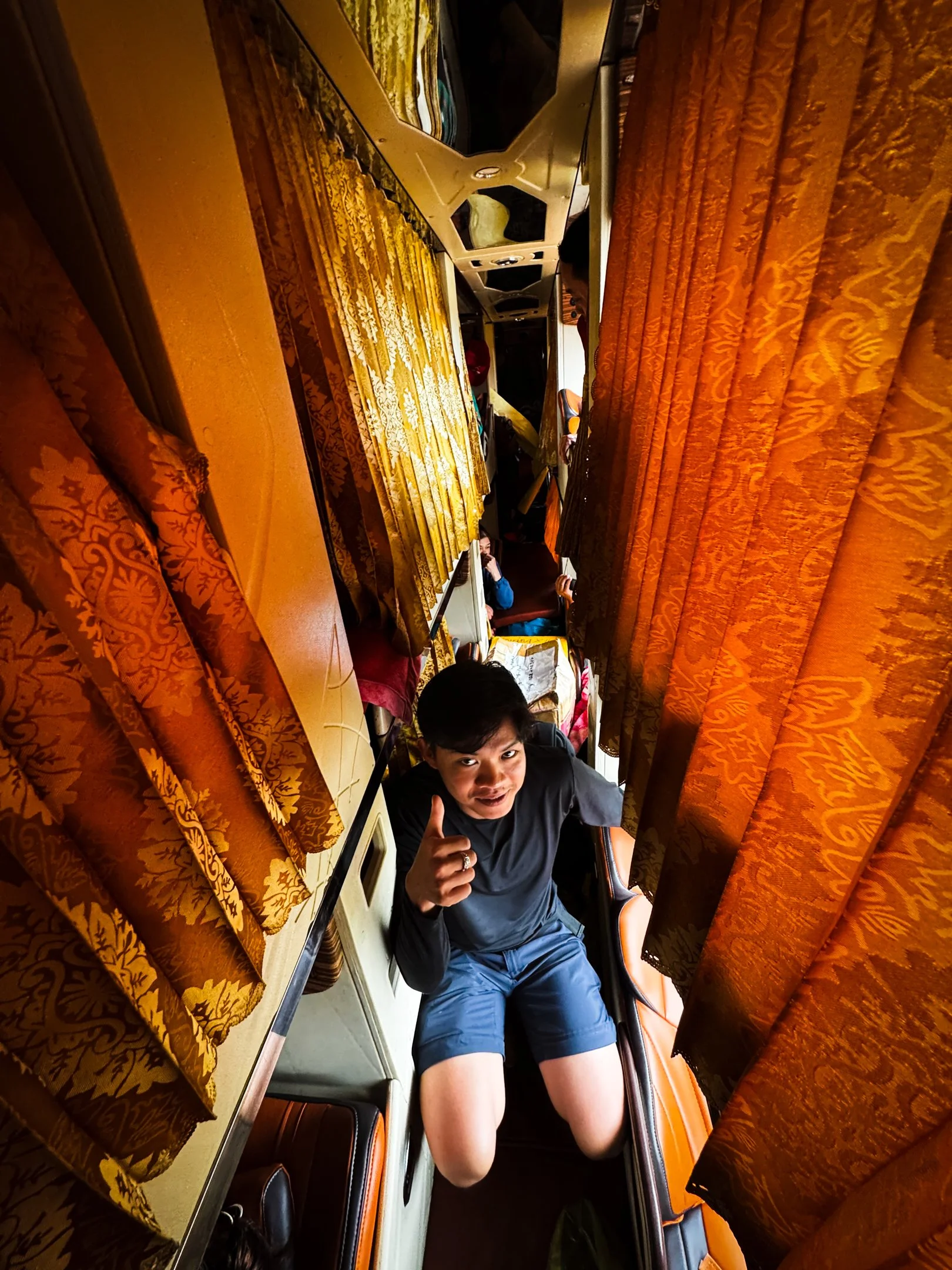
The following day, they boarded a sleeper bus for a nearly twelve-hour journey to Phong Nha–Kẻ Bàng National Park. Artur genuinely loves Vietnamese sleeper buses. Being able to lie down, sleep and wake up at the next herping location is easily his favourite way to travel around a country.
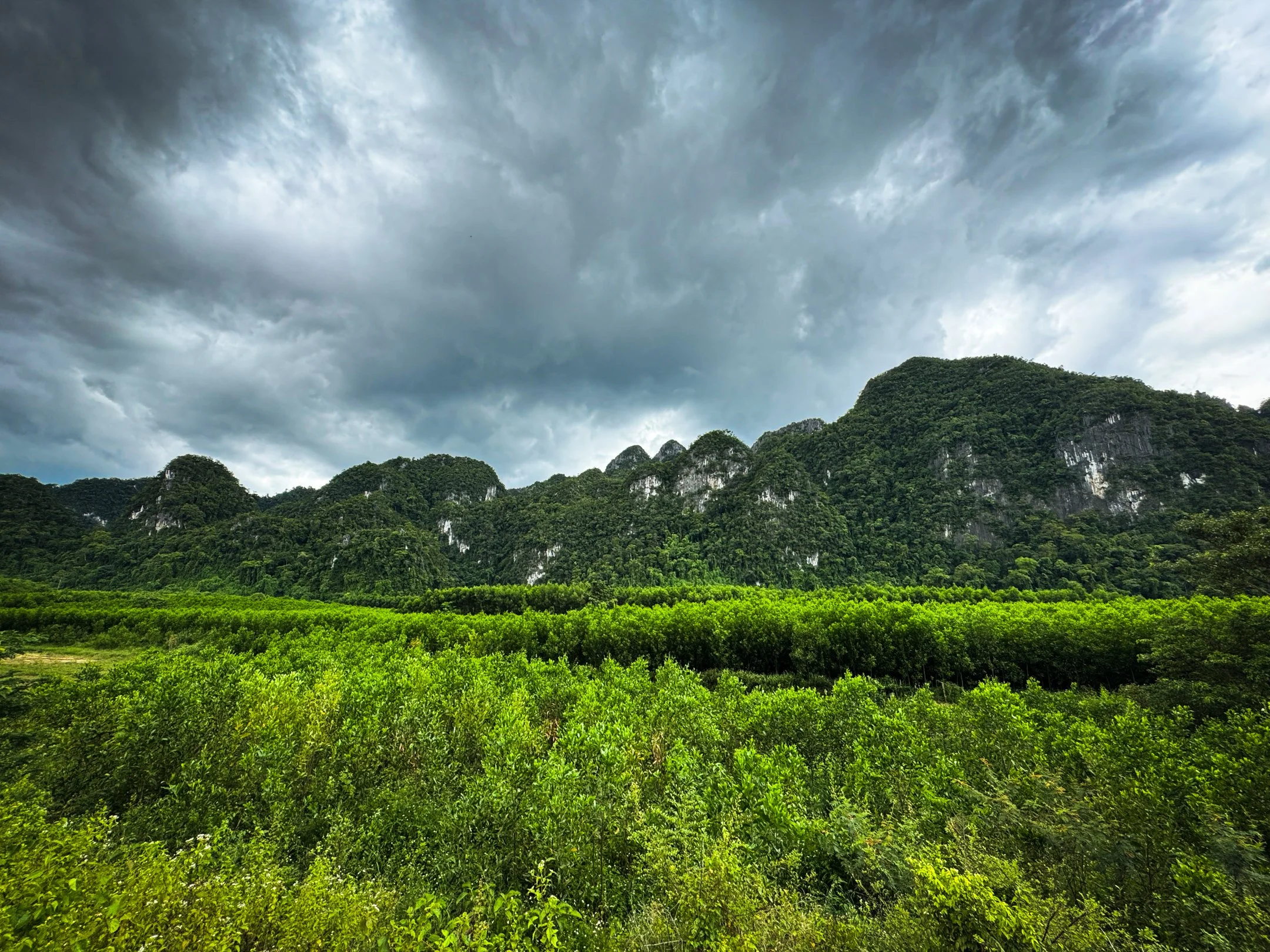
They had four nights to explore the spectacular karst limestone landscape around Phong Nha. Naturally, the conditions were once again hot and dry. At this point, Artur was beginning to suspect that he might be cursed.
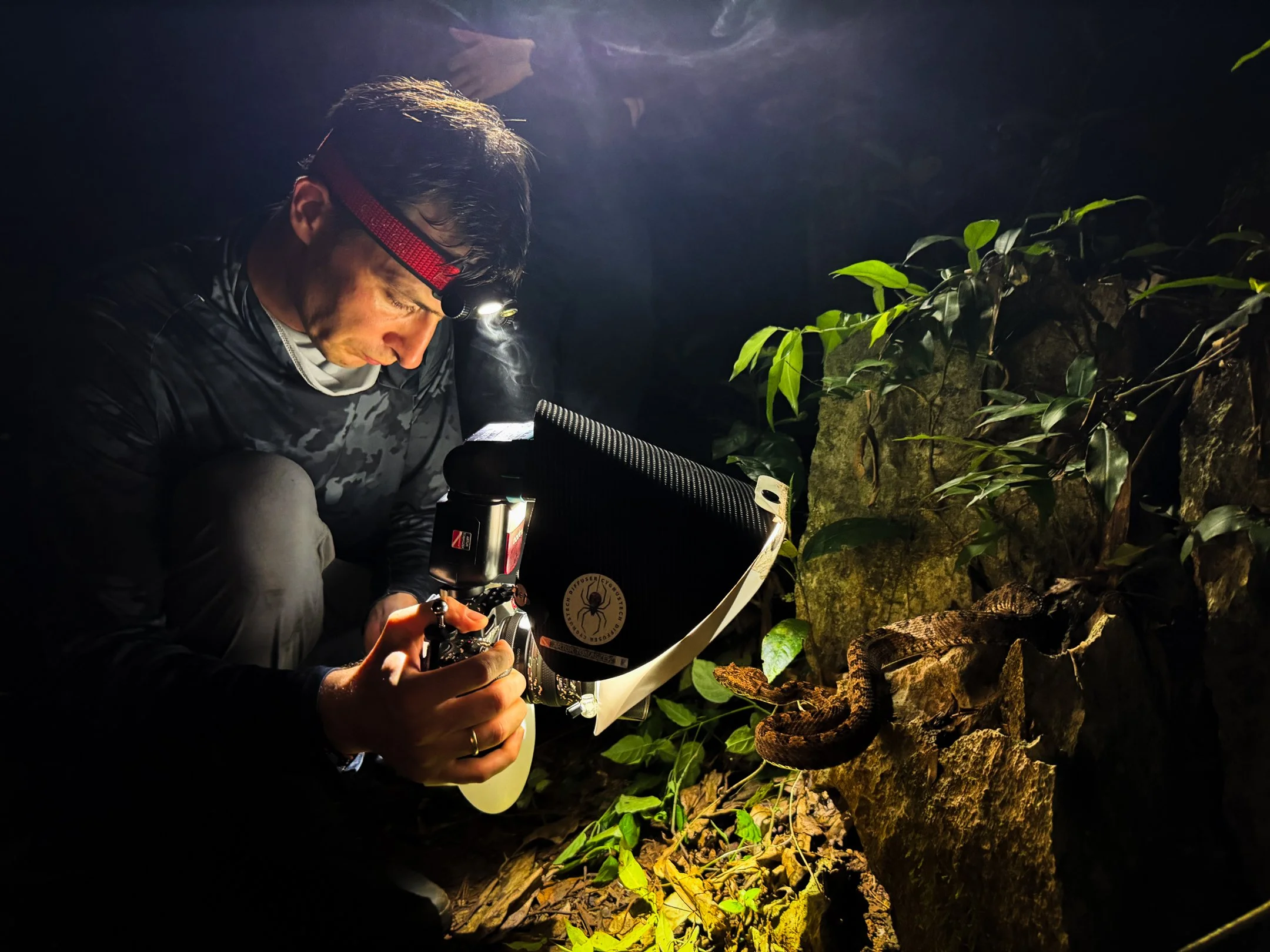
Nevertheless, they worked hard, hiking around limestone mountains and searching the forest night after night. During their first night, Woody spotted an enormous three-horned-scaled pit viper (Protobothrops sieversorum), their main snake target for the region.
The species is named after the extraordinary structure of its scales. Its heavily keeled dorsal scales carry three consecutive horn-like projections, while raised scales above the eyes add to its rough, almost sculpted appearance. It is one of the most impressive pit vipers Artur has ever seen.
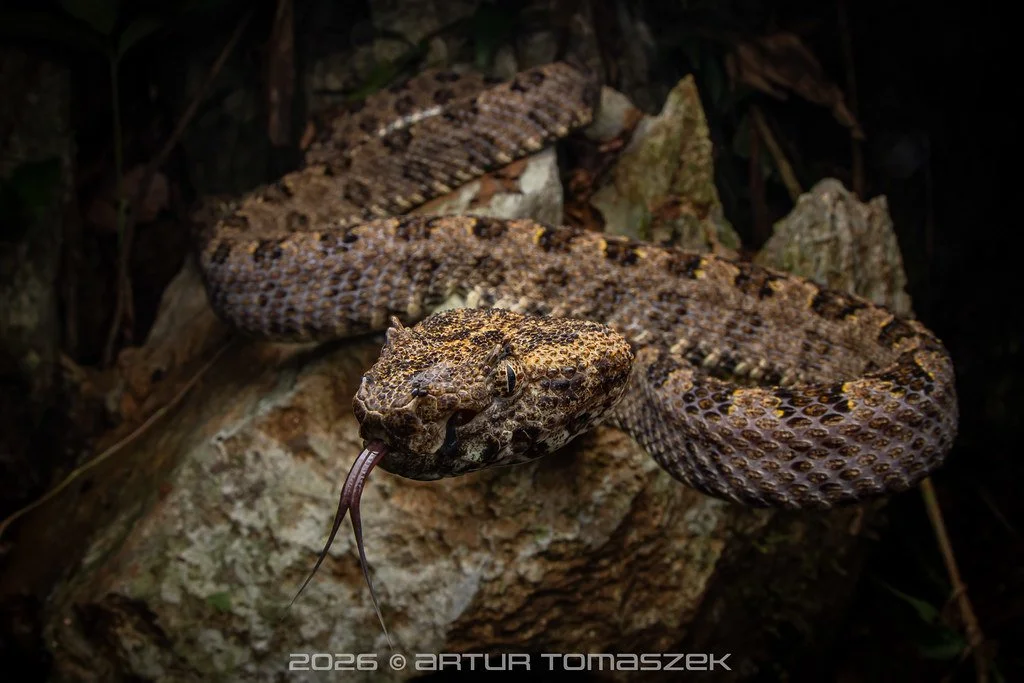
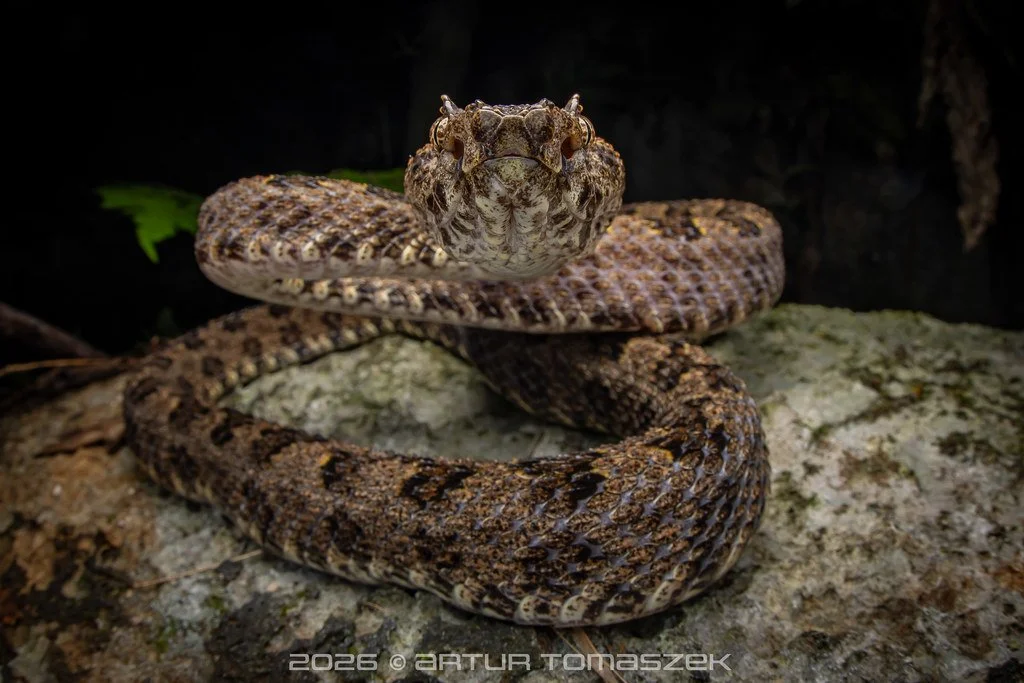
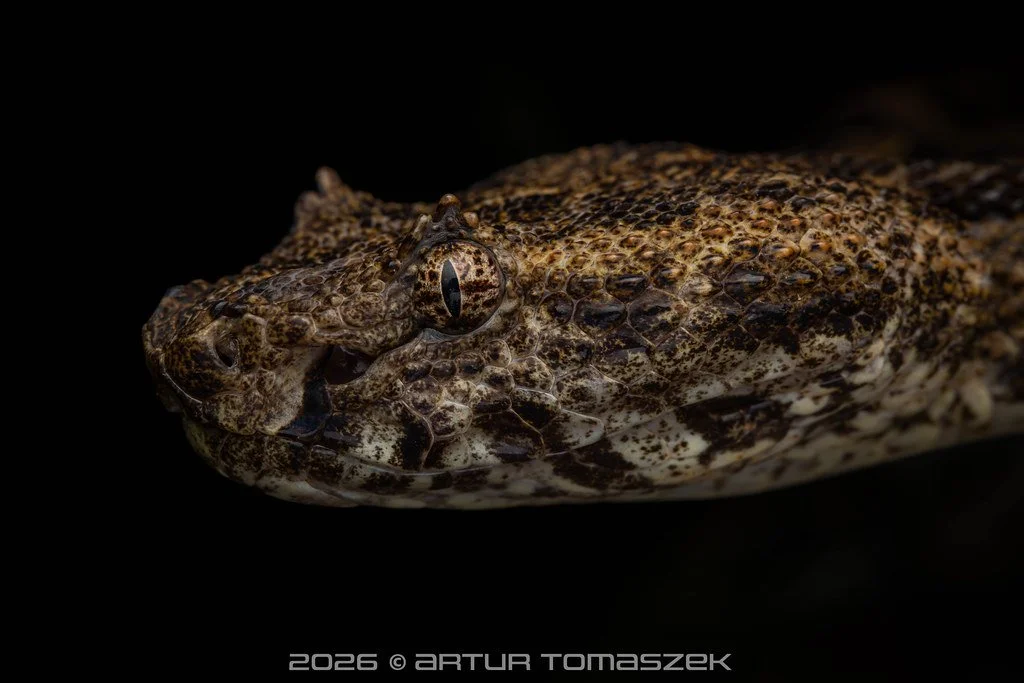
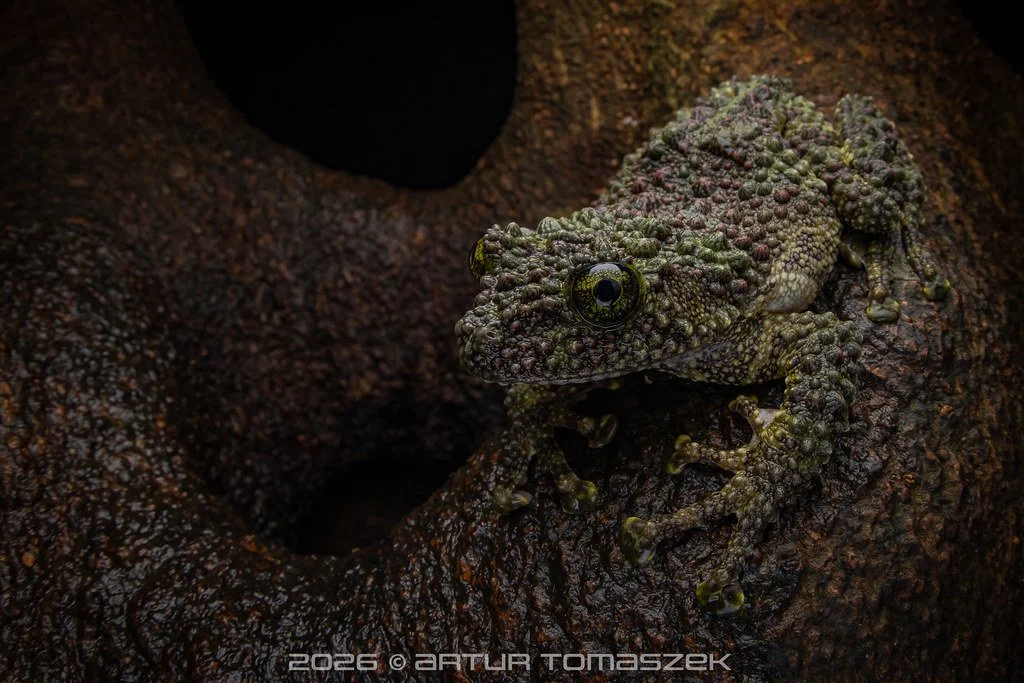
The following night, they explored a slightly different area and managed to find a second individual, this time considerably smaller. They also encountered Vietnamese mossy frogs (Theloderma corticale). Interestingly, they did not display the vivid moss-green colour commonly seen in photographs, despite being observed without disturbance. Whether this was connected to the unusually hot and dry conditions or simply individual variation, we don’t know.
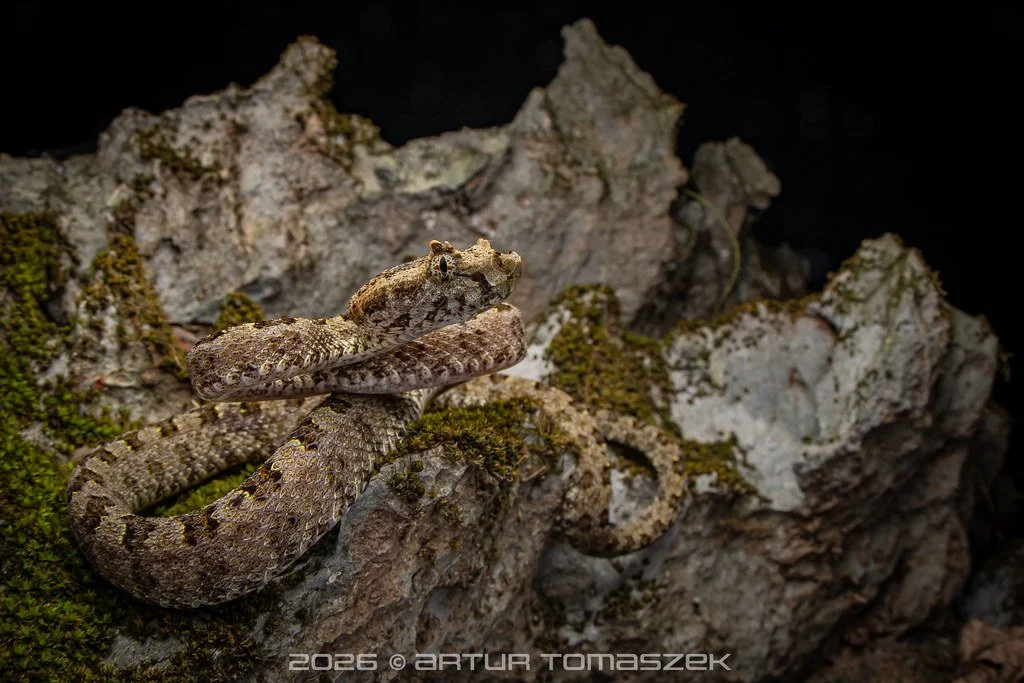
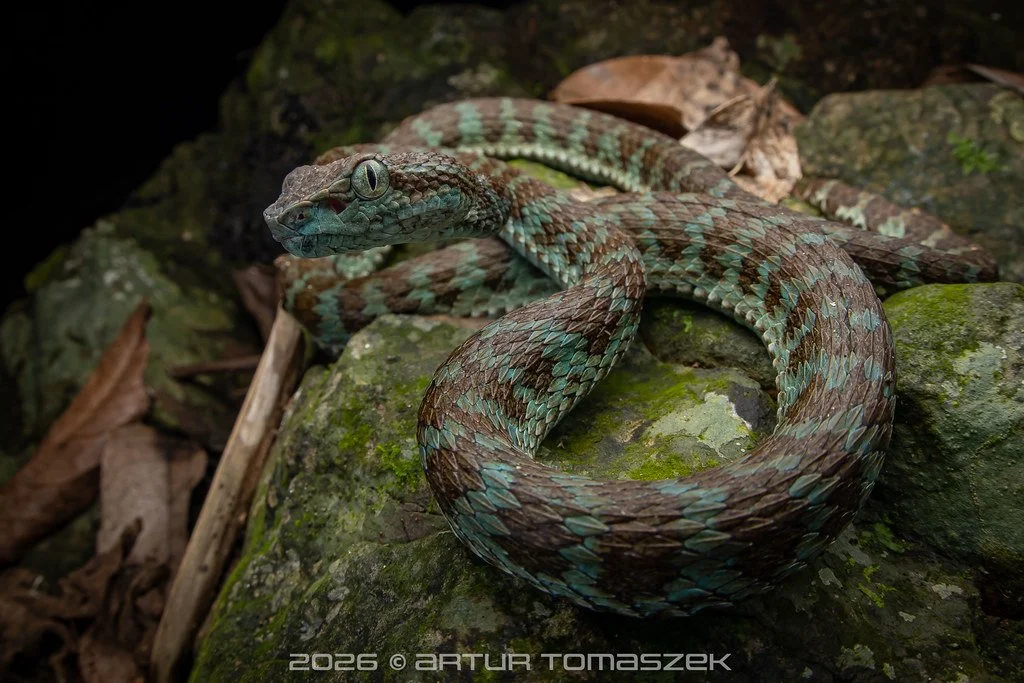
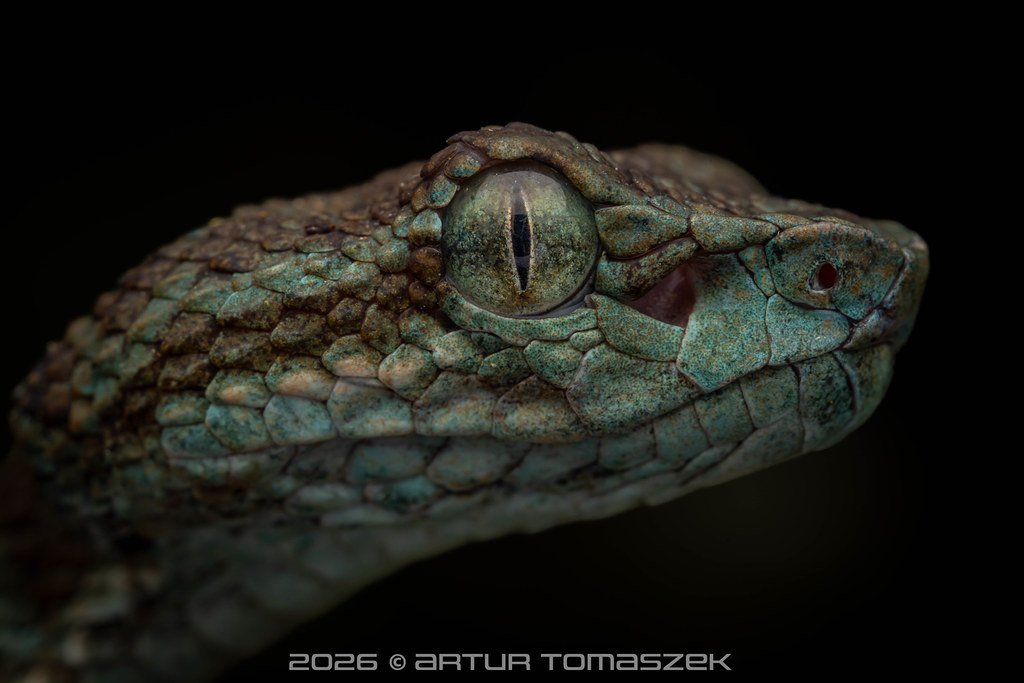
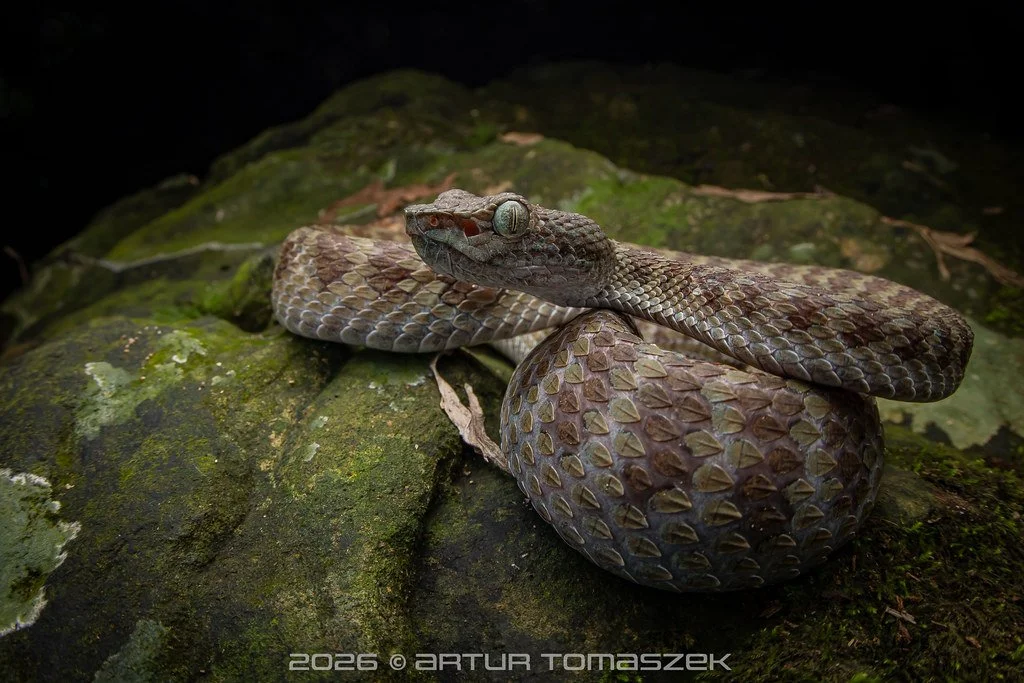
They were fortunate to find both a male and a female Trường Sơn pit viper (Trimeresurus truongsonensis). This poorly known and range-restricted species inhabits forested limestone karst in the Trường Sơn region of central Vietnam and neighbouring Laos. It is classified as Endangered, with habitat loss, illegal hunting and human–snake conflict among the principal threats it faces.
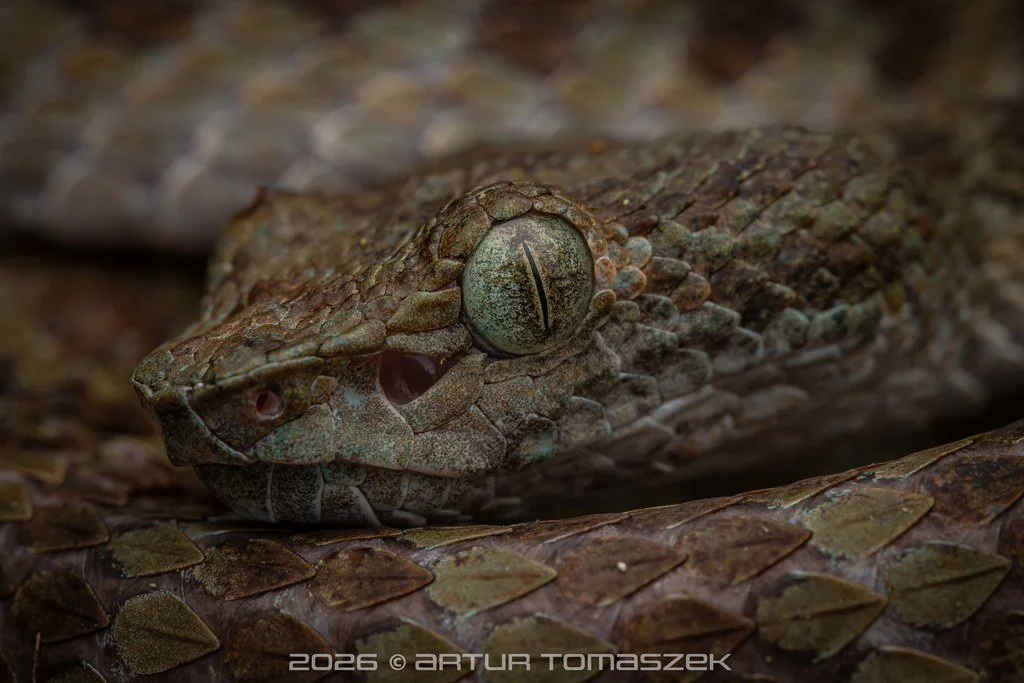
They also entered a cave looking for snakes and found a banded krait (Bungarus fasciatus), a snake that specialises largely in eating other snakes. Considering where they found it, it had probably come to the right place for dinner. 😂
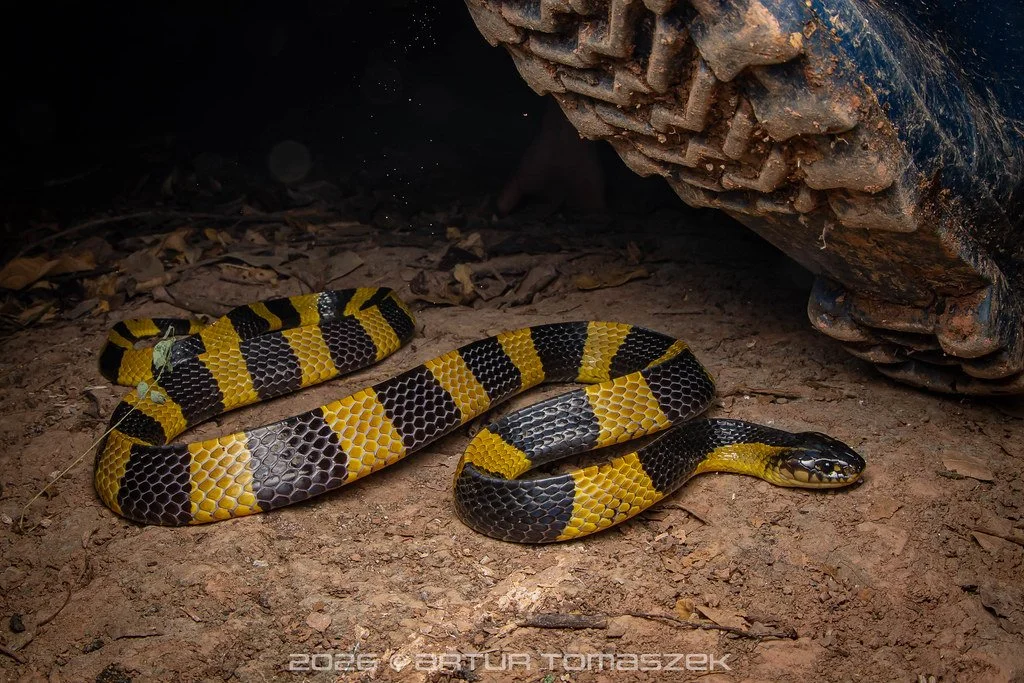
Bungarus fasciatus
This was a short, but extremely successful trip. The conditions were some of the worst one could request and every target required serious effort.
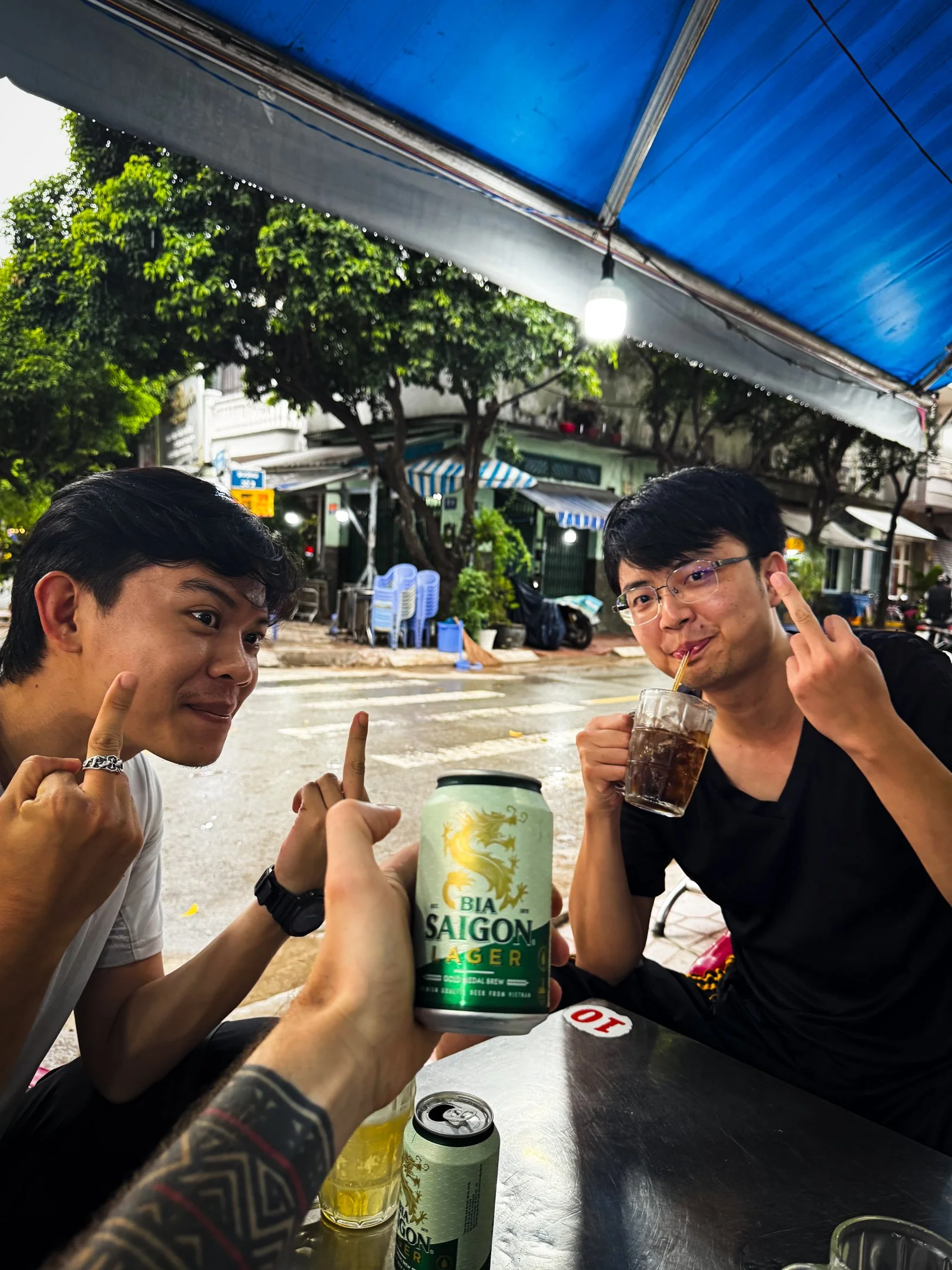
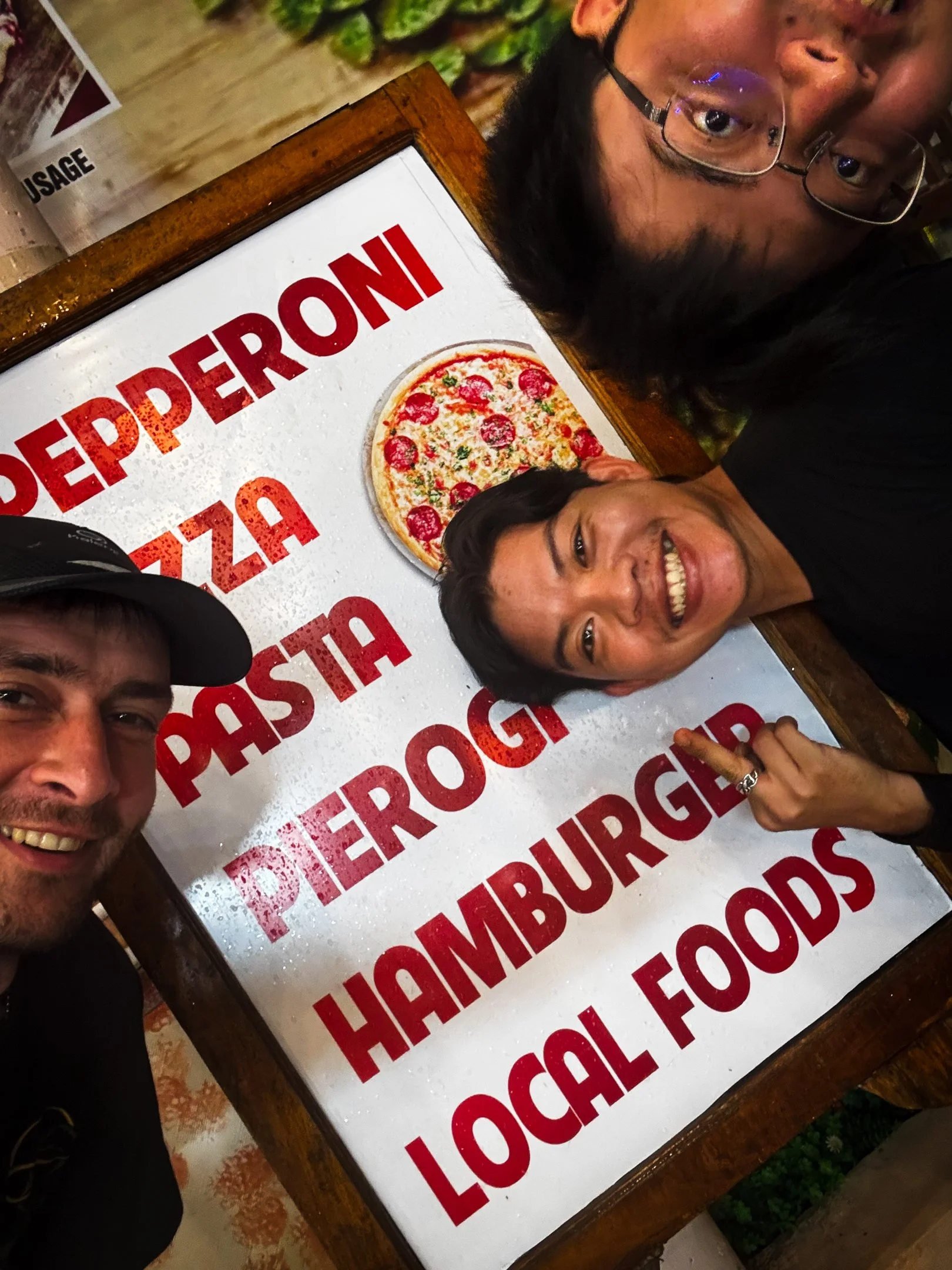
Somehow, they still found the endemic Hòn Sơn pit viper, the almost mythical-looking Theloderma ryabovi and not one but three Protobothrops sieversorum, alongside an excellent selection of other snakes, frogs, lizards and primates. More importantly, it was ten days spent herping, travelling and eating excellent food with good friends.
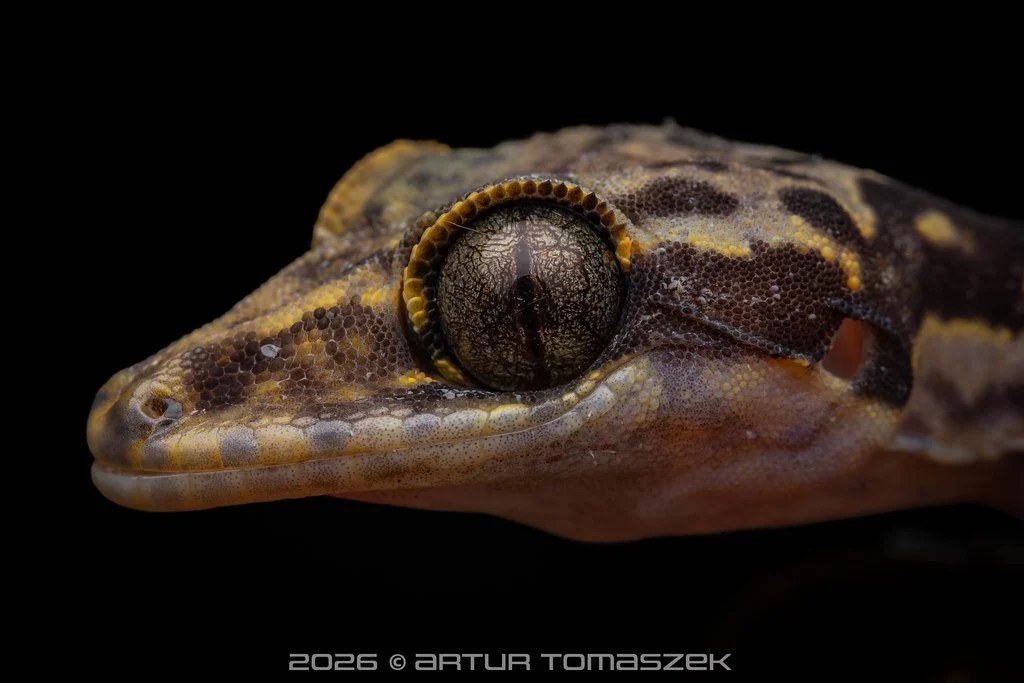
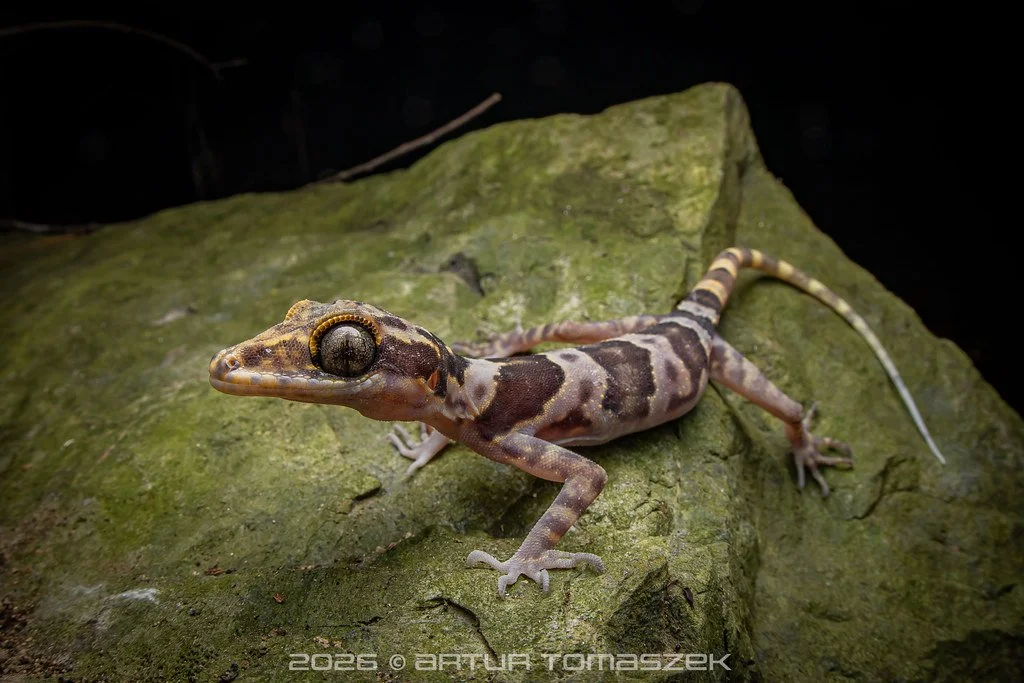
A massive thank you to Lowzi and Woody for the company, local knowledge and endless hard work.


See you again soon, Vietnam. There is still far too much left to explore.