Japan (Apr-May 2026)
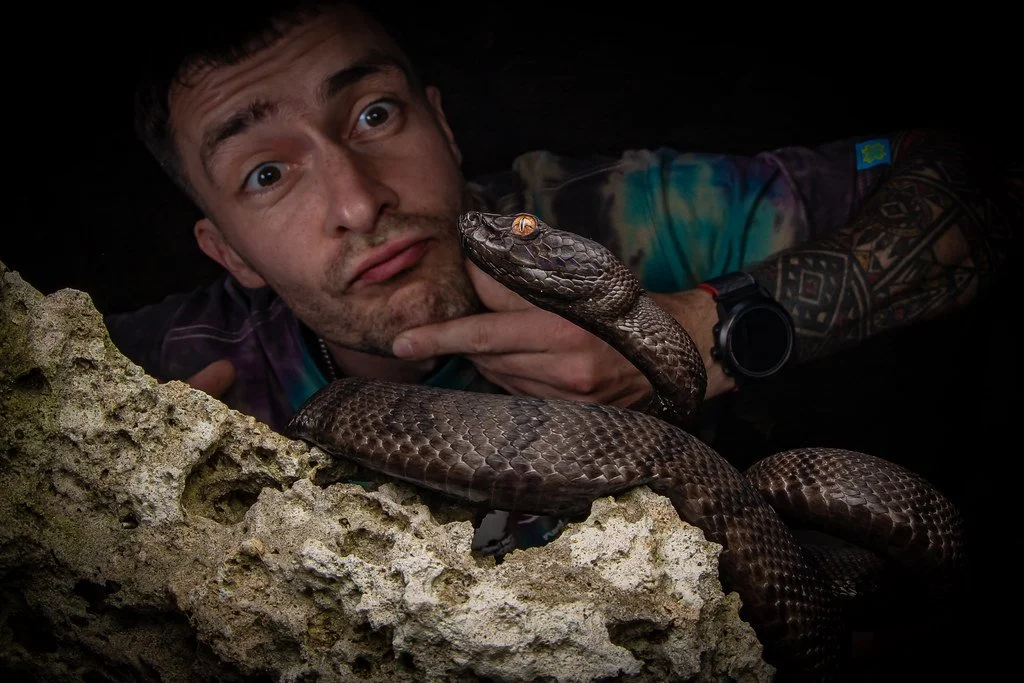
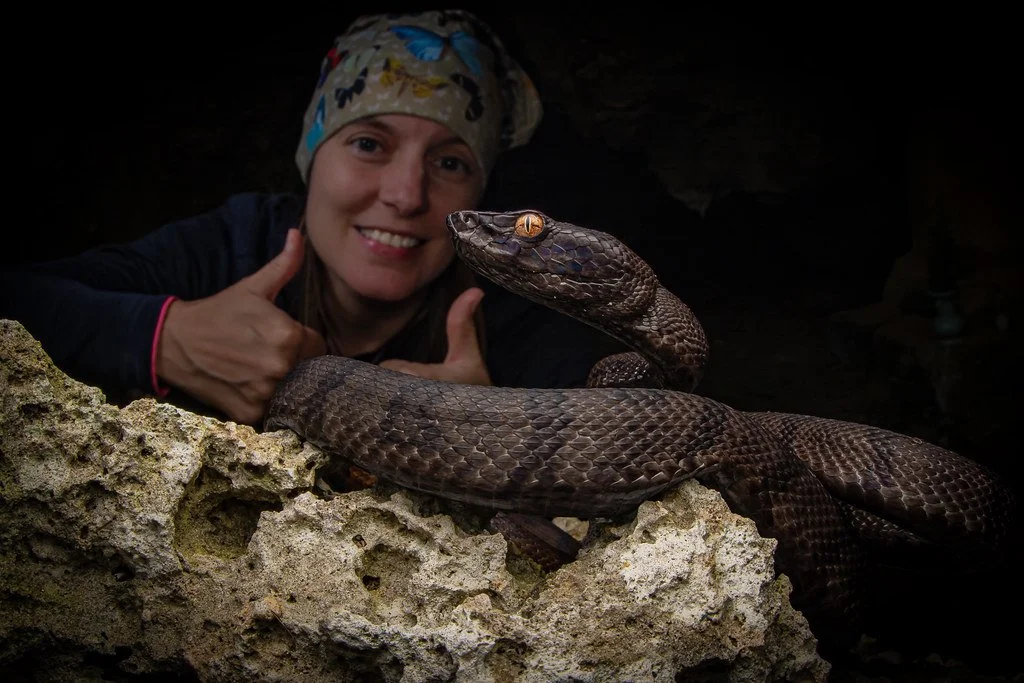
Artur with a Tokara habu (Protobothrops tokarensis)
Okinawa
3 April 2026
In the beginning there was chaos…
This trip was high on our list for a few years, and it finally happened. But… the second we landed in Okinawa, we received a message from Yusuke saying that our ferry to Tokarajima booked for 5th April had been cancelled due to rough sea conditions. Perfect. We had not even properly begun and we were already losing a day on the island that was supposed to be one of the main parts of the whole trip. And that set the crazy tone of the entire trip, which we now know ended up being absolutely extraordinary.
Okinawa is the largest island in the Ryukyu chain, and away from Naha and popular beaches it has a very different side to that known to most visitors. Limestone forests, subtropical streams, frogs, newts, geckos and snakes. Since we only had one night on the first leg of the trip, we stayed in the south.
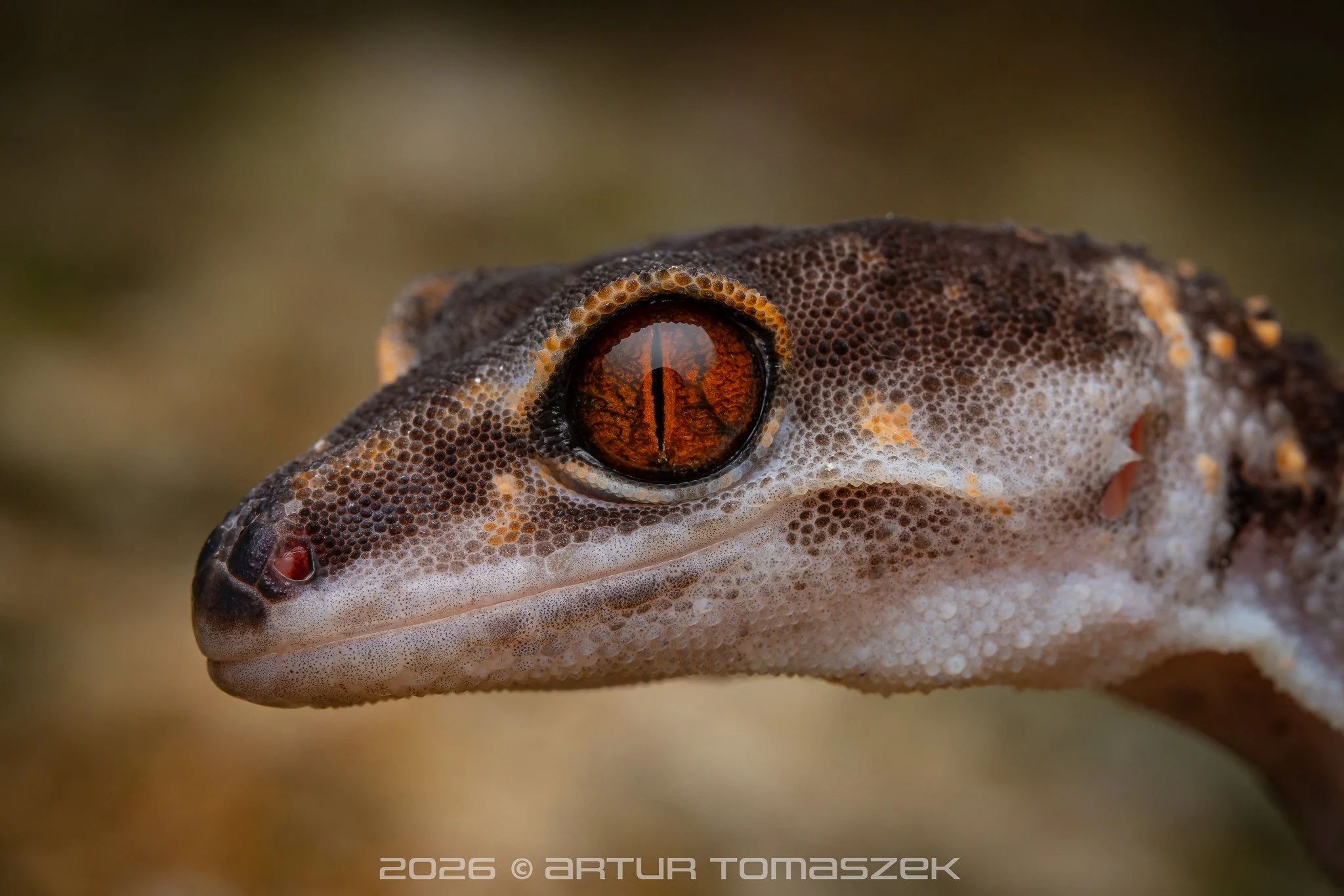
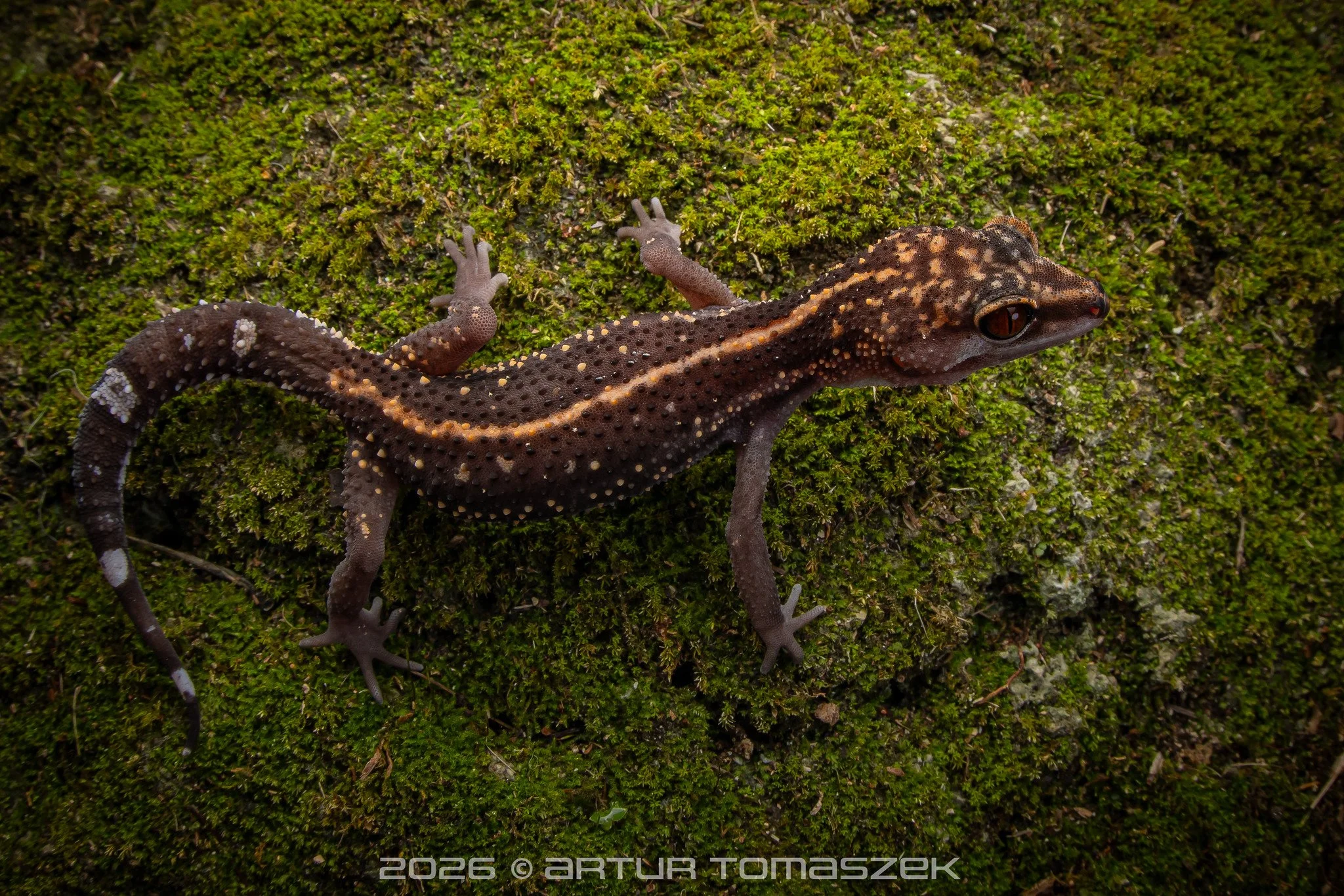
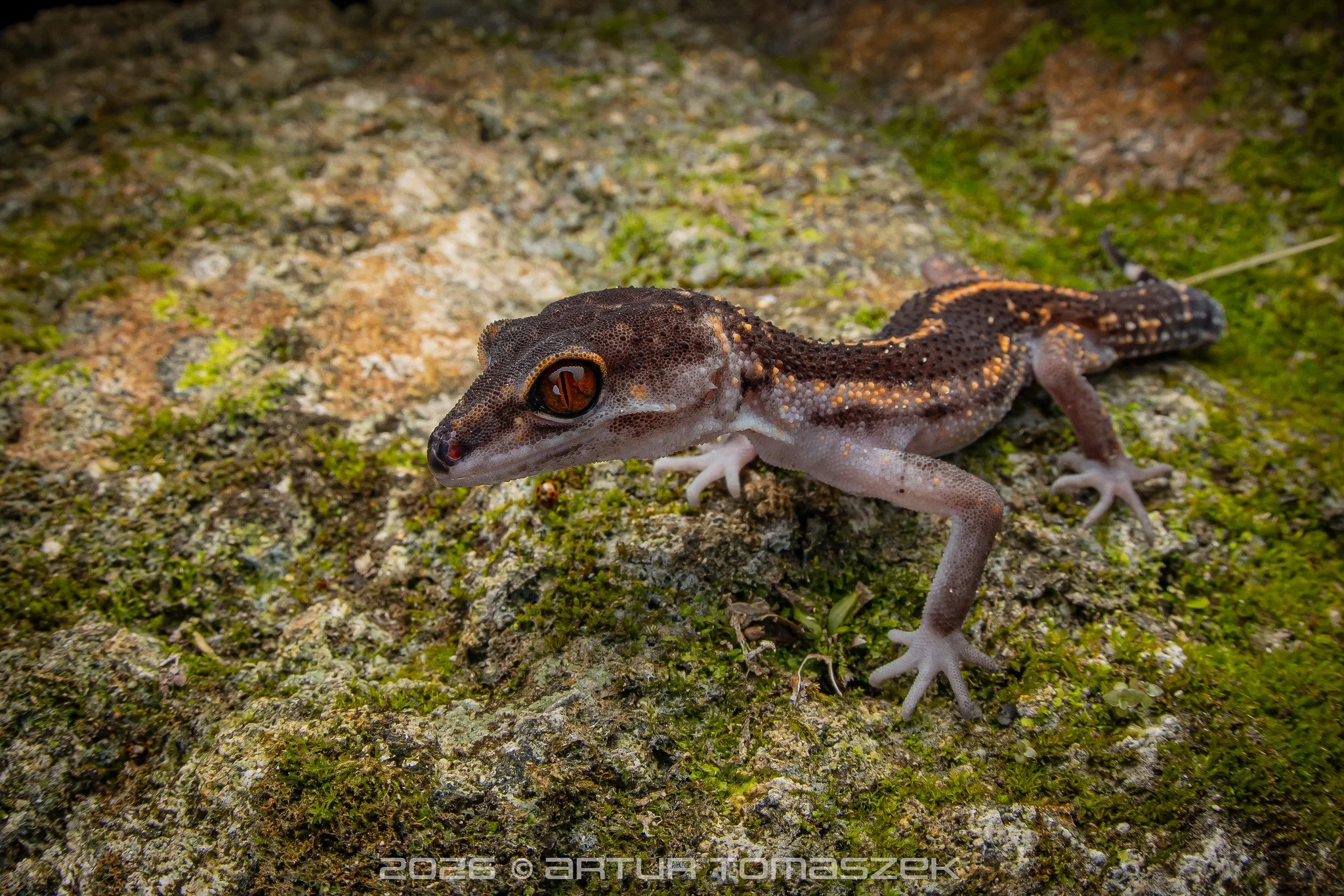
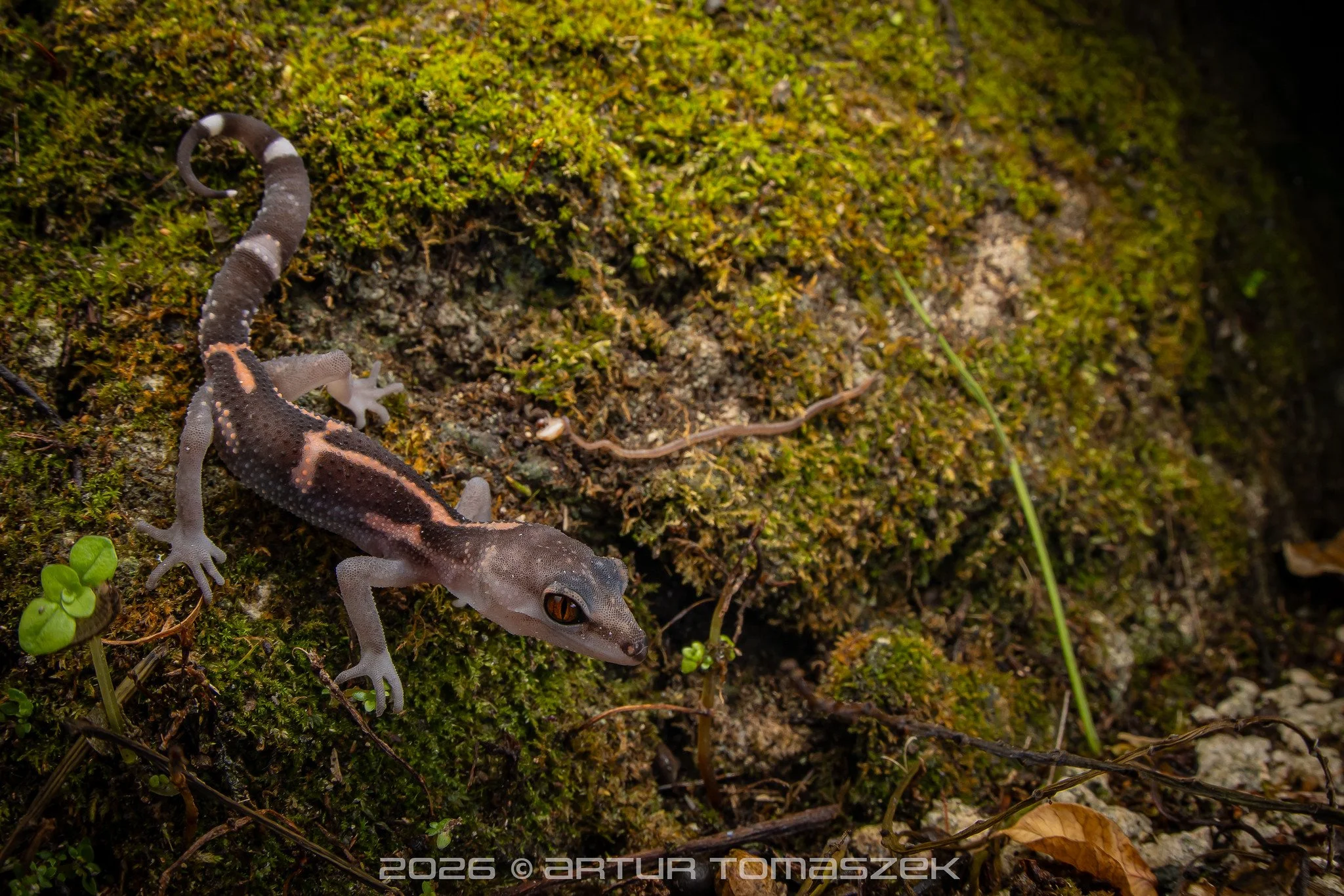
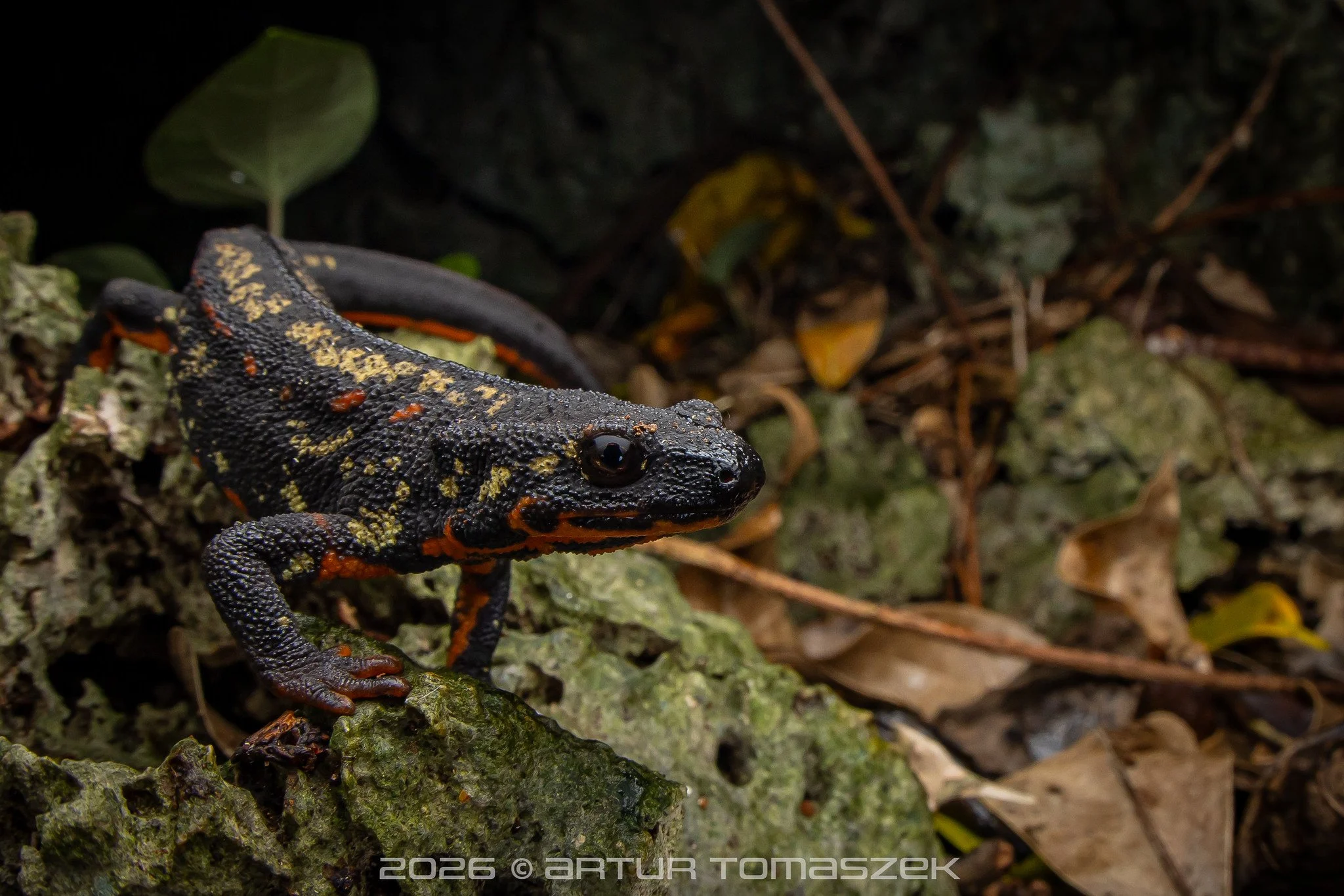
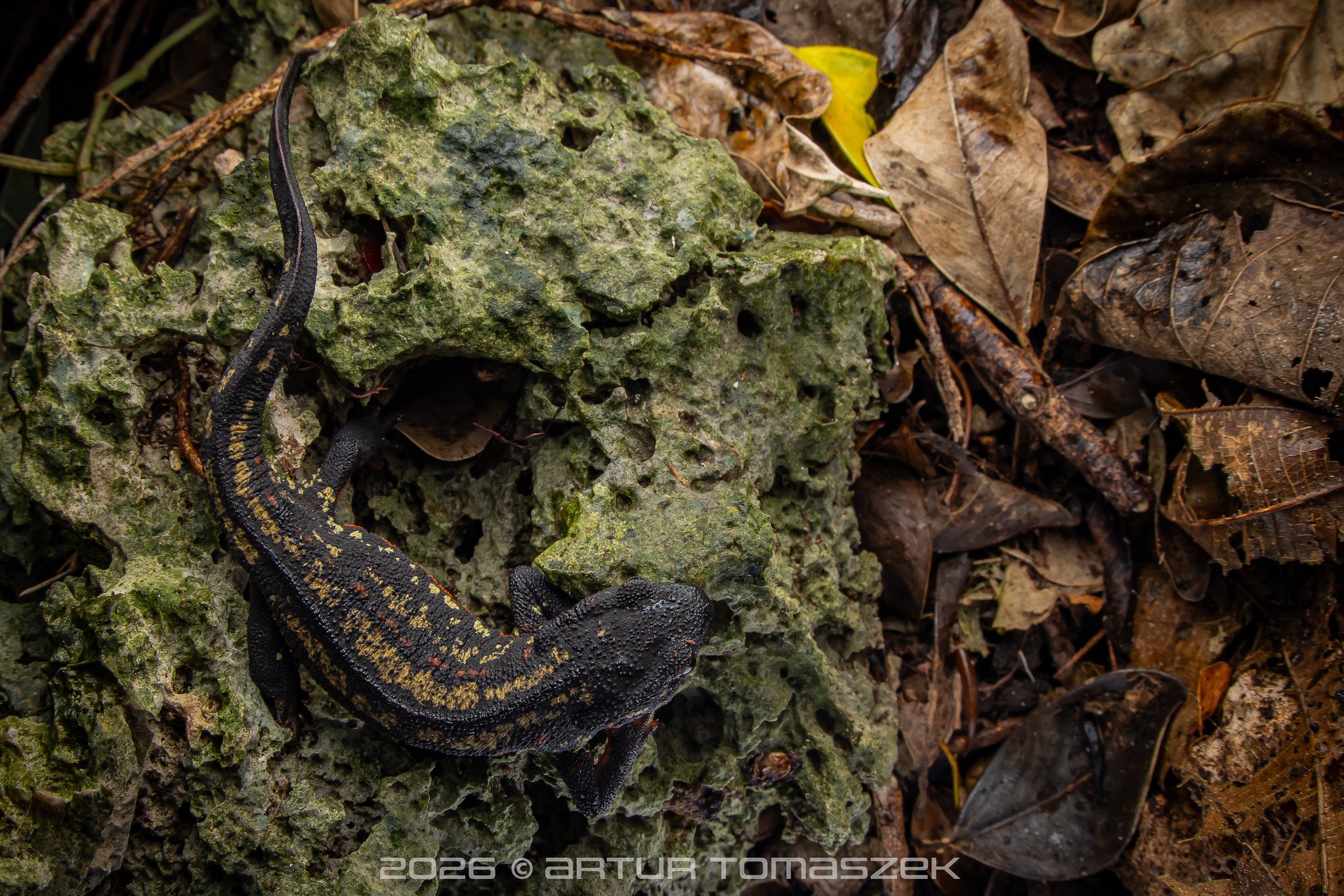
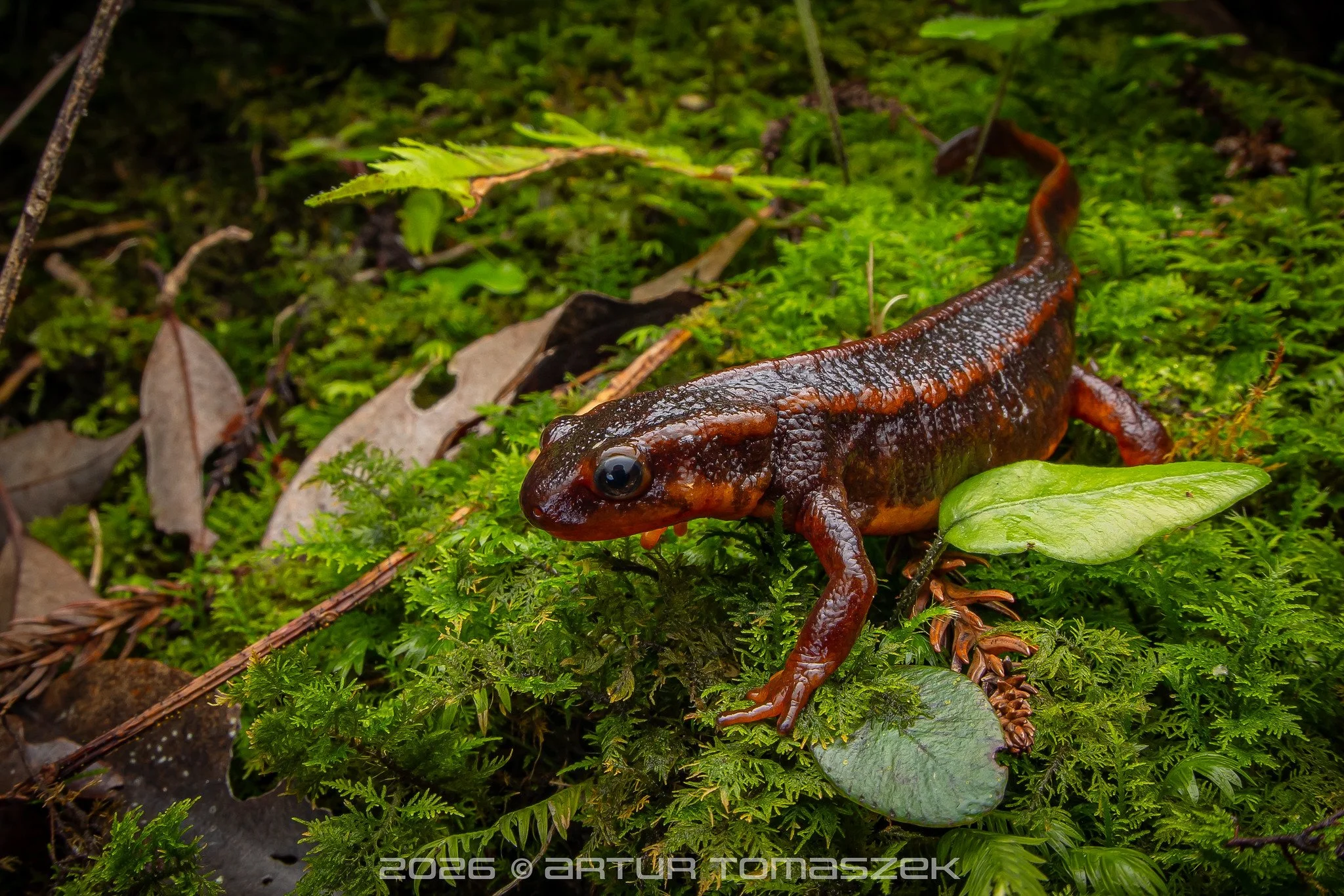
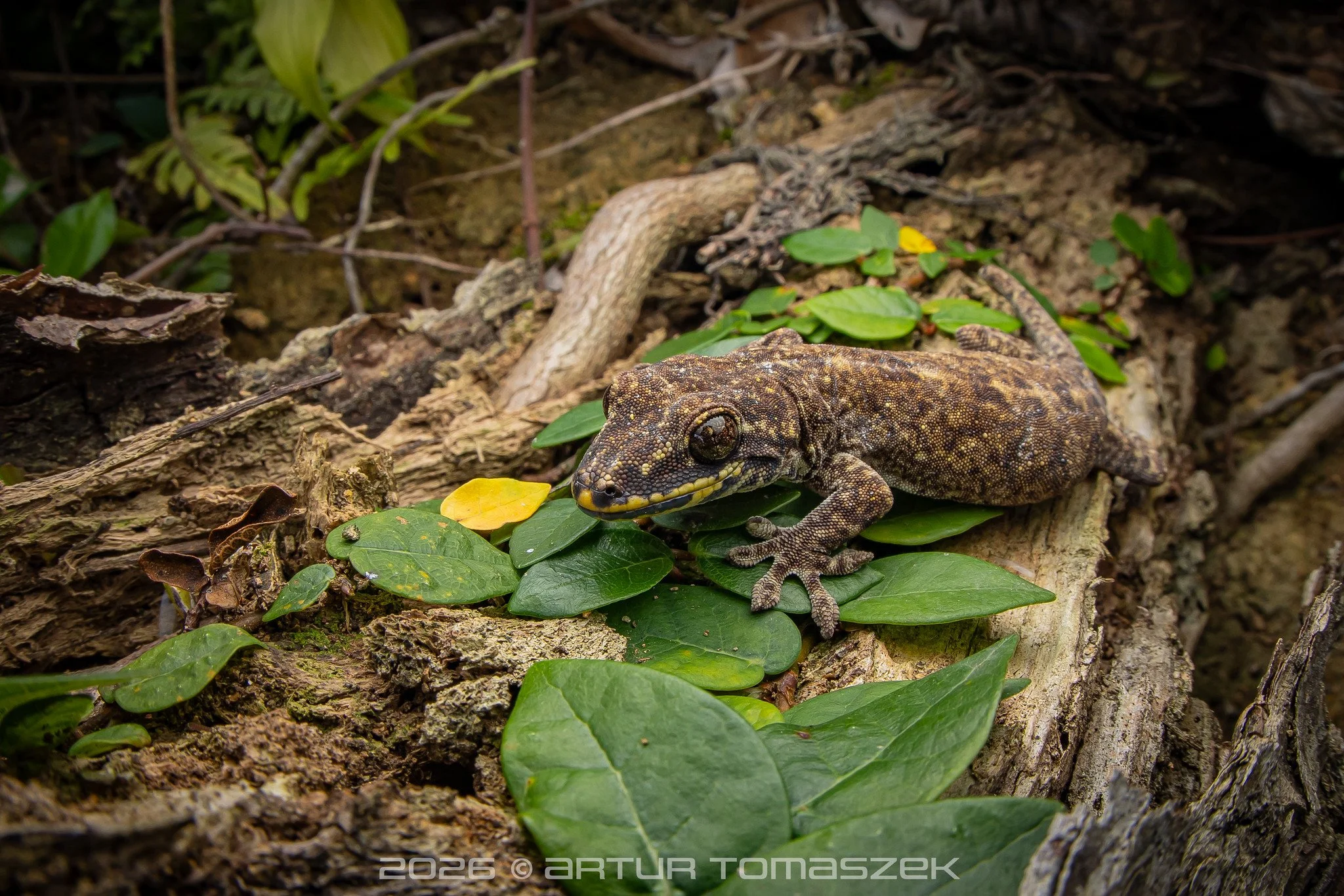
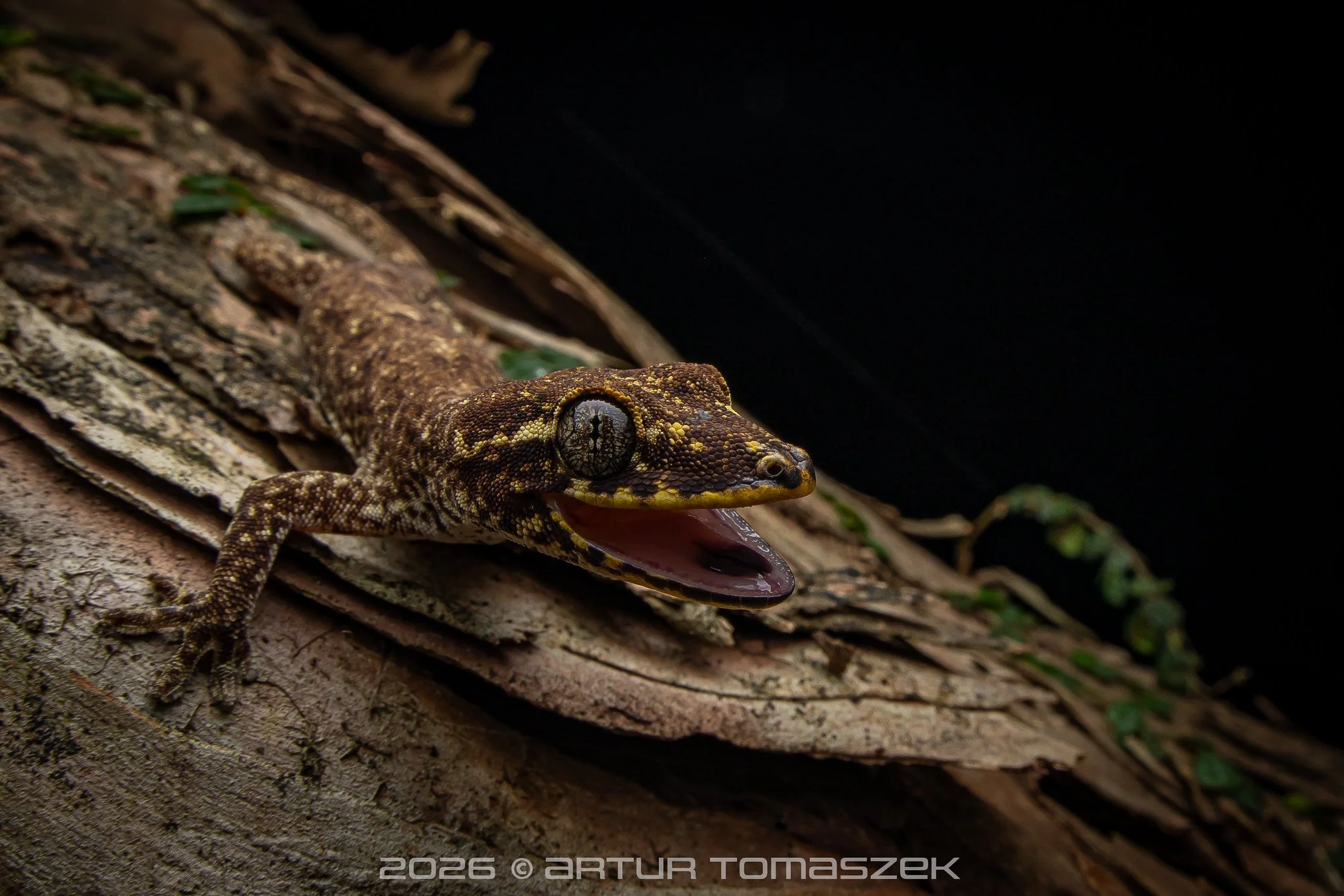
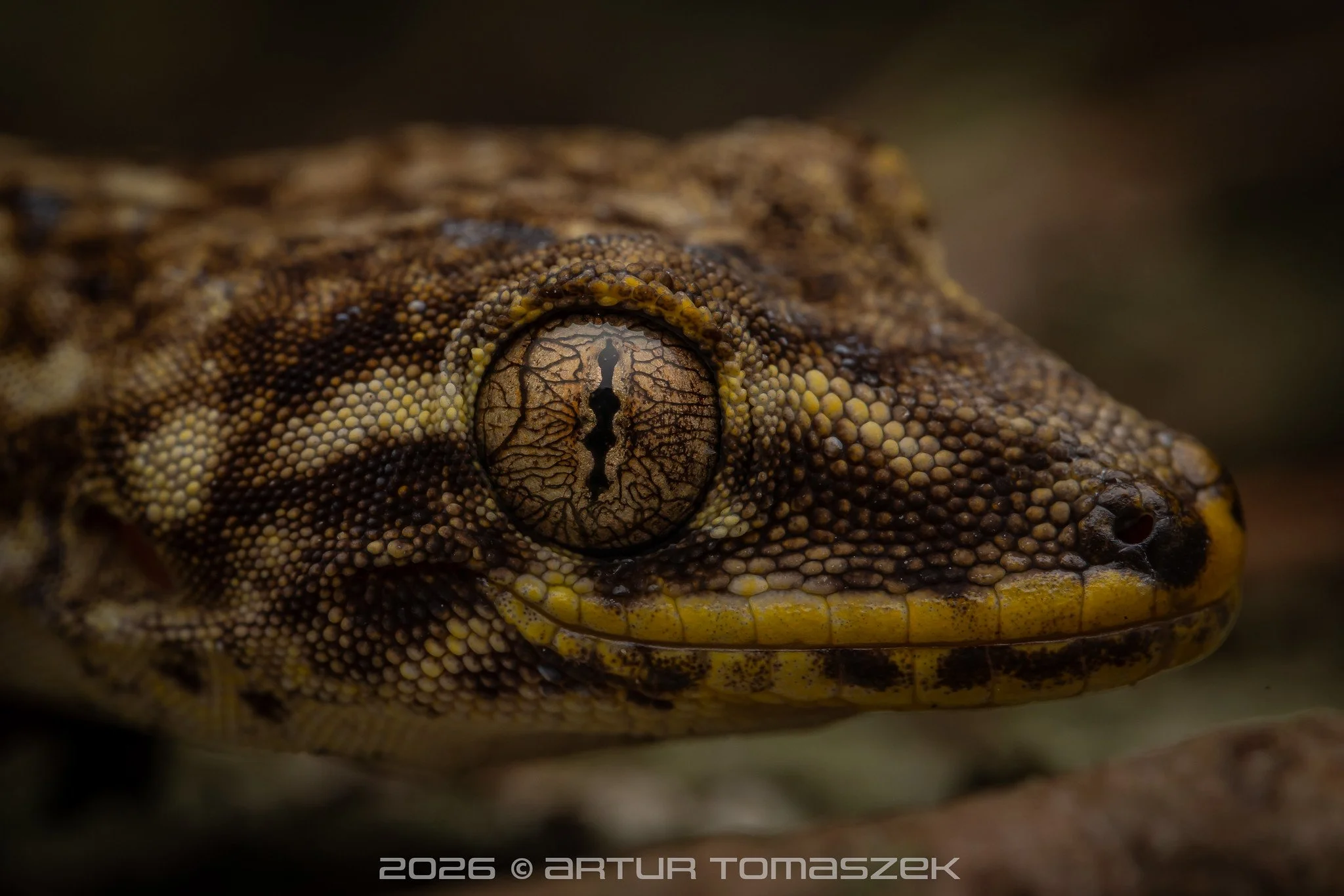
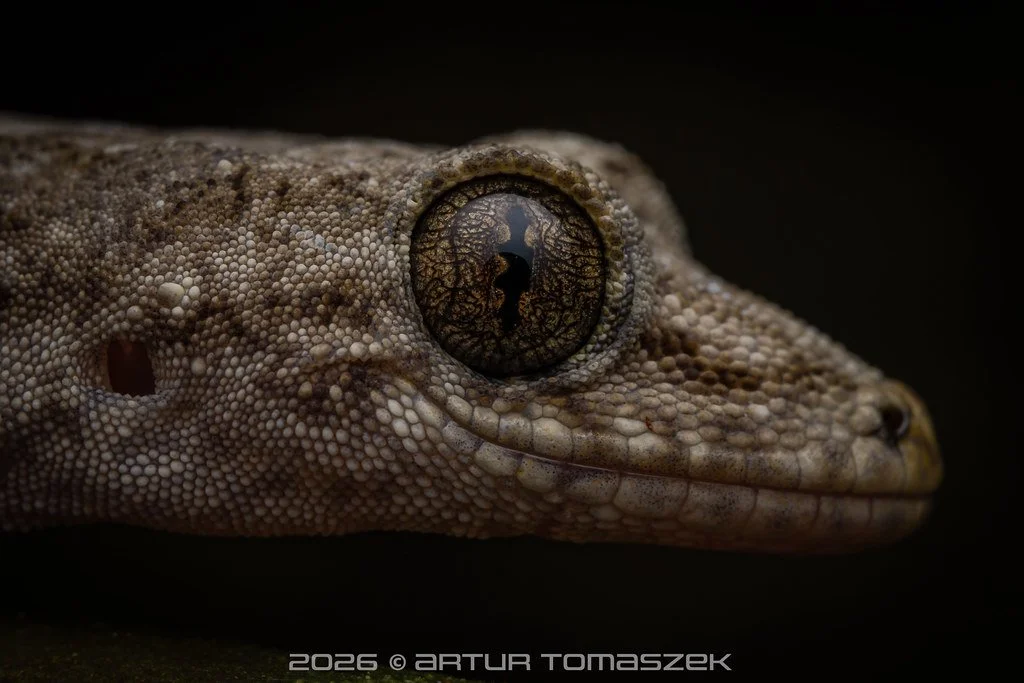
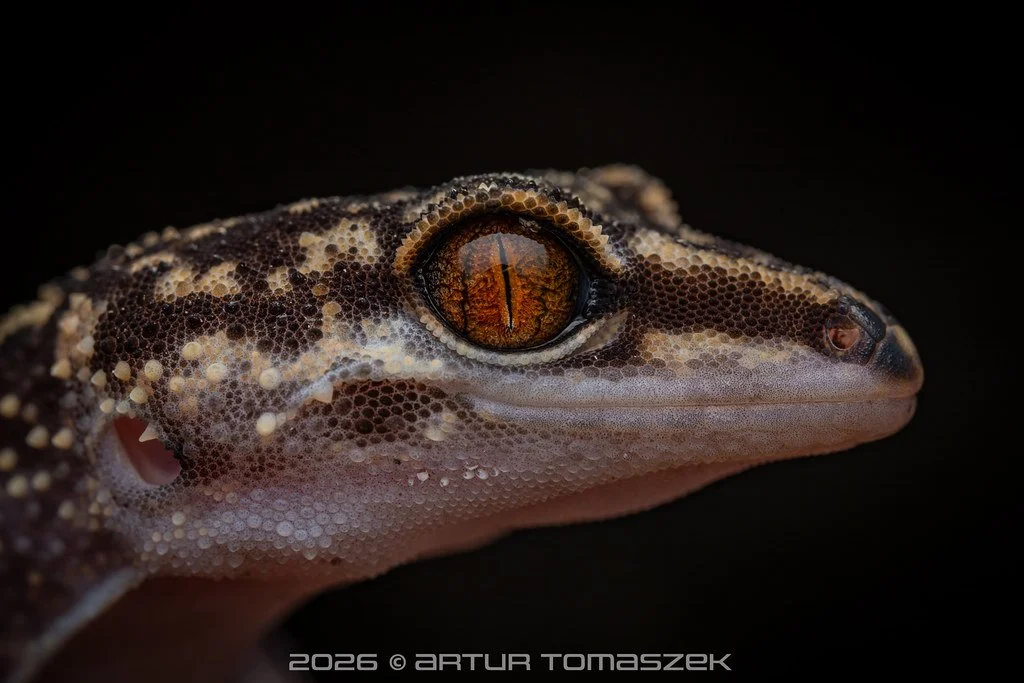
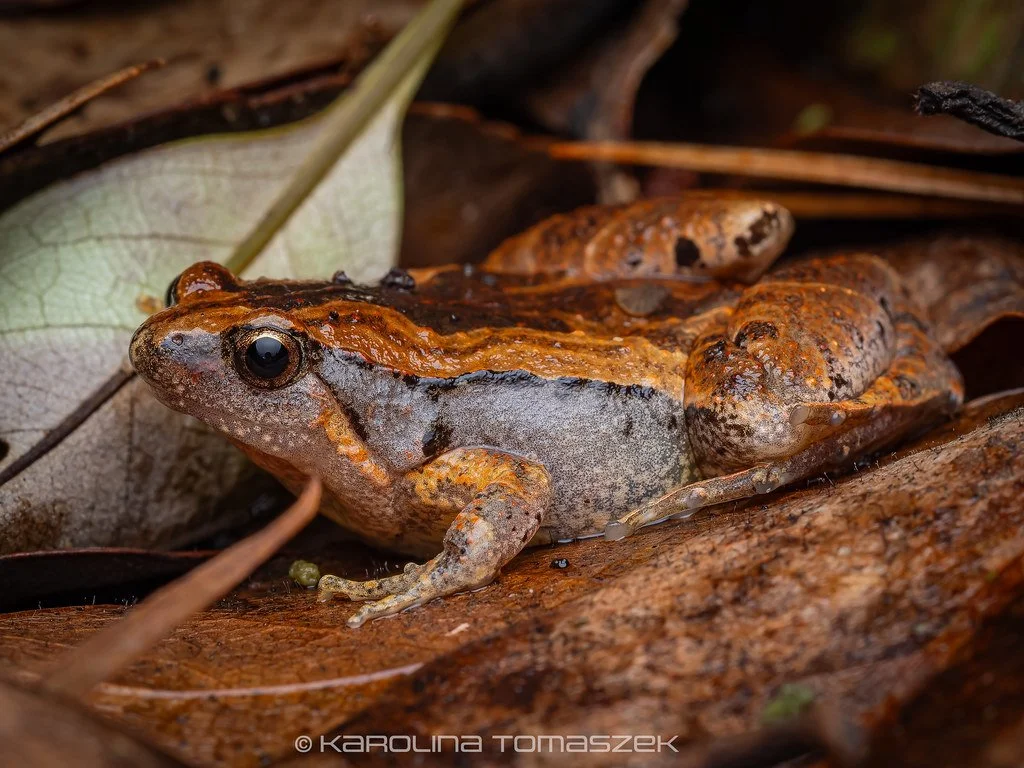
The weather was not exactly welcoming. Windy, cold and much drier than we hoped. Basically, the usual situation for us, which is weather not being on our side. The main target for the first night was Kuroiwa’s ground gecko (Goniurosaurus kuroiwae), and at least that part worked out perfectly. We found many of them, which was a great start. They are one of those animals that instantly remind you where you are… not just Japan, but the Ryukyus, a chain of islands with its own very distinct wildlife, full of endemics and strange evolutionary stories. Apart from the geckos, we found Okinawa sword-tailed newts (Cynops ensicauda popei) and some frogs, but not much else. It was simply too cold, too dry, too windy, too yucky overall. Still, seeing Goniurosaurus on the first night took some pressure off before the early morning flight to Amami.
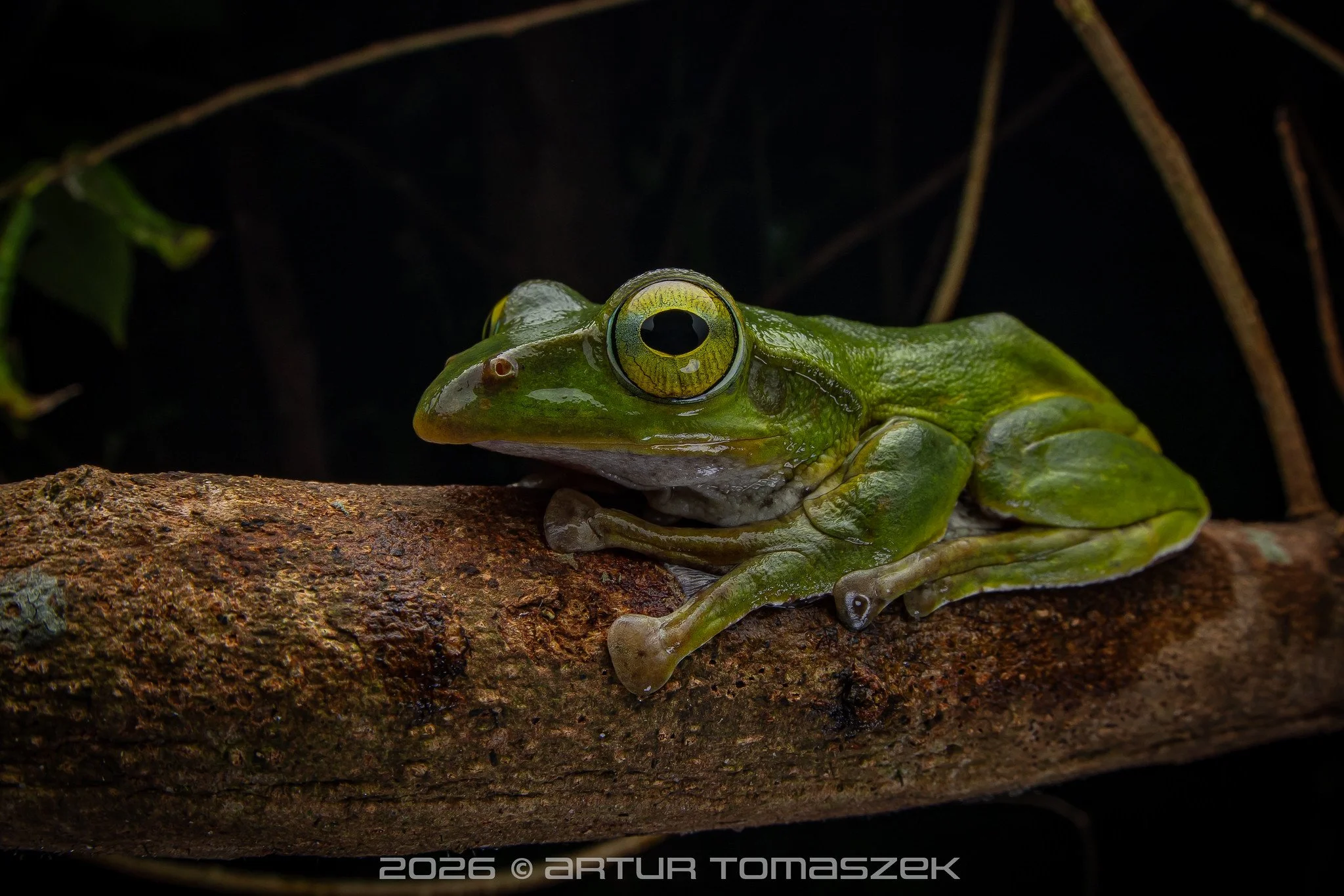
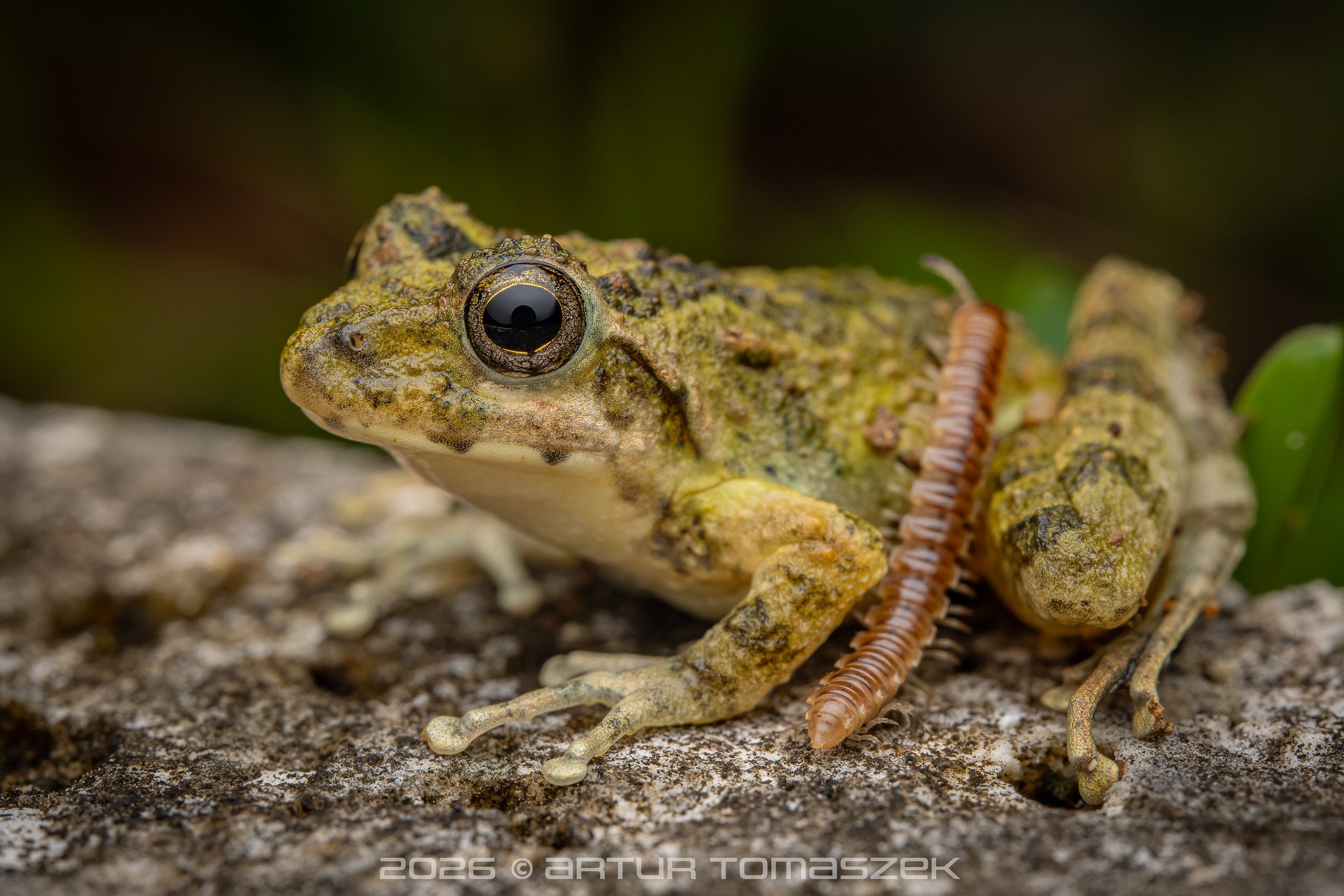
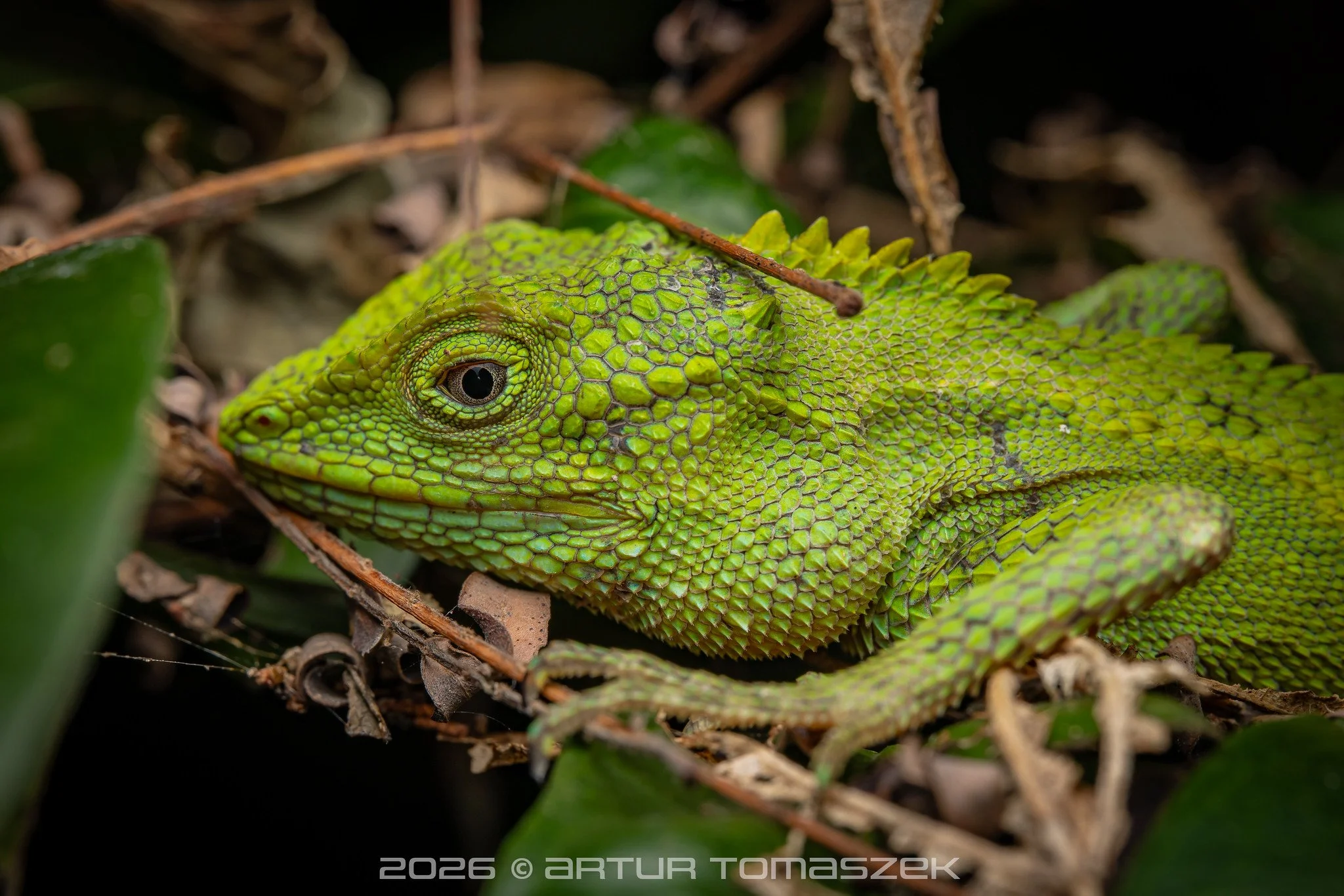
The pressure had risen again when we were told our destination was unclear and it might as well be Kagoshima instead of Amami, as the weather was not favourable for landing. It was the first time we had ever been told our plane might change its destination mid-flight on our travels in Asia, and with the ground crew bowing to us and waving at us in strong wind and rain while we sat in a small turboprop aircraft (a first for Karolina!), it felt a bit like a doomsday. We succeeded though, and the beautiful island of Amami welcomed us with rain and friends, Kohki and Yusuke, who joined us for this leg of the trip.
Amami
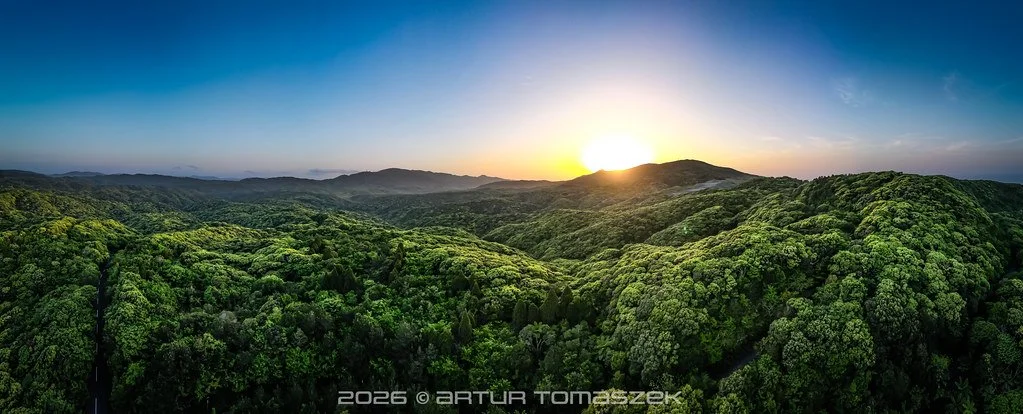
Stunning Amami
4 April 2026
Beautiful Amami welcomed us with rain, friends, multiple Ovophis and one yellow surprise.
Amami Ōshima sits between Kyushu and Okinawa and feels like one of the wildest parts of Japan. Its forests are part of the Amami-Okinawa World Heritage area, recognised for rare and endemic species that evolved in isolation across these islands. For herpers, Amami has that perfect mix of famous targets, strange amphibians, beautiful snakes and the feeling that the forest is alive as soon as the rain starts.
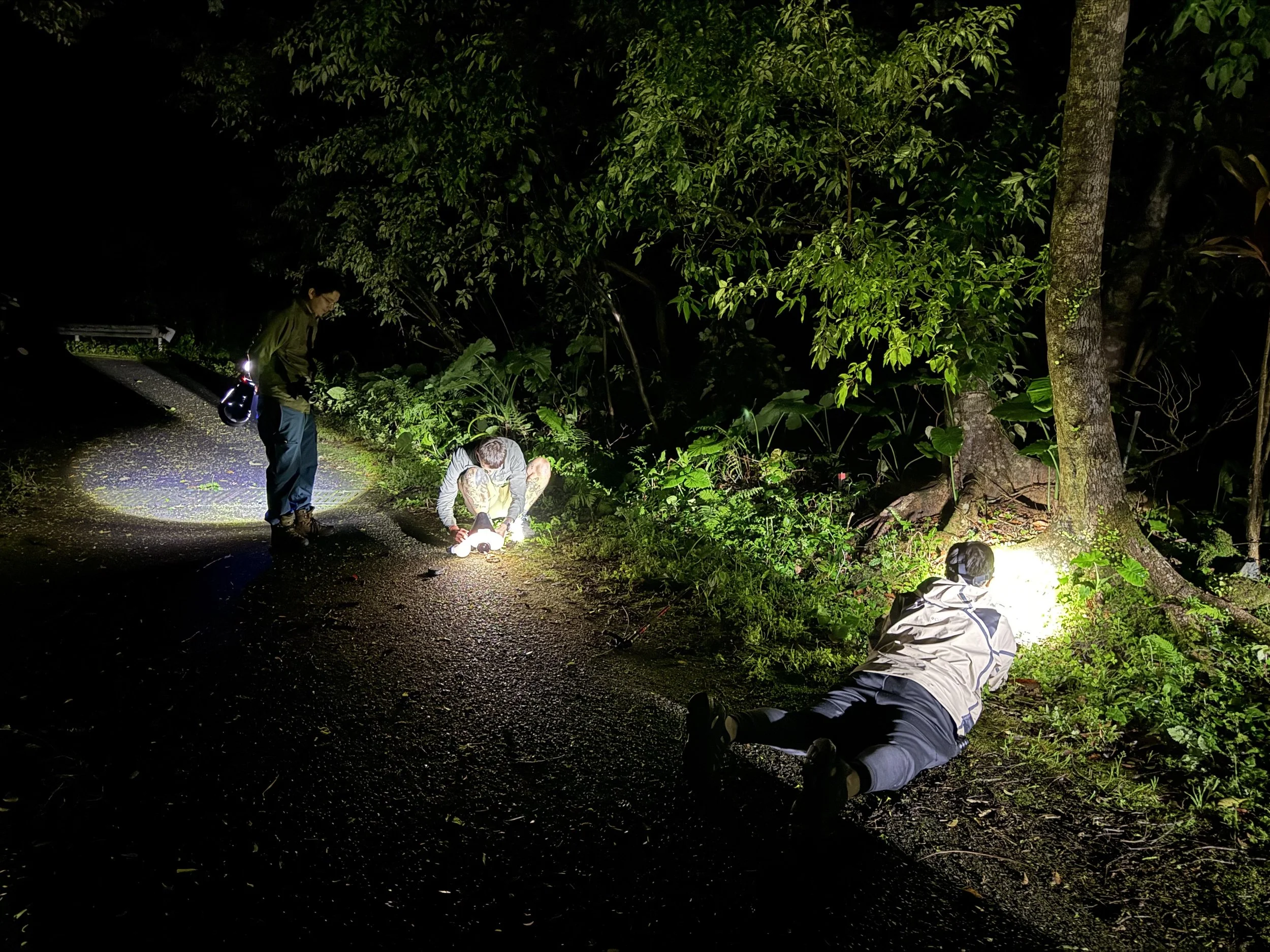
Nighttime shenanigans
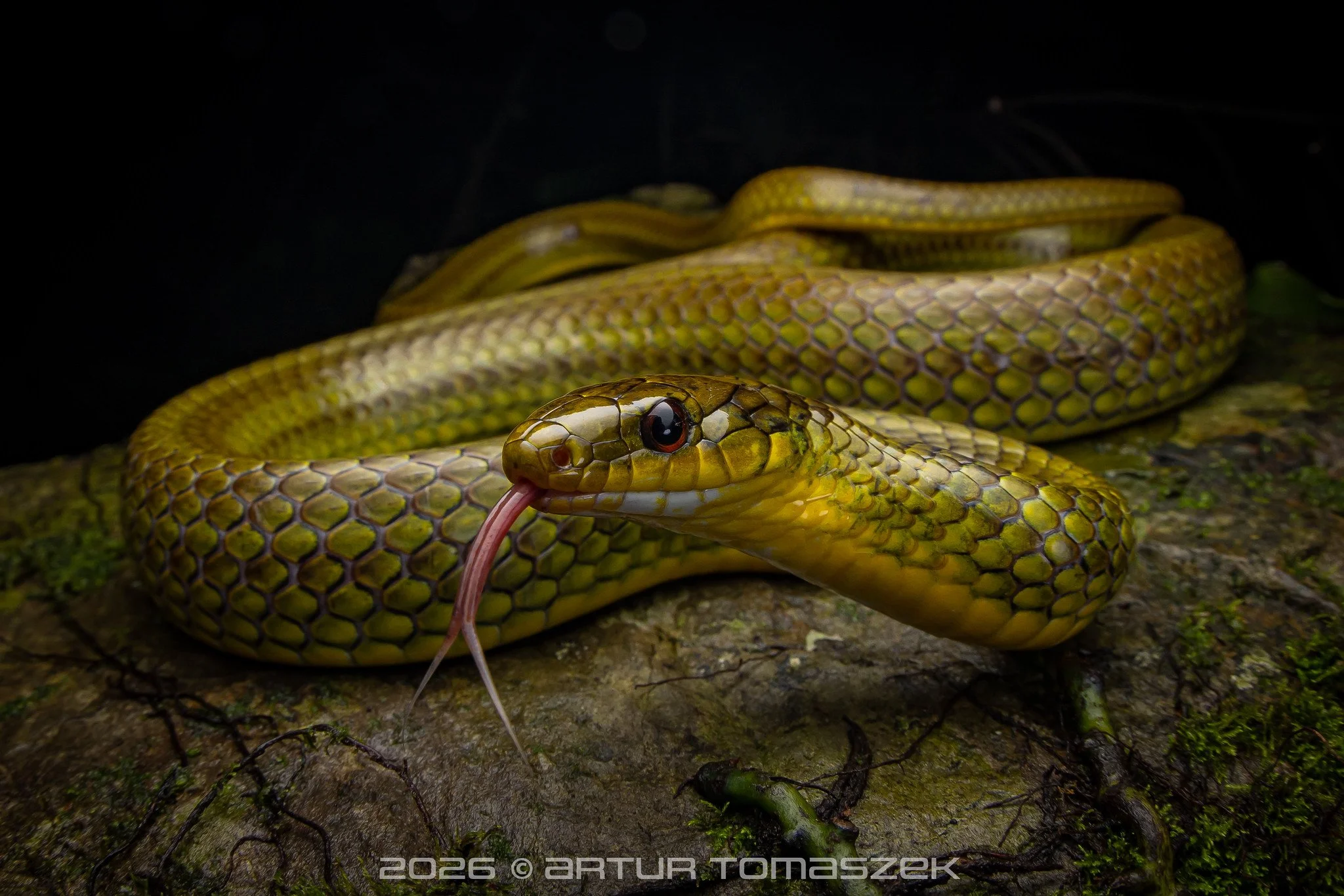
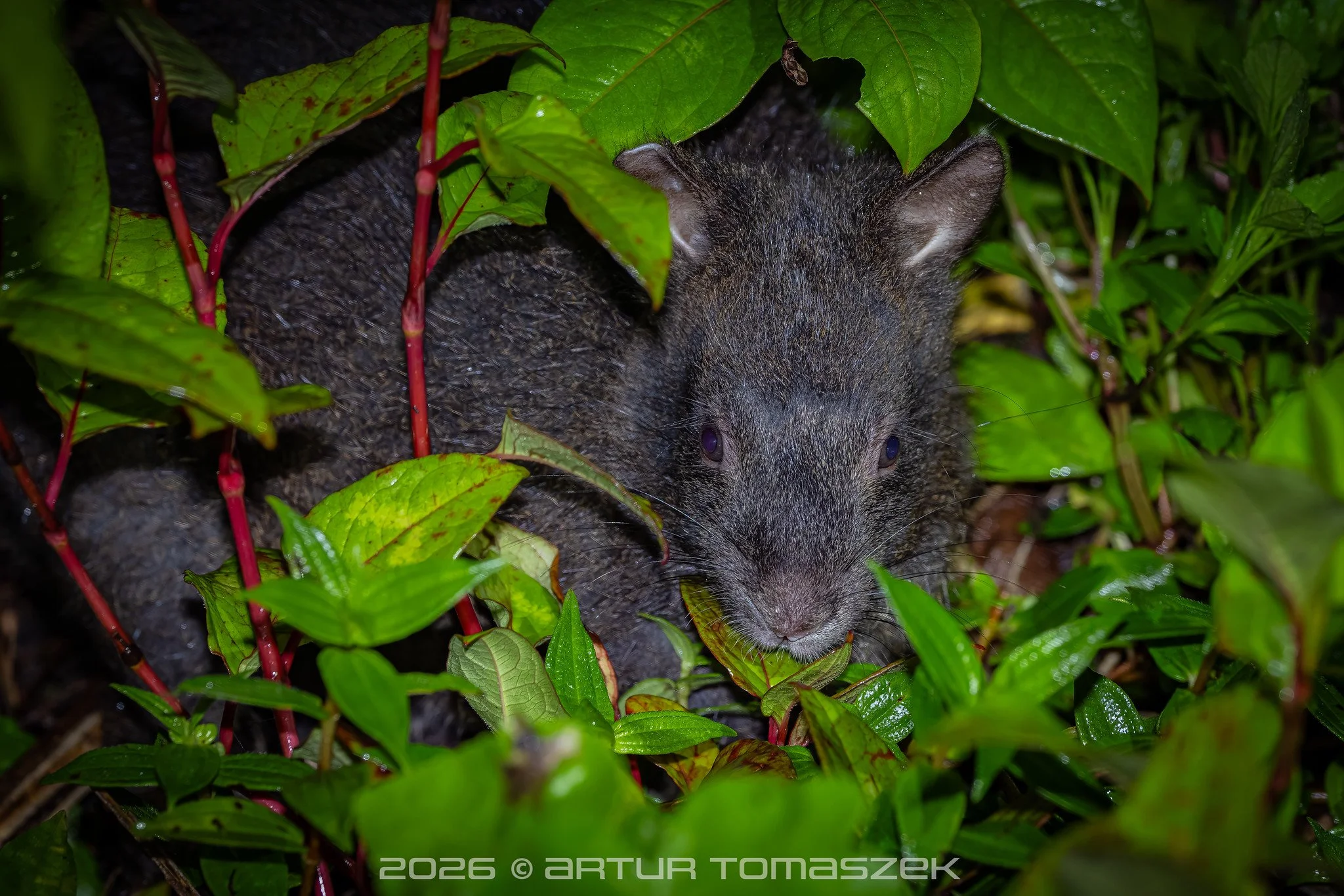
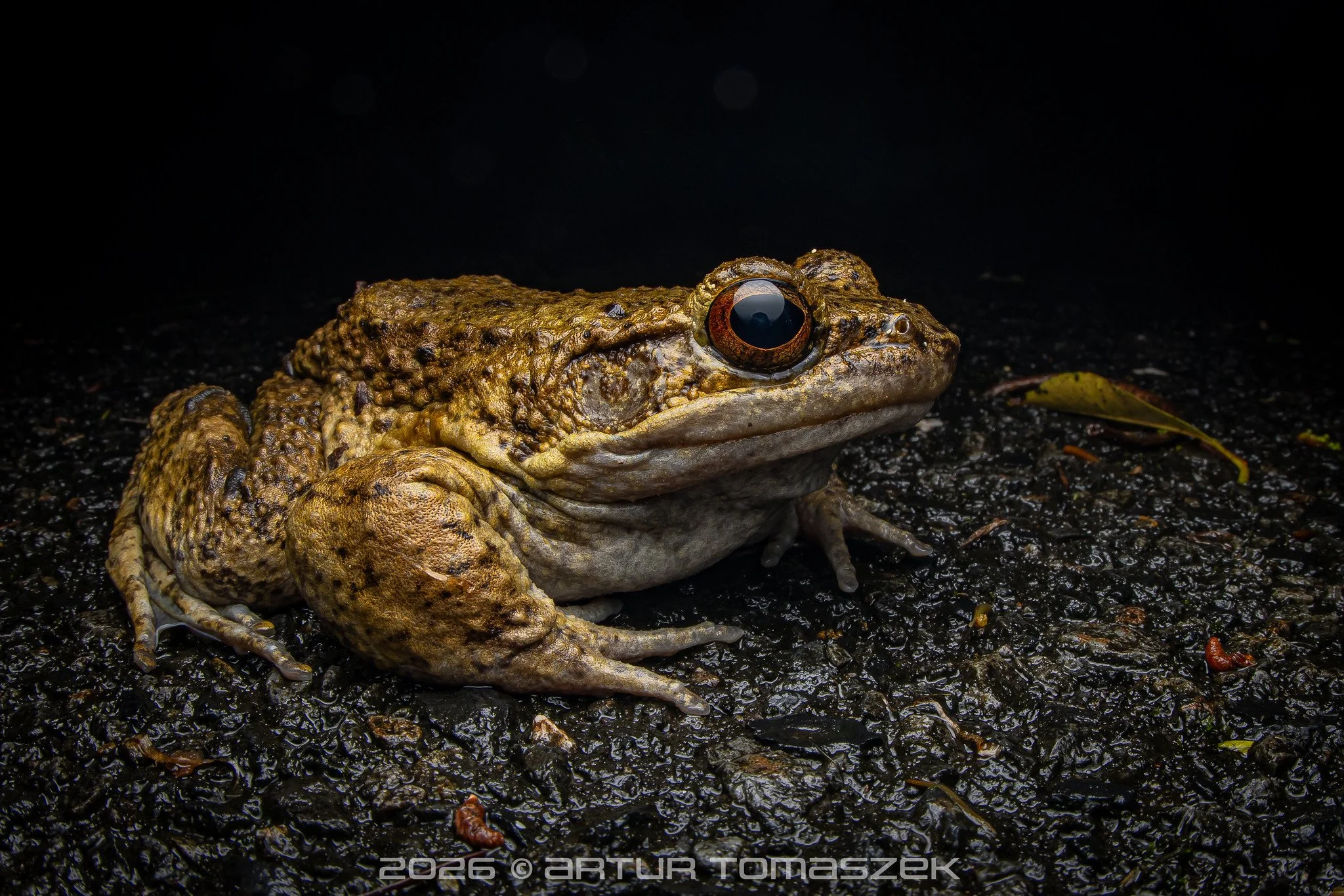
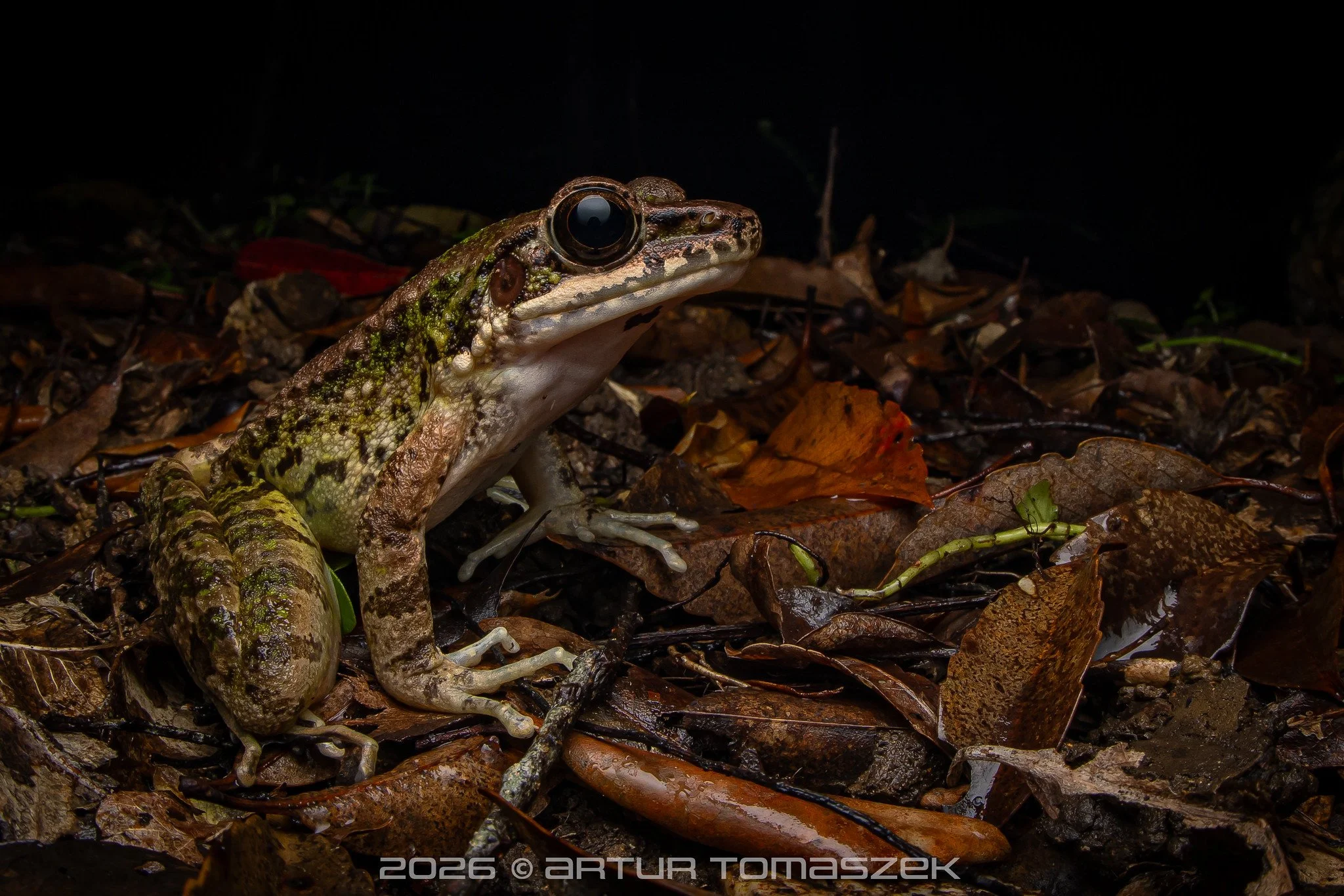
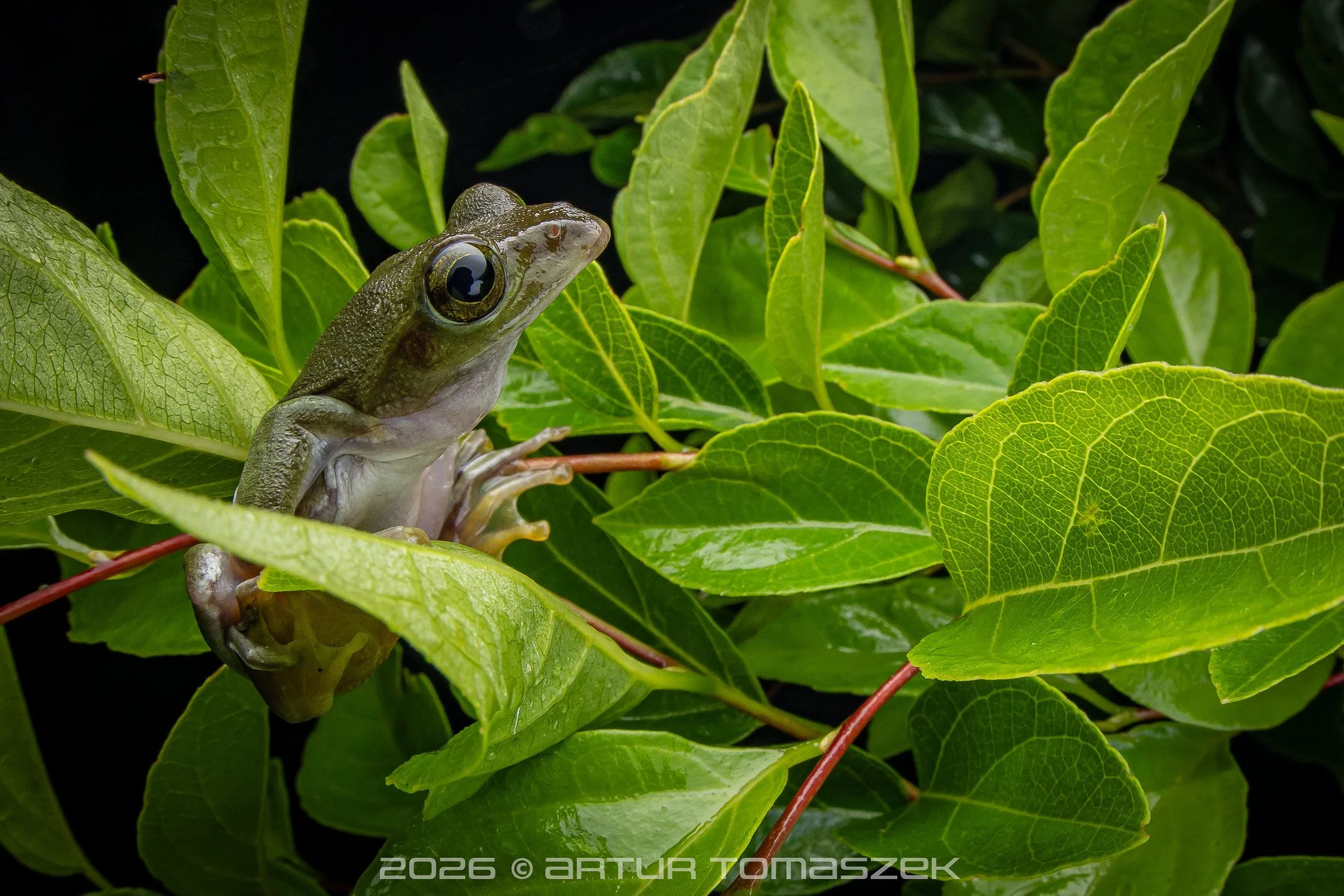
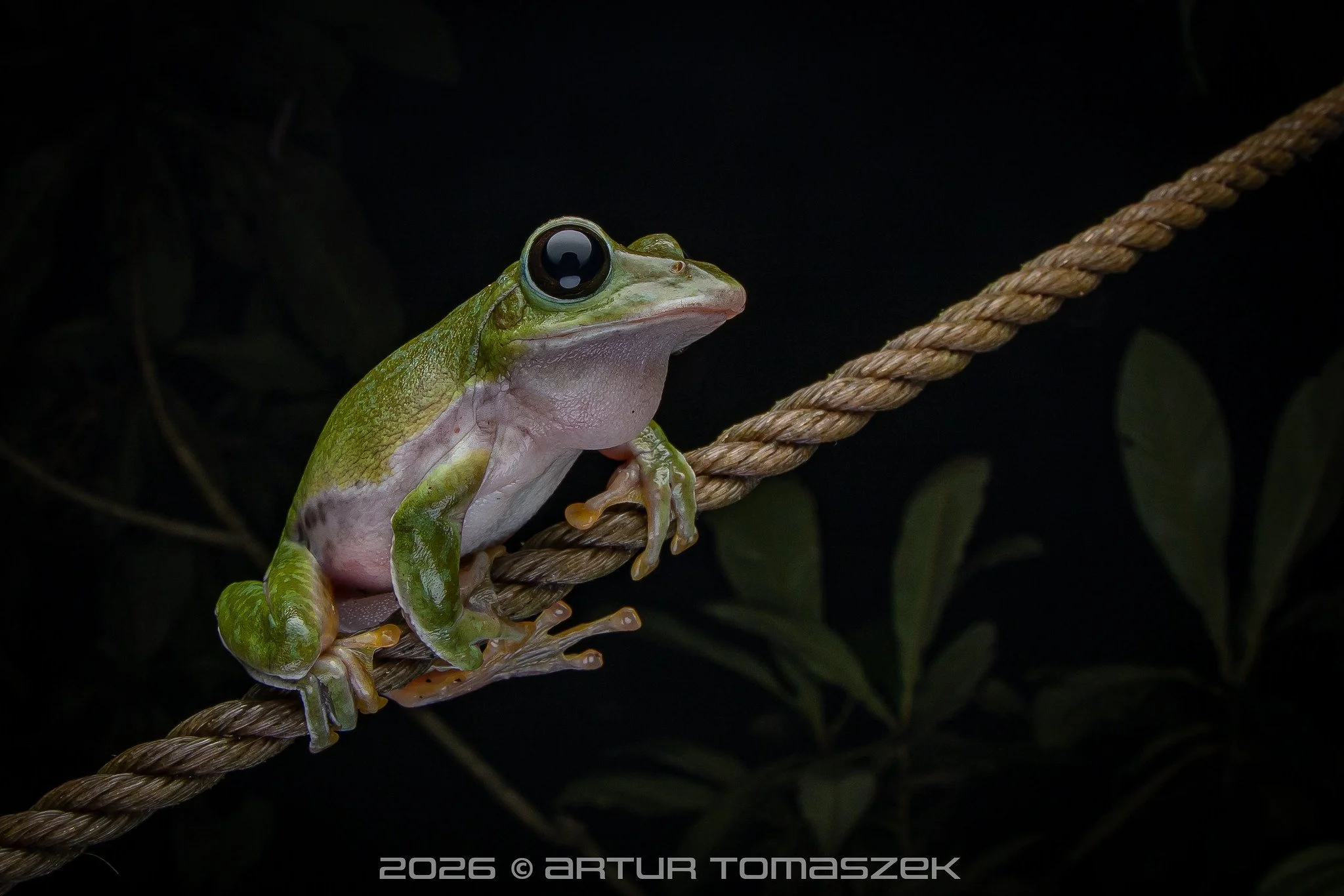
The first night was very cold, windy and rainy. Not exactly comfortable, but better for herping than dry wind, so we went out with a few targets in mind: Protobothrops flavoviridis, the “black bunny” for Karolina, and honestly anything else the island wanted to show us. And one thing Amami definitely wanted to show us was Ovophis okinavensis. They were everywhere. At some point it felt like every time we stopped, another one was sitting somewhere nearby. We also found some cool frogs, cruised Lycodon semicarinatus, two Ptyas semicarinata, and saw the Amami sword-tailed newt (Cynops ensicauda ensicauda). And of course, black bunnies (Pentalagus furnessi) were there too!
The Amami rabbit (Pentalagus furnessi), also known as the Ryukyu rabbit, is a dark-furred species of rabbit which is found only on Amami Ōshima and Tokunoshima, two small islands in southern Japan. Often called a living fossil, the Amami rabbit is a living remnant of ancient rabbits that once lived on the Asian mainland.
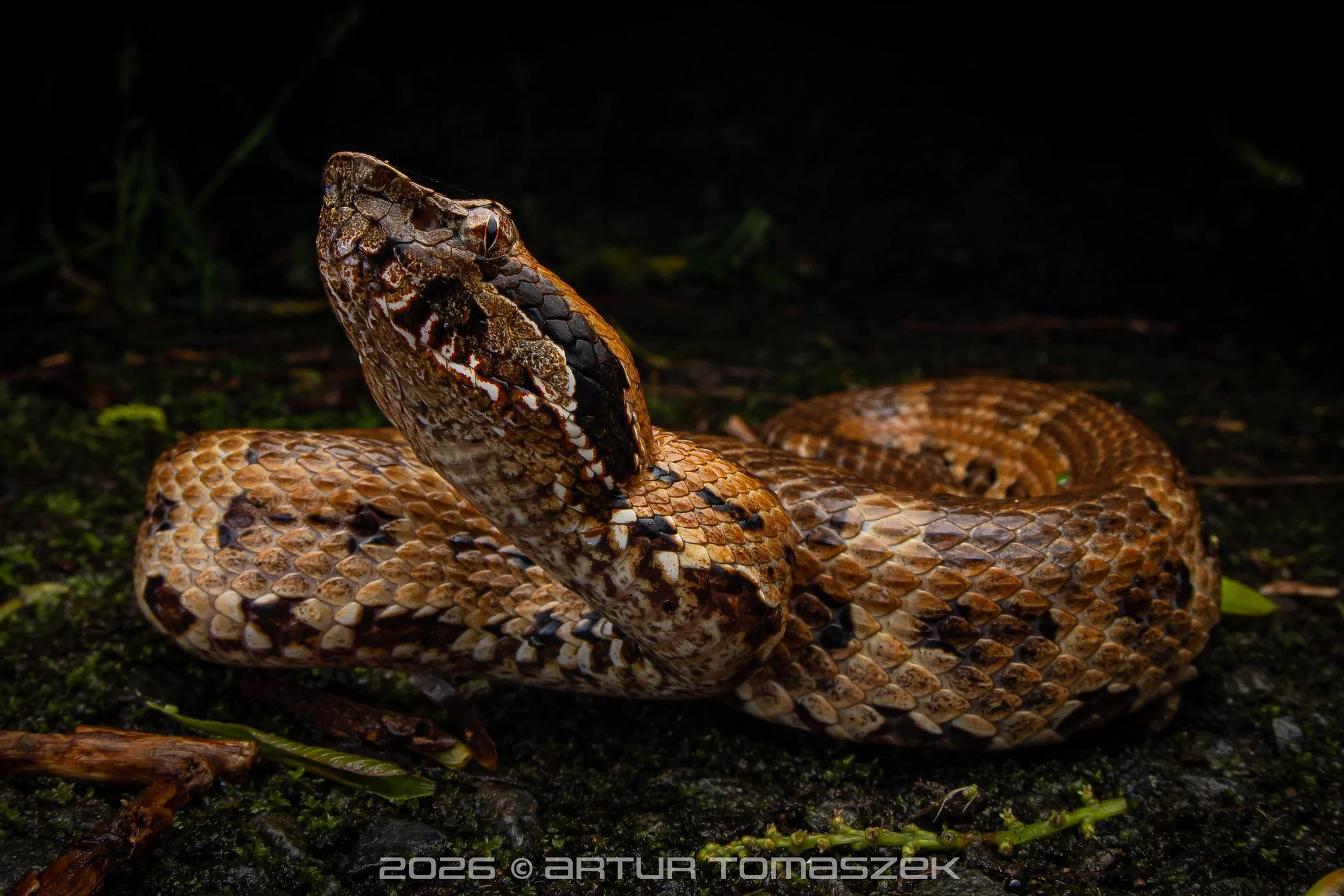
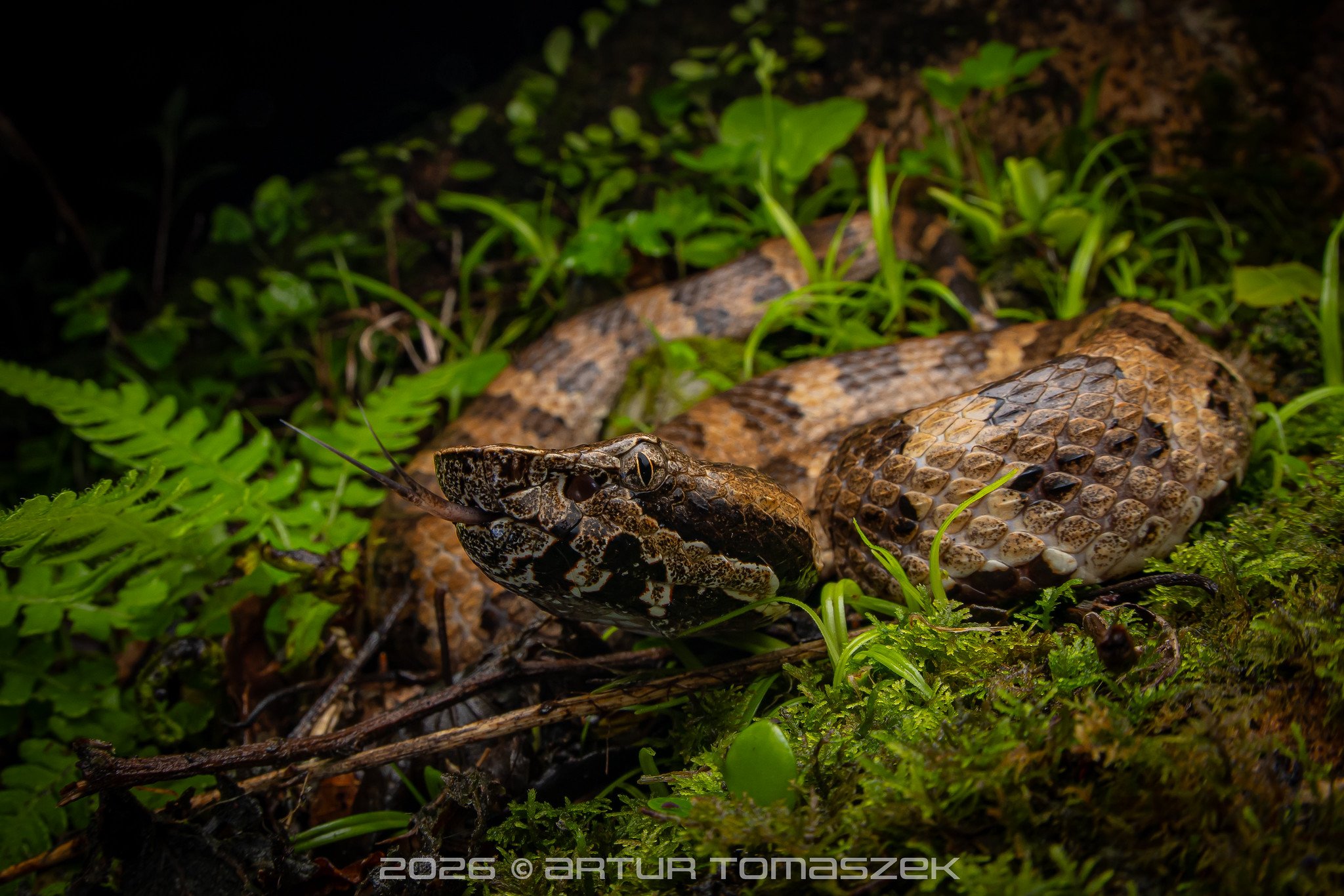
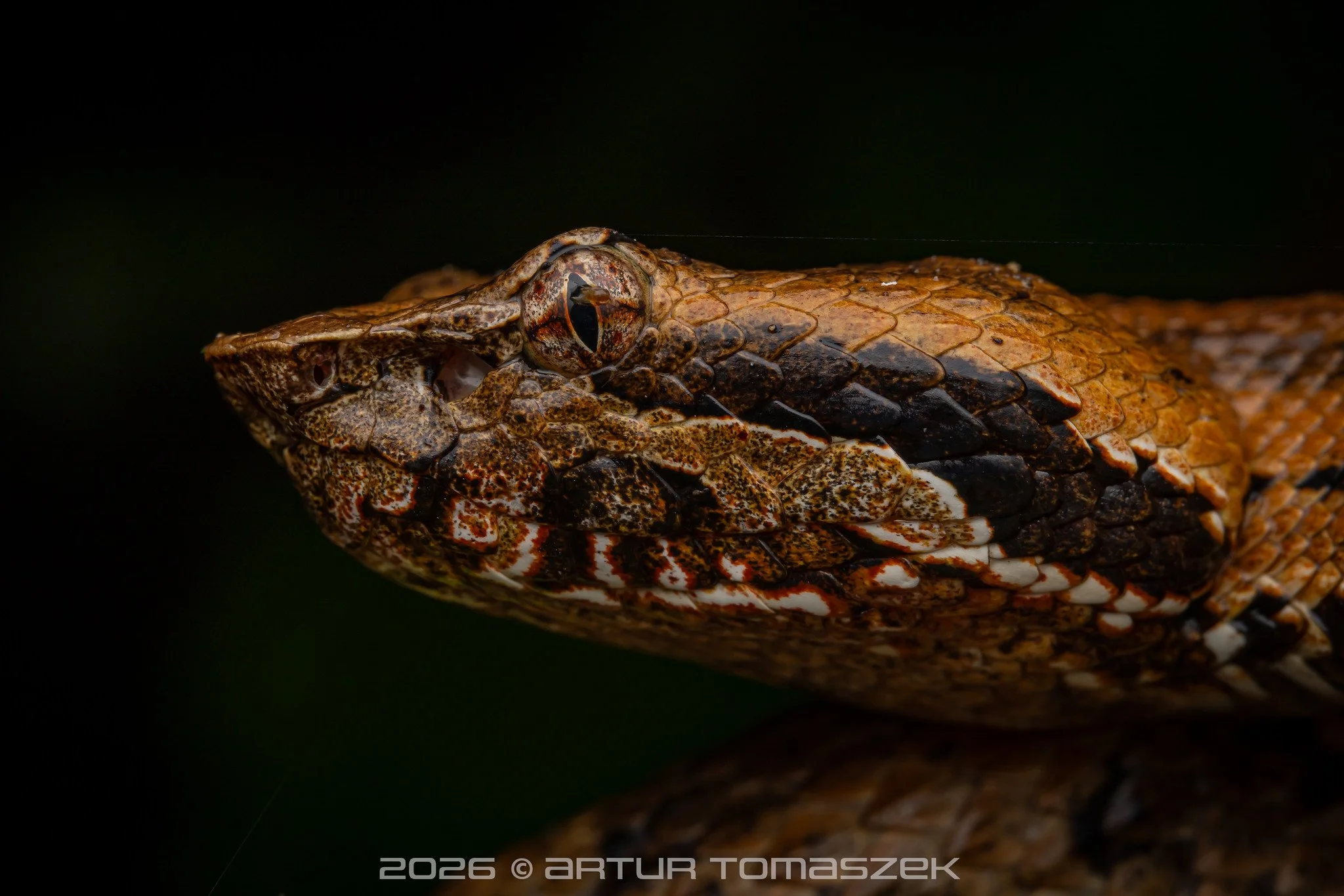
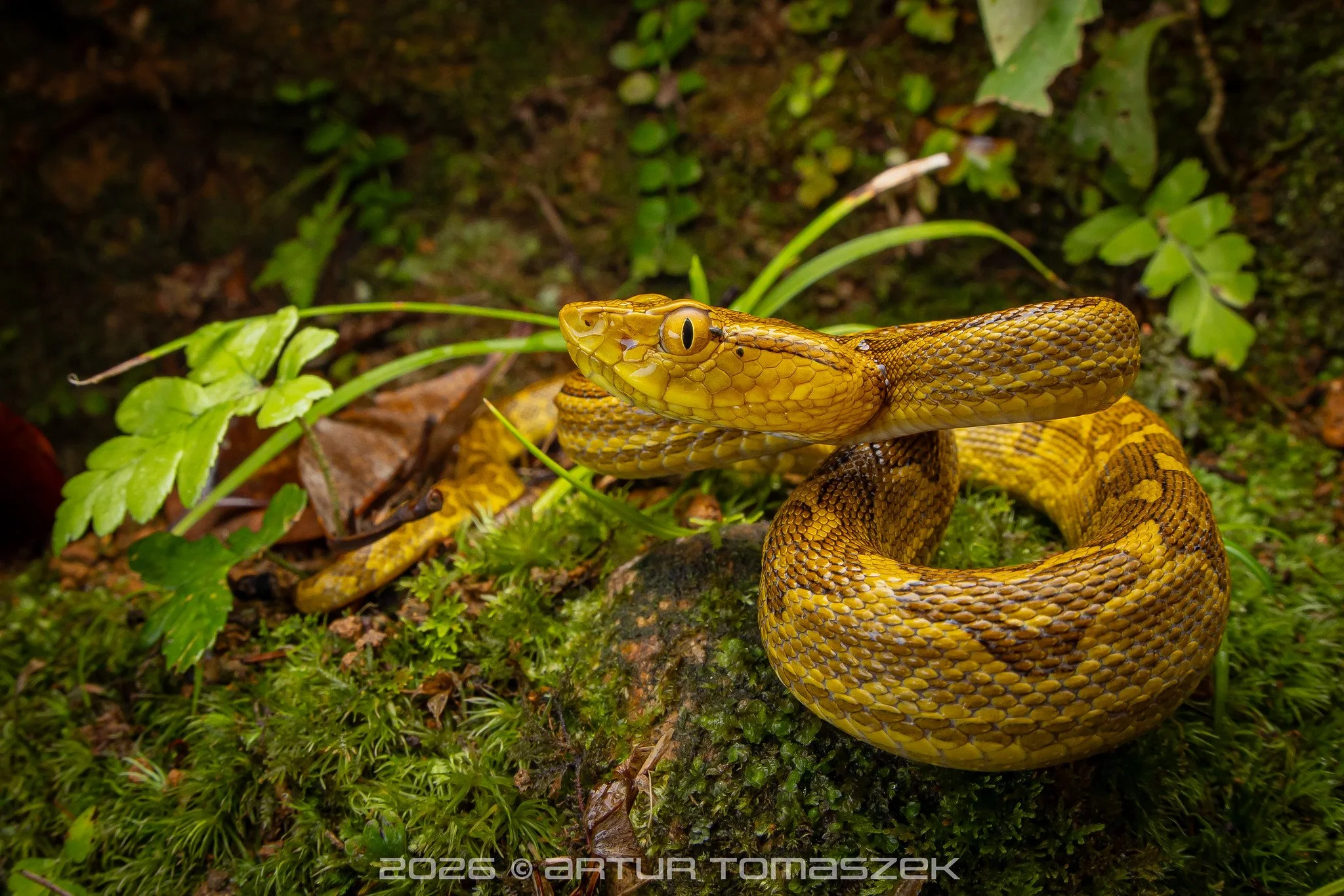
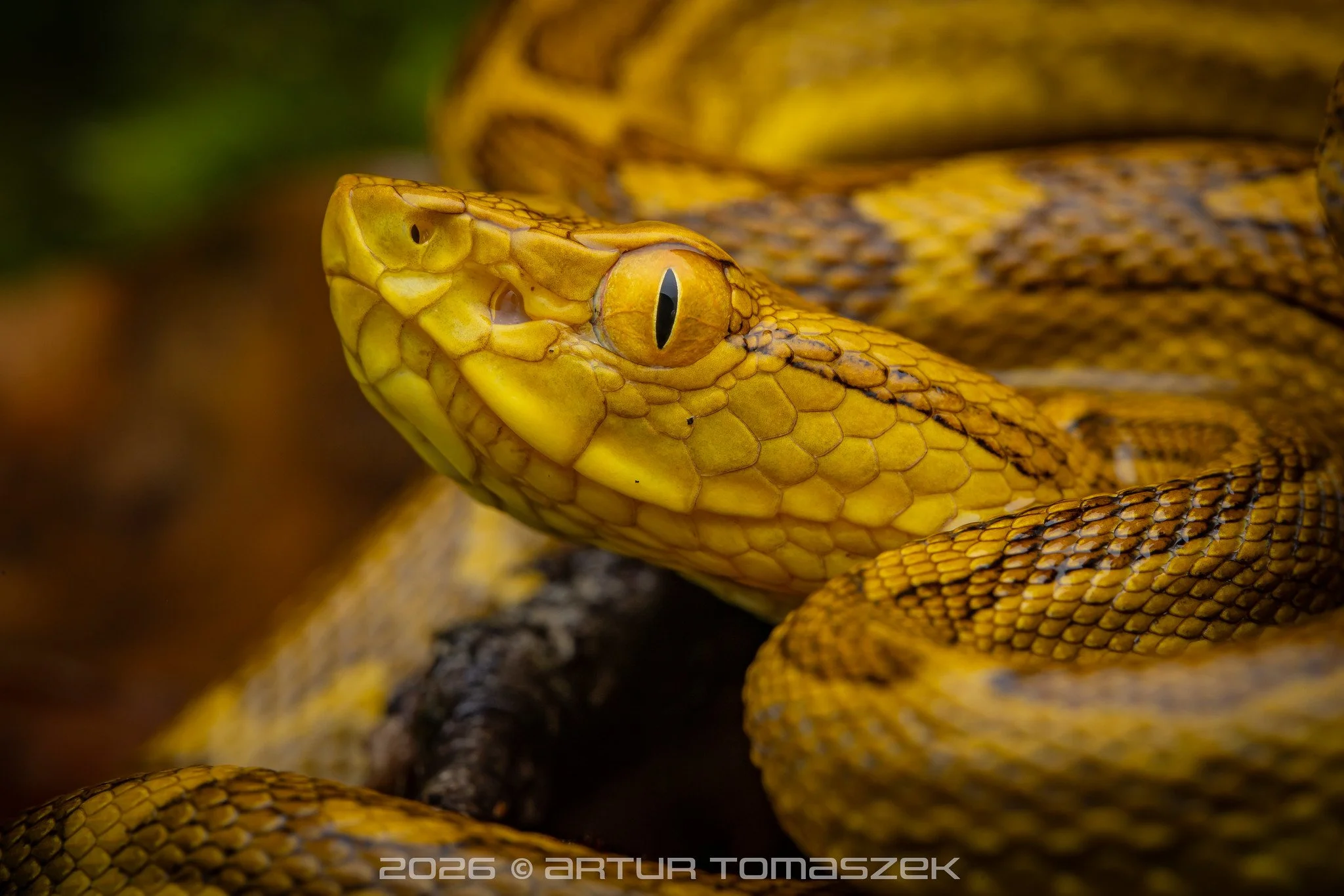
But the big moment came late at night, in heavy rain, when Karolina spotted an absolutely insane juvenile Protobothrops flavoviridis. Not the big adult we had imagined, but honestly, with a yellow juvenile like that, we could not complain. The colour was ridiculous. It almost looked fake against the dark wet forest.
On the way back we found one more Protobothrops flavoviridis, slightly larger but not as spectacular. By then the rain was heavy, we were cold, tired and wet, so we cruised a little more and finally returned to the hotel.
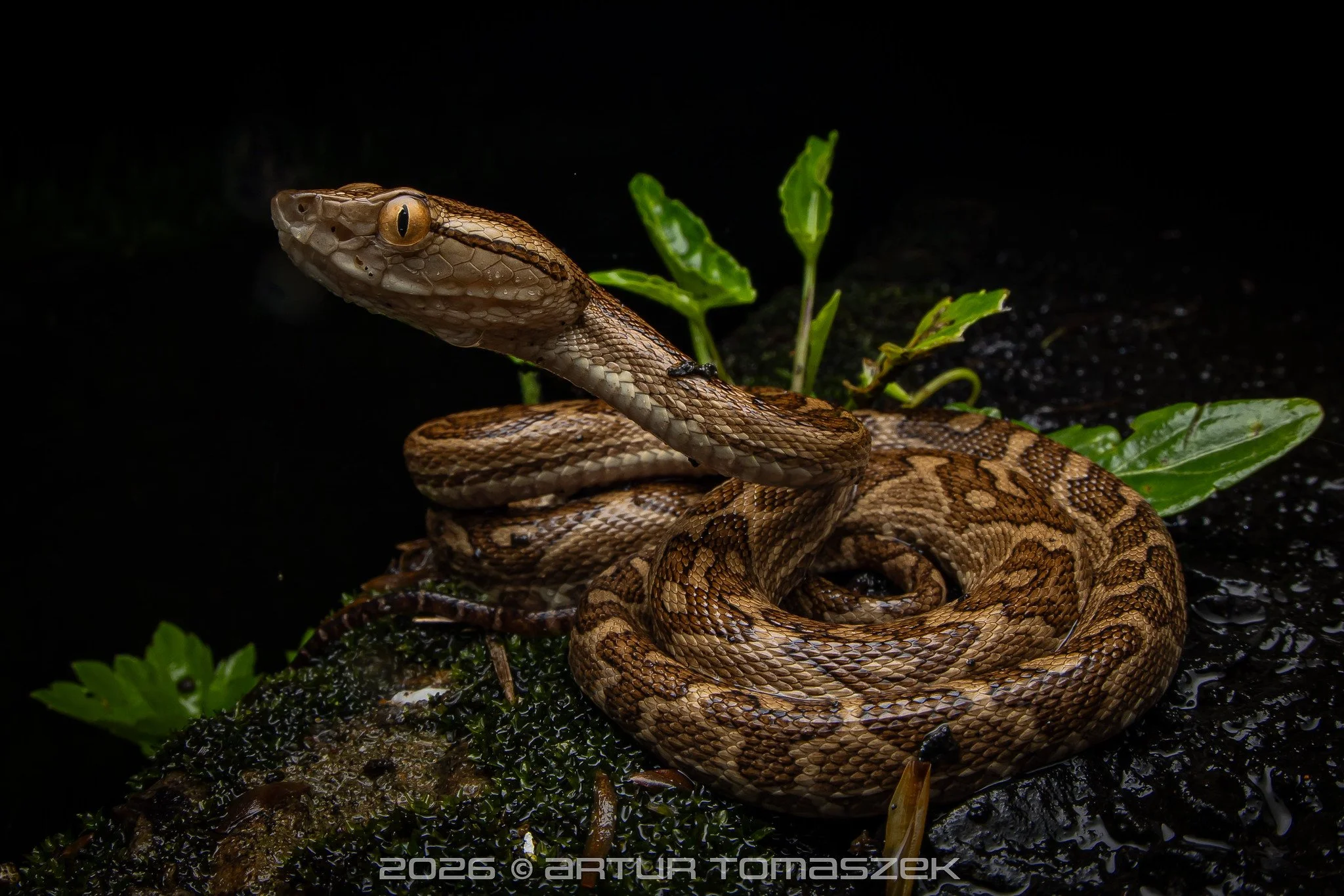
Protobothrops flavoviridis
5 April 2026
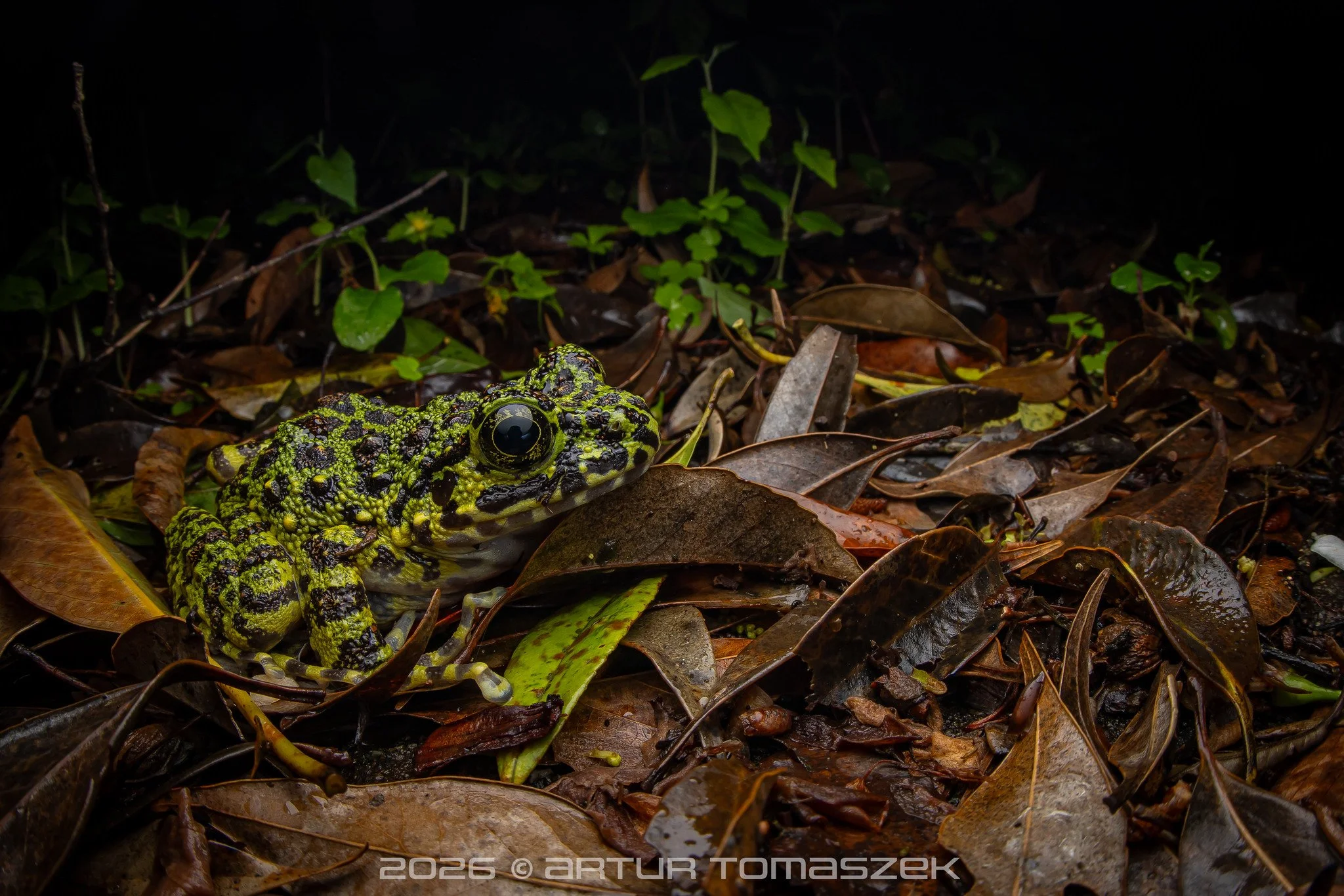
The second day was spent eating and shopping (well, certain things catch up with all of us, especially when there are shops dedicated to habu and naturalist souvenirs) and the night produced even more Ovophis, more Hebius pryeri, and one of Artur’s dream amphibians: Echinotriton raffaellii. That animal alone would have made the night memorable. But we could not stay out too long, because the next exciting chapter was about to begin at 2 am.
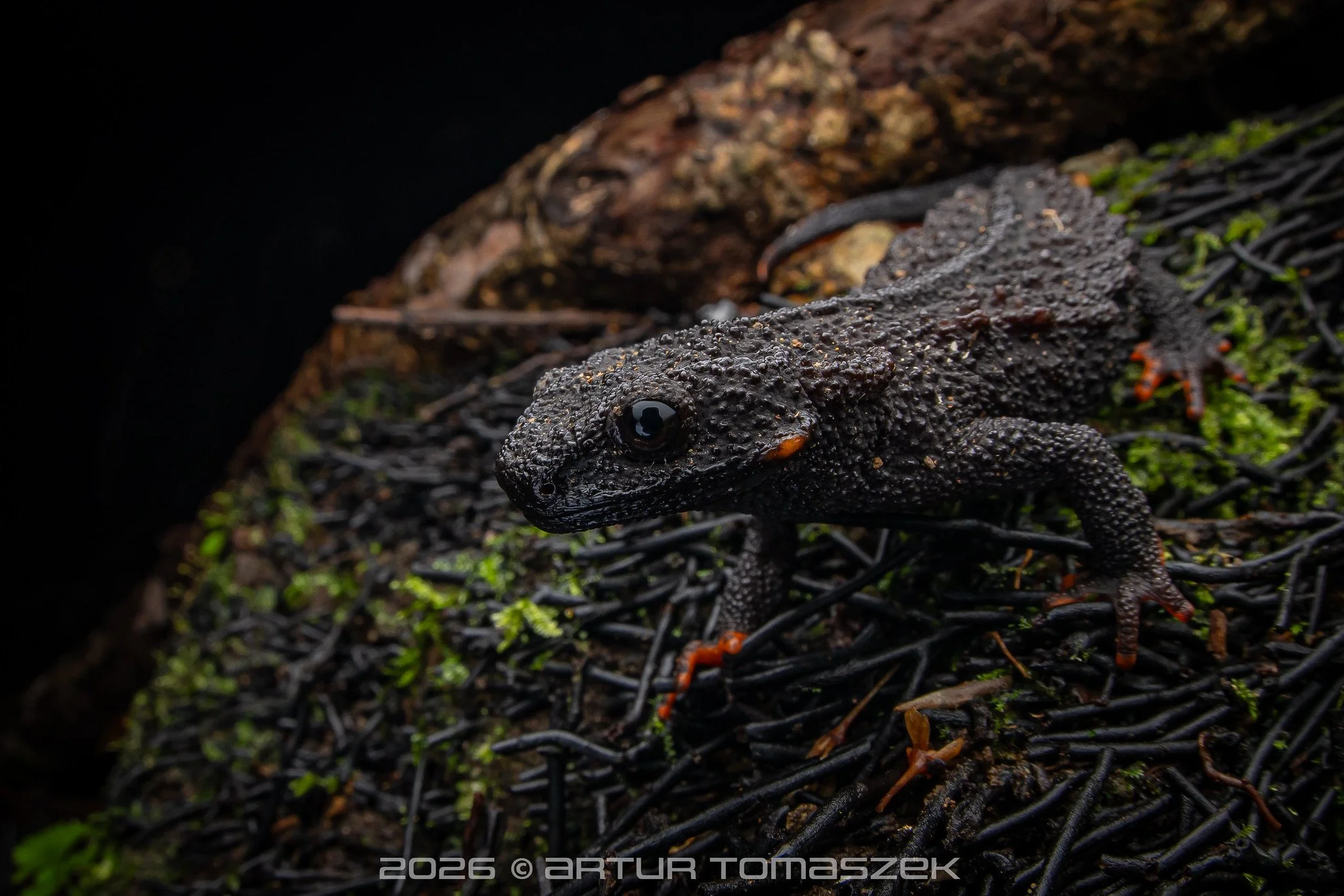
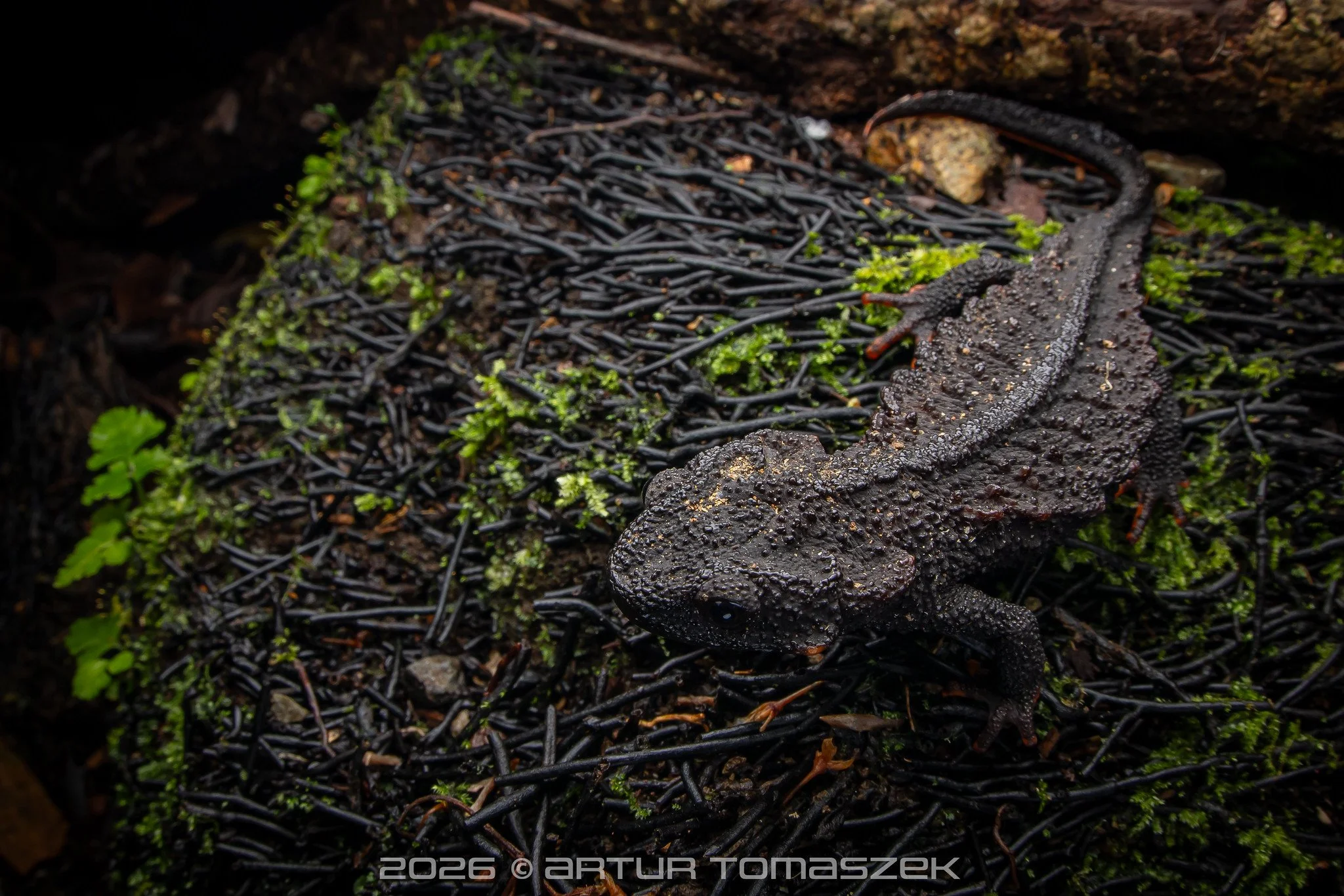
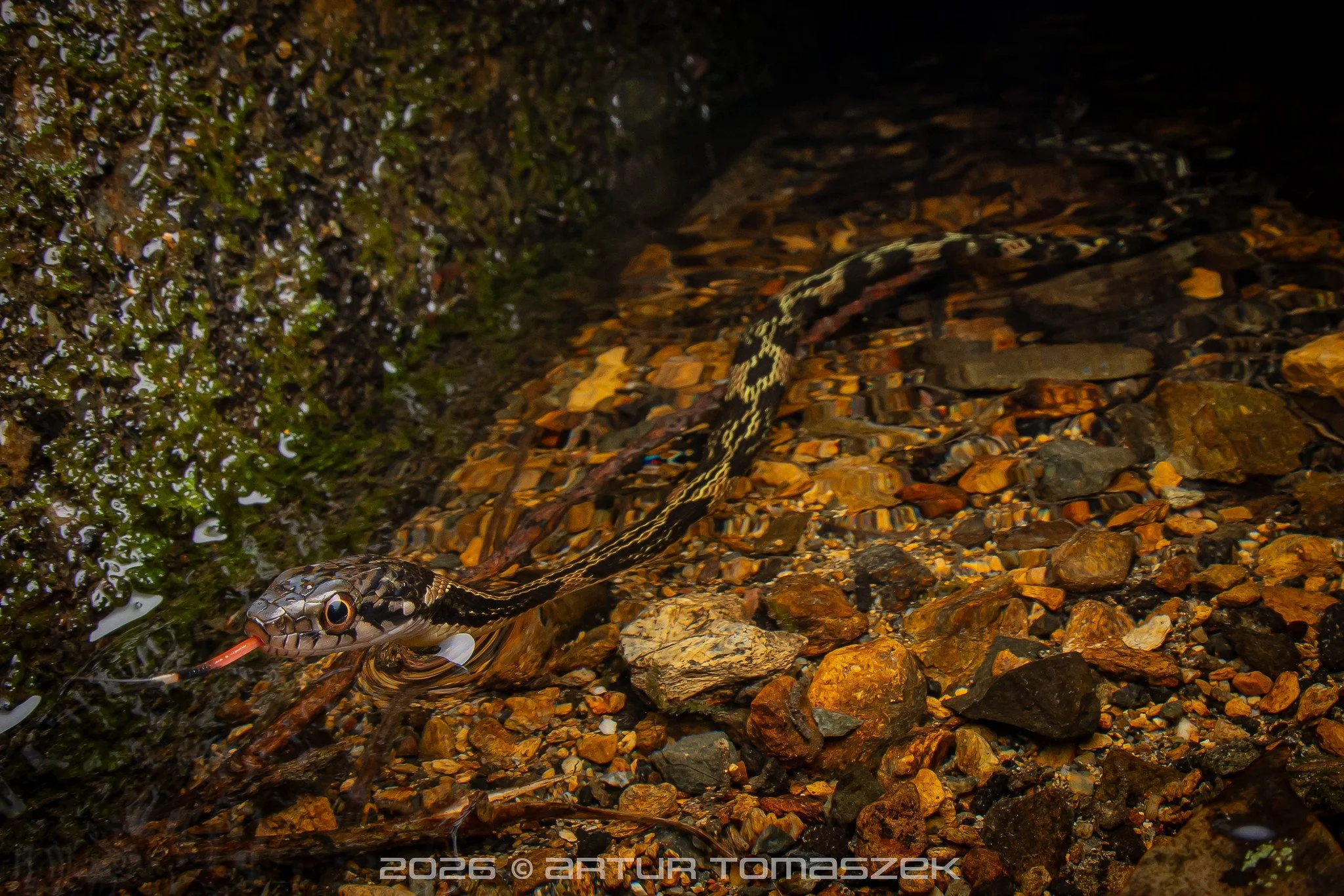
Tokara
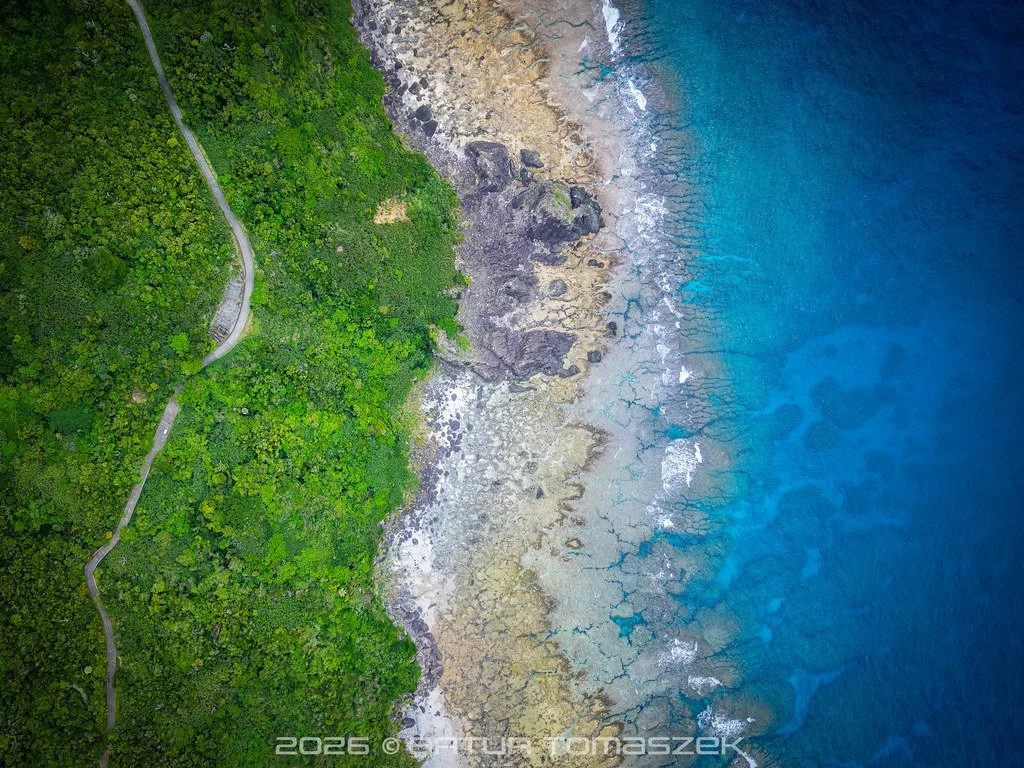
Takarajima
6 April 2026
Takarajima, 宝島. The treasure island.
7.14 km² total area and the population of around 150 people. Its highest peak has a height of 292 metres above sea level.
Zero restaurants. No airport. One shop open a few hours a day. Very few roads. Isolation, difficult access, unique island wildlife, and one special snake that had been sitting very high on Artur’s wish list for years.
We arrived to Tokara around 6 am. Our lovely host lent us his car and we went straight to… no, not to bed, silly. We immediately began looking for the main target of the whole Japan trip: the Tokara habu (Protobothrops tokarensis).
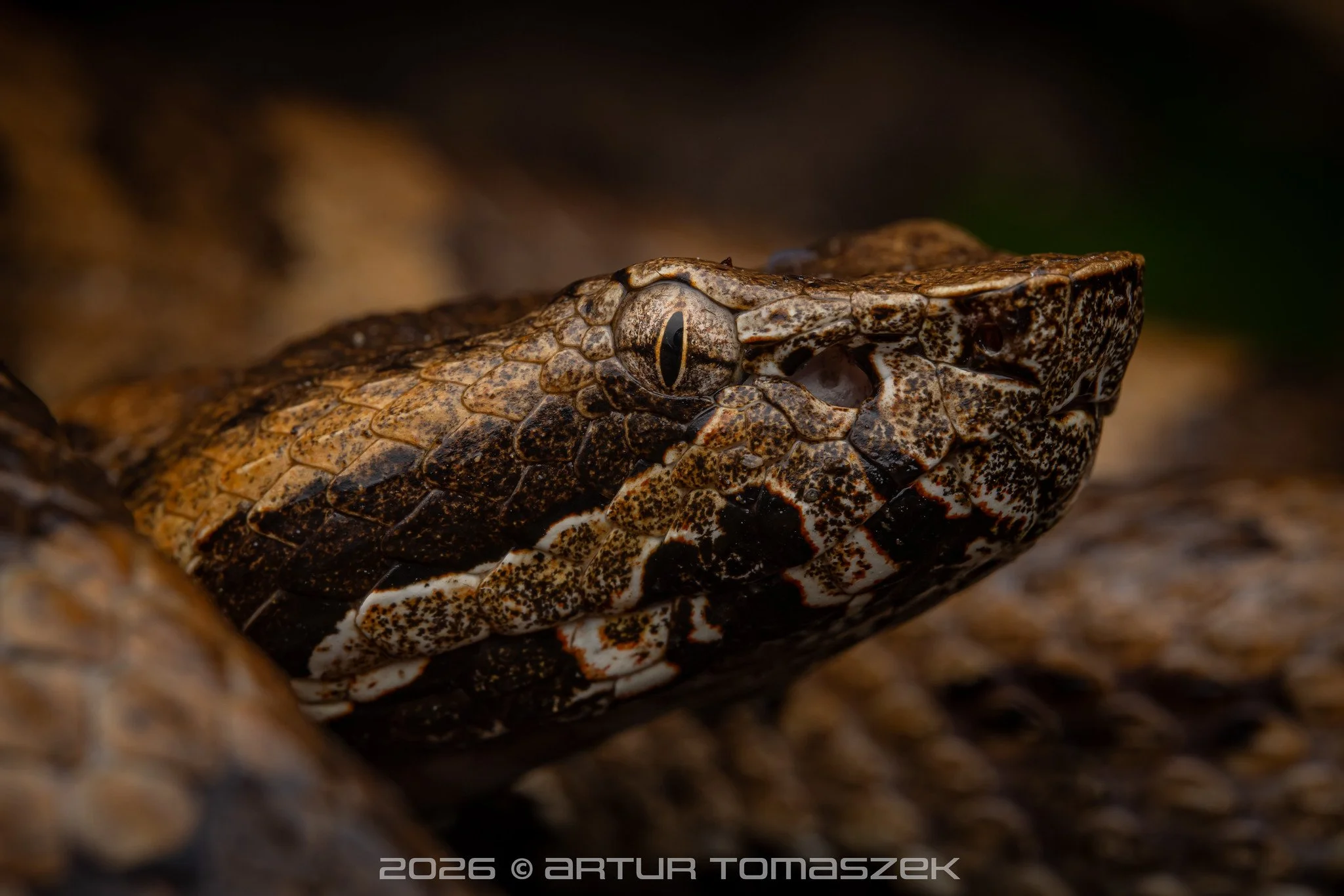
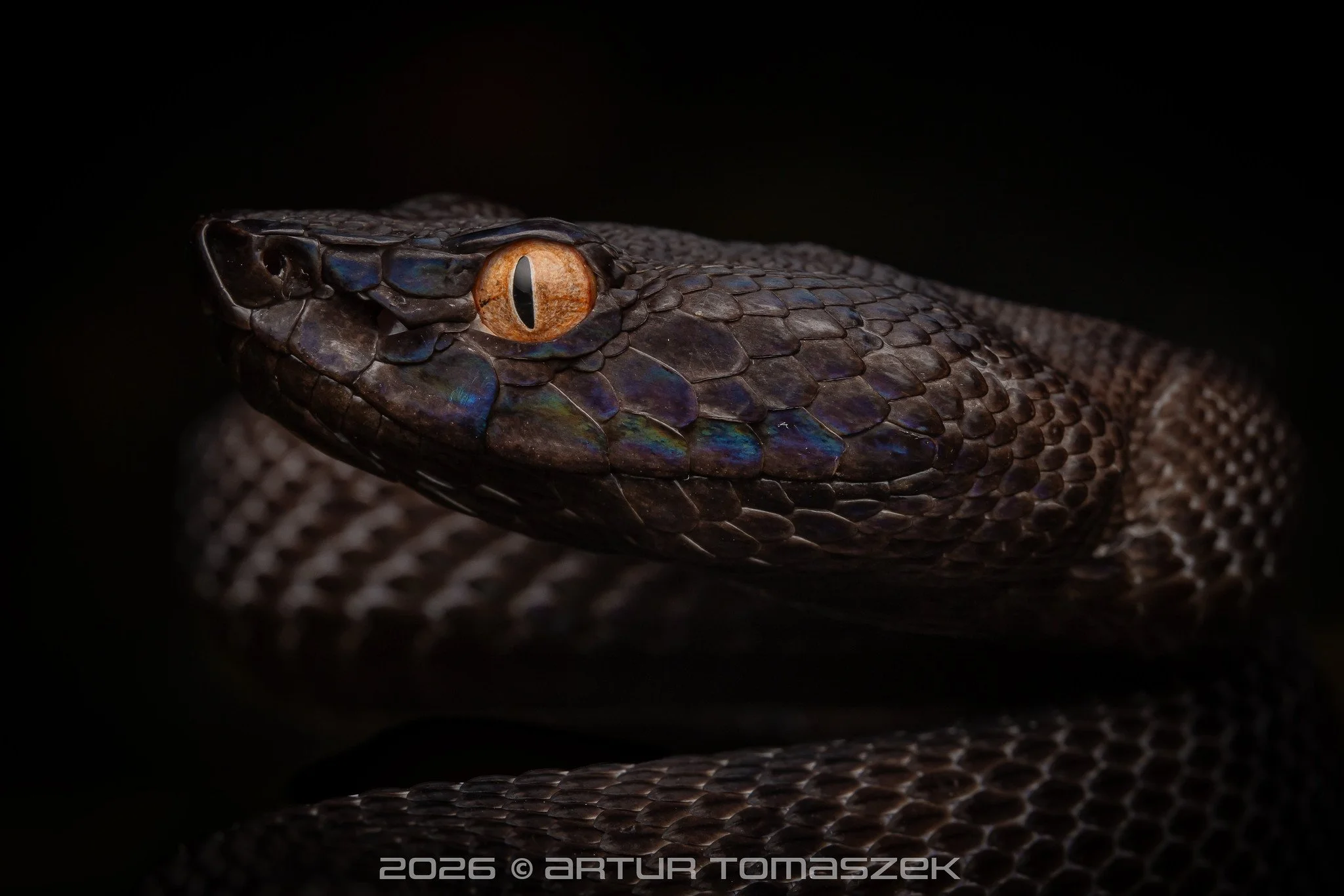
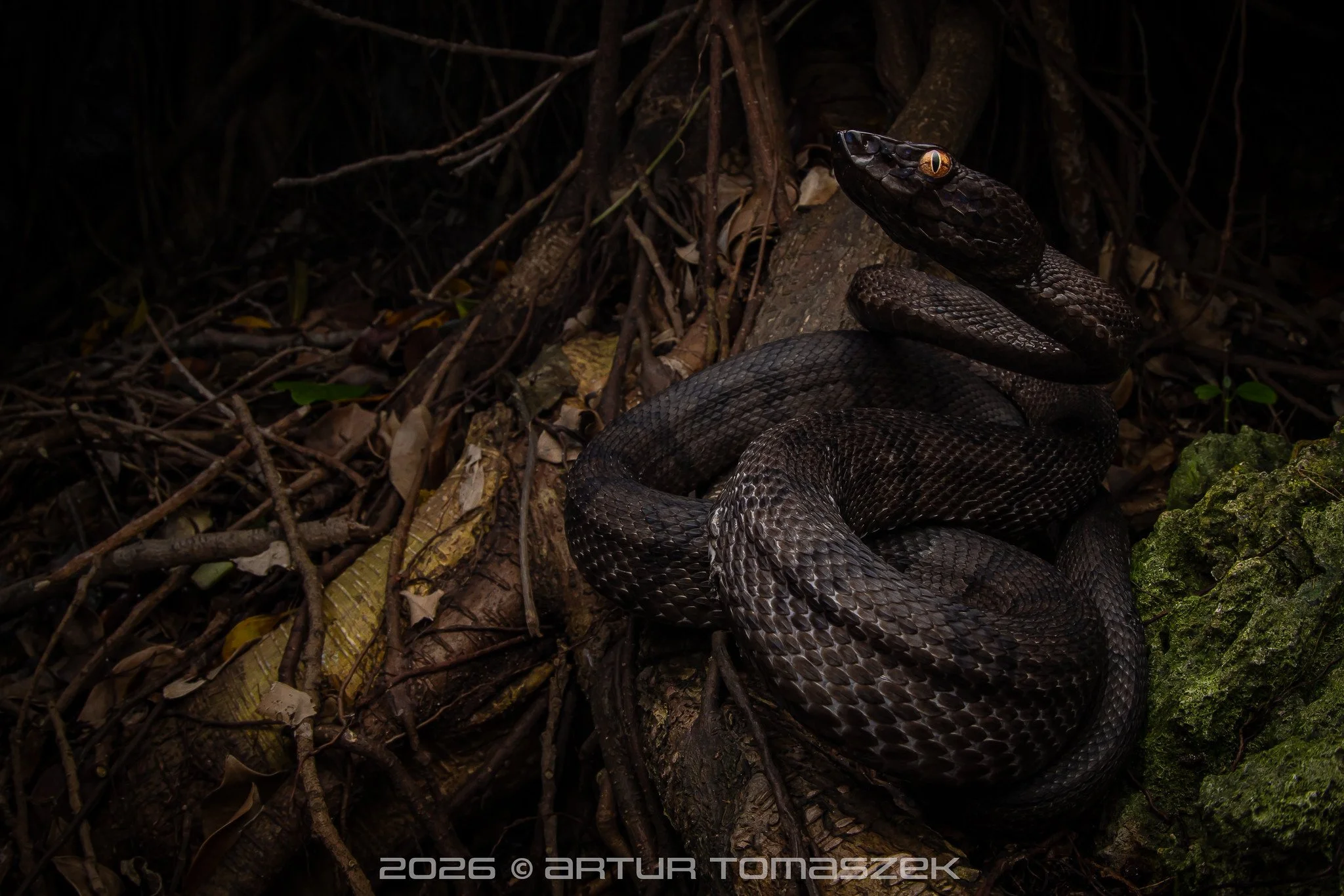
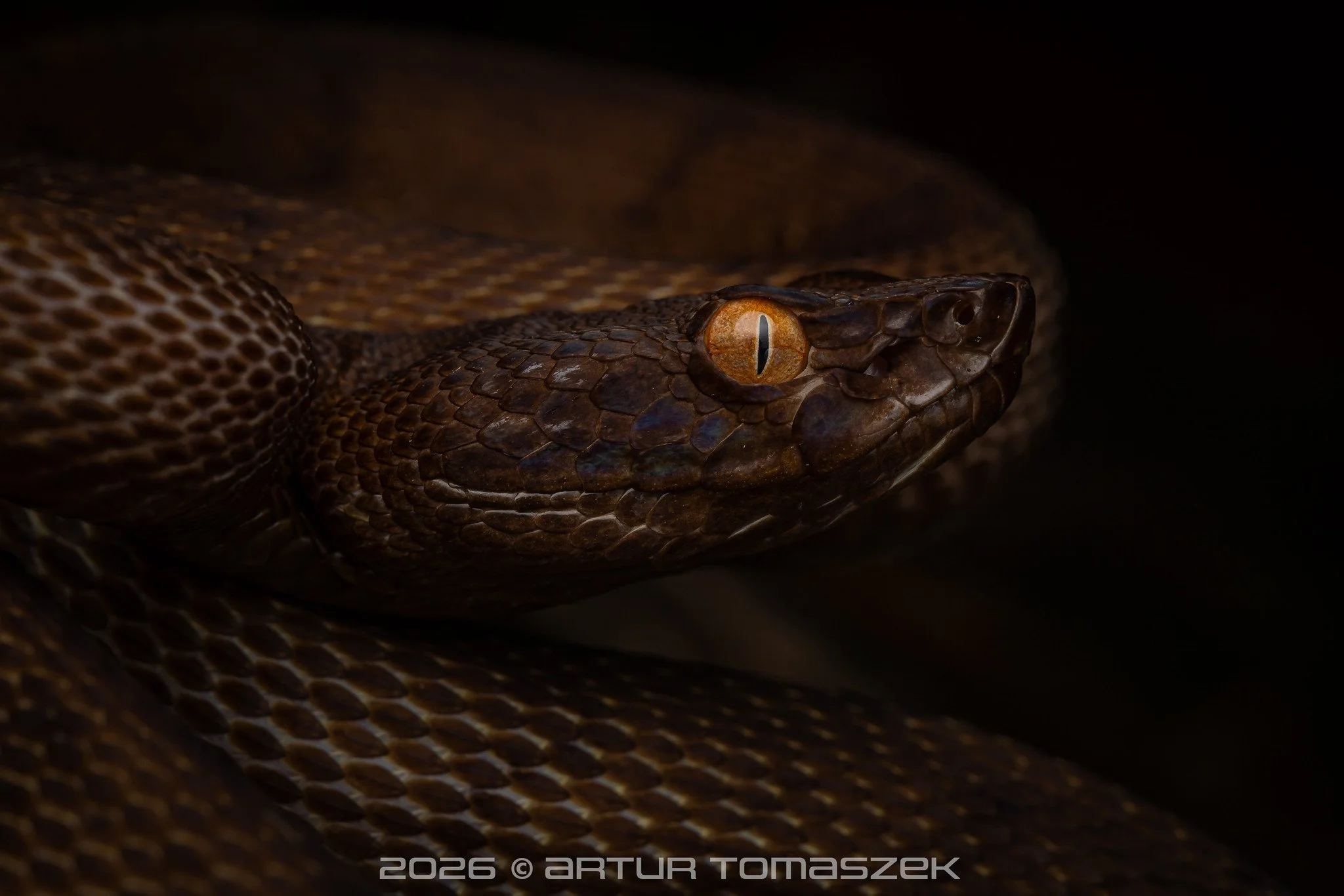
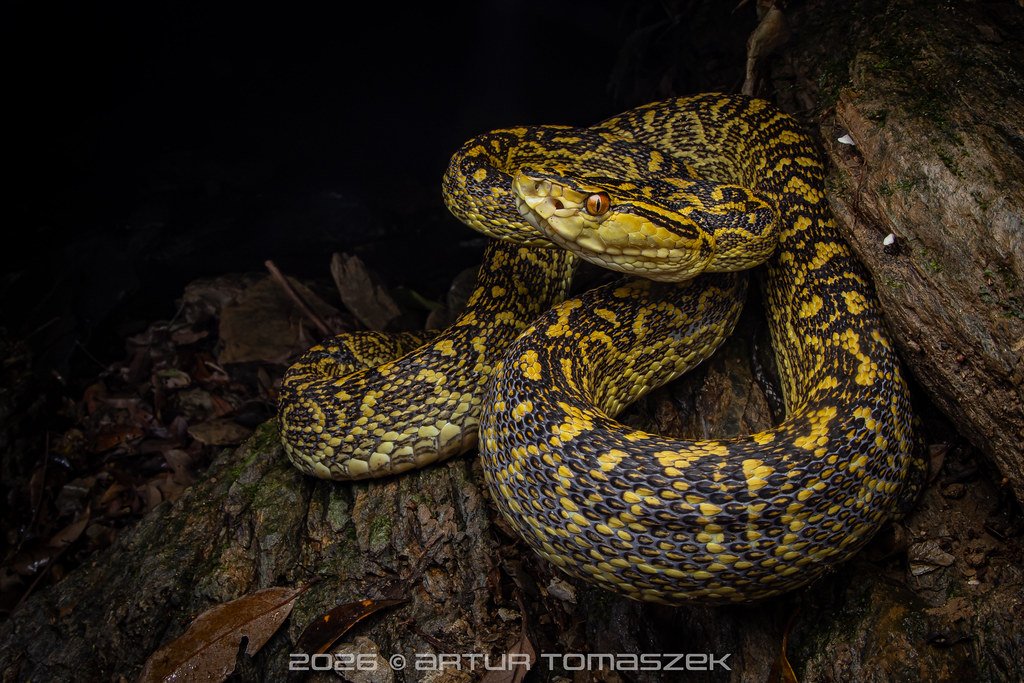
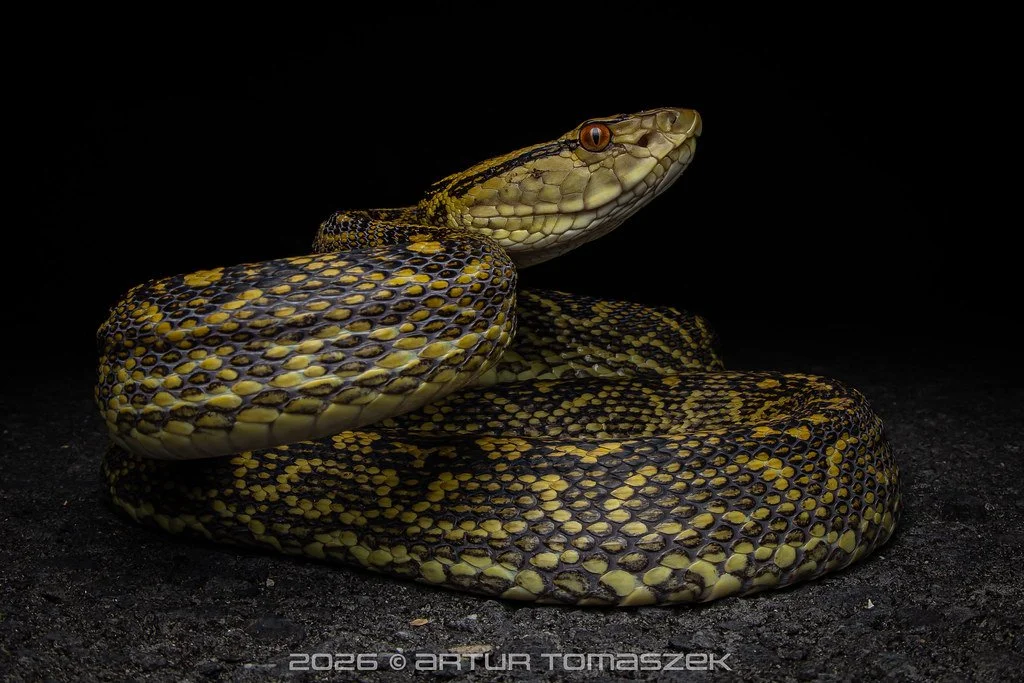
It did not take long. At exactly 6:30 am Artur spotted the first one perched on a bamboo stick next to a trail. It was one of those encounters that takes a second to process! A dream species, on one of the most unique herping locations we have ever visited, just sitting there at the top of the hill. After years of wanting to see this snake, there it was. You can only imagine the feeling.

Protobothrops tokarensis
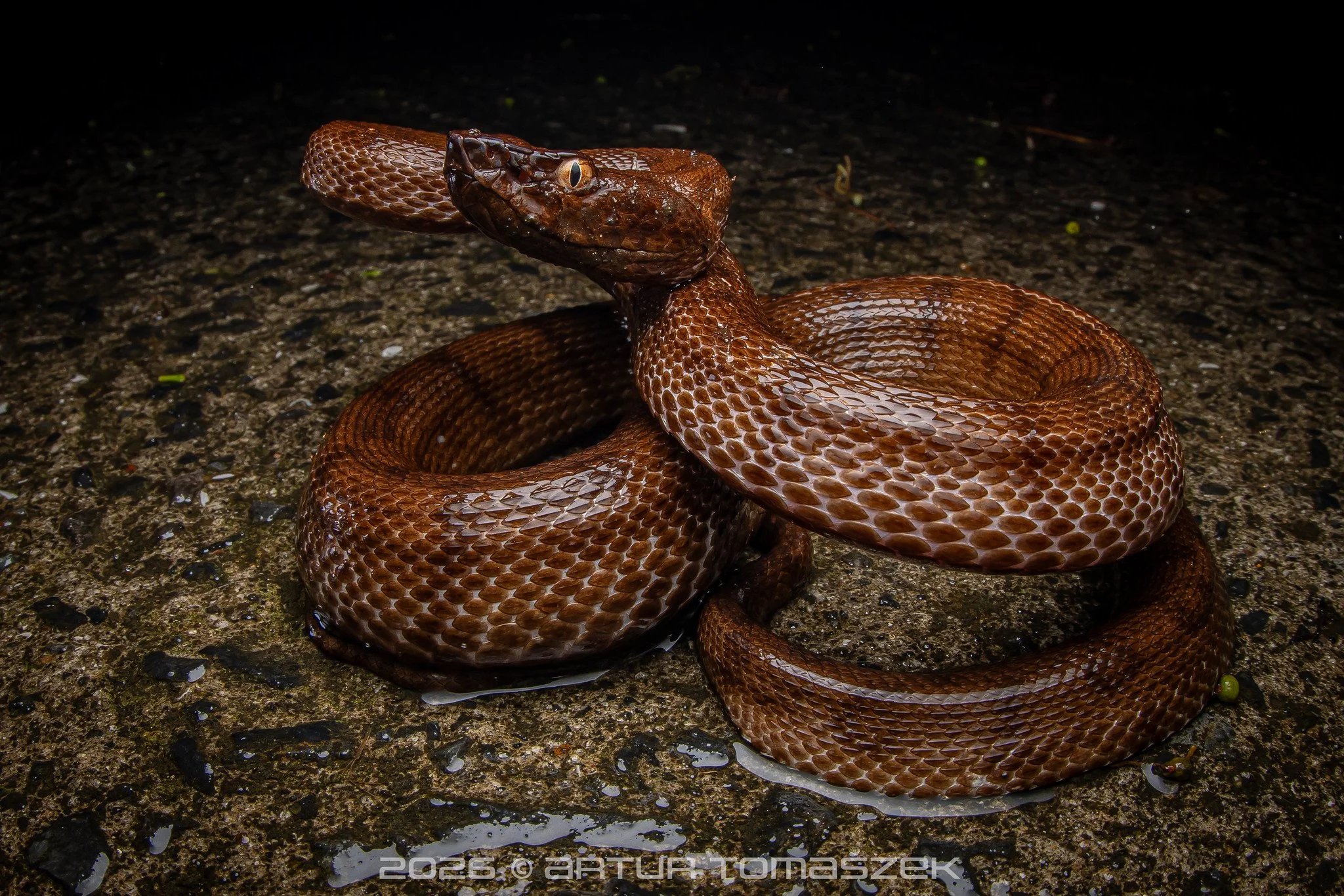
But that’s not all! About ten minutes later, Artur spotted another one. This time it was a brown individual, perched in almost the same way but a little higher up on the same trail. We’ve been told they perch this way during a particular time of the year, when birds arrive to the island providing a new source of food.
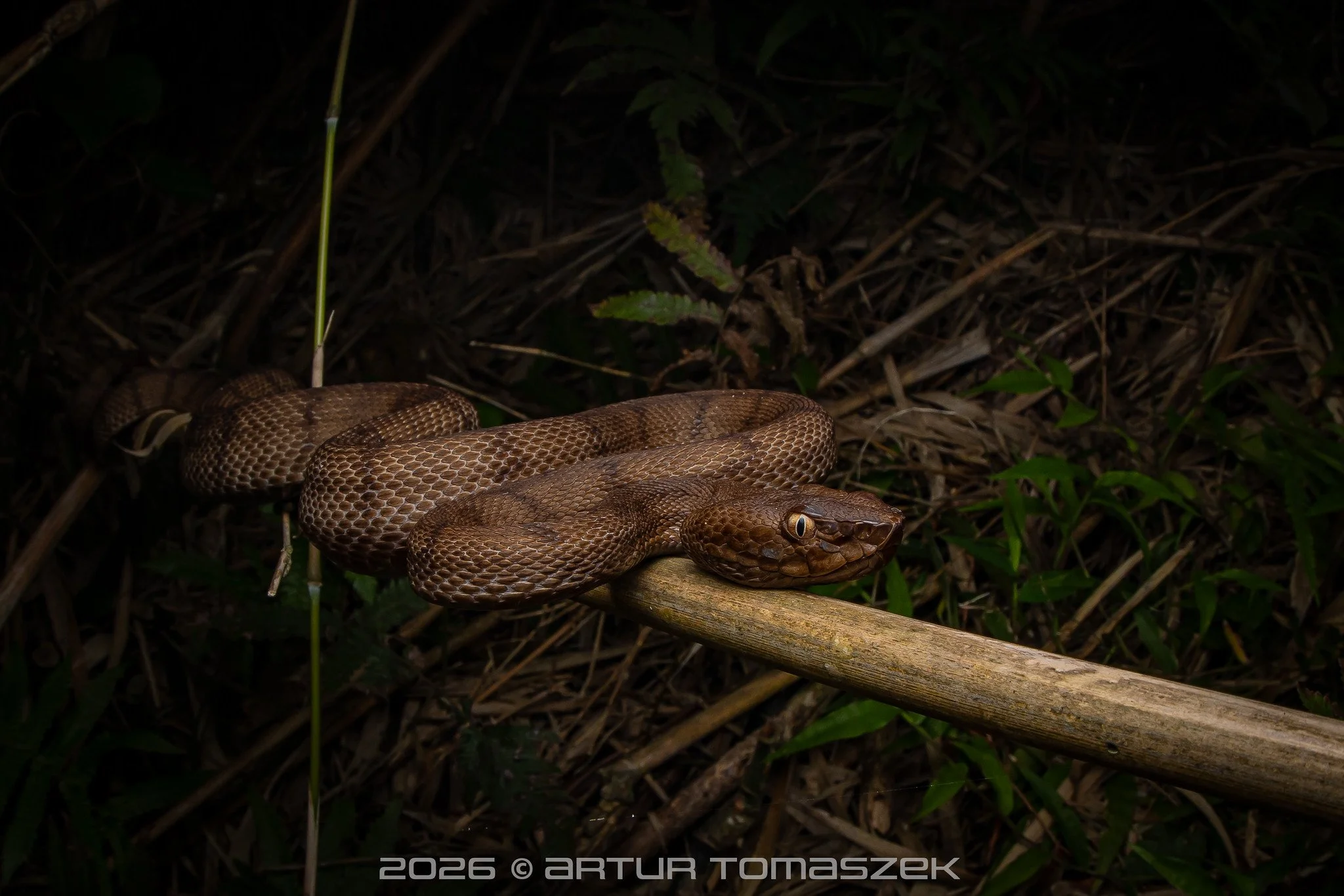
Protobothrops tokarensis
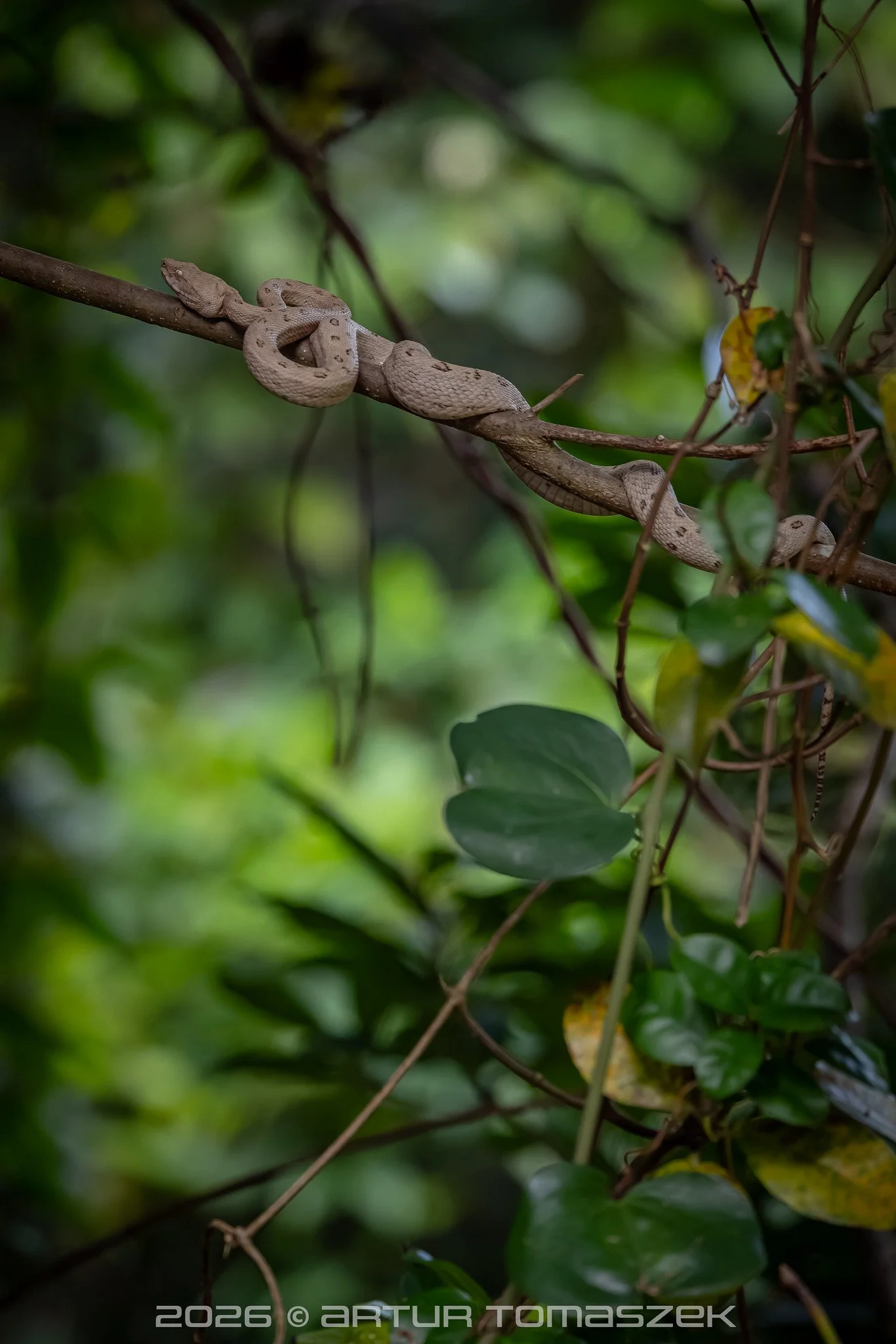
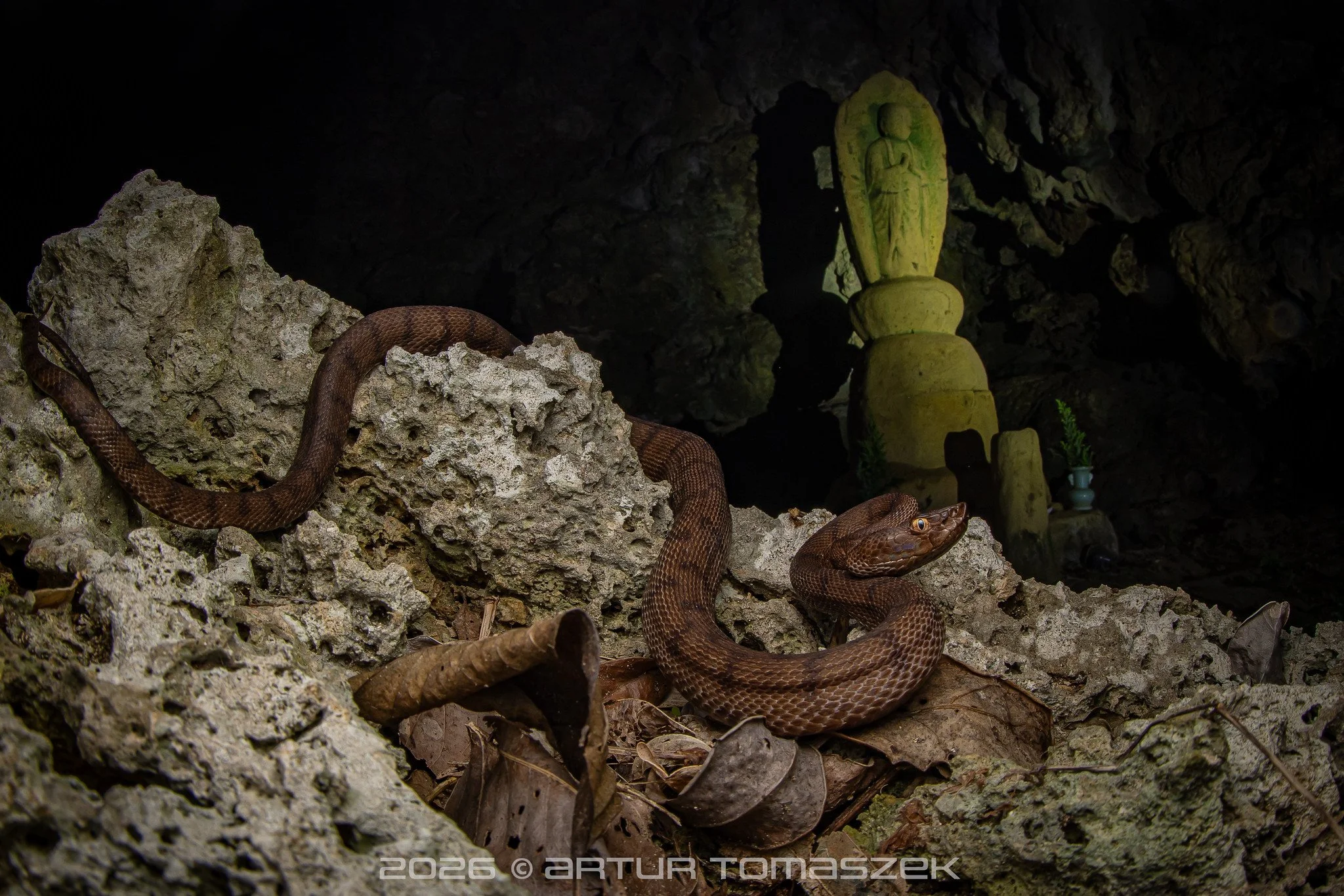
On the way back down the mountain, we kept finding more. Some were perched on trees, some seemed to be ambushing lower in the bushes, and a few were surprisingly high in the trees, caught by our teams’ eagle eyes. Before the sun had a chance to even consider setting, we encountered more than ten Tokara habu, plus other herps. We went back to the homestay to finally rest before heading out again.
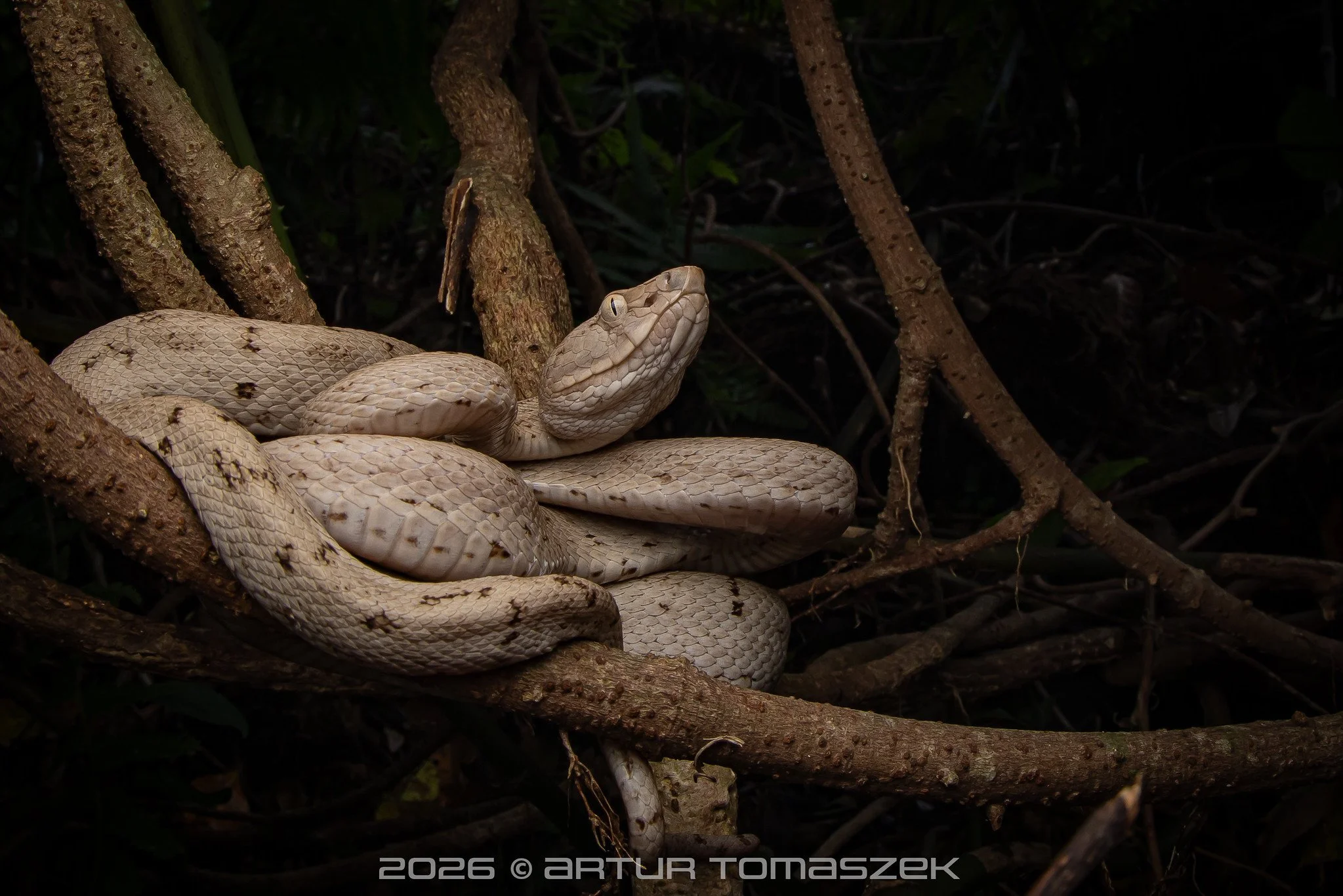
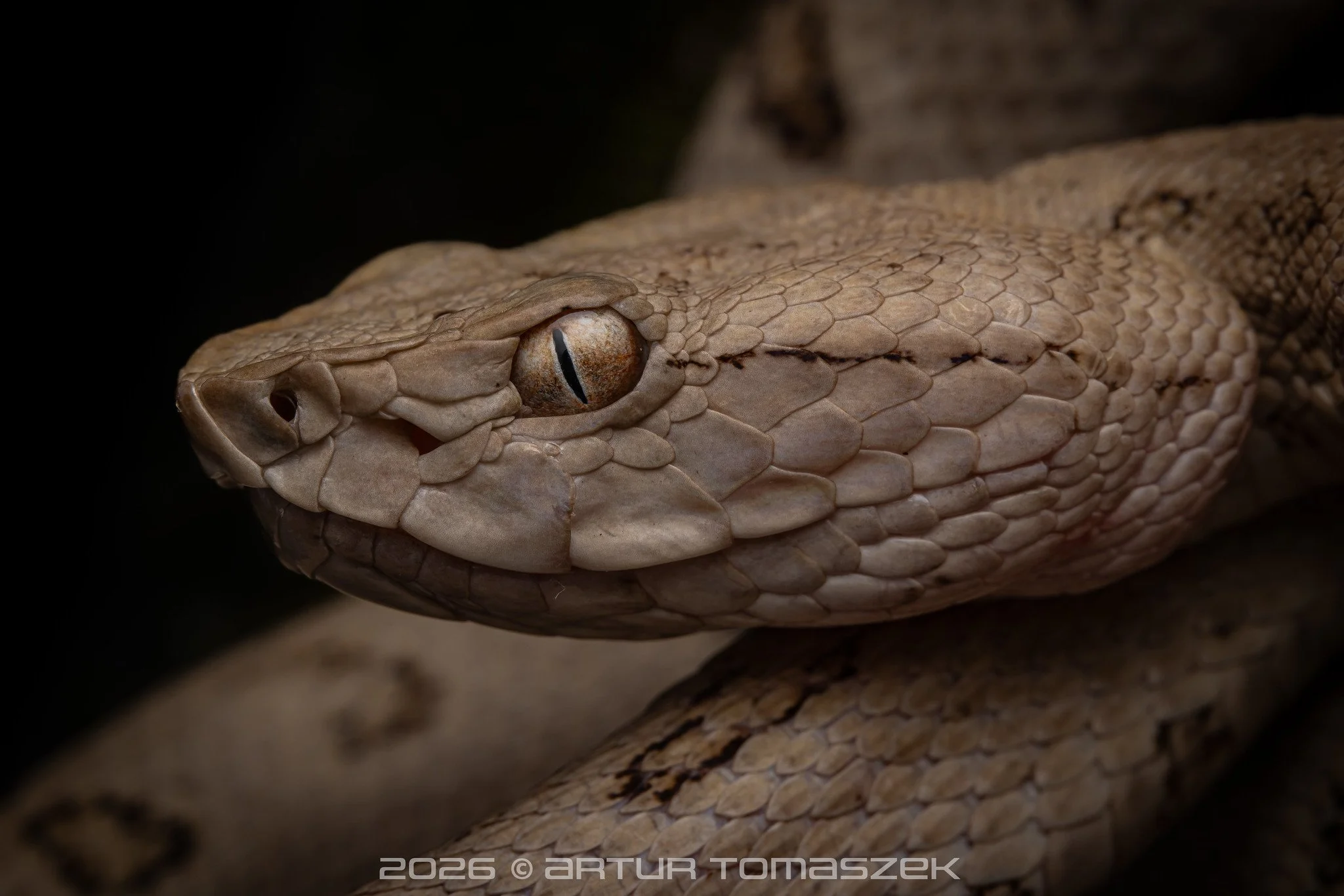
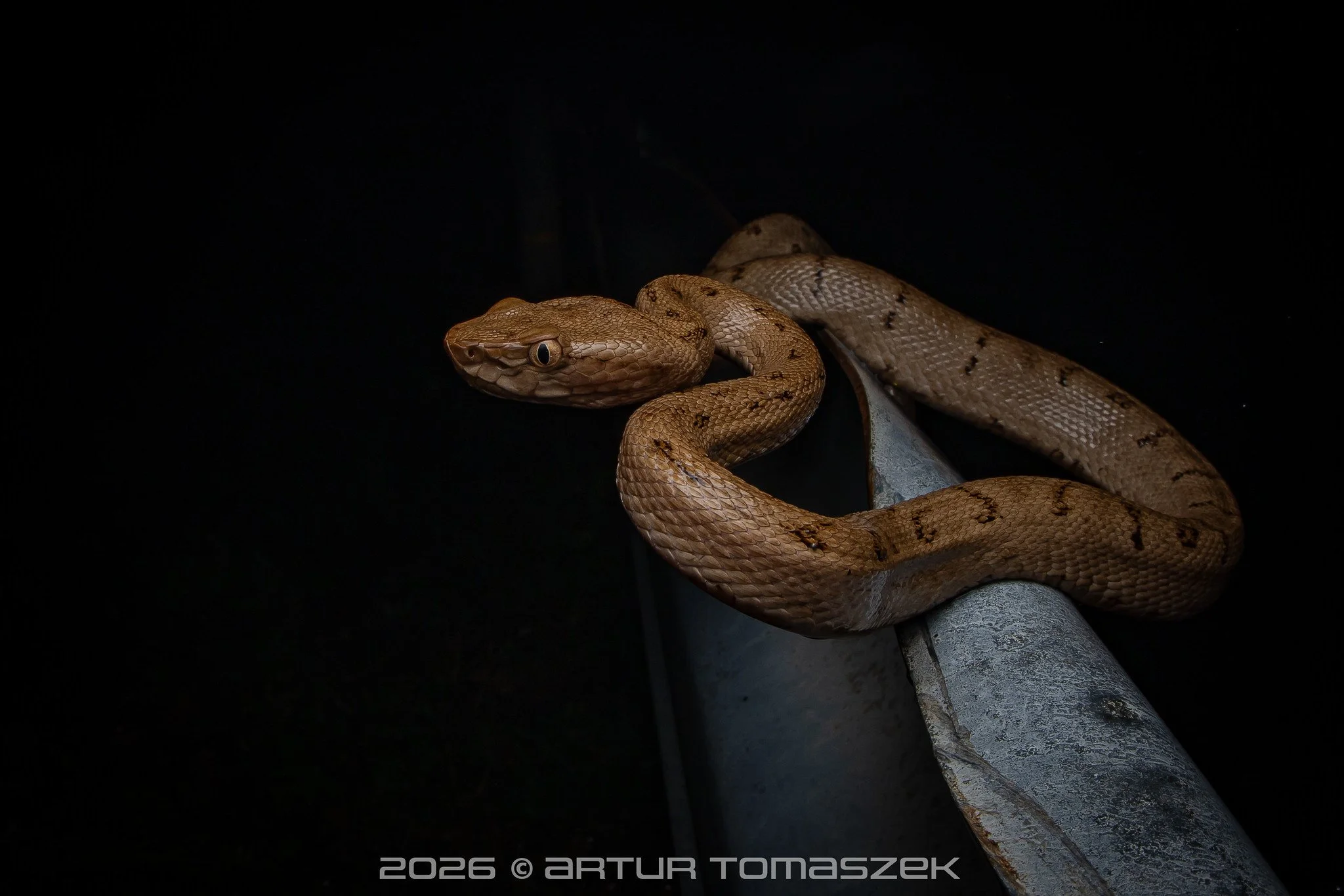
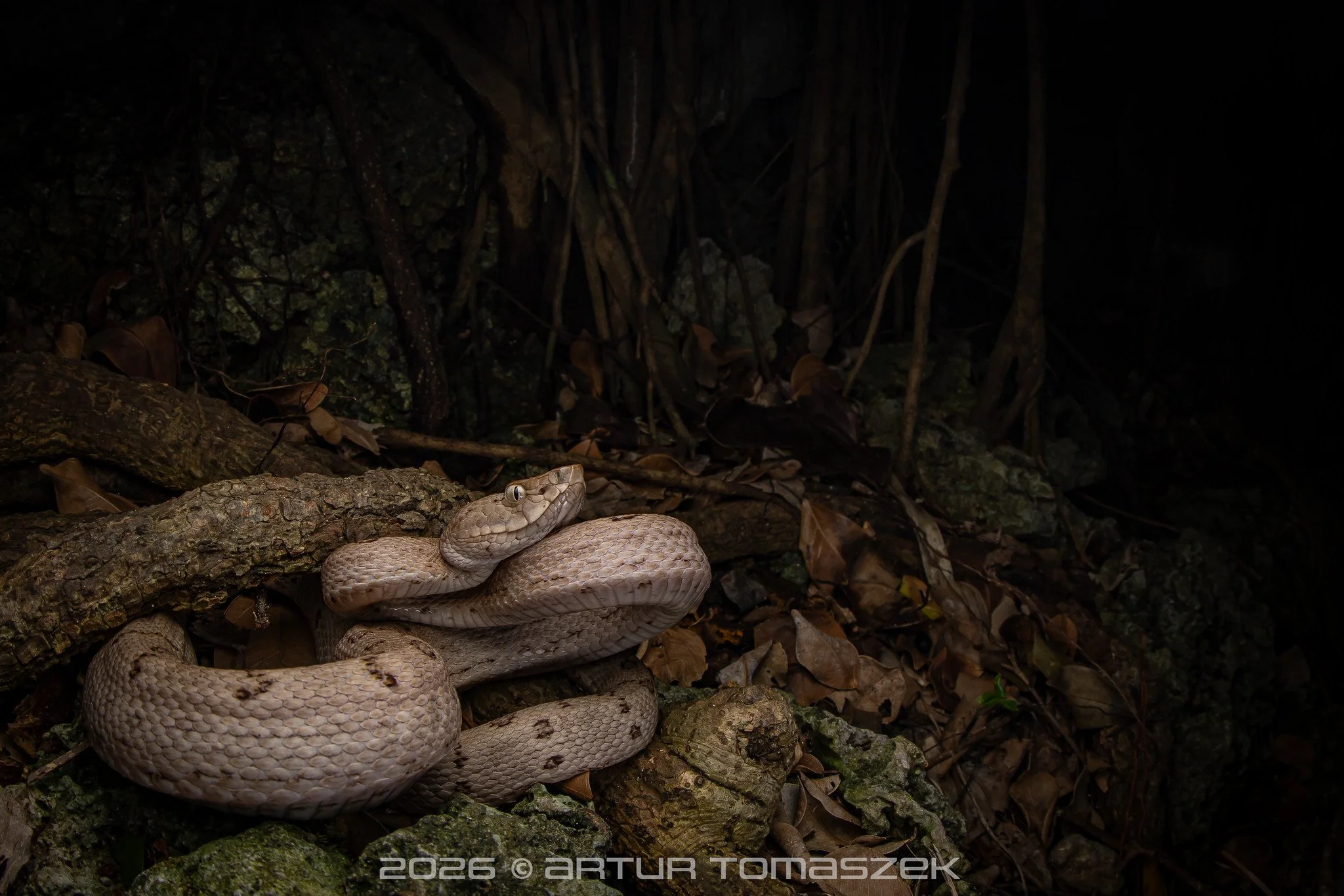
Of course… in the meantime, our ferry back to Amami got cancelled. We were now stuck on a very remote island, and we were told that the weather conditions were not too promising so we faced a possibility of either returning before even starting the night herping on a private boat, or possibly having to stay on the island for days to come. Since coming to Tokara is a rather large undertaking, we chose to take our chances and stay.
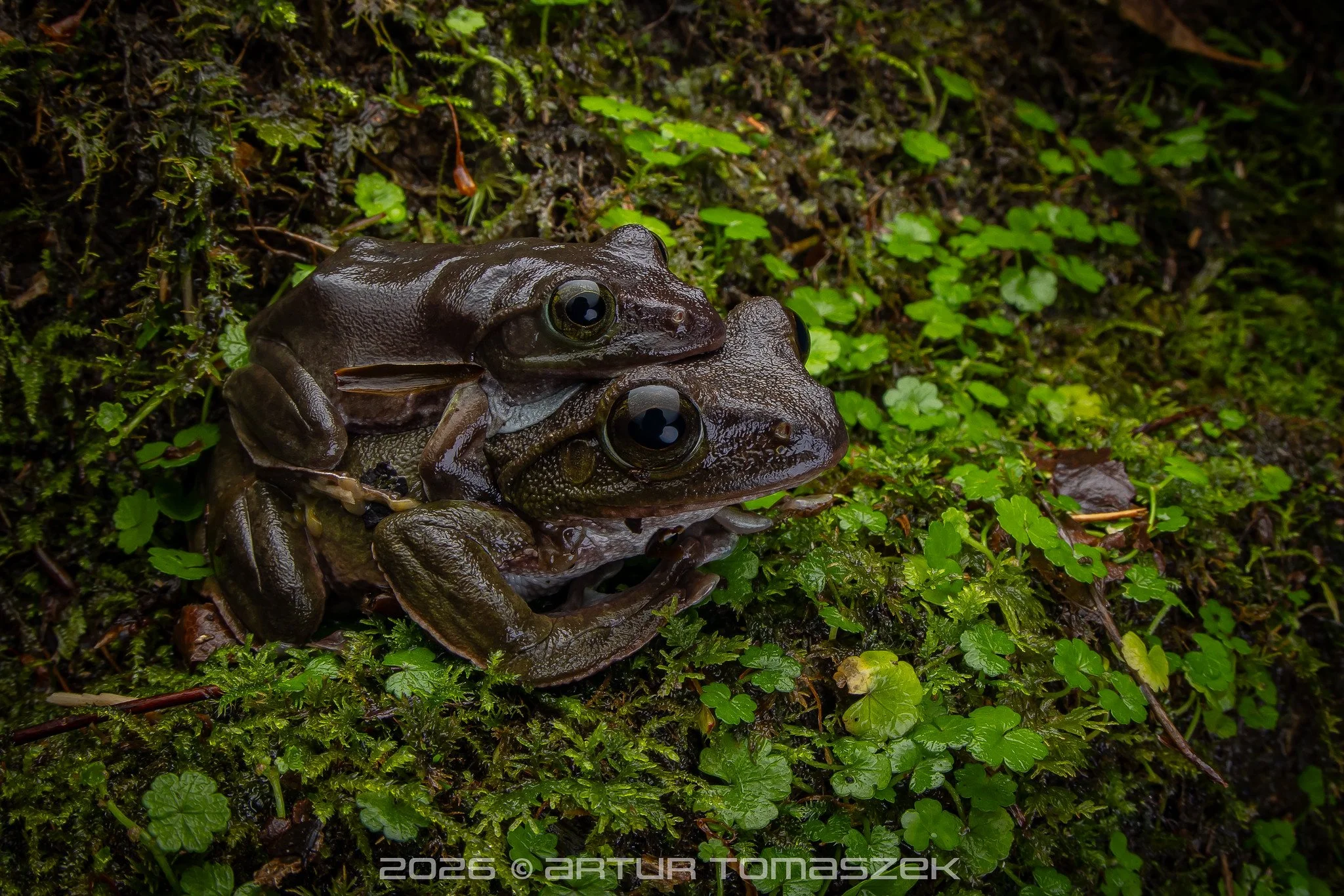
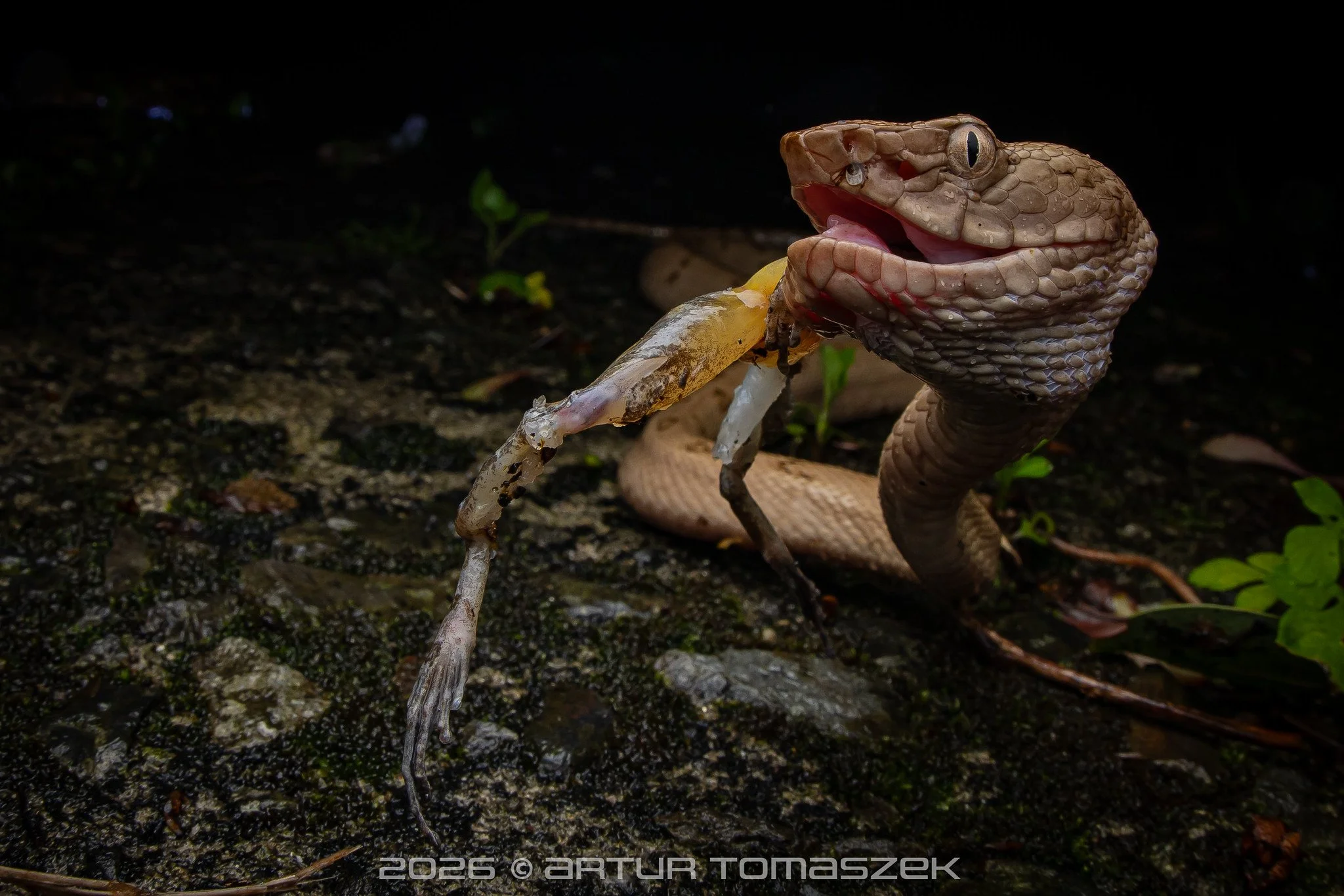
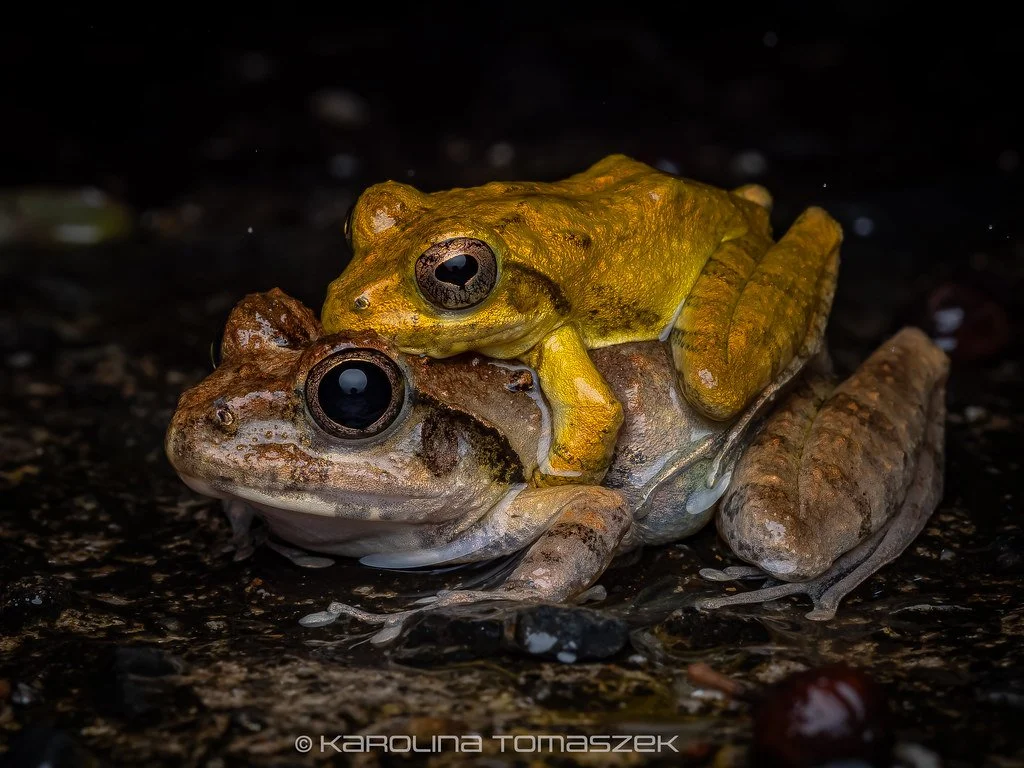
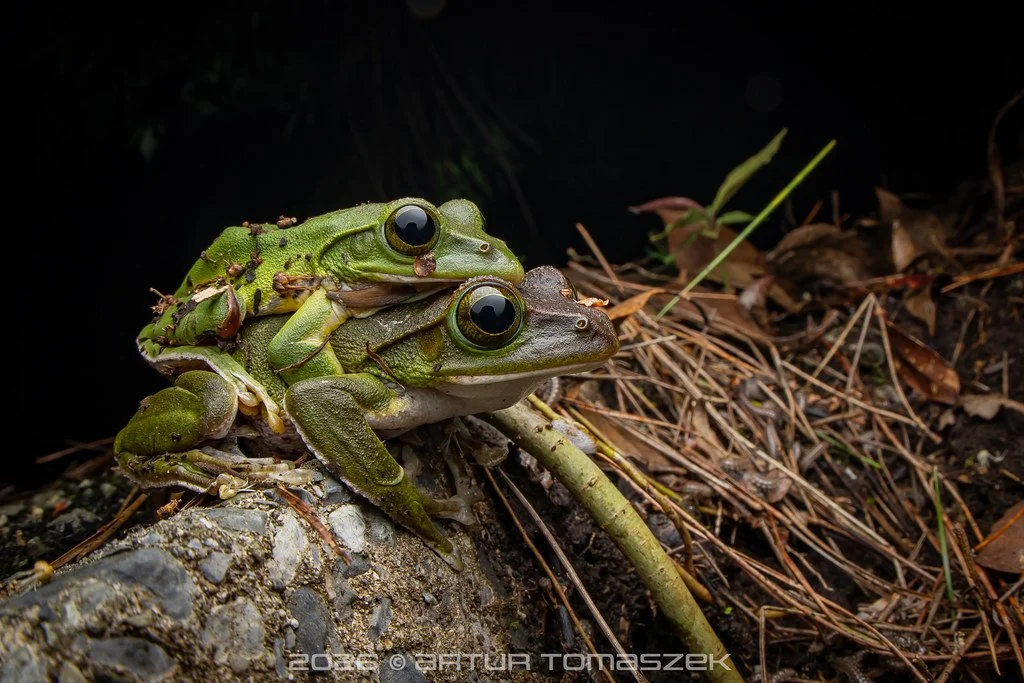
What happened that night became our craziest herping night ever. What was most likely the first heavy rain of the season brought hundreds of frogs out and along with the frogs, came the snakes. We counted 103 snakes in total! Our previous record was over 60 snakes in one night in Taiwan. Tokara absolutely destroyed it.
Hundreds of frogs coming out to mate during heavy rain
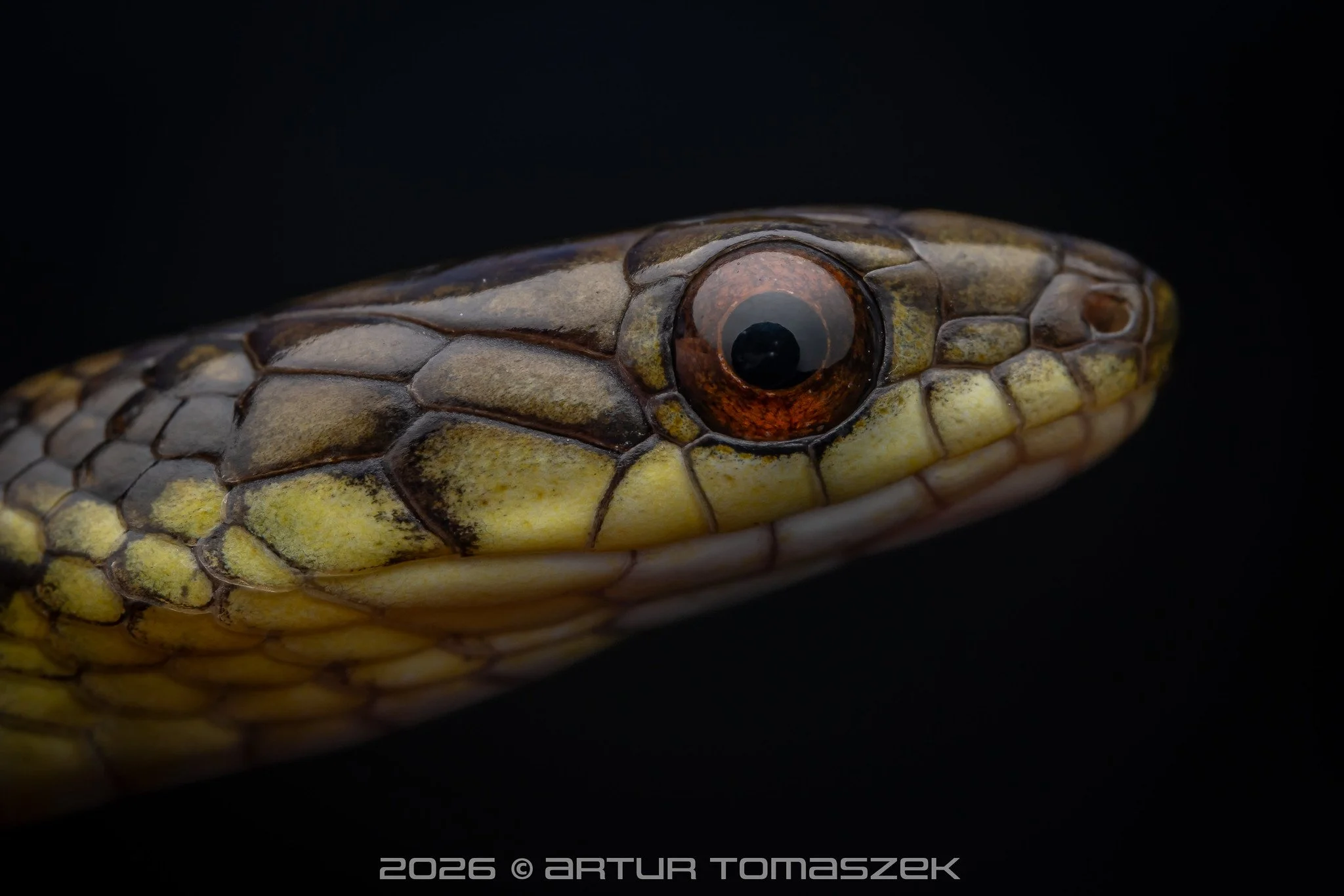
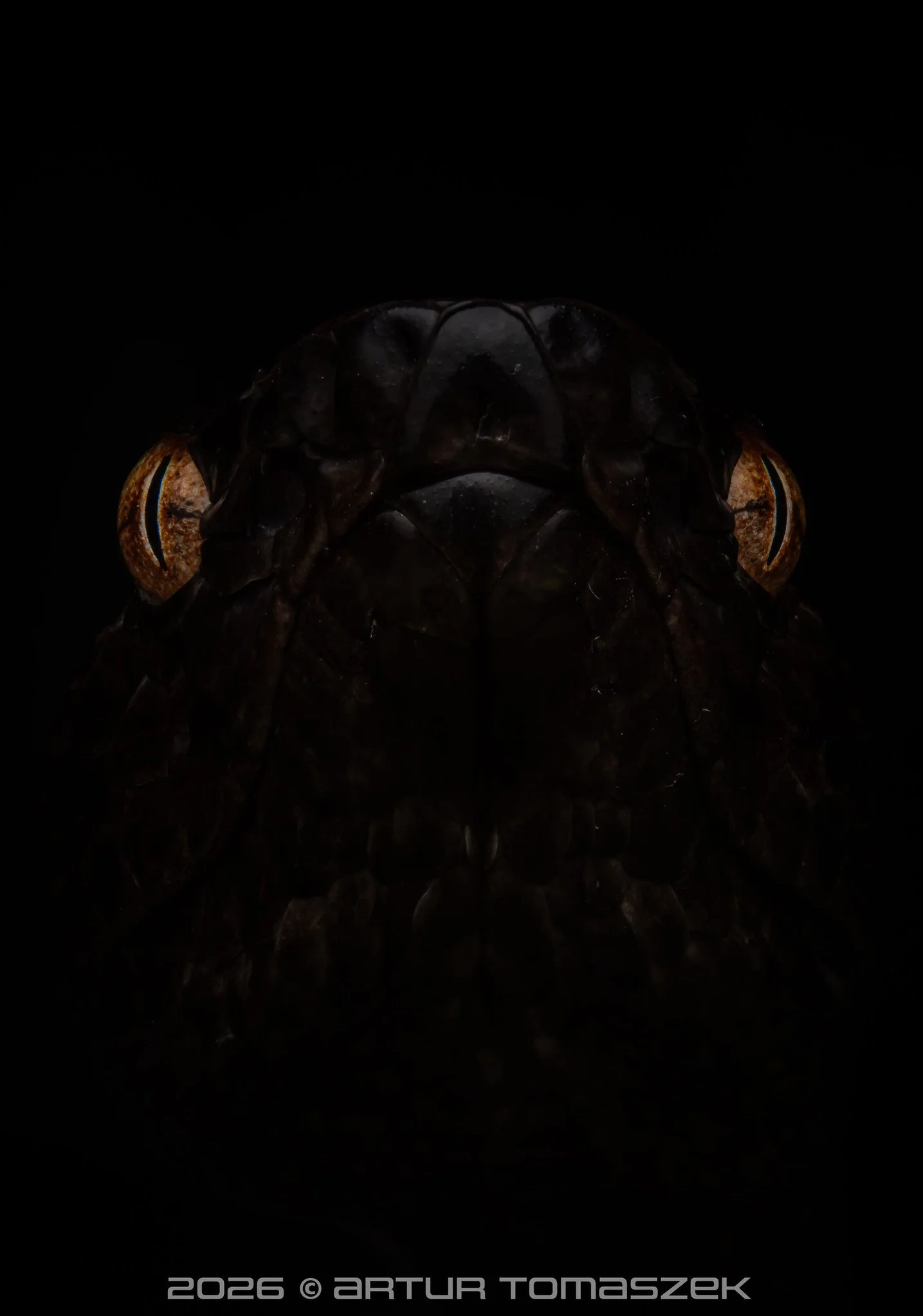
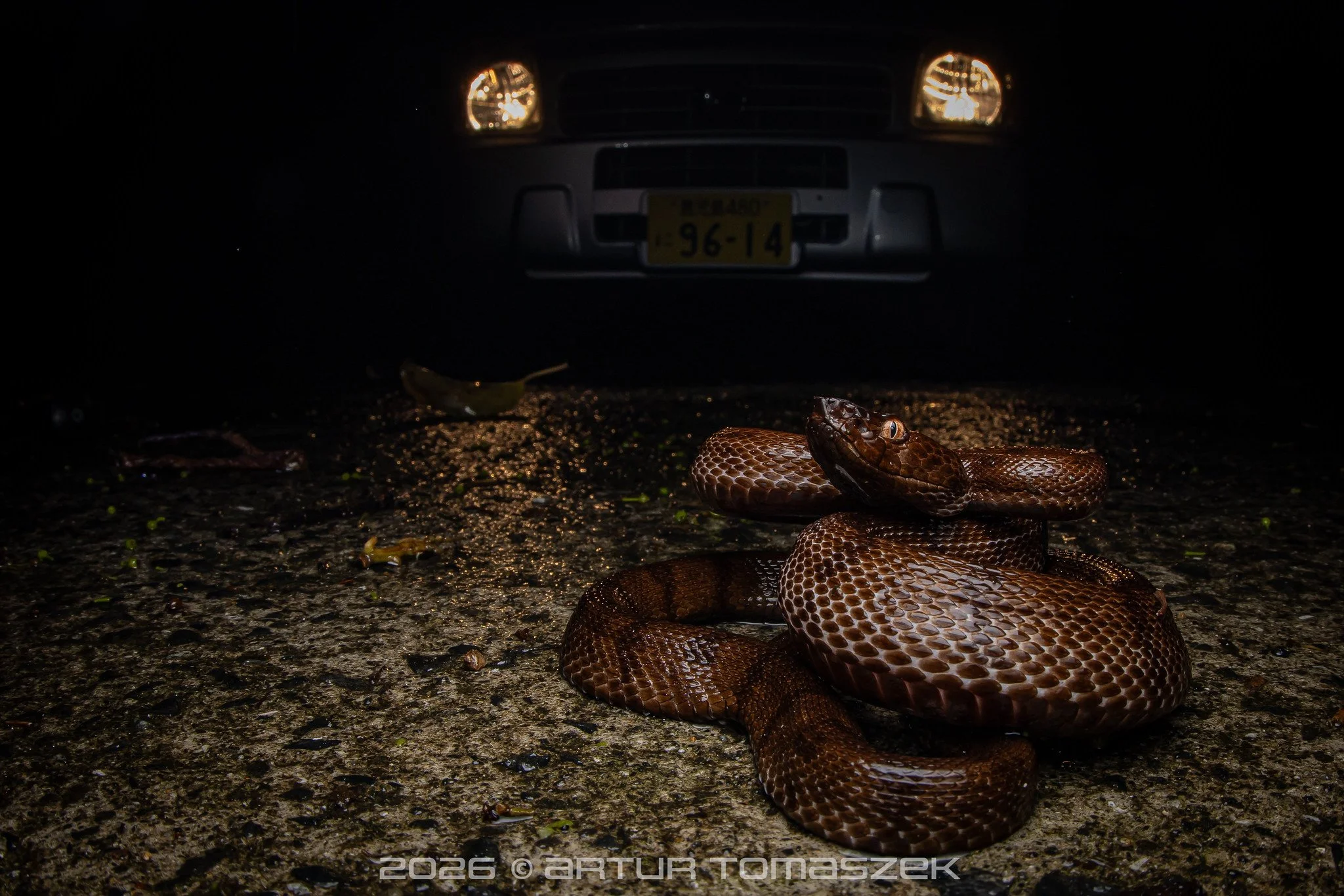
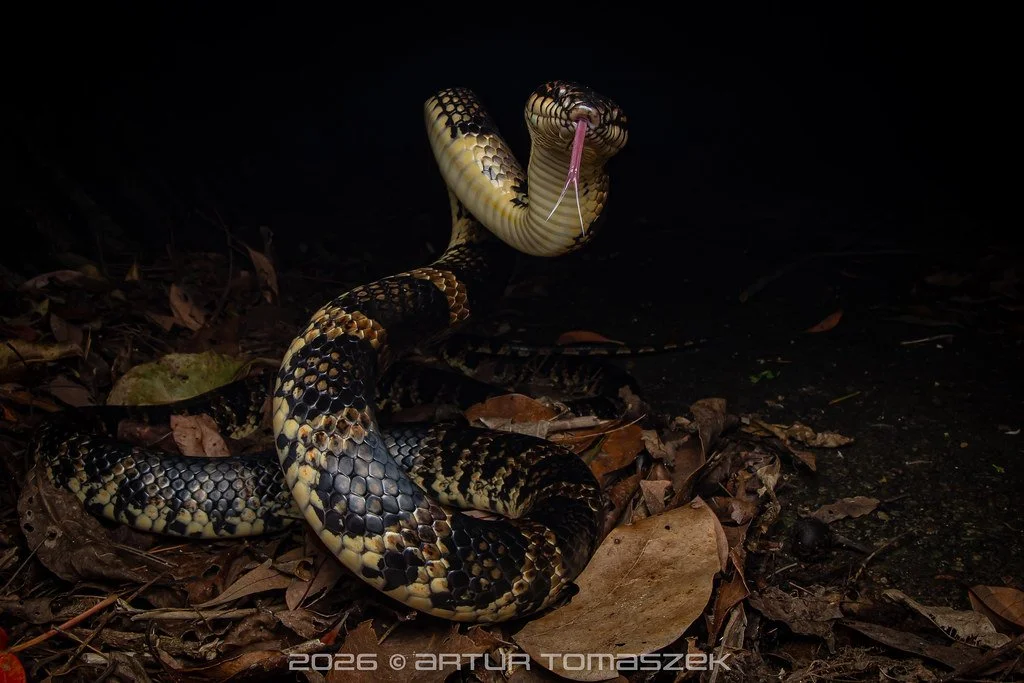
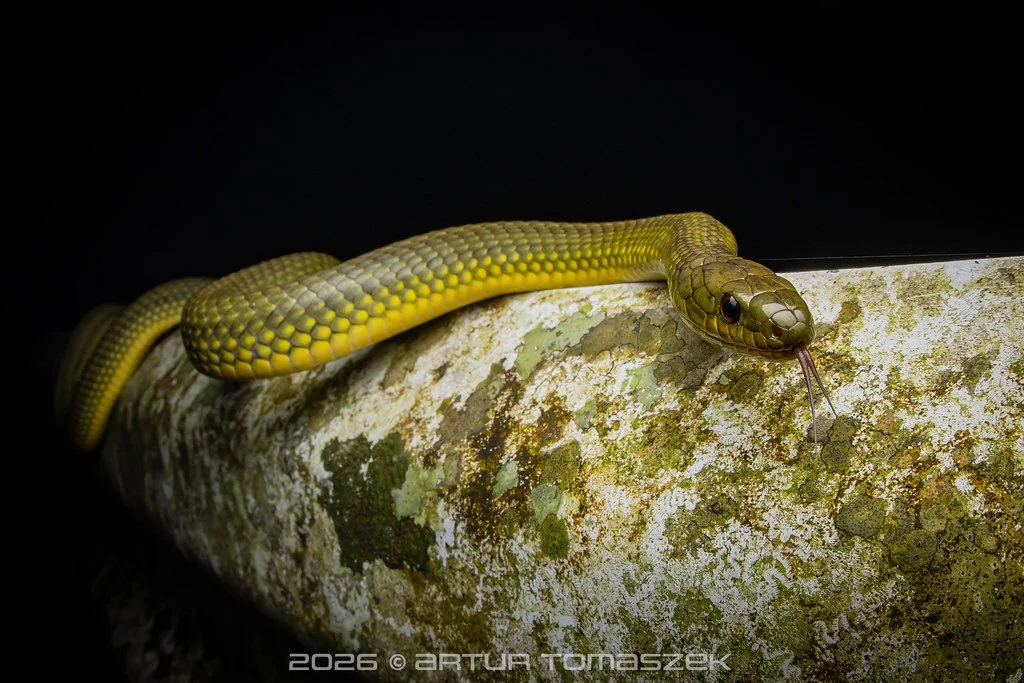
We saw 88 Tokara habu in many different colour forms from black, through caramel to chocolate brown, to almost entirely white(ish) individuals, plus 15 green rat snakes (Ptyas semicarinata). The vipers were everywhere, on the road, in vegetation, perched, moving, feeding on frogs and enjoying the same wild weather that was making us soaked, cold and slightly miserable. It was unbelievable. The kind of night you dream of, but do not really dare to think you’ll ever get to experience it.
7 April 2026
As our ferry was cancelled, we stayed one more night and found 16 more vipers, more Ptyas semicarinata, and then made the decision to rent a private speedboat back to Amami the next day so we could still make our original flight to Okinawa on 8th April. Unfortunately, this meant missing out on one more night in Amami, but returning to Amami is logistically way easier than trying to return to Tokara.
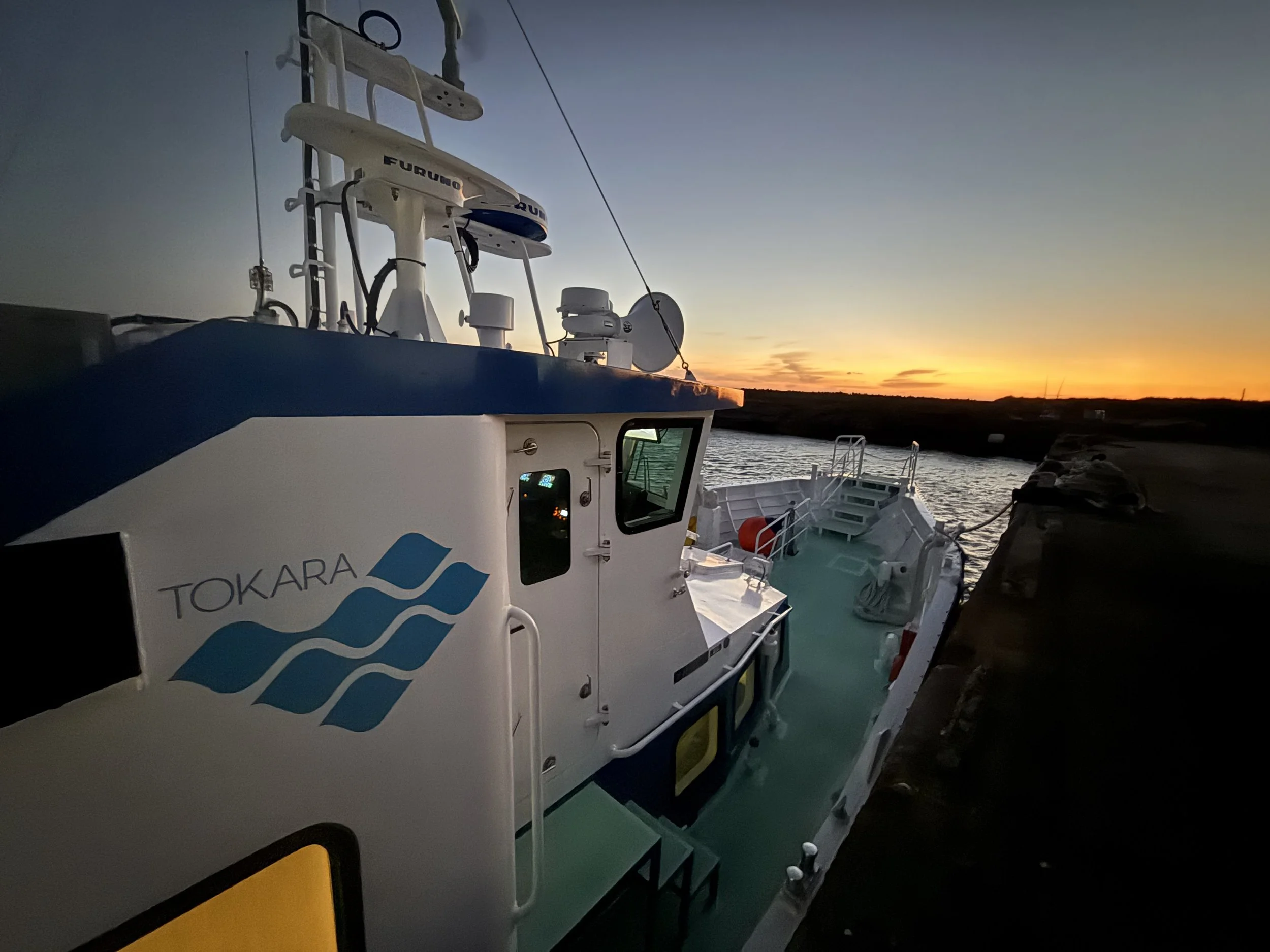
Goodbye, Tokara!
8-12 April 2026
Upon returning to Amami after a very bumpy trip on the speedboat, we said goodbye or more like “see you soon” to our Japanese friends, and luckily managed to get back to Okinawa. After Tokara, Okinawa felt easy. Proper roads, hotels, convenience stores, and no need to escape rough sea conditions.
But historically, it is still part of the same bigger Ryukyu story. Islands close enough to feel connected, but separated long enough for their own forms, species and local surprises to appear. After landing in Okinawa, we rented a car, went to the hotel, and then of course headed straight to the forest, this time in the north.
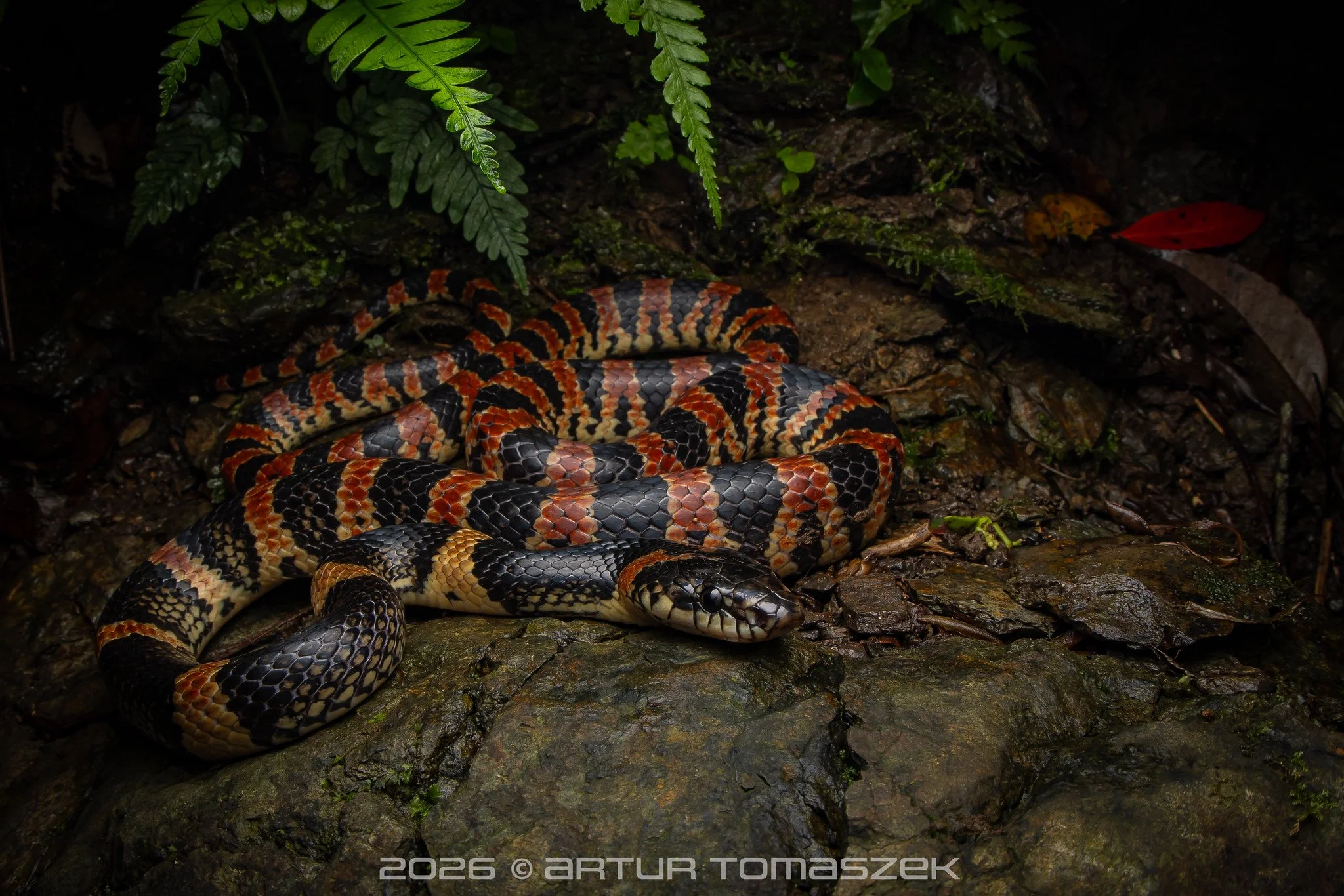
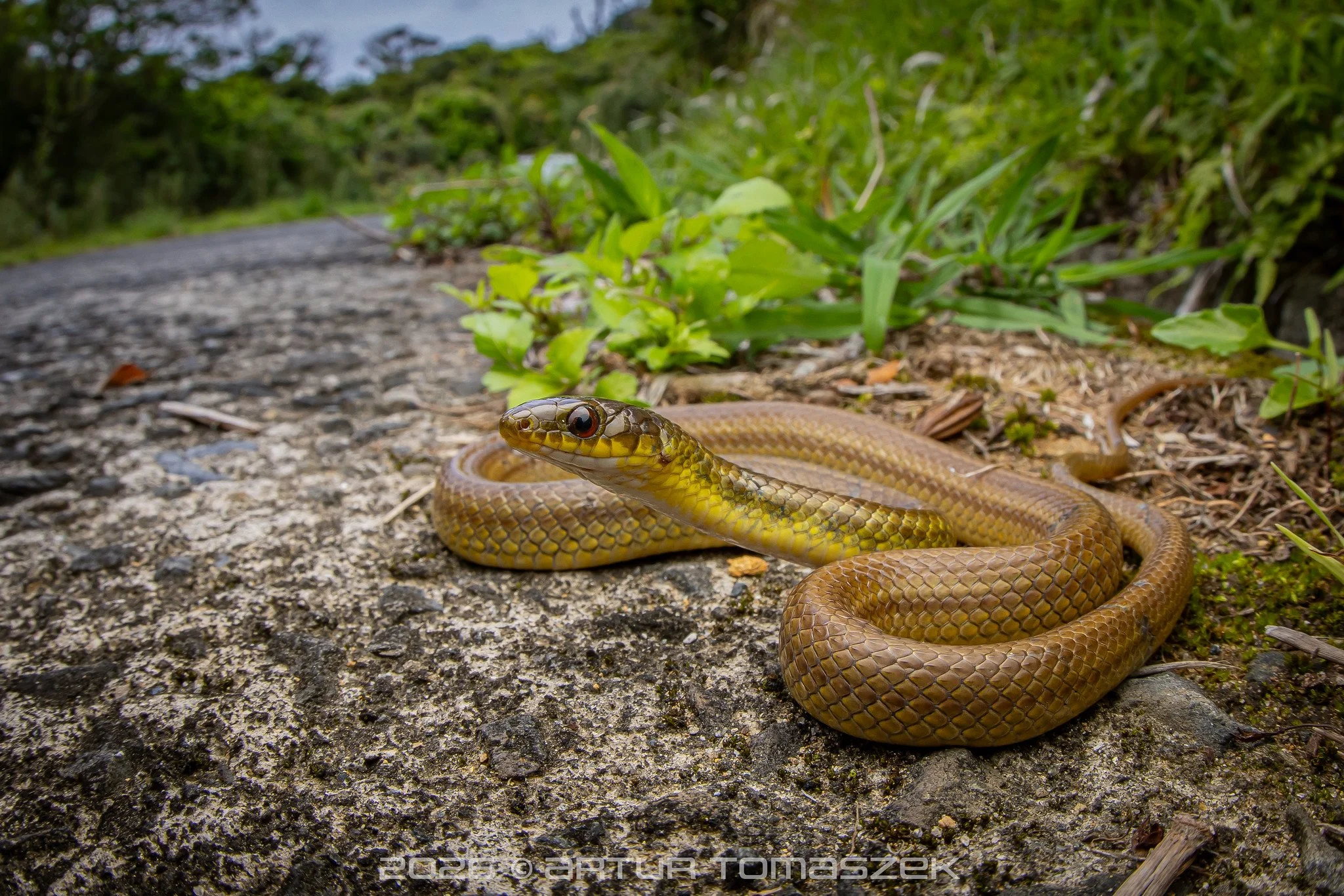
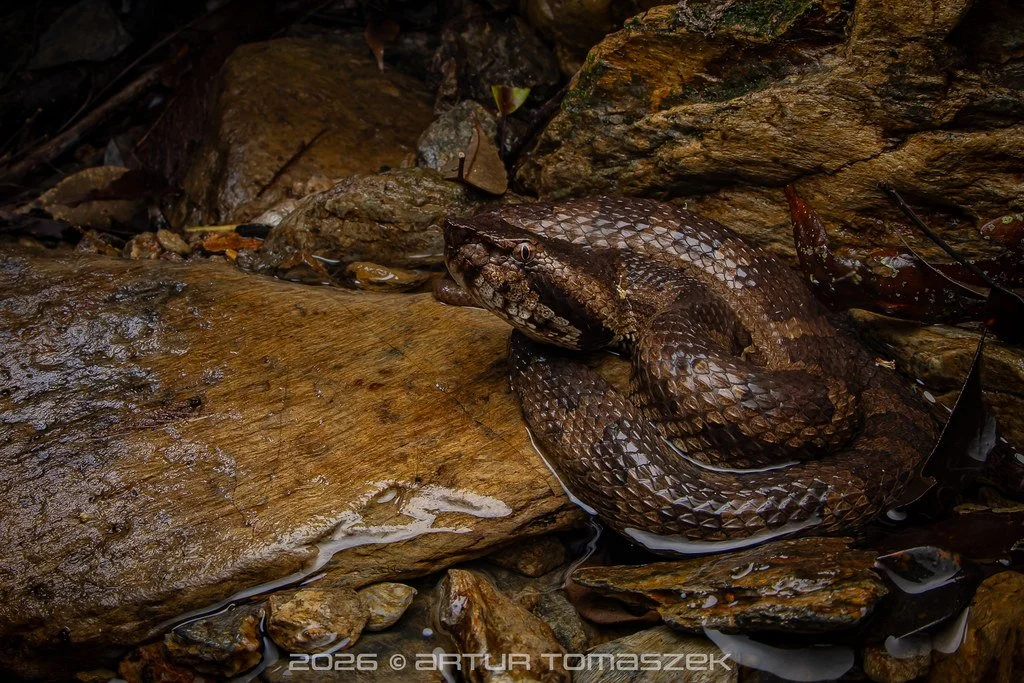
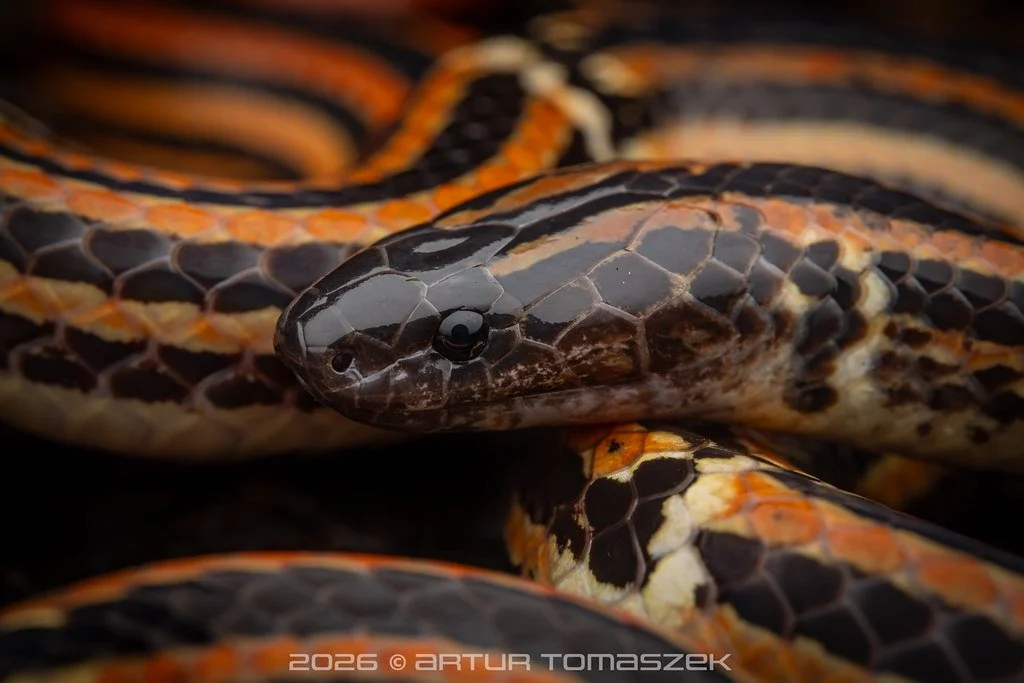
The first night back was surprisingly good. It was still cold and dry, but we managed to see multiple Ovophis okinavensis, a couple of Lycodon semicarinatus, and then an amazing Sinomicrurus boettgeri. We honestly did not expect to find that one, so it felt like a massive bonus.
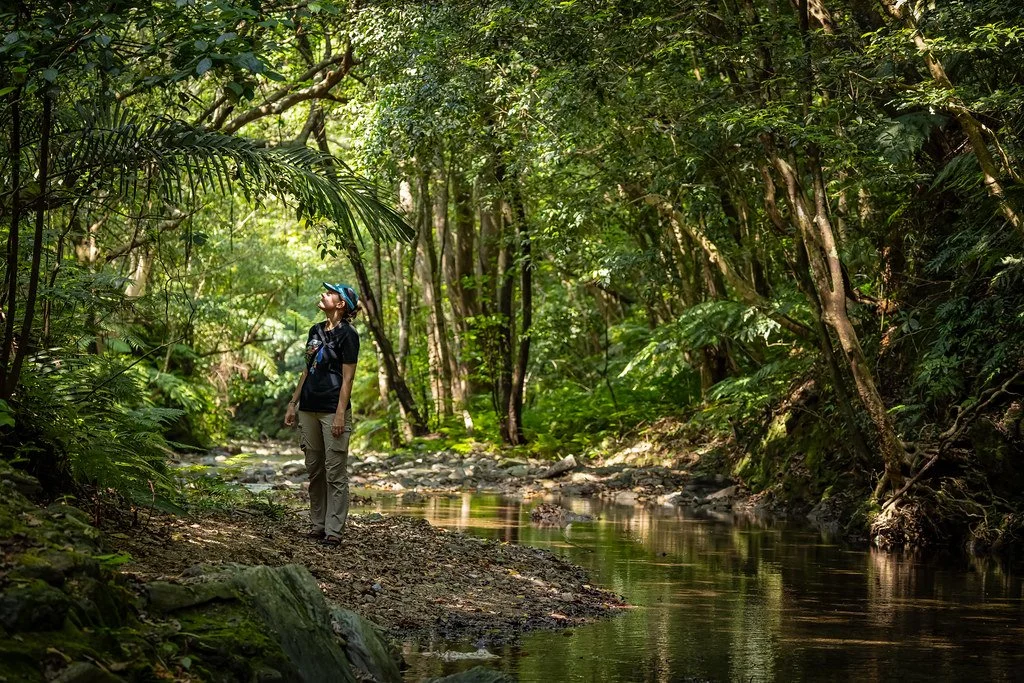
Karolina exploring pristine habitats in Okinawa
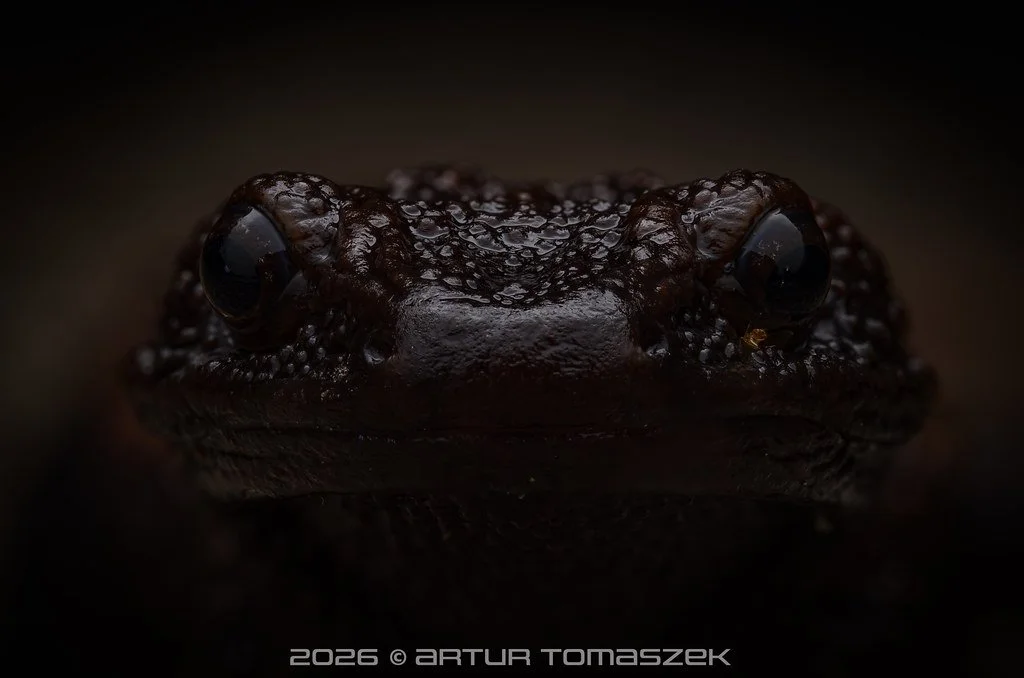
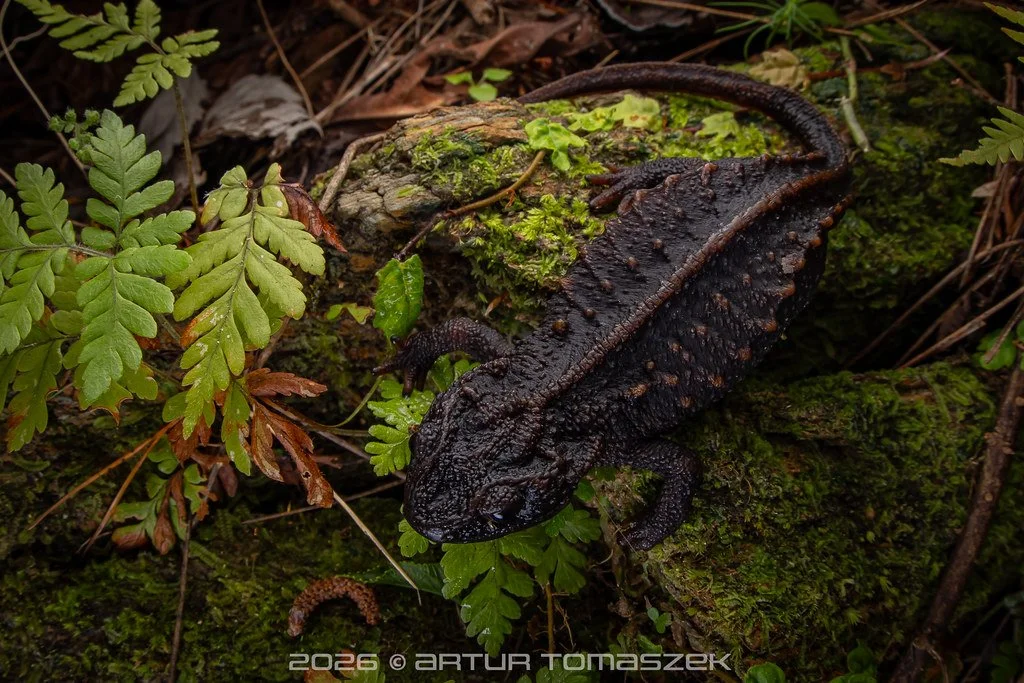
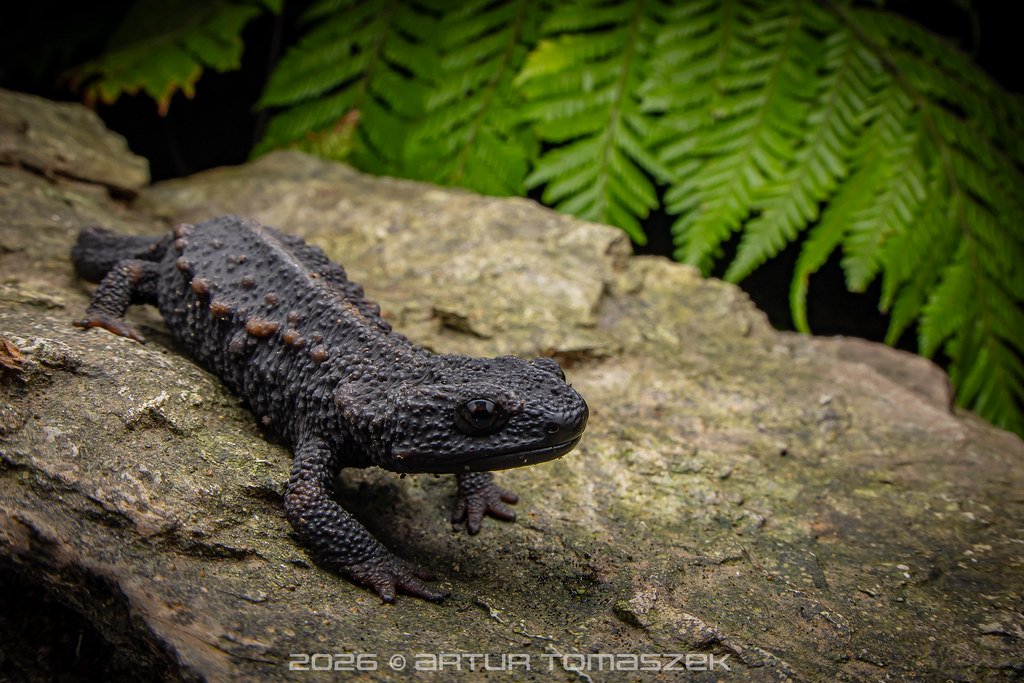
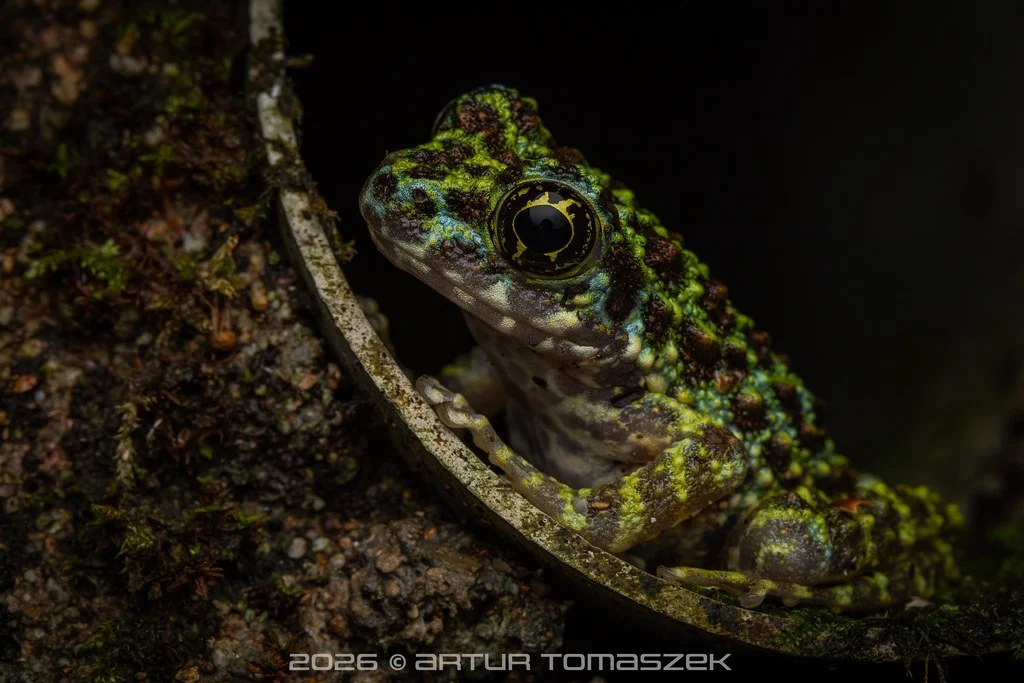
We also found some cool amphibians, with Echinotriton andersoni as one of the main stars. That rough, prehistoric-looking body and prominent lateral knobs make it one of the most impressive amphibians in the Ryukyus. Then, right at the end of the night, our first Protobothrops flavoviridis on the main Okinawa island finally showed itself. A great first night back on Okinawa!
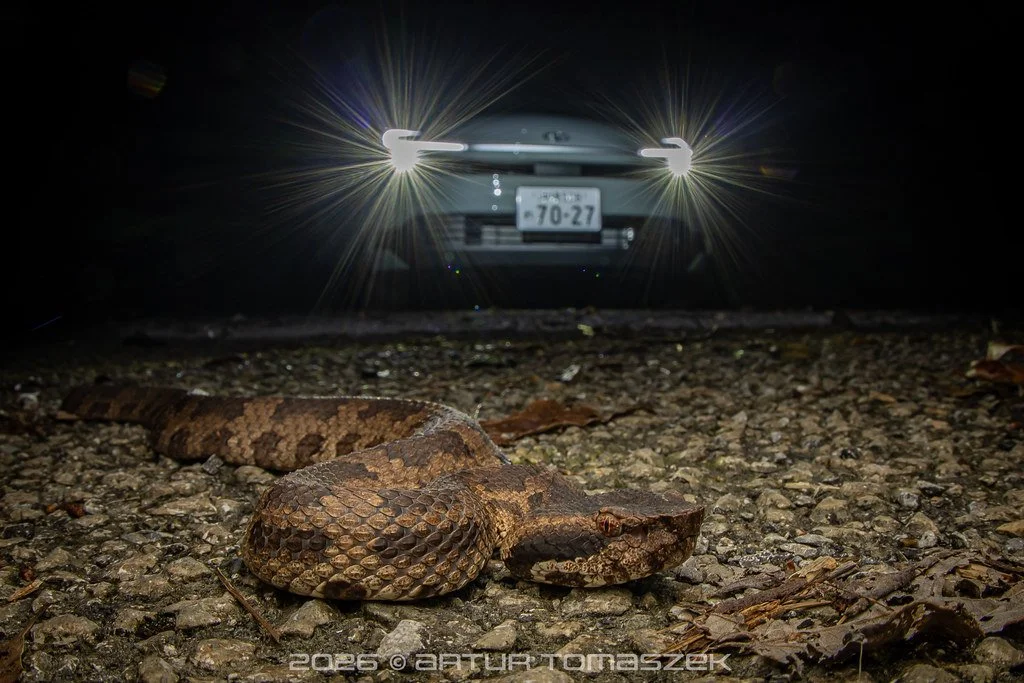
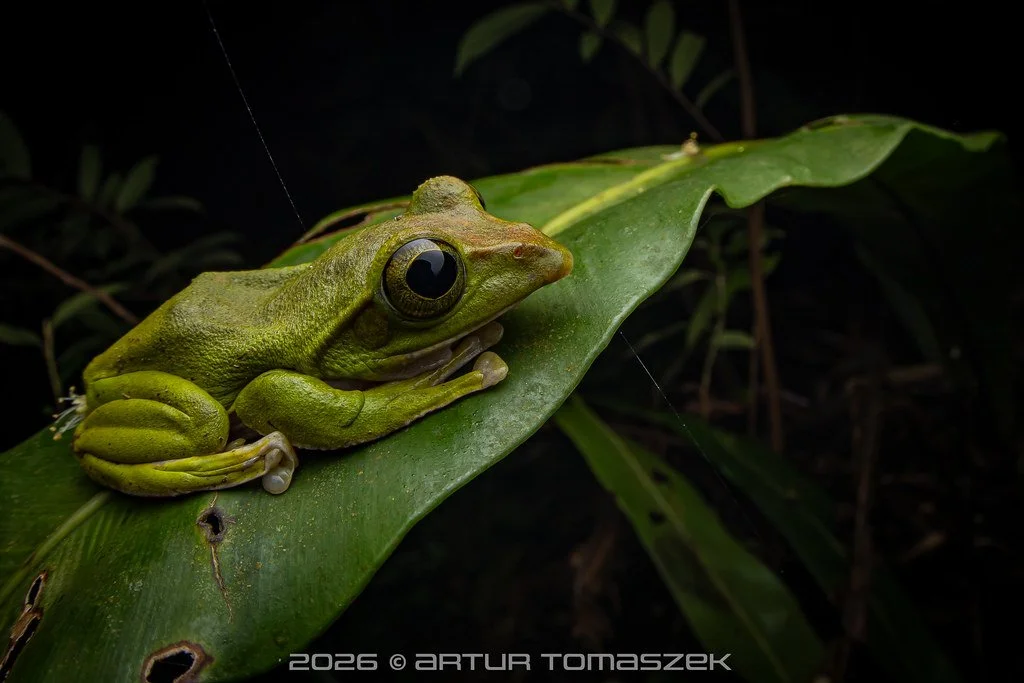
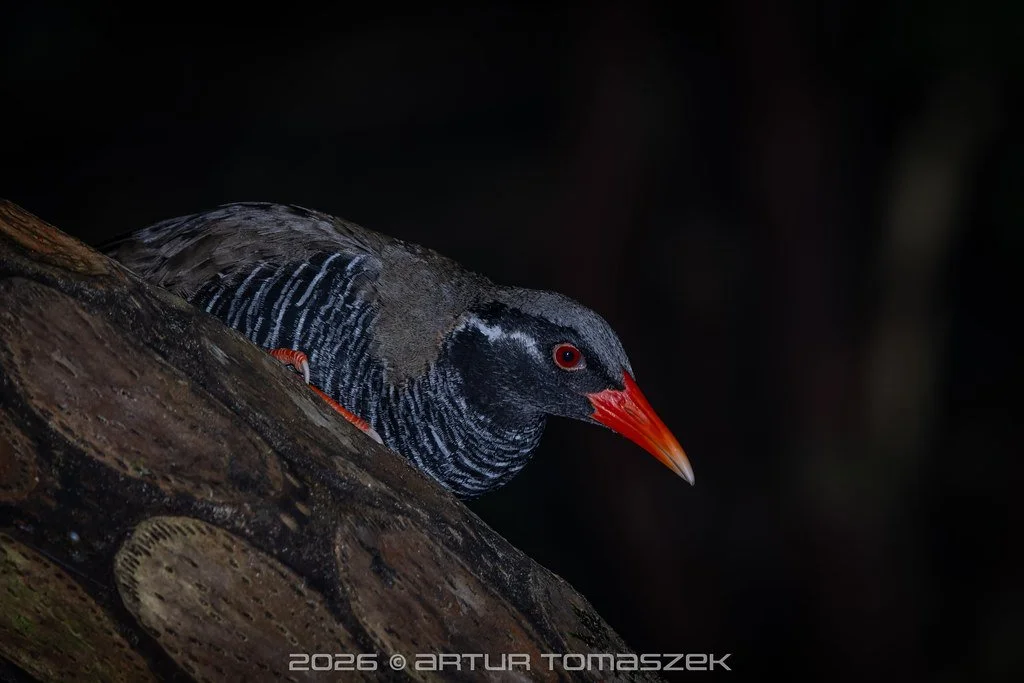
We also tried cruising for turtles during the day. The target was the Okinawa leaf turtle (Geoemyda japonica), a species that has become incredibly difficult to find in the wild, mostly because of poaching. It is sad to drive through beautiful forest habitats knowing that some animals are hard to see not because they are naturally rare, but because people have collected too many of them.
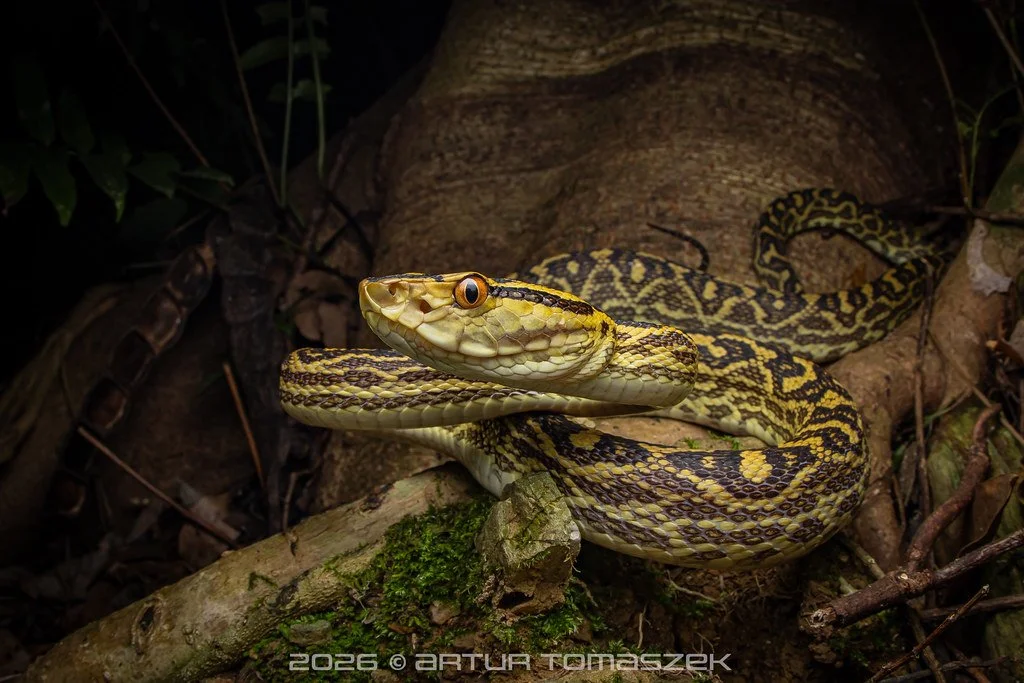
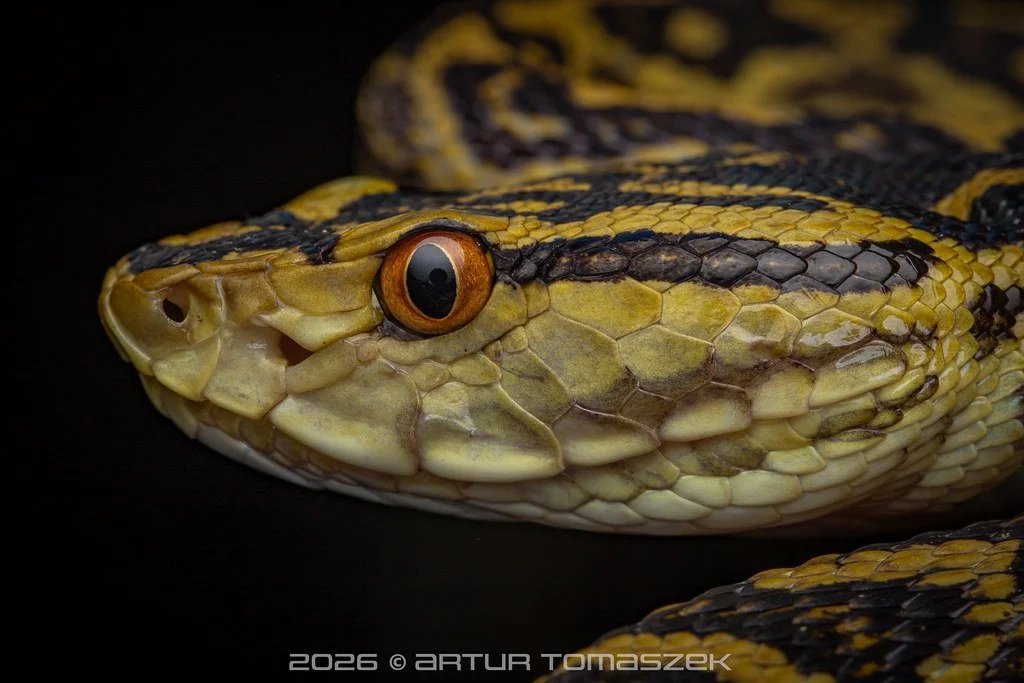
We failed to find the turtle, but Karolina somehow spotted a huge, maybe 1.8 metres long Protobothrops flavoviridis about five metres up in a tree. Crazy!
The rest of our Okinawa nights produced two more Protobothrops flavoviridis, more frogs, more newts, and more good memories with new friends, Habu sensei and Ryobu. We missed some animals we really hoped to see, but that is part of it. And honestly, it only gives us a reason to come back soon.
Ishigaki
30 April - 3 May 2026
Two weeks after coming back, we flew to Ishigaki with our newly scuba certified friends, Paulina and Janusz, for scuba diving and... herping, of course!
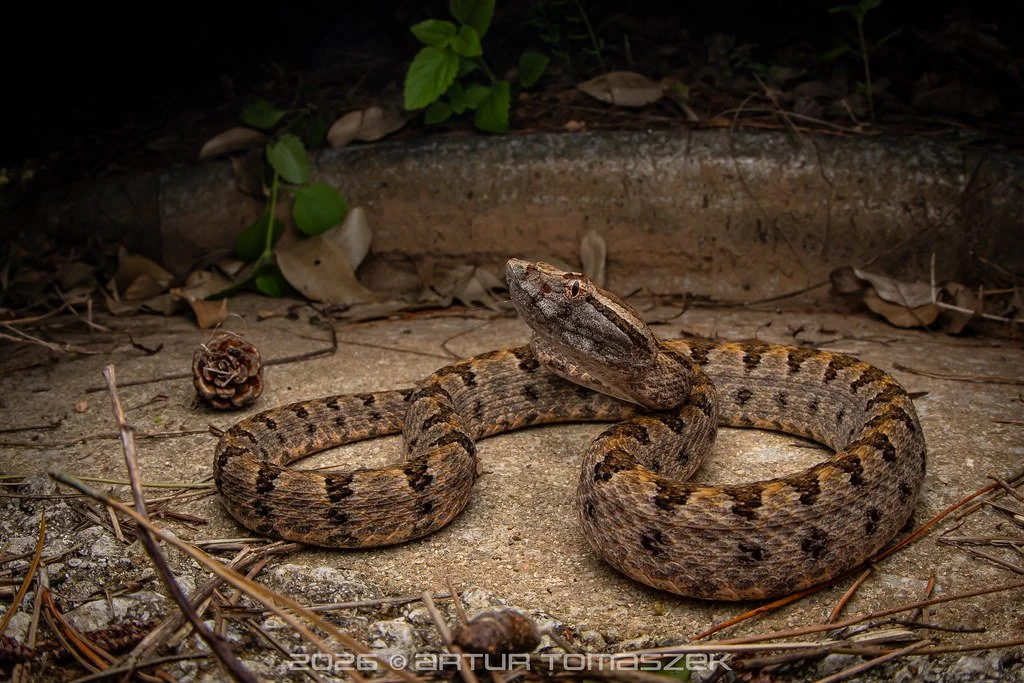
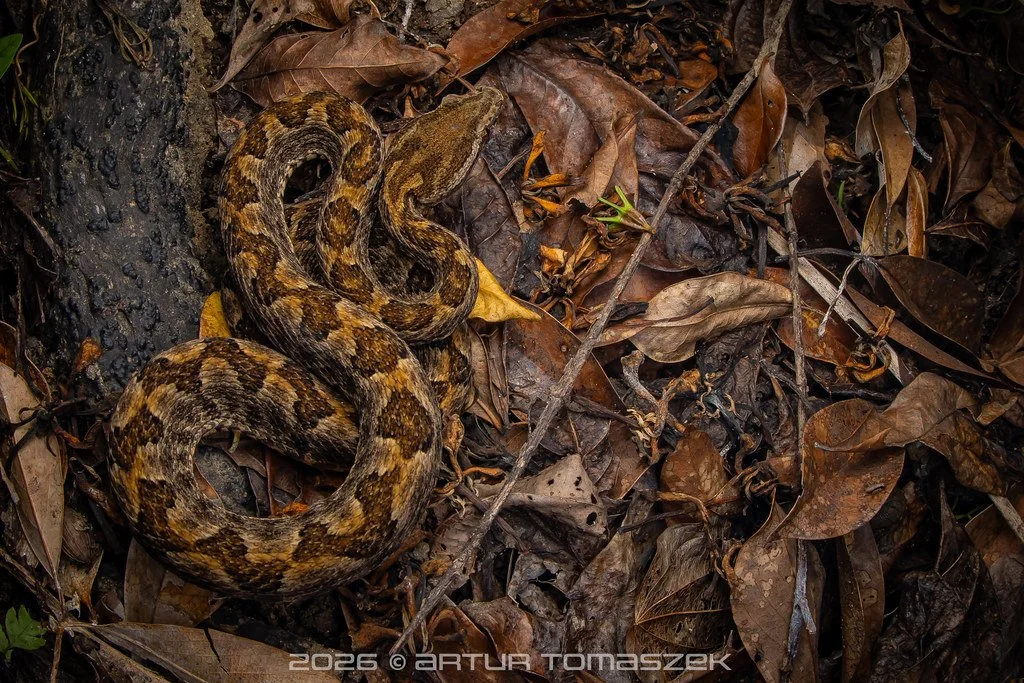
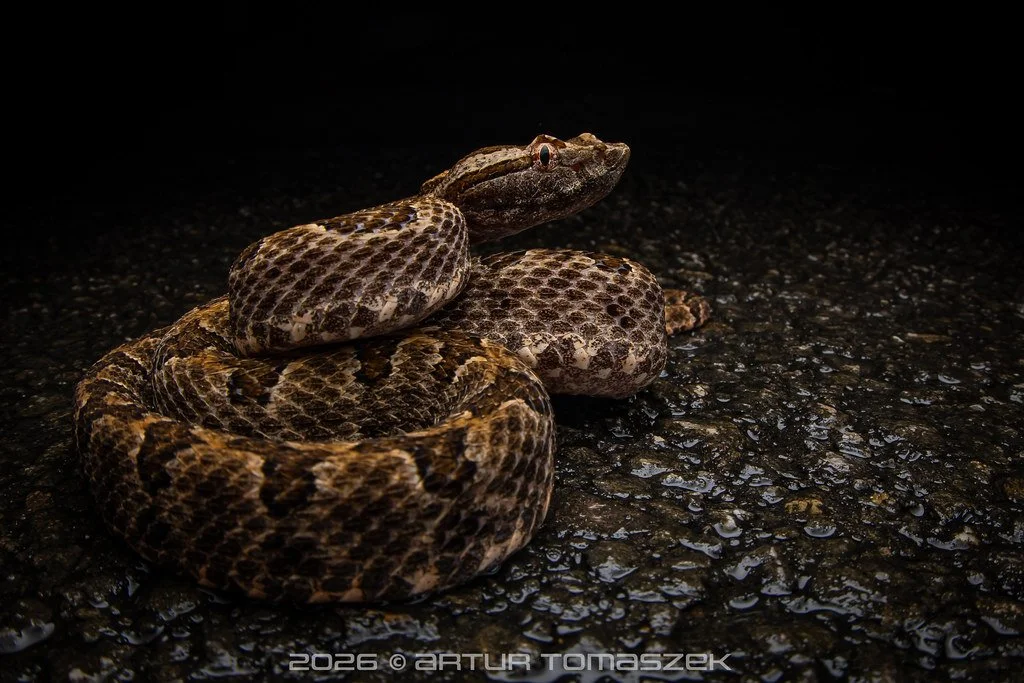
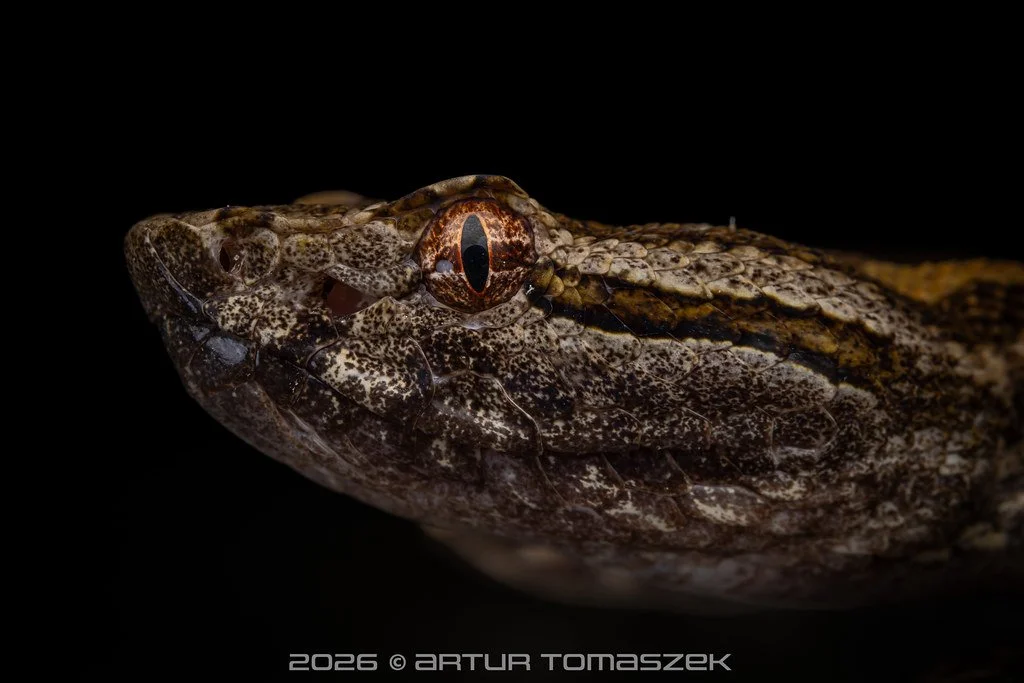
Ishigaki belongs to the Yaeyama Islands, much farther southwest, closer to Taiwan than mainland Japan in many ways. Ishigaki is also part of Iriomote-Ishigaki National Park, with subtropical forests, mangroves, coral reefs and some of Japan’s most famous manta ray diving. Finding Protobothrops elegans in Ishigaki also meant completing the native Japanese Protobothrops list for Artur.
The first night was, of course, cold, windy and rainy. Around 16°C. At this point Artur thought we are cursed. But despite the weather, he found the target. We saw Protobothrops elegans in two colour morphs, plus Lycodon multifasciatus, Lycodon rufozonatus walli, a juvenile Cuora flavomarginata evelynae, and Mauremys mutica kami.
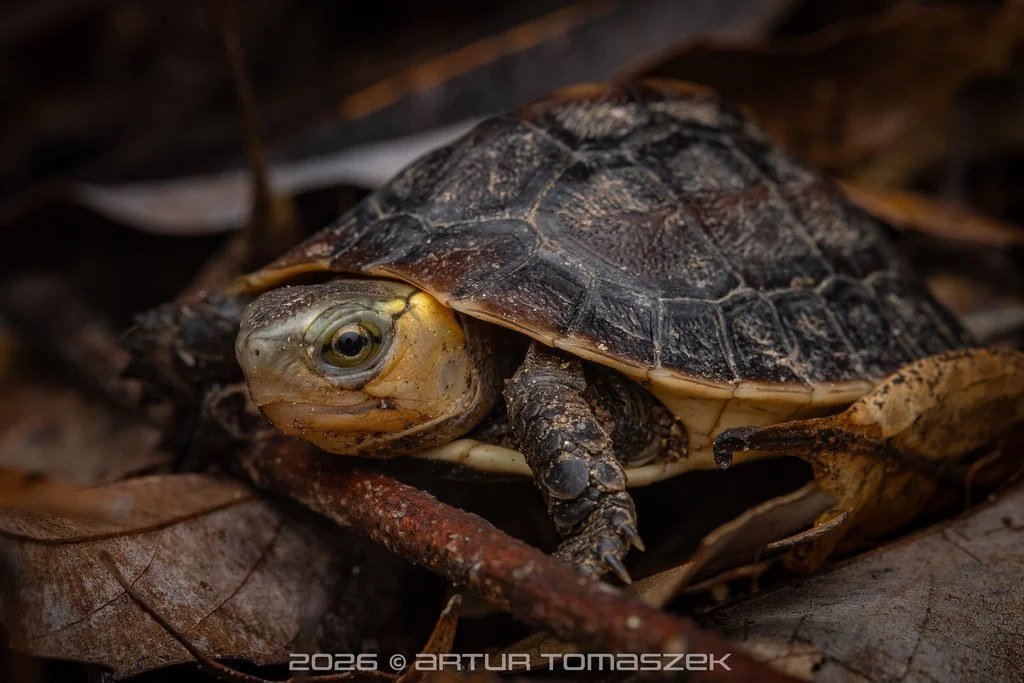
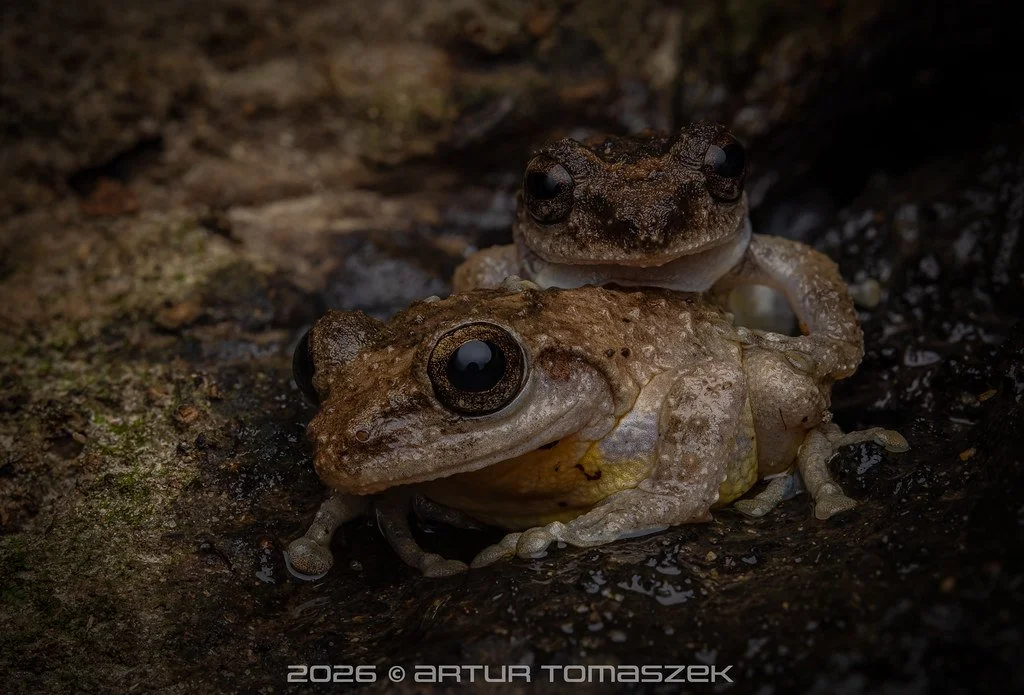
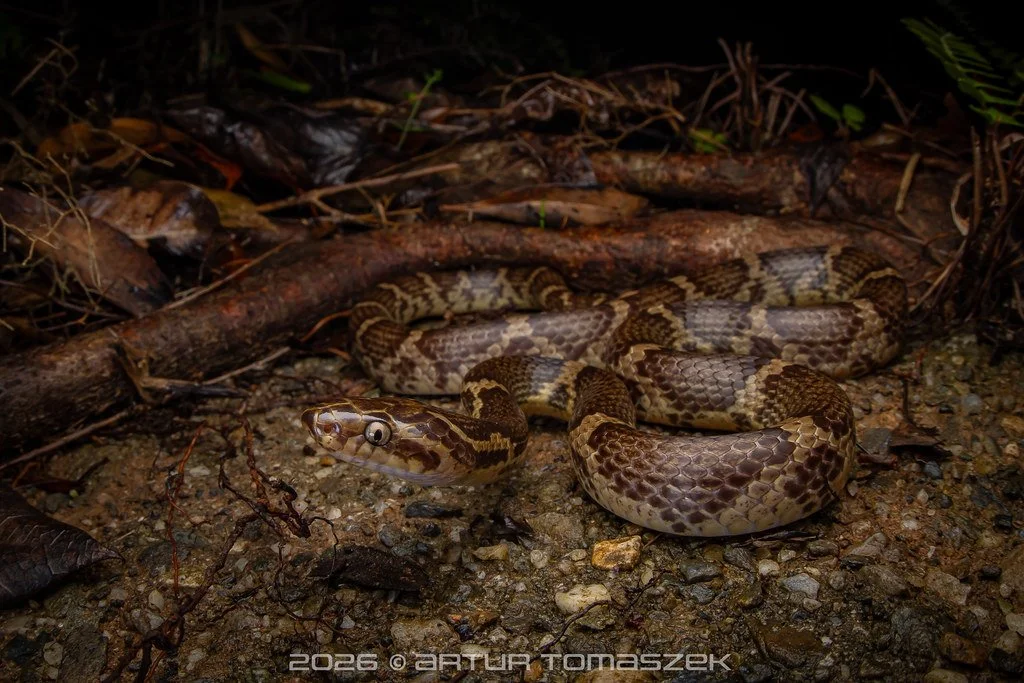
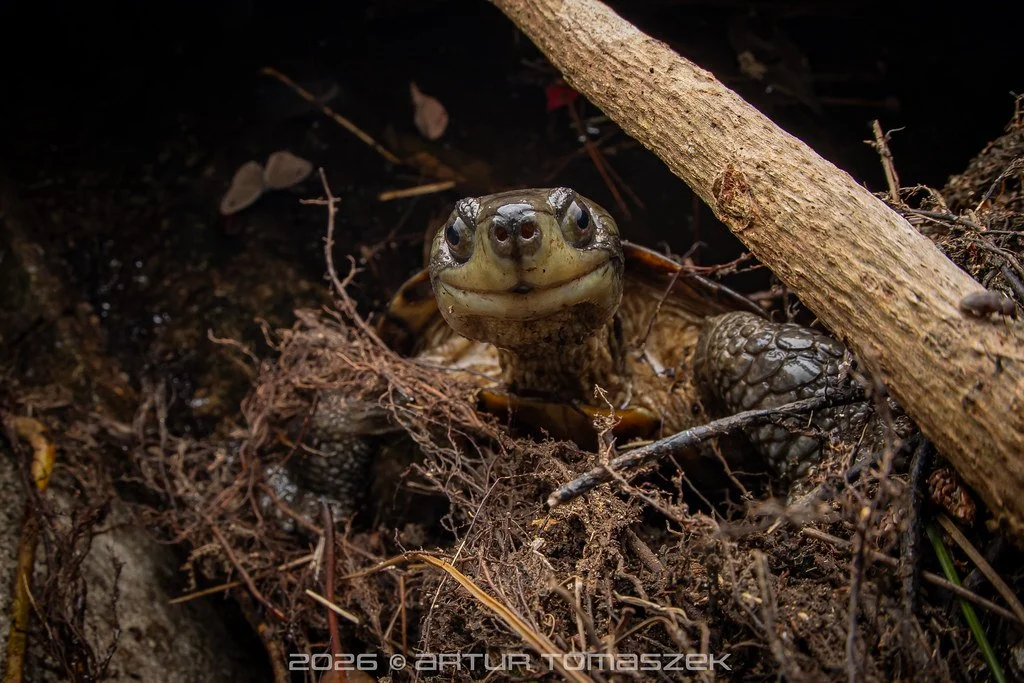
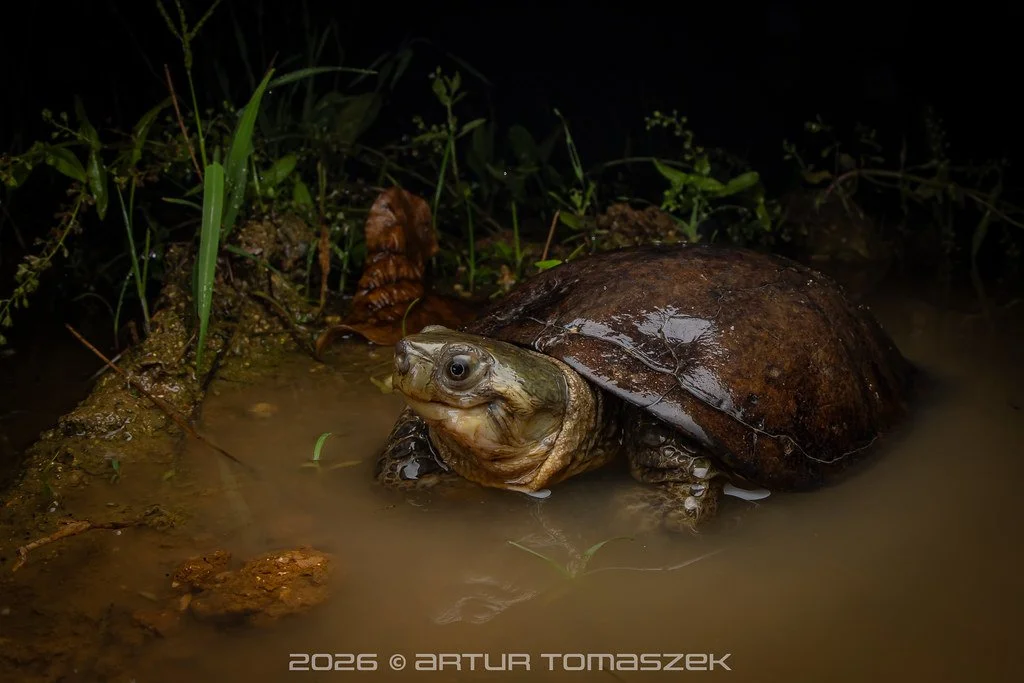
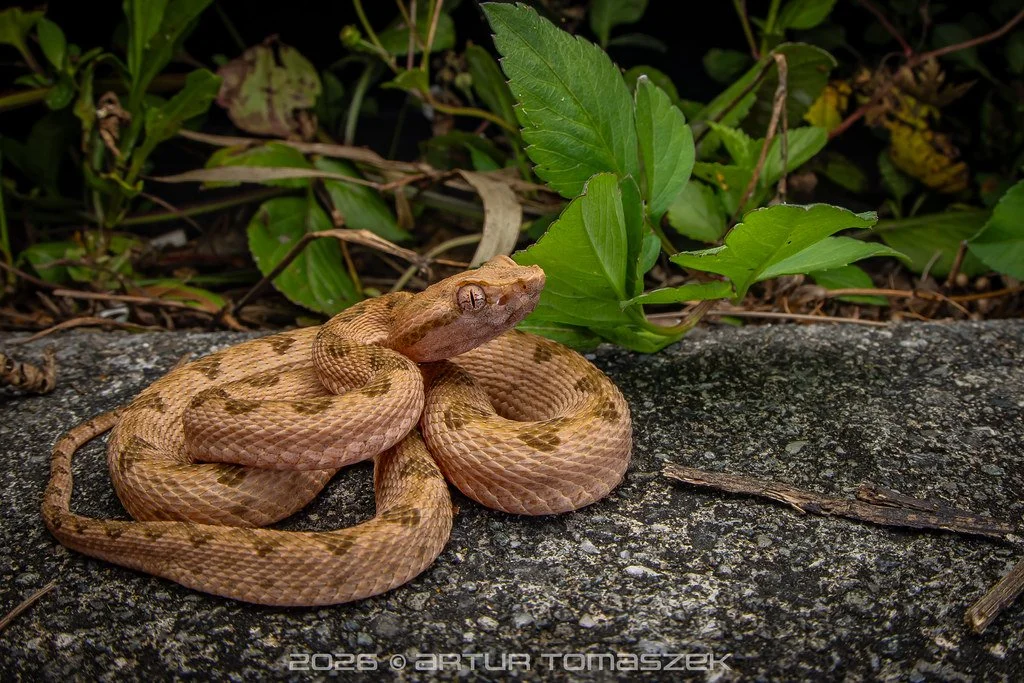
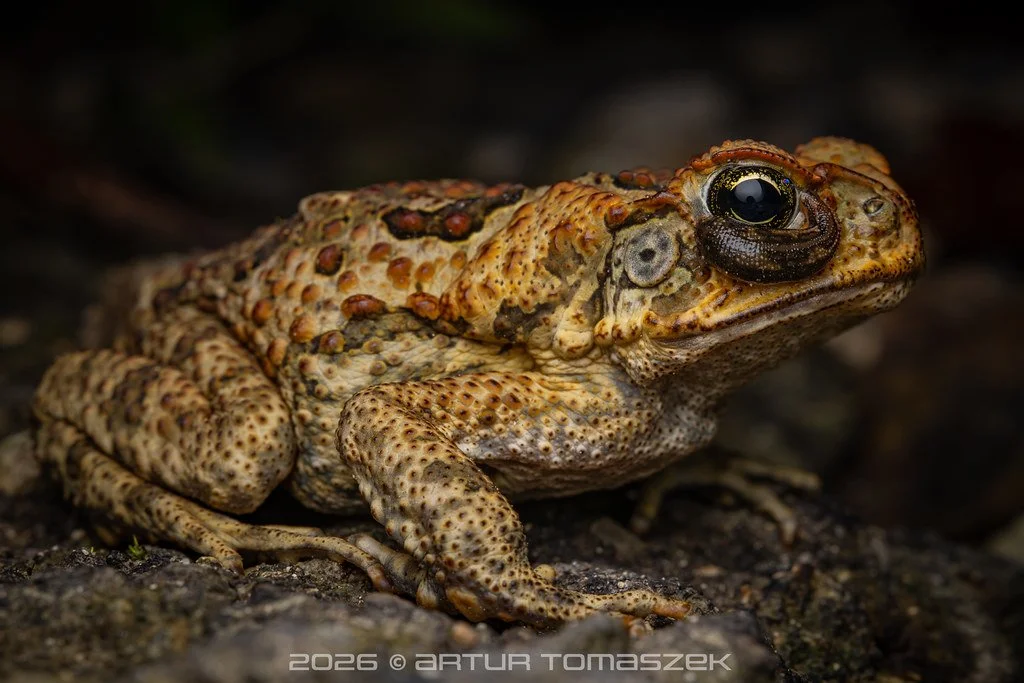
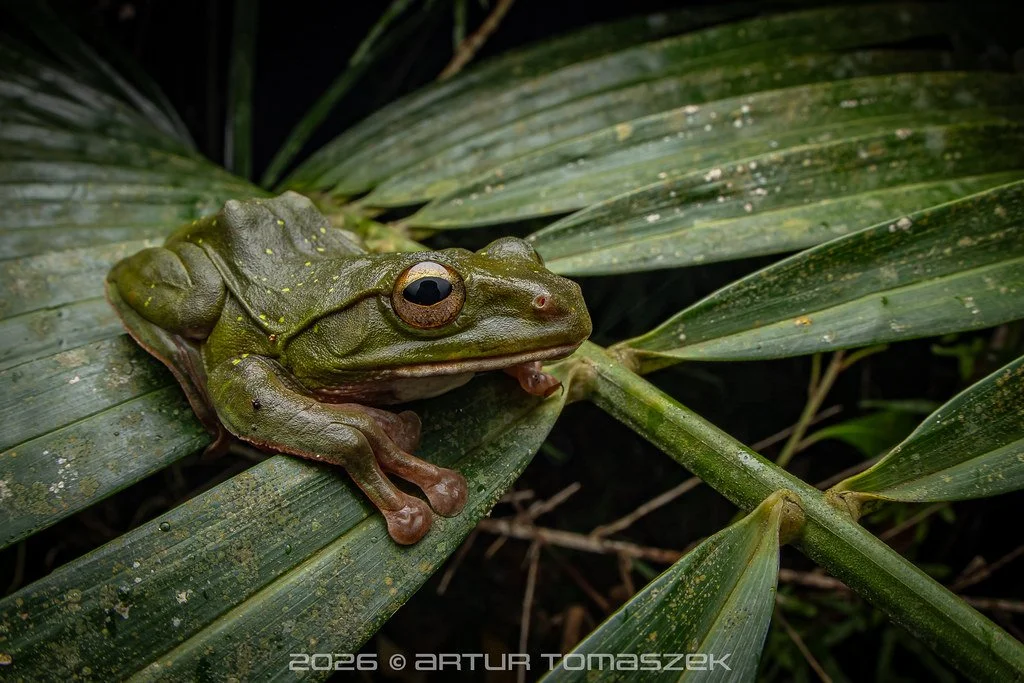
We had to work hard for every animal, but for a side herping mission during a diving trip, we really couldn’t complain.
And then came the underwater part. Three manta rays on the first dive. Karolina was over the moon. It took her 100 dives to finally see a manta, and then Ishigaki delivered three at one go. Artur was happy too, of course, but seeing how much it meant to her made it even better.
After so many cold, wet, windy nights on land, floating underwater with manta rays felt like the perfect closing of our first extended Japanese adventure.
Invertebrates
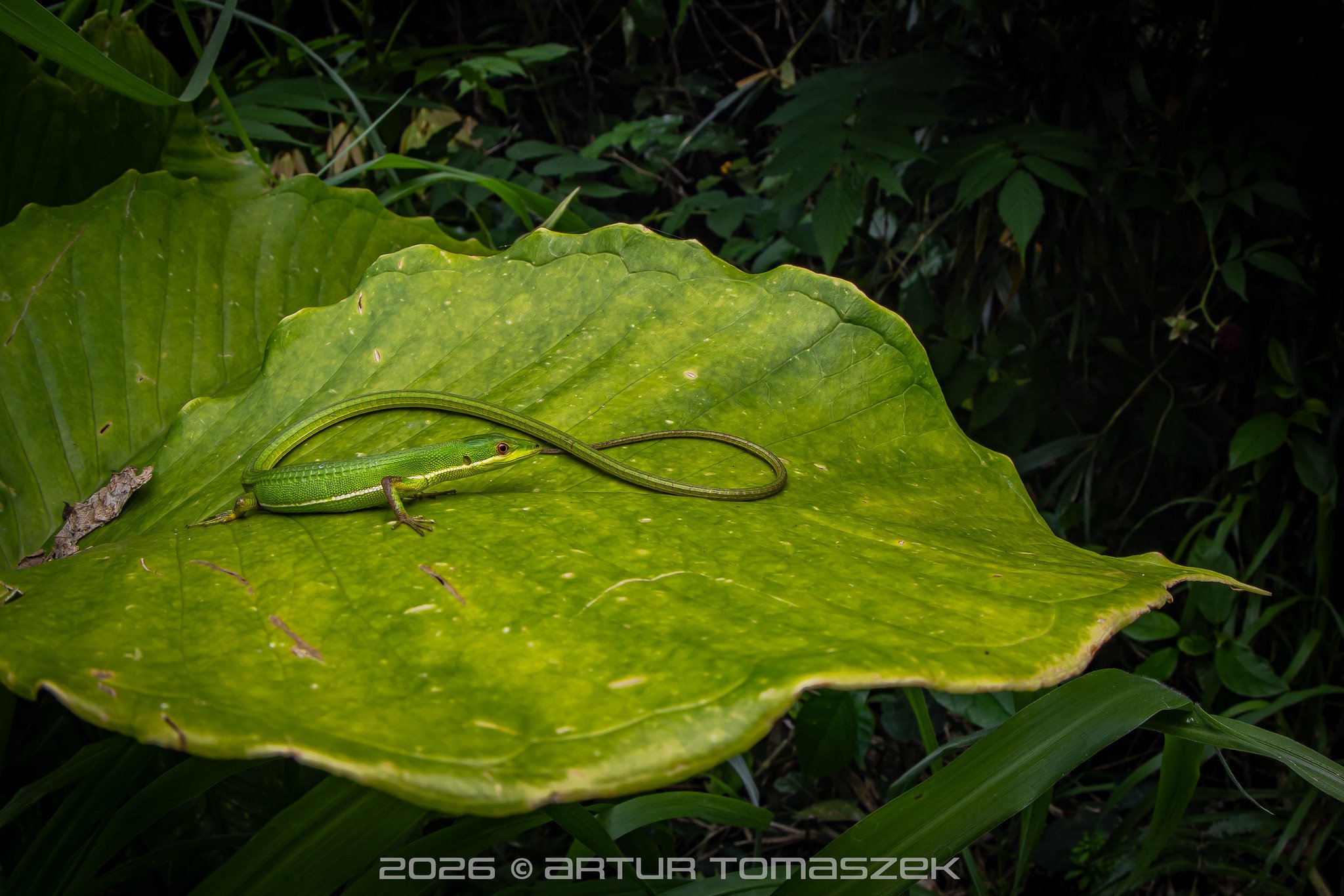
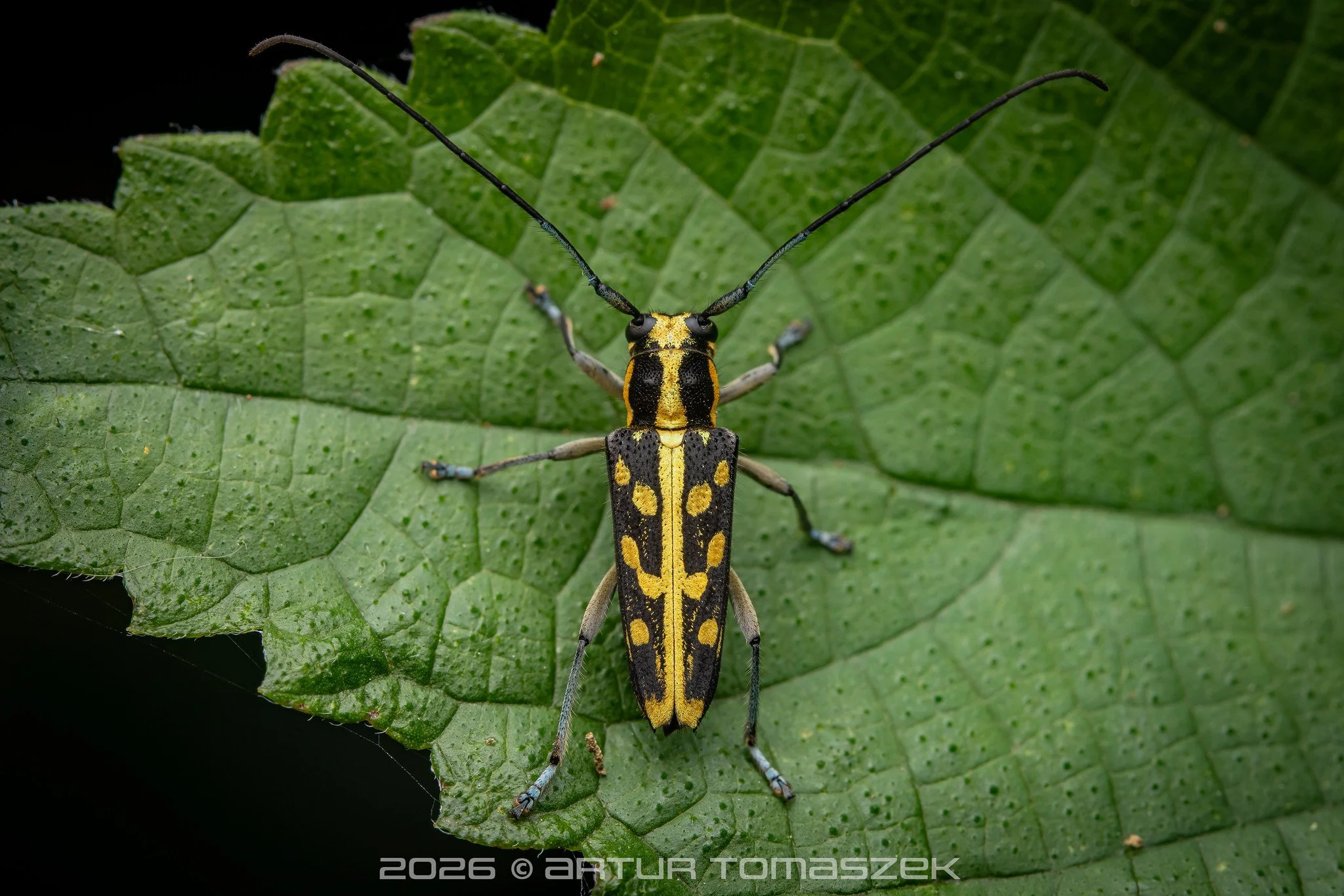
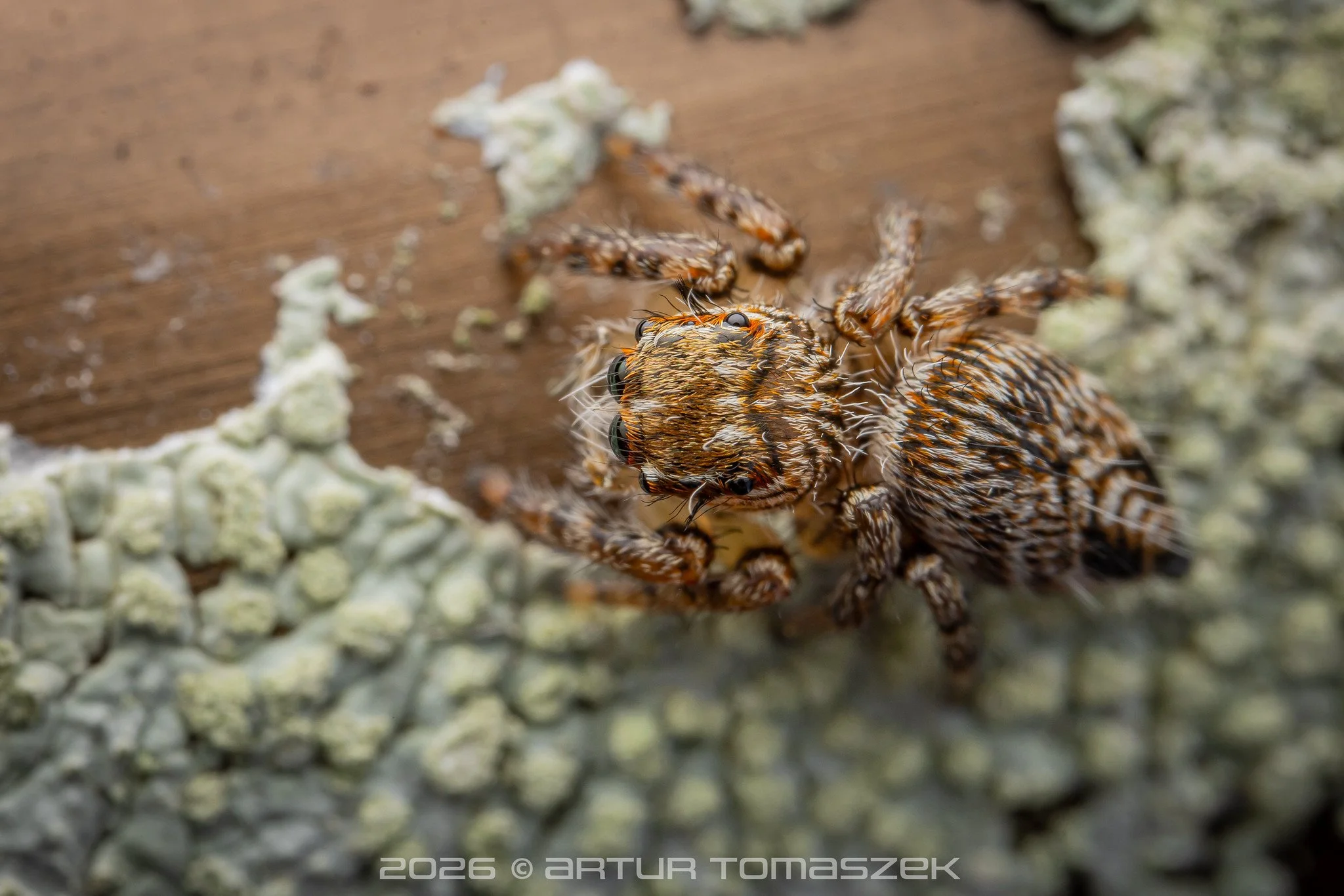
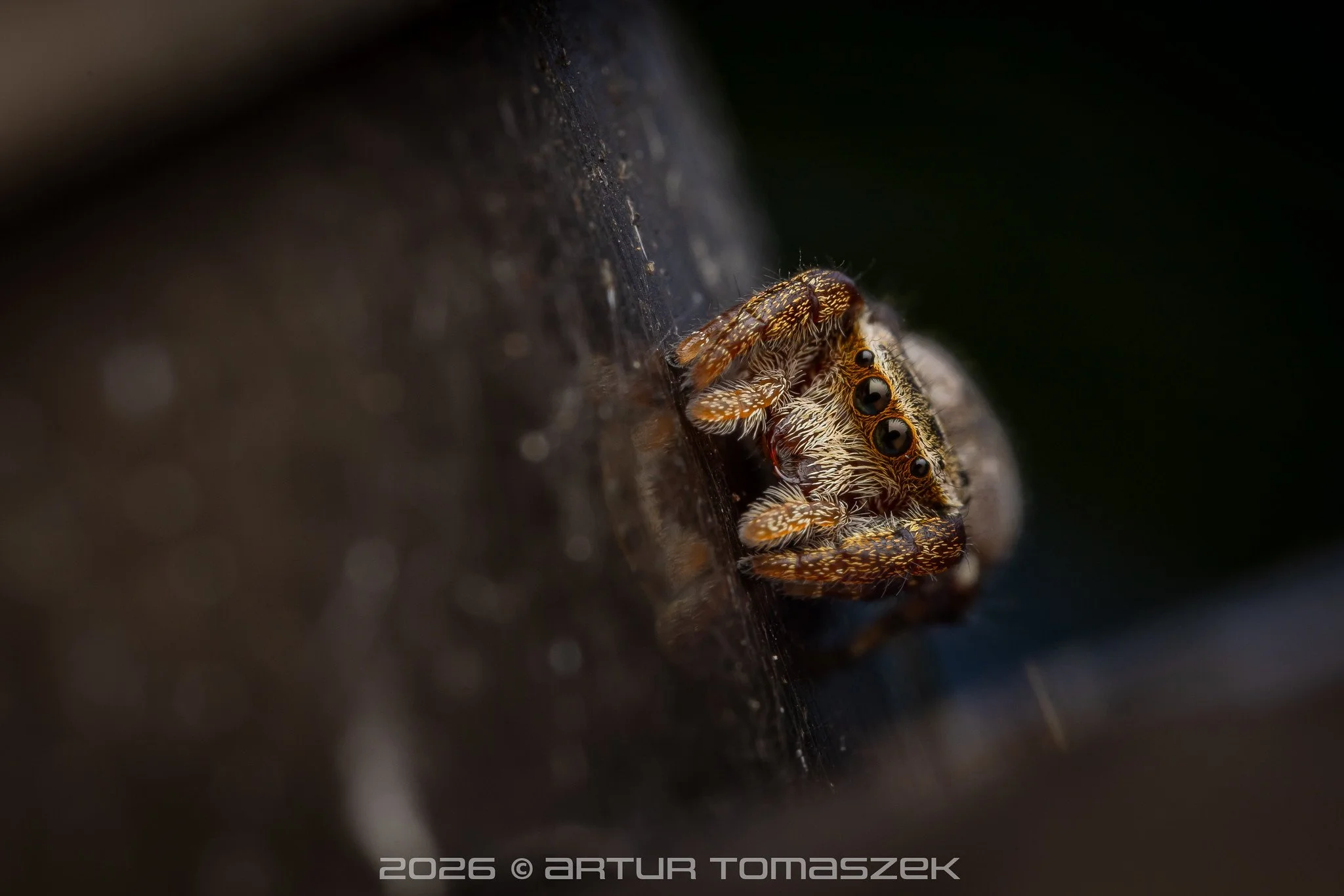
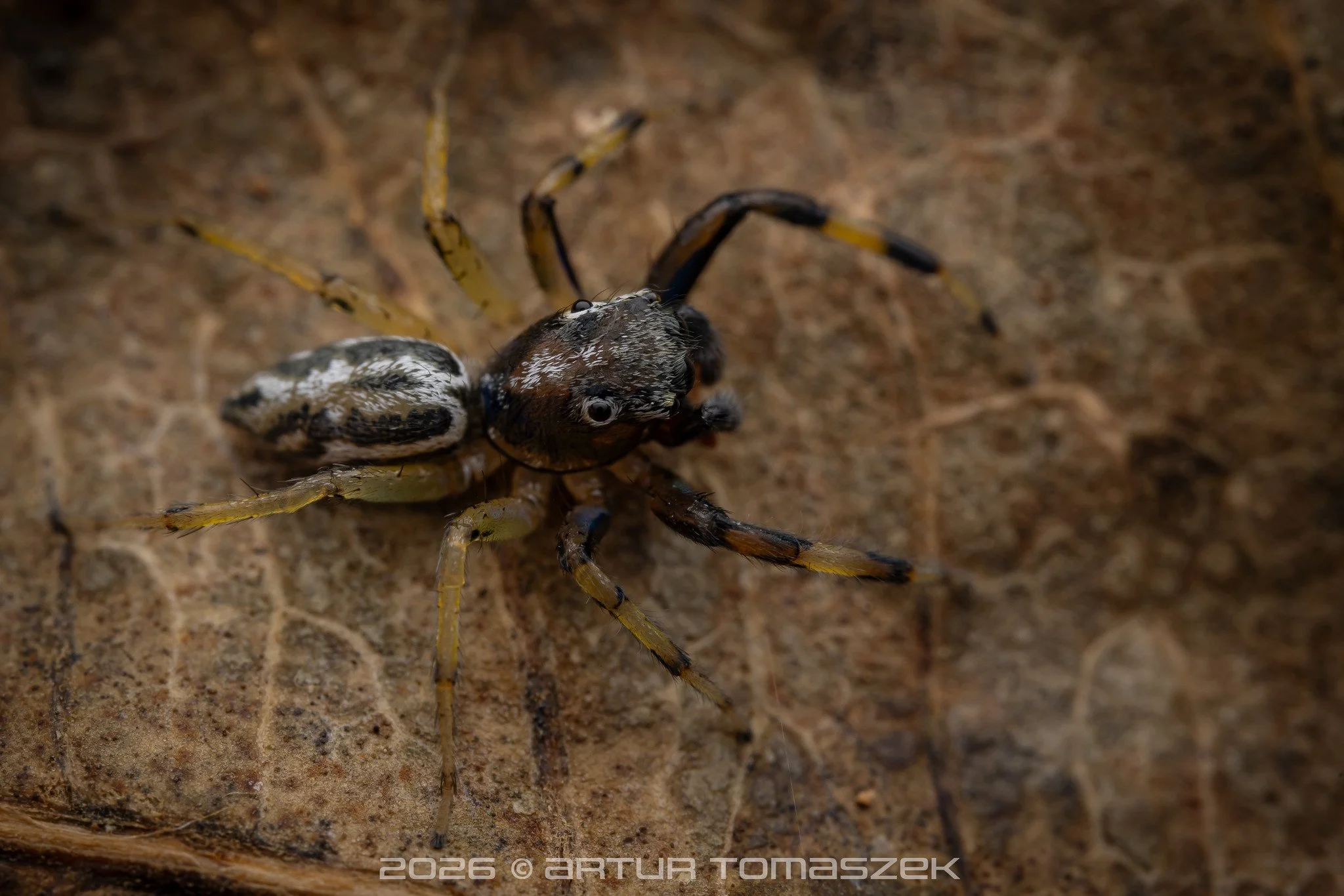
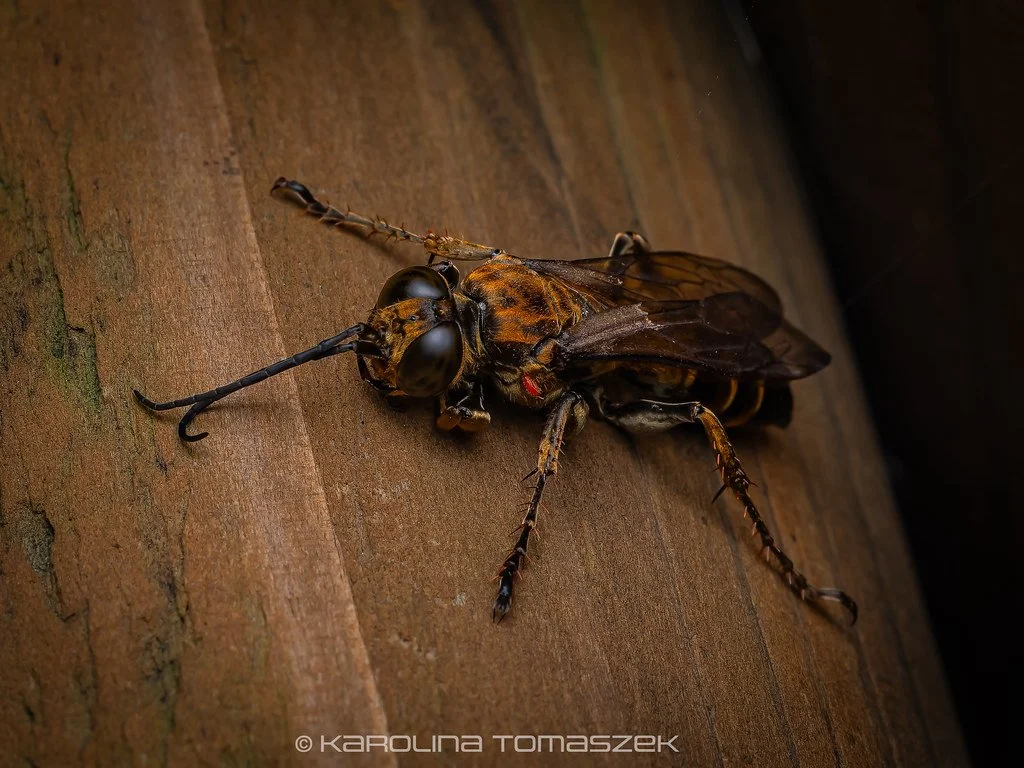
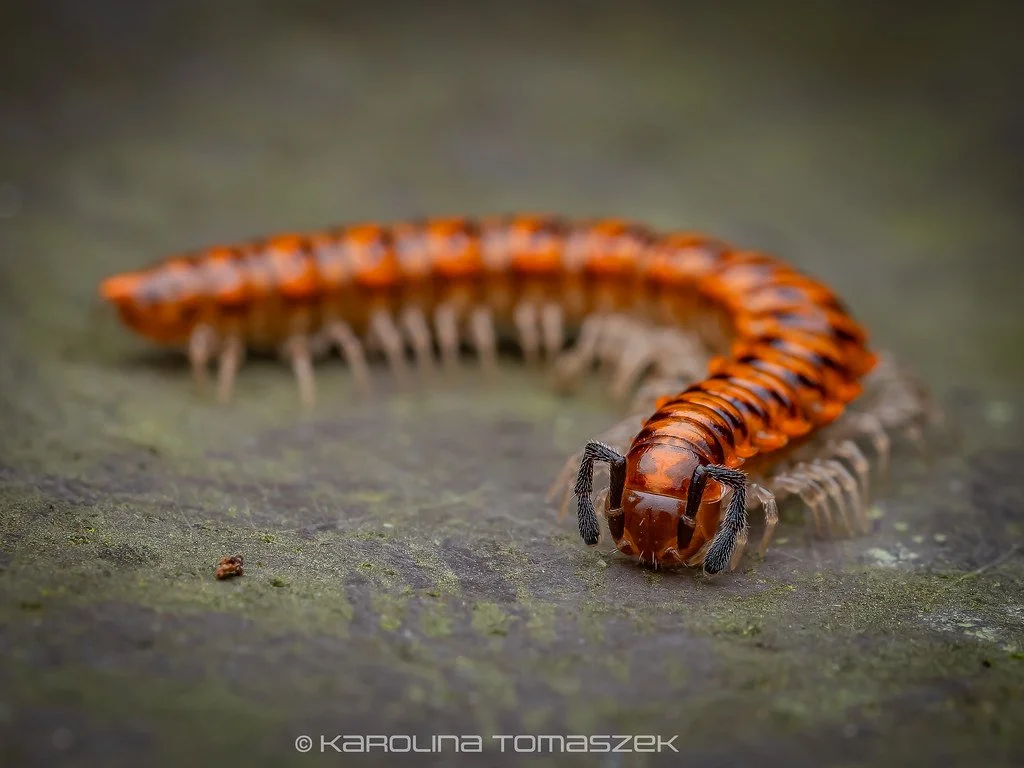
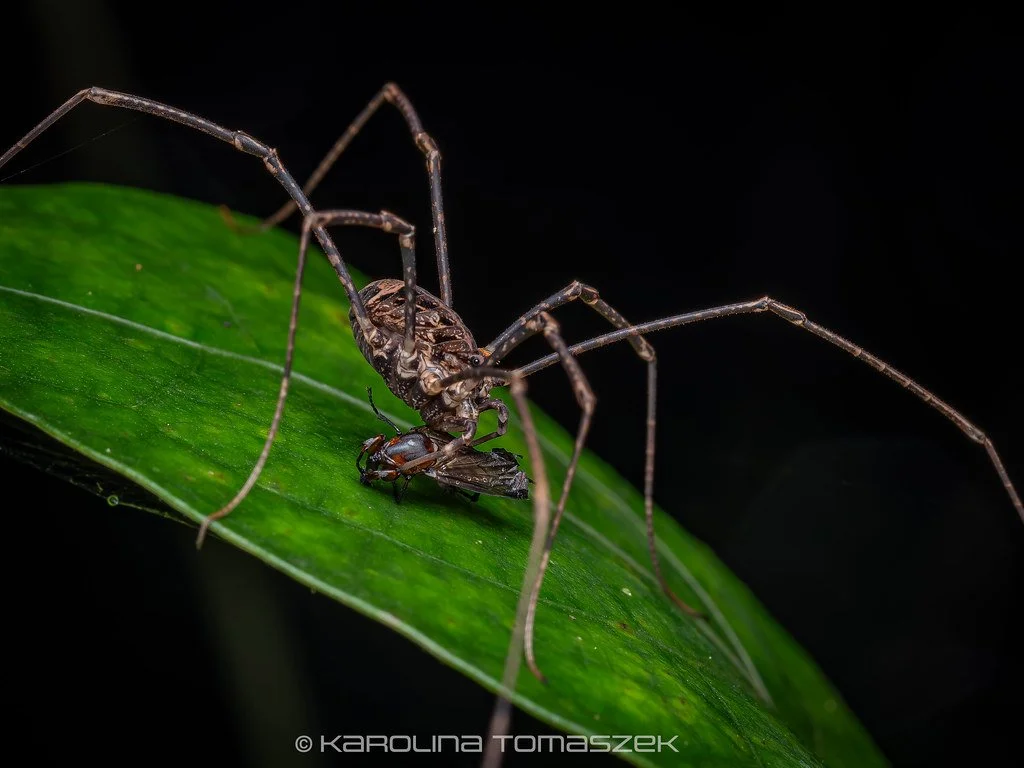
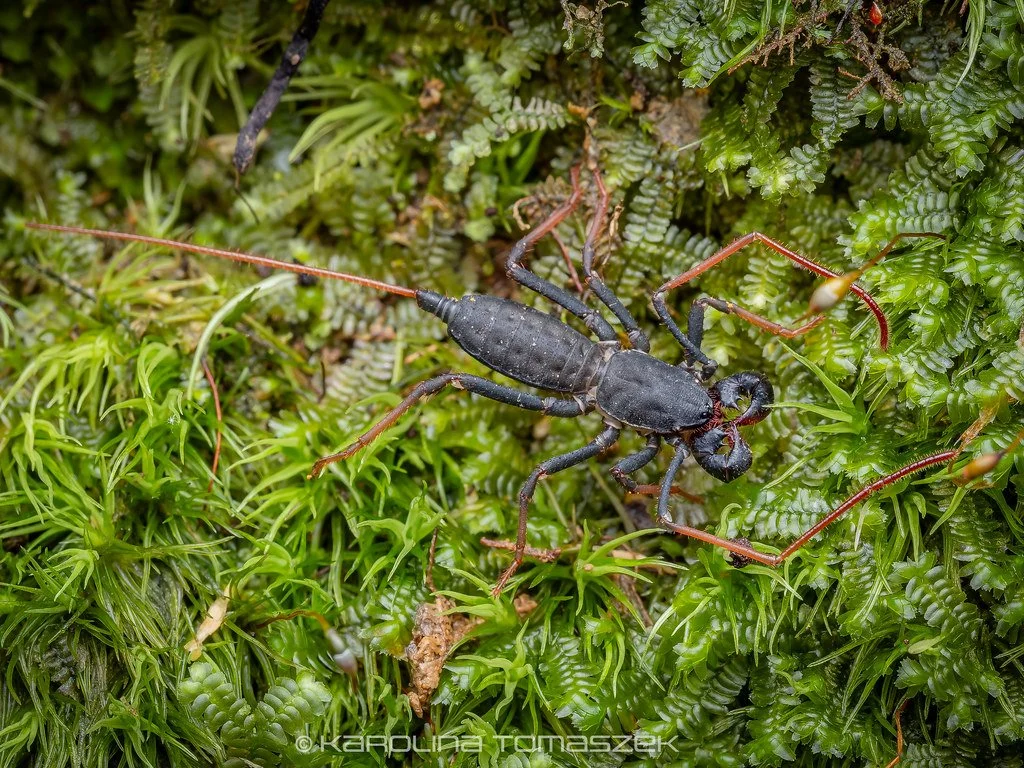
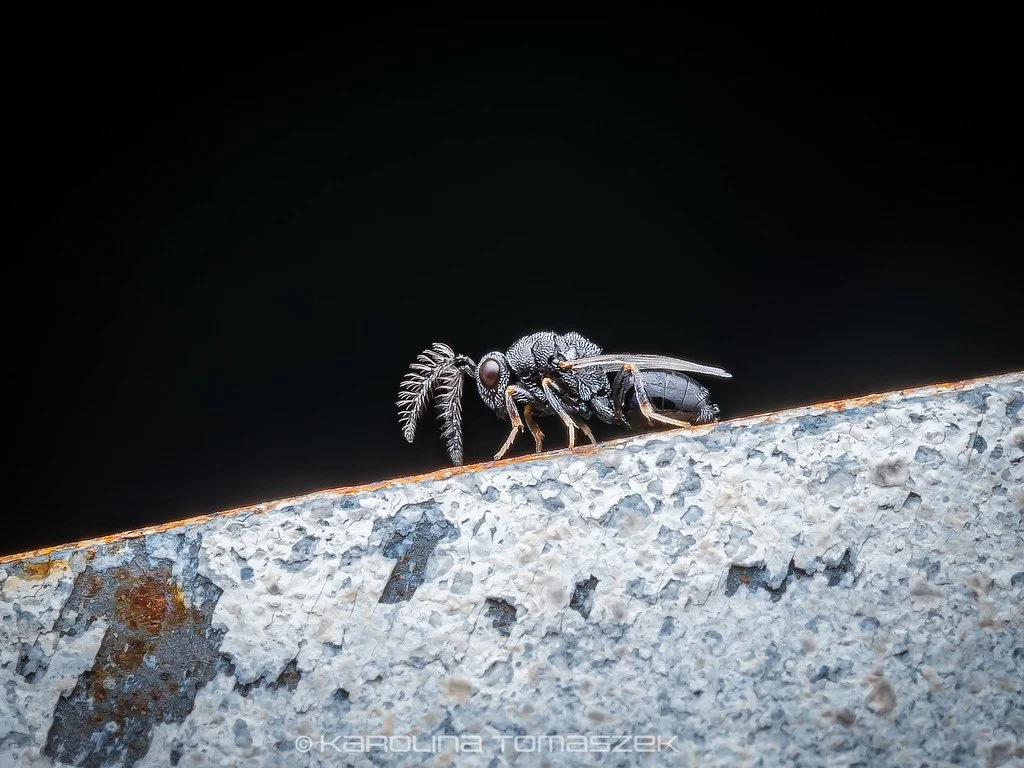
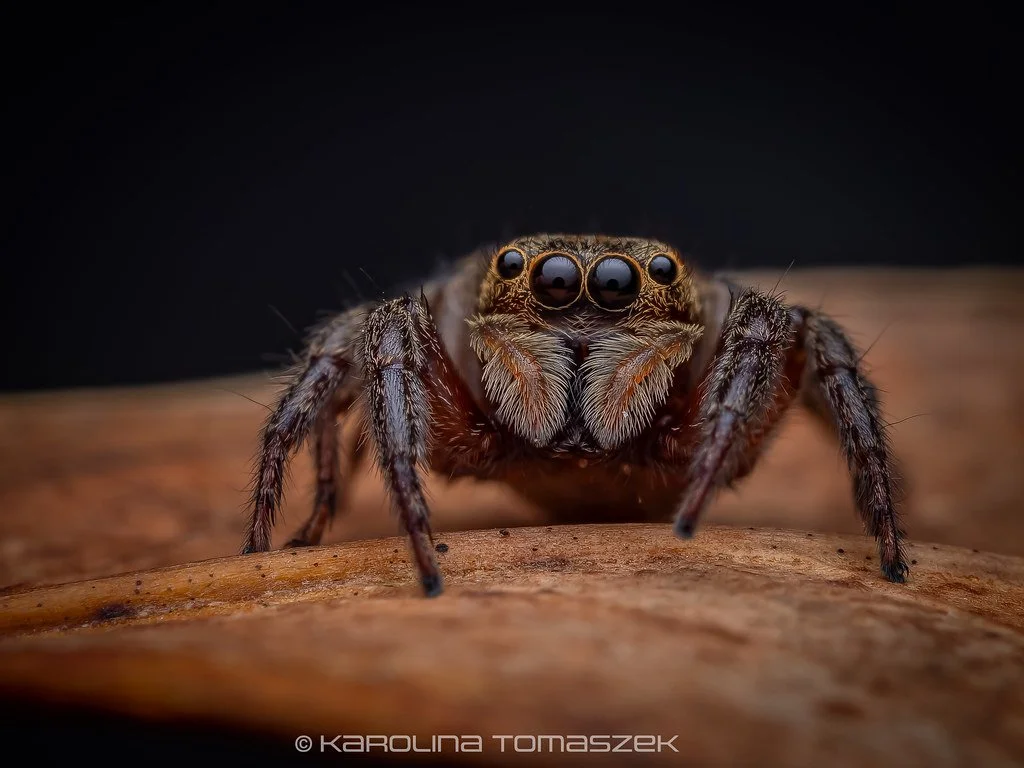
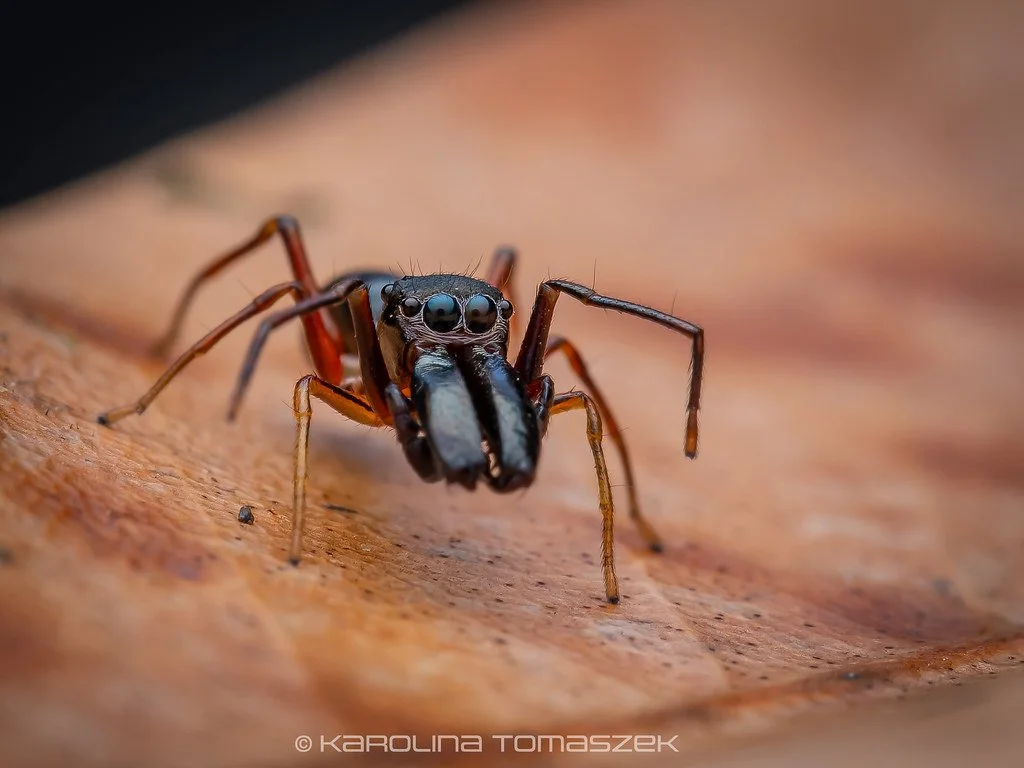
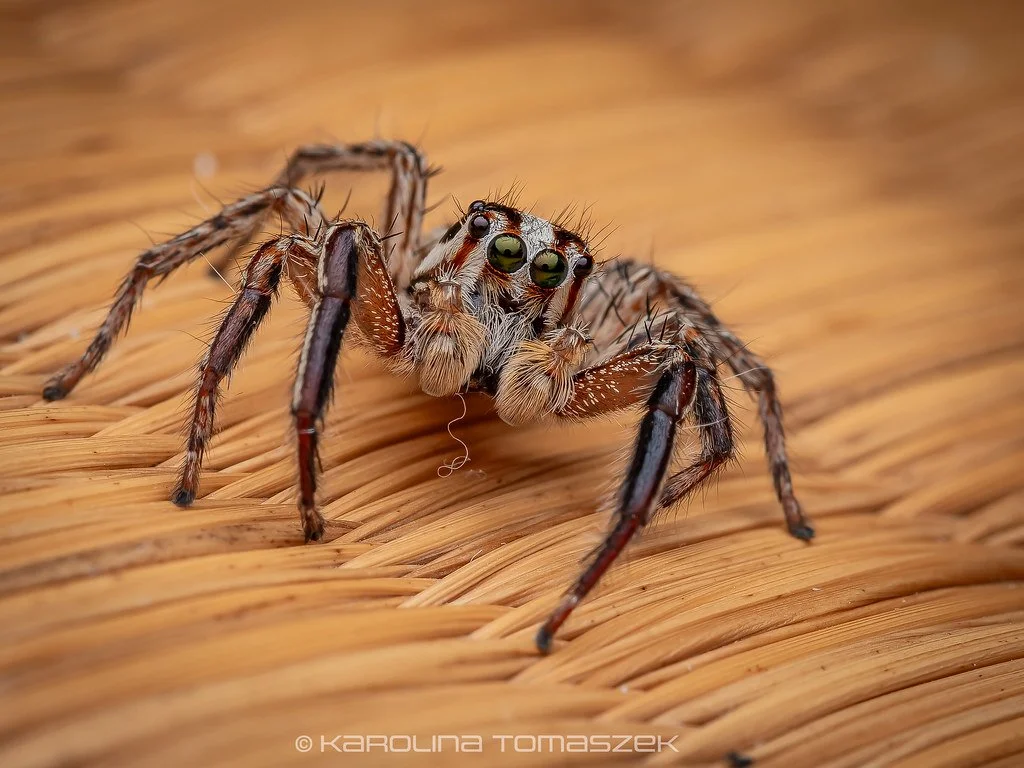
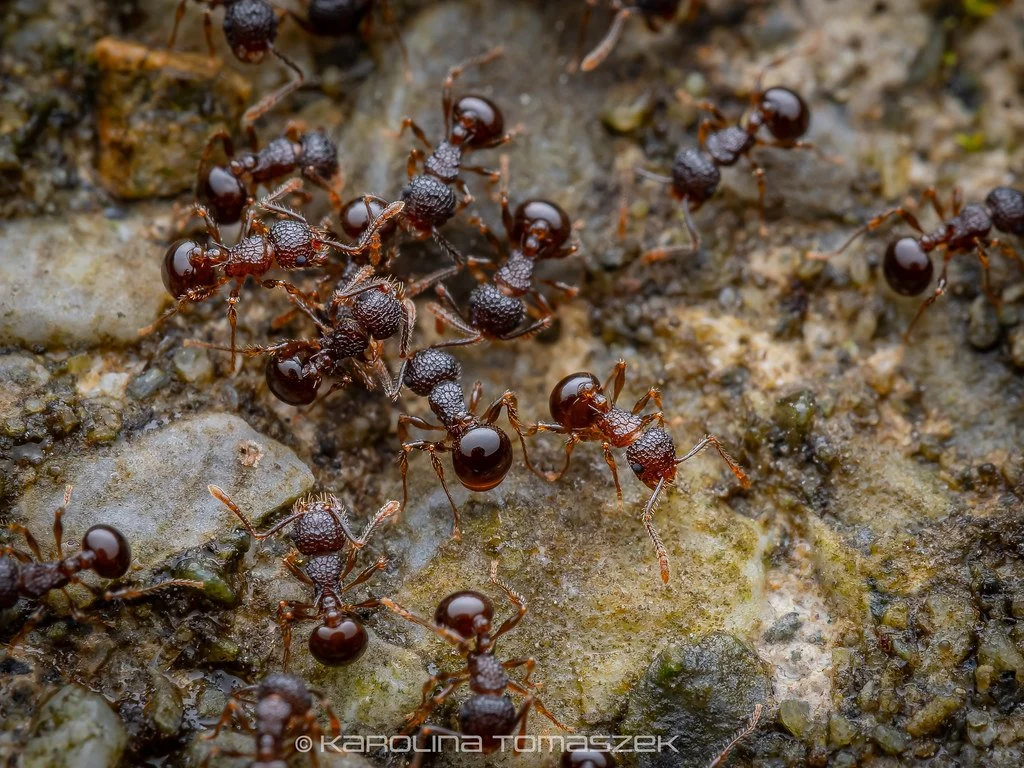
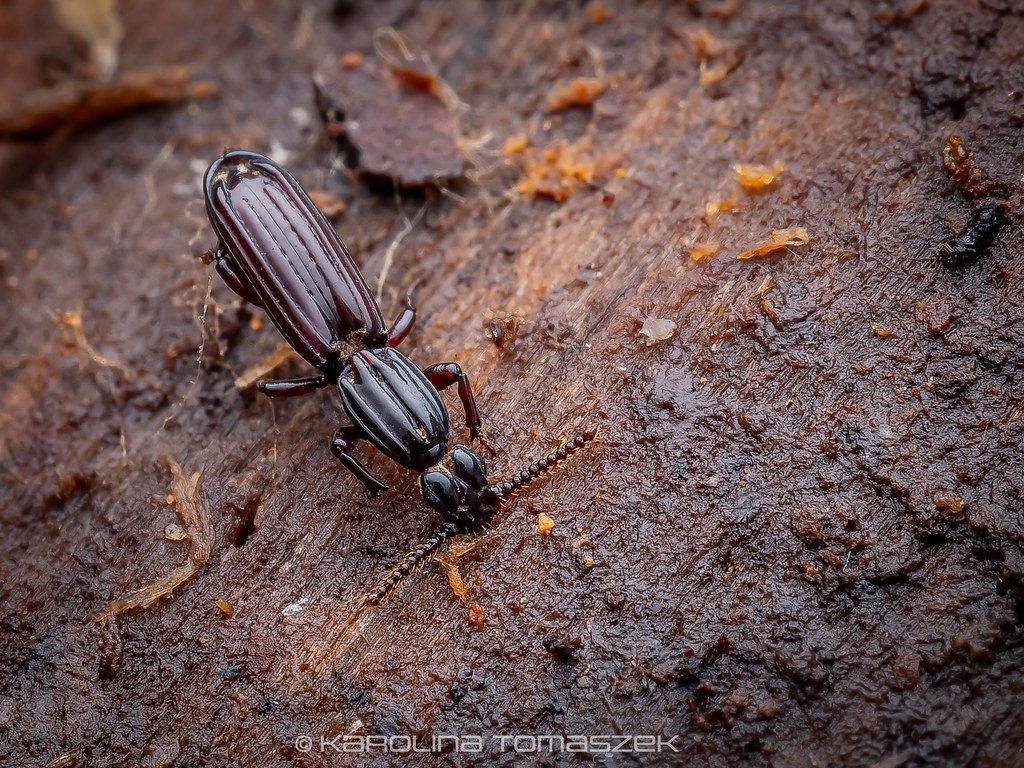
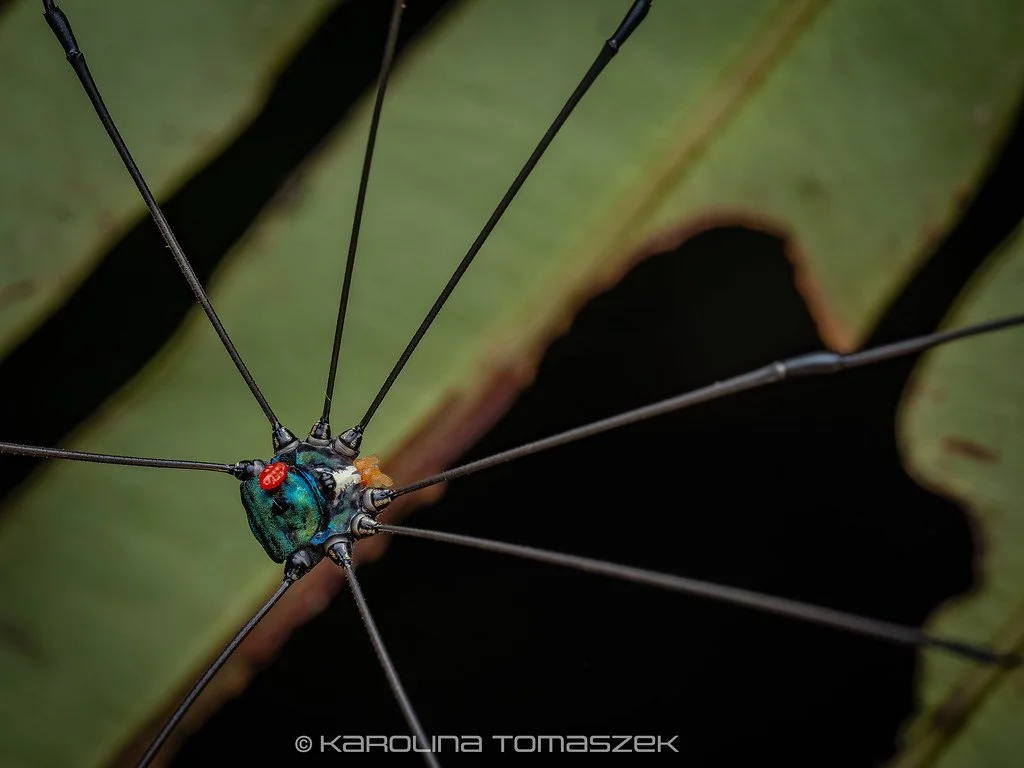
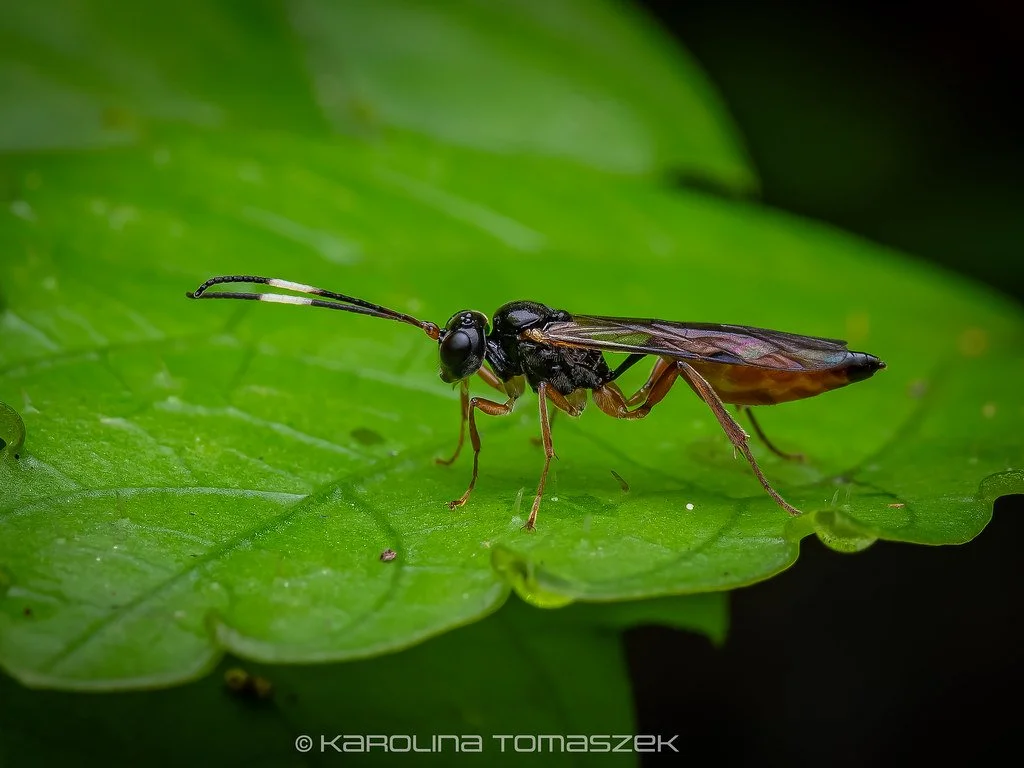
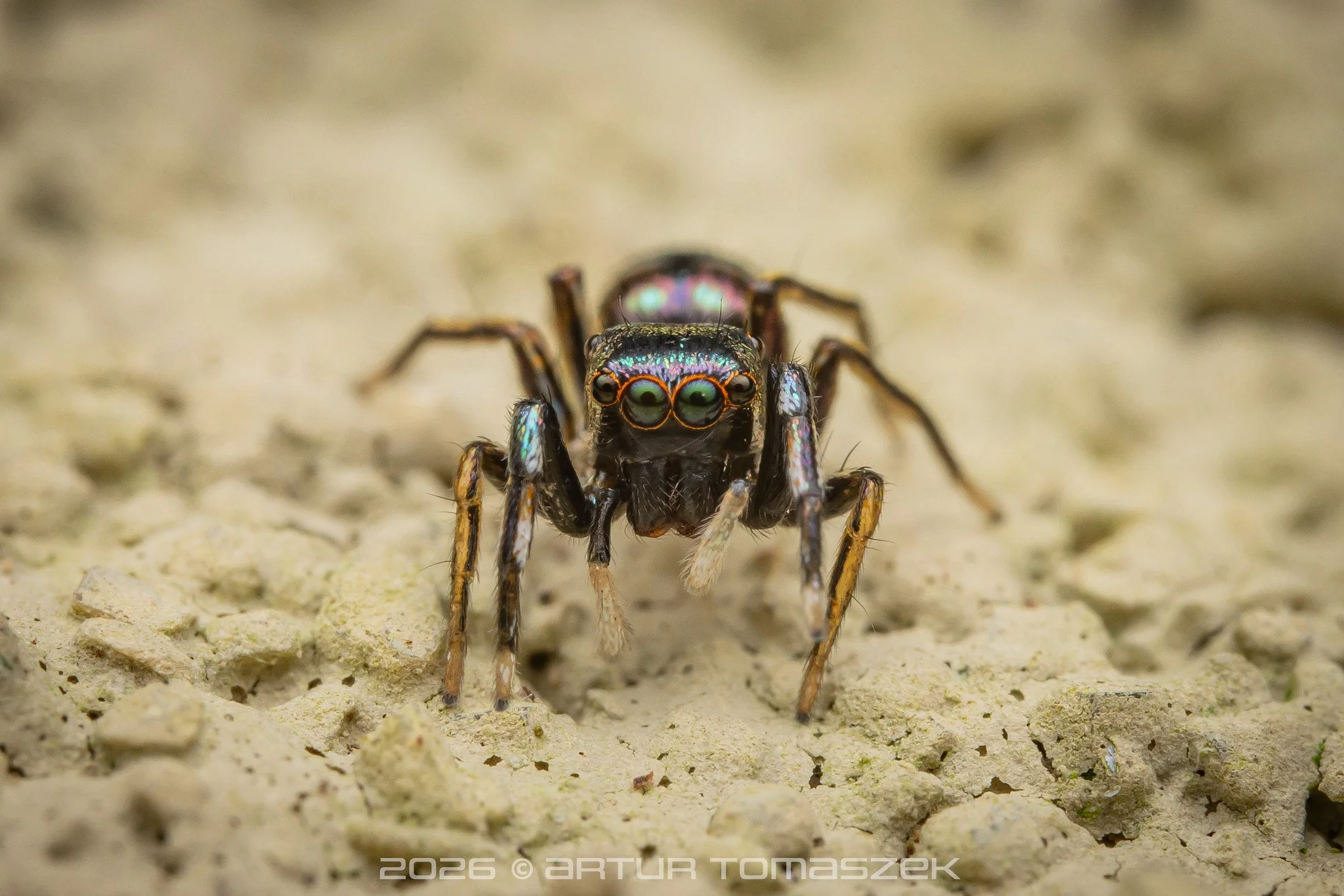
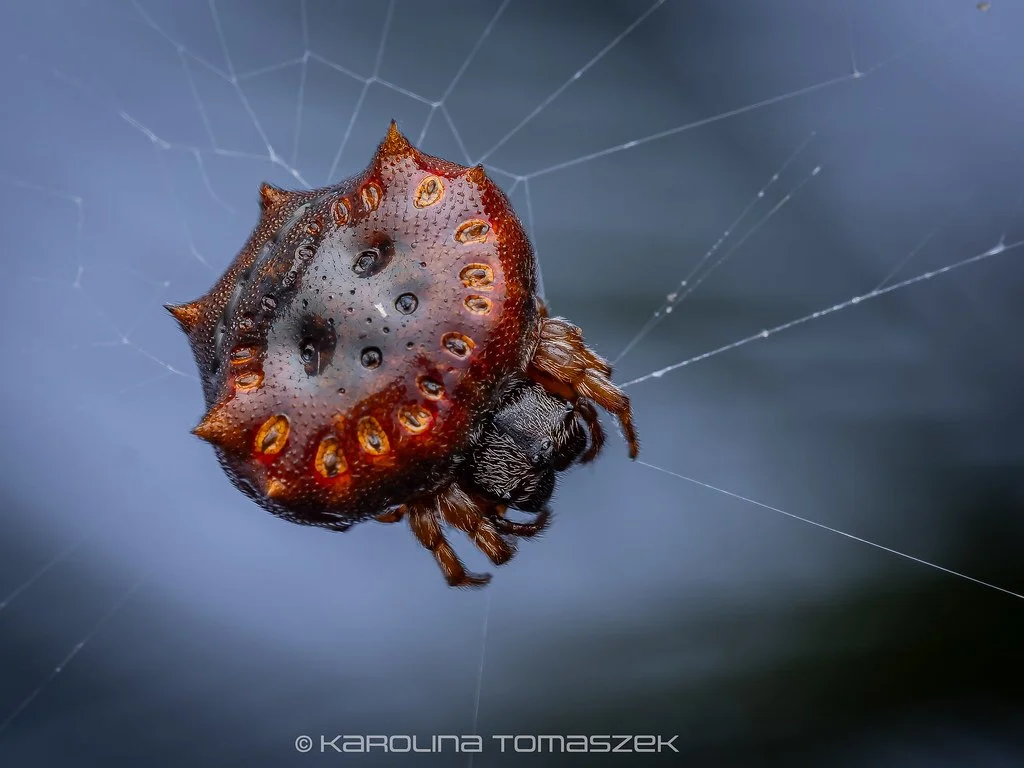
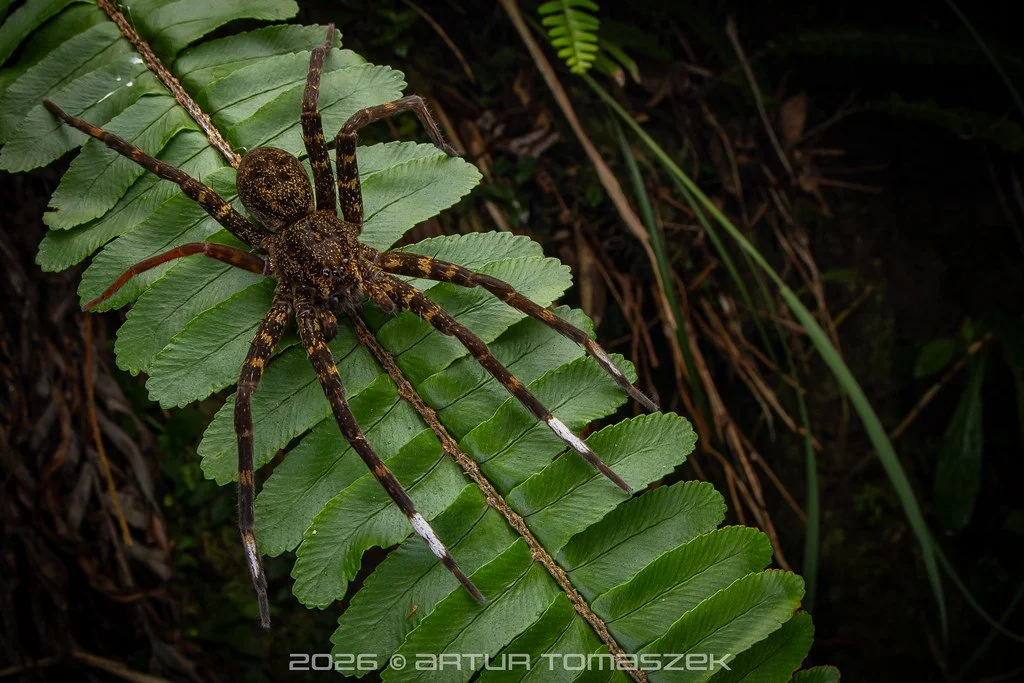
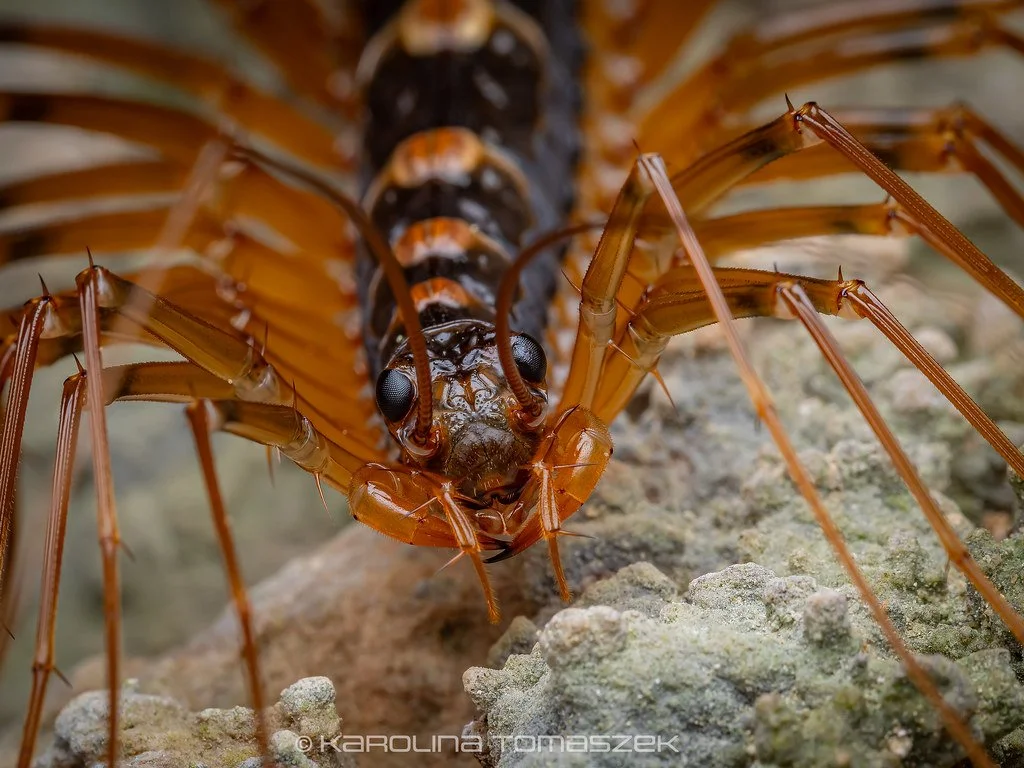
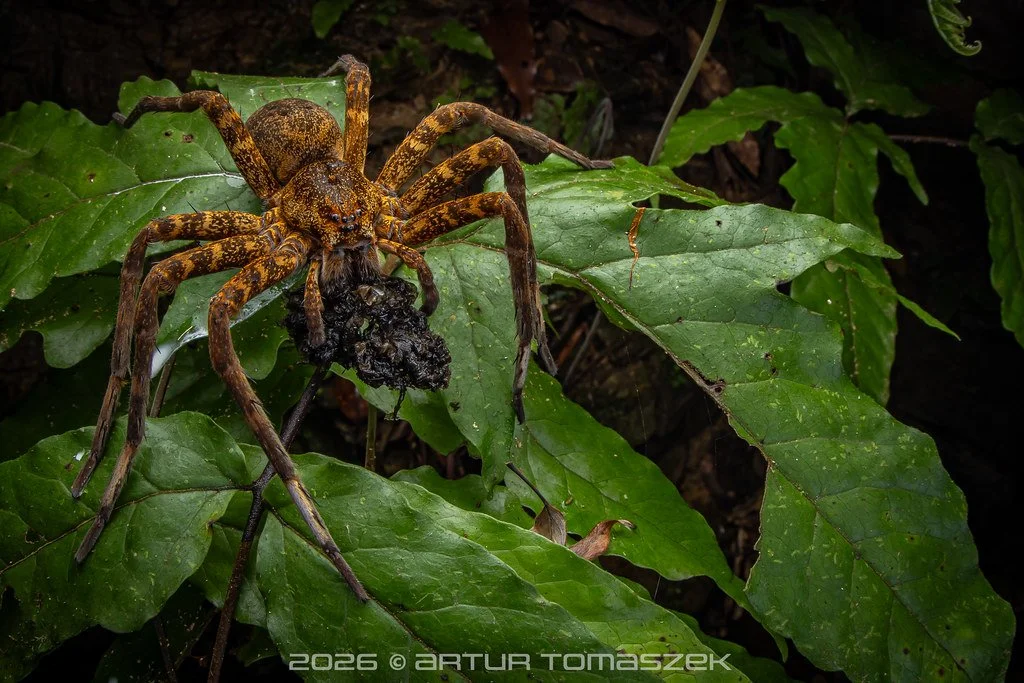
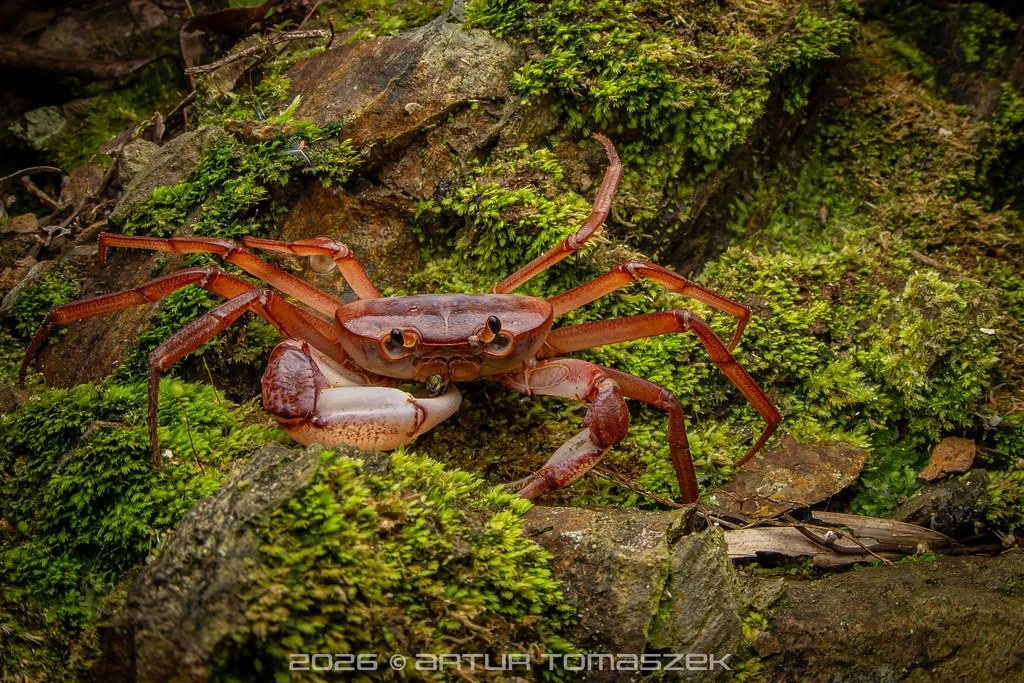
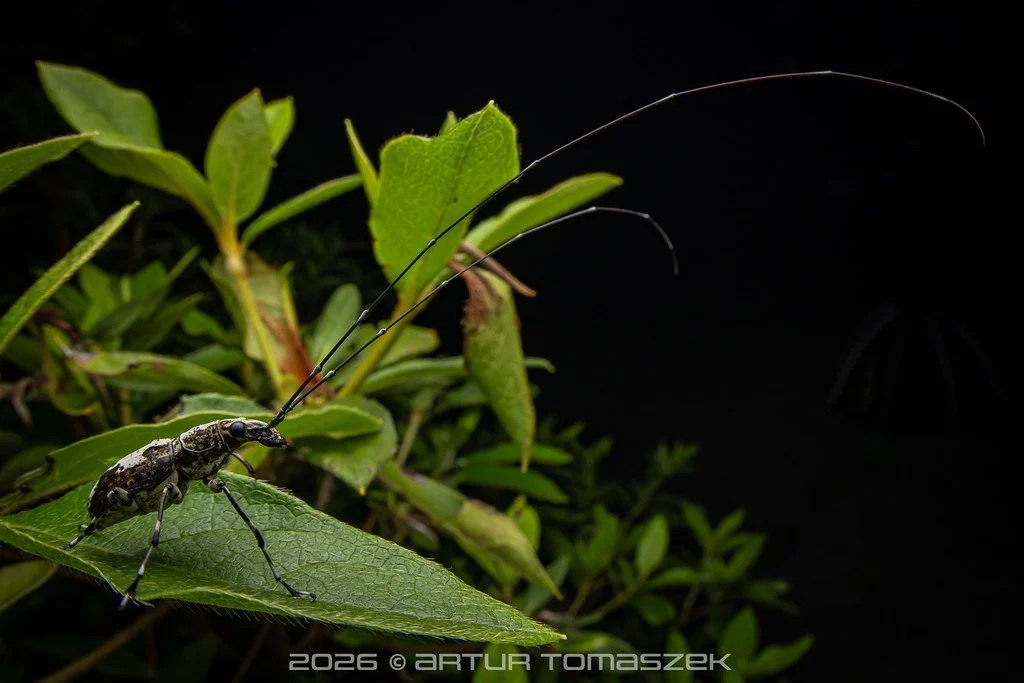
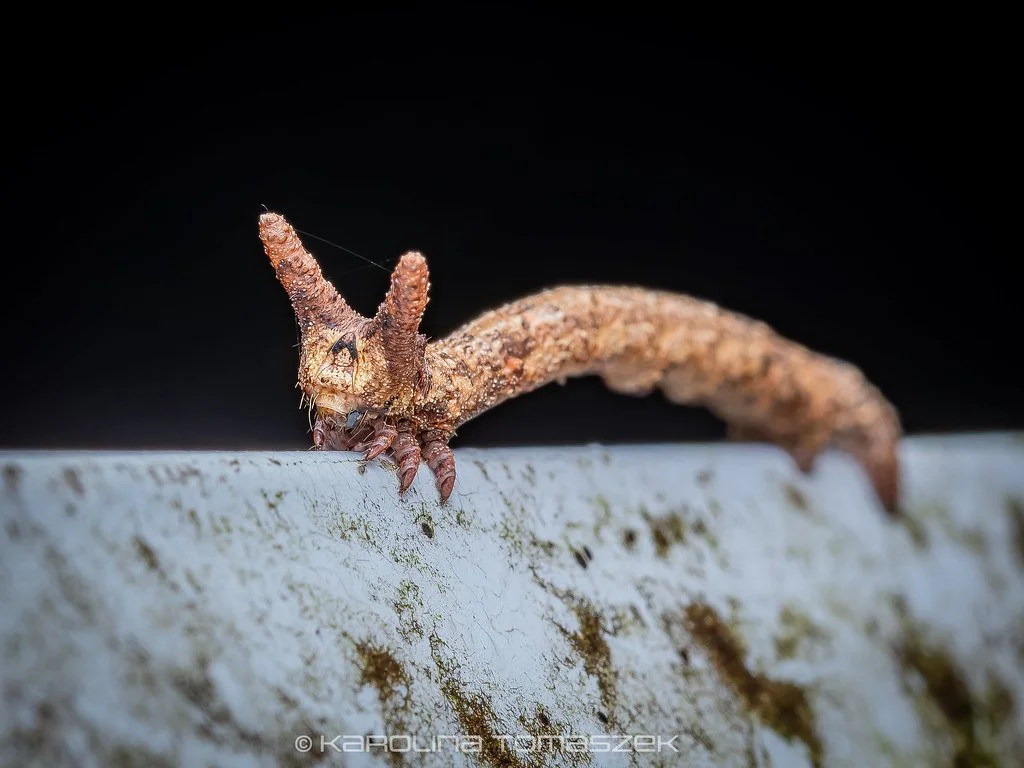
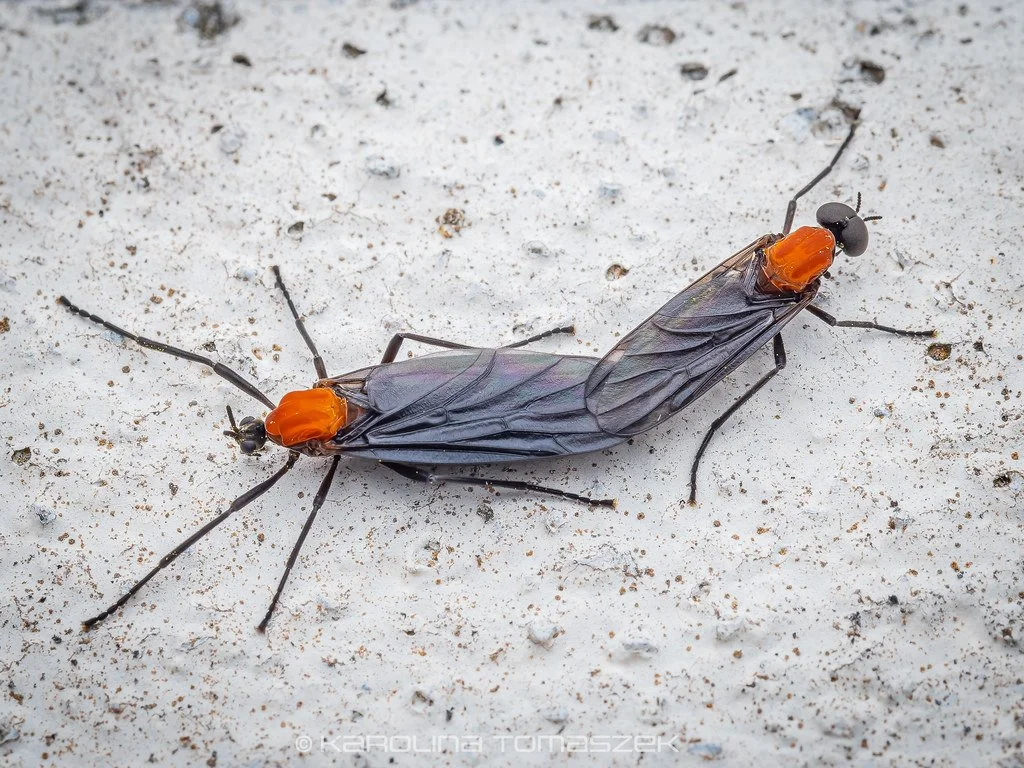
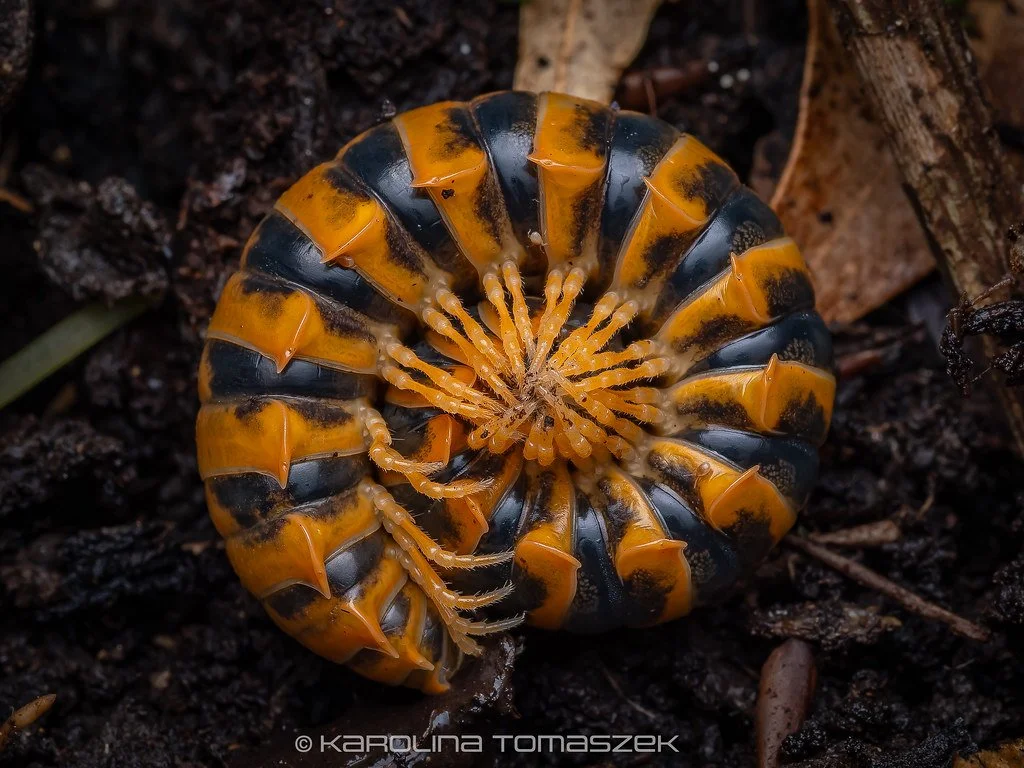
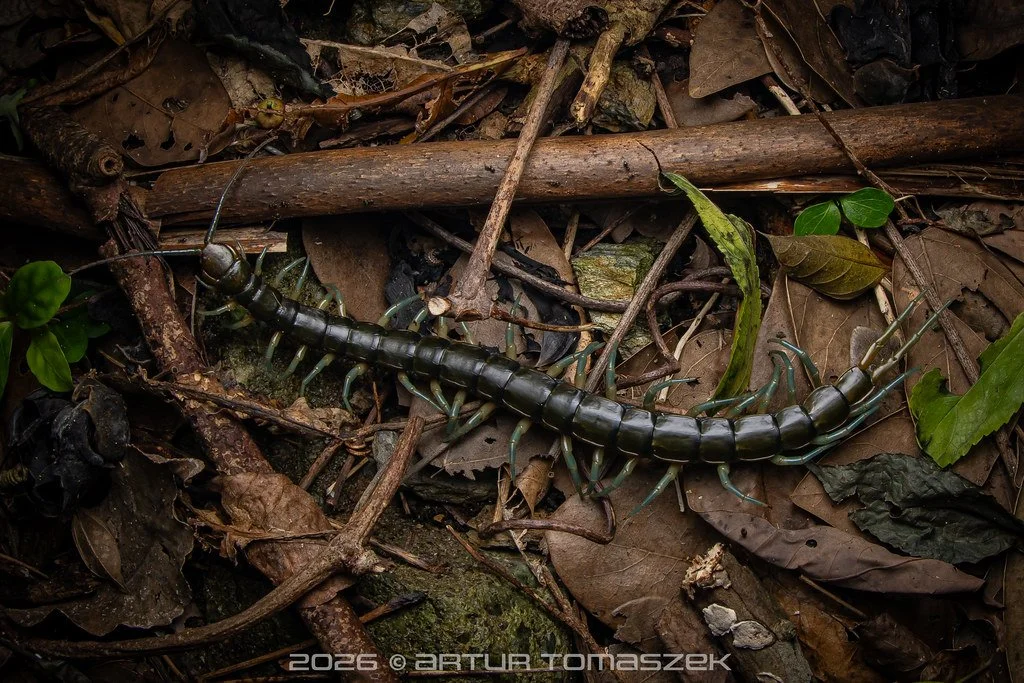
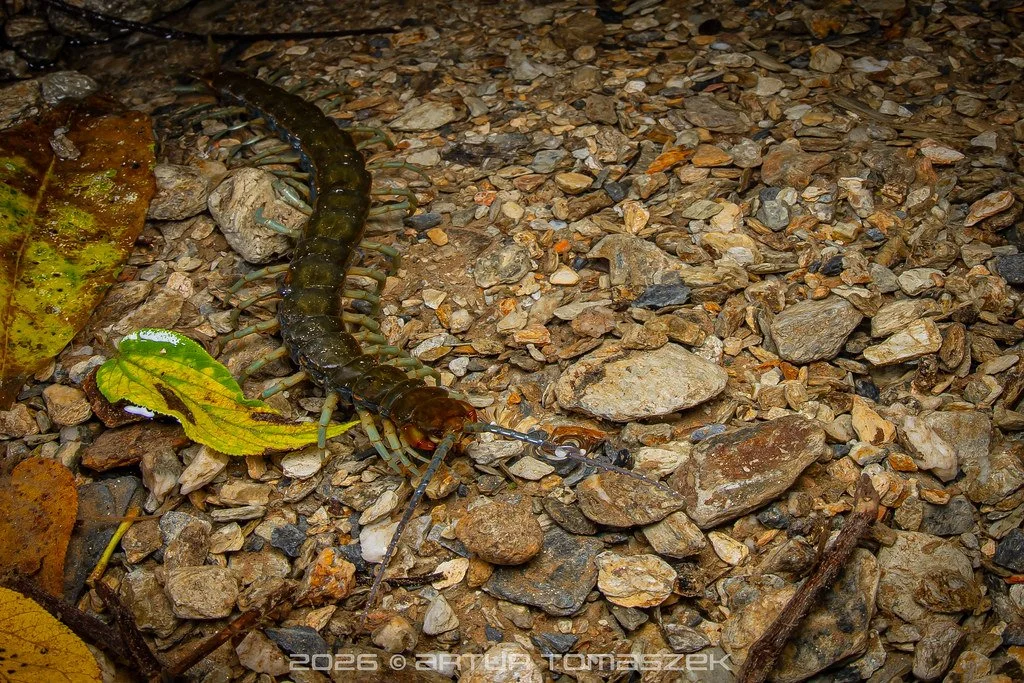
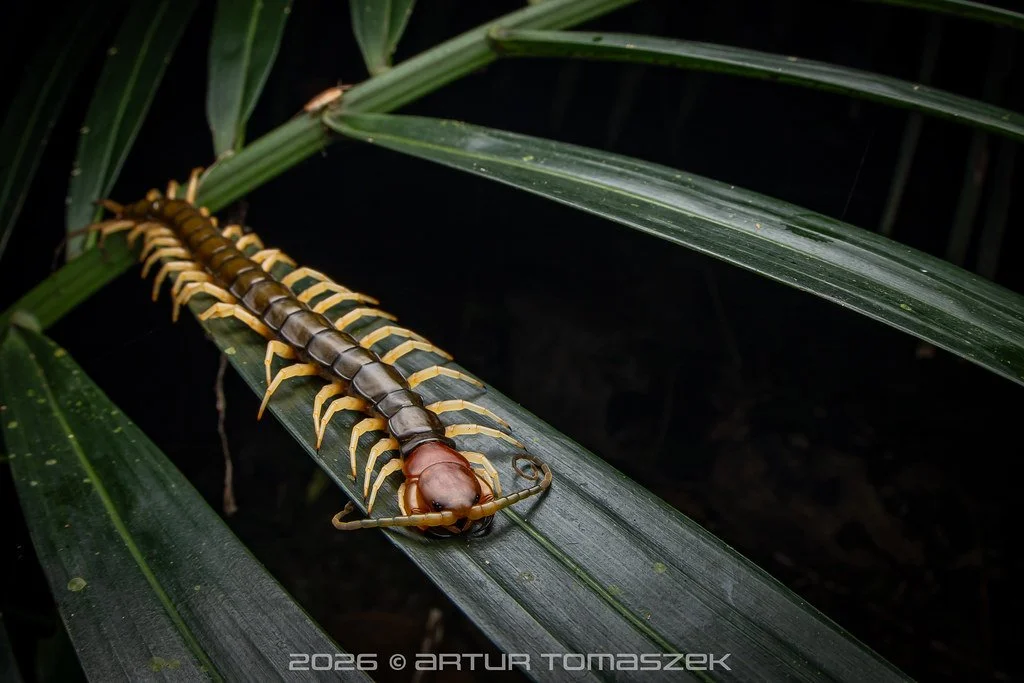
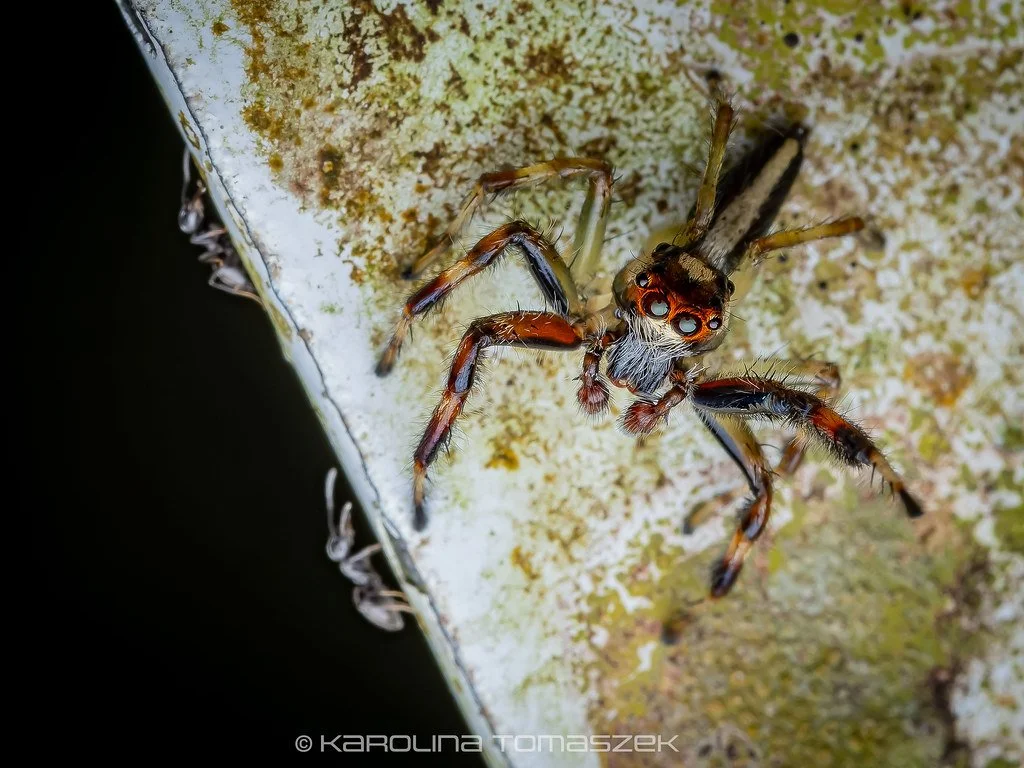
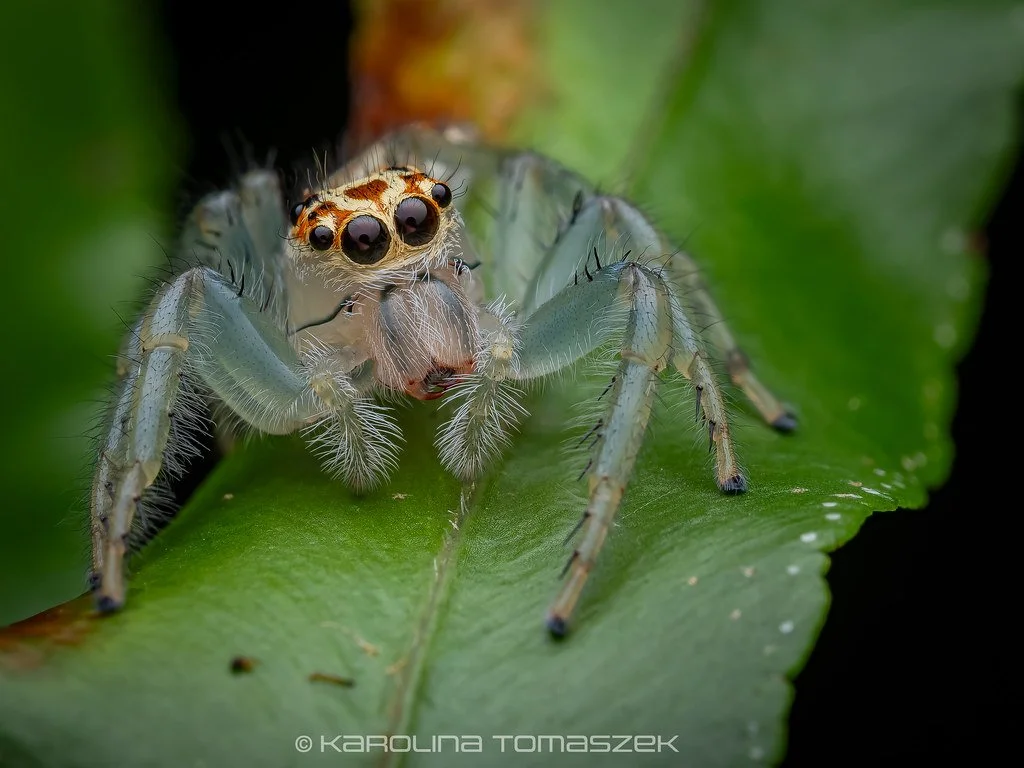
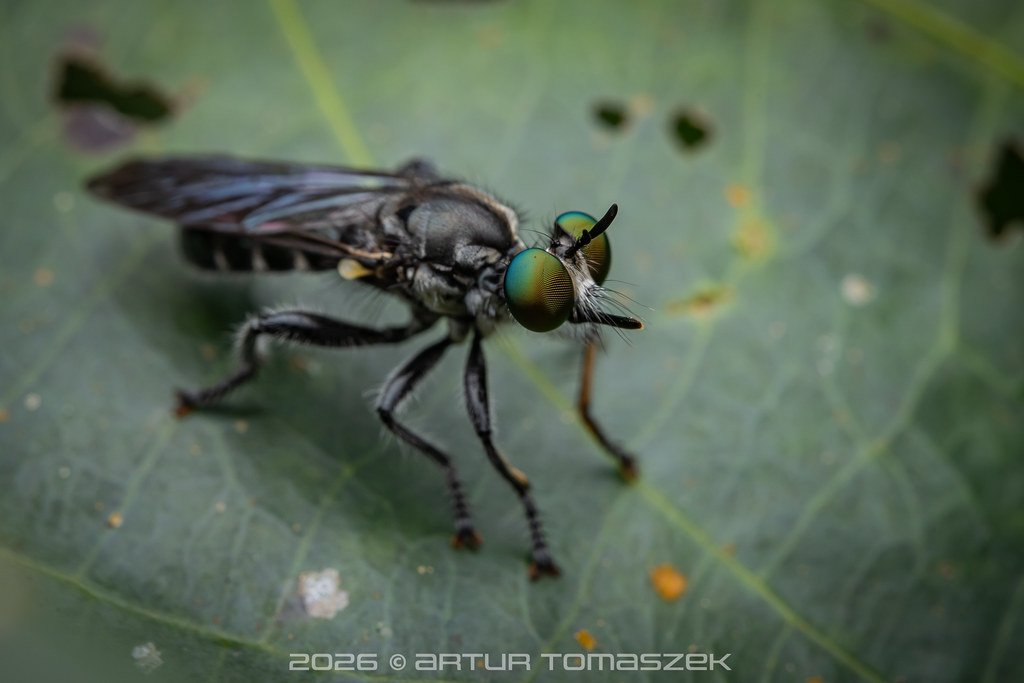
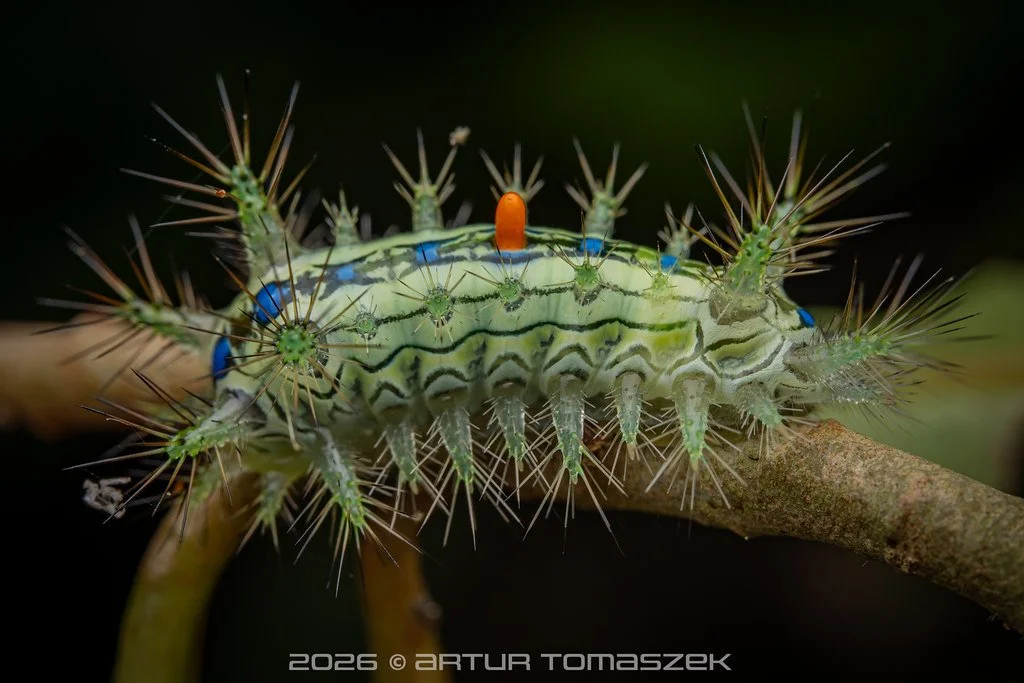
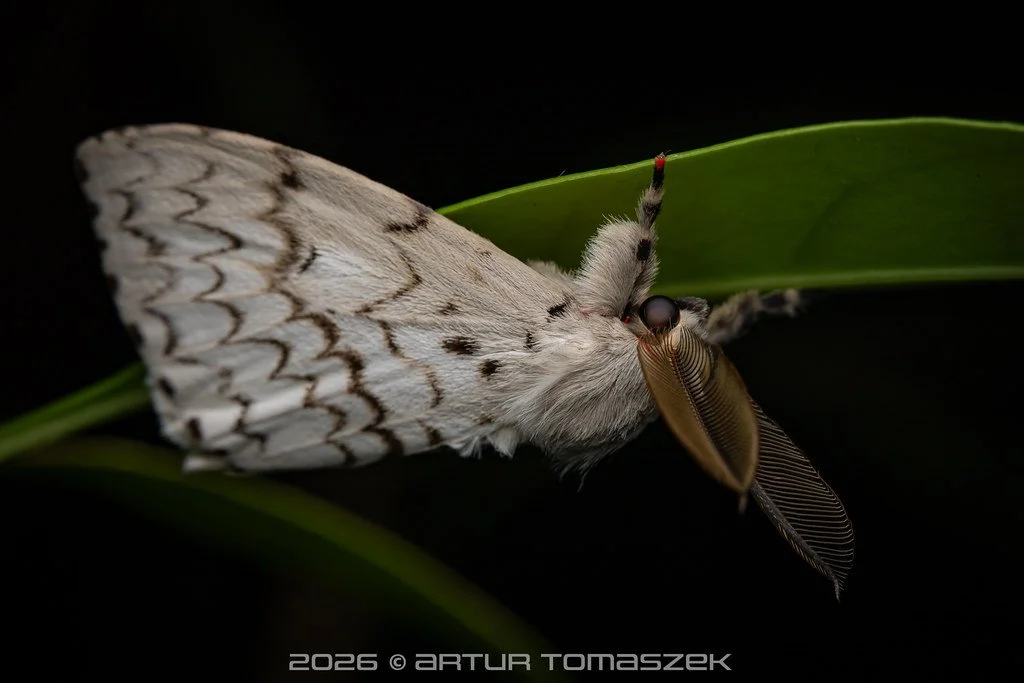
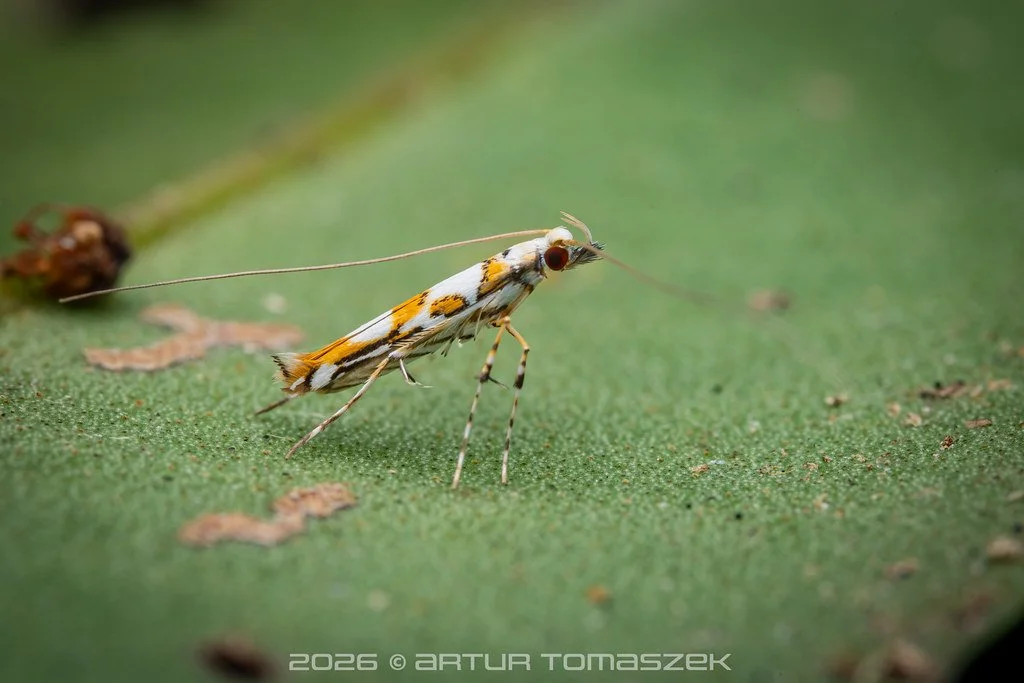
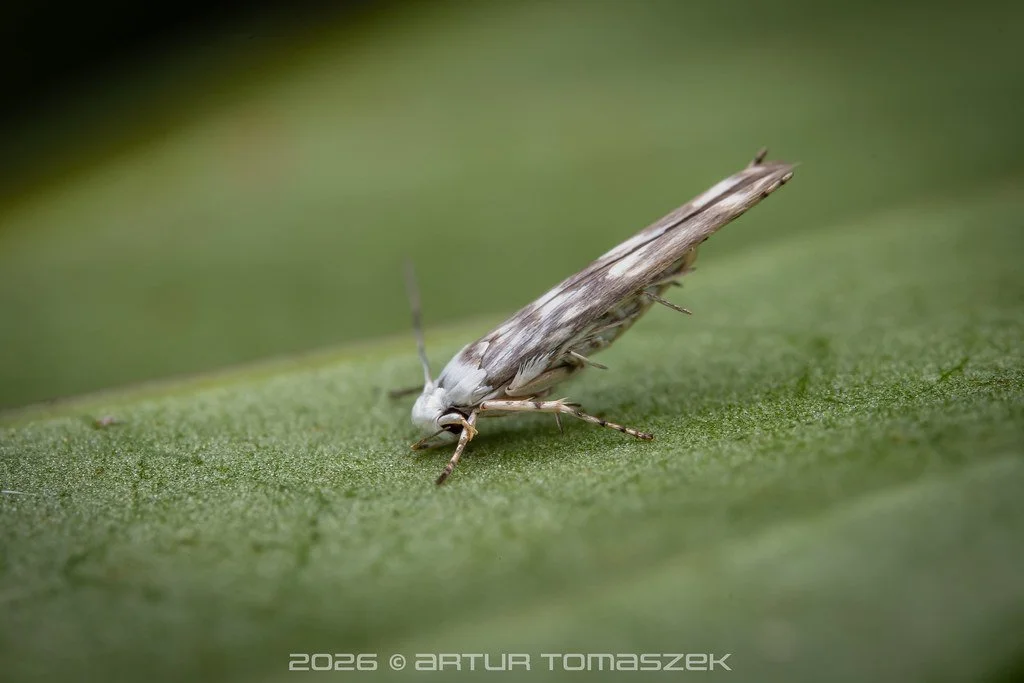
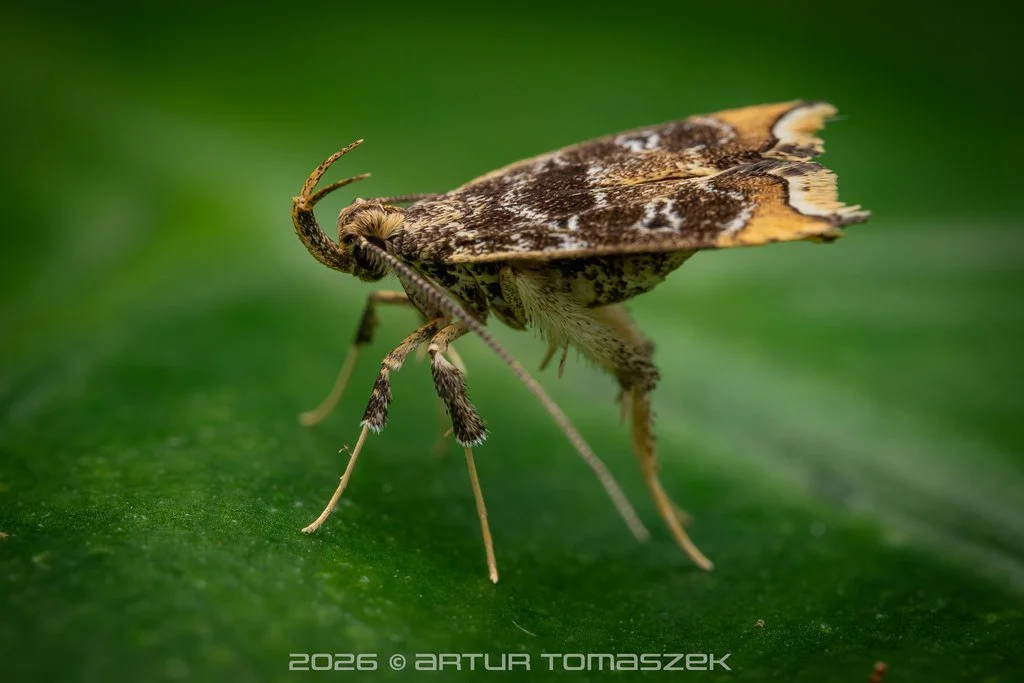
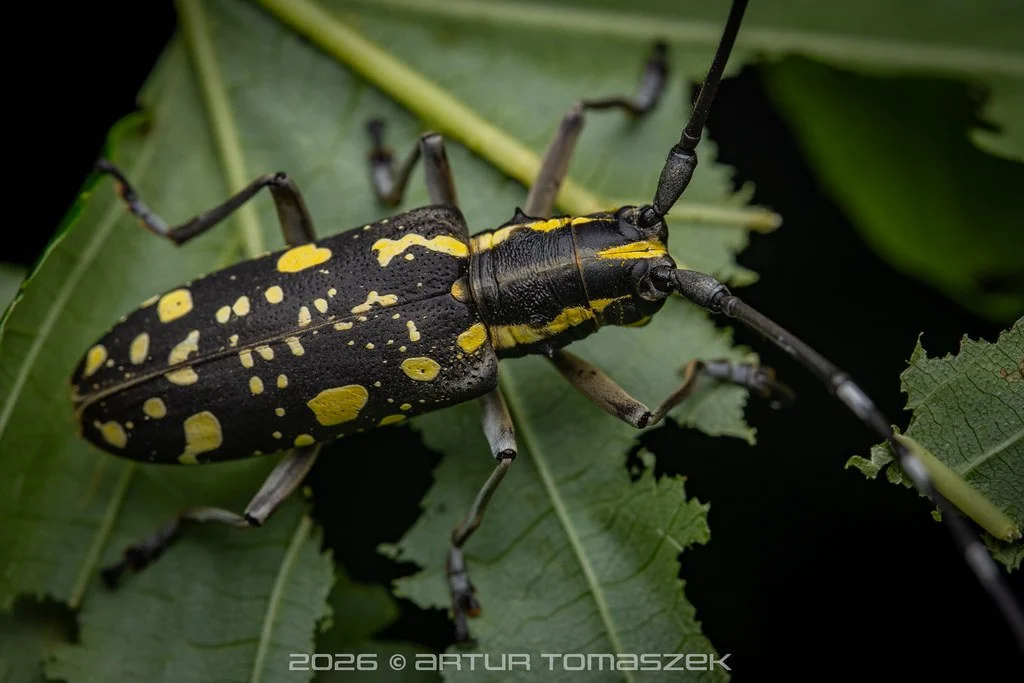
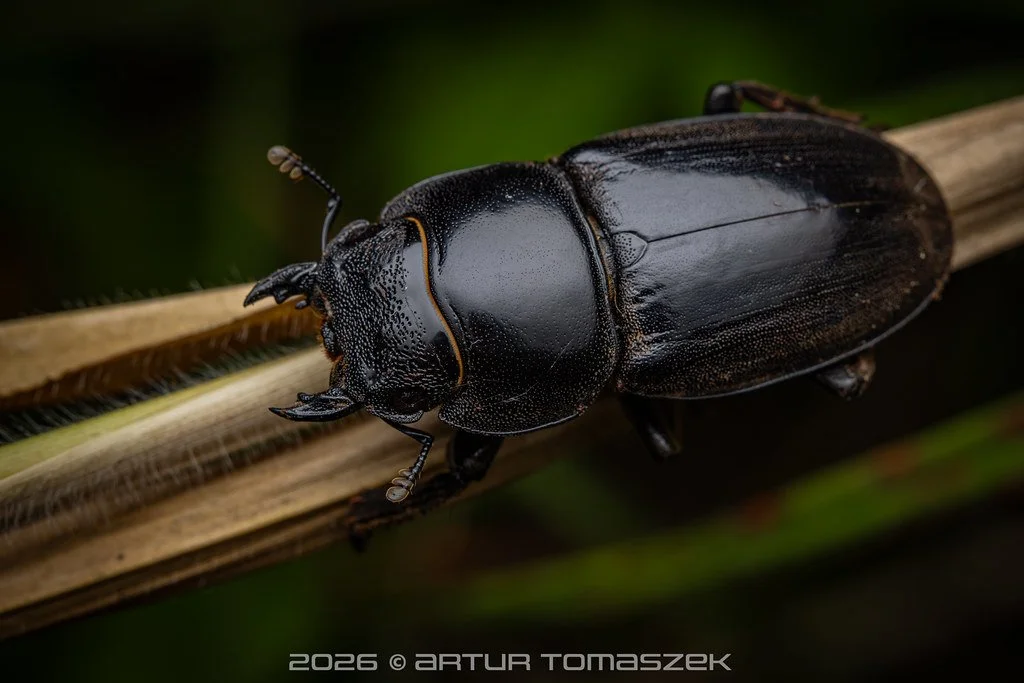
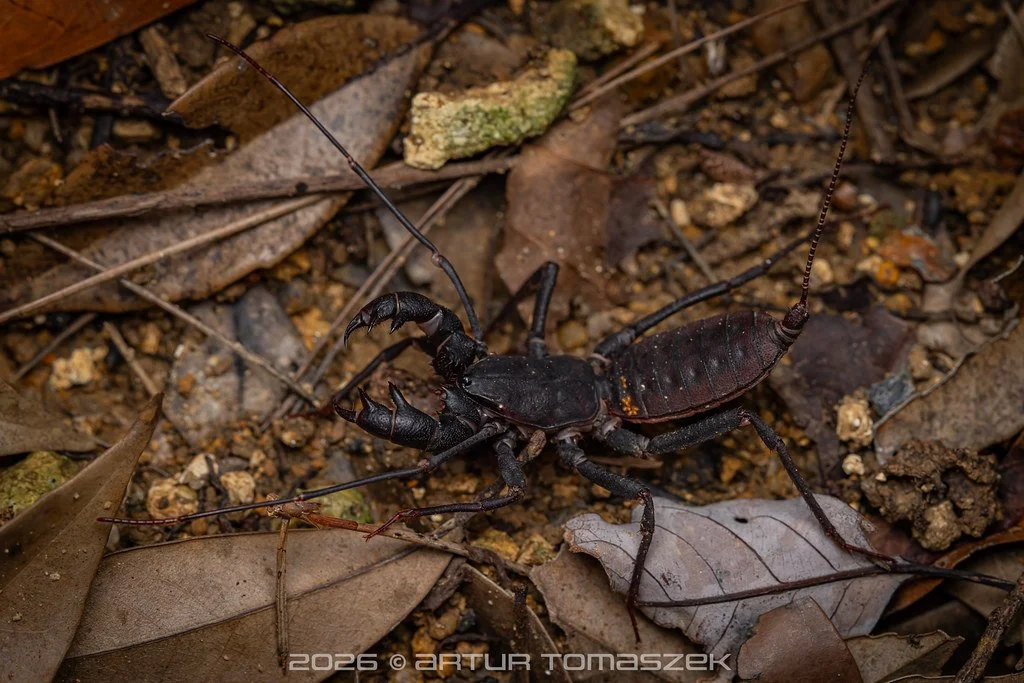
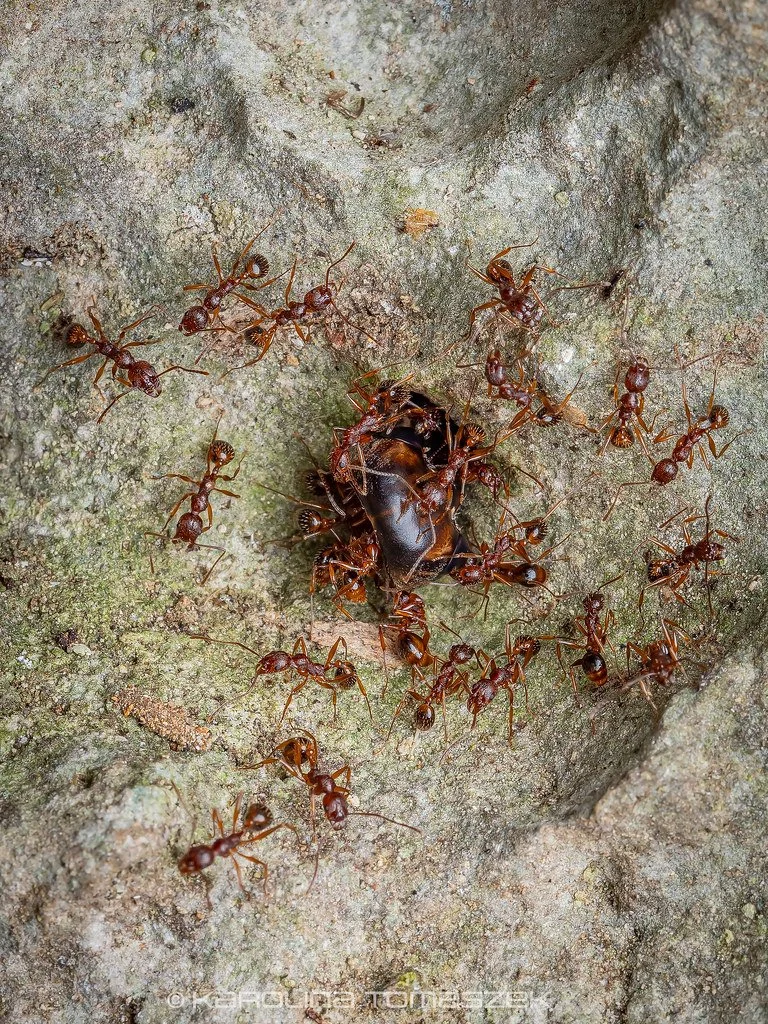
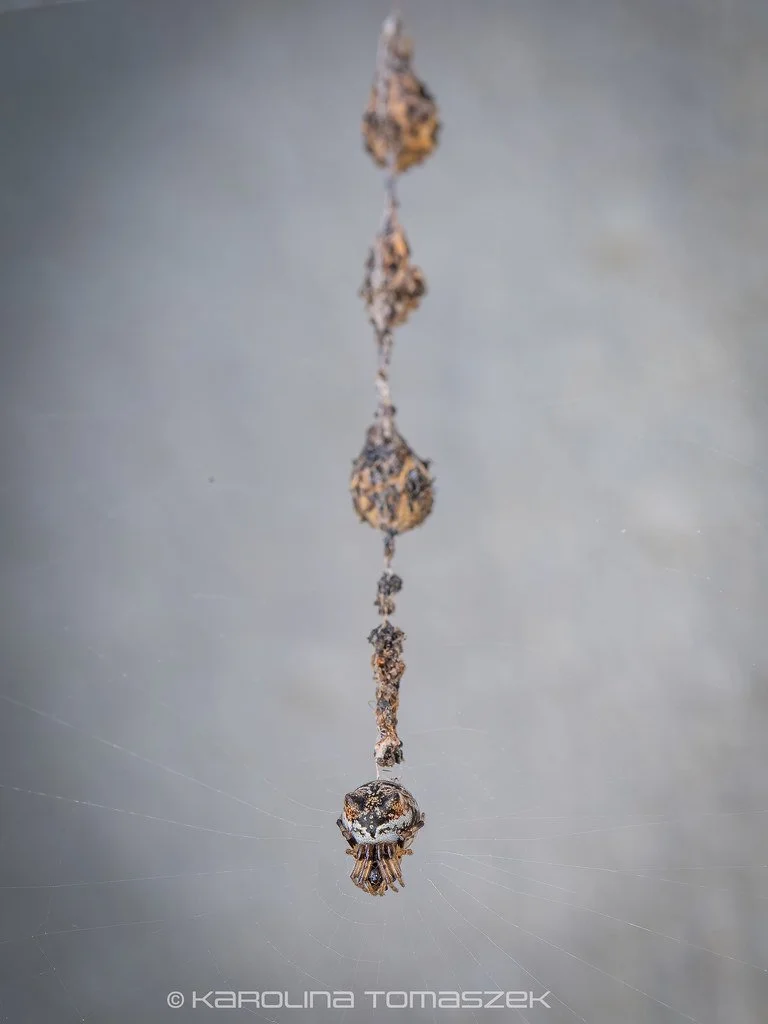
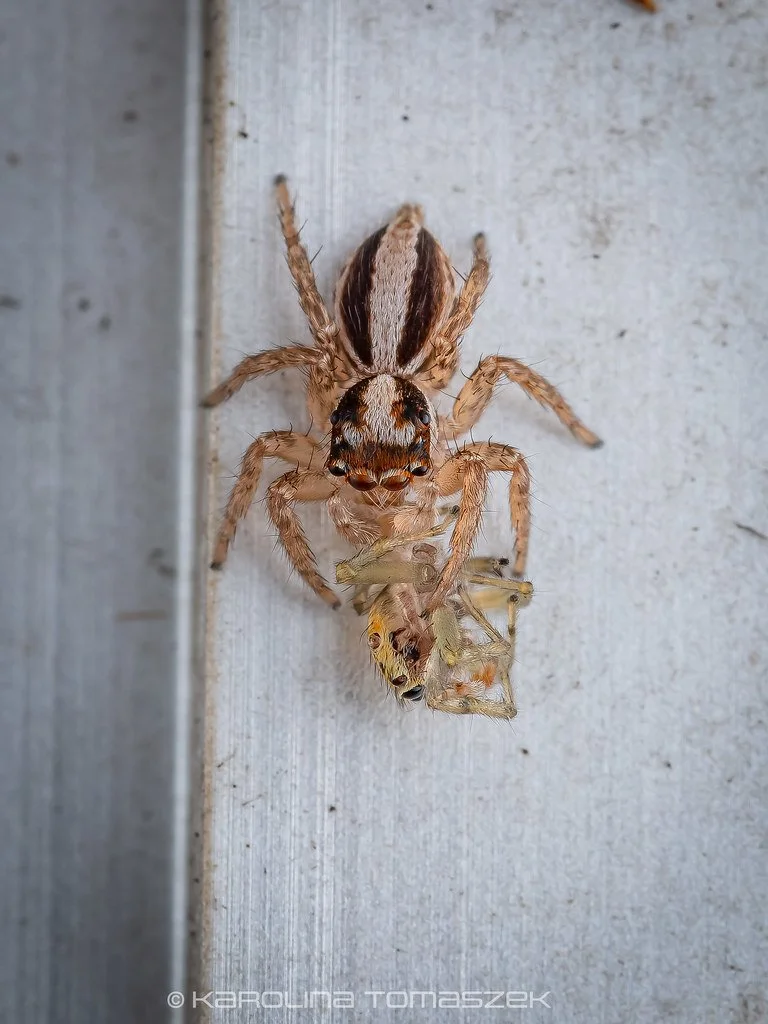
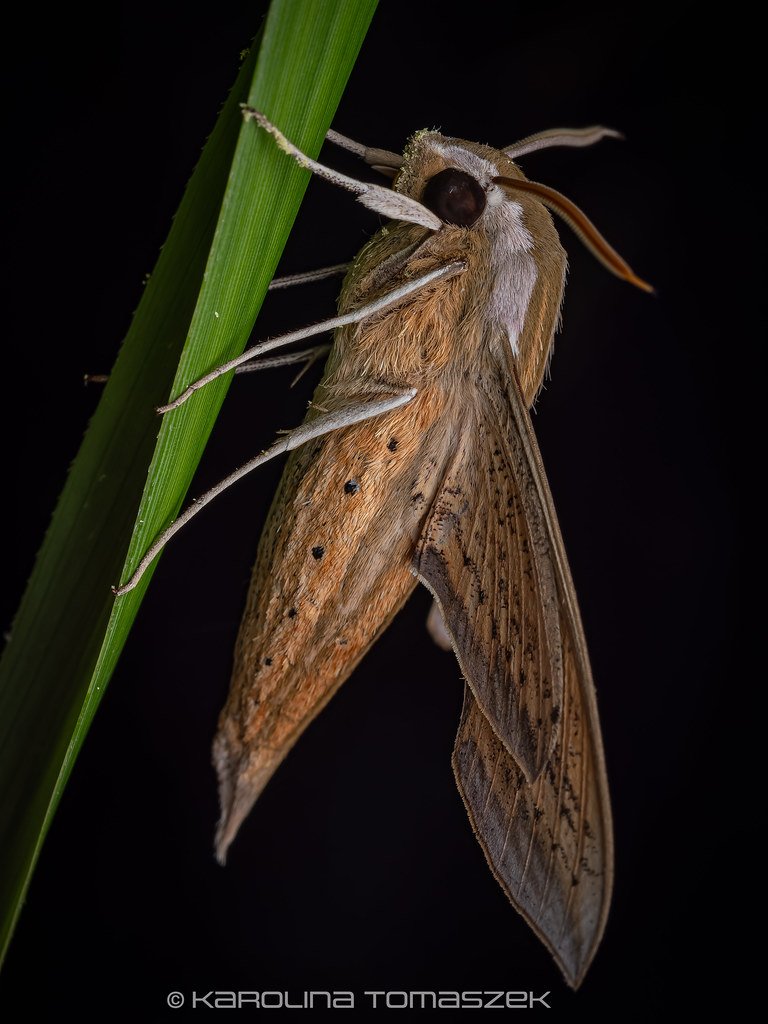
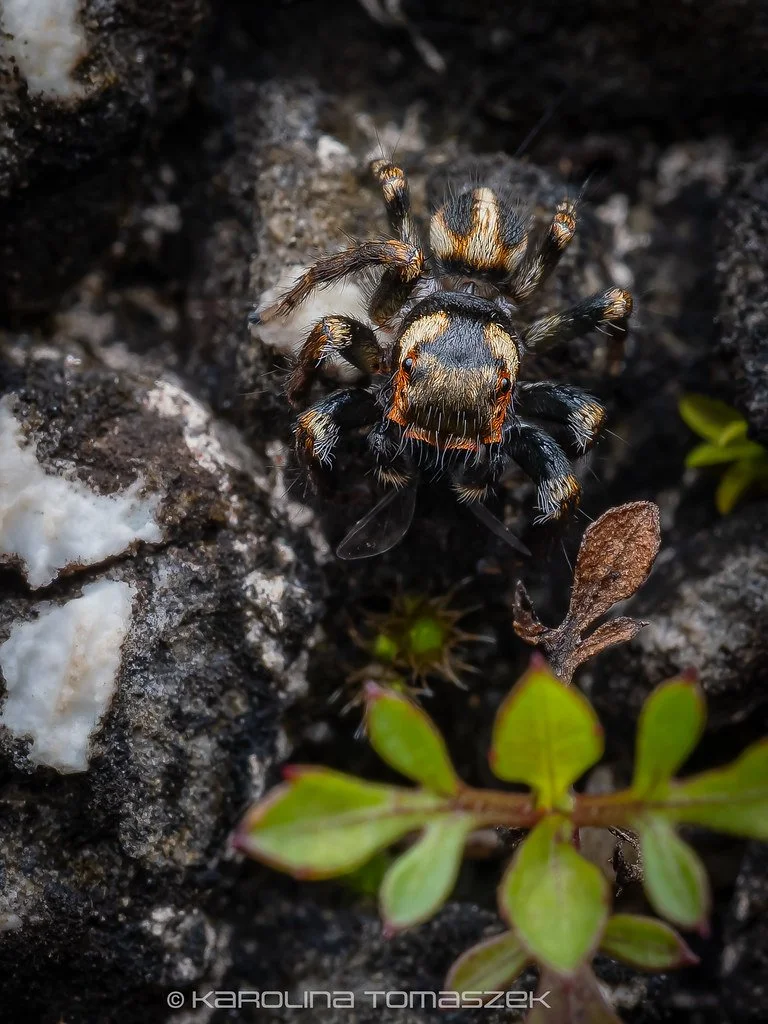
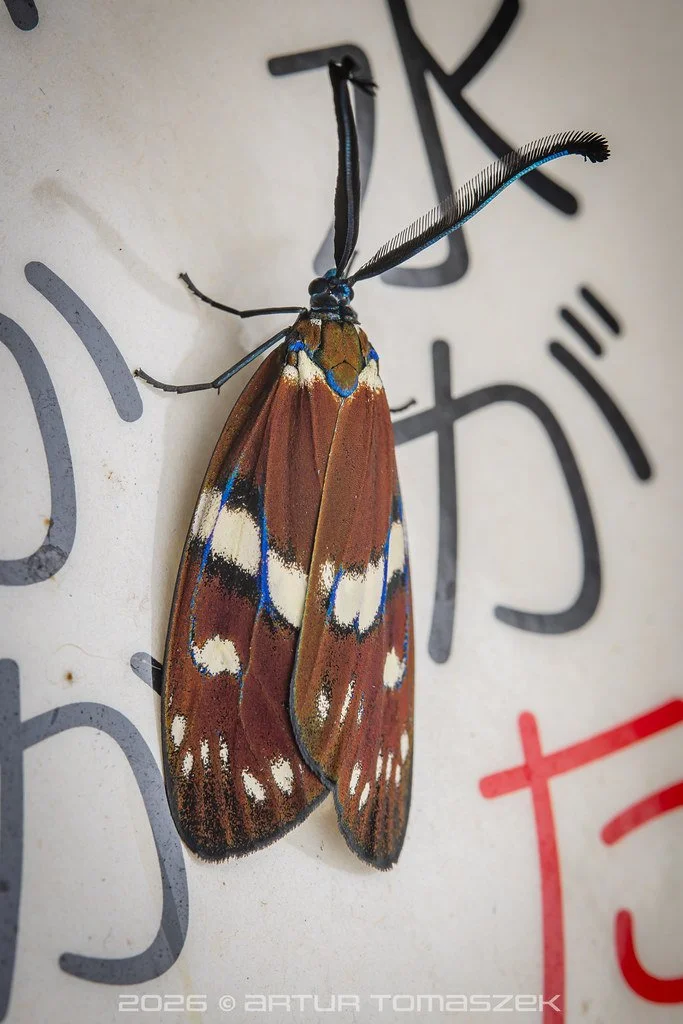
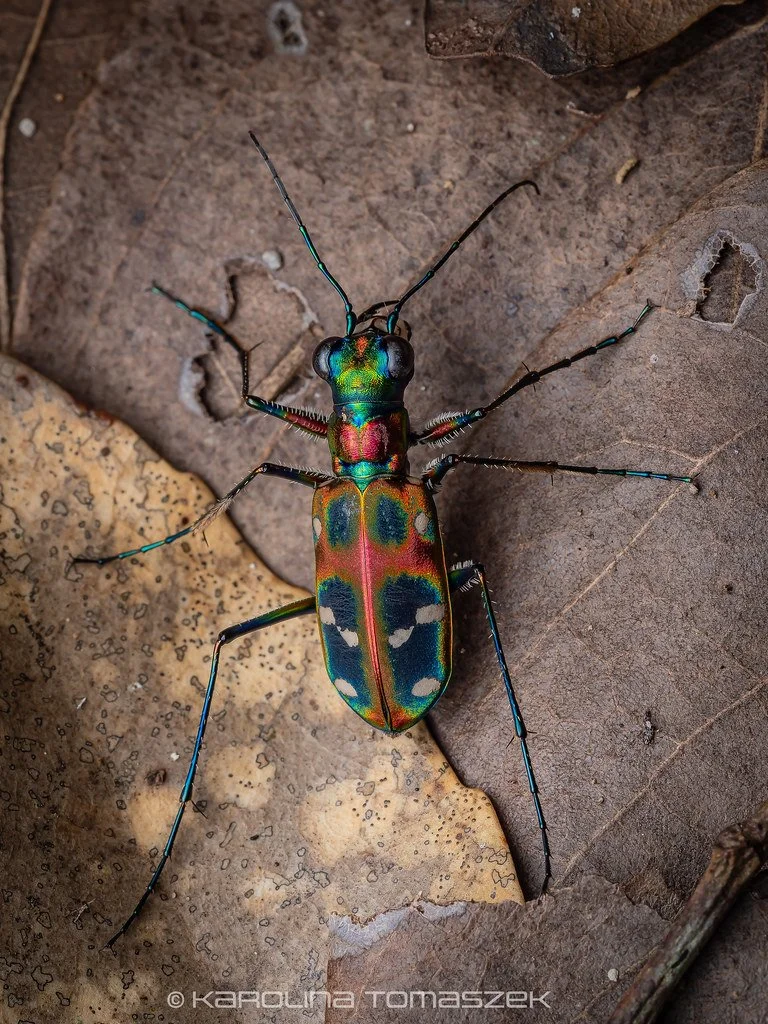
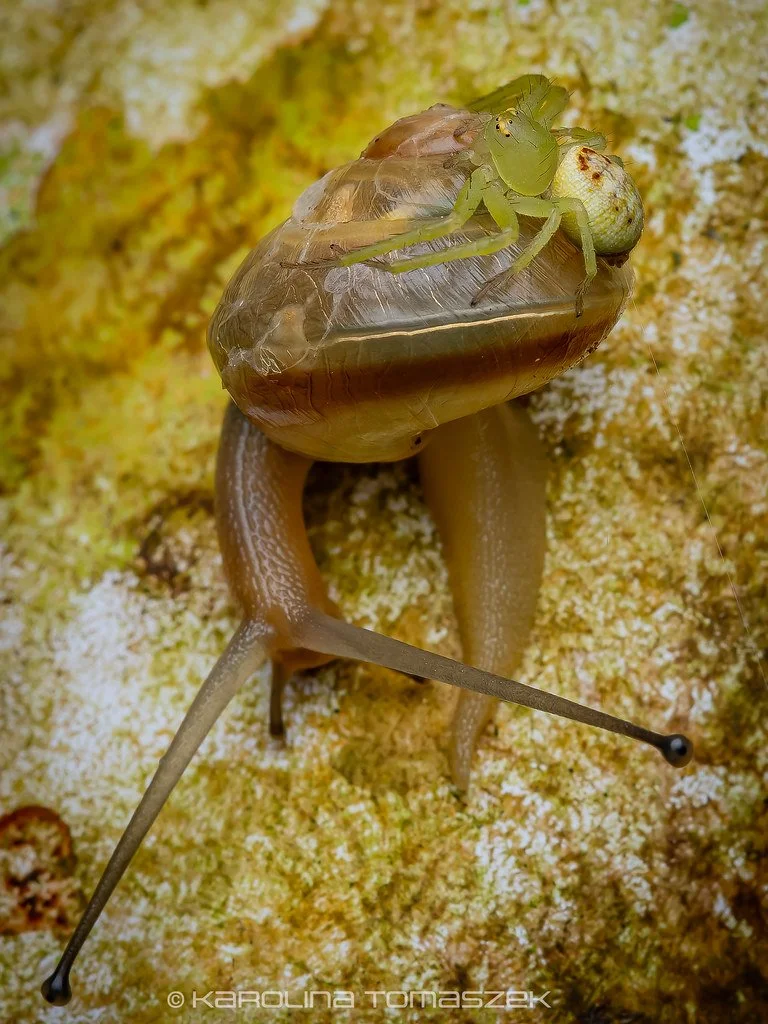
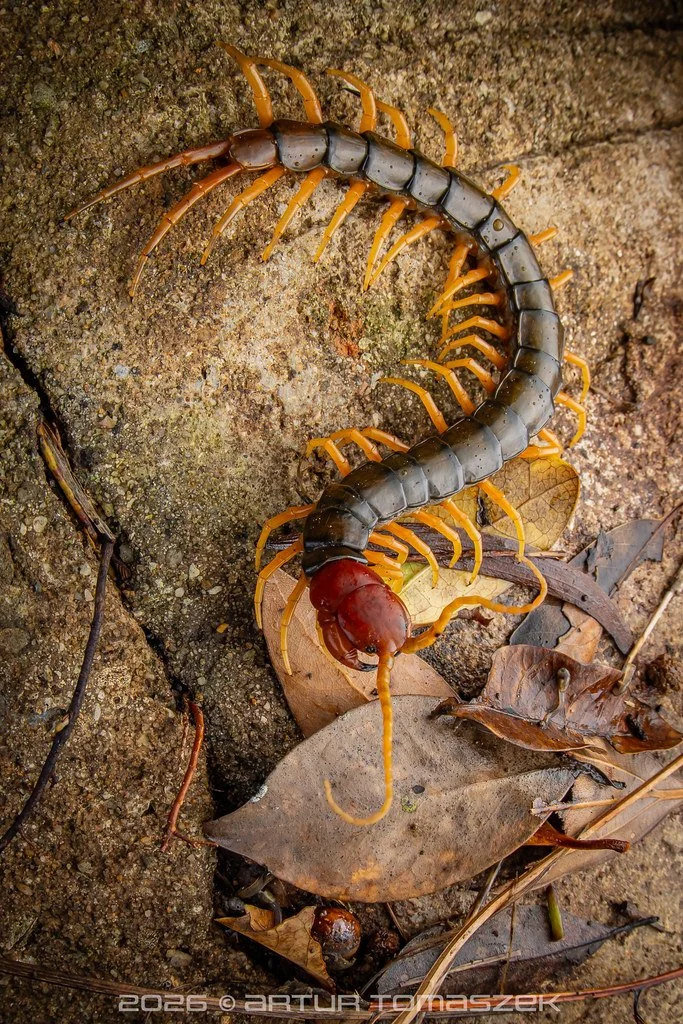
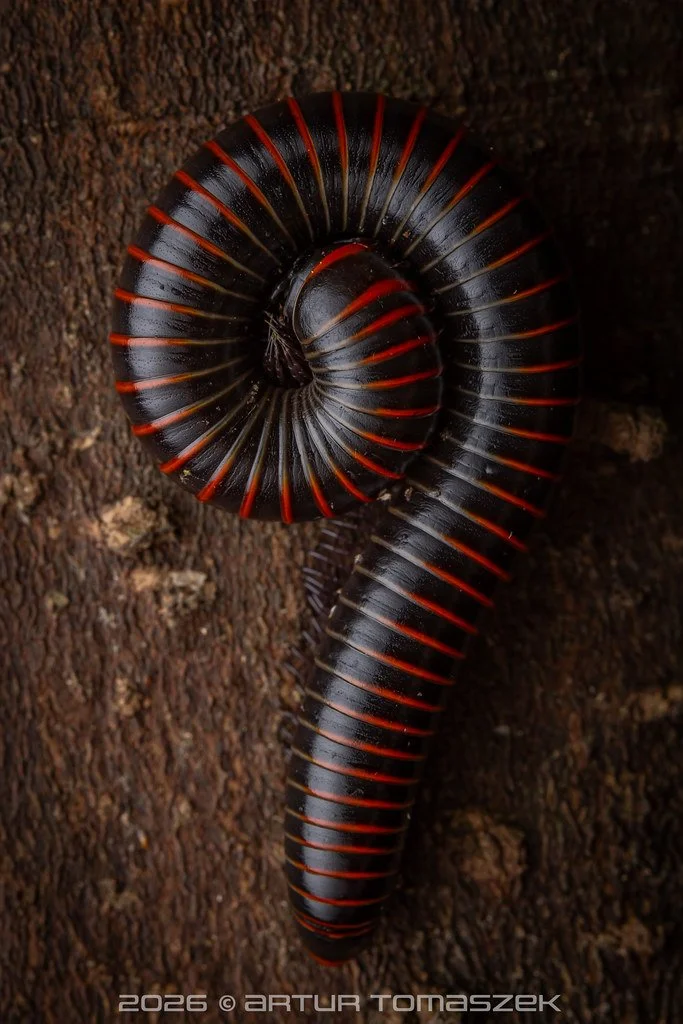
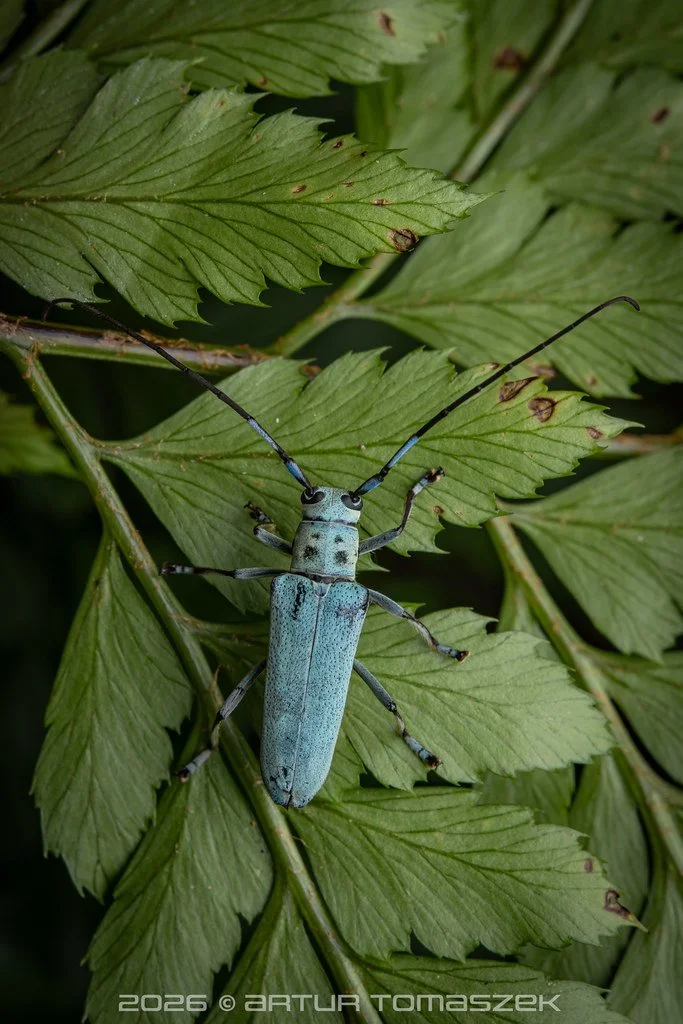
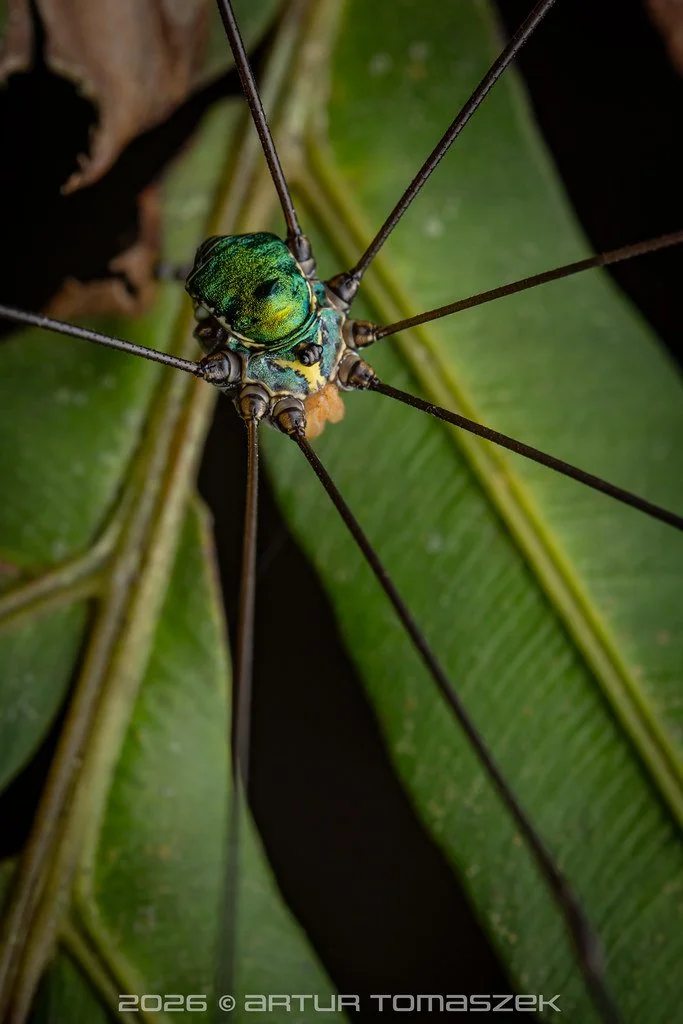
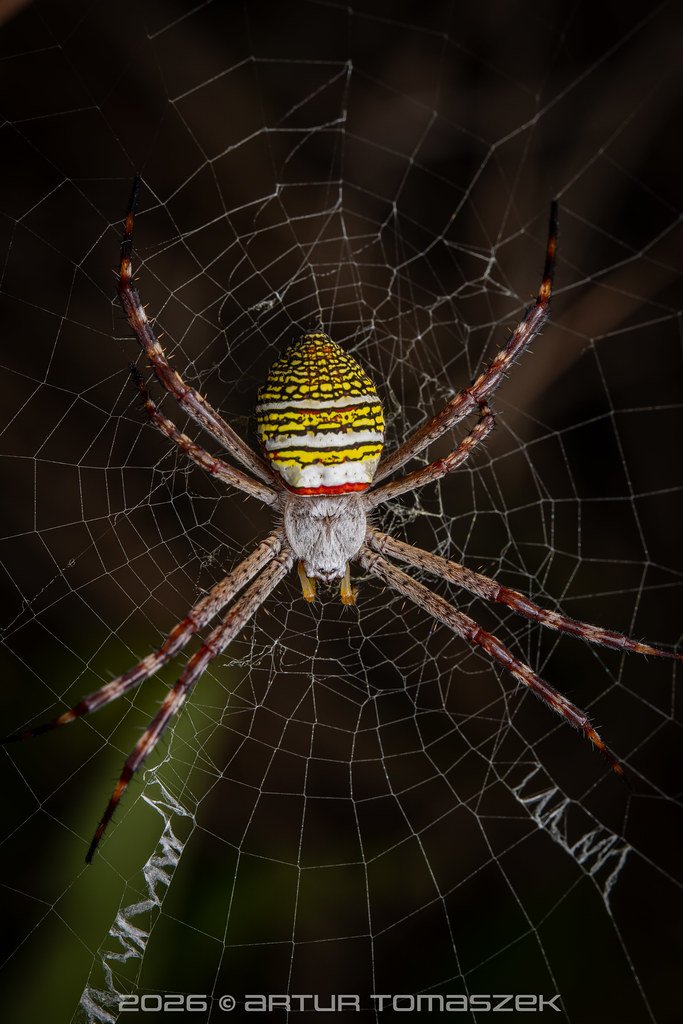
While the boys were frantically running after herps, Karolina spent most of her time doing a bug scavenger hunt in the bushes, sometimes calling Artur over to photograph a more demanding or smaller model. Below is a small collection of inverts photographed on different Japanese islands we visited.
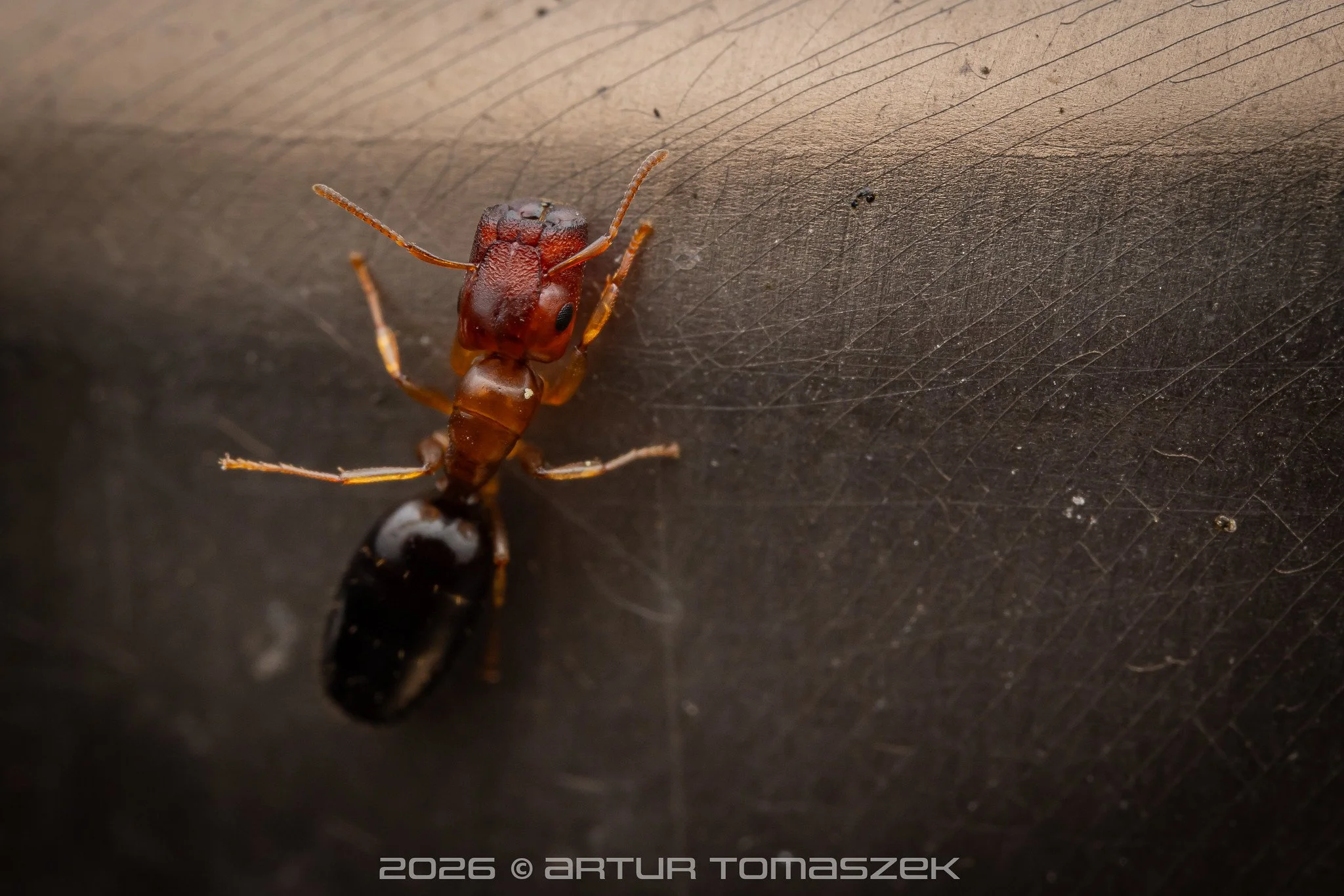
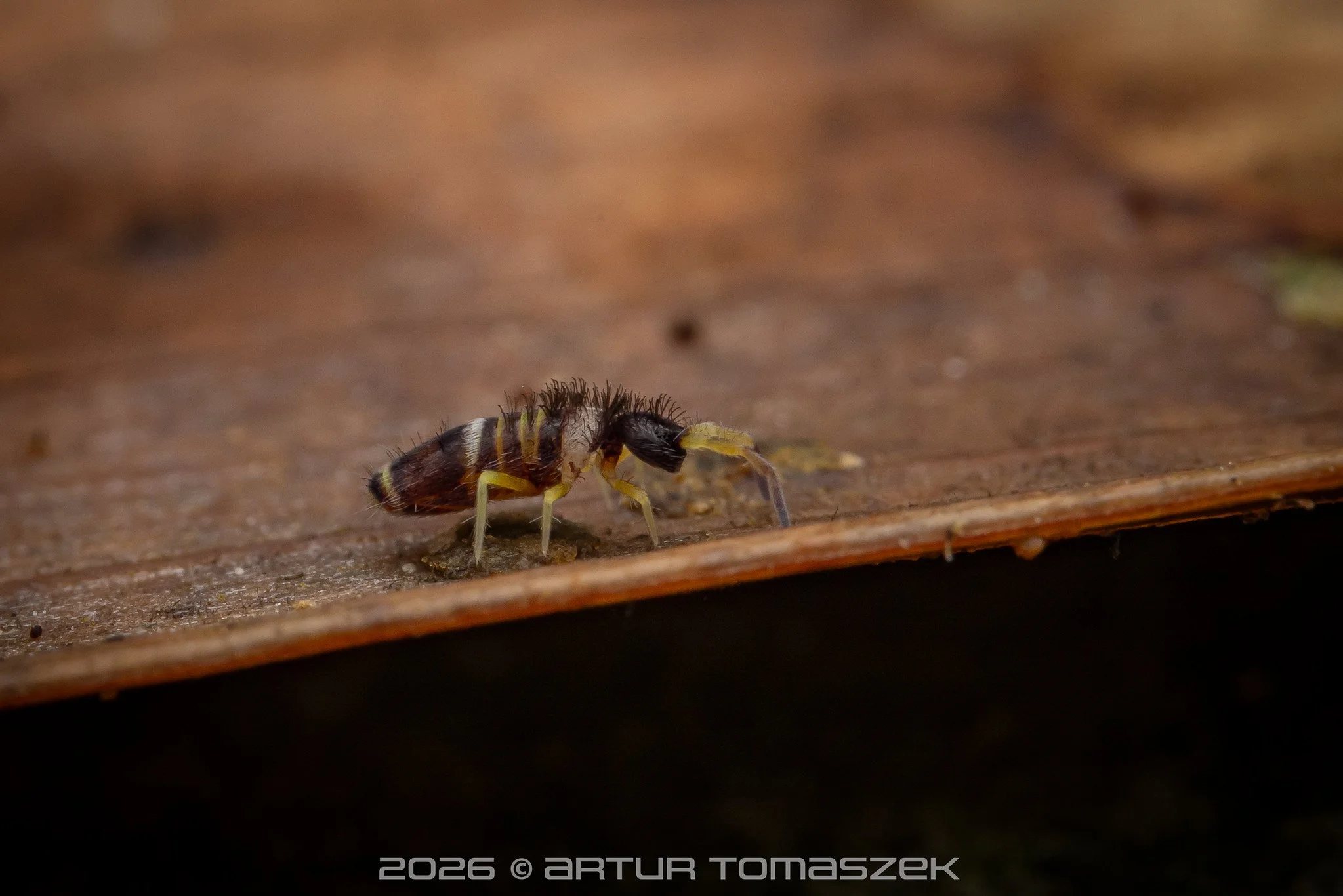
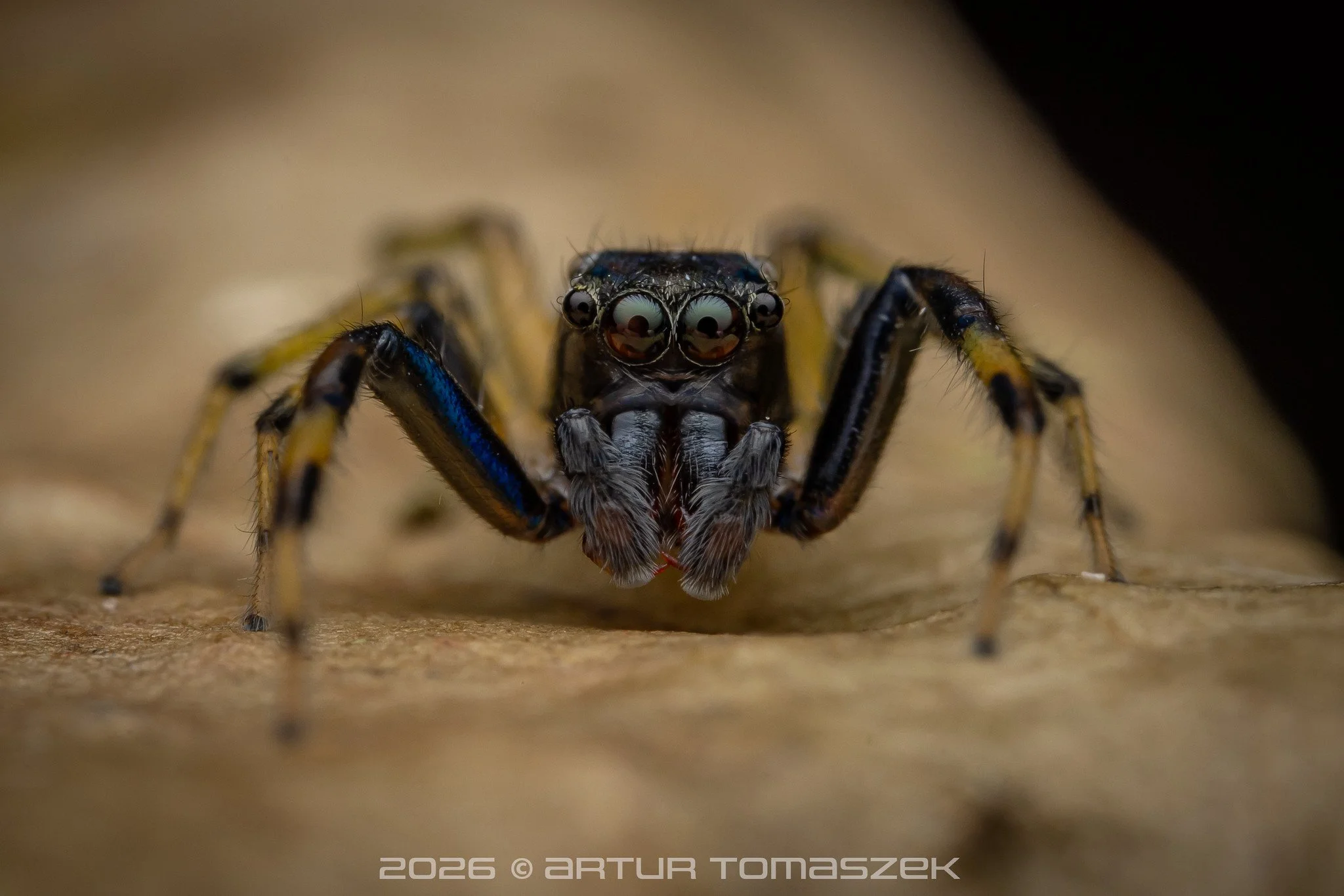
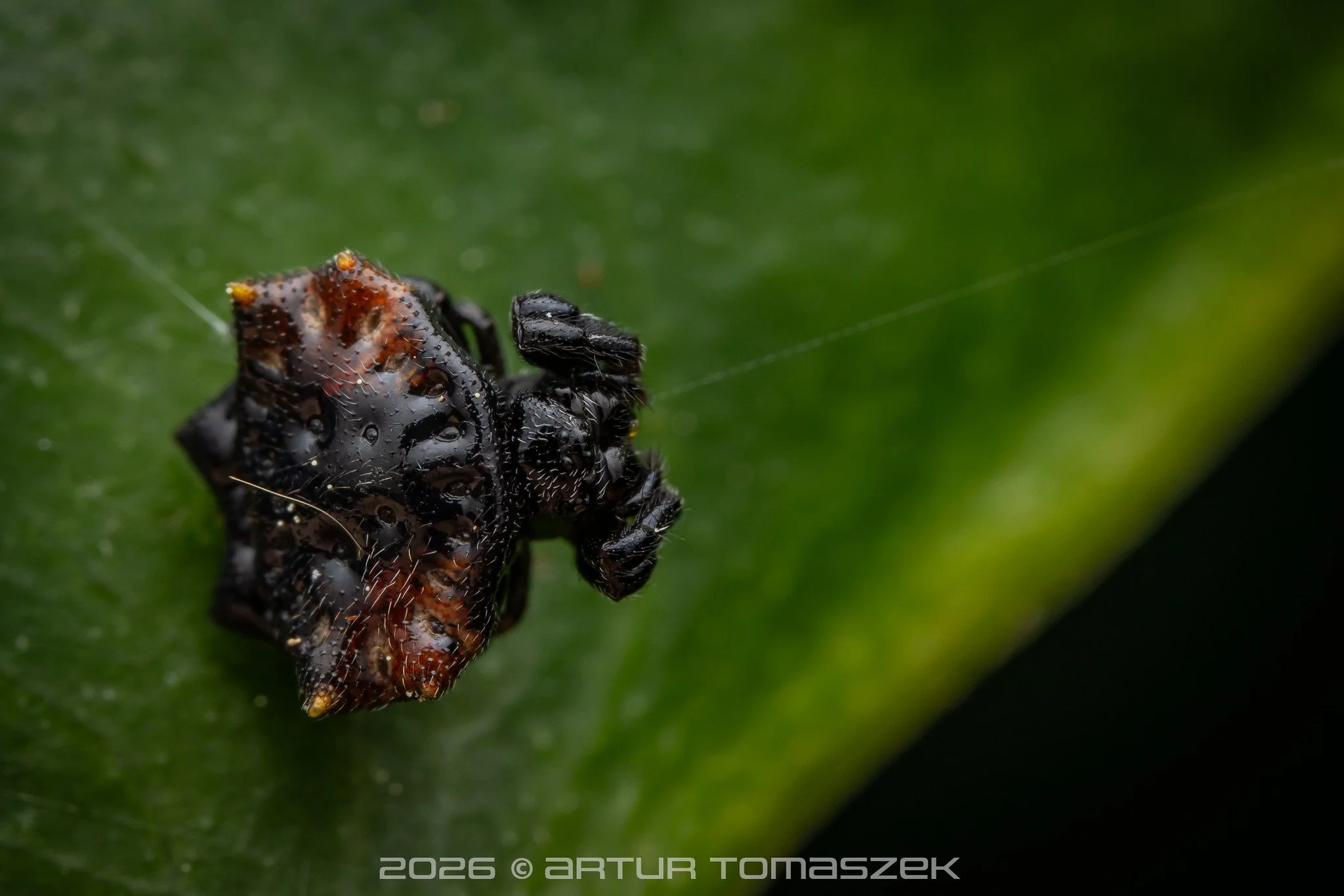
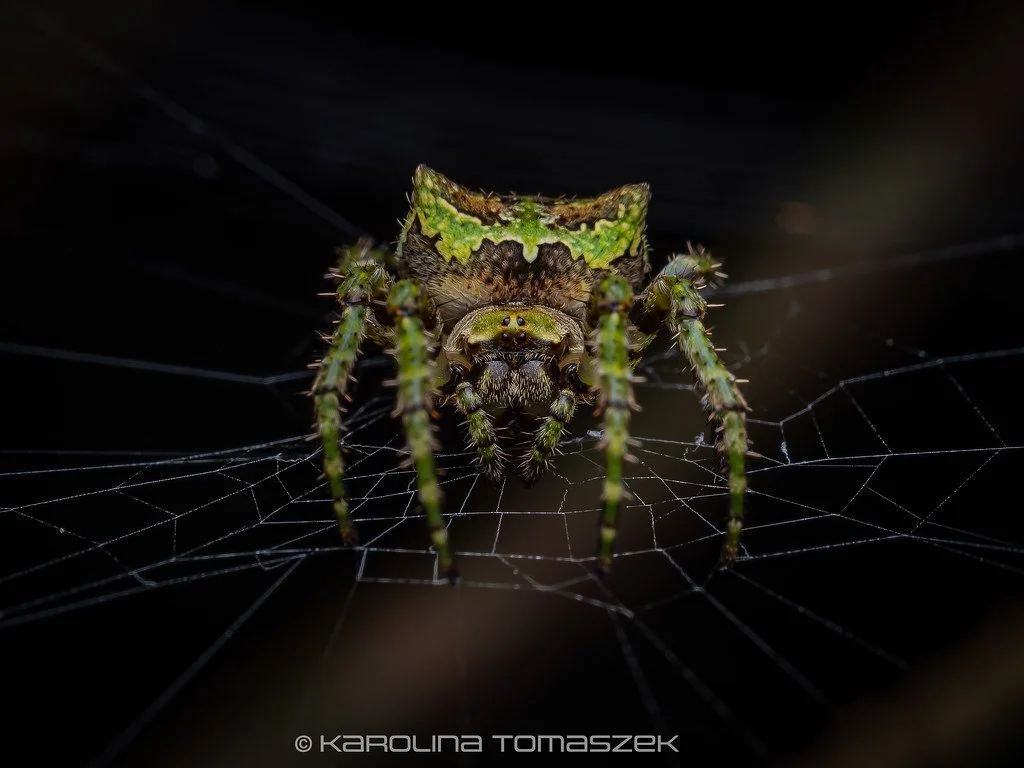
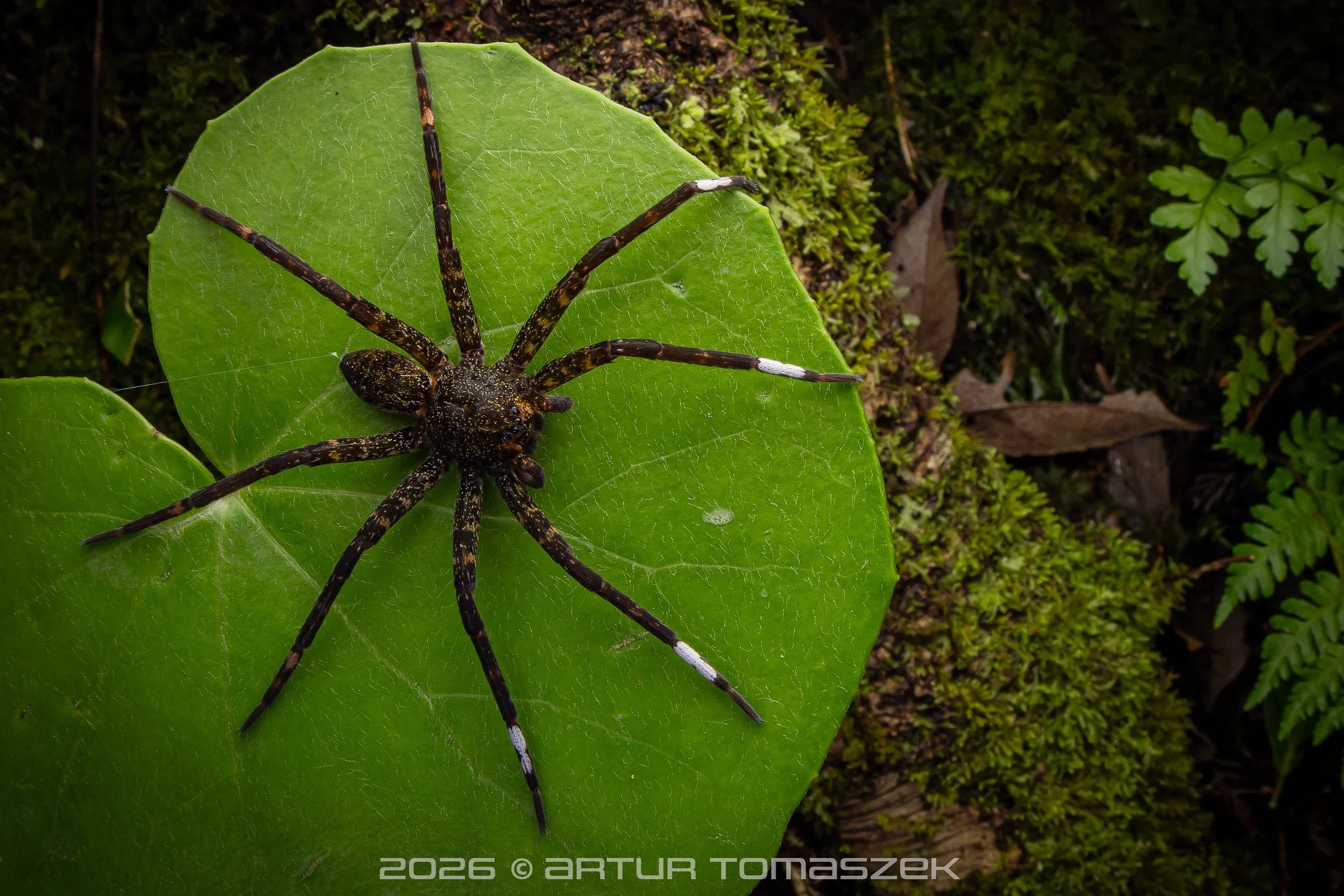
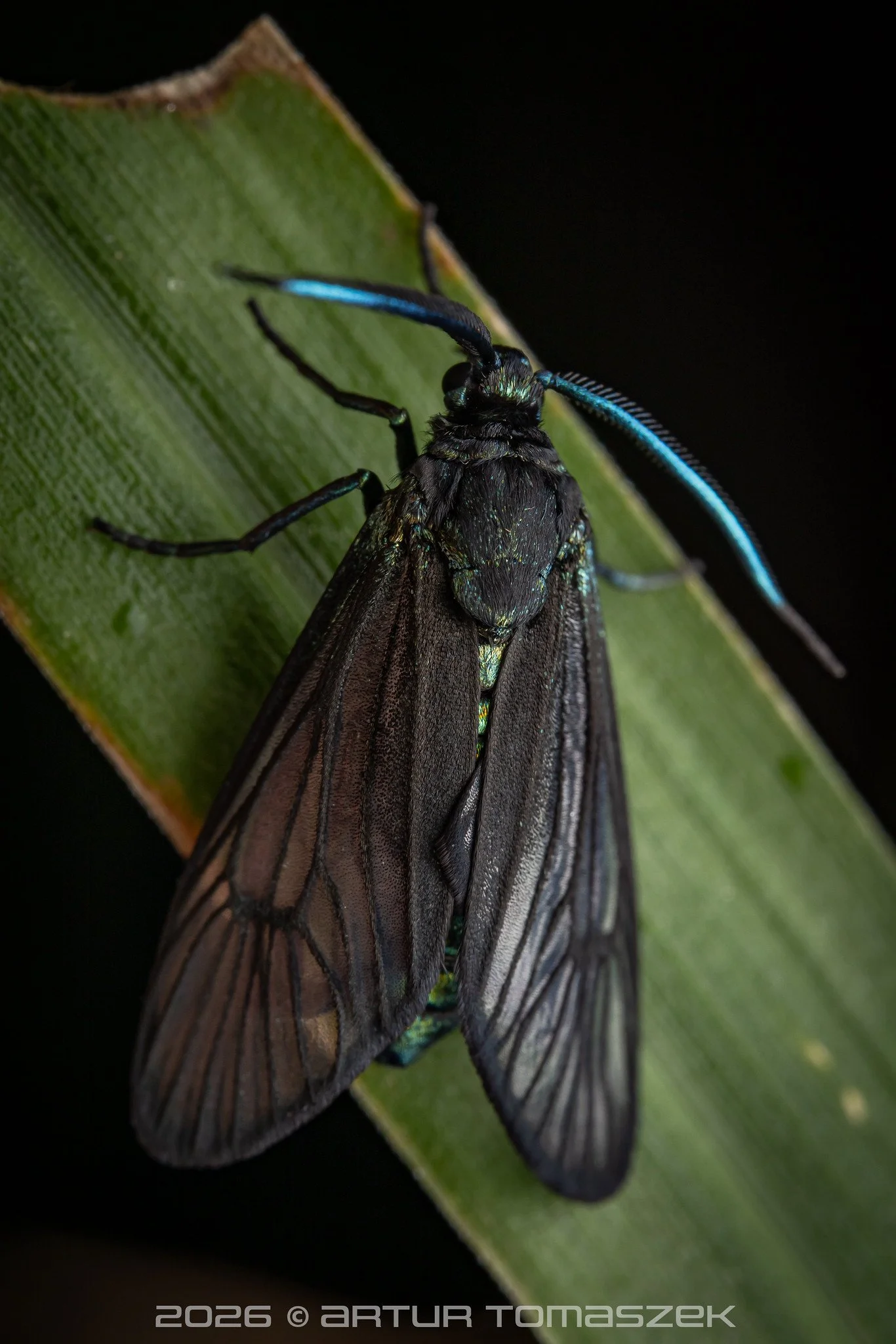

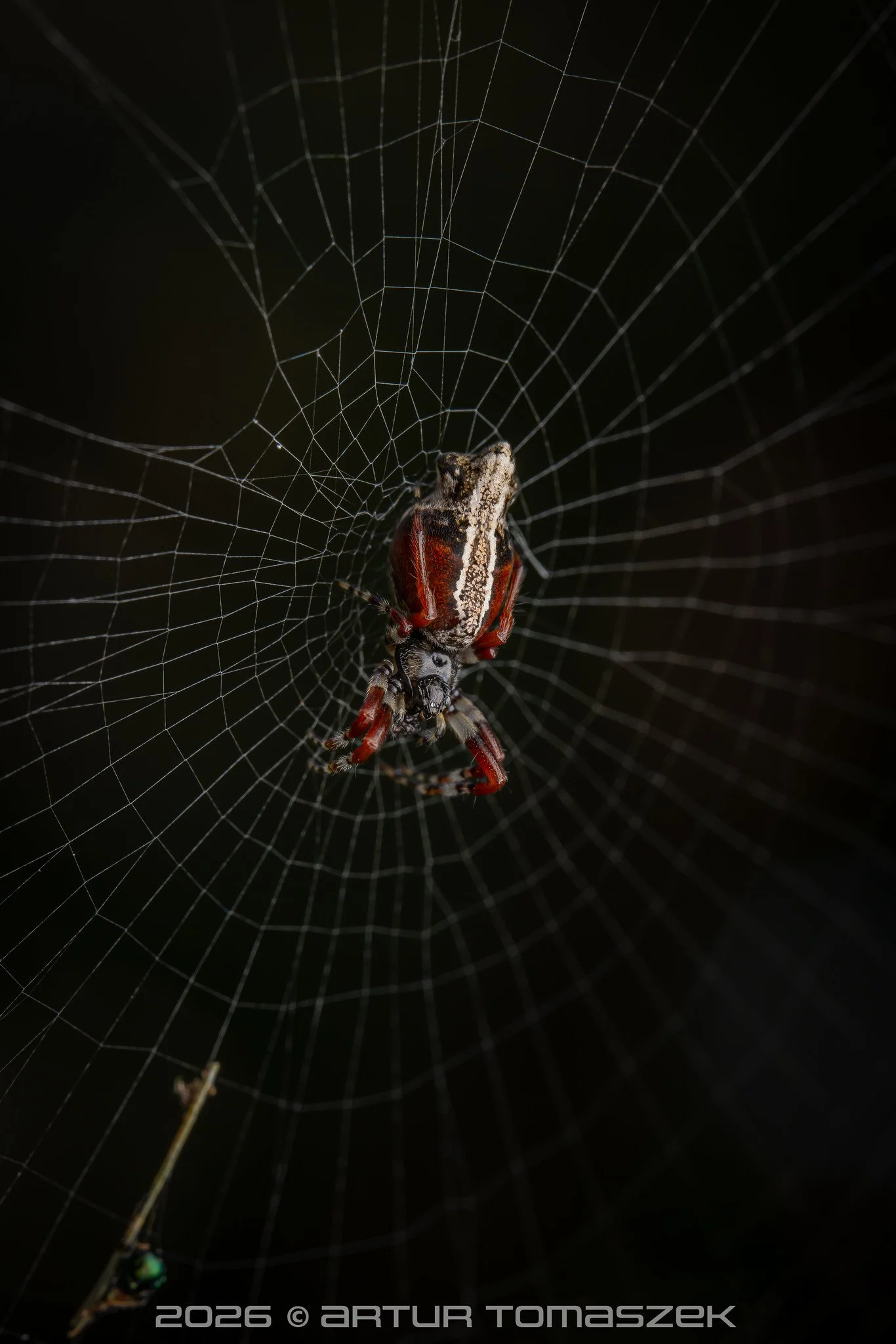

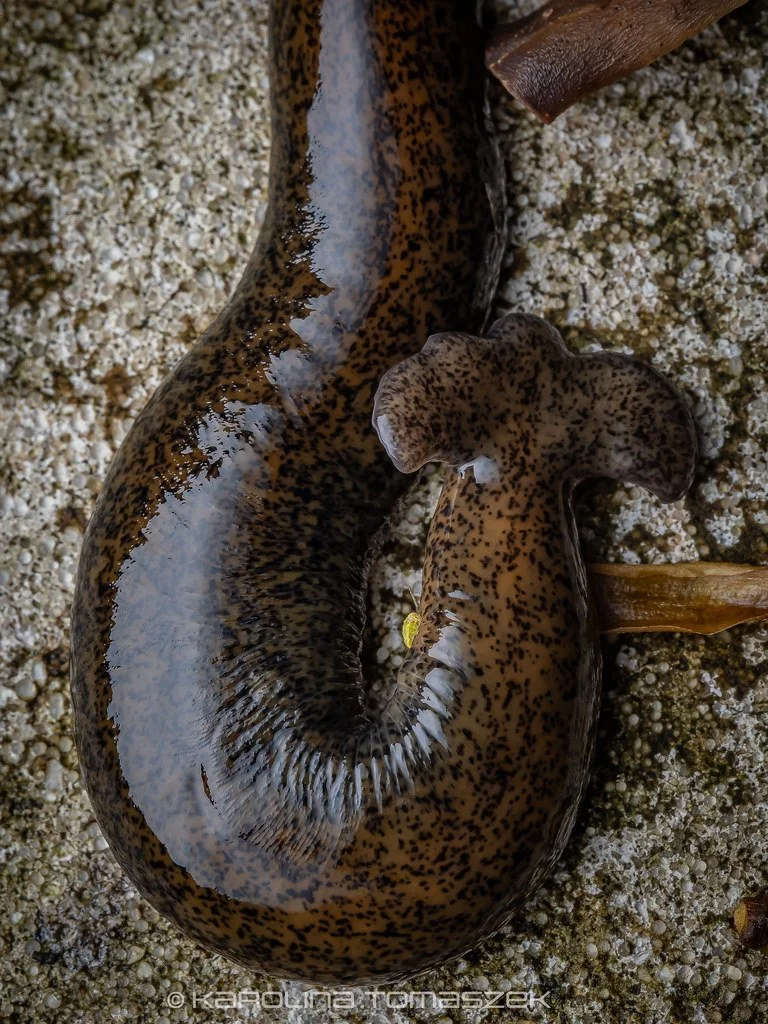
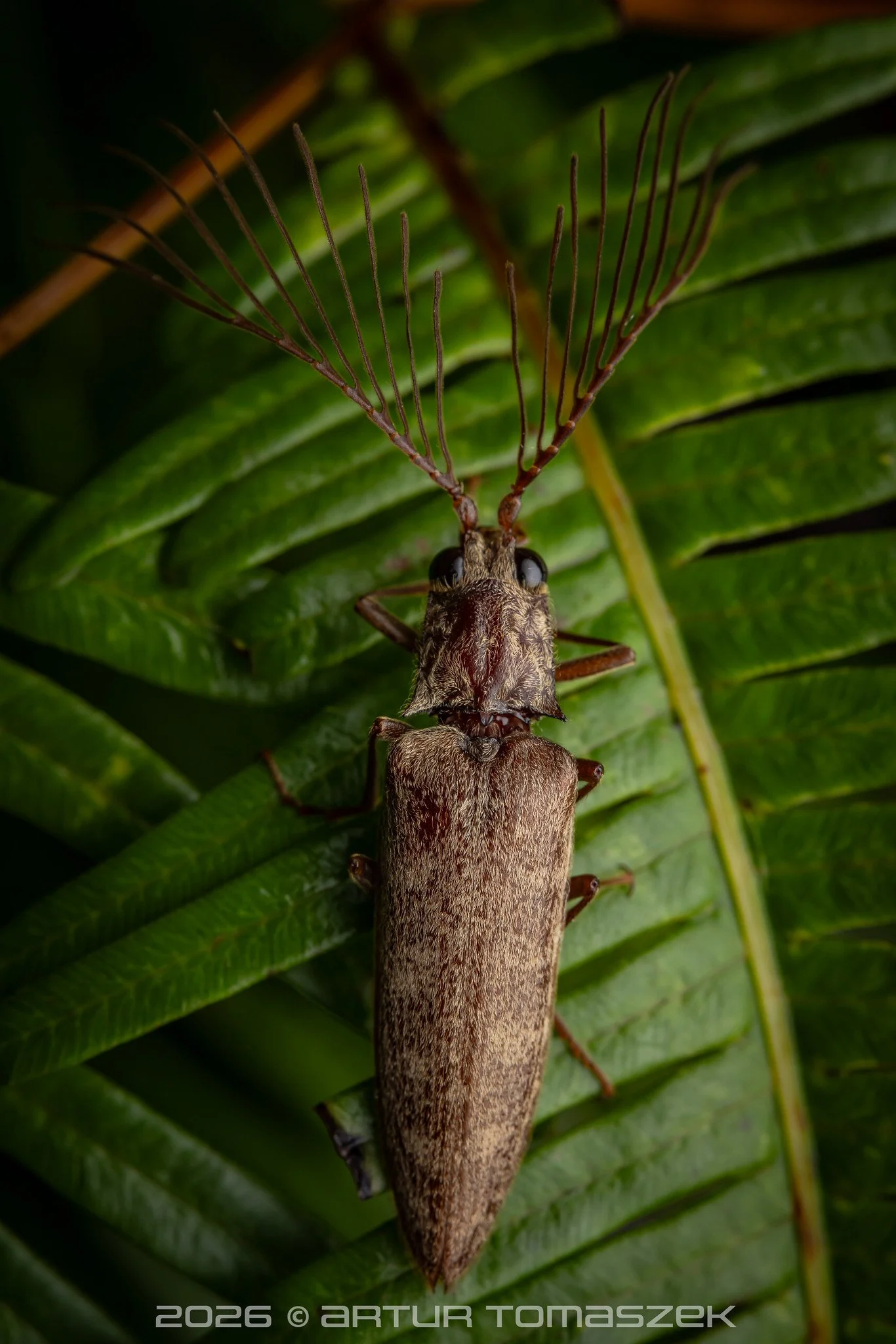

さようなら、またね!
Our original plan got completely reorganised, we got stuck on a remote island, rented a private speedboat, herped in heavy rain, froze on supposedly tropical islands, slept very little and spent a lot of time wet and tired. But we also found dream species, saw more Tokara habu in one night than we could ever imagine, completed the incredible Protobothrops in Japan wish list, met and herped with amazing people, finally saw manta rays, and added another story to a growing collection of precious memories.
The Ryukyus are the kind of place that makes you want to return before you have even left. Each island feels different, each forest has its own mood and each night can be quiet, frustrating, or suddenly become completely insane. We failed at finding some animals, but that’s good.
That means we have a reason to go back. さようなら、またね!😃
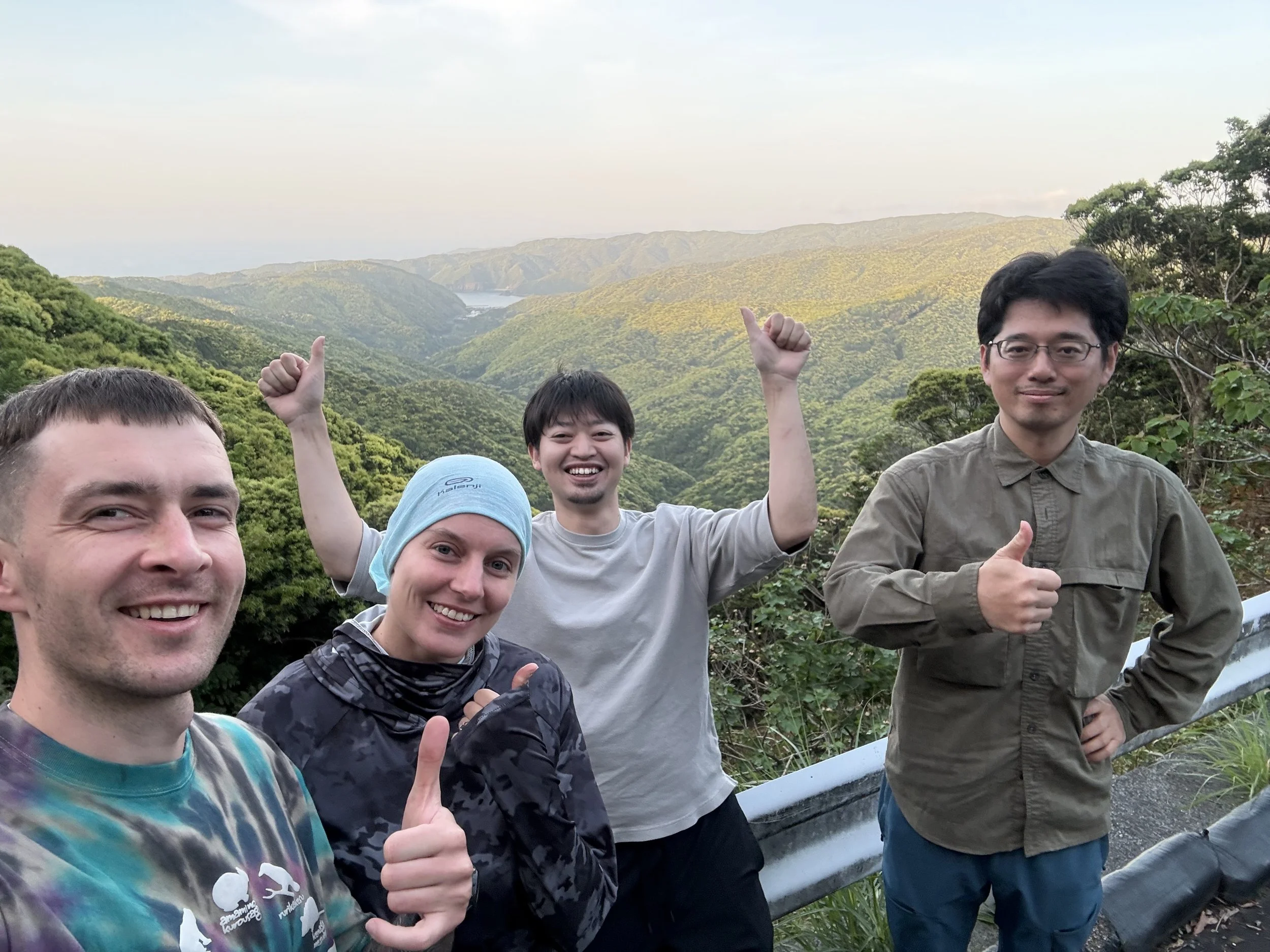
With Kohki and Yusuke, our Amami and Tokara team