Australia (Feb 2026)
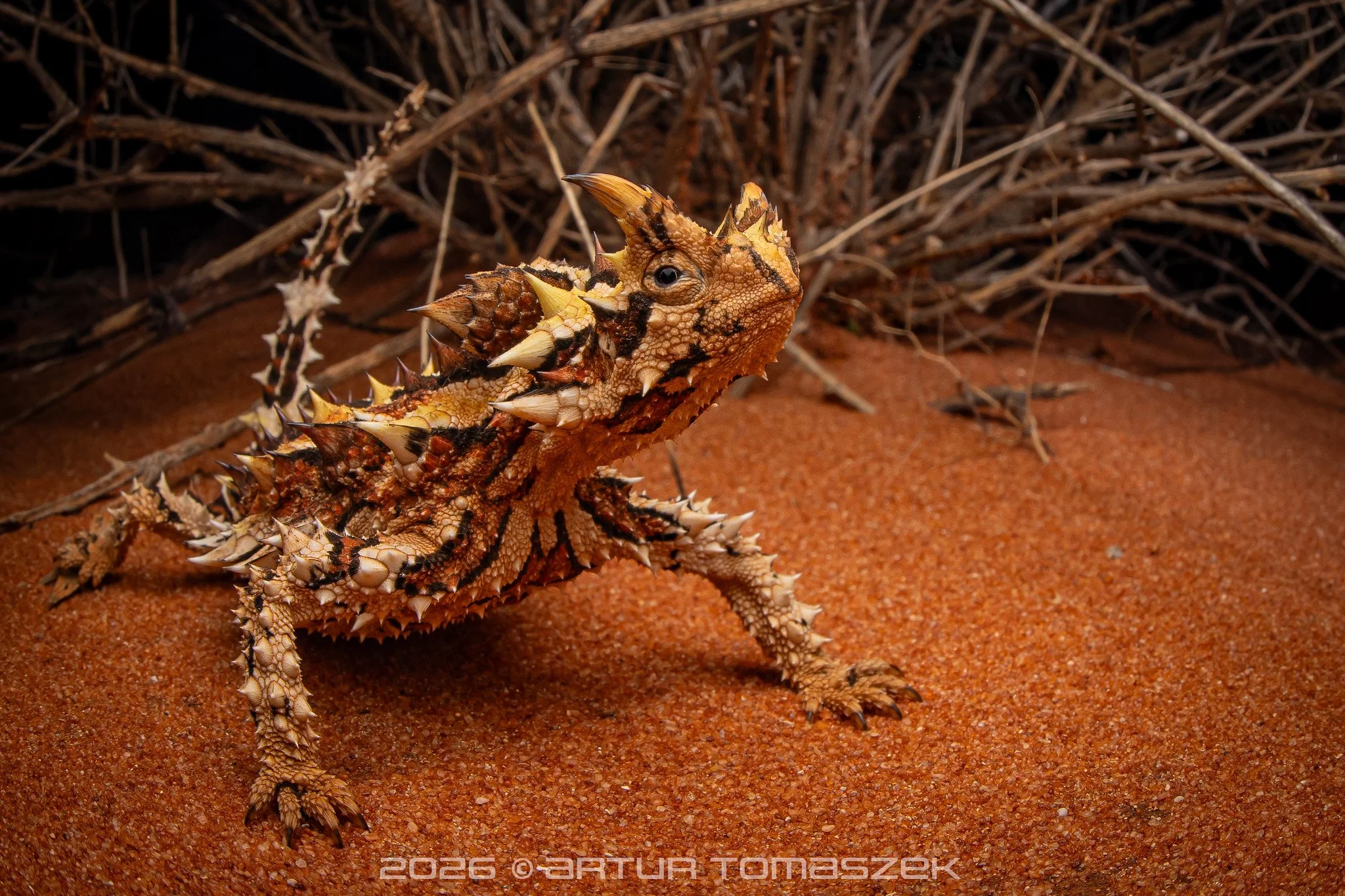
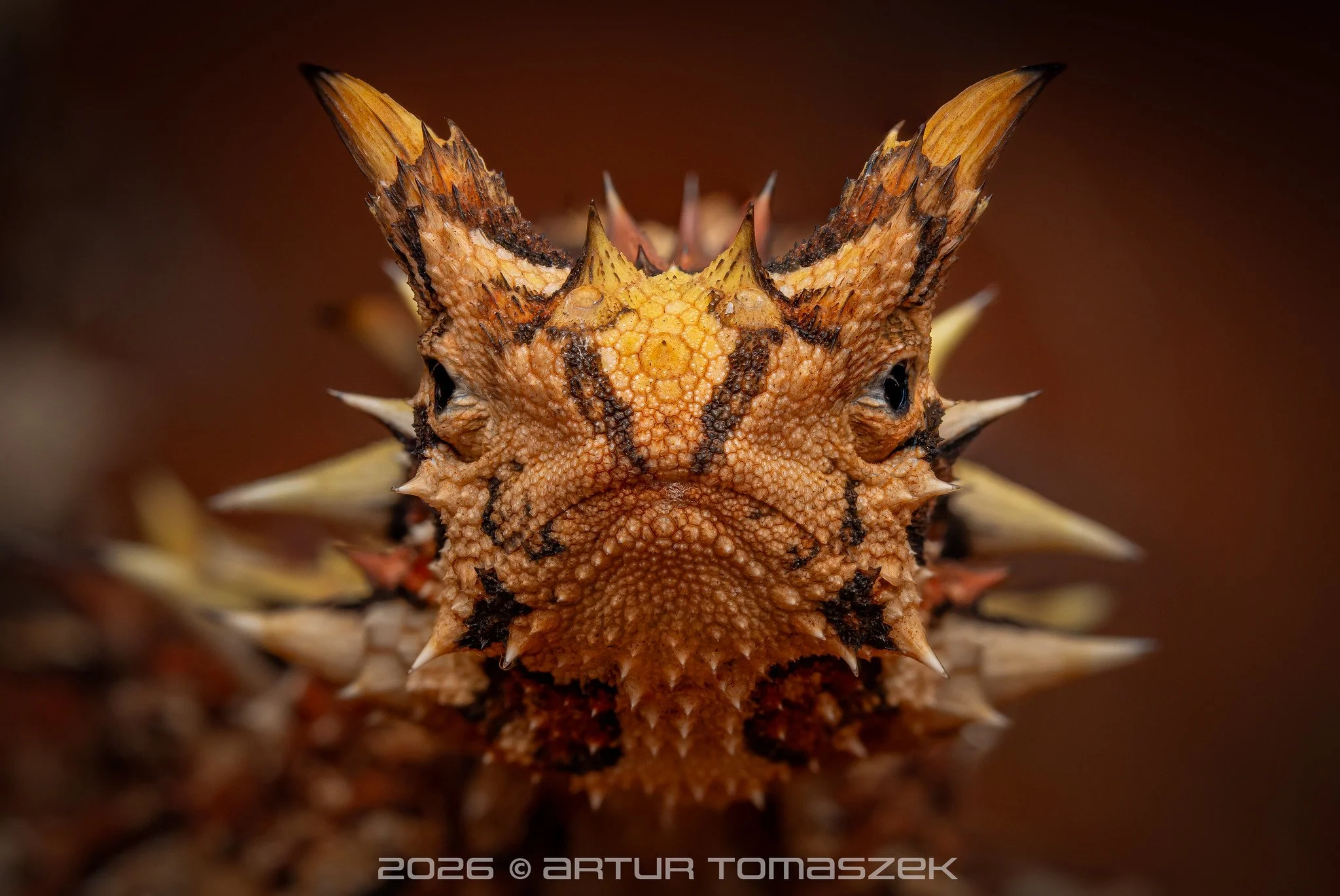
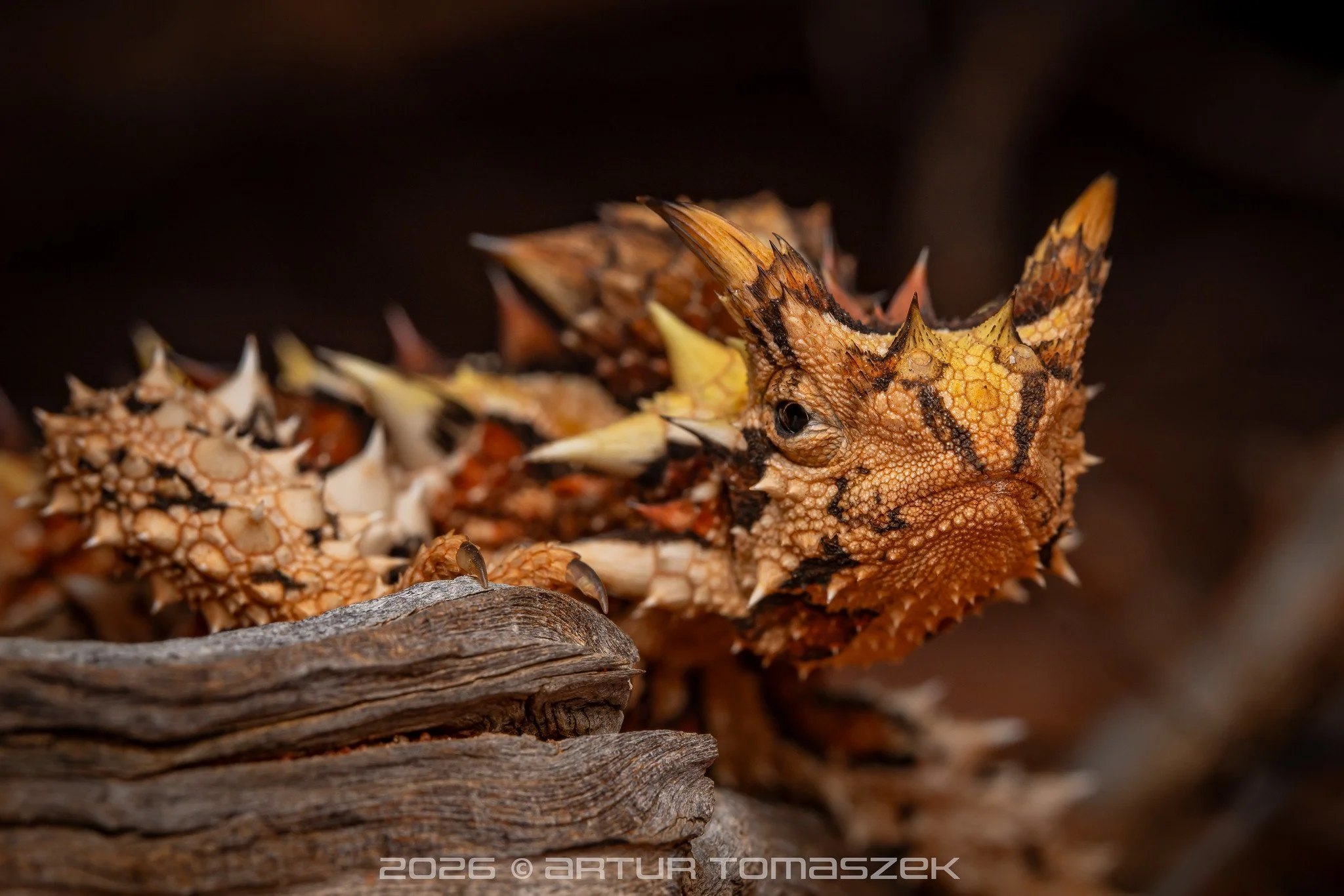
Thorny devil (Moloch horridus)
This trip to Western Australia was, hands down, one of the most epic we’ve experienced so far. We totally fell in love with Australia, its people and animals are equally wonderful. Every day, this extraordinary place greeted us with otherworldly creatures, cosmic landscapes, great food and kind humans.
To top this up, it’s usually rather tricky for us to find ALL our dream animals and this time, we did it! A lot of pre-trip research, some helpful advice from friends and hard work in the field rewarded us with incredible sightings and brought us pure joy. Encountering all those stunning herps, and not only herps, in some of the craziest habitats on earth was a feeling one cannot really compare to anything else.
Let’s start from the beginning.
Perth
Our first stop in Perth was Rottnest Island.
Rottnest Island
Rottnest Island (Wadjemup) is located 19km off Perth and it’s known for its huge population (approx. 10,000-12,000) of quokkas, the "happiest animals on Earth". It’s also a former prison site with deep Aboriginal history. We rented e-bikes (thanks for the advice, Tom!) and ended the 30km up and down ride on that day without a single muscle twitch, while poor Alex cycled on a traditional one all day long and could barely walk afterwards…
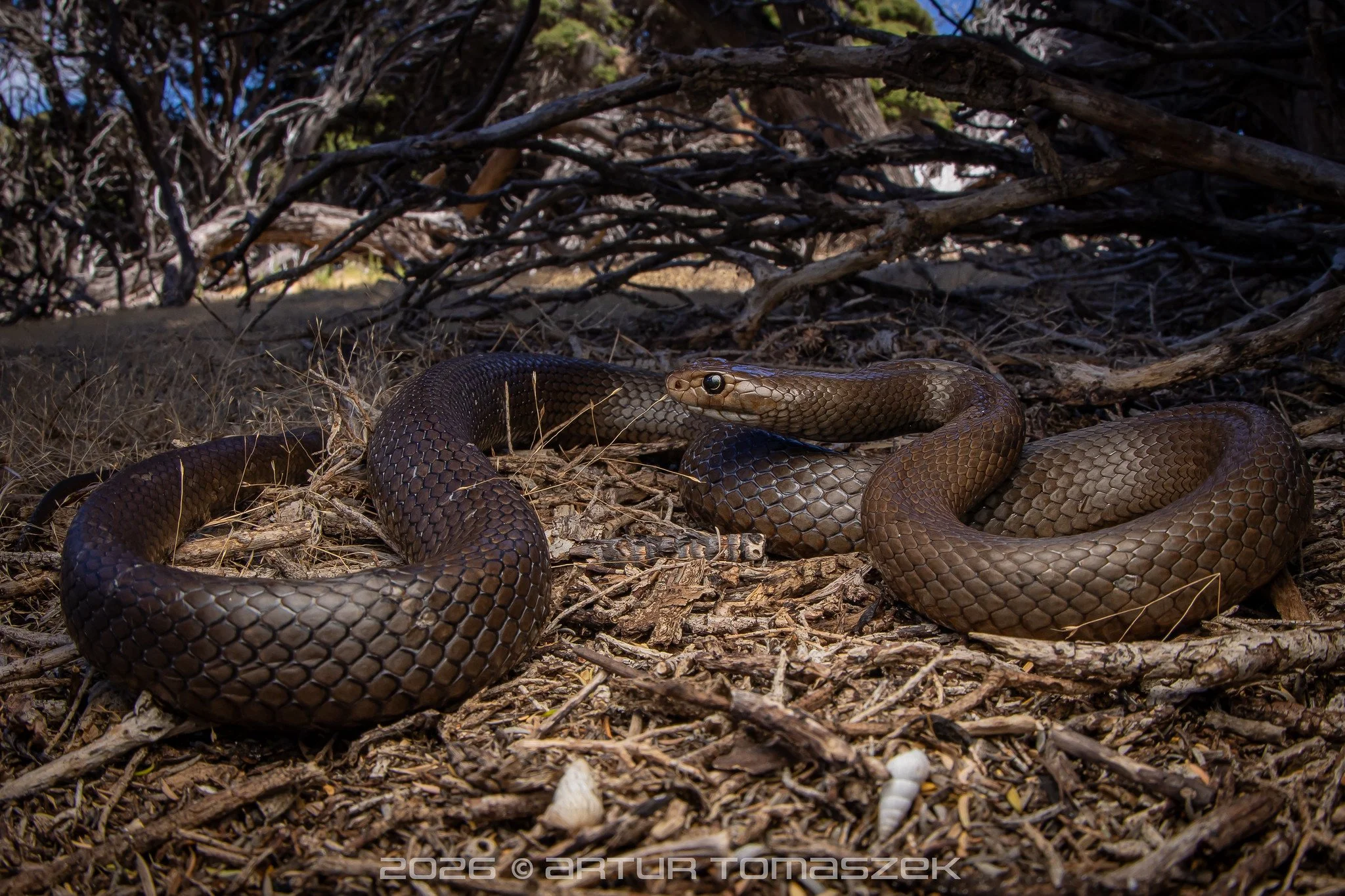
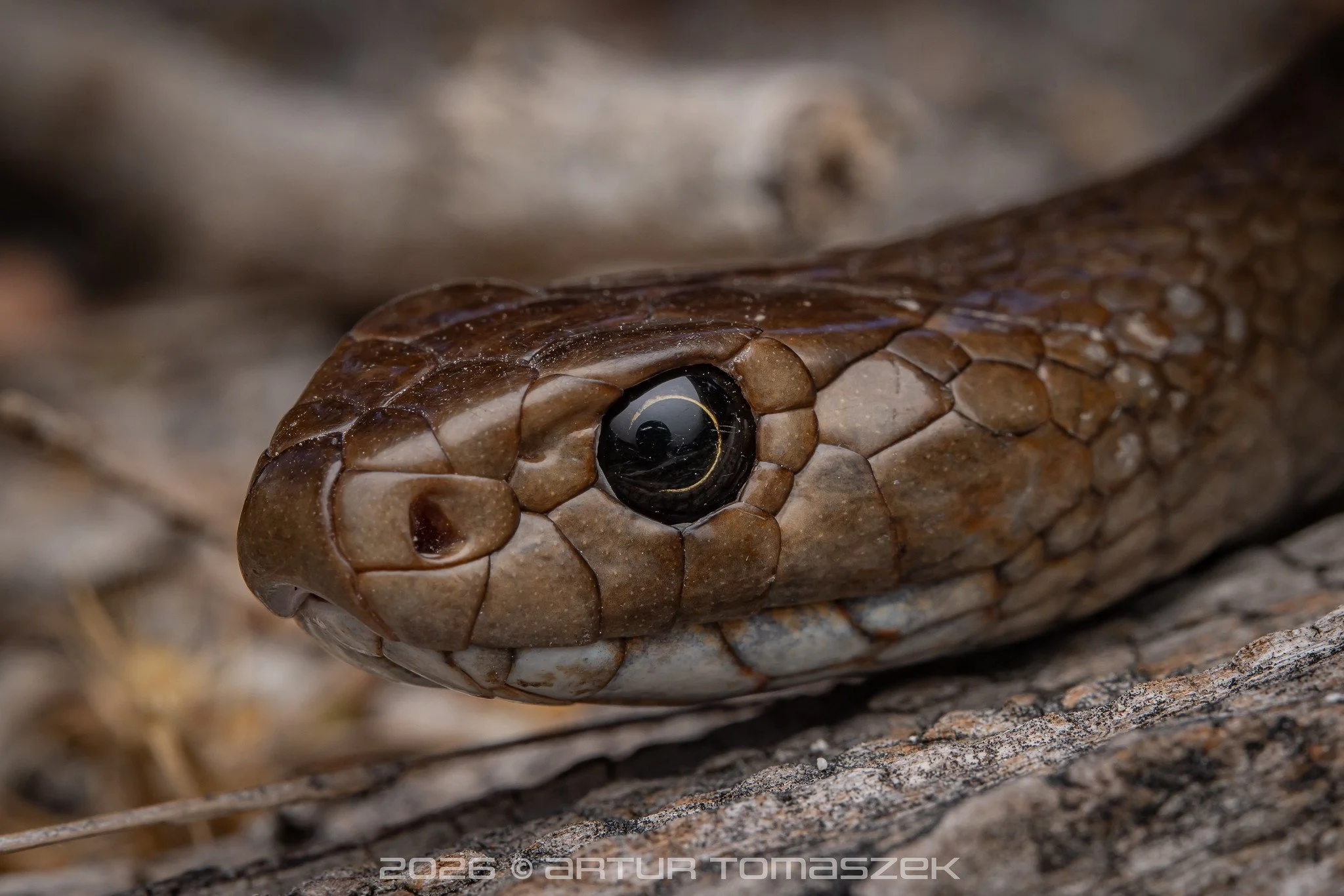
Anyway, we targeted a few locations based on our previous research and we headed directly to them. At first, it was rather slow with quite a lot of cyclists and not much wildlife (not even a quokka!). But then, the tides turned. Artur spotted the Rottnest Island dugite (Pseudonaja affinis ssp. exilis), a highly venomous, endemic to Rottnest subspecies of brown snake, growing up to 2 metres long.
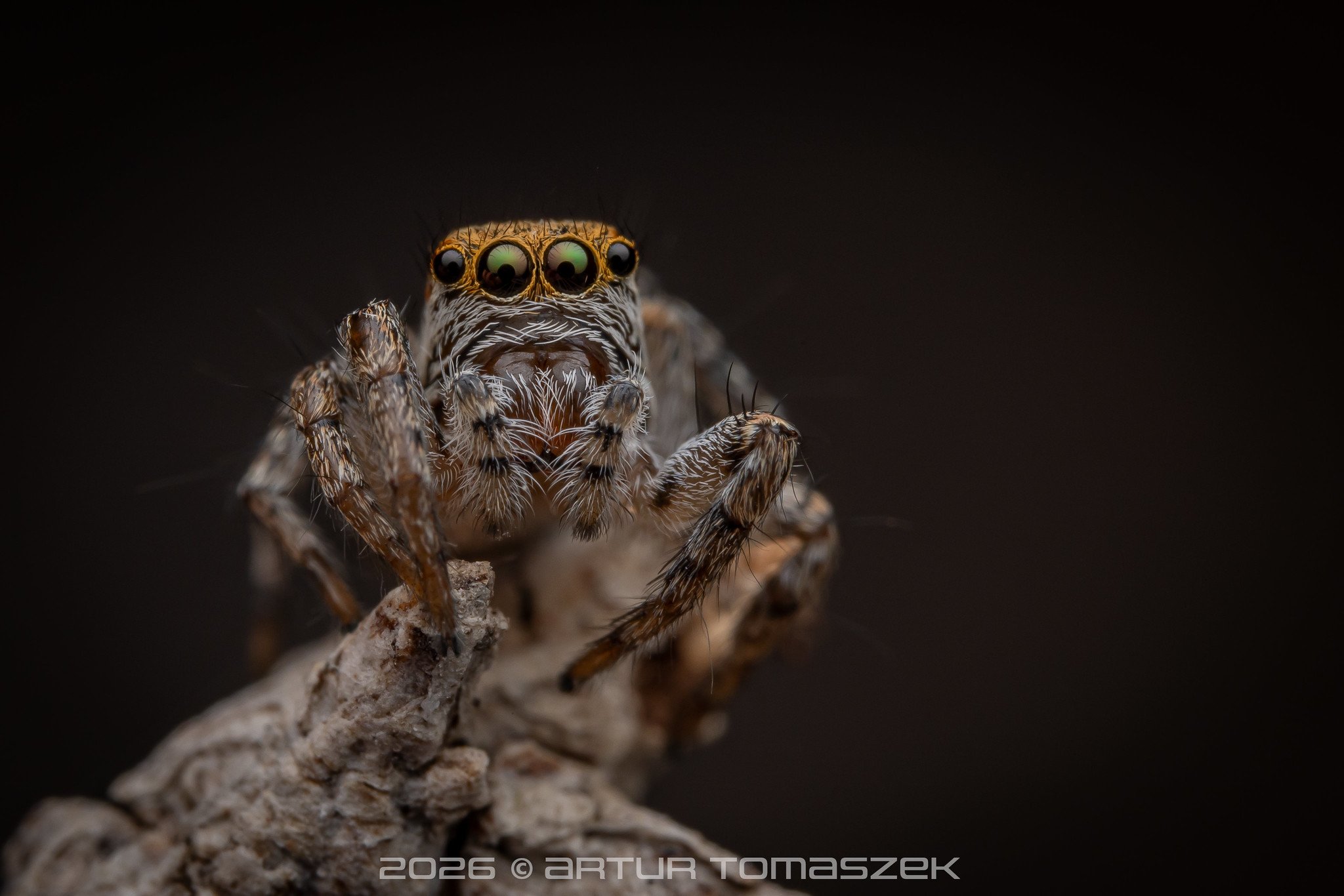
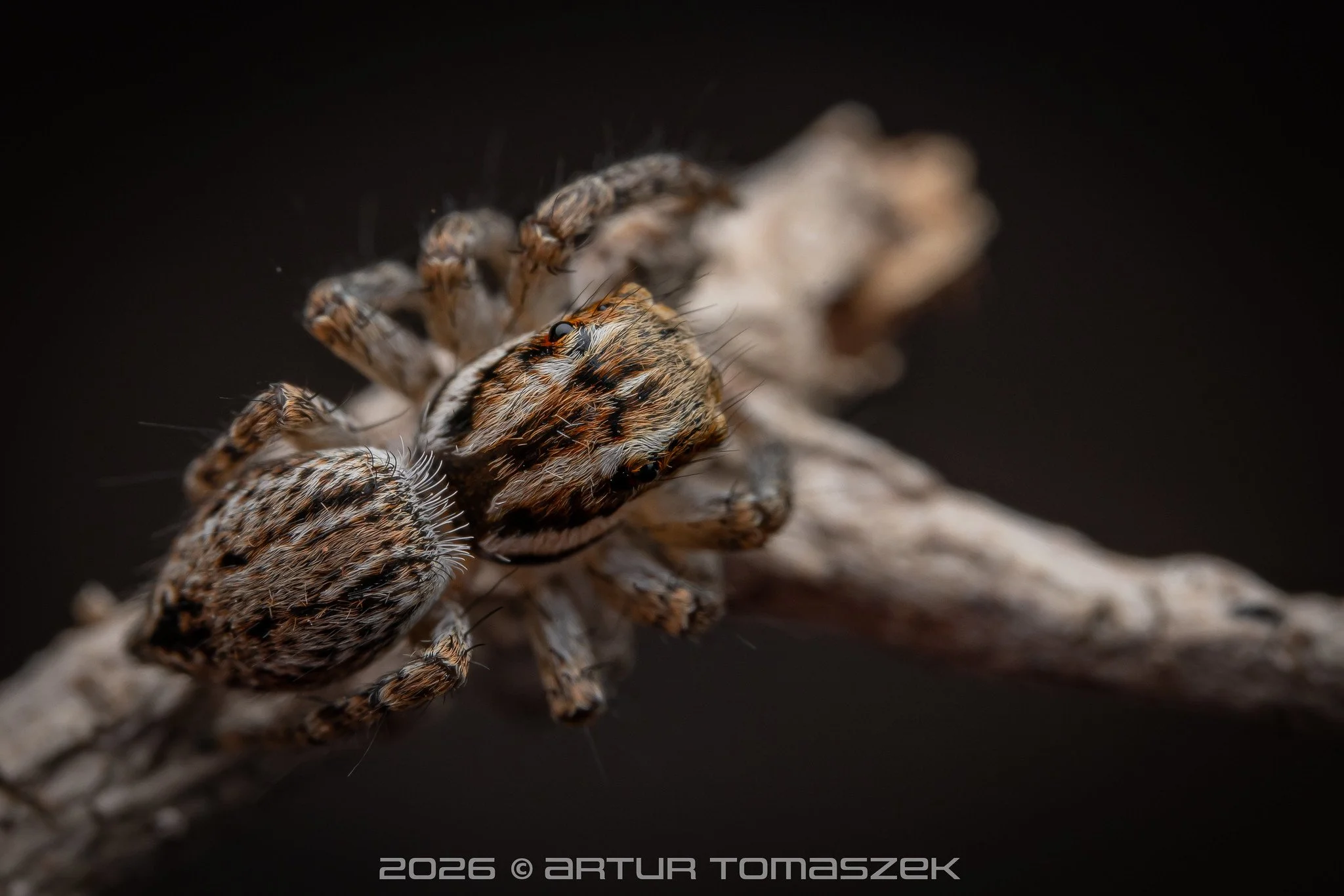
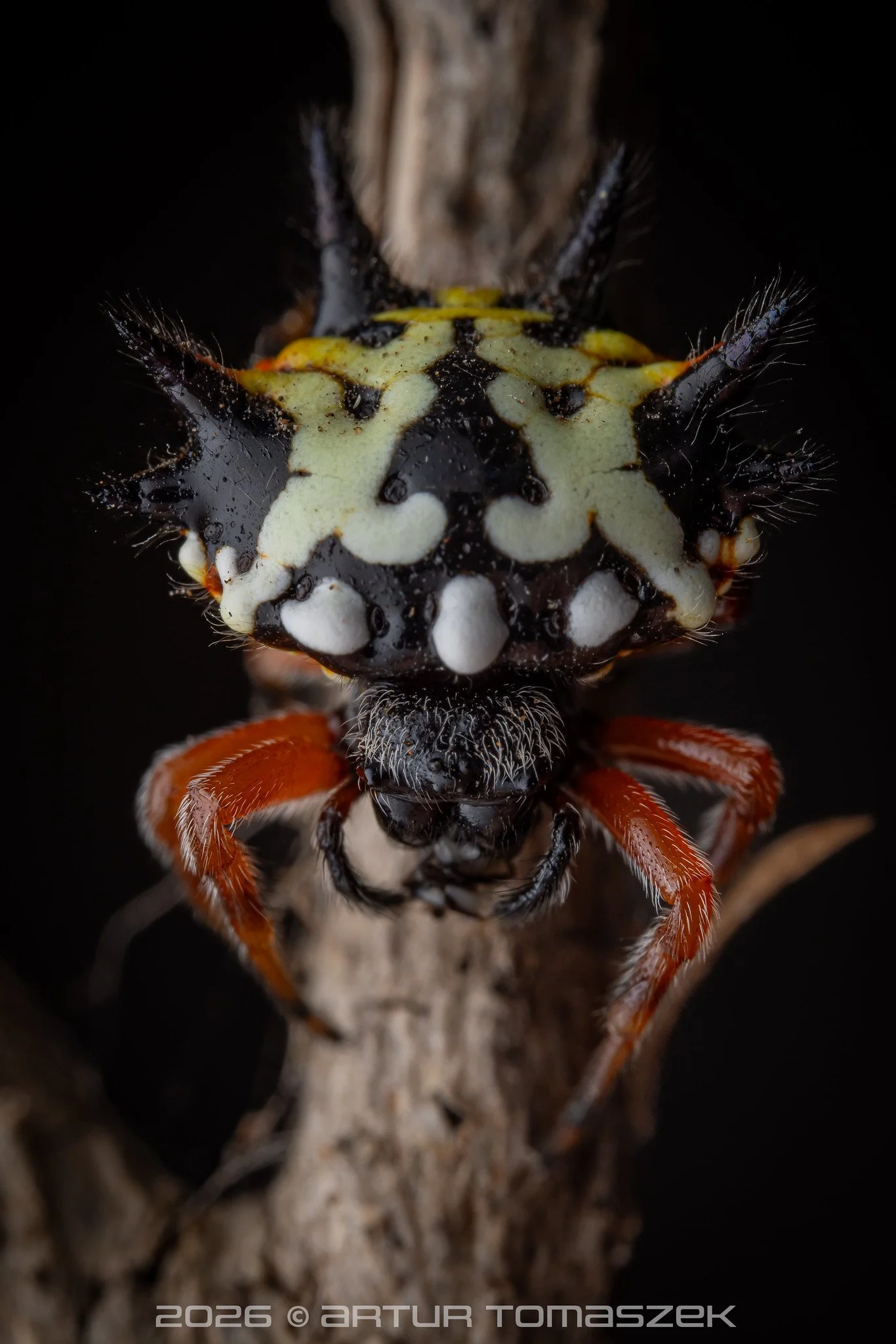
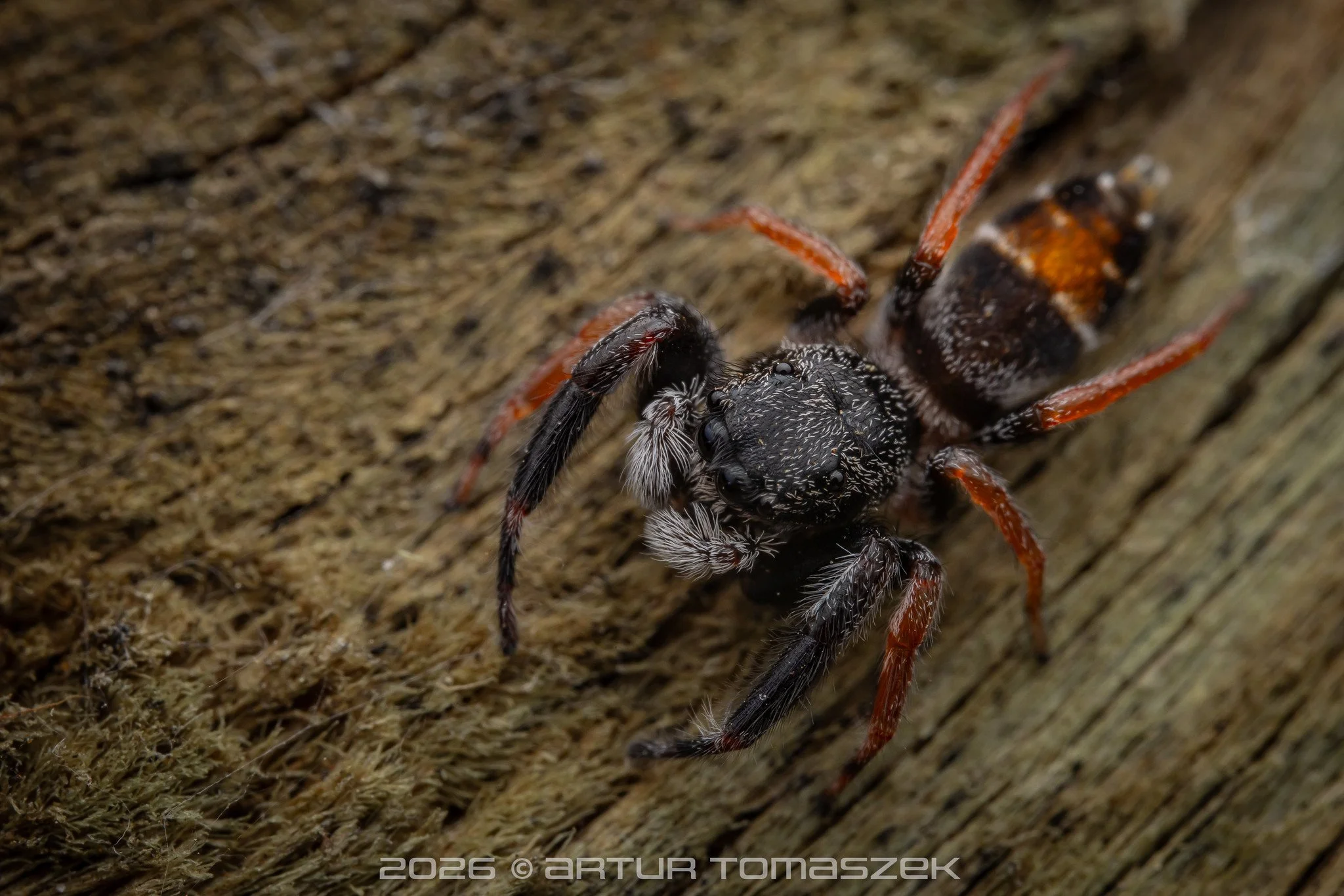
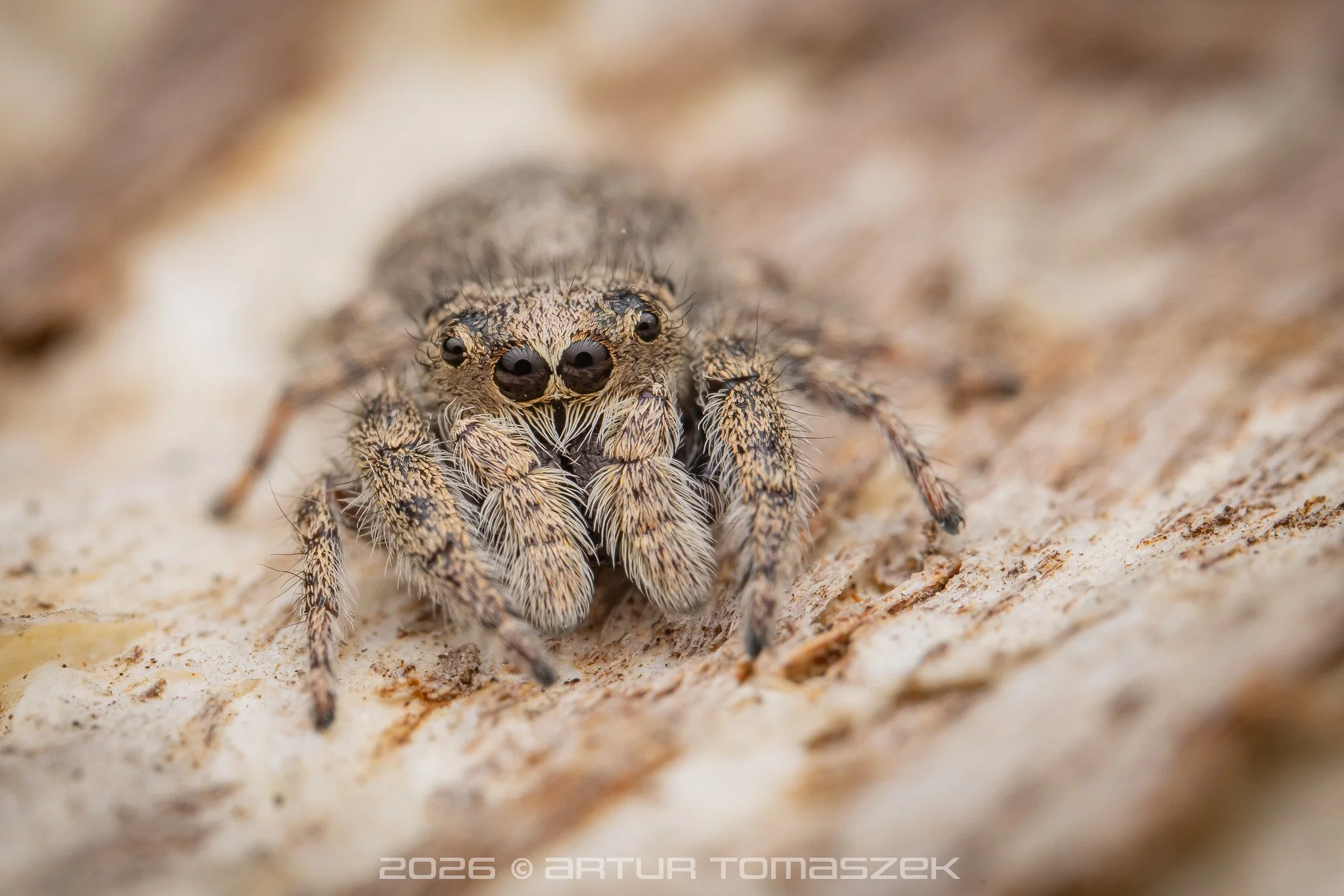
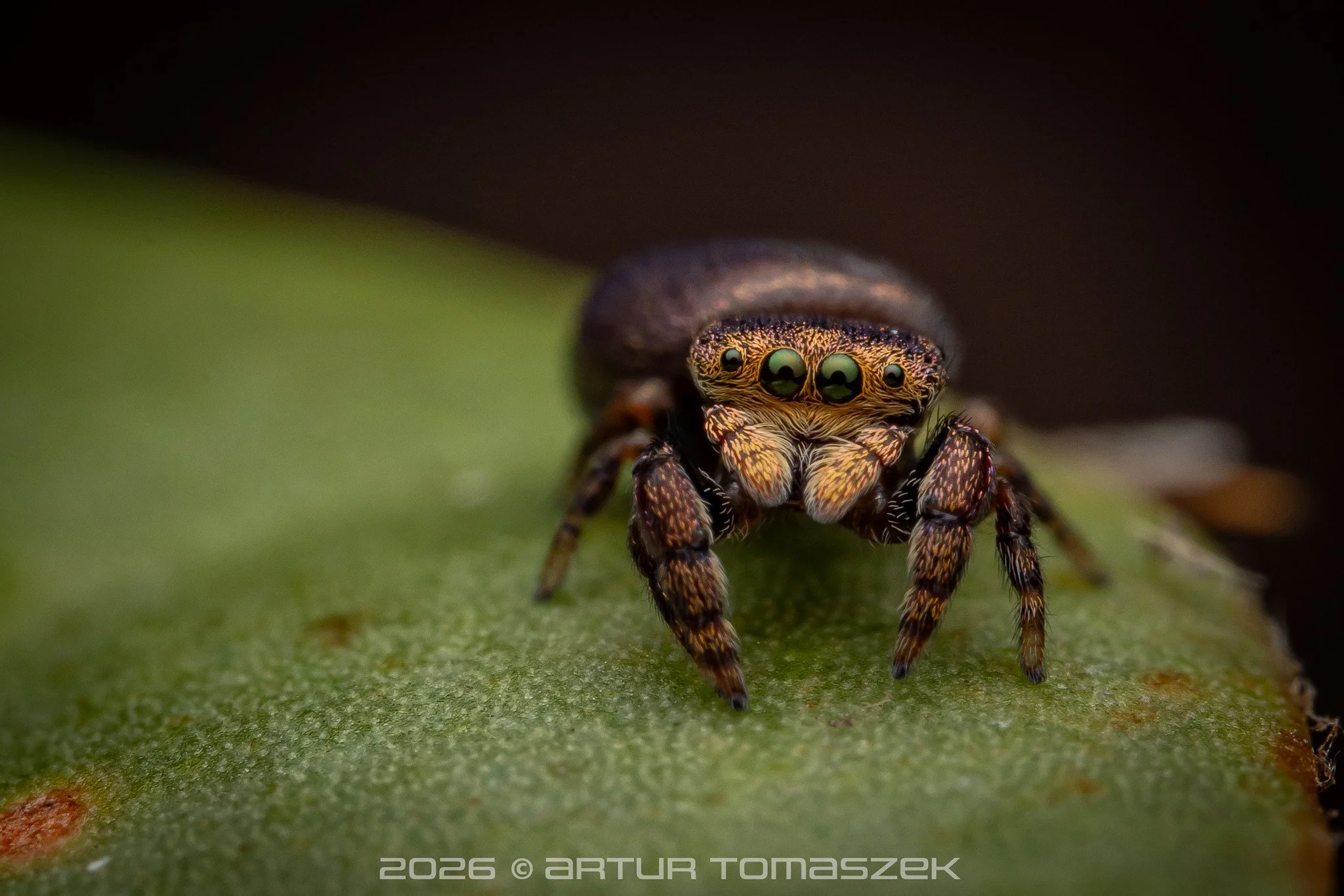
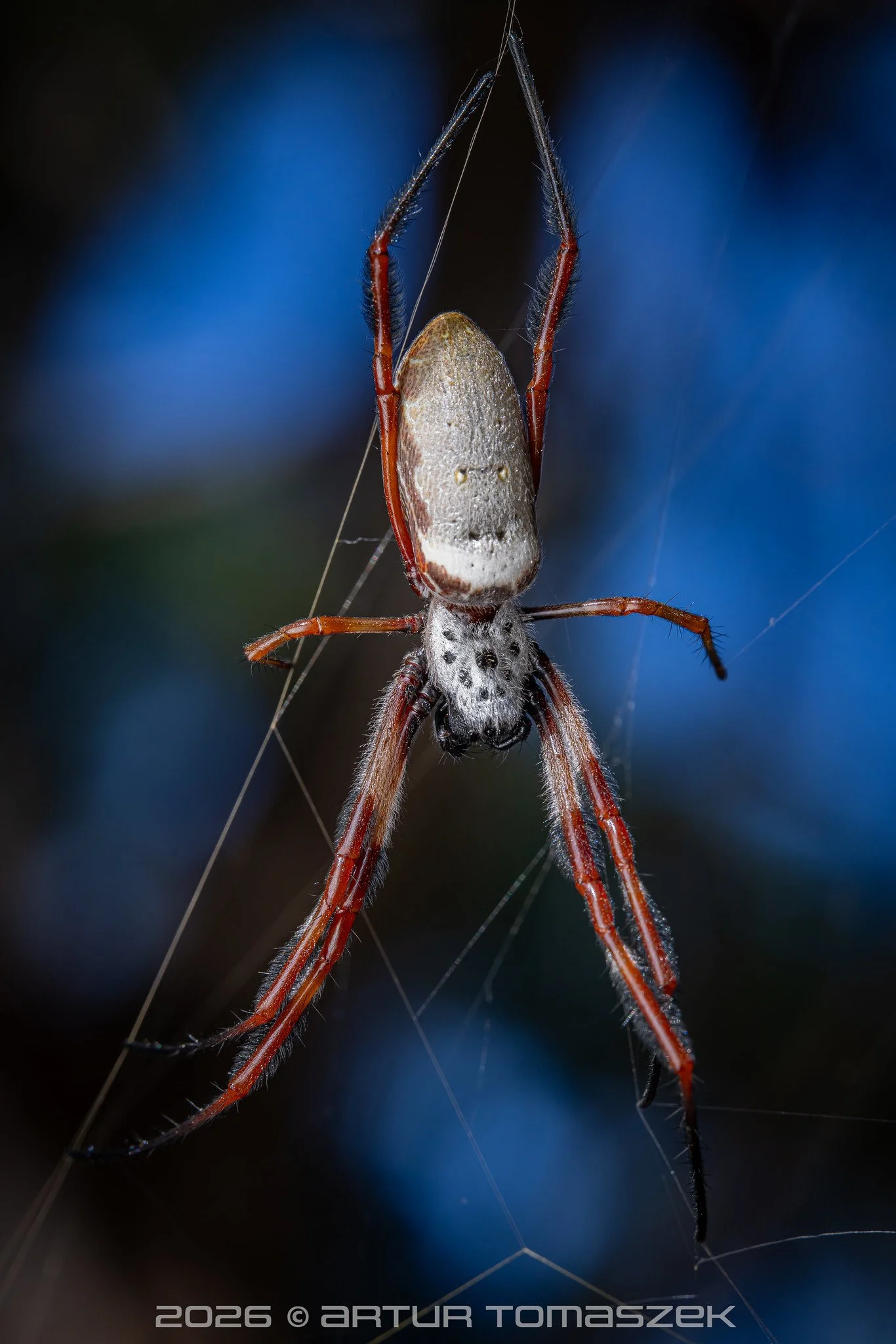
And although we were not particularly focused on invertebrates, especially that it wasn’t the season for them, we did spot a jumping spider from tribe Euophryini and a jewel spider (Austracantha minax).
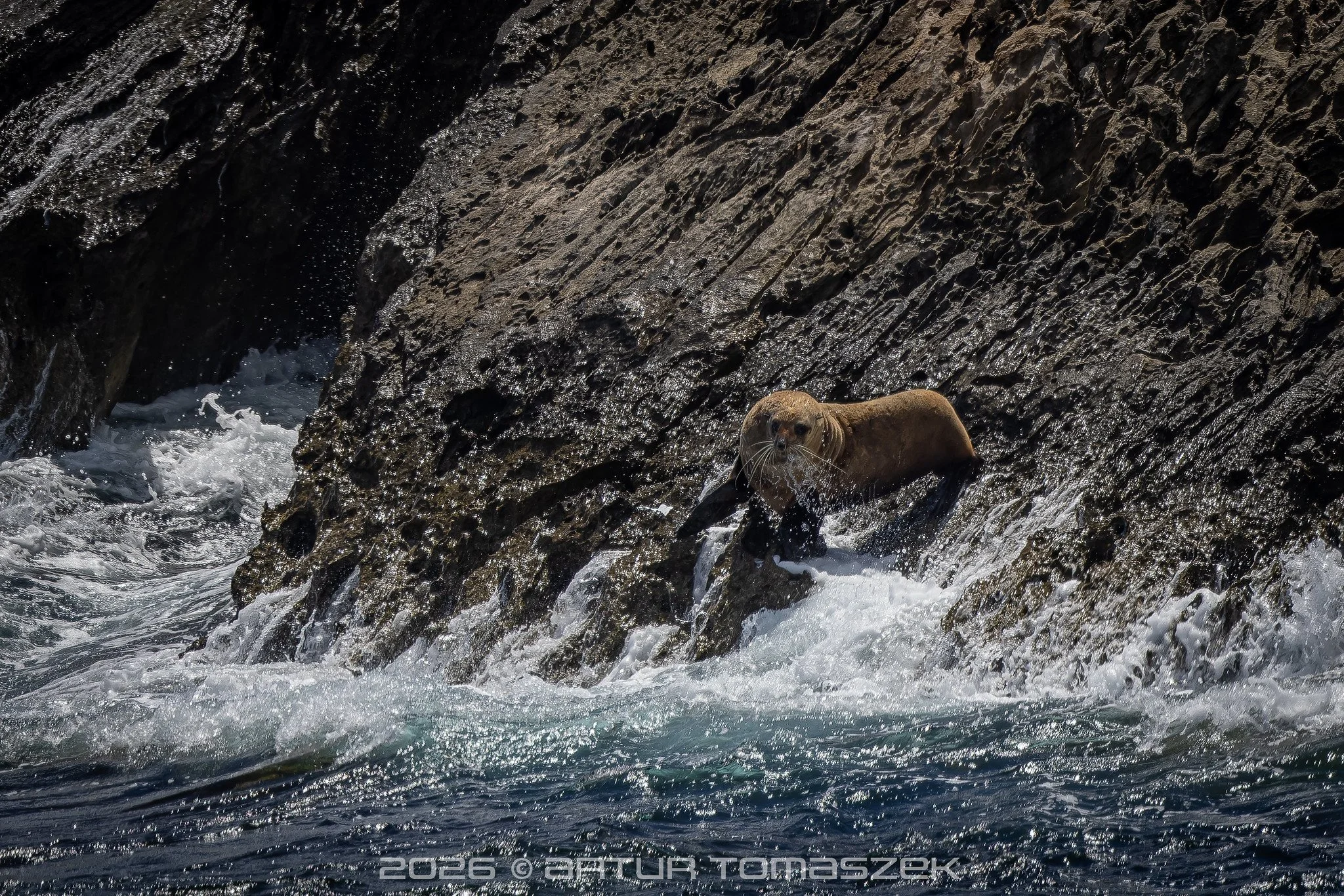
We then cycled to the West End, hoping to see long-nosed fur seals (Arctocephalus forsteri) which we did, and searching for other wildlife on the way,
The views were simply stunning, with crystal clear water and beautiful beaches everywhere.
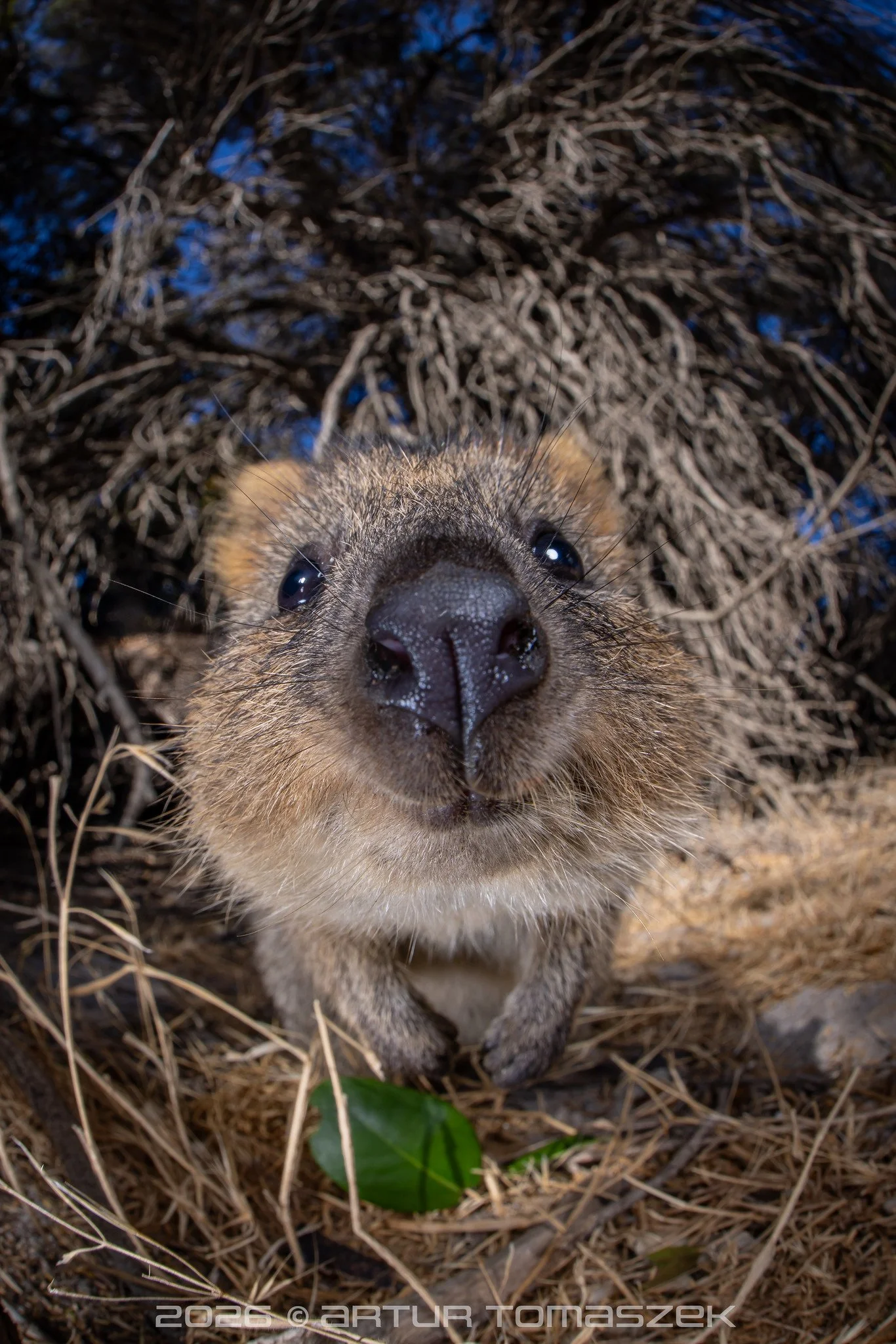
On the way to the West End, we finally encountered quokkas and after that one encounter, we just kept seeing them from time to time!
Quokkas are pretty cool animals.
Native to Wadjemup / Rottnest Island, the quokka, or kwoka in Noongar, is an icon of the island. Their story is literally written in the land. The name ‘Rottnest’ comes from 17th-century Dutch explorers who considered the animals to be large rats and bestowed the island ‘Rat’s Nest’. These curious and cheerful marsupials are recognised around the world, and it’s worth the journey across just to see them in their natural habitat. (source)
They give birth just 27 days after mating. The tiny, pink, hairless and blind joey then finds its way to its mother’s pouch where it stays for around six months. If the joey doesn’t survive, the mother can give birth to another one shortly after because she has others in her womb in a suspended state of development as back-up in case tragedy befalls the older joey.
Like many macropods, when threatened, quokka mothers may expel their joeys from their pouch leaving them squealing on the ground. A chasing predator will then focus on joey, giving the mother time to get away. It sounds harsh but it’s better than both mother and baby ending up as prey. (source)
They are sooo adorable one could melt on the spot. Just look at them!
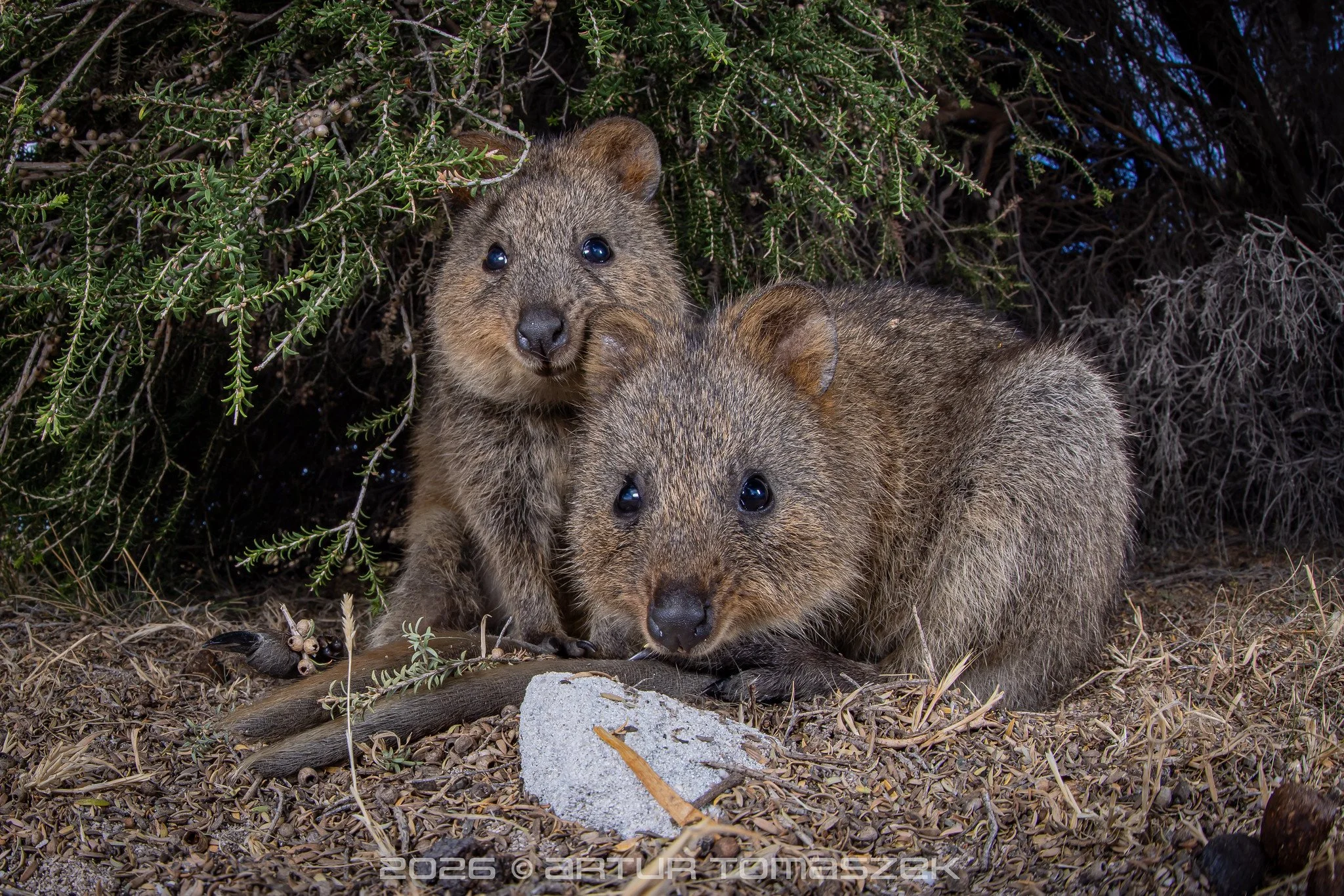
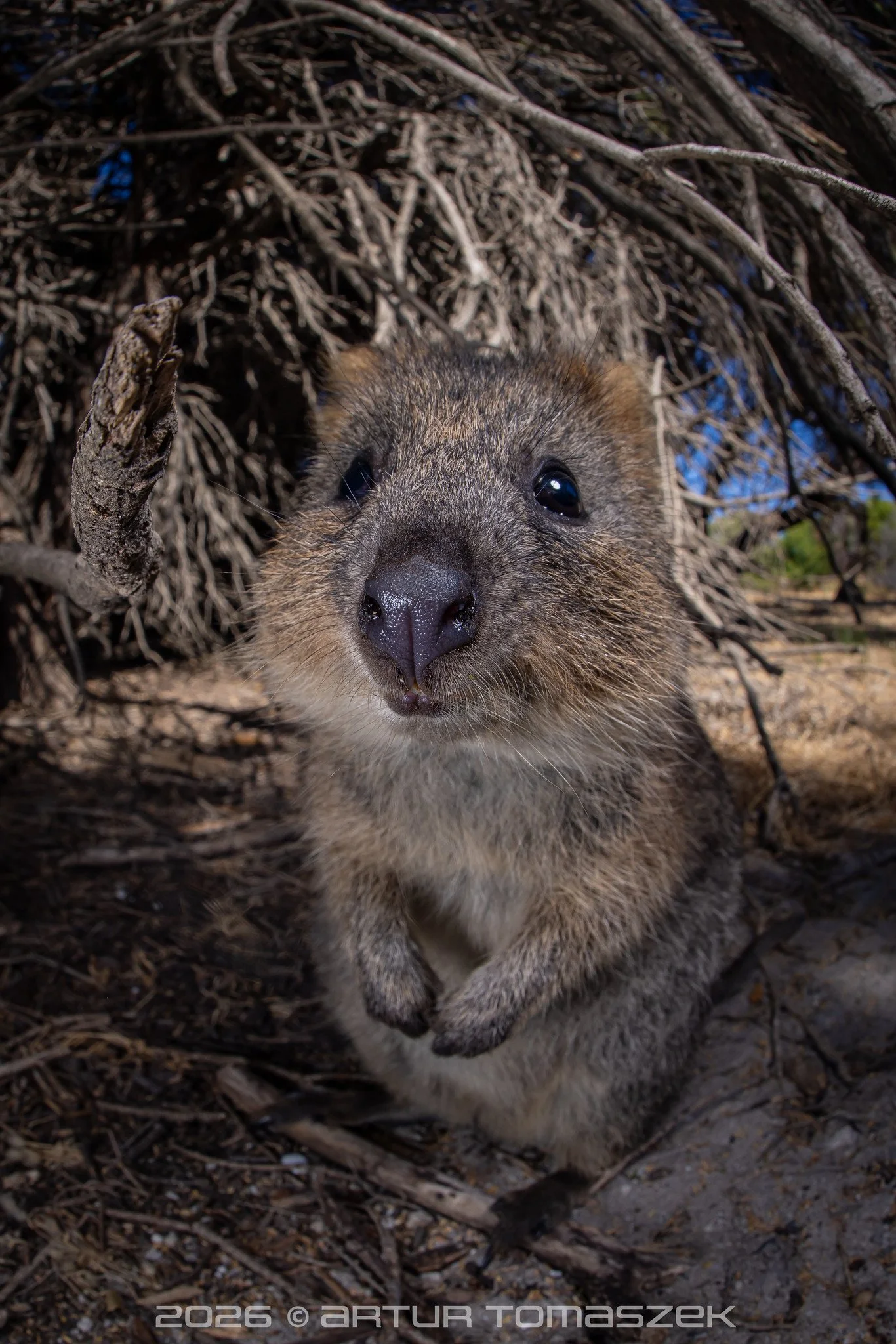
We were getting off our bikes from time to time to search short paths leading to viewpoints and beaches. At one of such spots, Artur found a great place for king skinks (Egernia kingii). There were so many of them! And photographing them turned out to be an incredibly tricky task too, as they were superpowered by the sun.
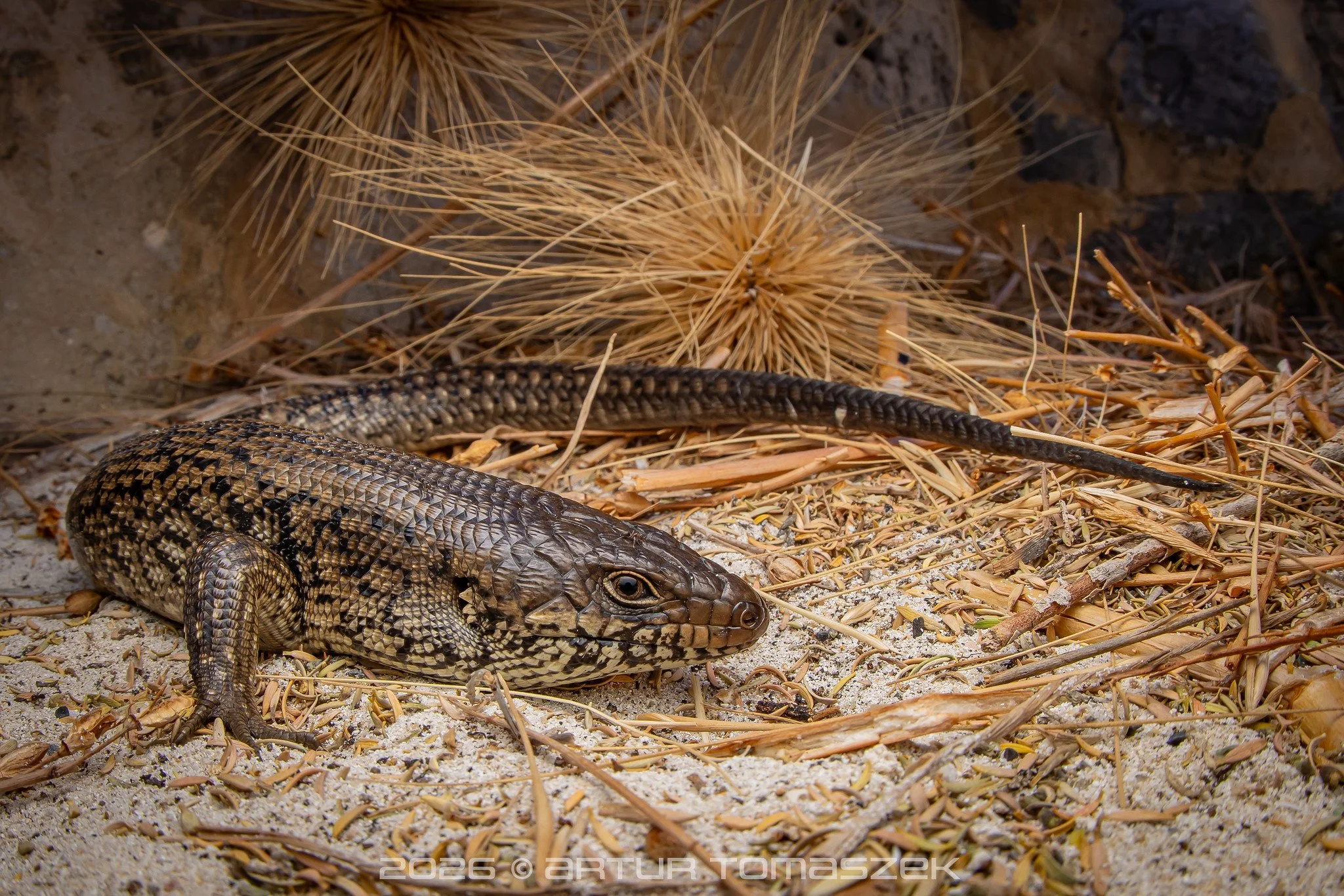
Egernia kingii
We ended the day making a loop back to the ferry, and that’s where we saw dozens of quokkas near restaurants and picnic benches, casually trying to steal unhealthy food.
Perth Hills
Our first night in Perth Hills welcomed us with wind, dry air and an unexpected chill of around 15°C. Not exactly ideal for reptiles. Road cruising was slow… painfully slow. The only reptile we managed to find on the road was a single Diplodactylus lateroides, and while any gecko is a good gecko, it wasn’t the explosive Australian start we imagined.
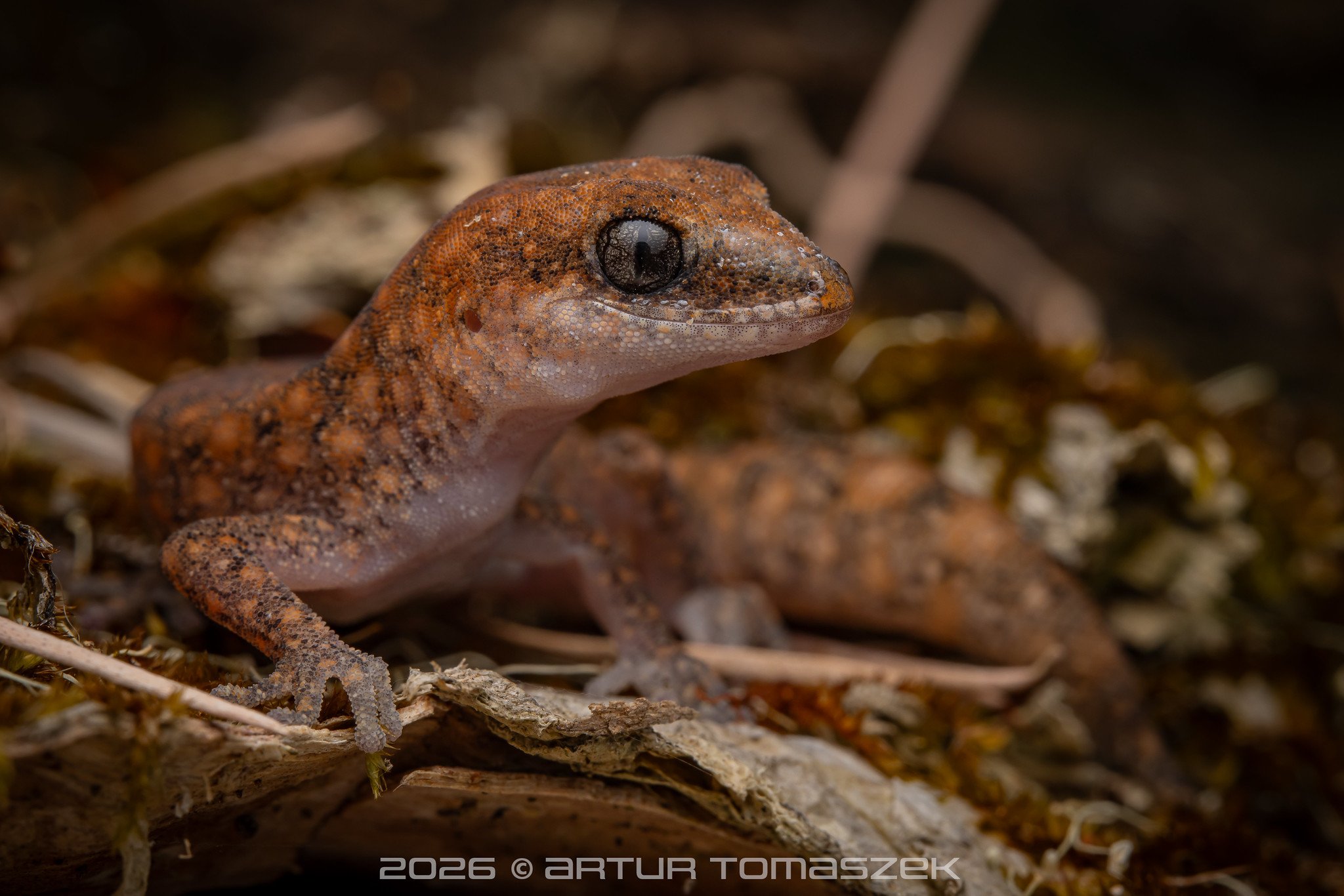
Diplodactylus lateroides
So, we switched tactics.
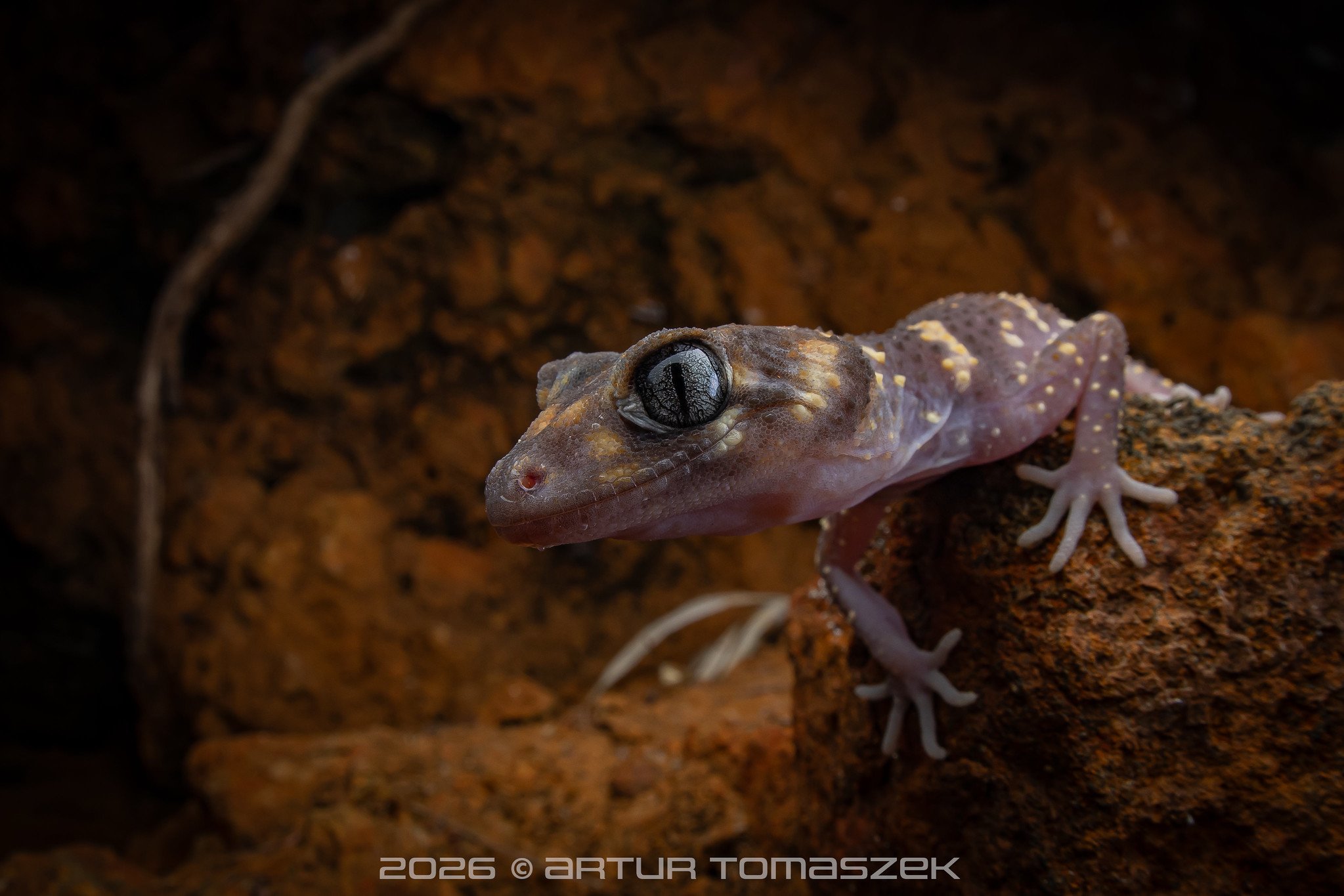
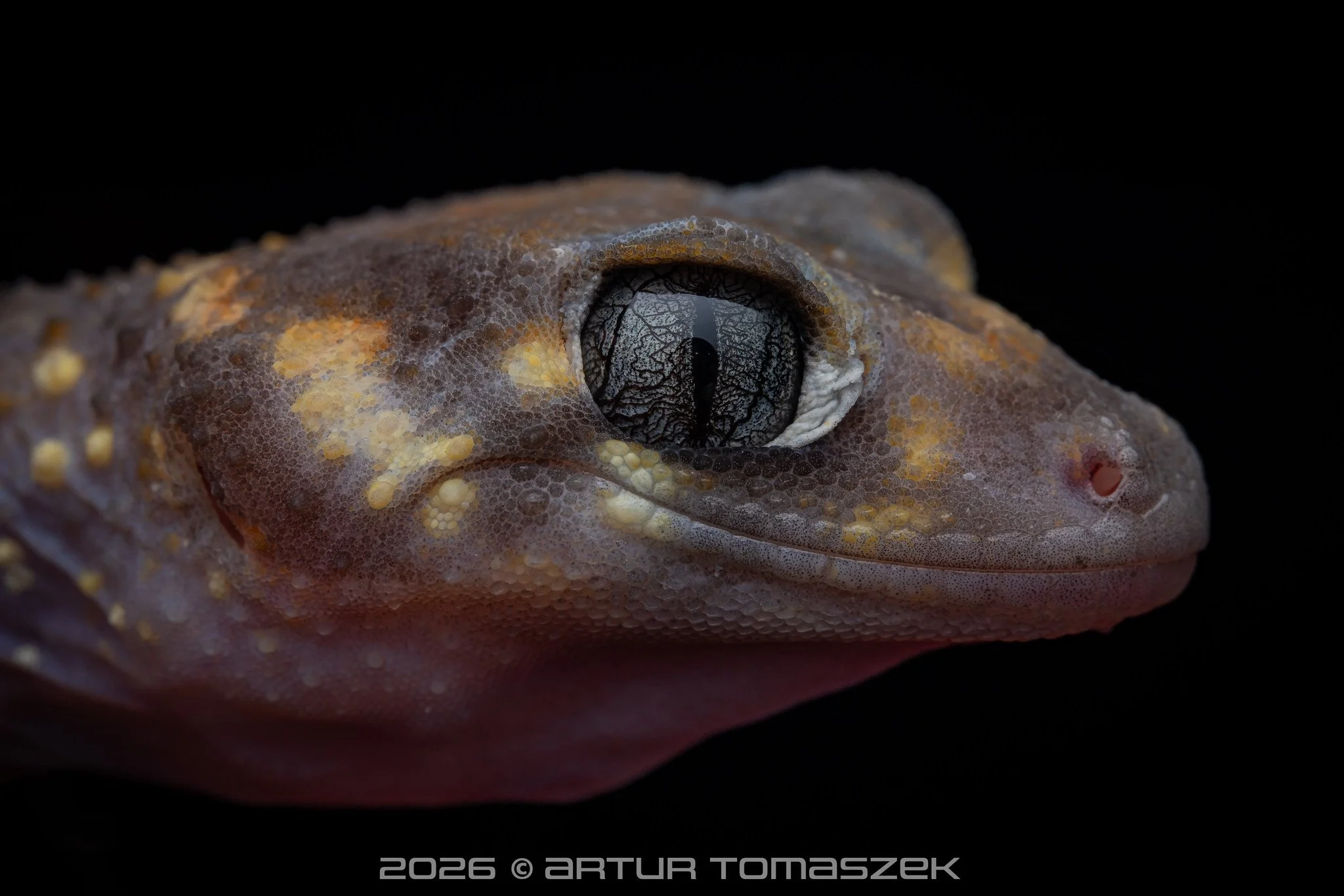
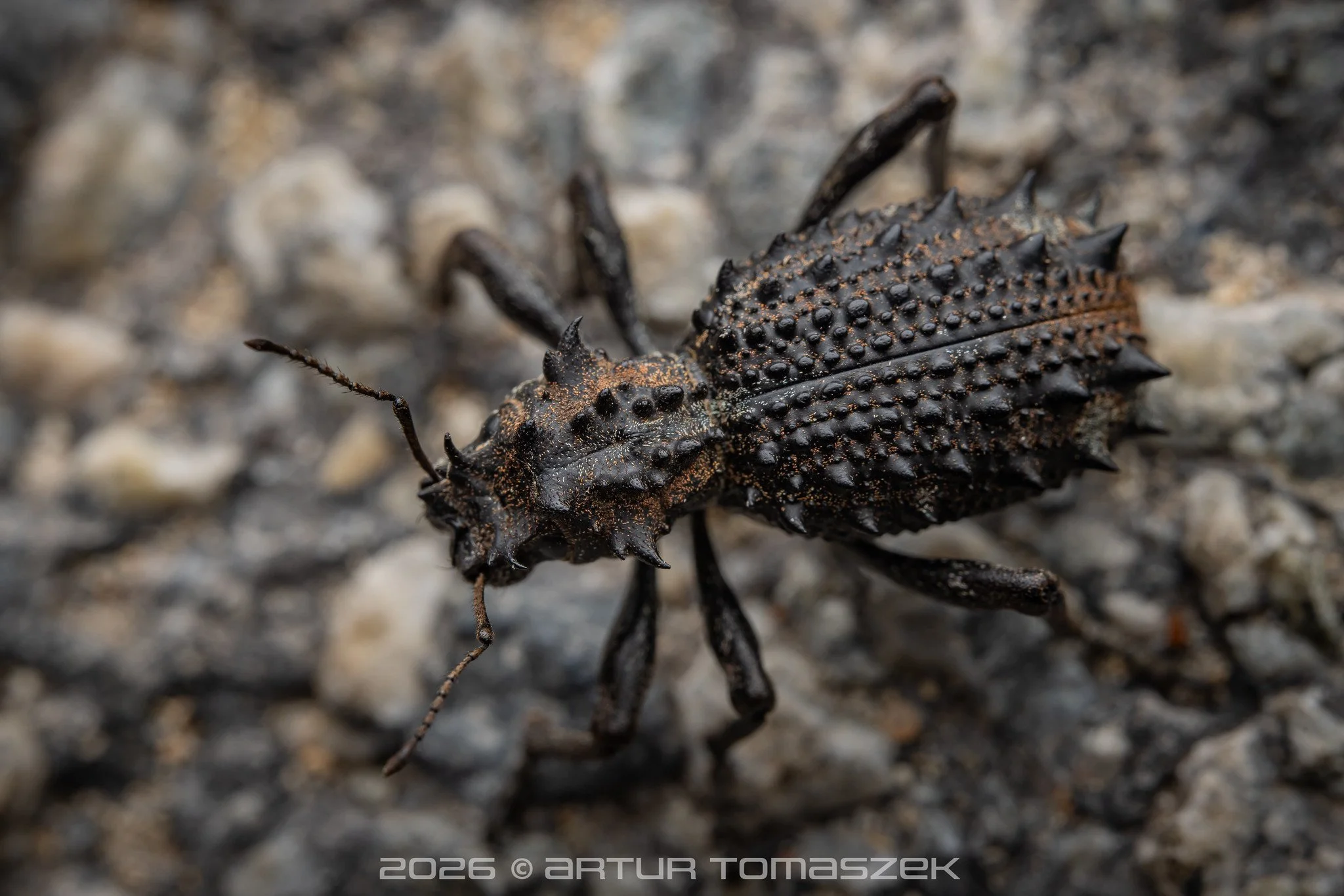
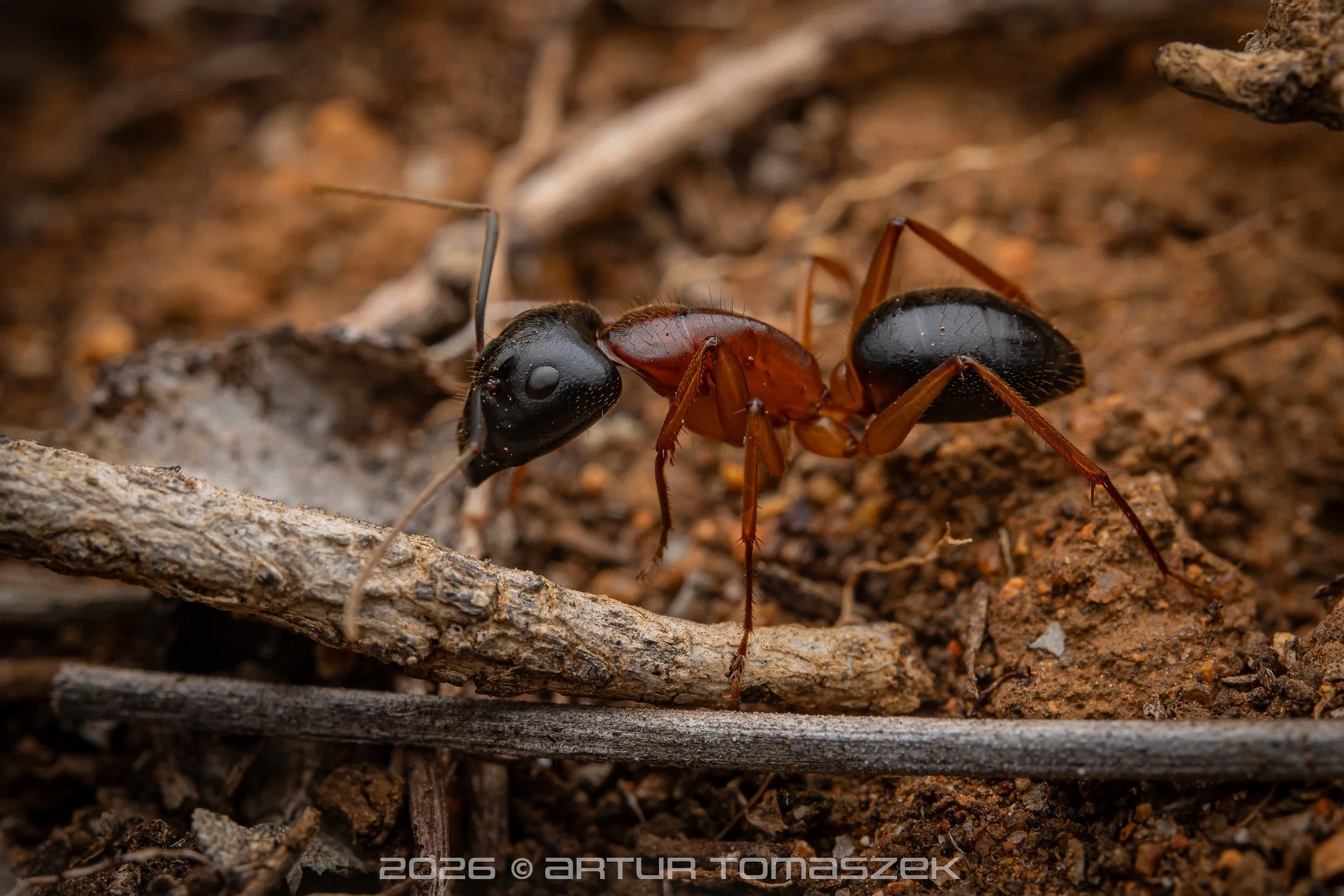
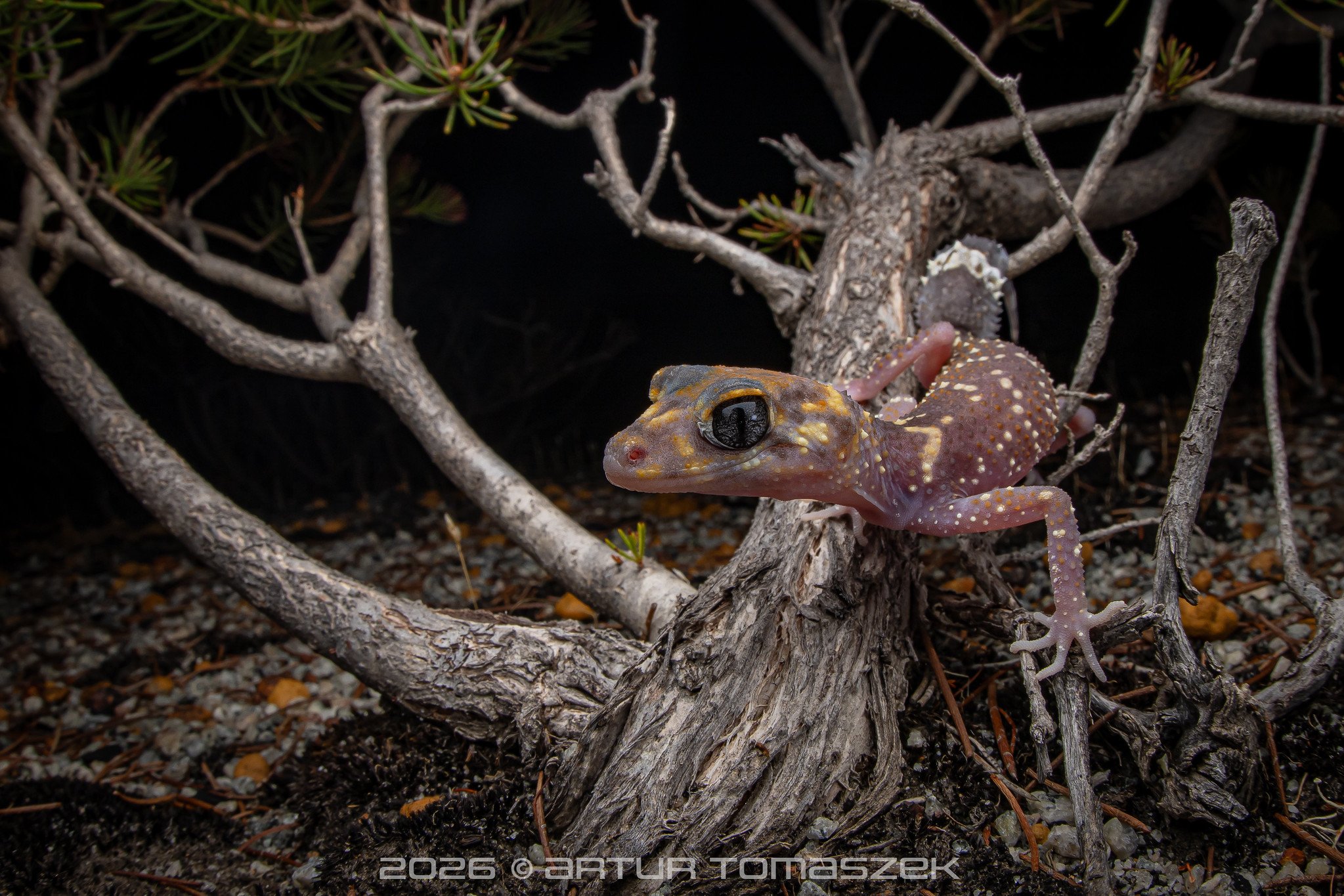
Hiking through the bush paid off when we found one of our targets, the thick-tailed barking gecko (Underwoodisaurus milii). Seeing them active in such low temperatures was a surprise. We used to keep and breed this species, so finding one in the wild felt extra special.
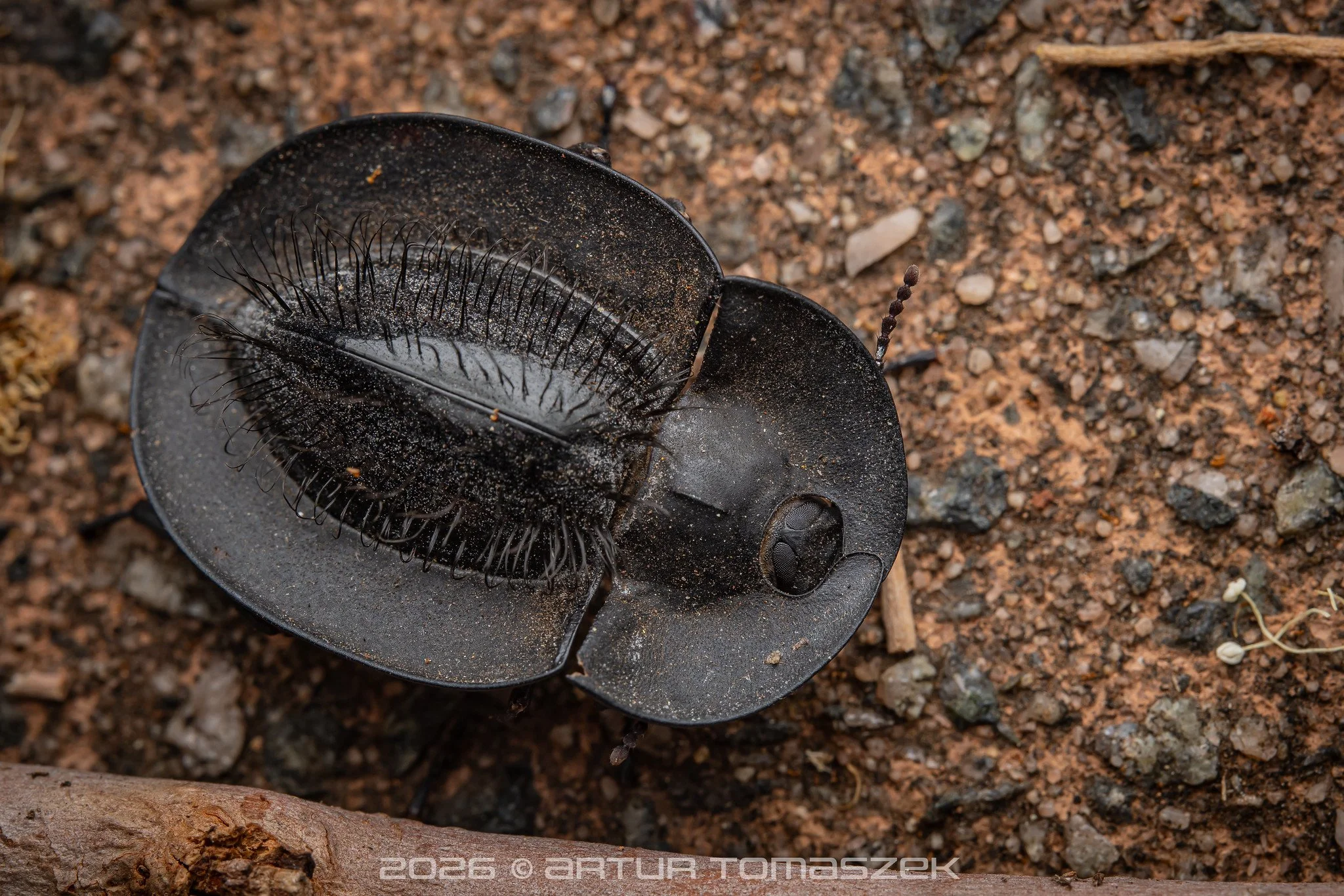
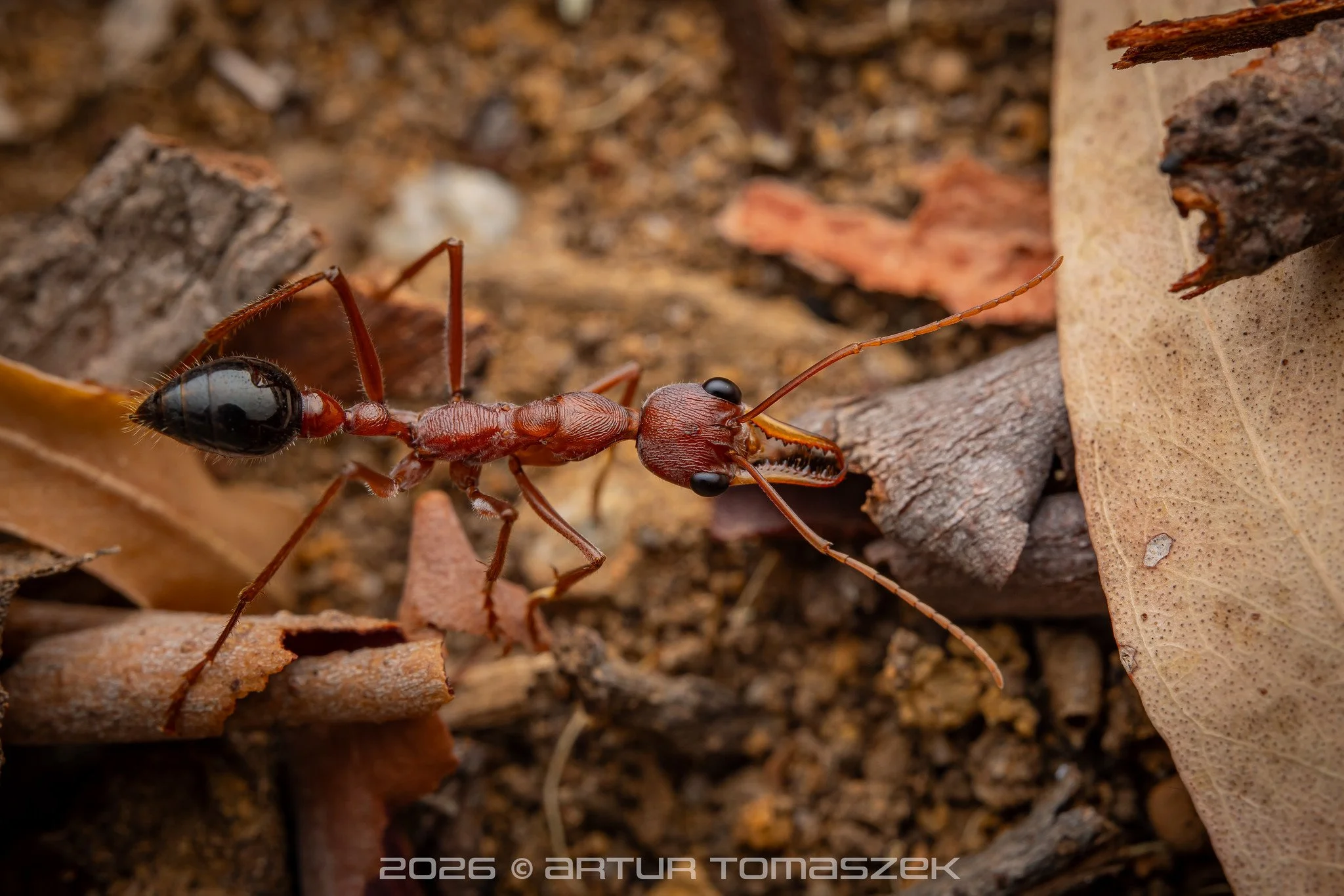
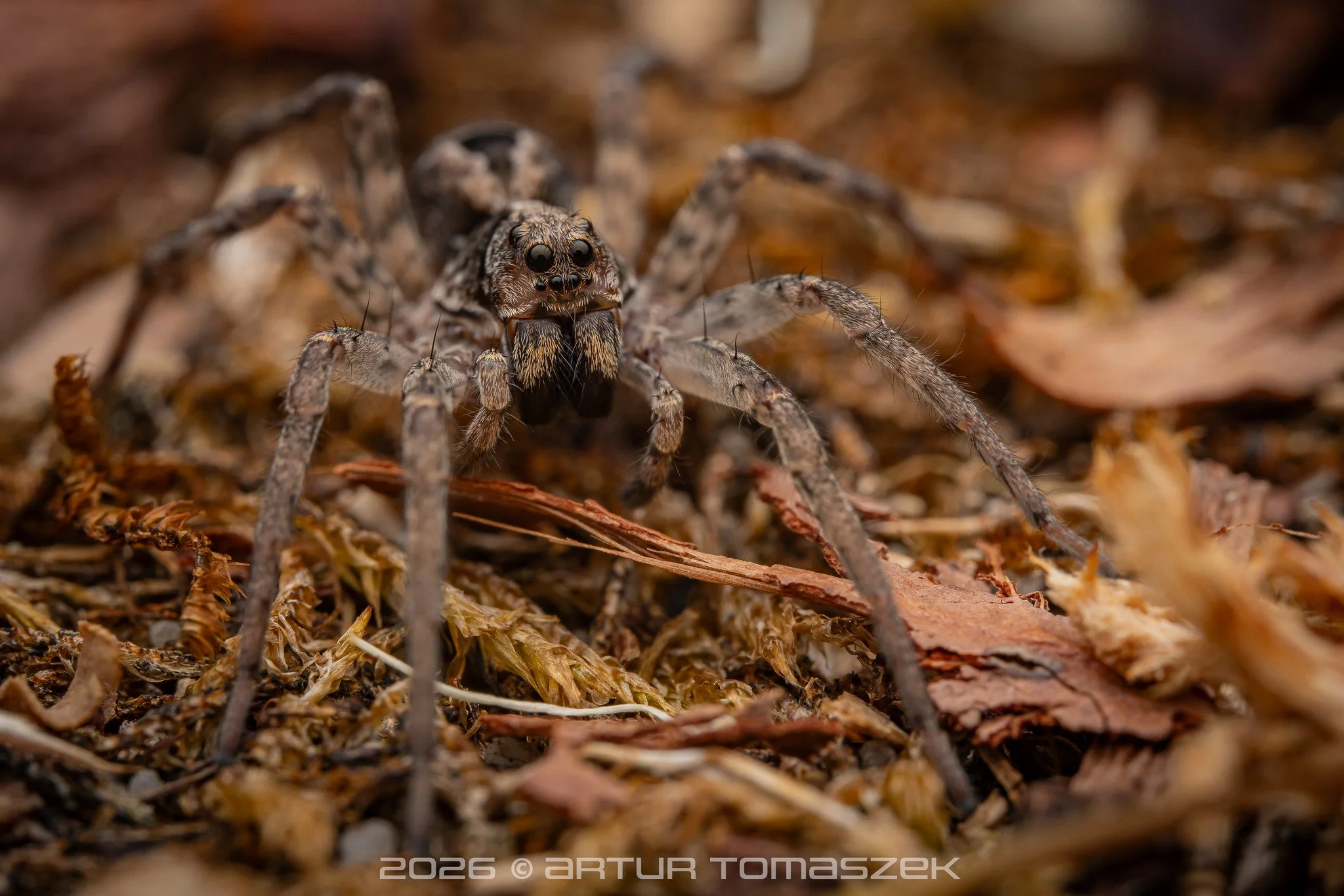
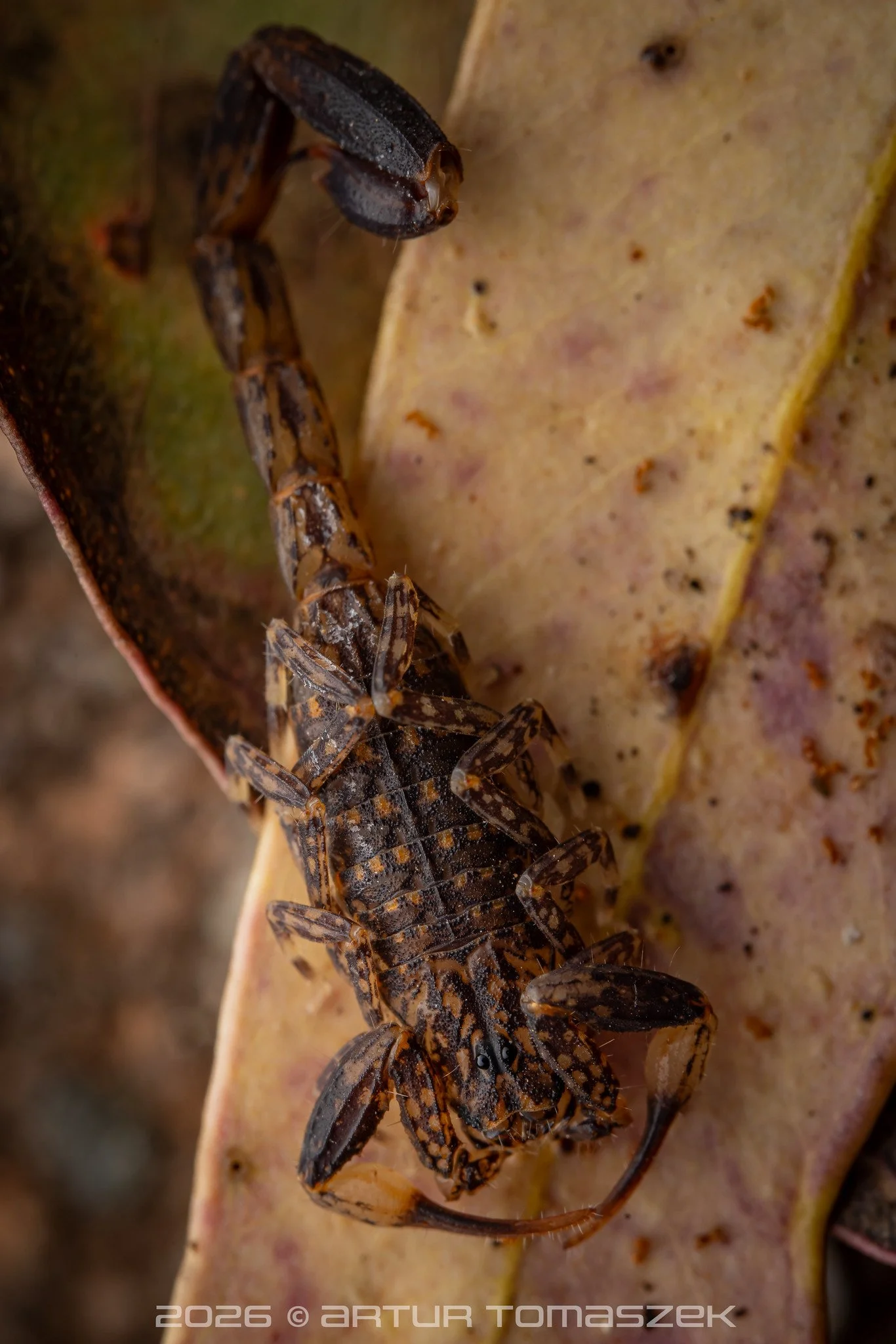
Nothing else showed up that night so we called it in early and got some sleep before a very early wake-up the next day.
The numbat land
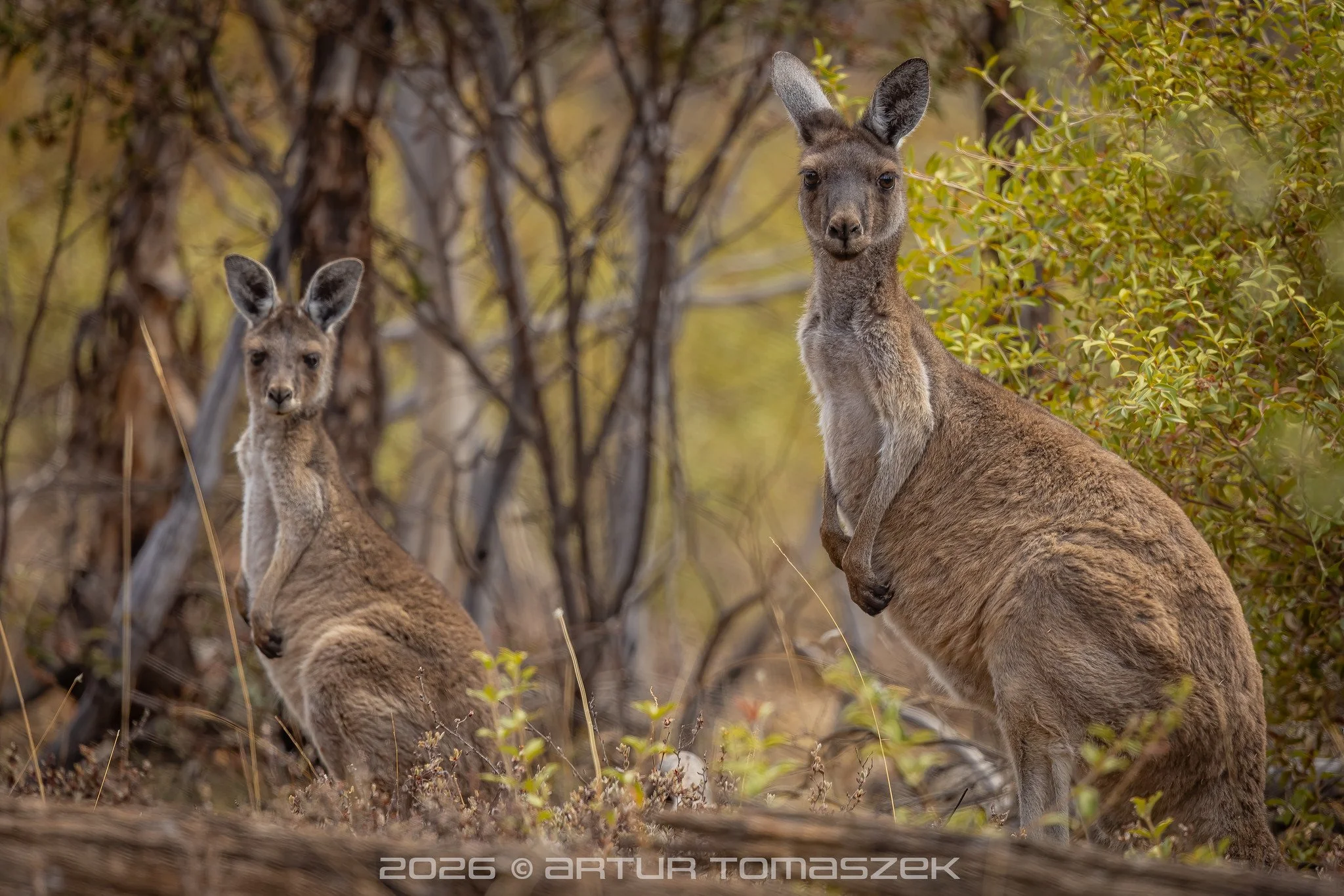
Before sunrise, we headed towards a woodland area near Perth. The temperature dropped to a brutal 11°C! Kangaroos moved through the misty fields just like deers do back home, parrots called from the trees and flocks of galahs (Eolophus roseicapilla) fed on the streets like pigeons do in Europe. Loud, pink and chaotic. We loved them instantly.
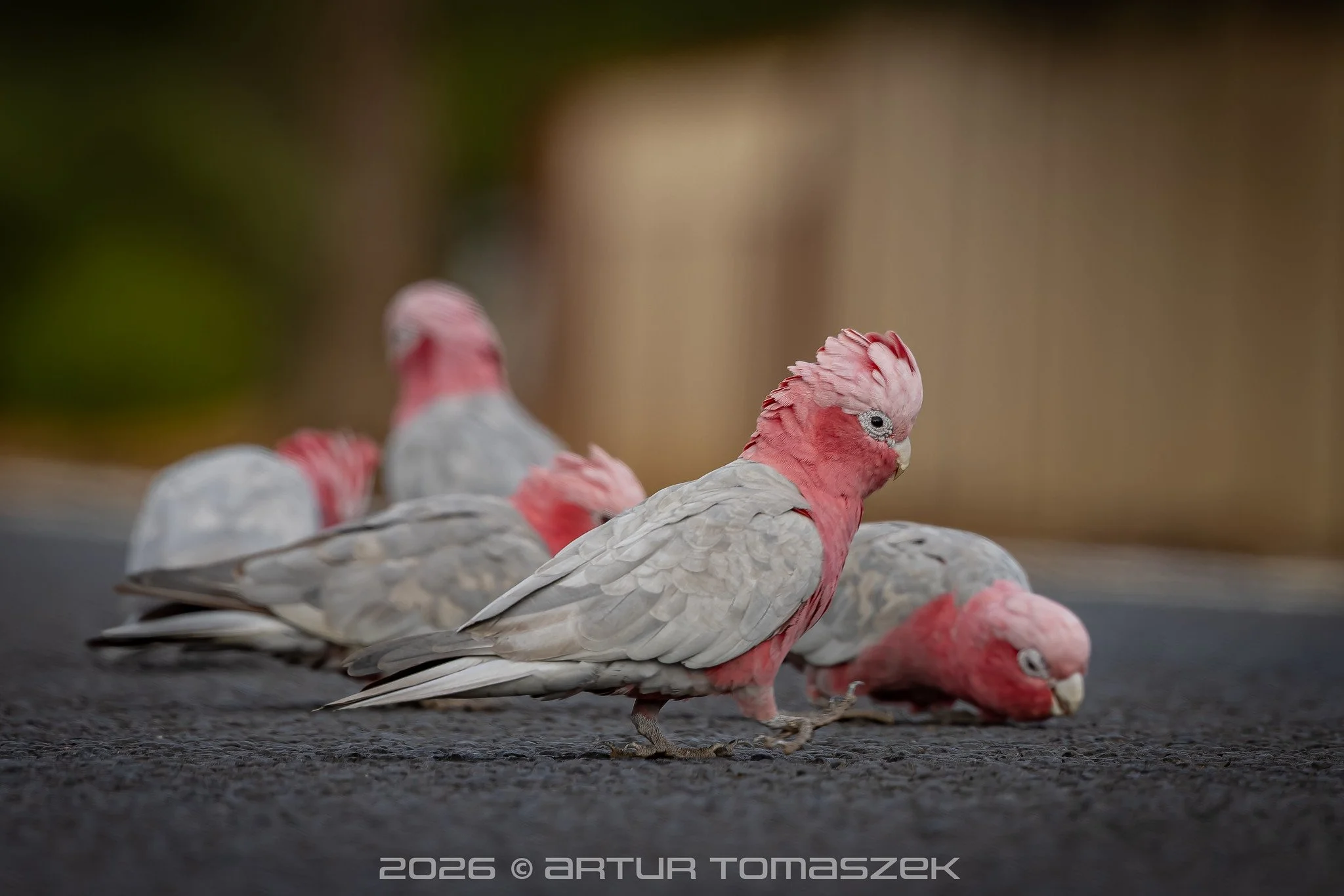
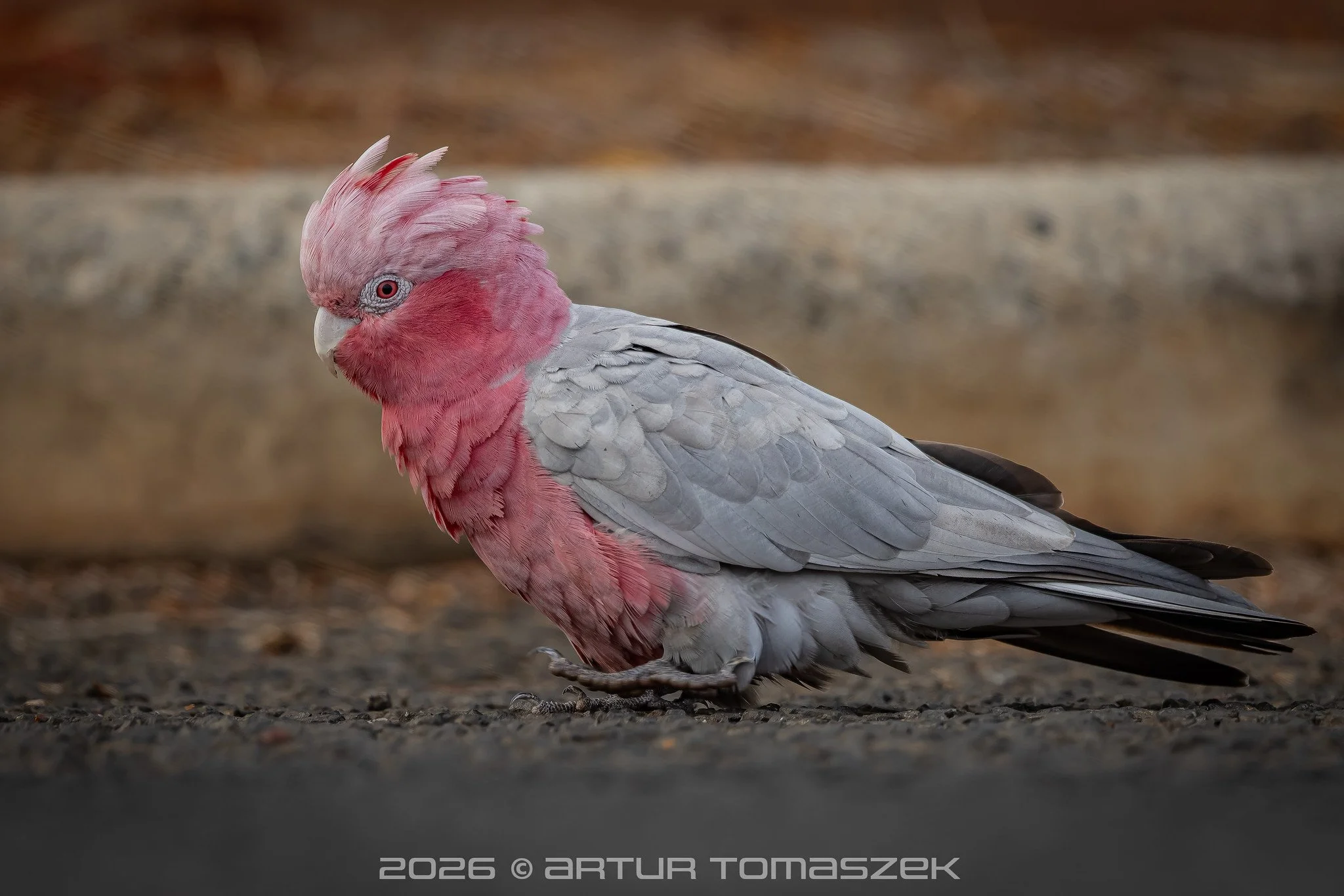
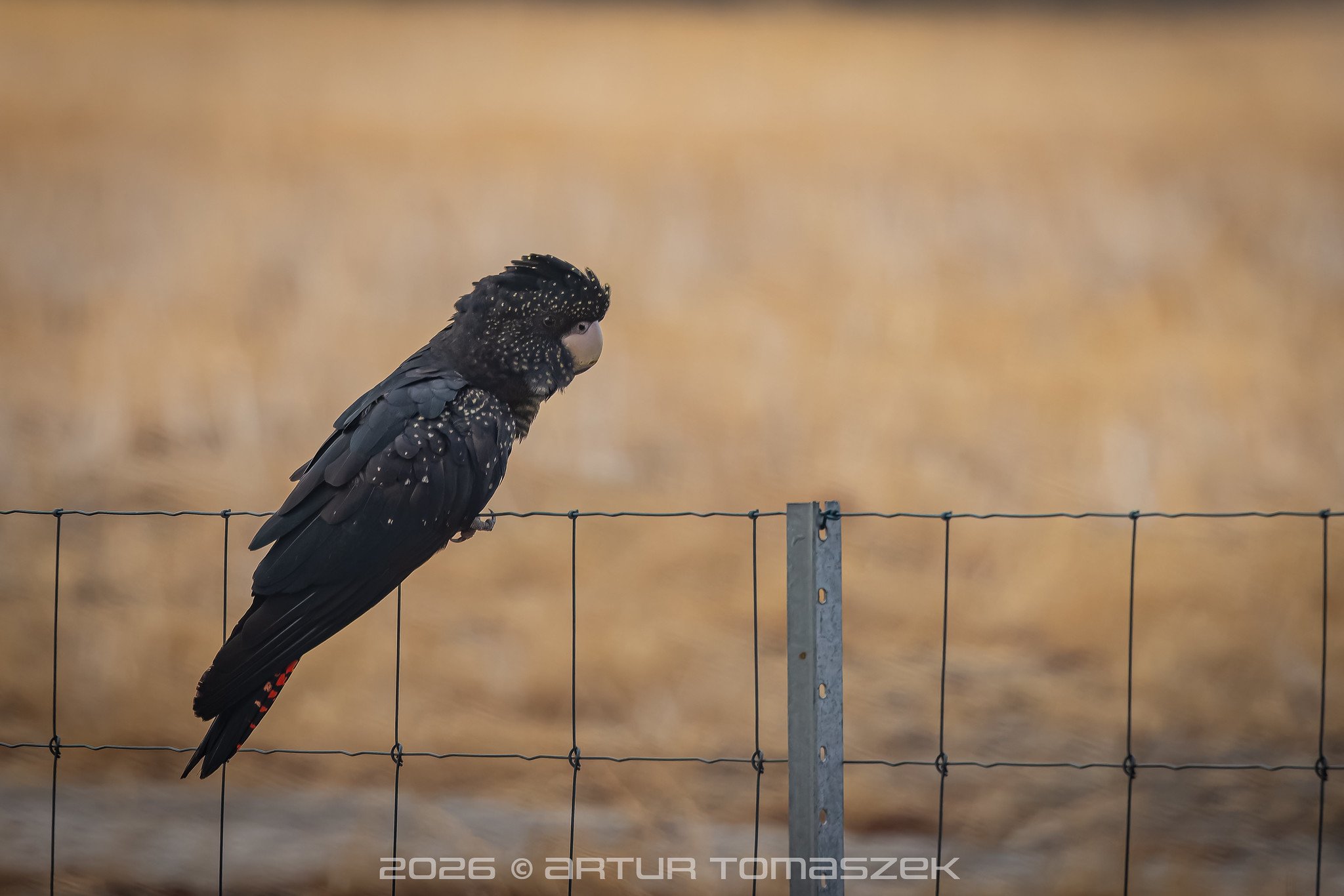
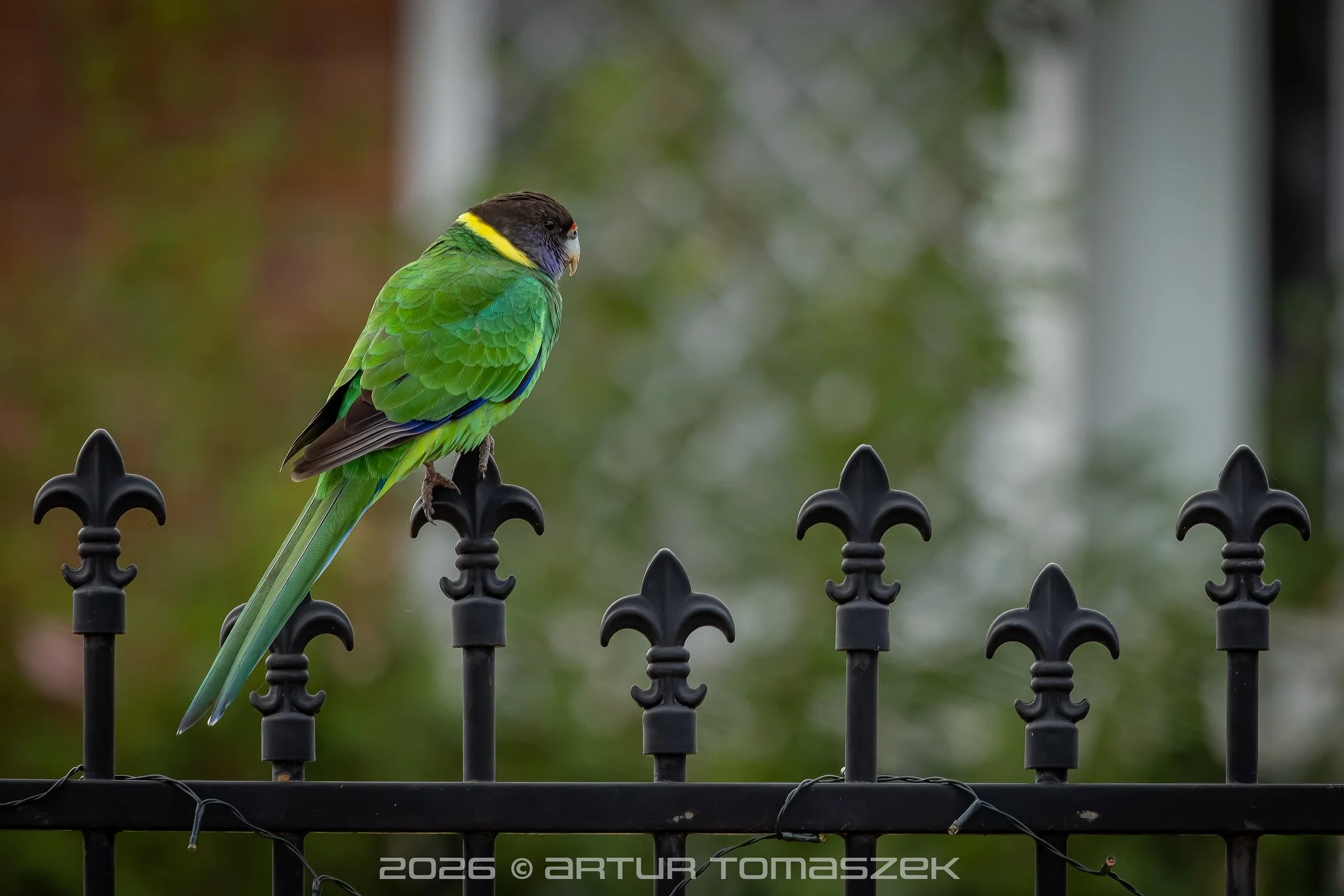
After refueling the car and ourselves, we headed to our main target area. The temperature slowly climbed and a few hours of cruising and scanning the bushes paid off pretty quickly. There it was. THE NUMBAT.
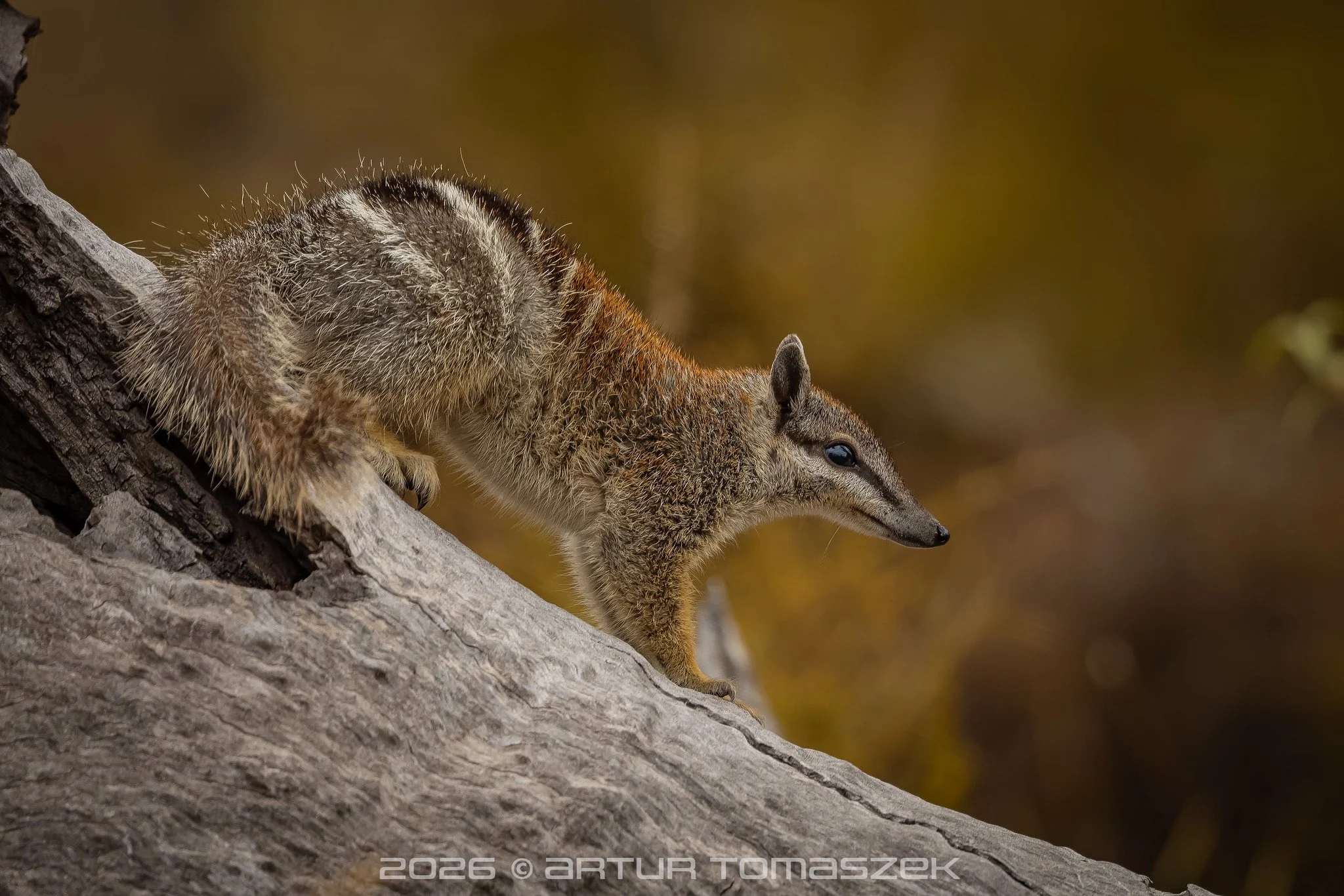
Numbat (Myrmecobius fasciatus)
Numbat
Numbat (Myrmecobius fasciatus) is one of Australia’s most unique mammals. A termite specialist with a long sticky tongue, striped back, and diurnal lifestyle which is extremely unusual for a small Australian marsupial. Once widespread, now endangered due to habitat loss and introduced predators. Seeing one in the wild felt like witnessing a conservation miracle. Karolina was over the moon, as this might have been one of her biggest fluffy targets of the entire trip.
Onto the next target: reptile mode this time.
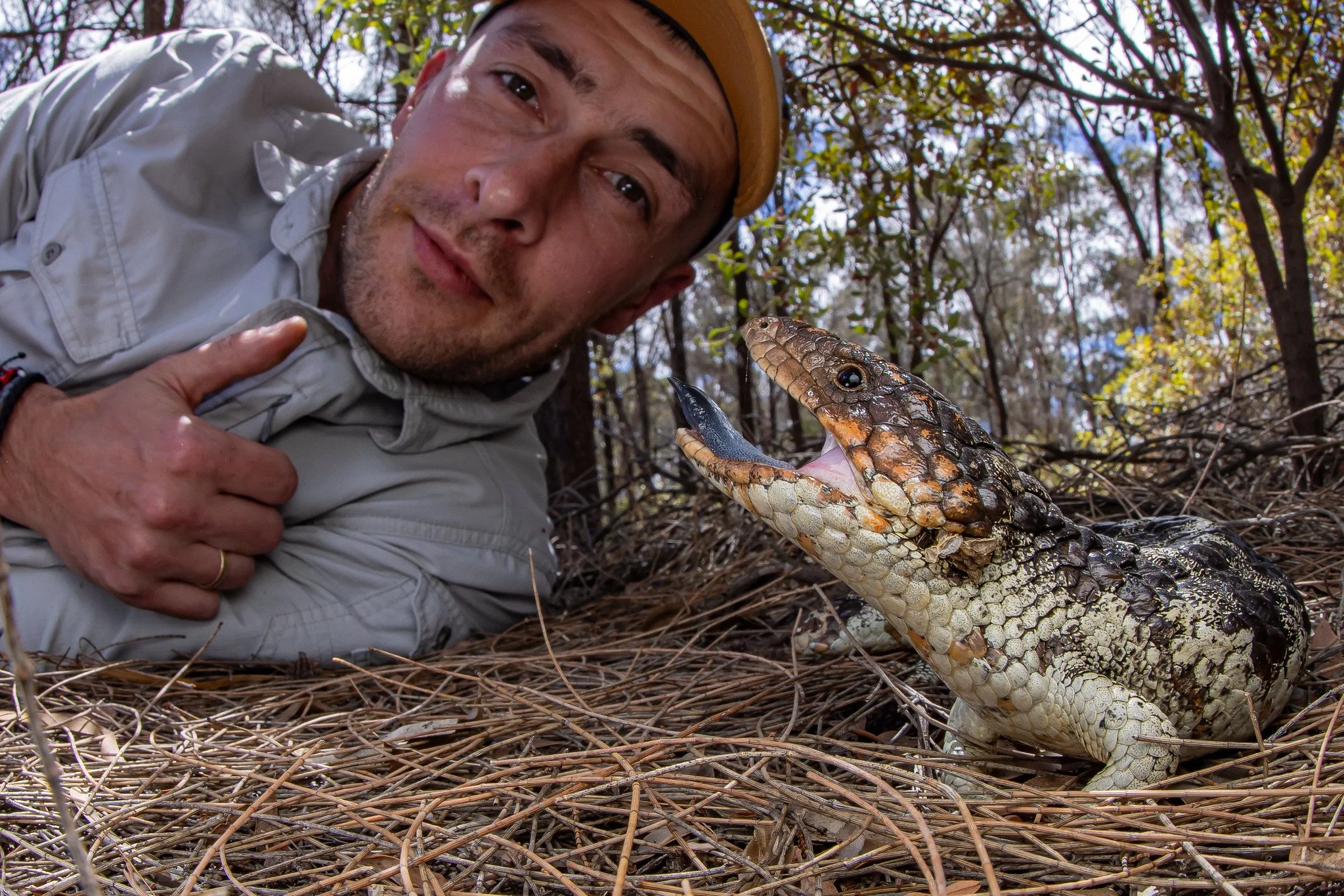
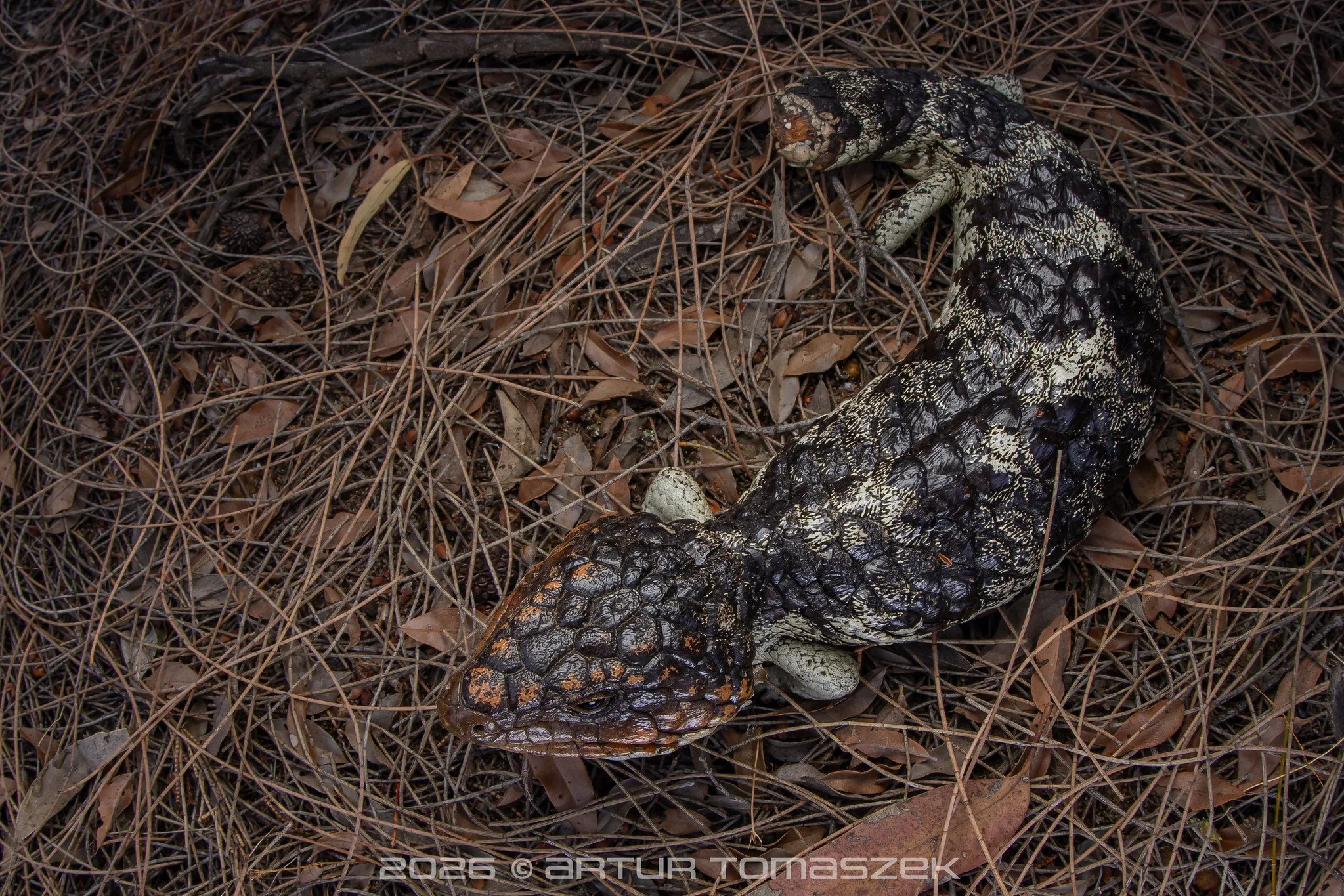
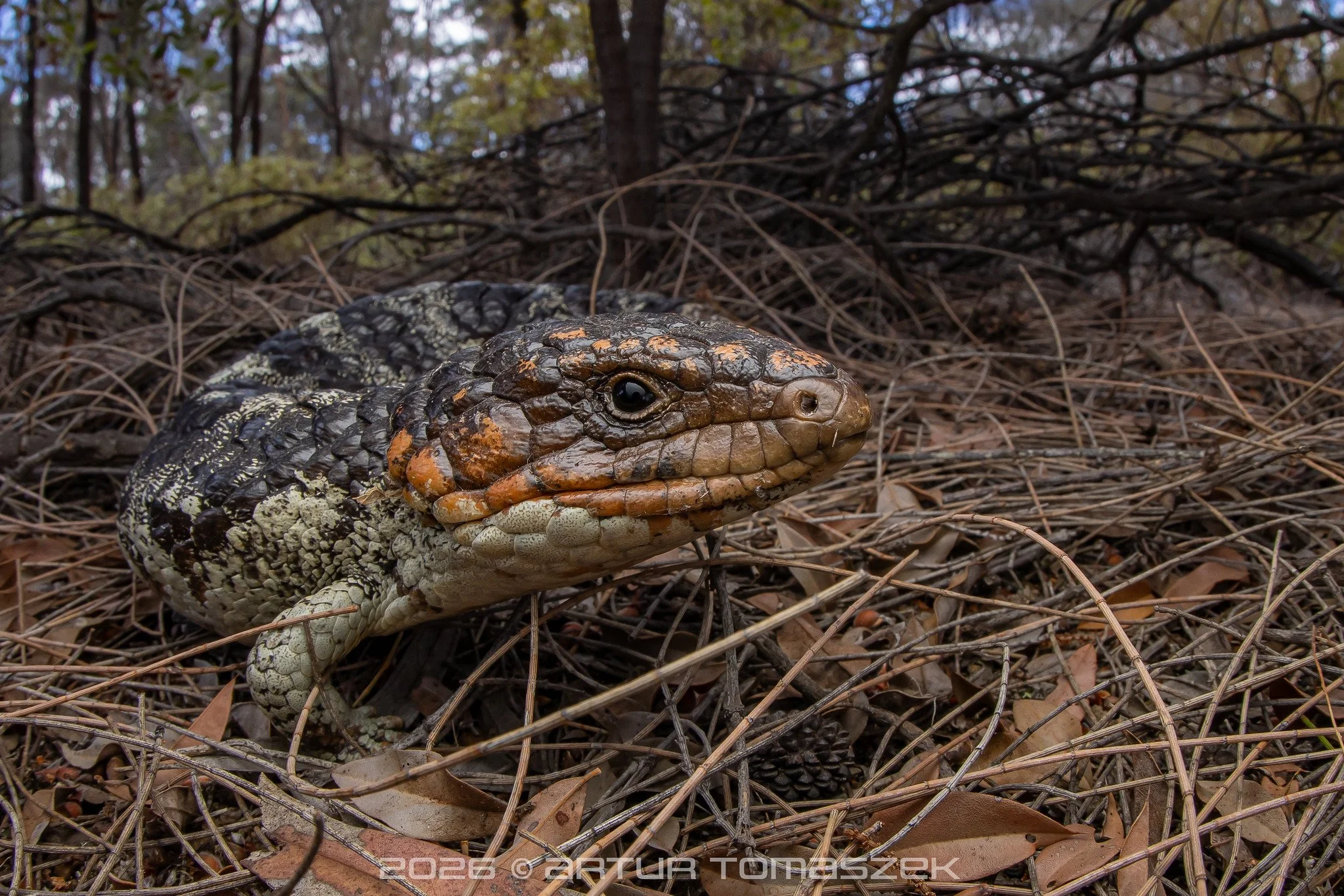
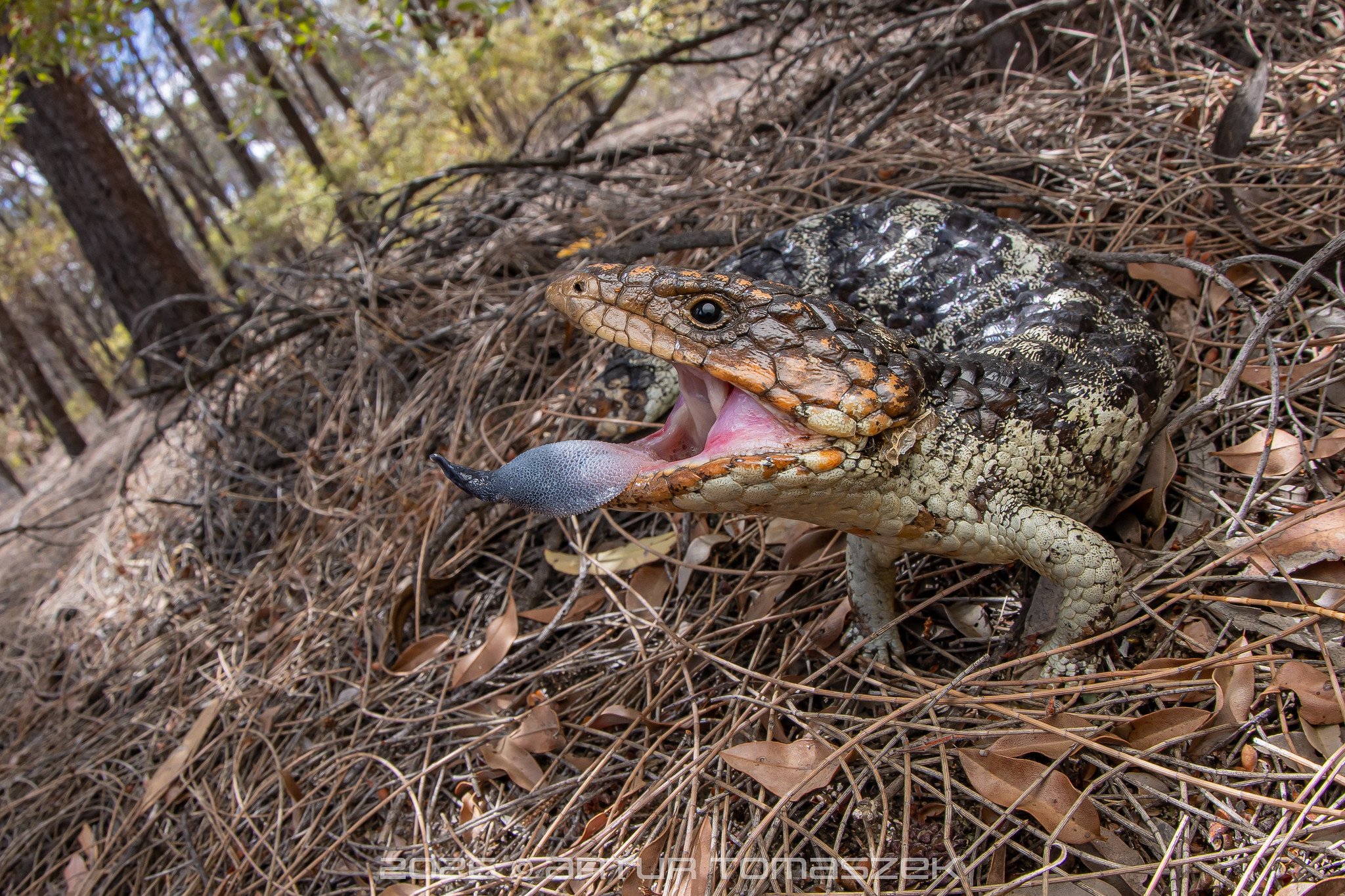
Just before noon, after hours of painful, scorching hot and fruitless searching, just when we were about to give up, Artur spotted movement between vegetation - a Tiliqua rugosa ssp. rugosa! Also known as the bobtail or sleepy lizard, this heavy-bodied skink is famous for its stumpy tail (which looks like a second head) and surprisingly calm temperament. Long-lived and often forming monogamous seasonal pairs, they’re absolute lizard icons of Western Australia.
On the way back, we briefly saw a sand goanna… and immediately lost it. Typical.
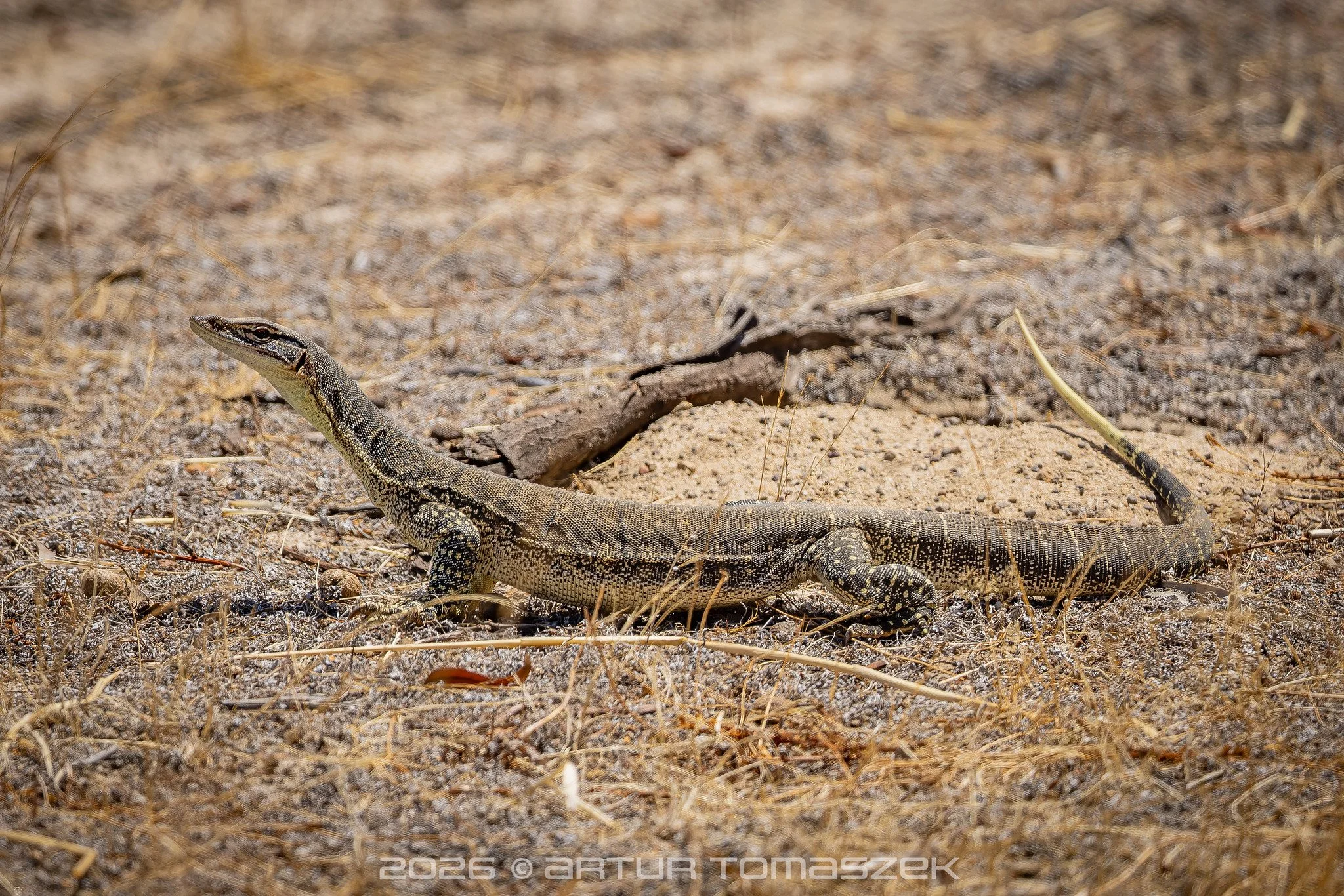
Sand goanna (Varanus gouldii)
Herdsman Park
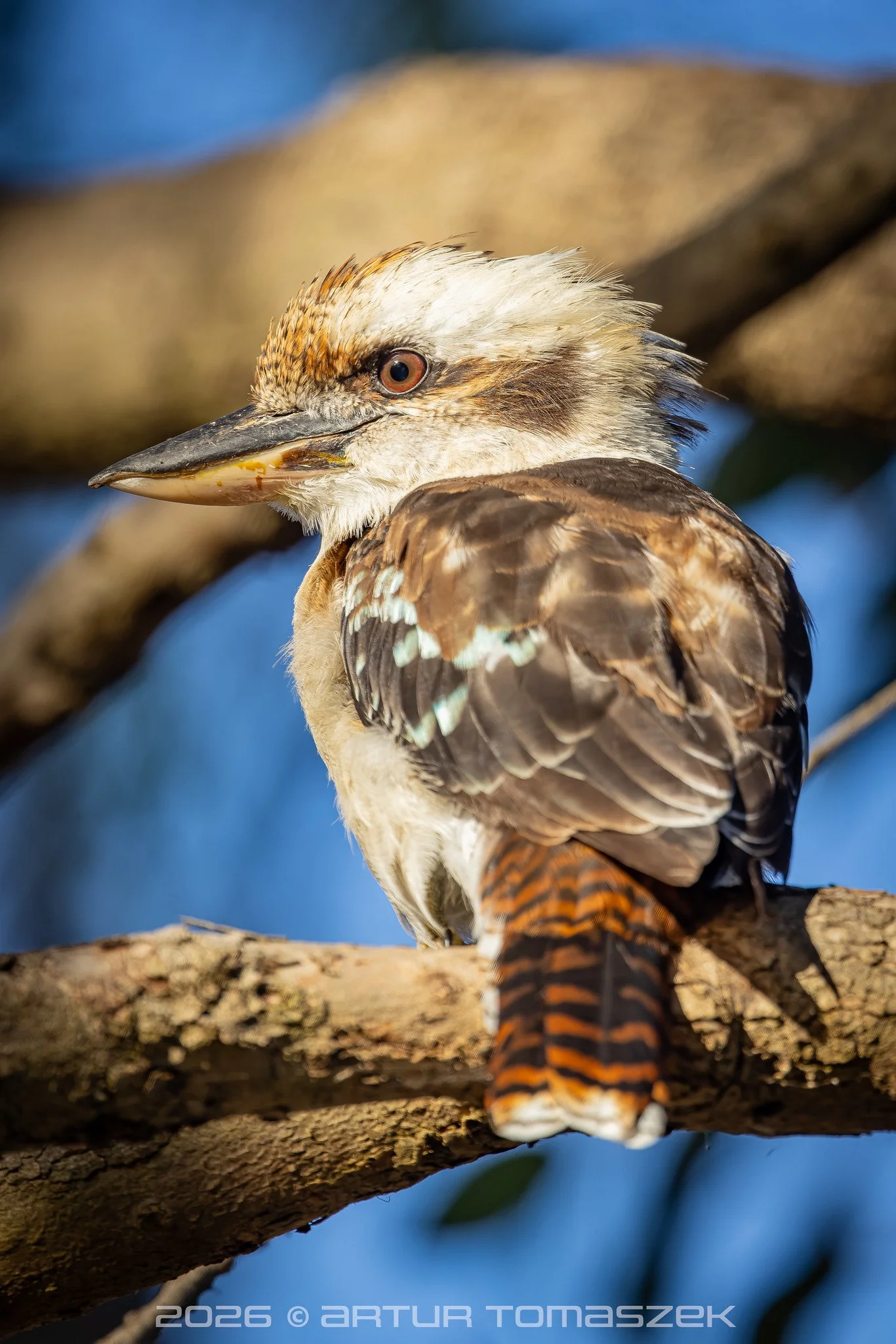
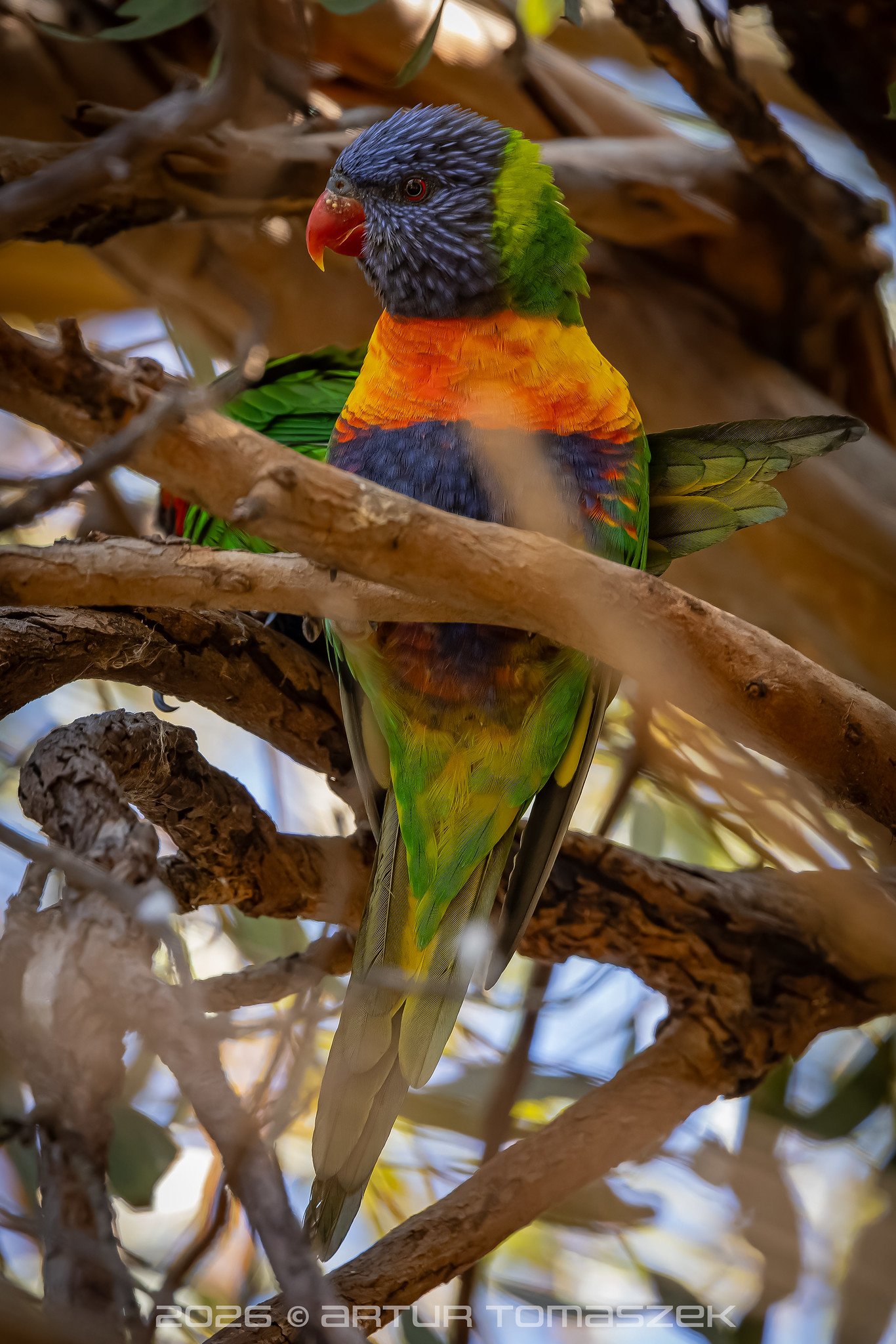
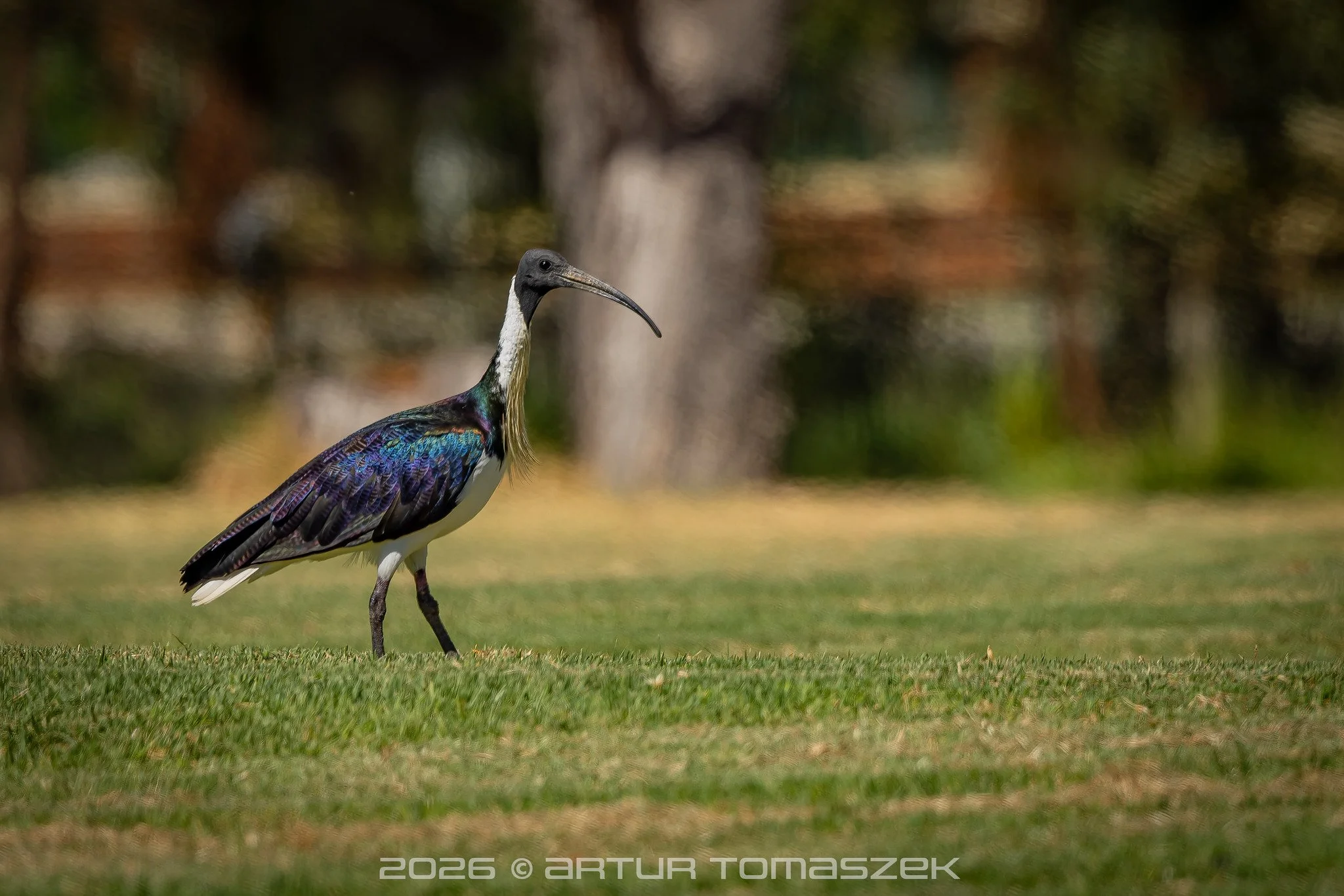
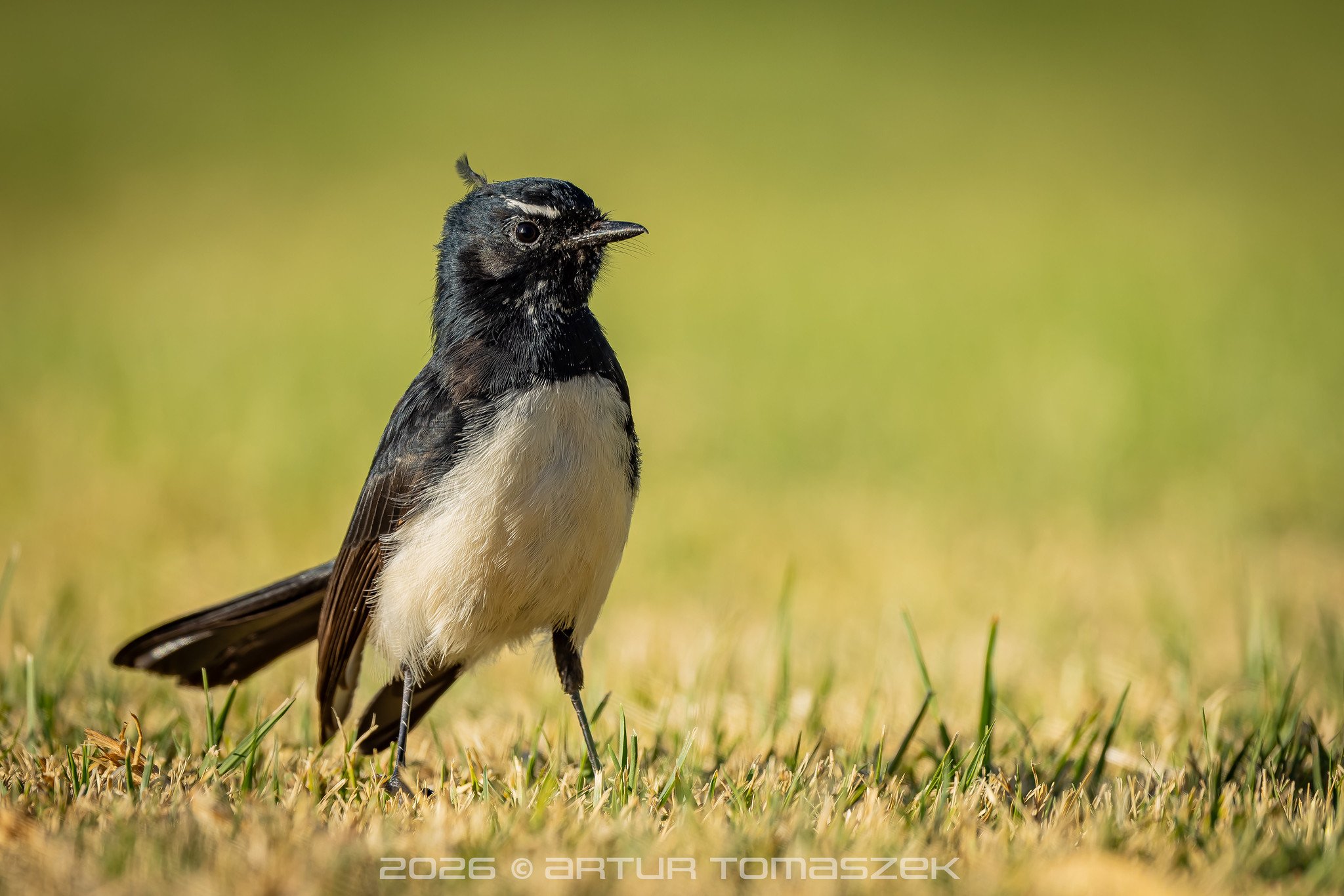
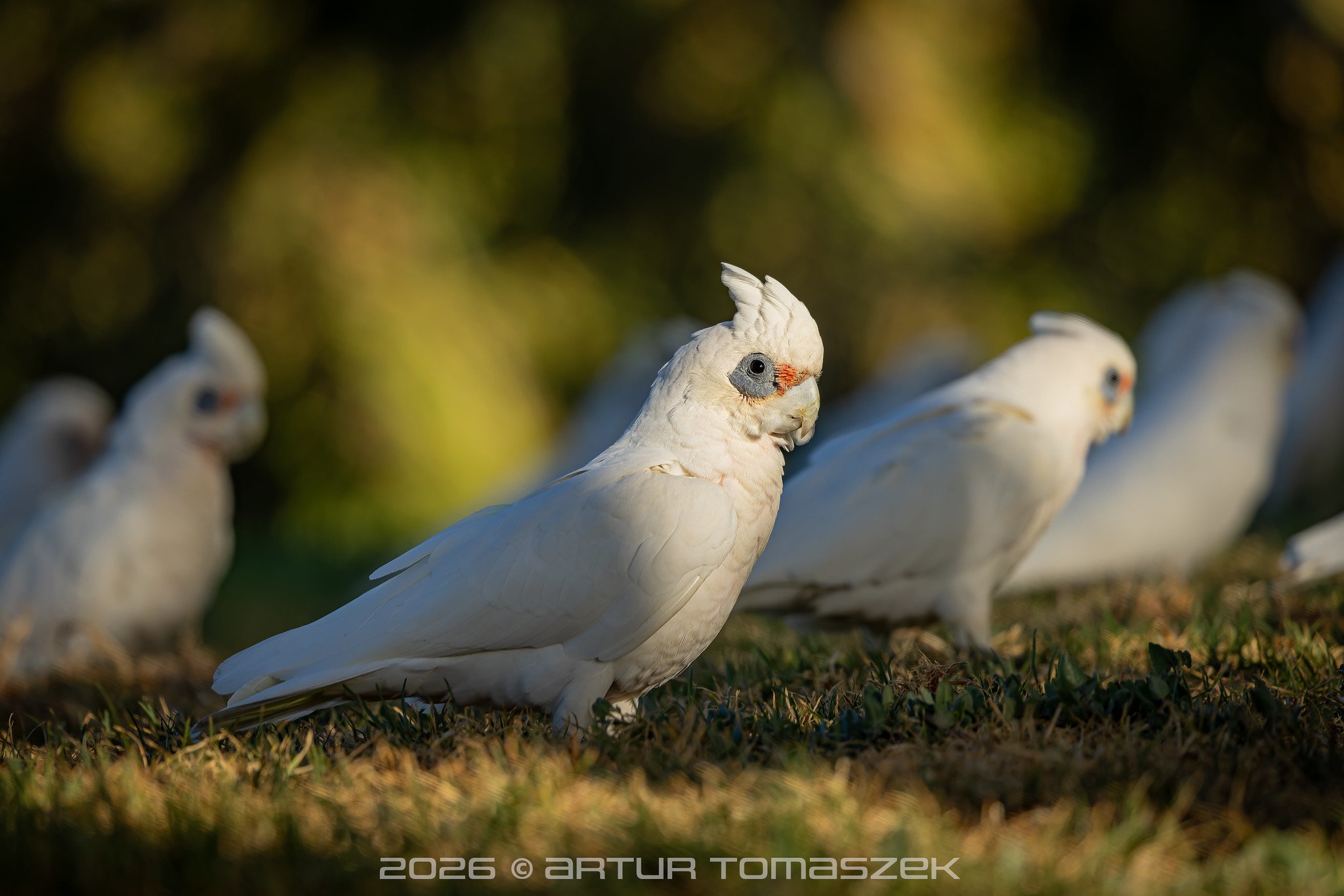
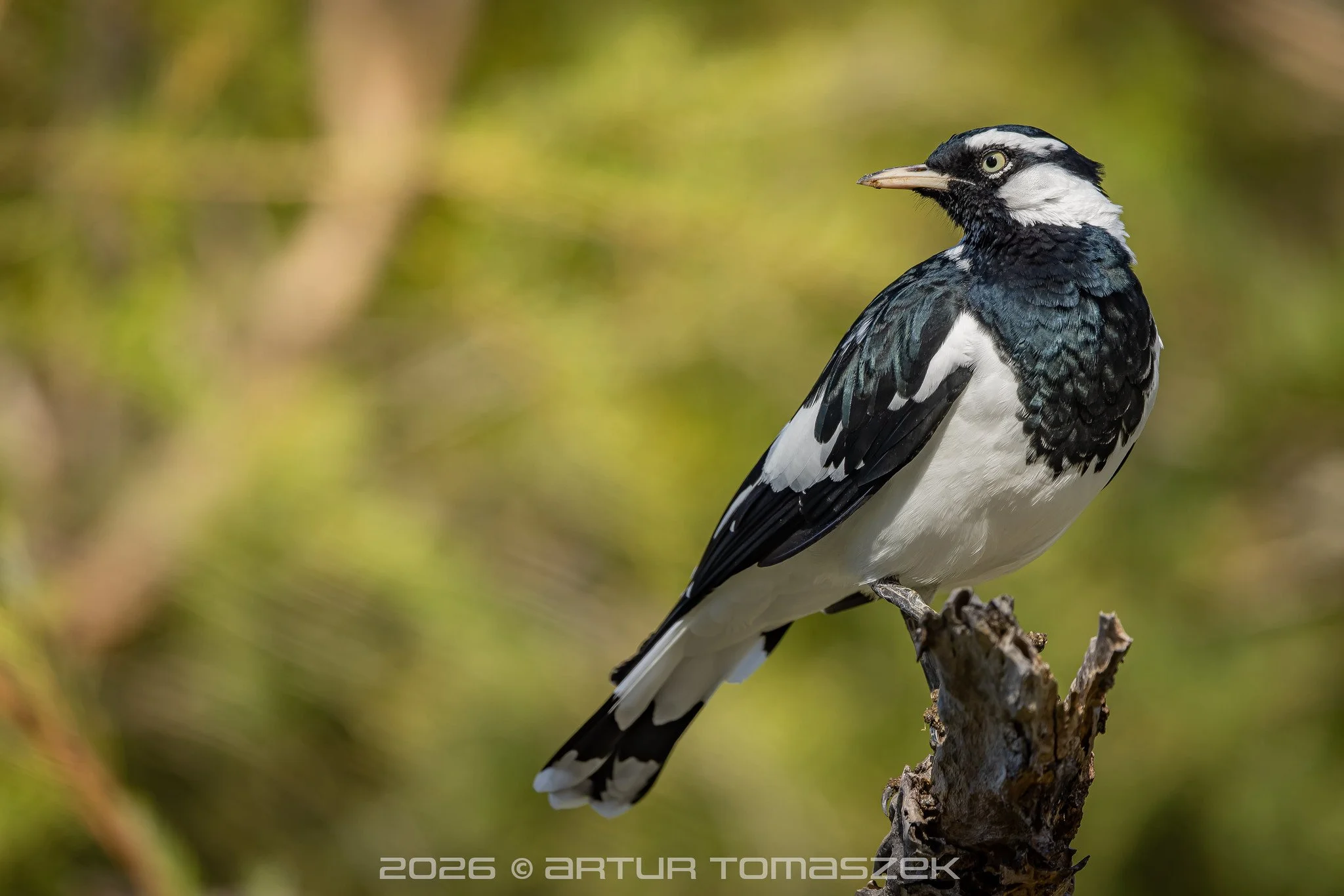
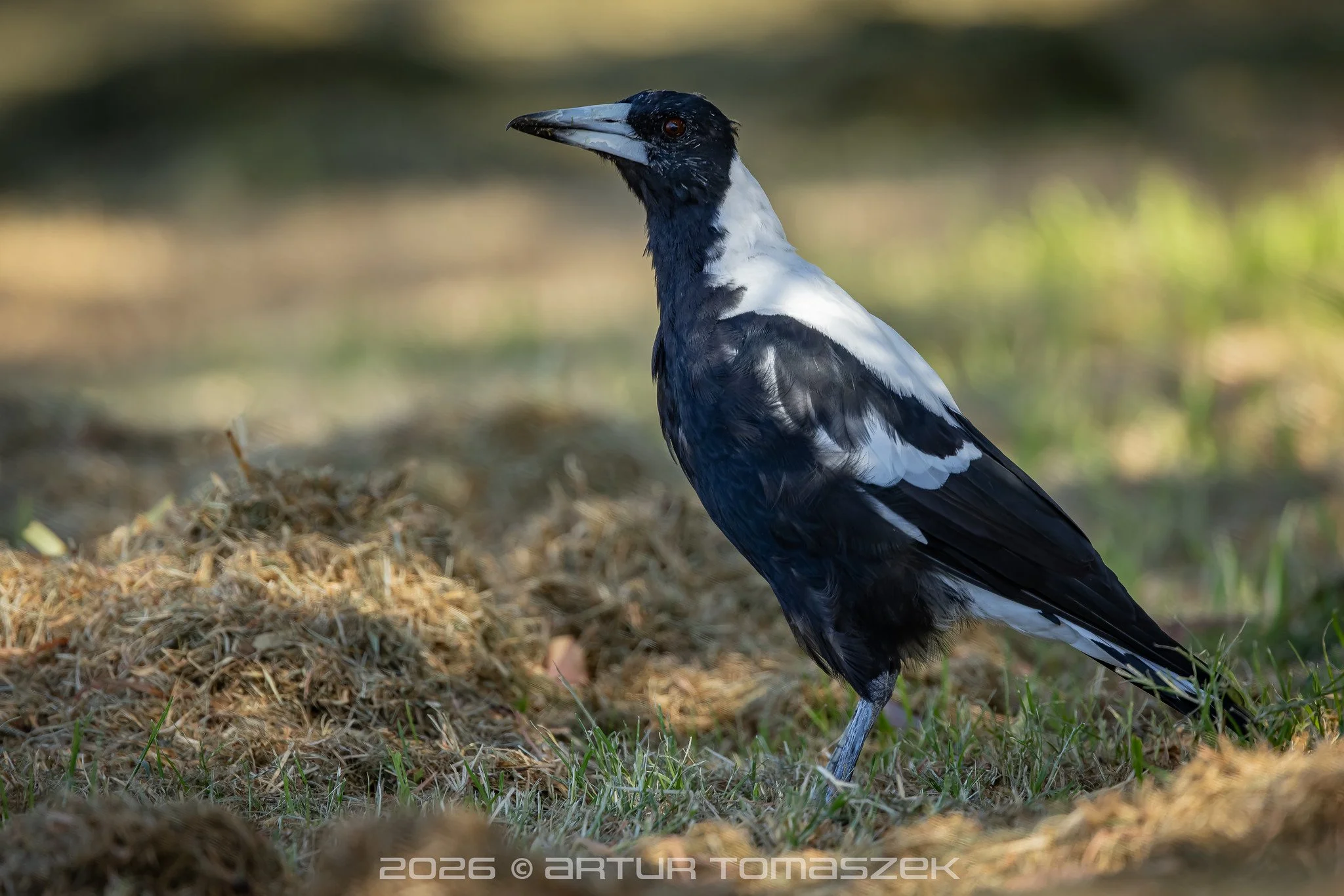
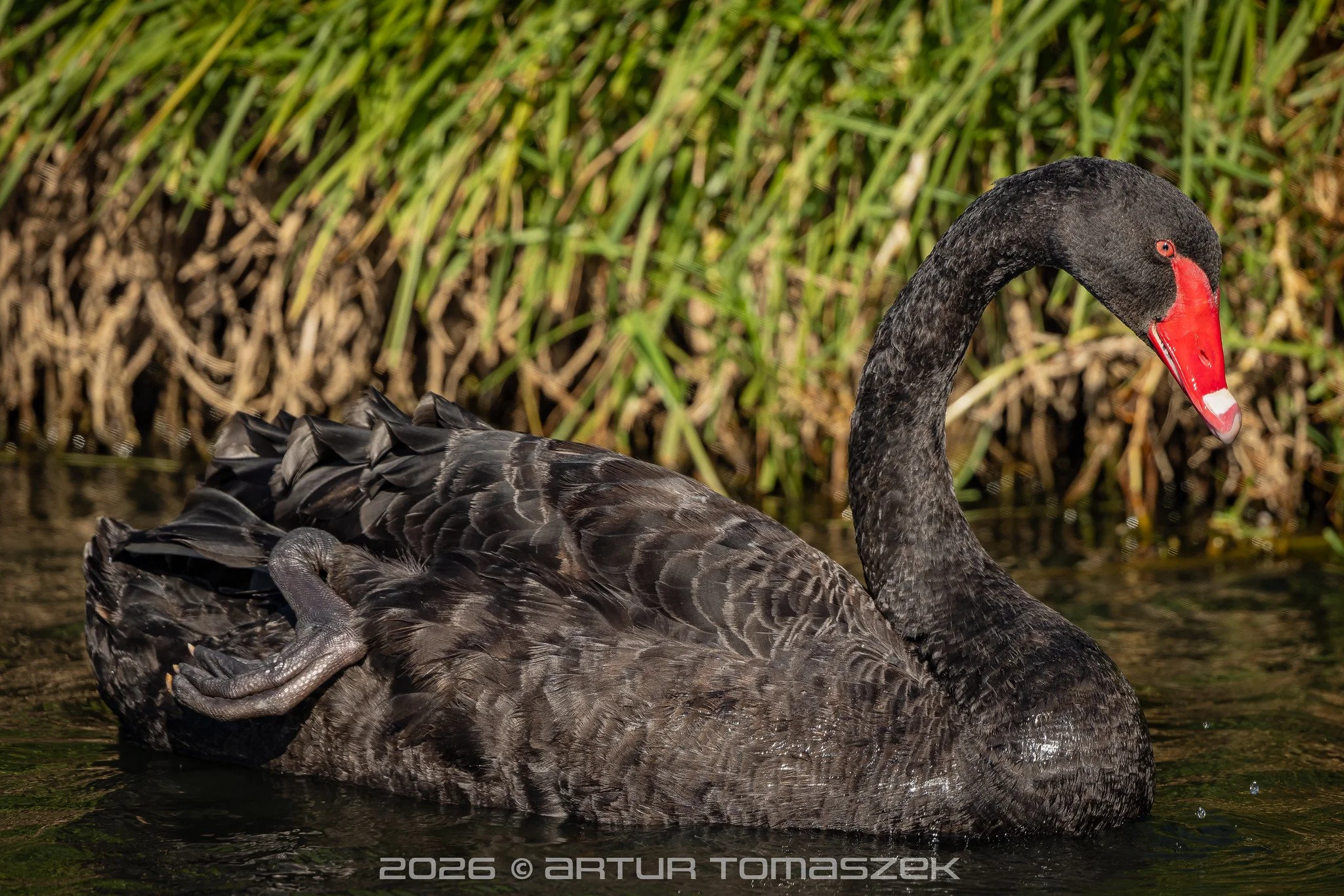
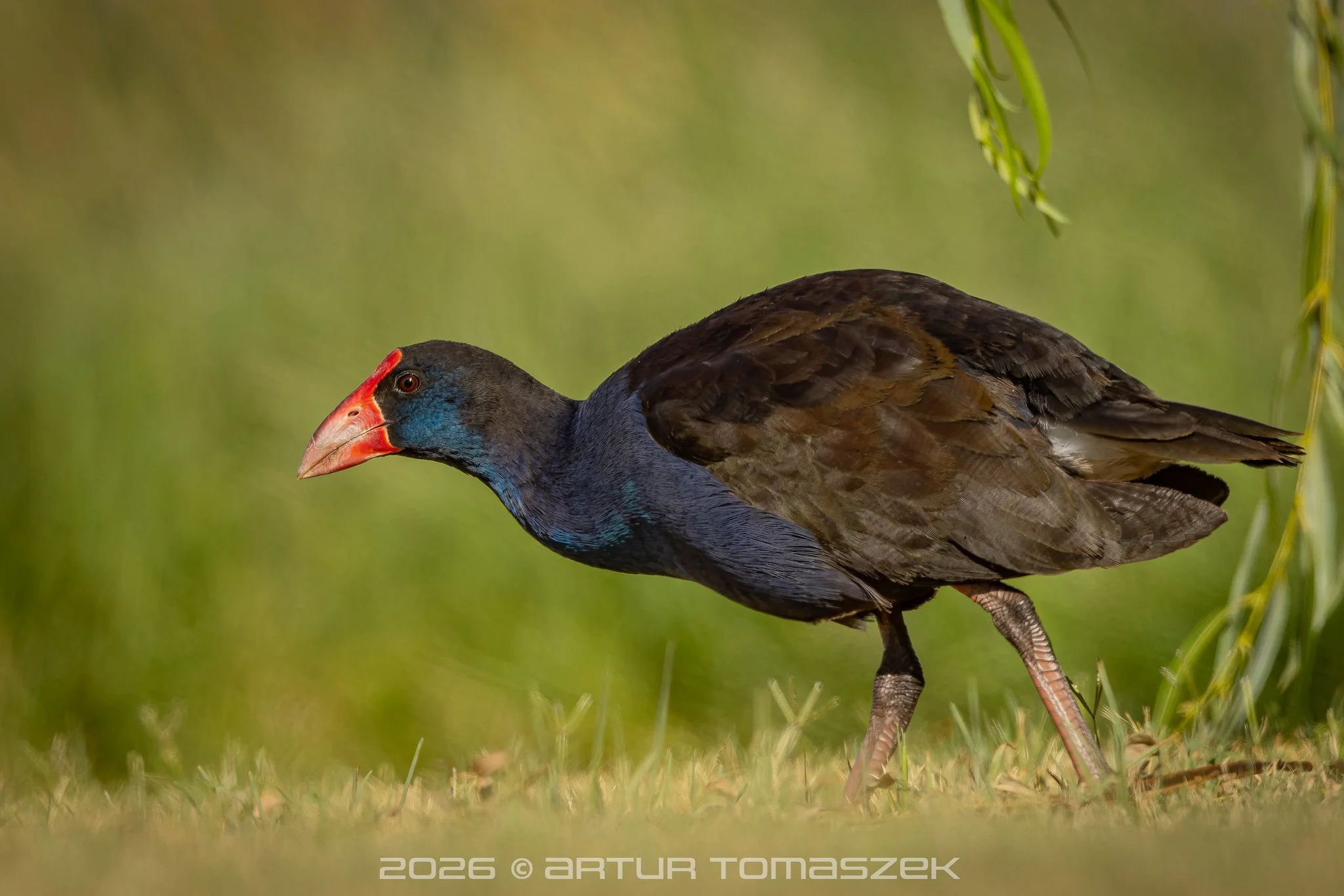
Later in the afternoon, we searched for tiger snakes around Perth. They’re considered common. Supposedly. Something was clearly off that day though, maybe the weather or maybe our timing. Artur actually spotted one, but lost it instantly in tall grass. It was so frustrating! We saw some amazing birds though, including a laughing kookaburra (Dacelo novaeguineae).

Another night attempt in Perth Hills was even colder! More Underwoodisaurus milii, some invertebrates… and an early surrender before a long drive the next day.
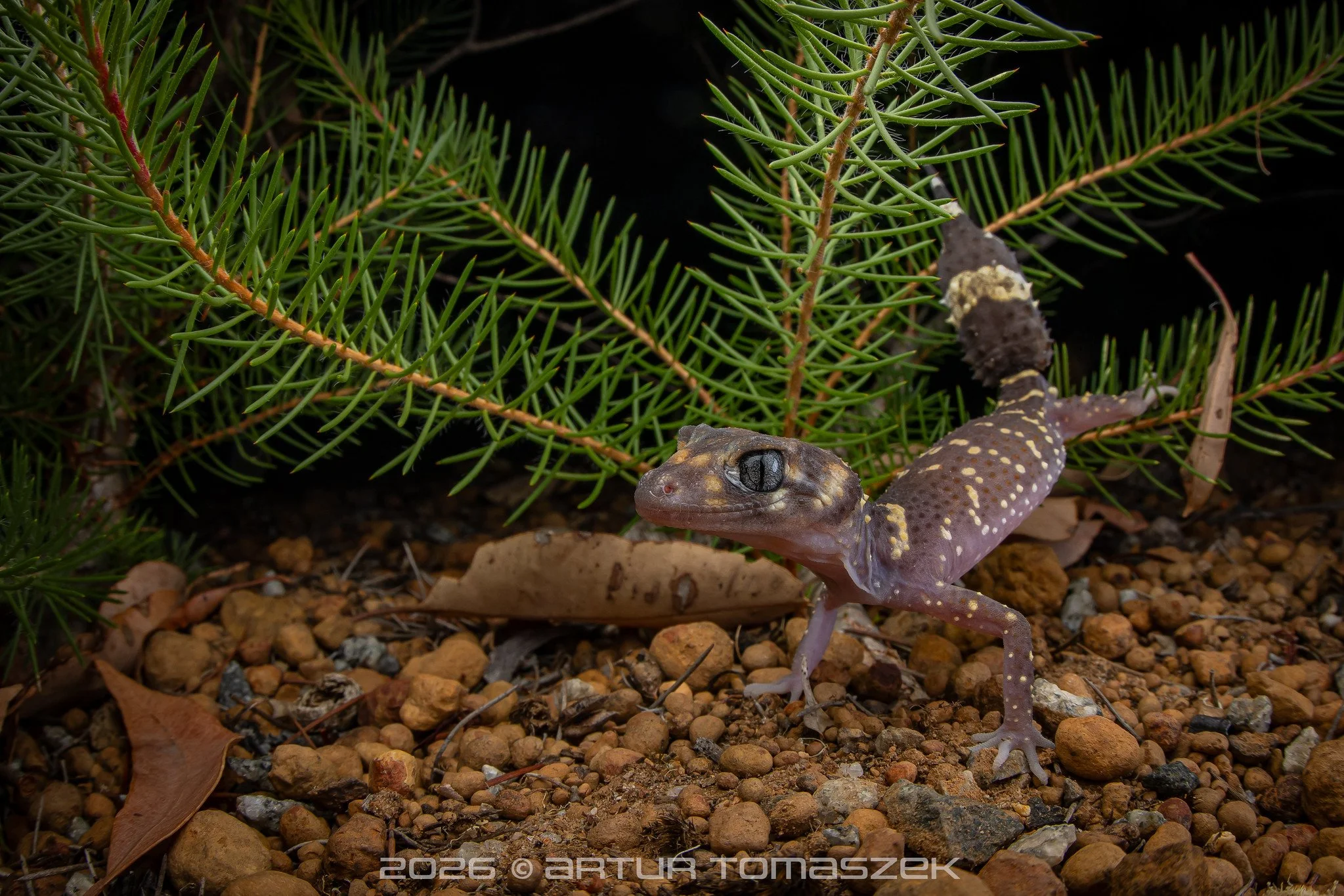
Underwoodisaurus milii
Kalbarri
Then came Kalbarri.
Wow.
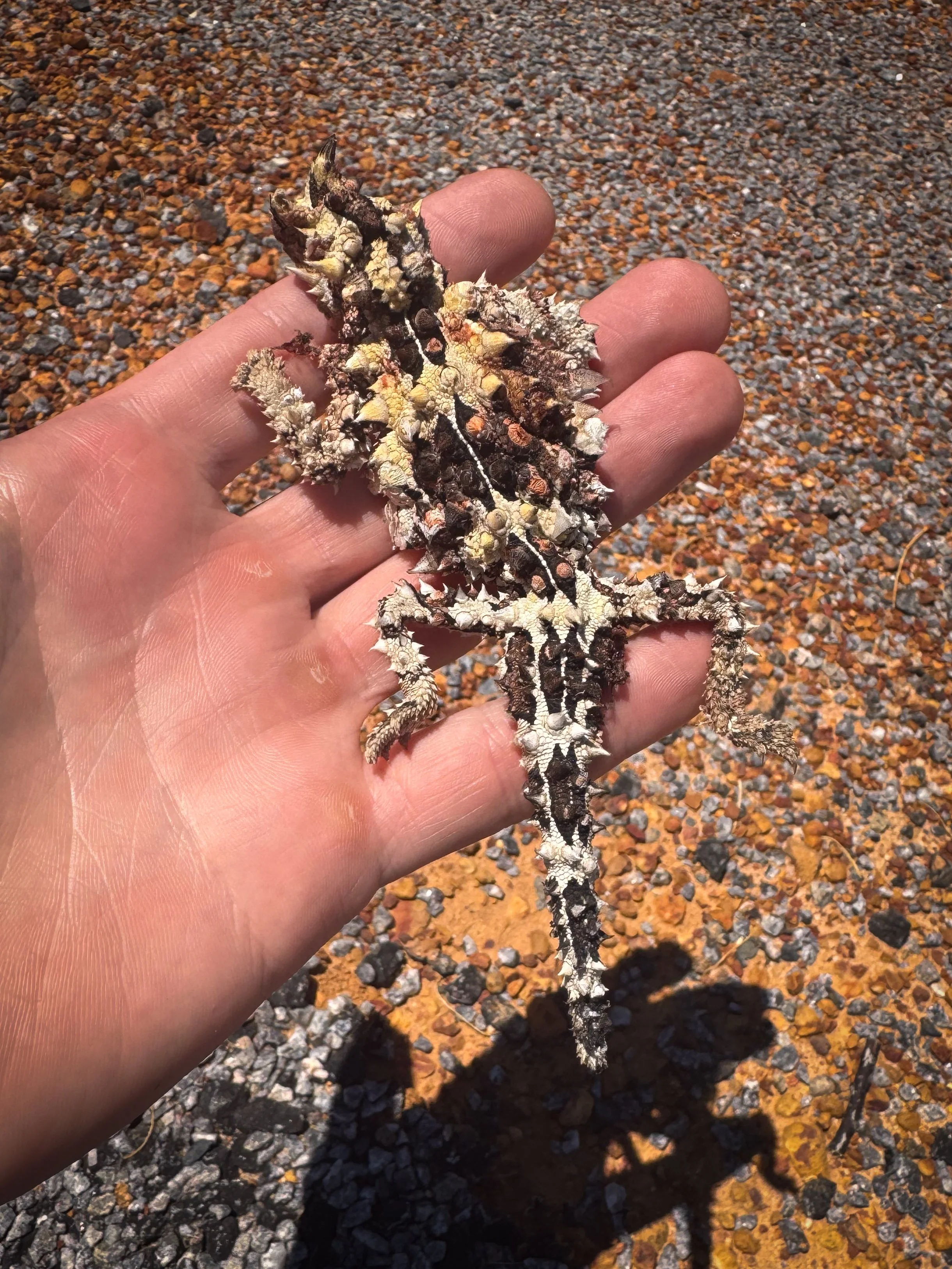
Dramatic coastal cliffs, deep gorges carved by the Murchison River, endless red landscapes meeting turquoise ocean. It felt wild and vast in every direction. Our main targets were the thorny devil (Moloch horridus) and perentie (Varanus giganteus).
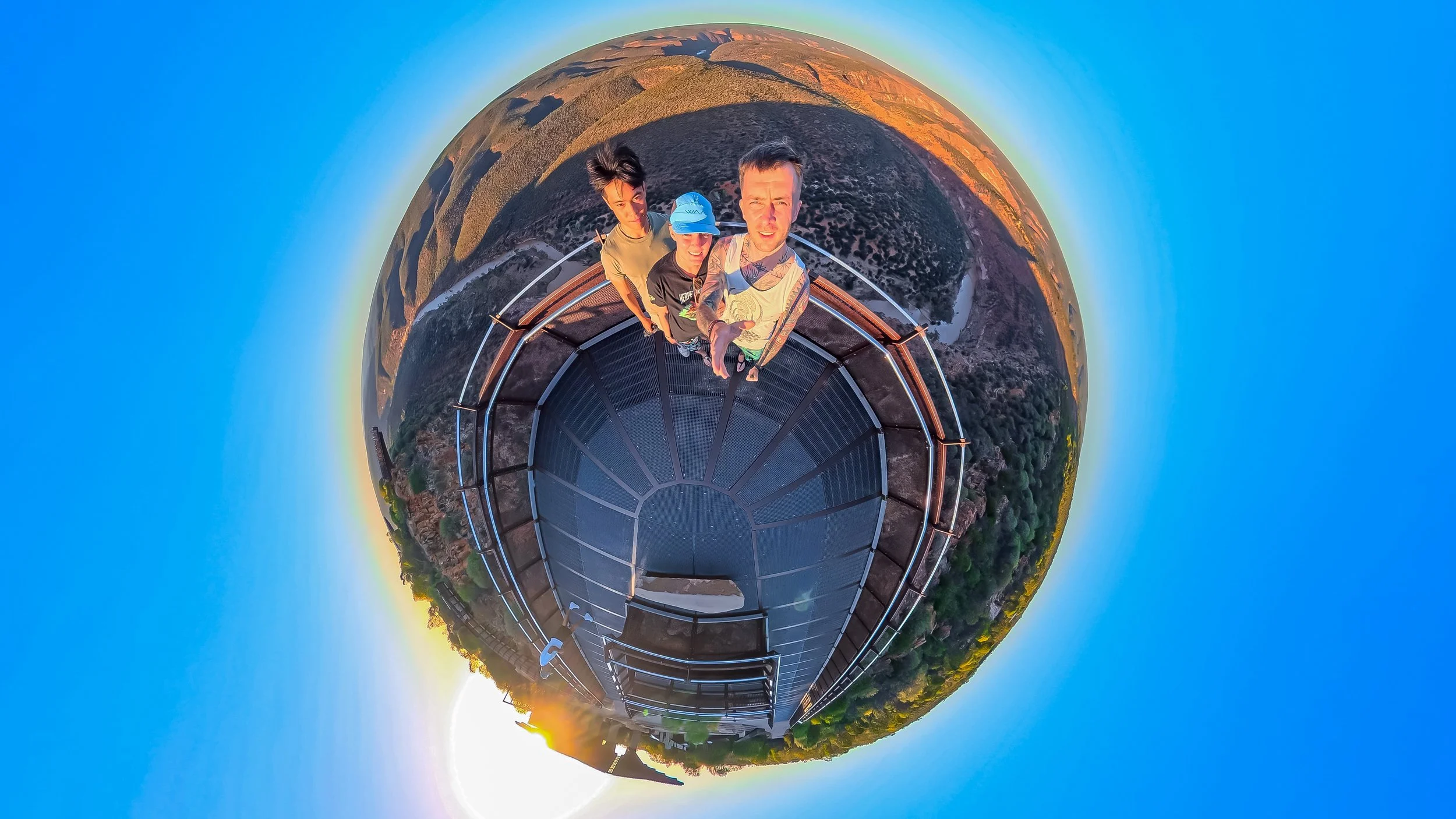
Our trio in Kalbarri
Our first Moloch was found dead on the road. So fresh… And a juvenile perentie we saw inside a small underground tunnel was unreachable.
At this point we were becoming rather disappointed and thought we’d soon need to come back to Australia in search of the very same targets, especially knowing that the attempts of other herpers to find lizards in this area usually weren’t particularly successful, and February seemed not to be a month with the most observations of this species.
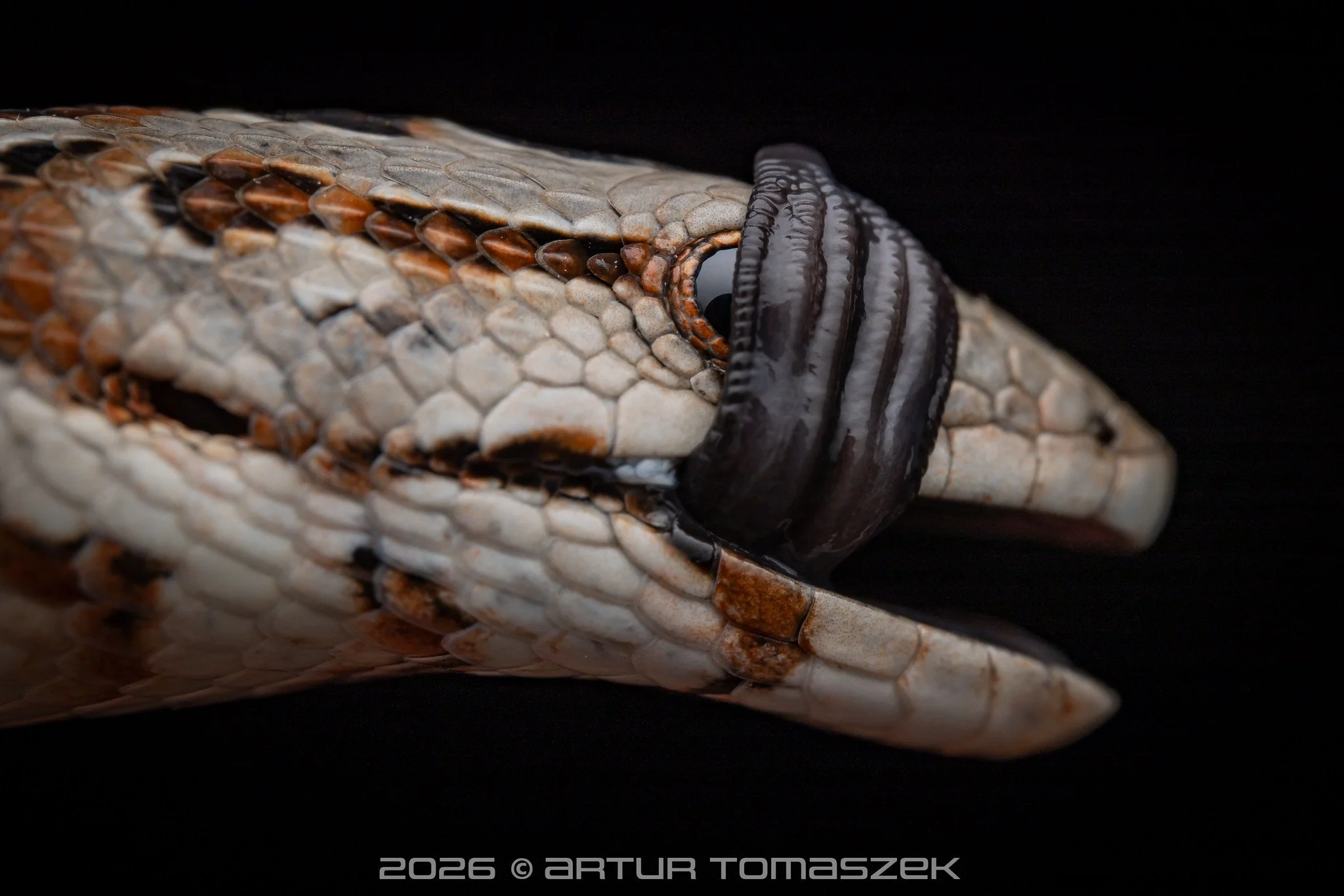
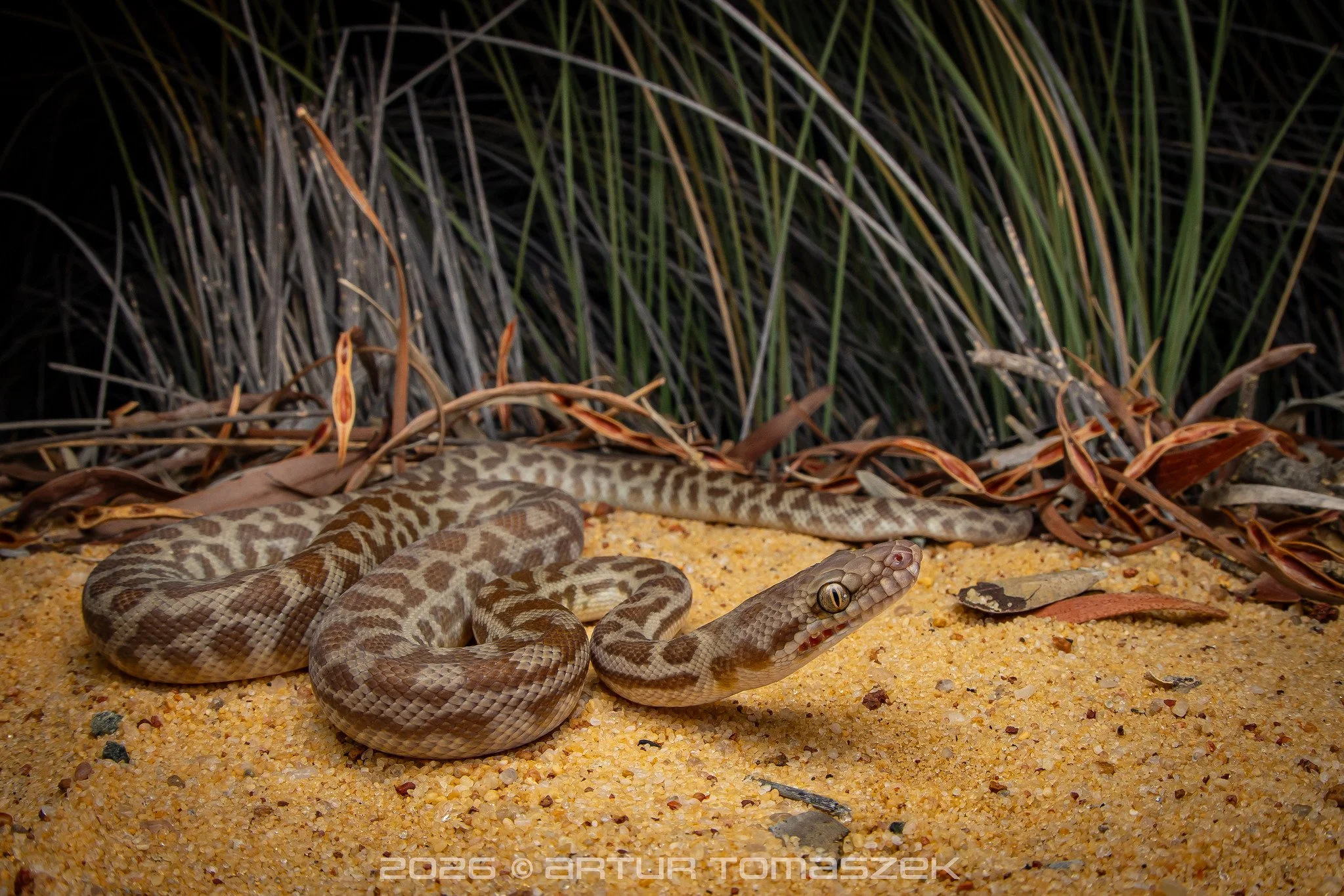
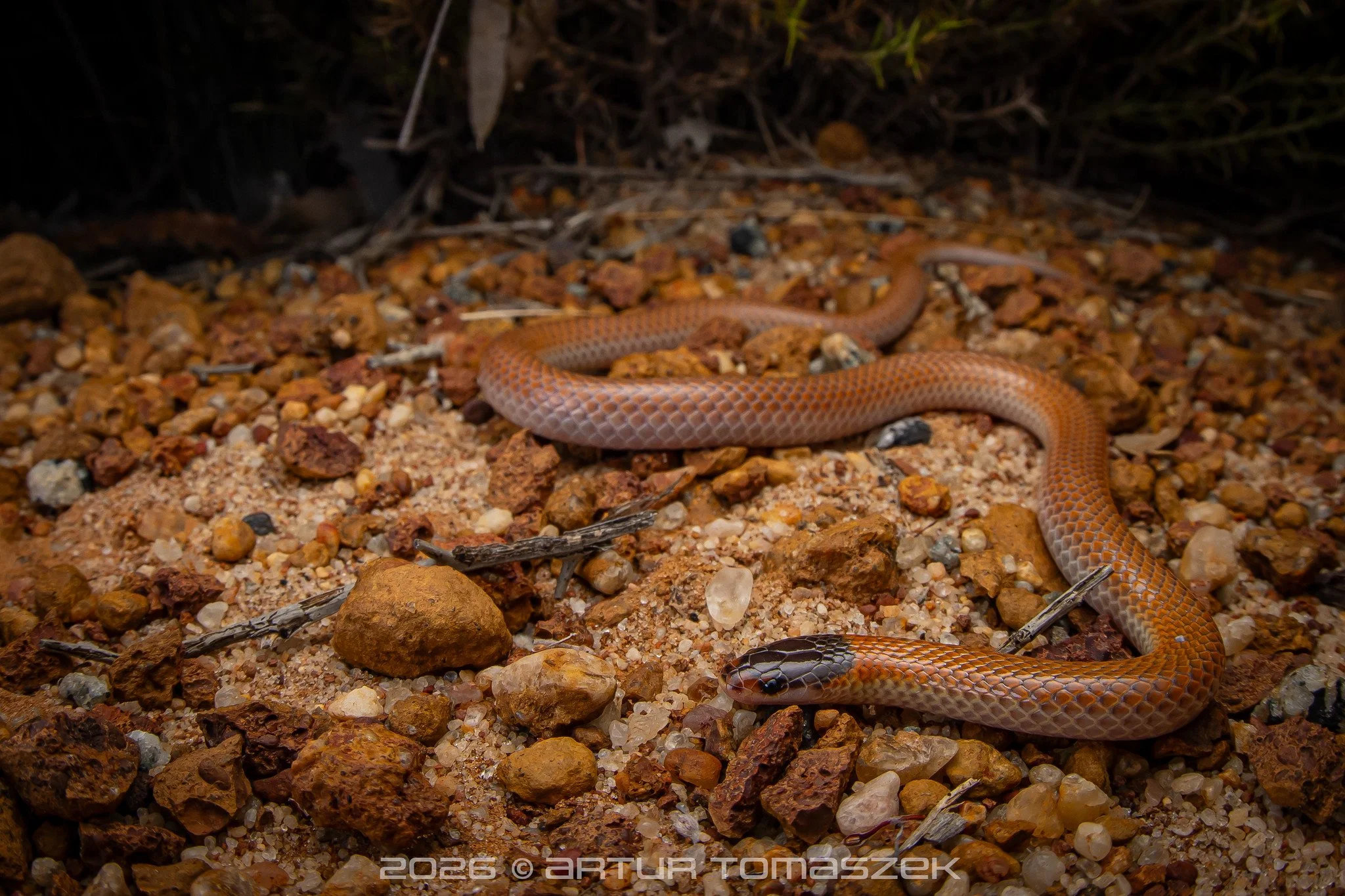
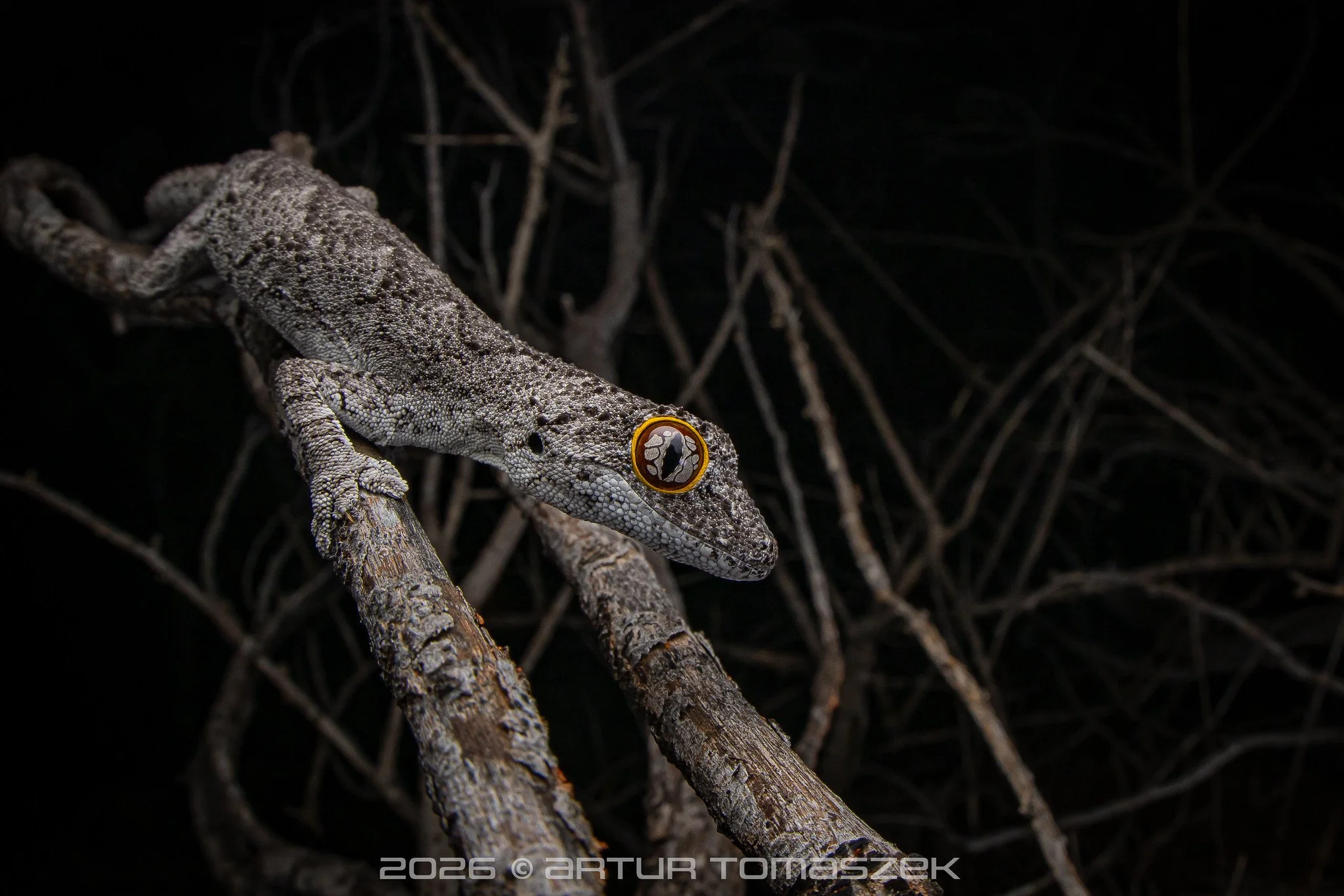
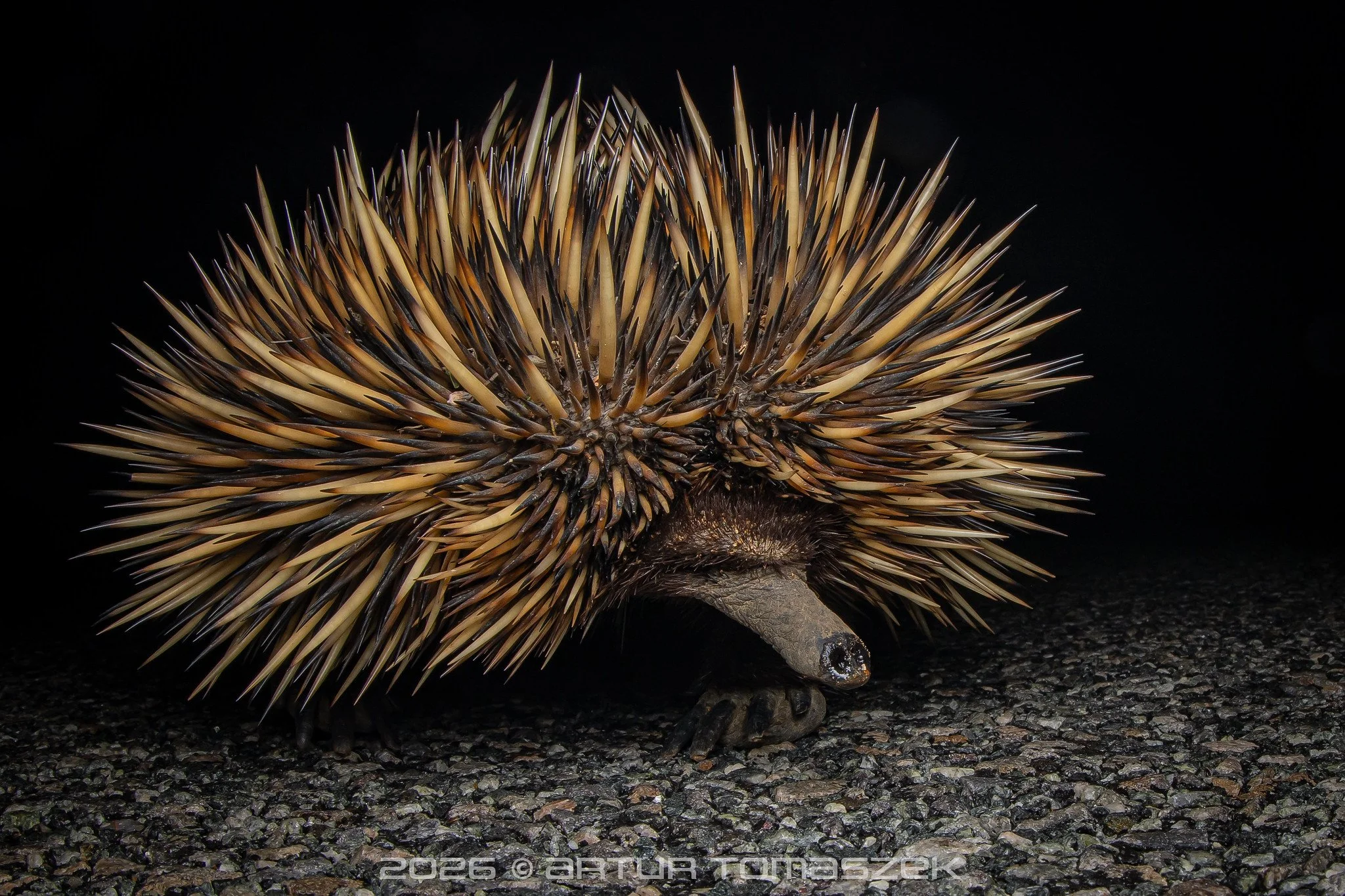
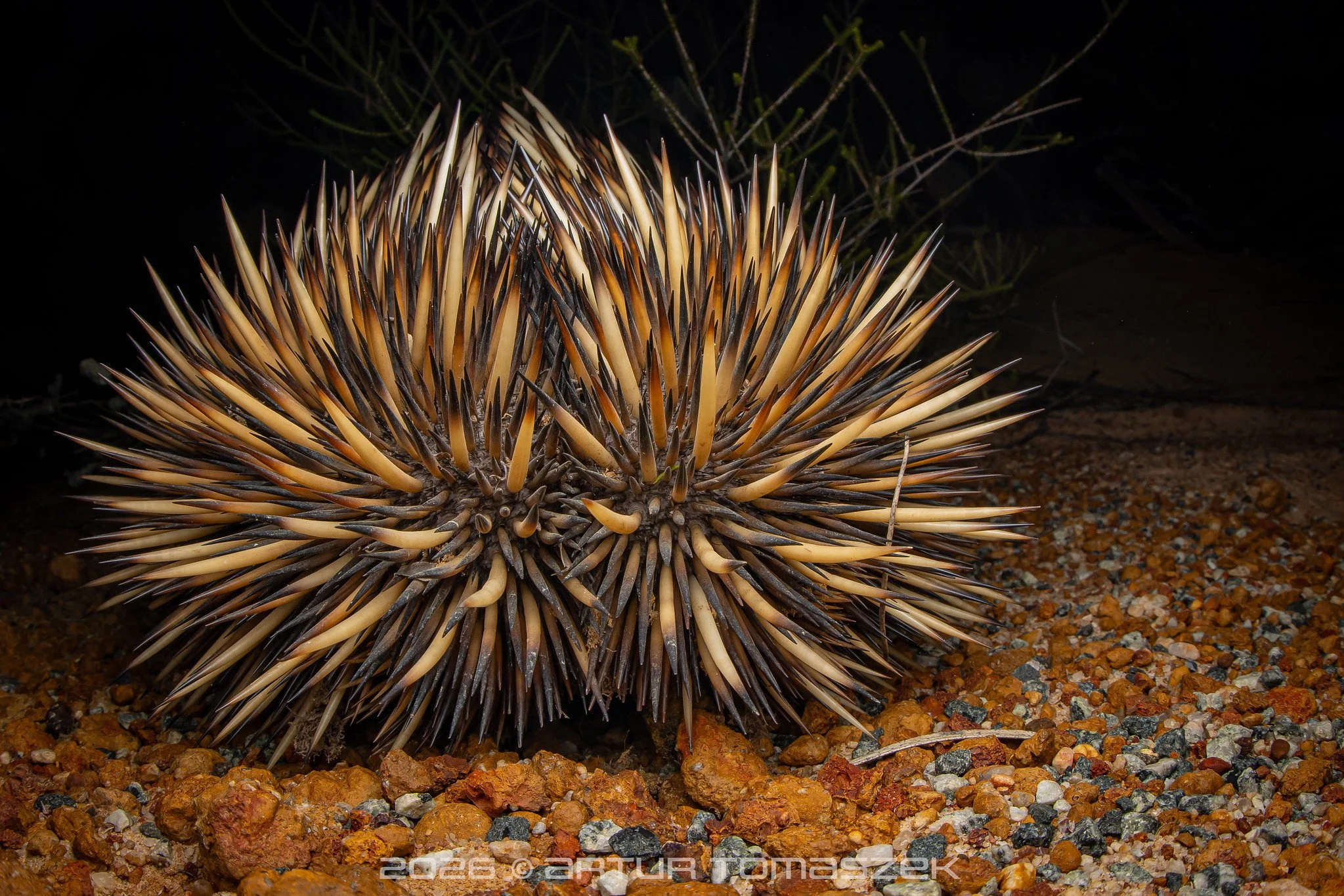
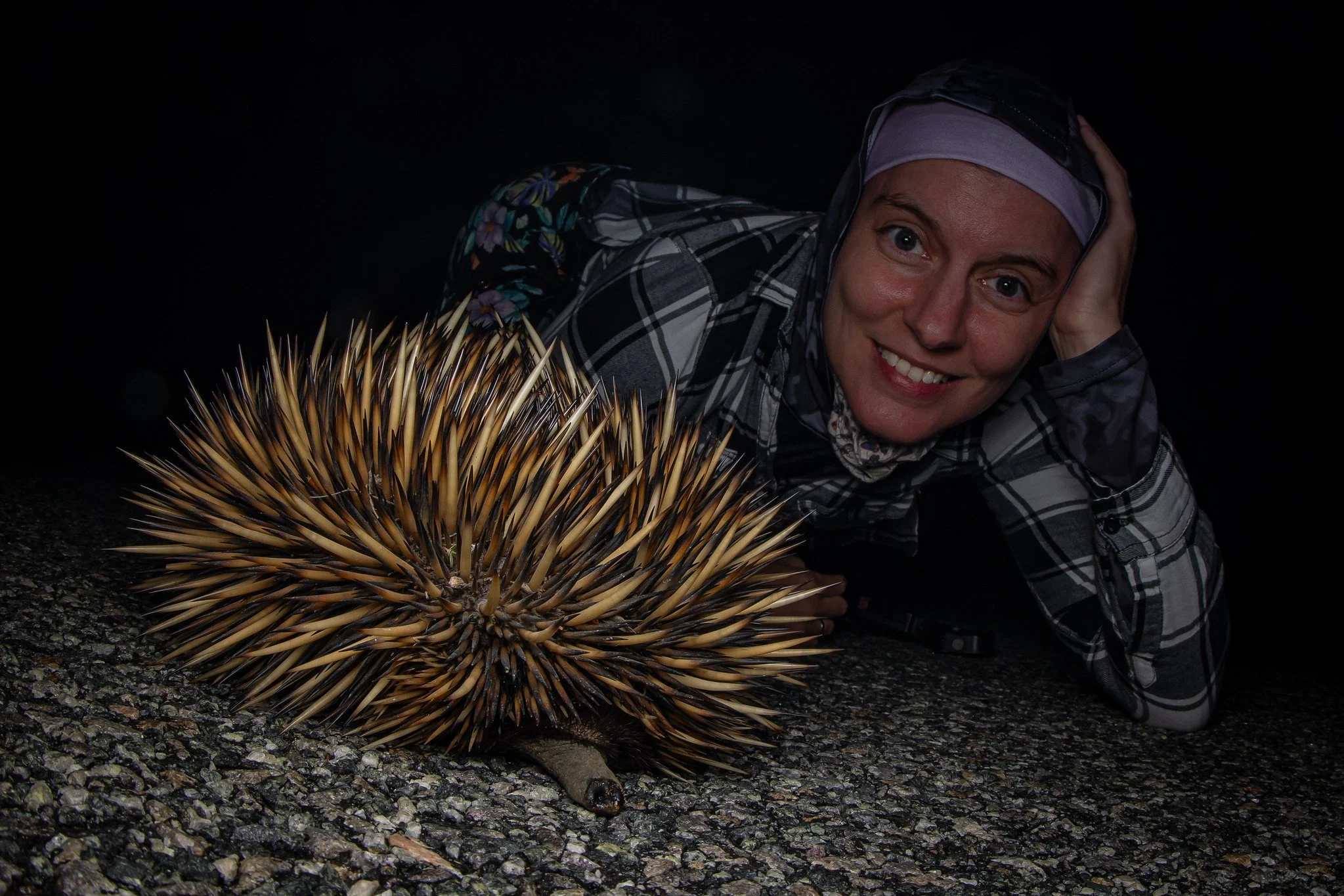
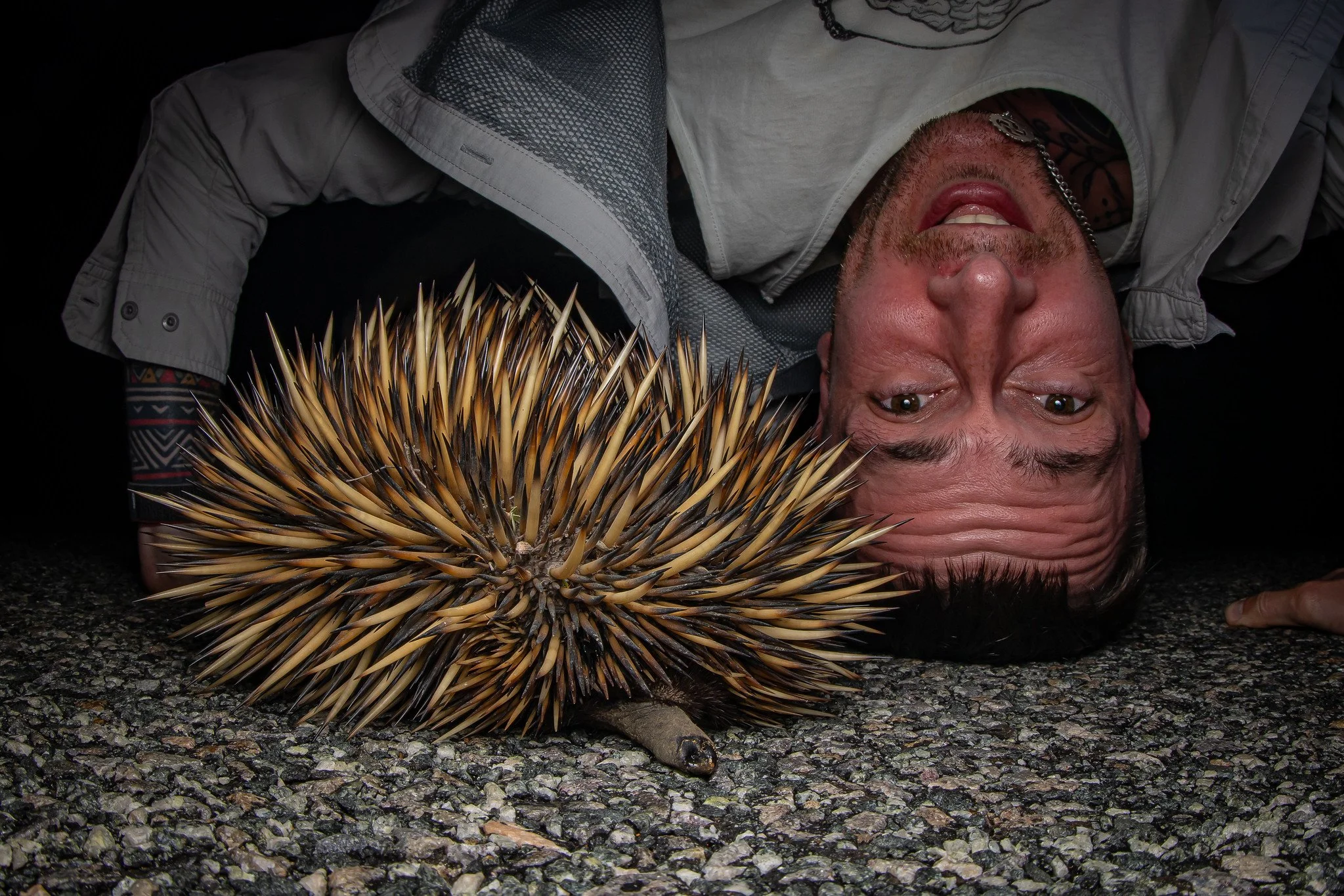
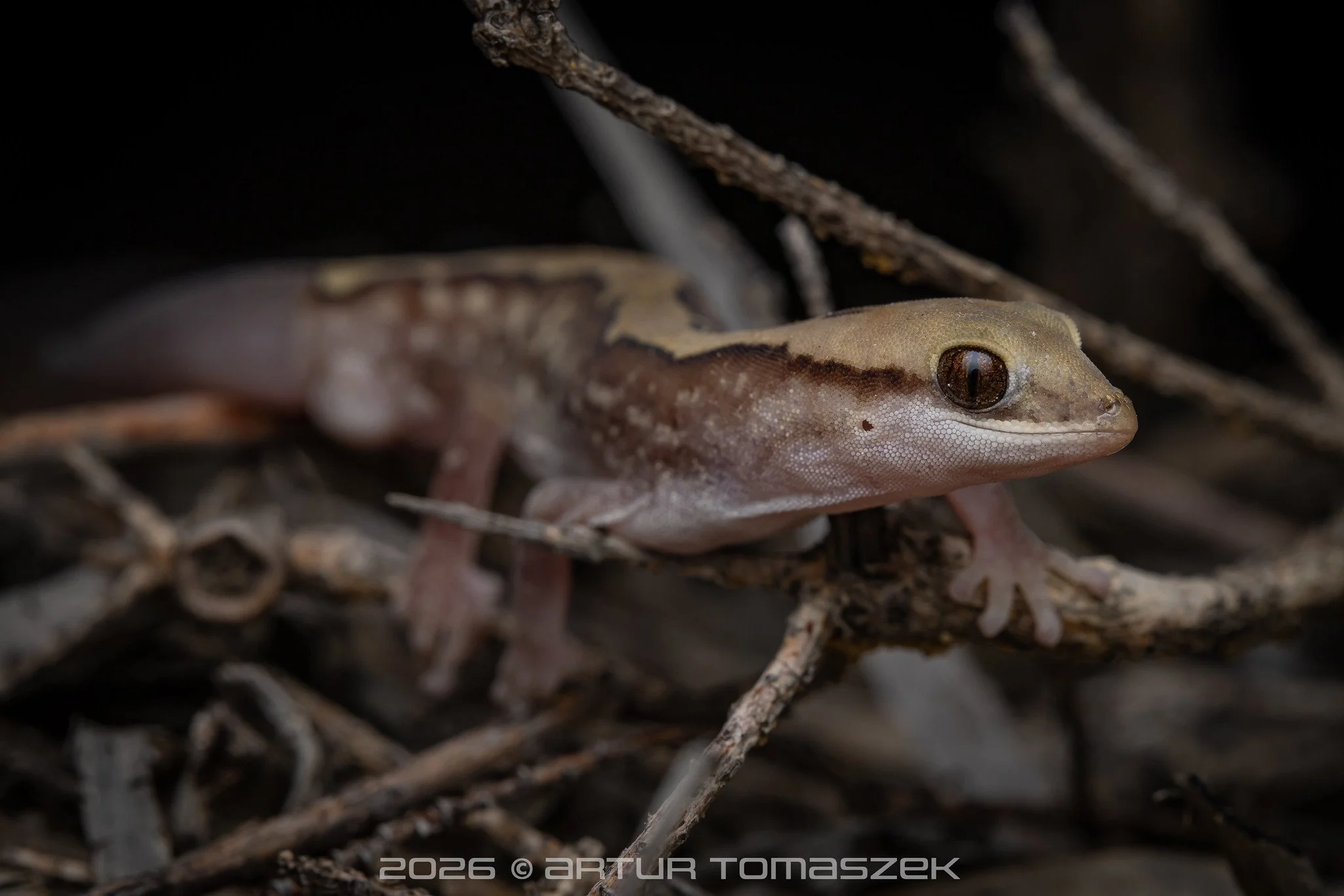
But night cruising redeemed everything. A stunning common scaly-foot (Pygopus lepidopodus), immediately followed by a beautiful Children’s python (Antaresia childreni), various snakes, geckos, inverts… and a short-beaked echidna (Tachyglossus aculeatus)! Short-beaked echidna is one of only two egg-laying mammals in the world. A spiny, ant-eating monotreme that looks simply prehistoric. Needless to say, Karolina was on cloud nine.
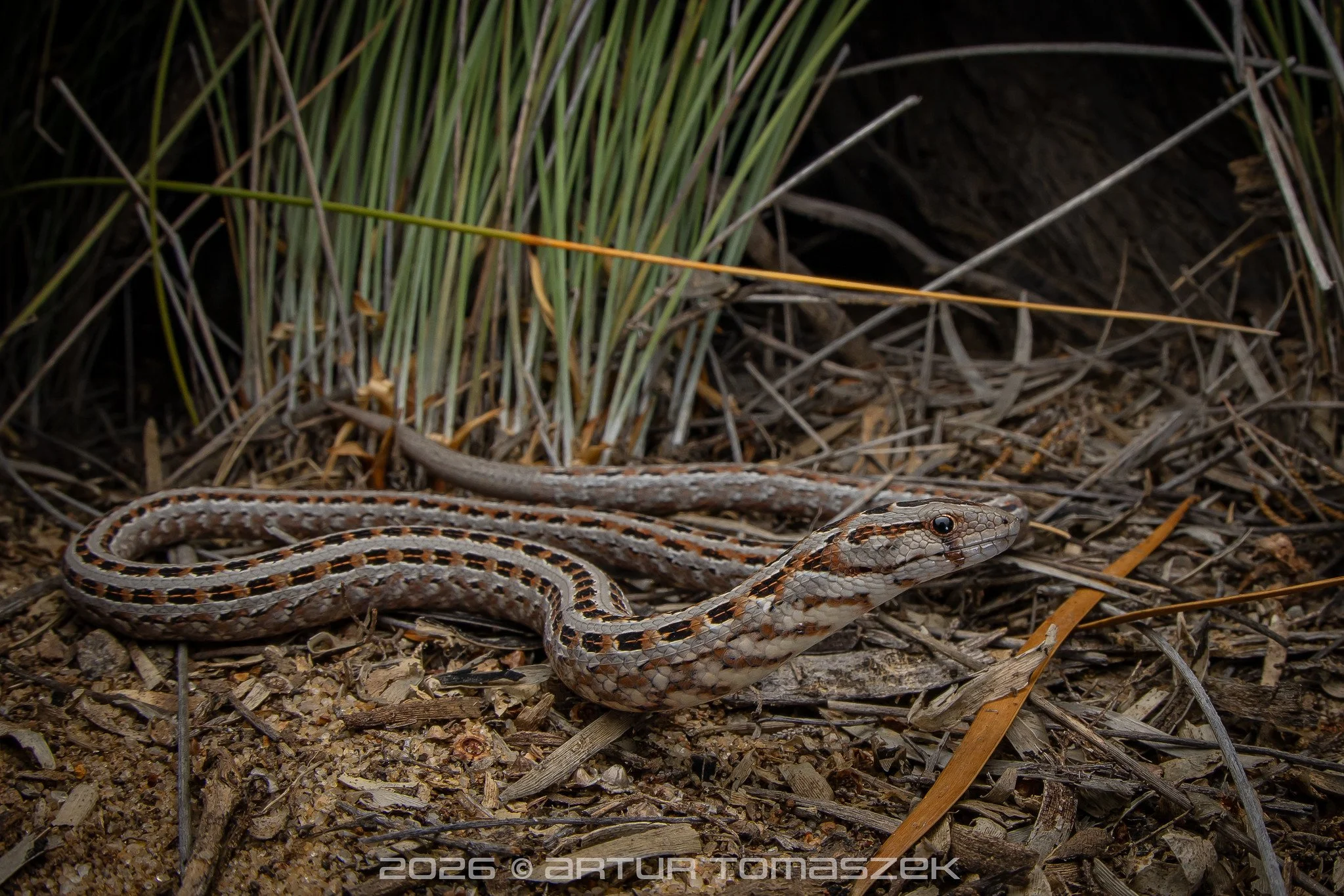
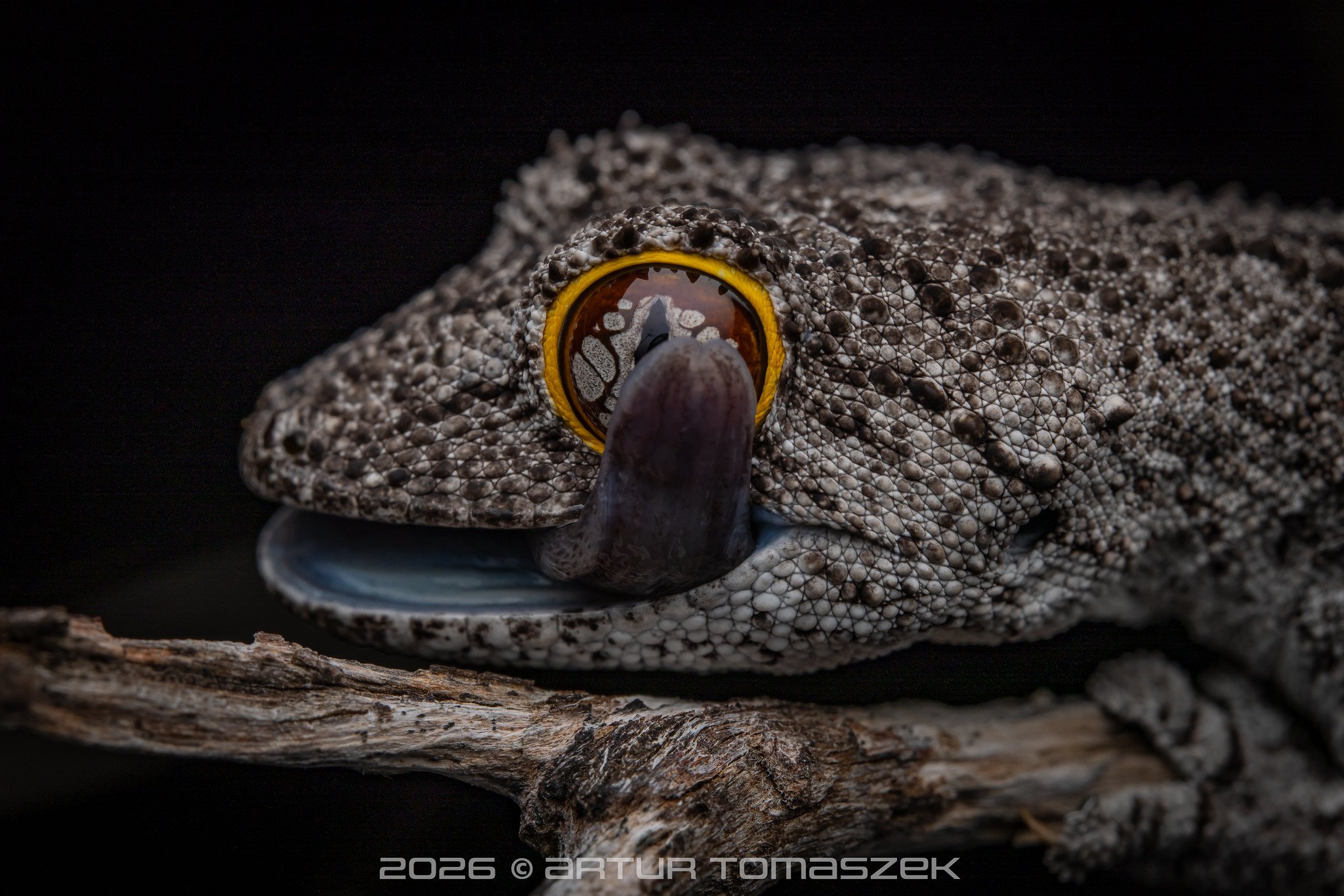
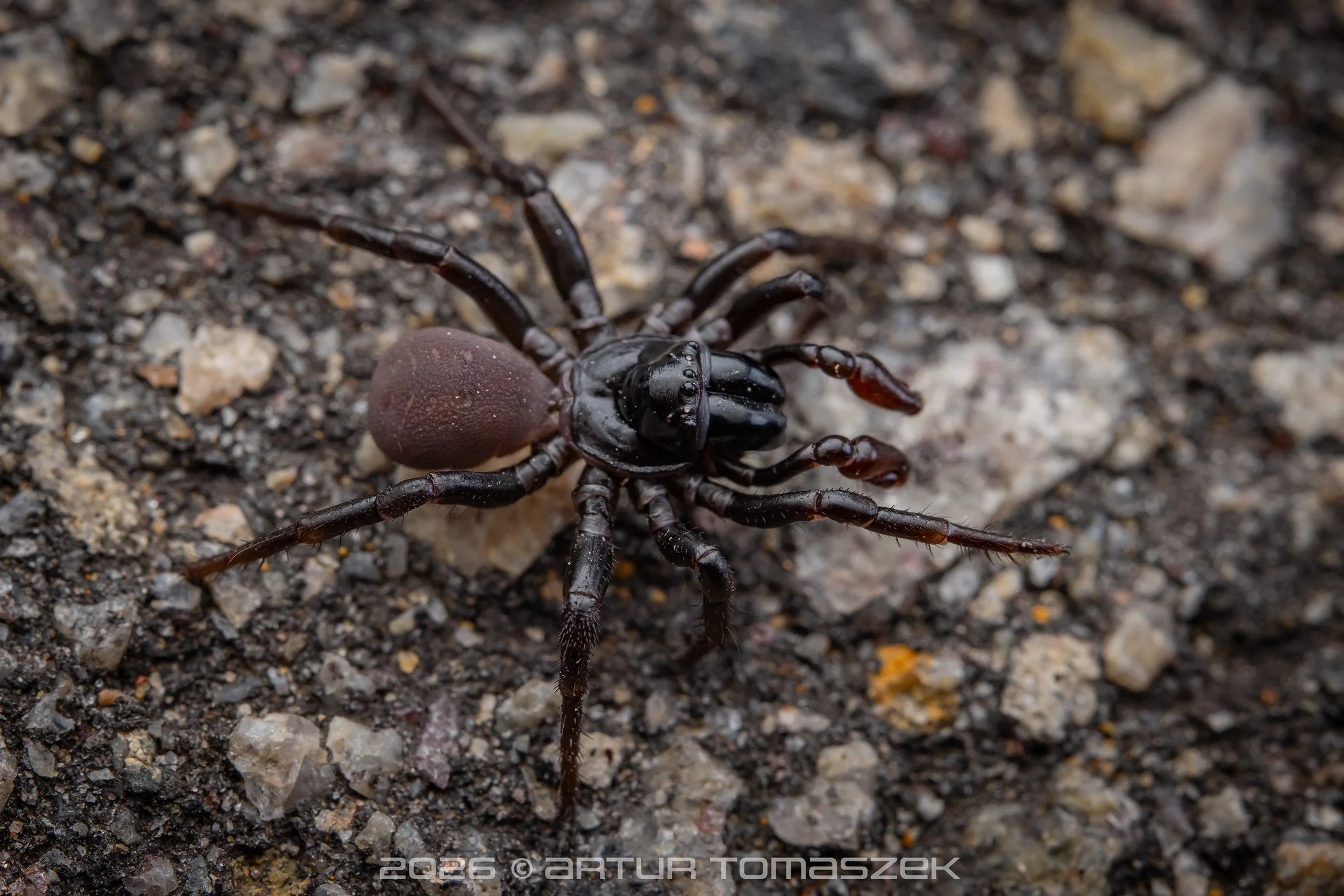
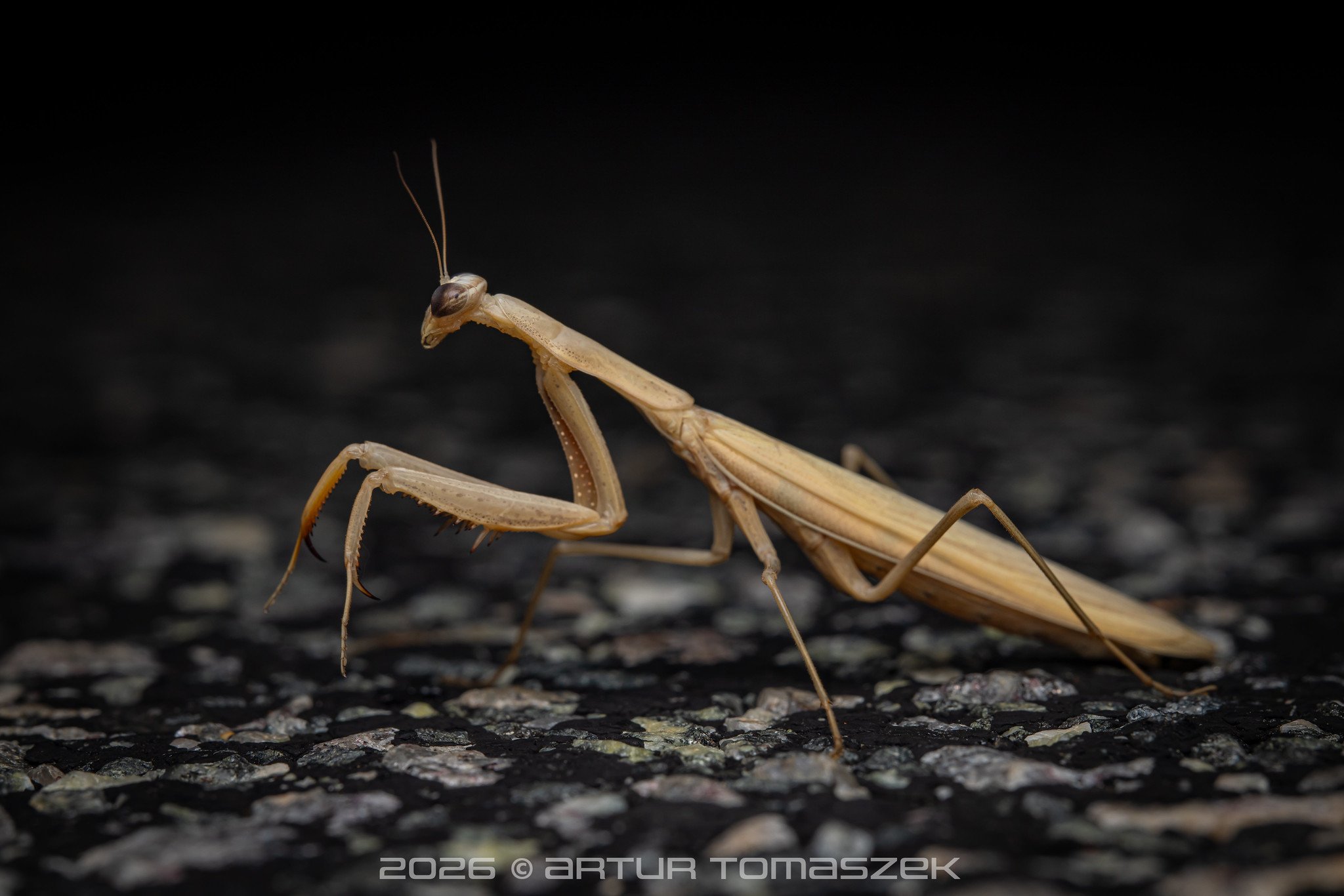
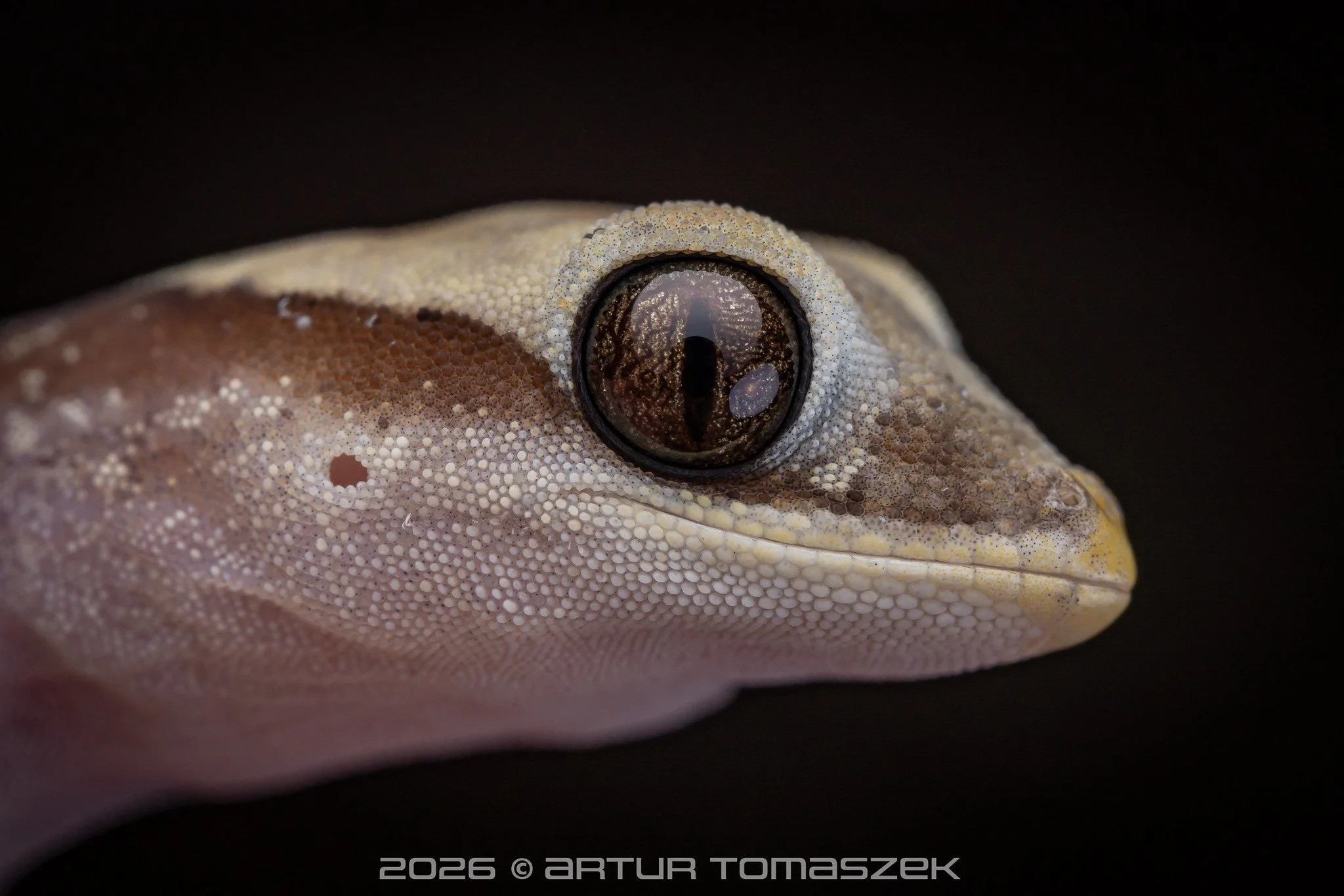
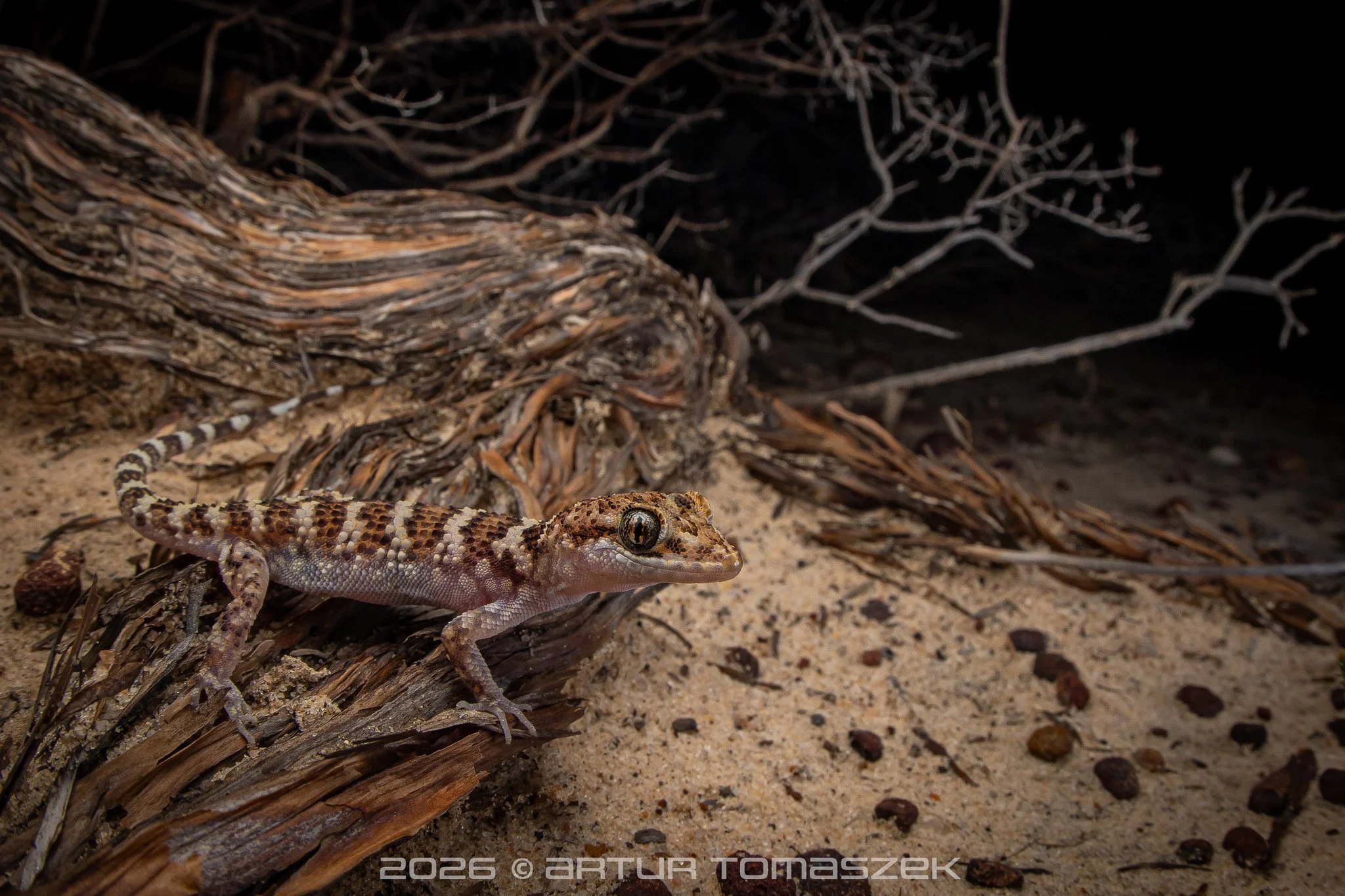
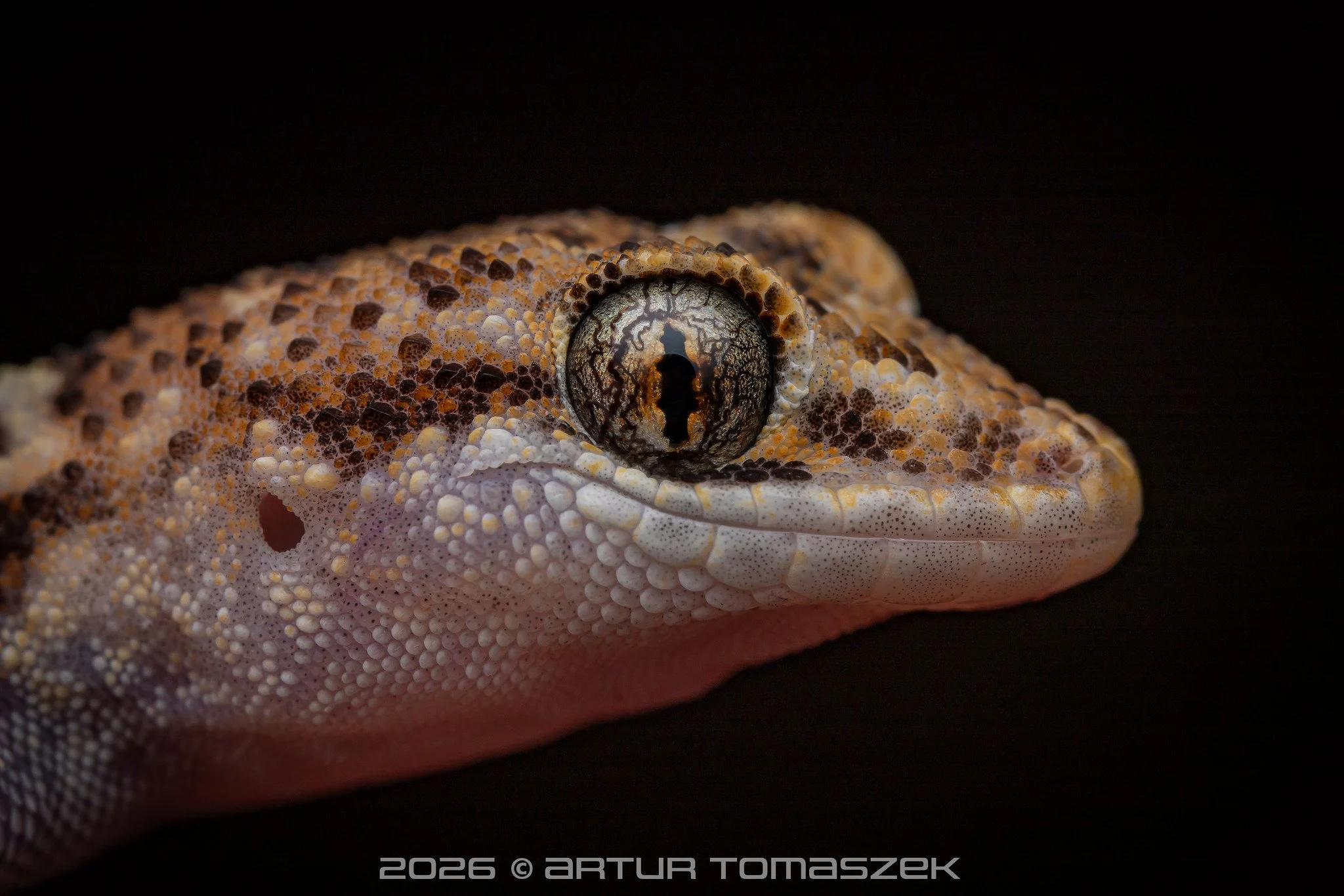
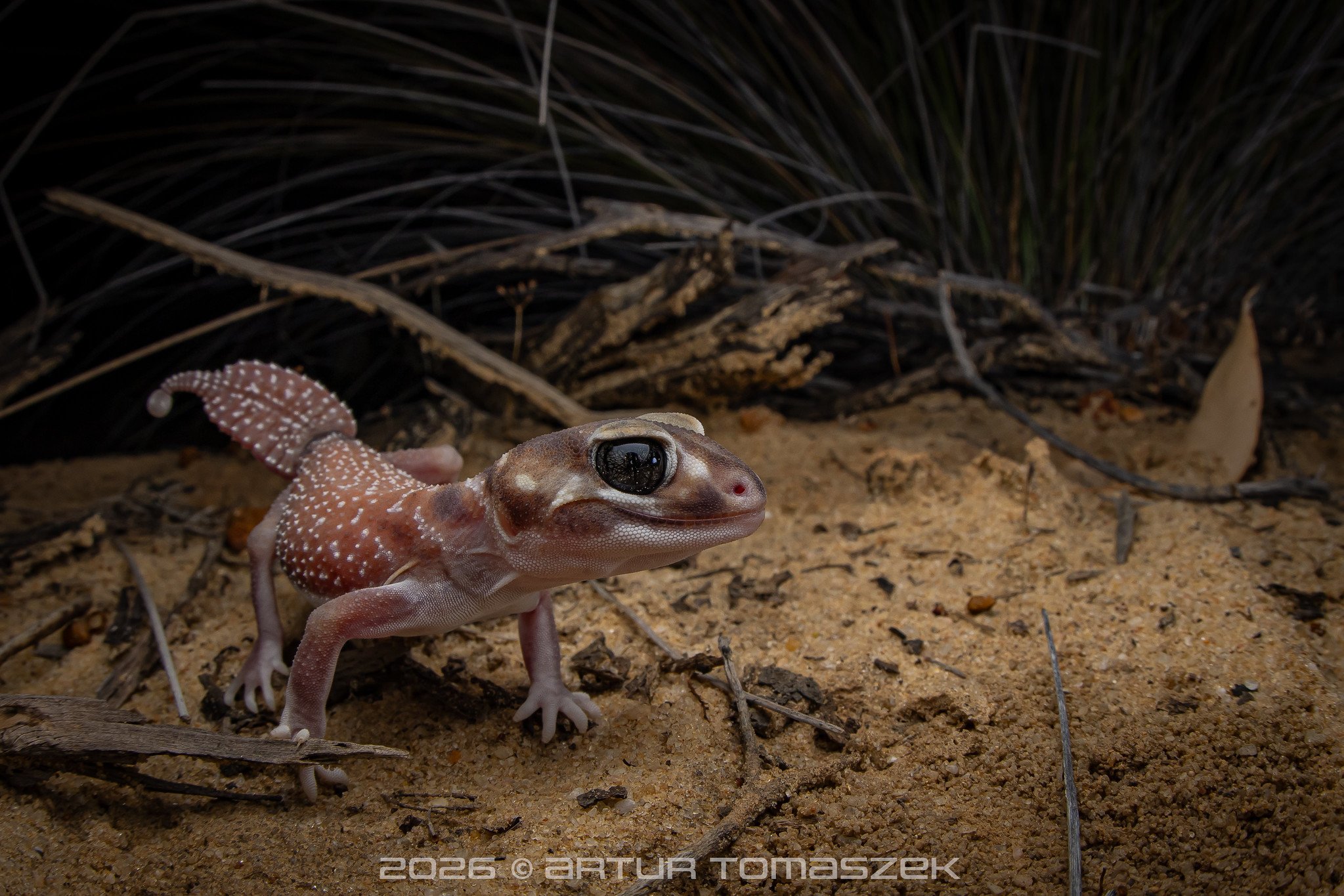
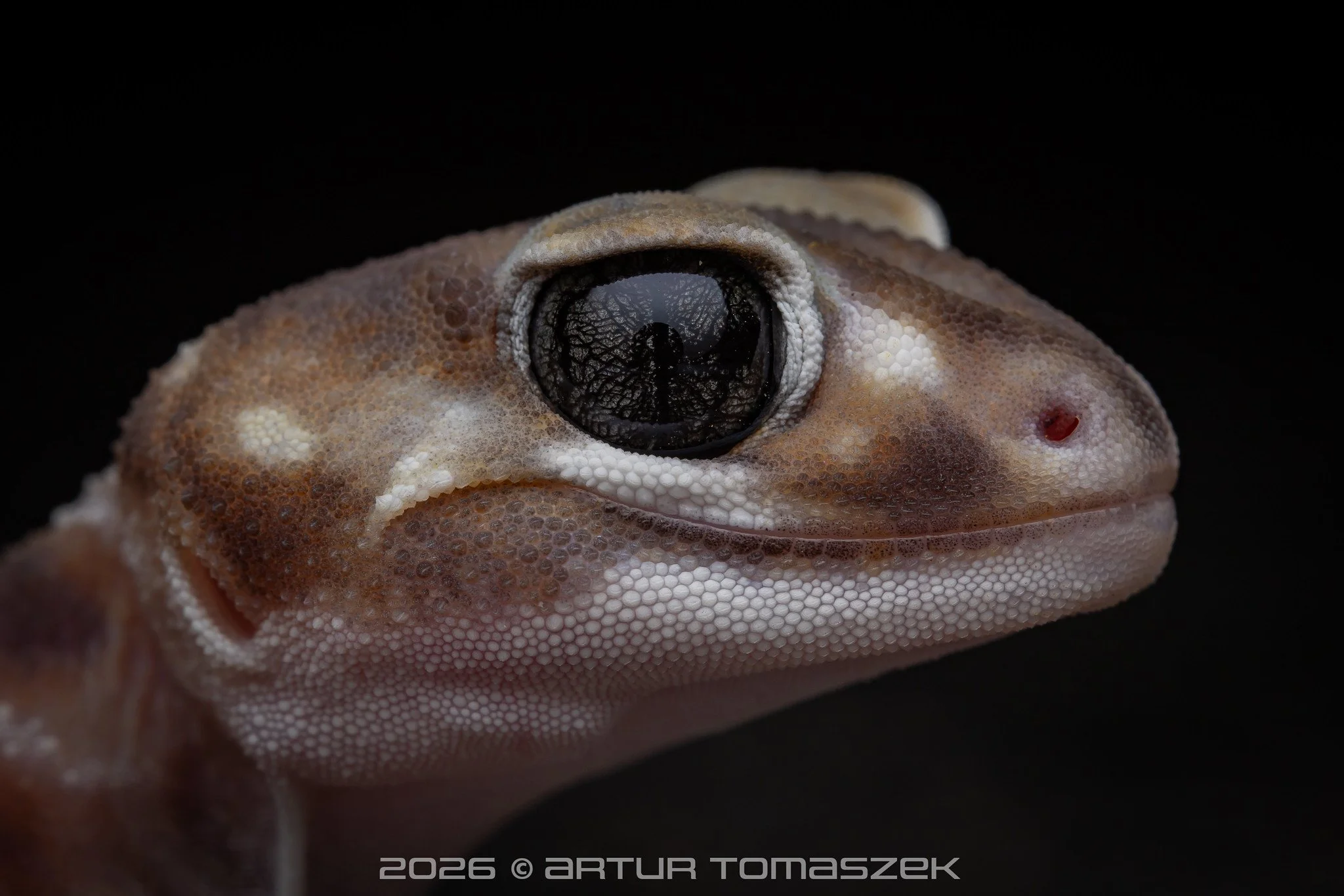
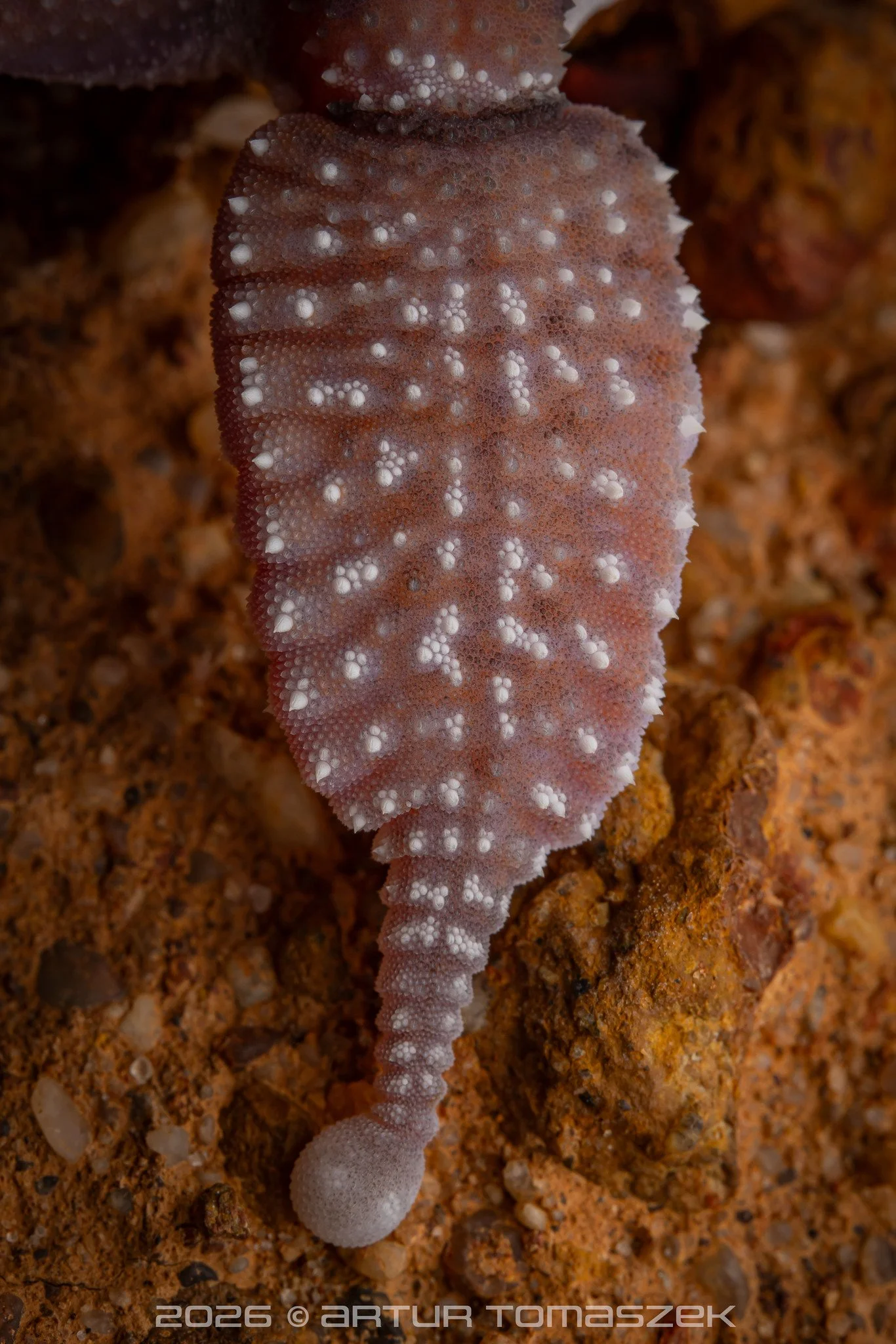
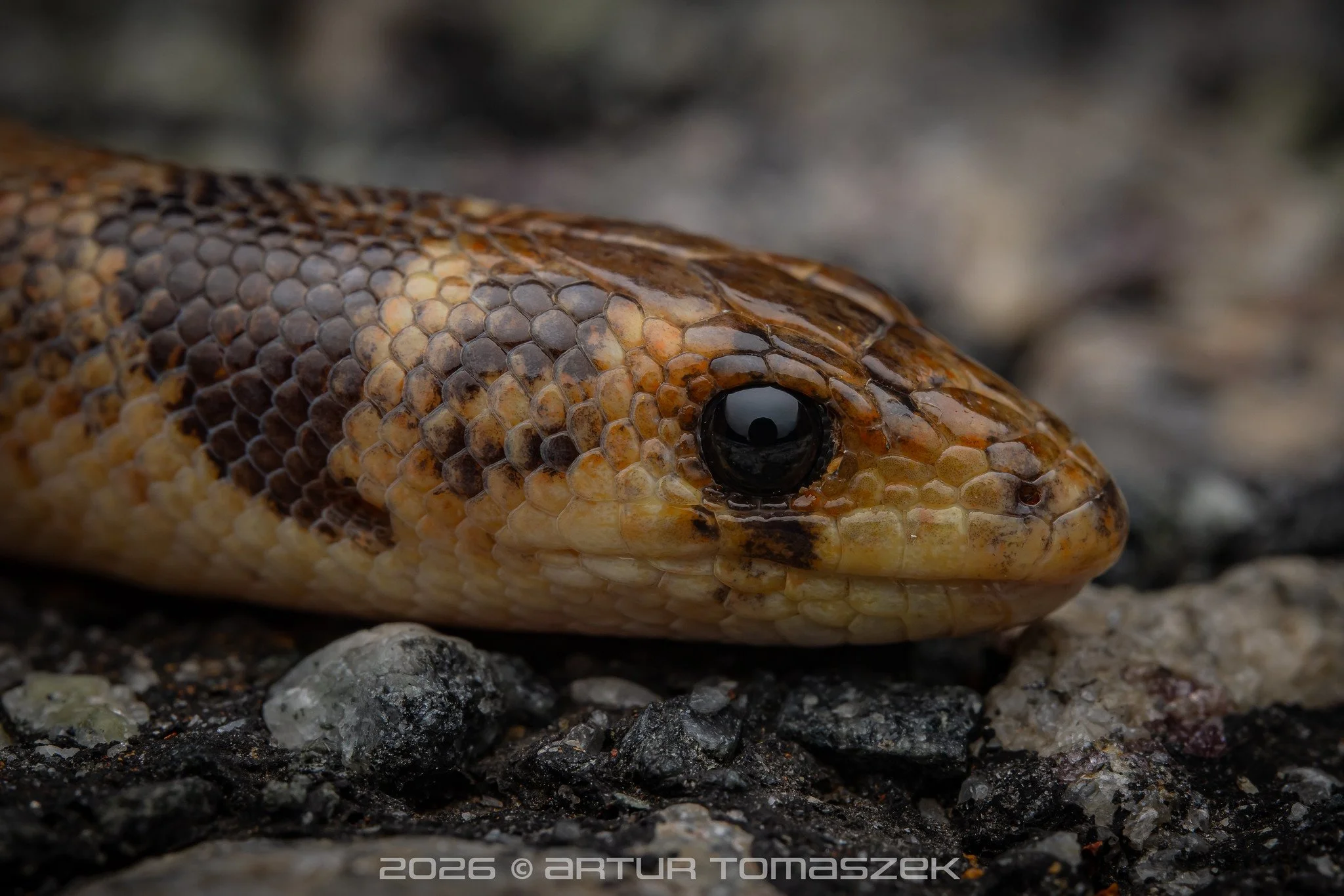
The next morning brought another dead thorny devil in exactly the same area. It was paniful but also informative. That miserable pattern finally helped us understand their daily routine and target the best place and time to see them alive, before another nasty driver committed such a mindless crime.
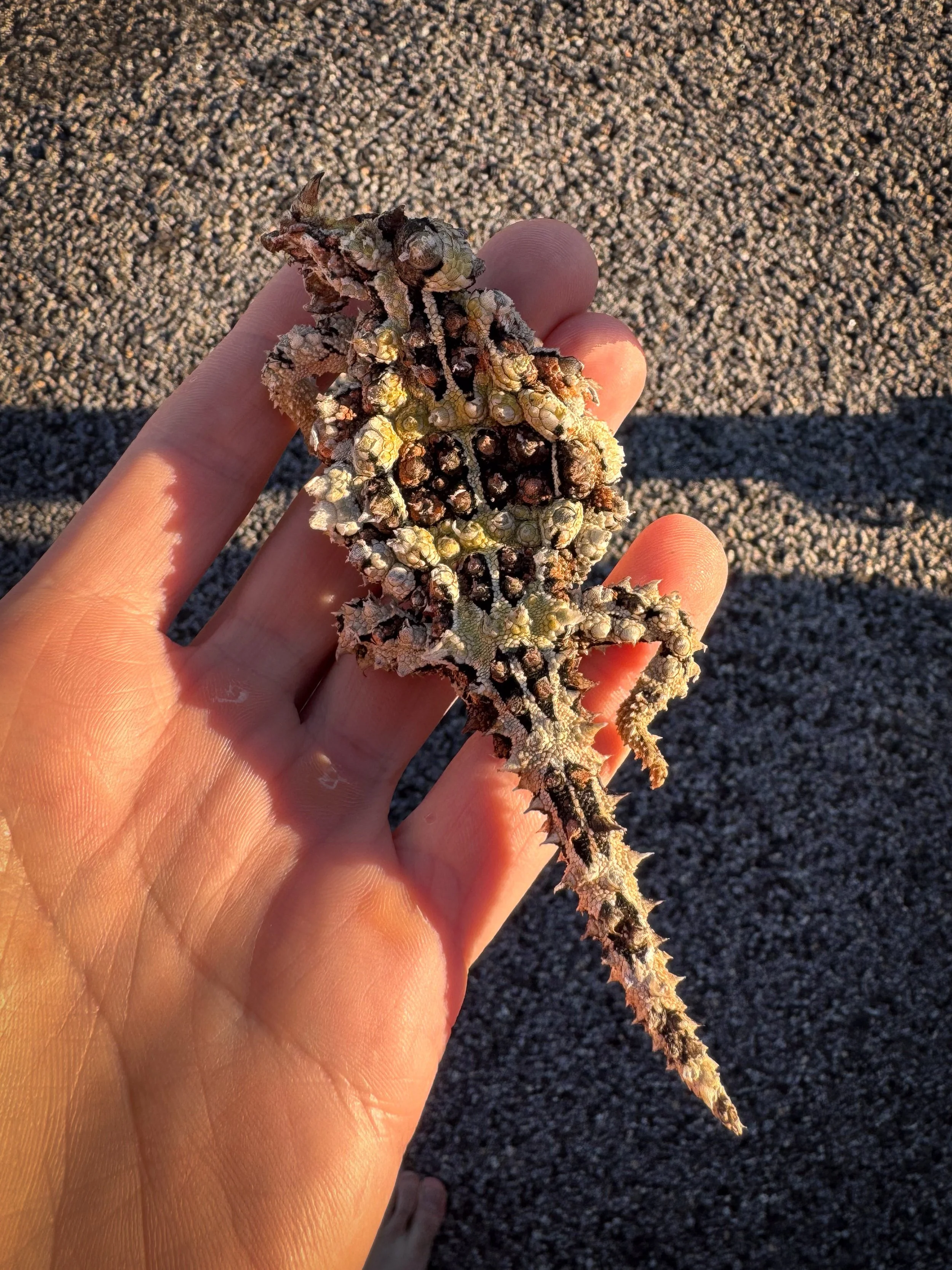
The last afternoon and night in Kalbarri were quite productive, regardless of our spirits. We split, with Alex cruising and us hiking (the latter didn’t prove very effective in Kalbarri) and saw some “old”, and a few new species.
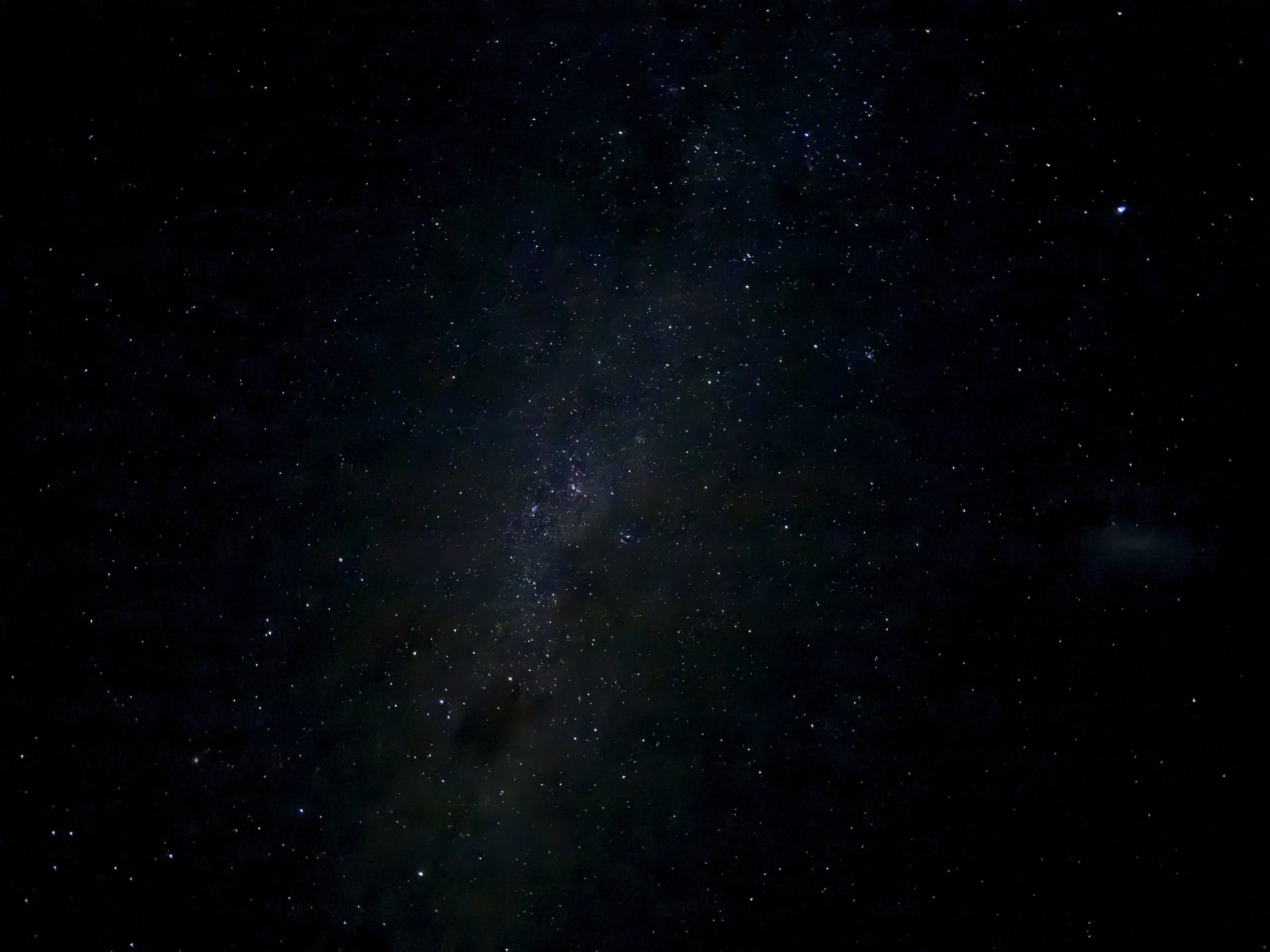
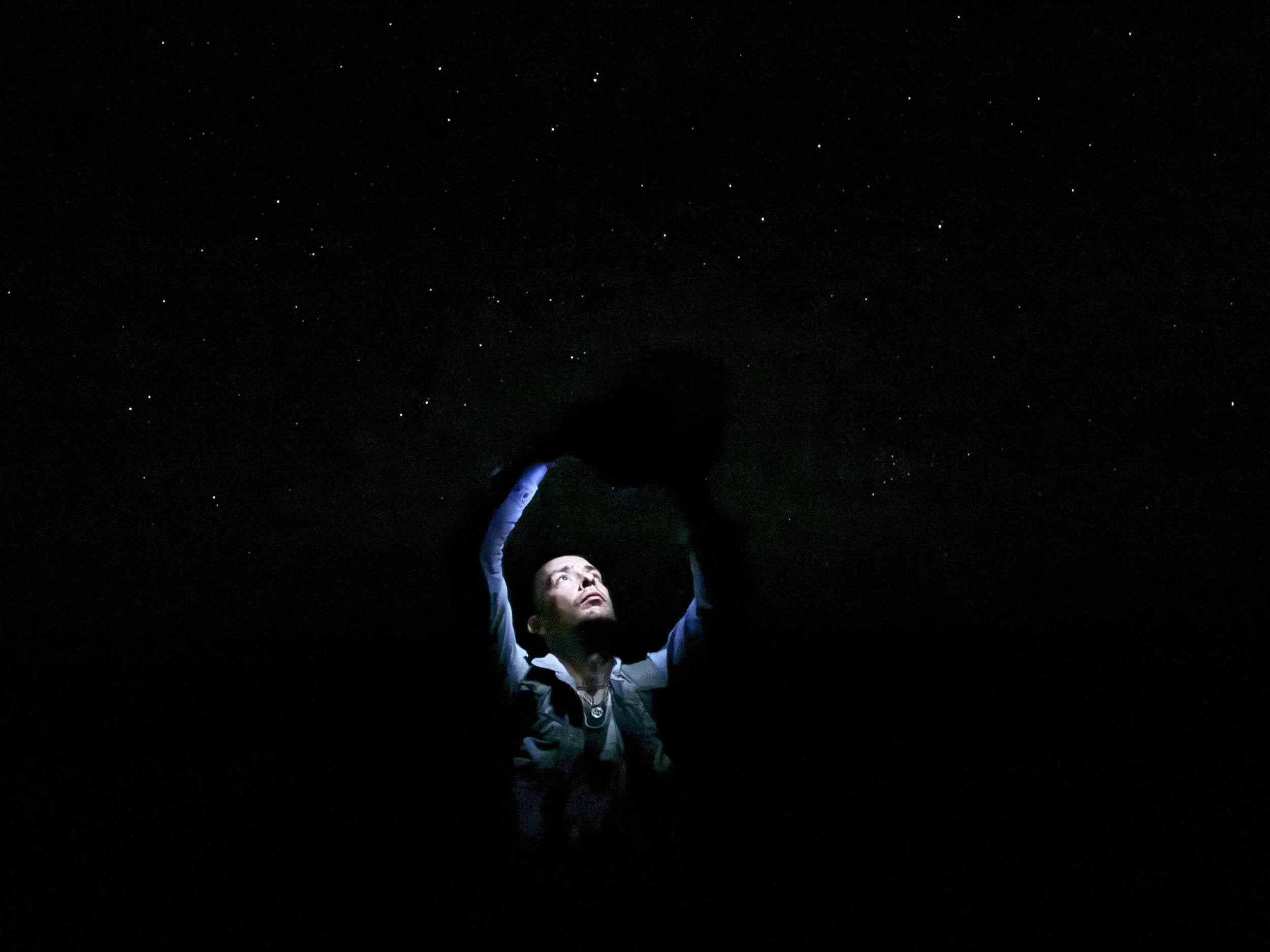
Night cruising and hikes were spectacular, with one of the most beautiful starry skies we have ever seen. One could just gaze at it all night long.
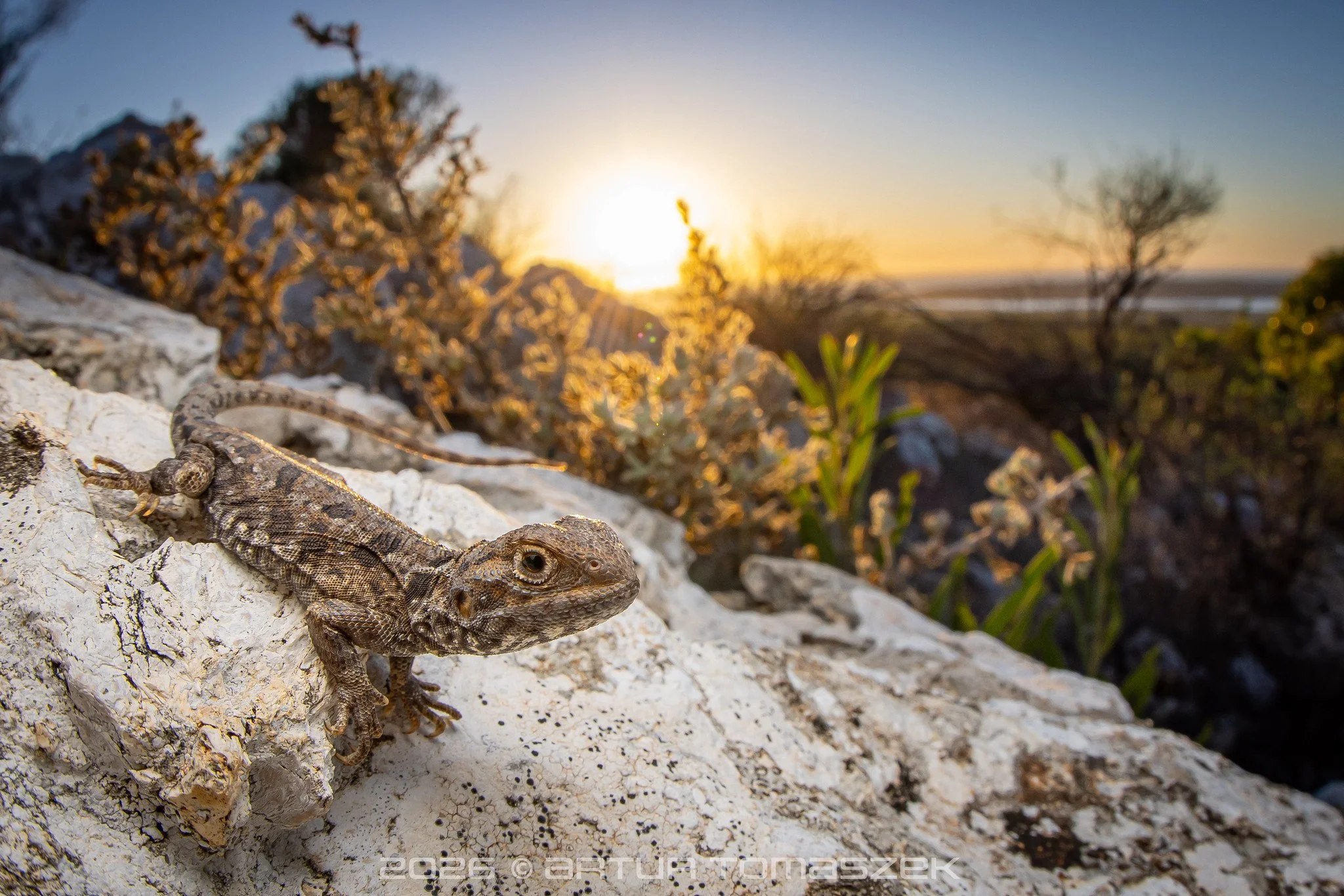

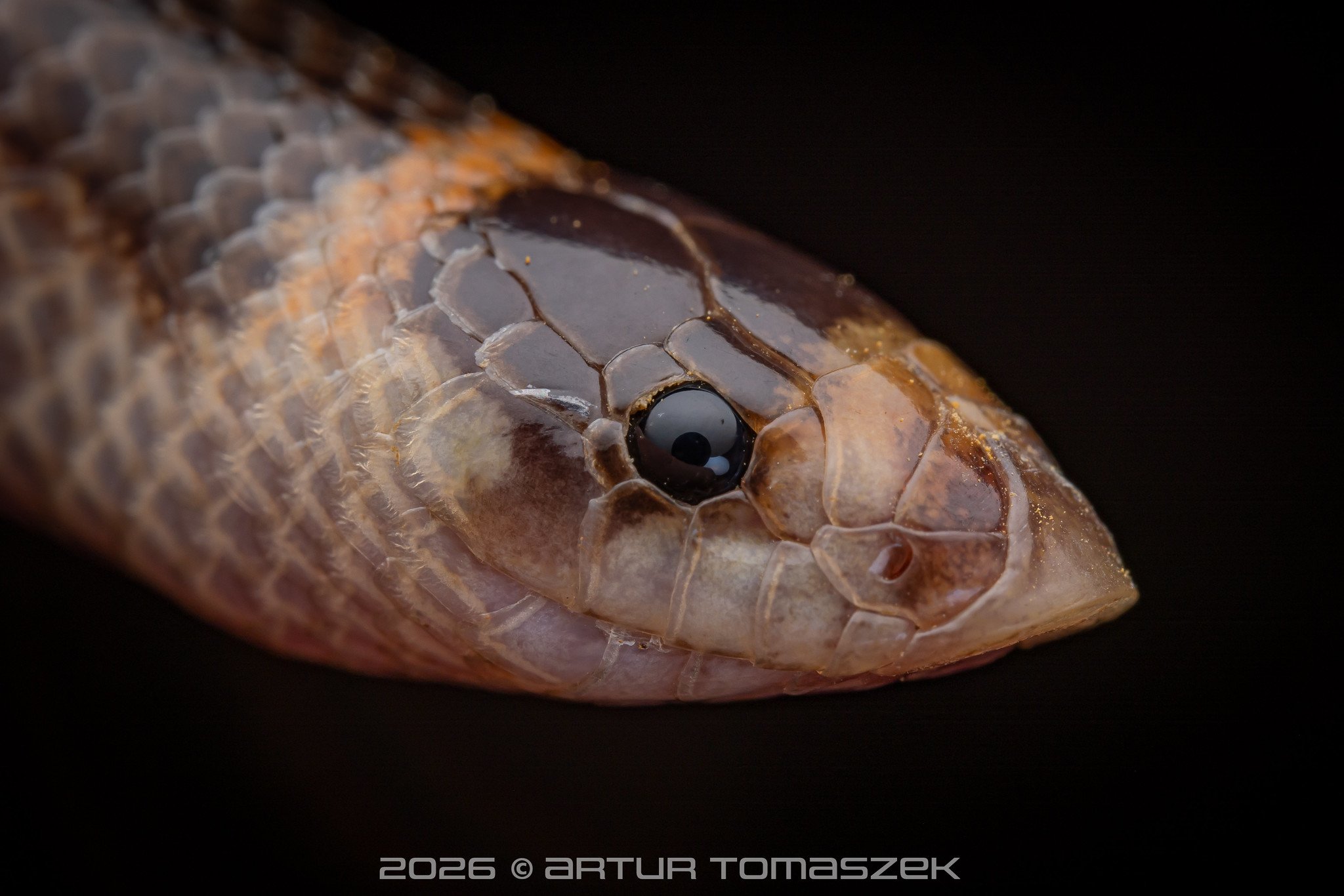
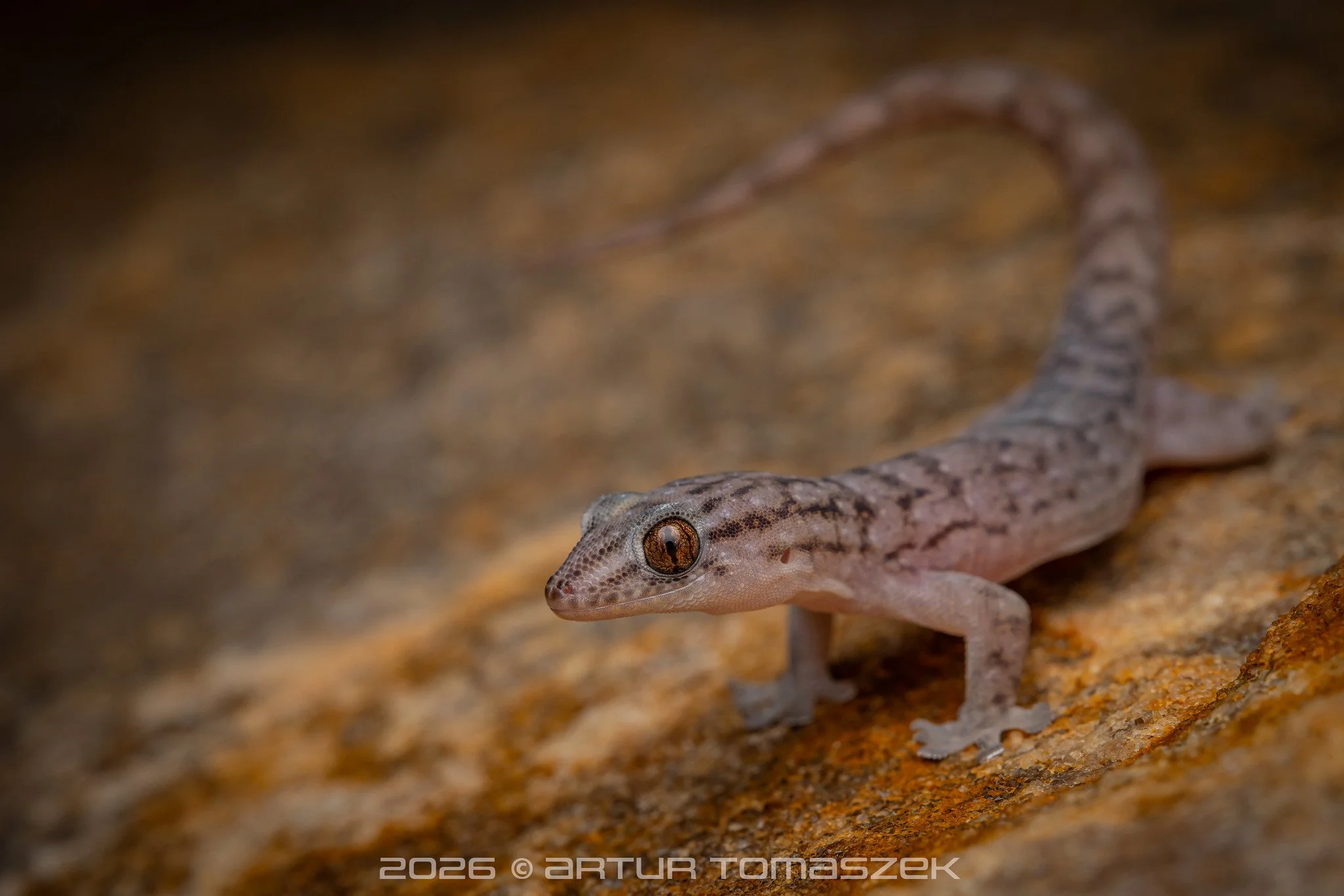

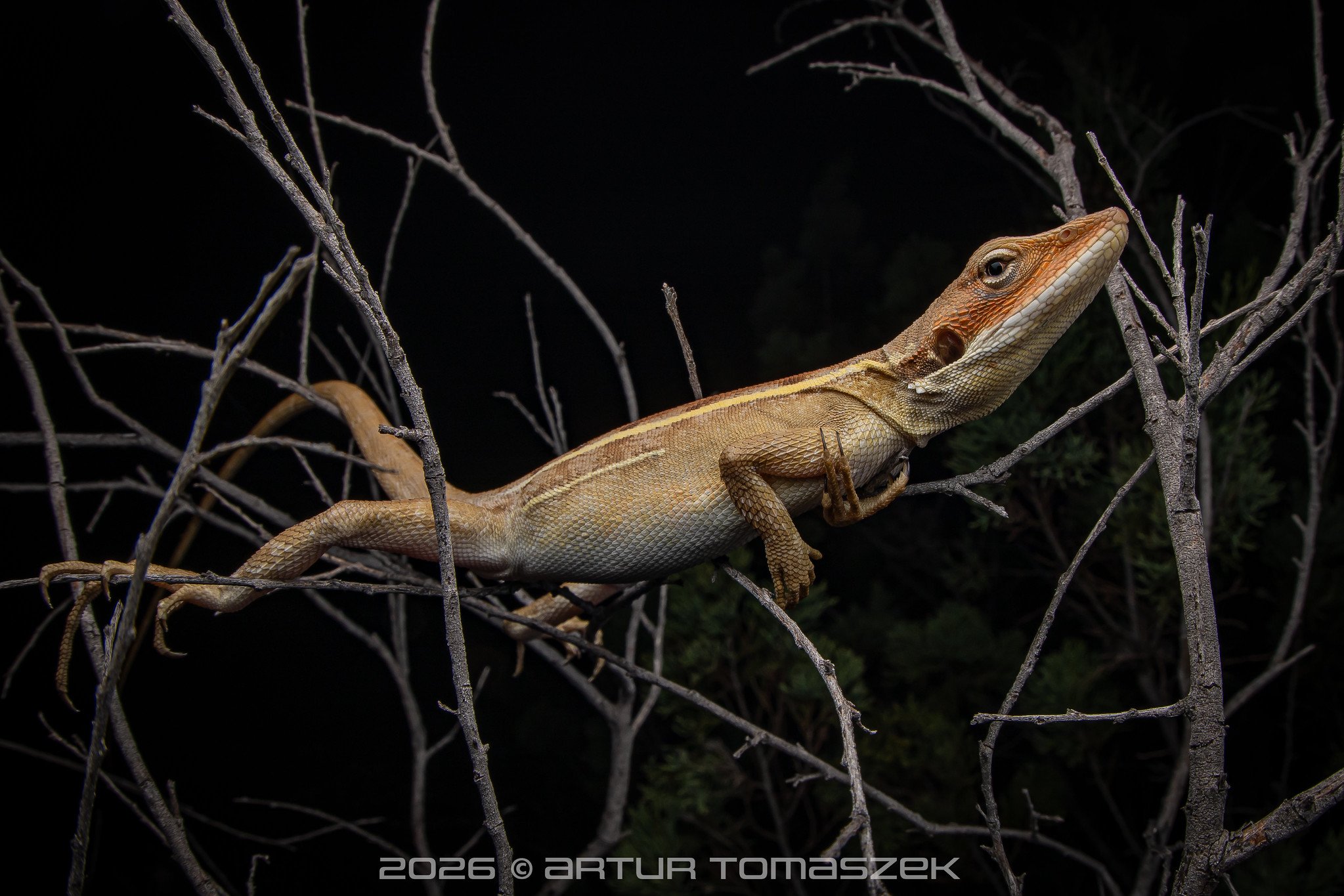
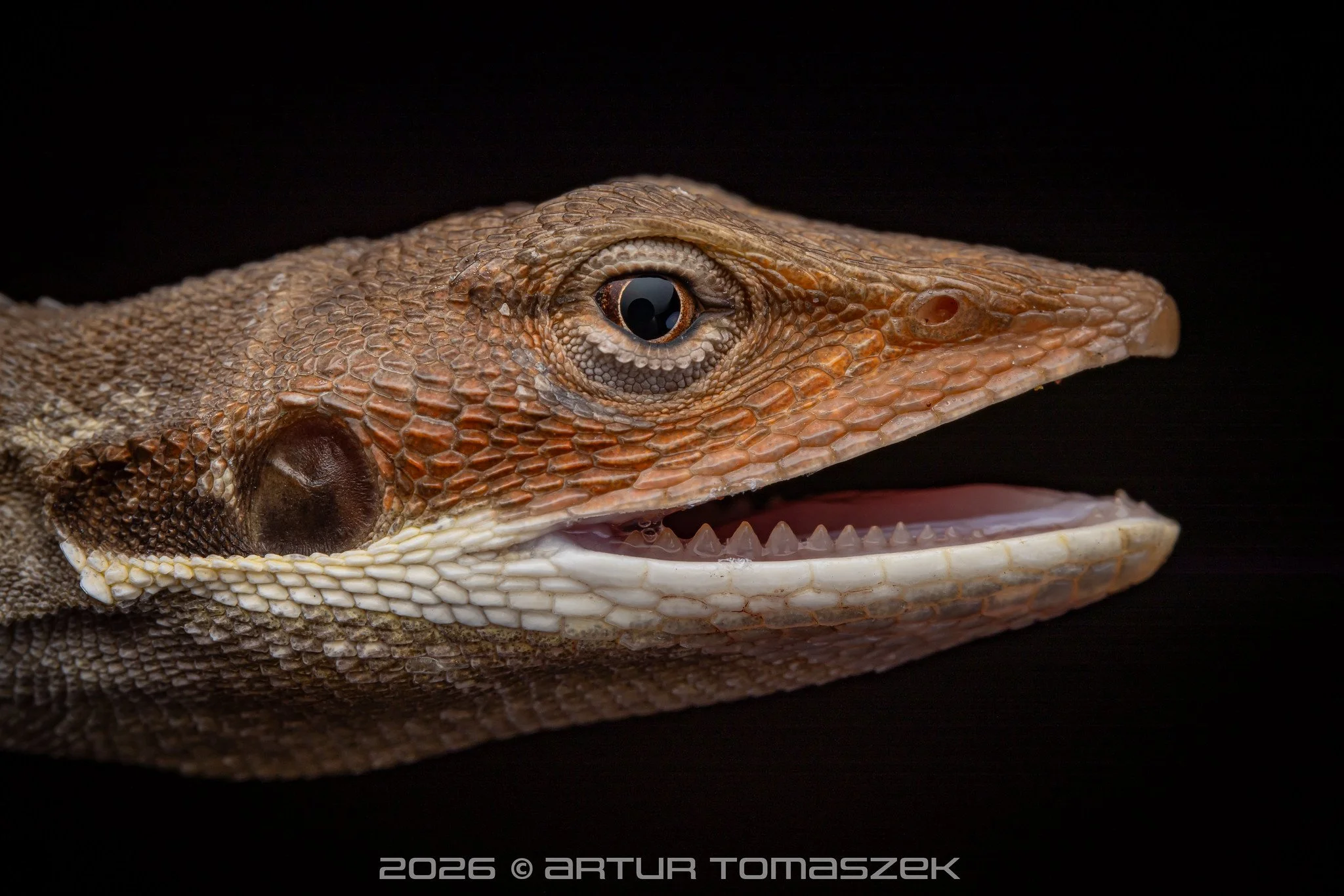
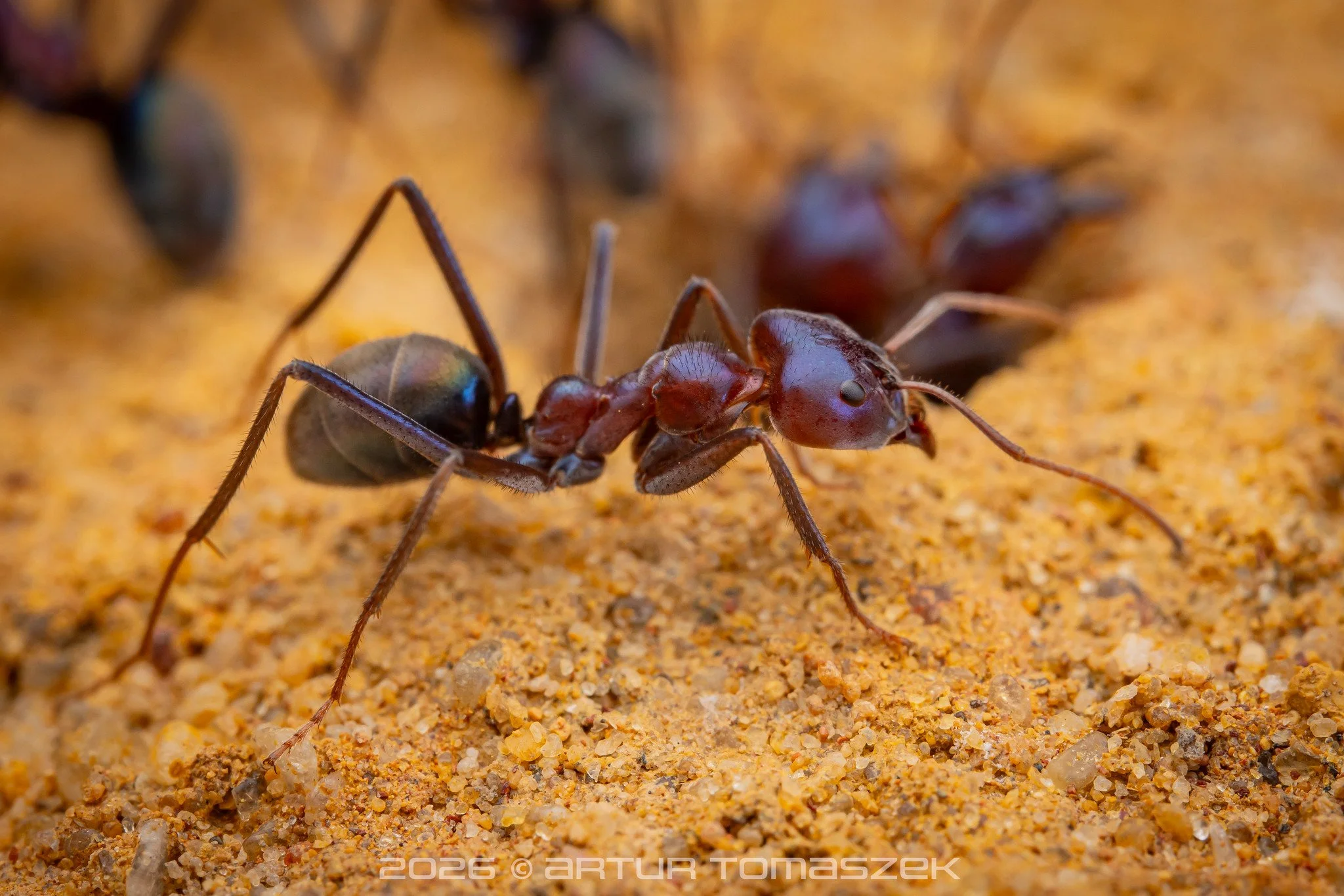
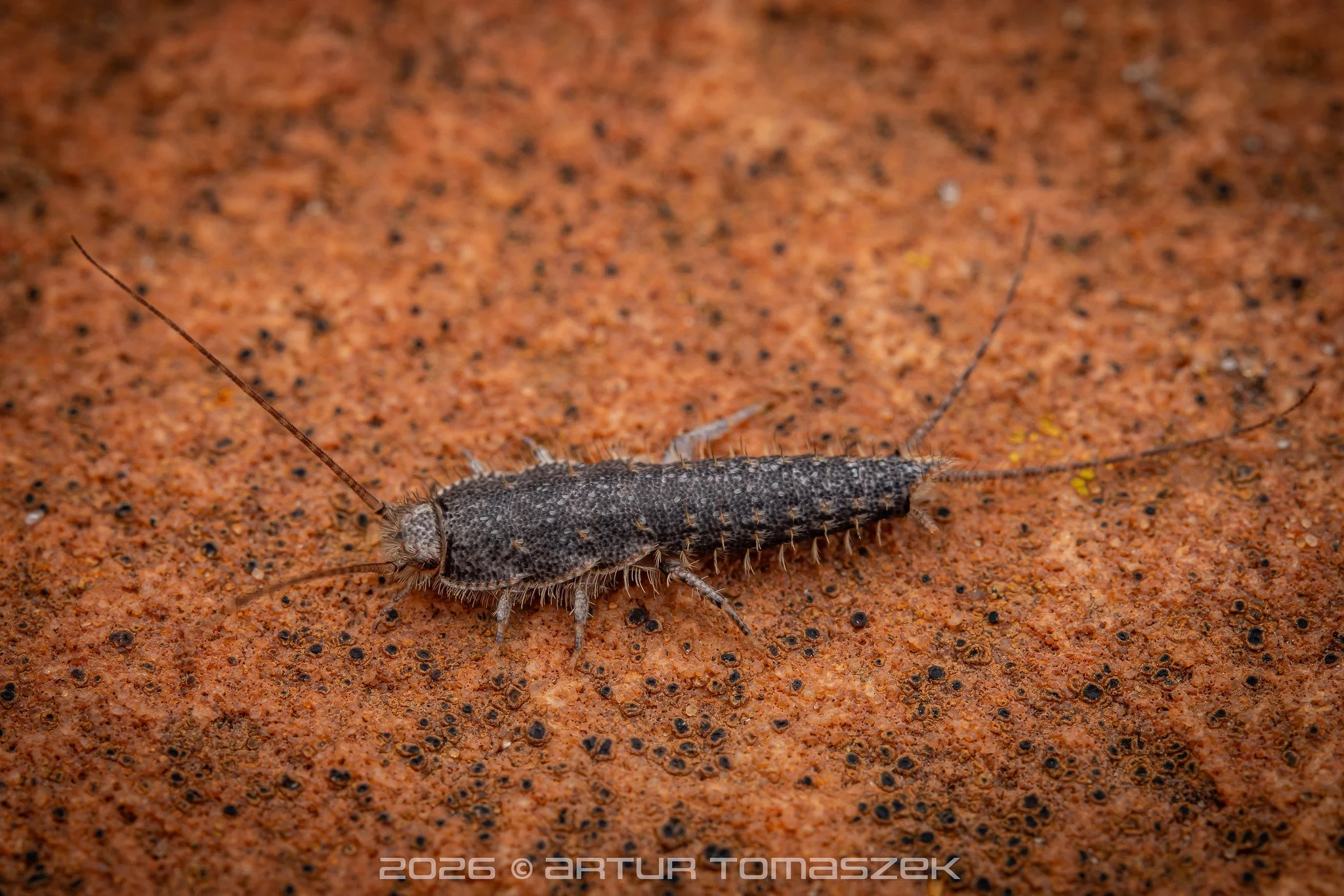
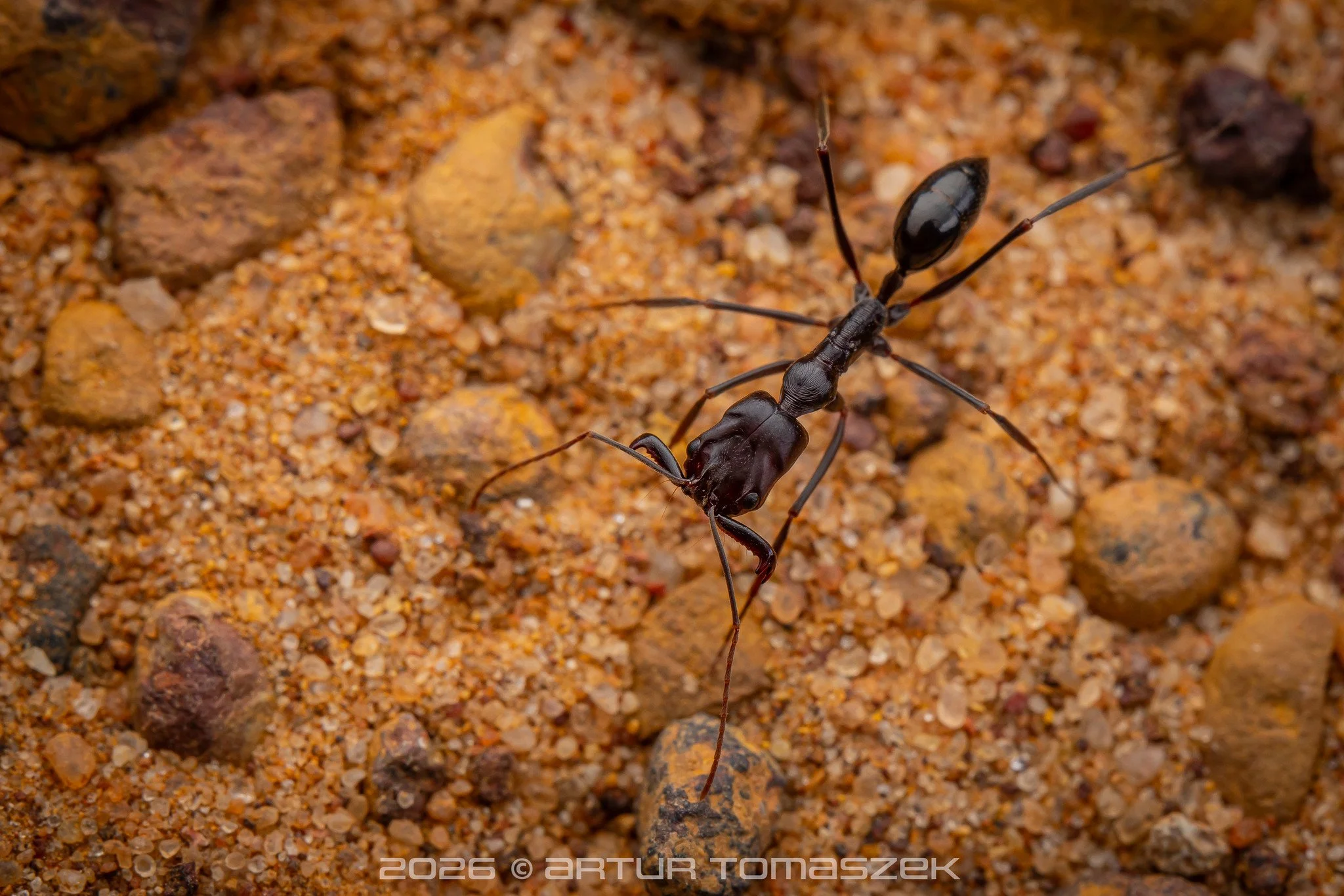
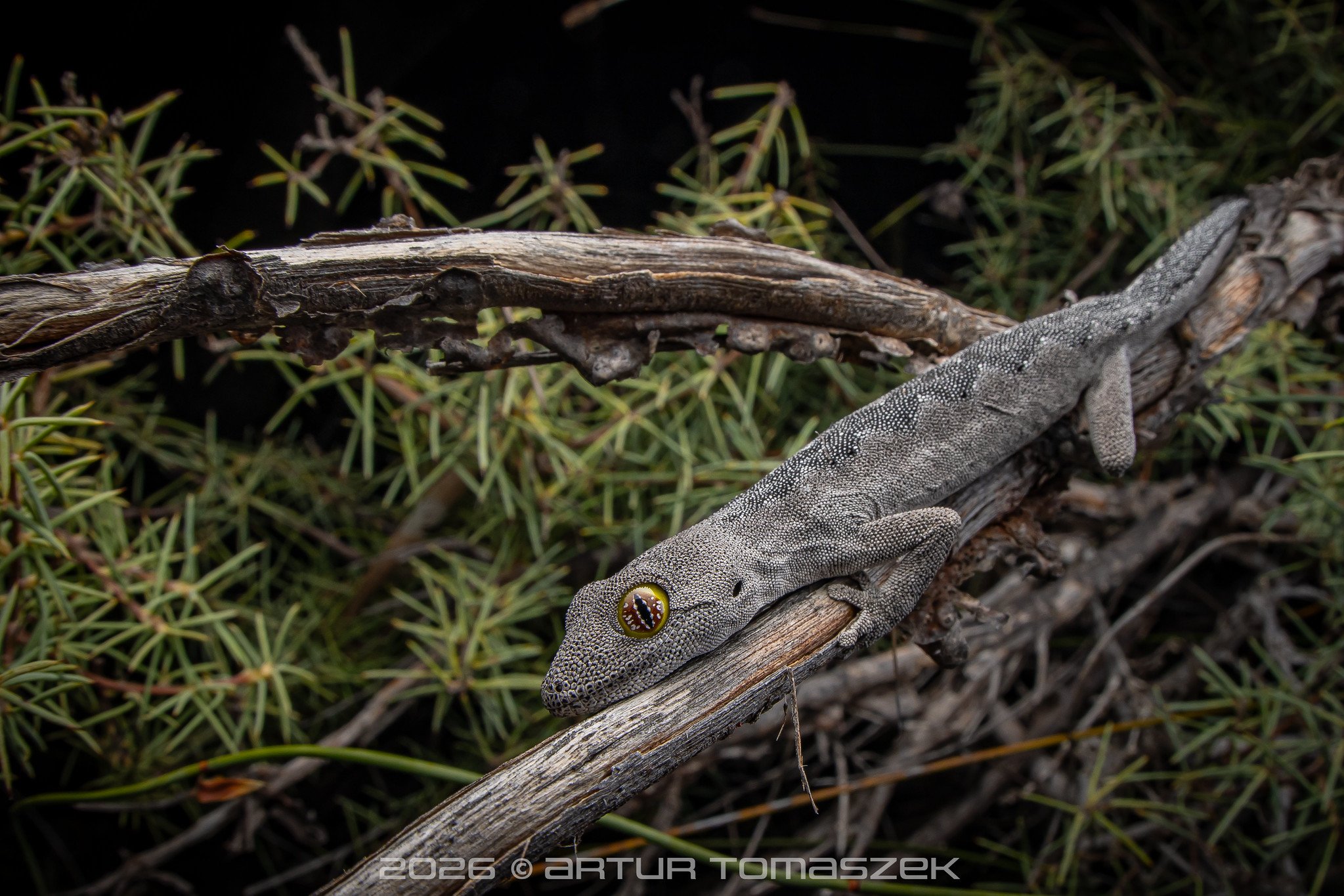
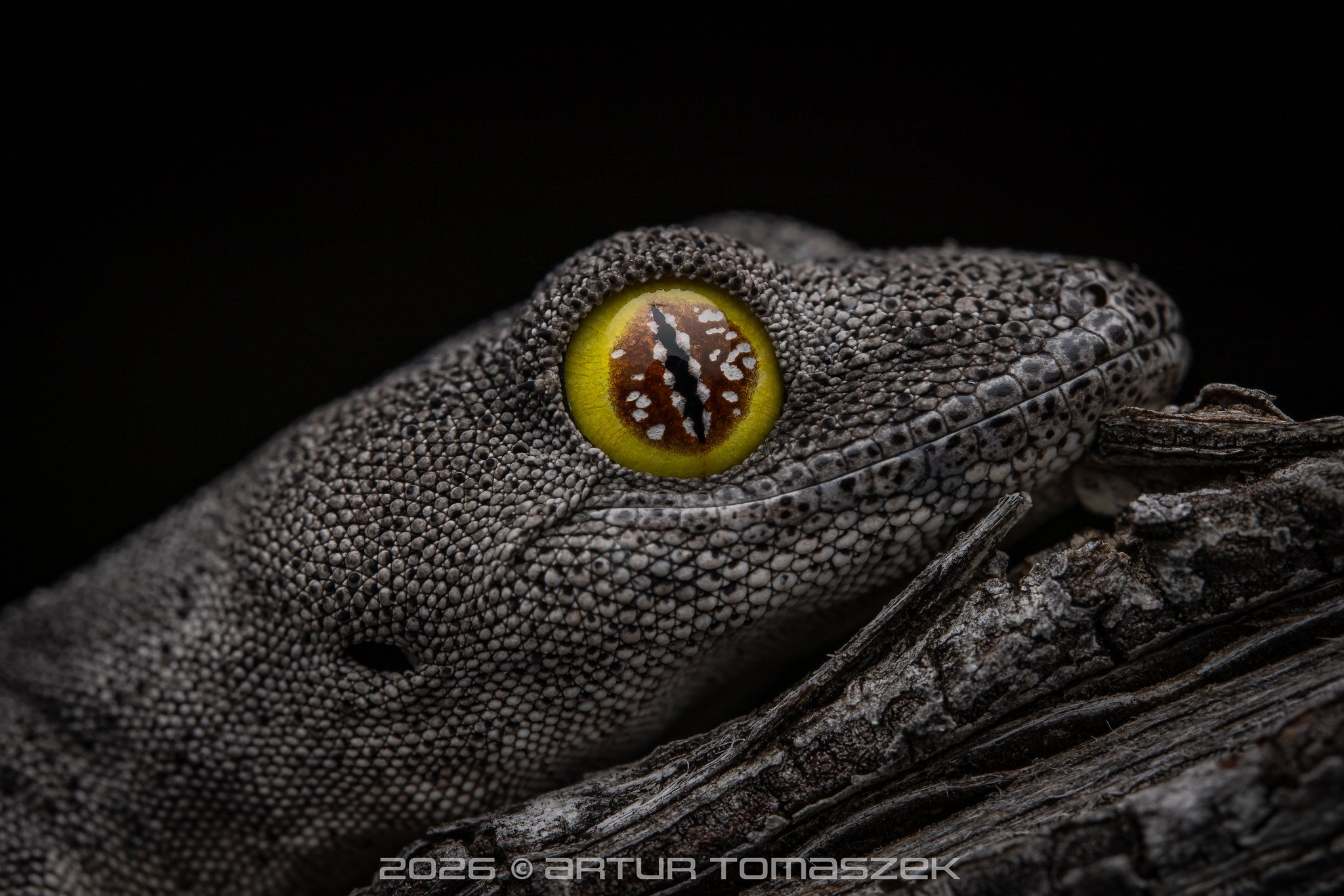
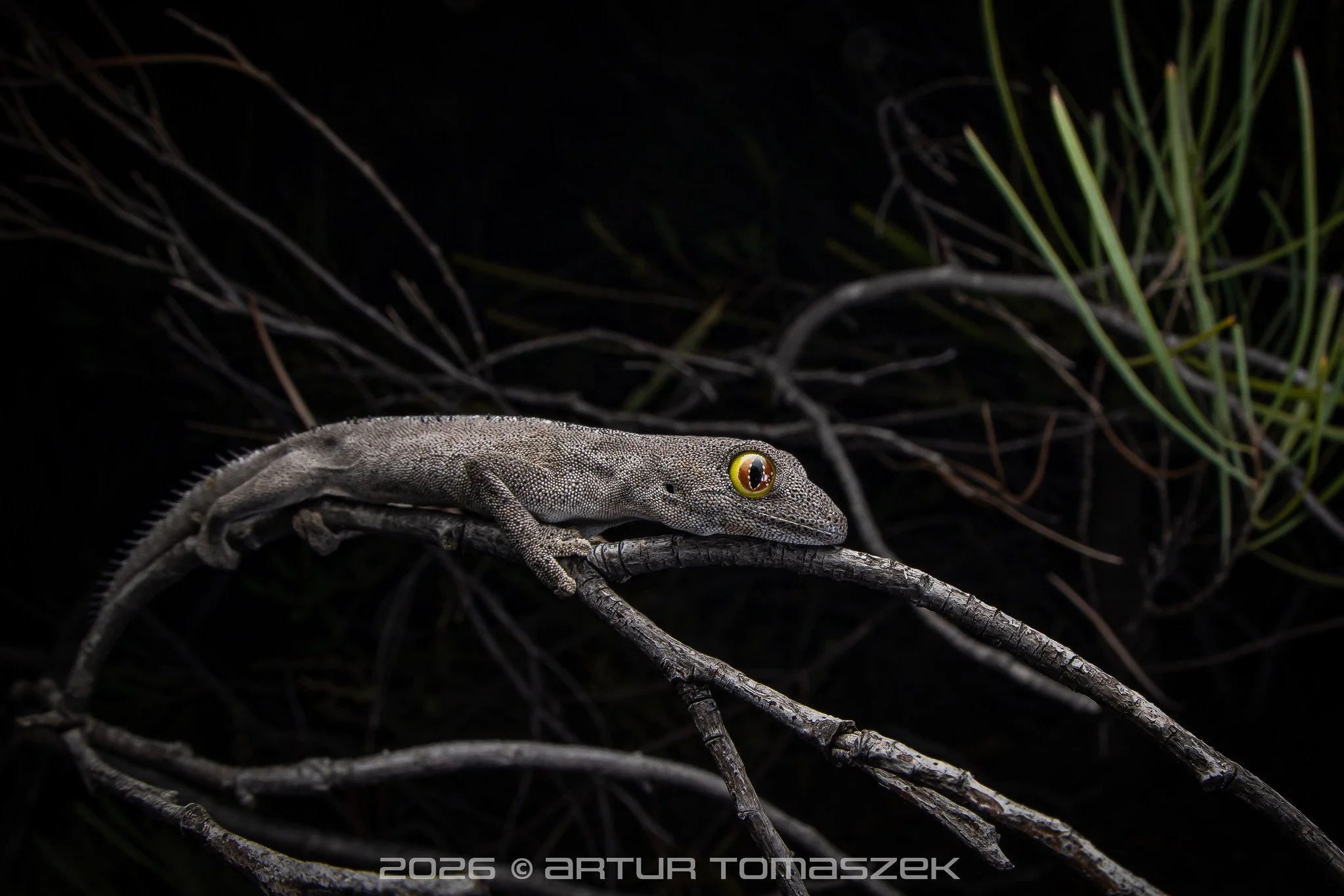
On our final morning in Kalbarri we set a new plan in motion. We dropped Alex off to hike for perentie while we cruised slowly through the suitable habitat. It didn’t take long.
A Moloch horridus right in the middle of the road. It was so surreal it looked almost like a mirage. But it was alive and as perfect as they come. Exactly where we predicted. And 100 metres further there was another one on the roadside! Unbelievable.
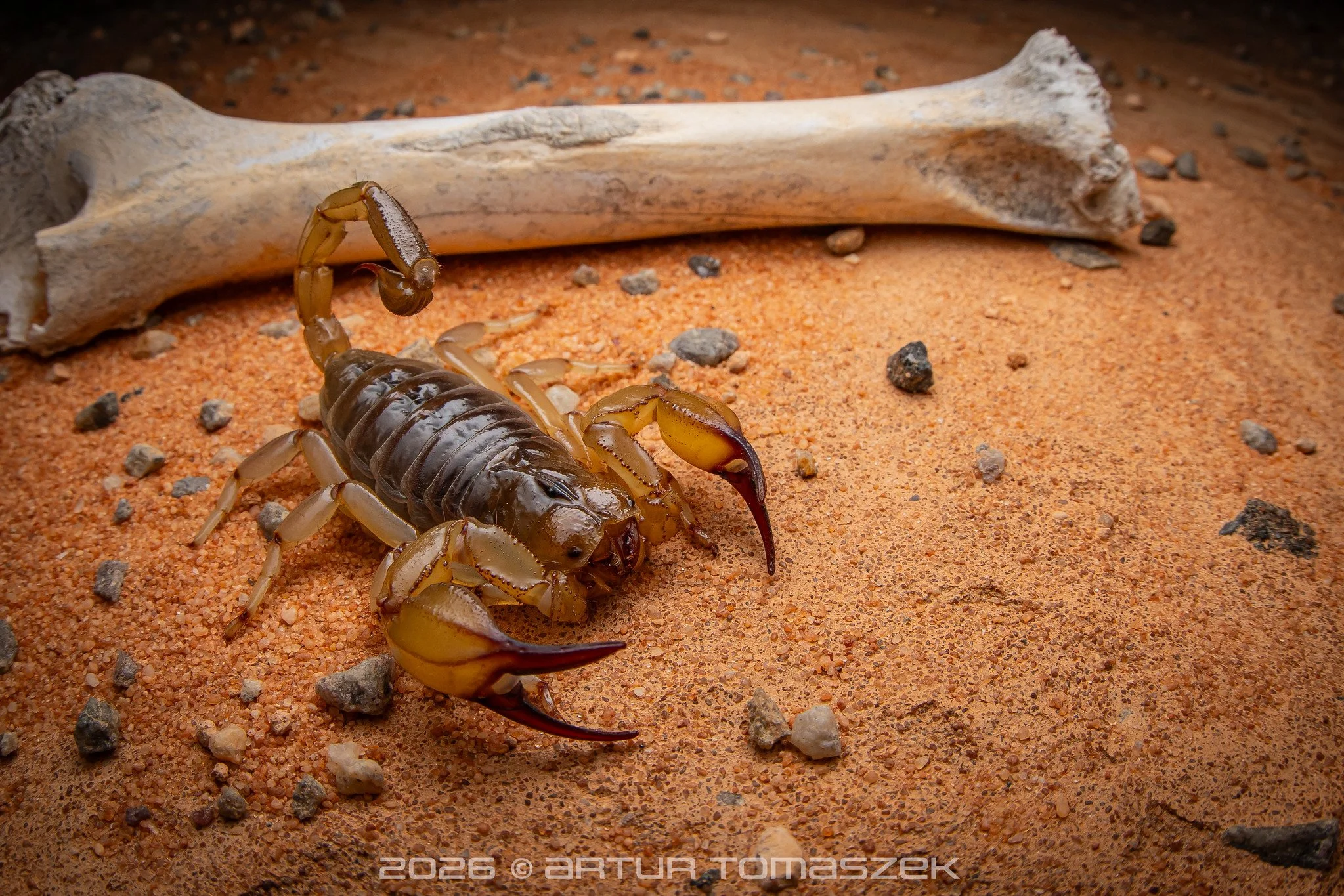
The thorny devil is a masterpiece of evolution. It’s covered in defensive spines, equipped with a false head to confuse predators, and capable of absorbing water through microscopic channels between its scales. It feeds almost exclusively on ants, thousands of them per day. Despite its fearsome look, it’s slow, gentle and adorable.
Thorny devils have micro-structured skin with capillary channels between overlapping scales. This network acts like tiny “straws” that draw water by capillary action. When the lizard stands in water (e.g. shallow puddles after rain), these capillaries fill up and the water moves toward the mouth, where the lizard can drink it. Moist sand alone doesn’t always fill the capillaries enough for drinking but when the lizard shovels moist sand over its back, gravity helps more water enter the capillary network, making water uptake more effective. This amazing ability lets them stay hydrated in places where open water rarely remains long (source and source).
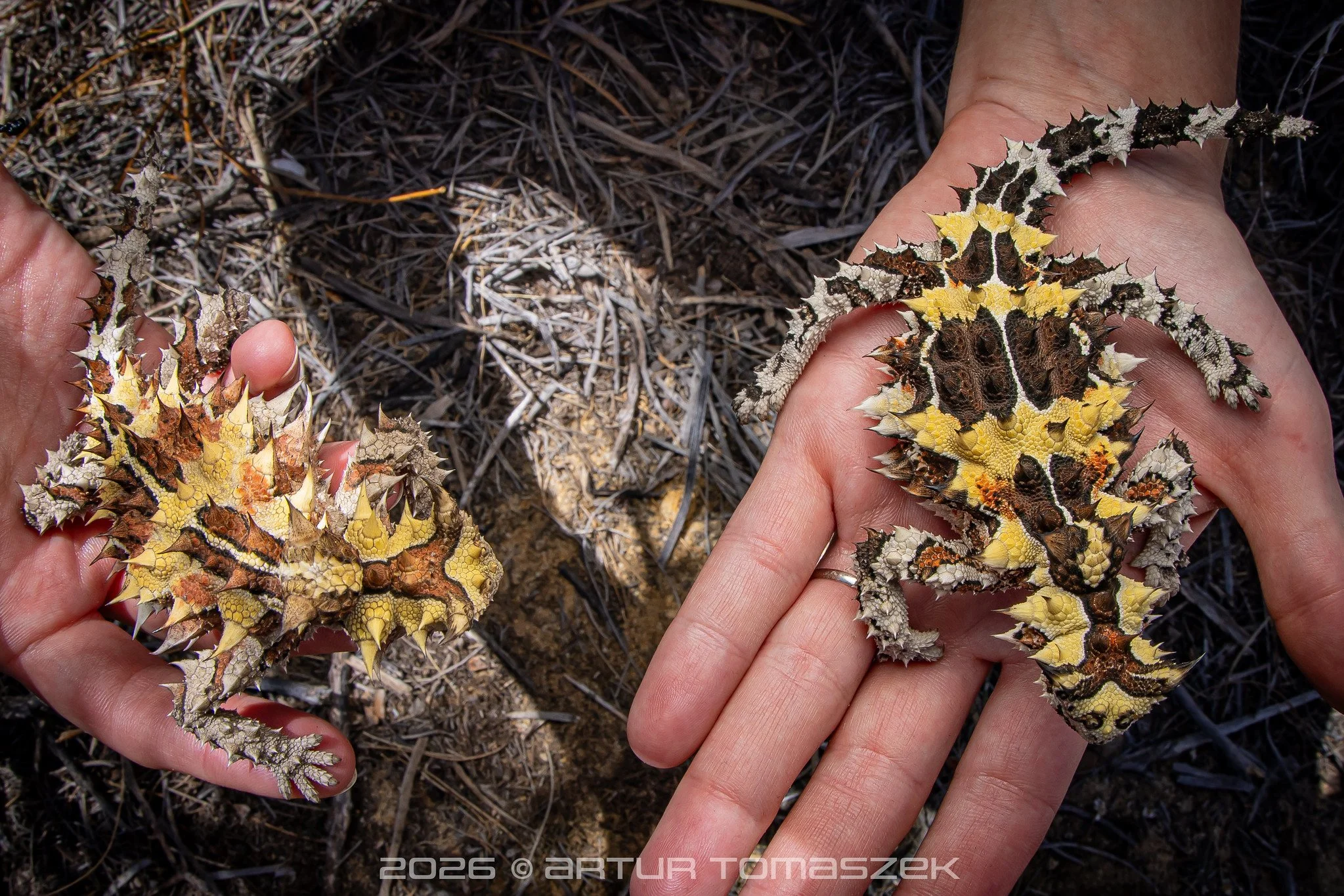
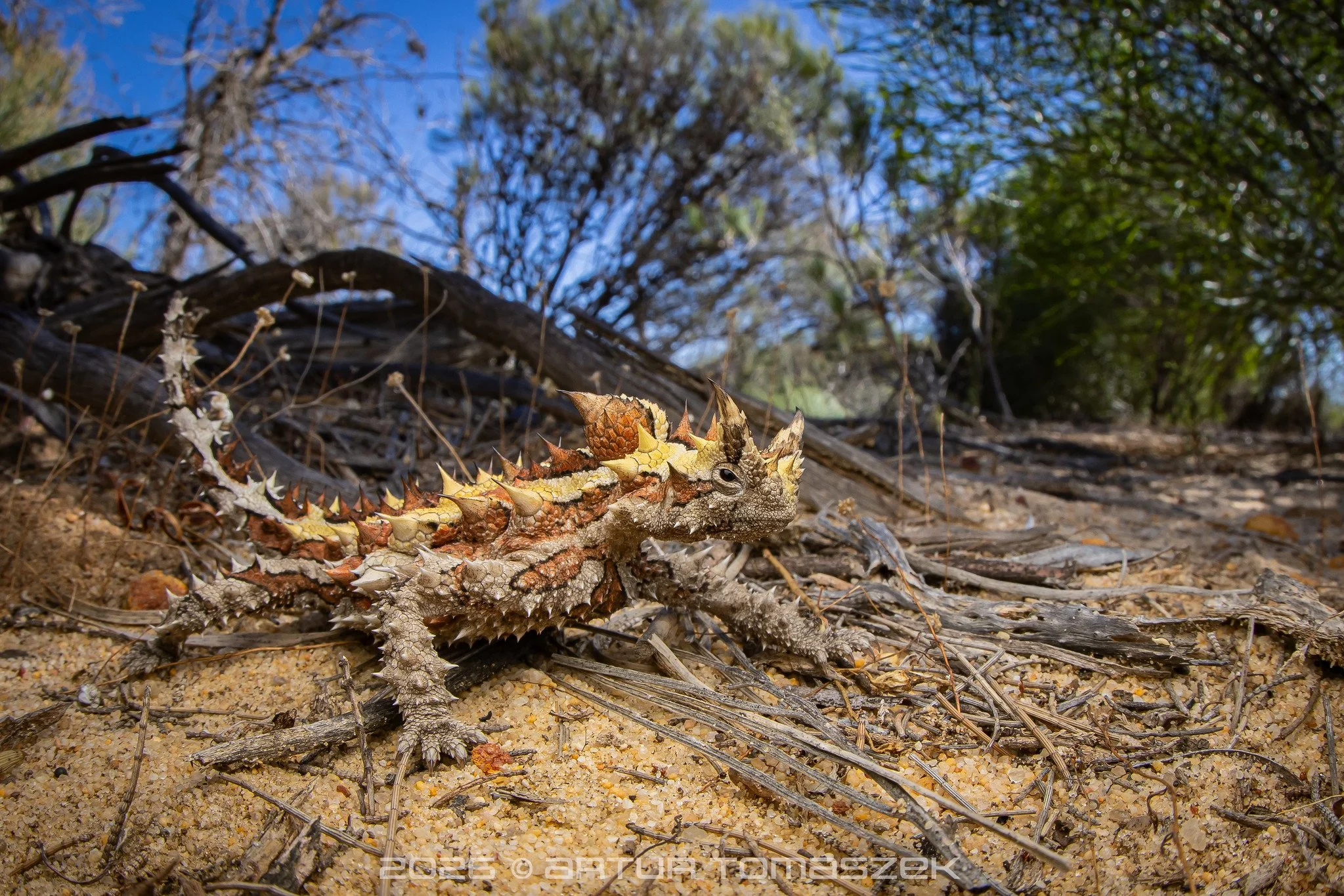
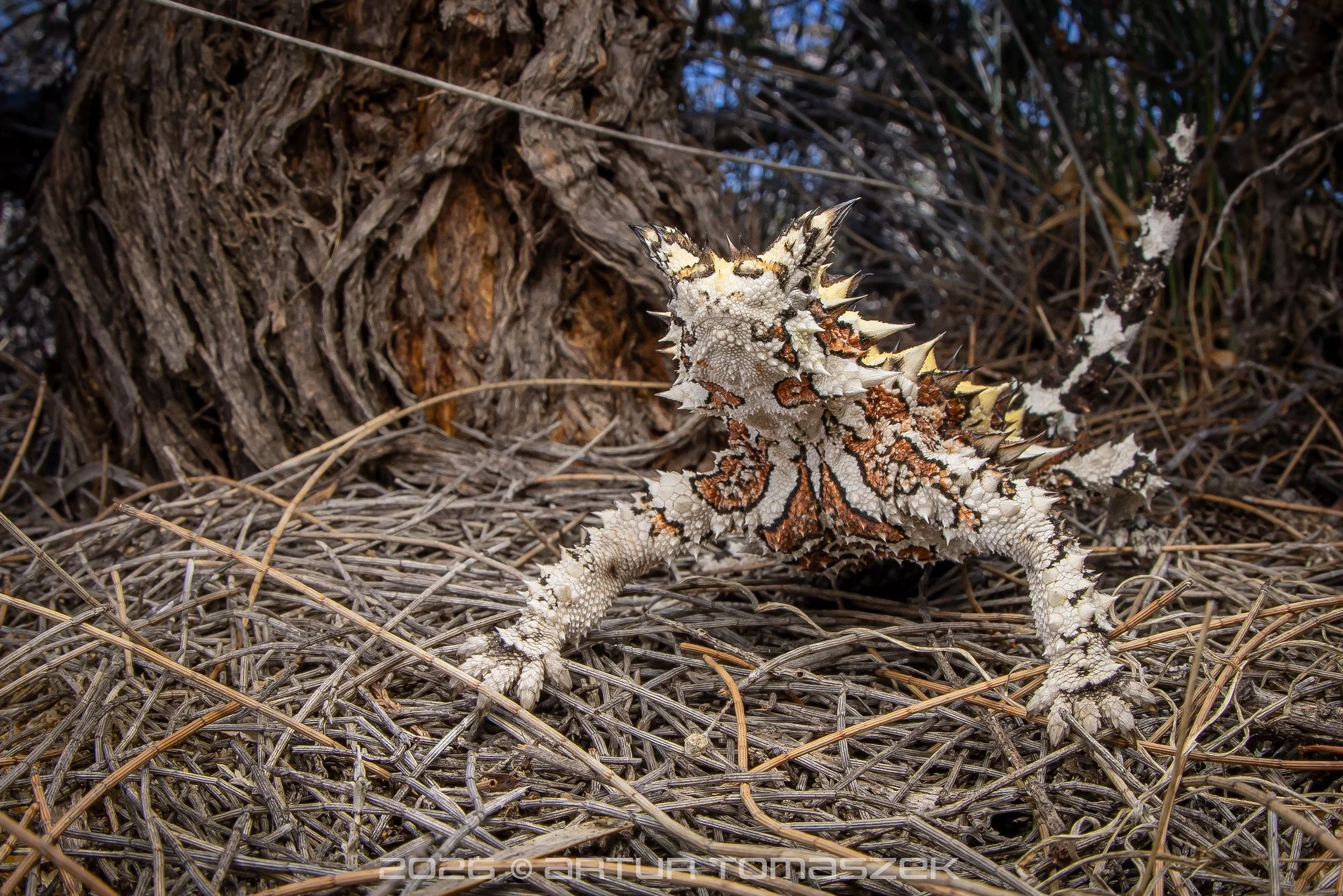
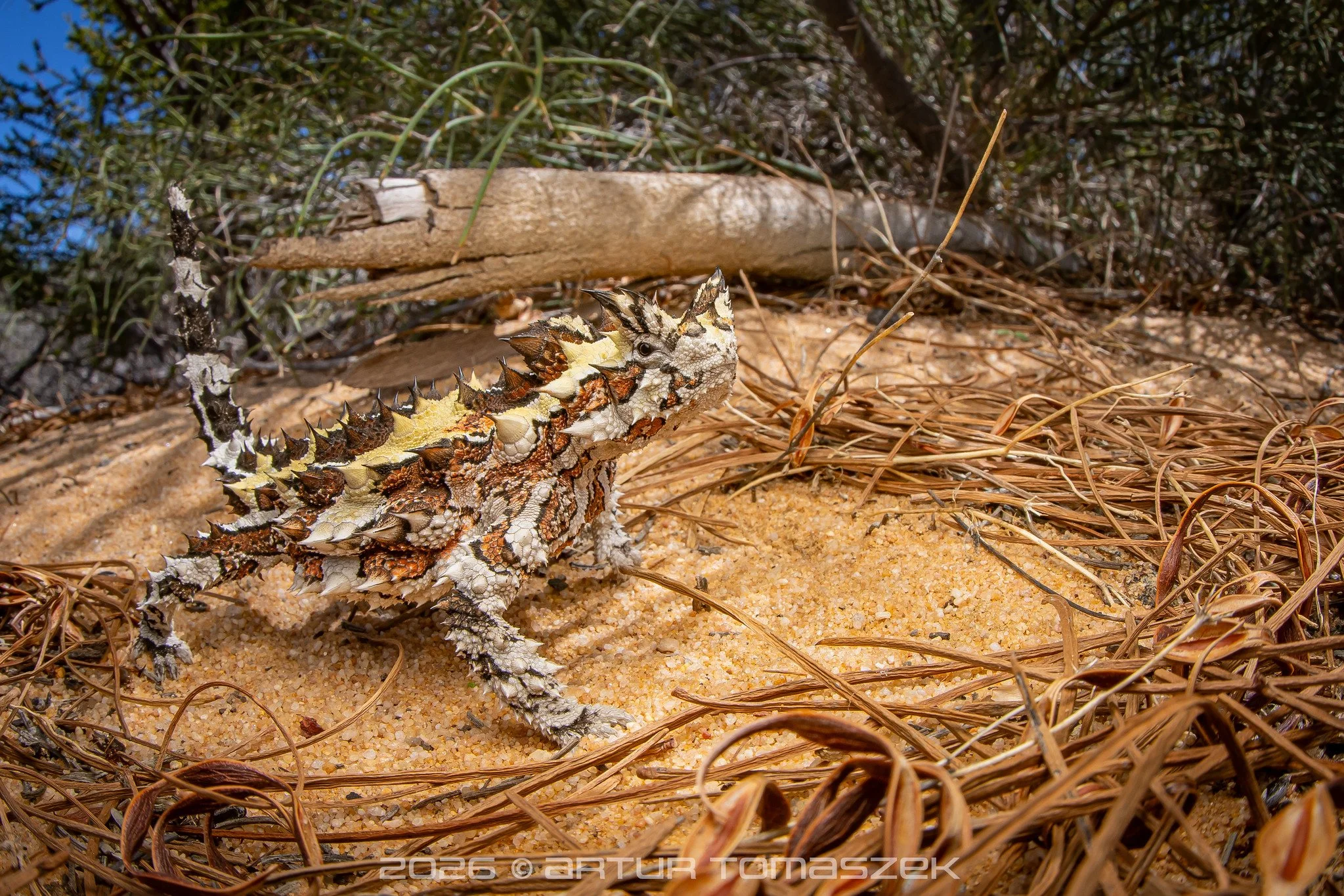
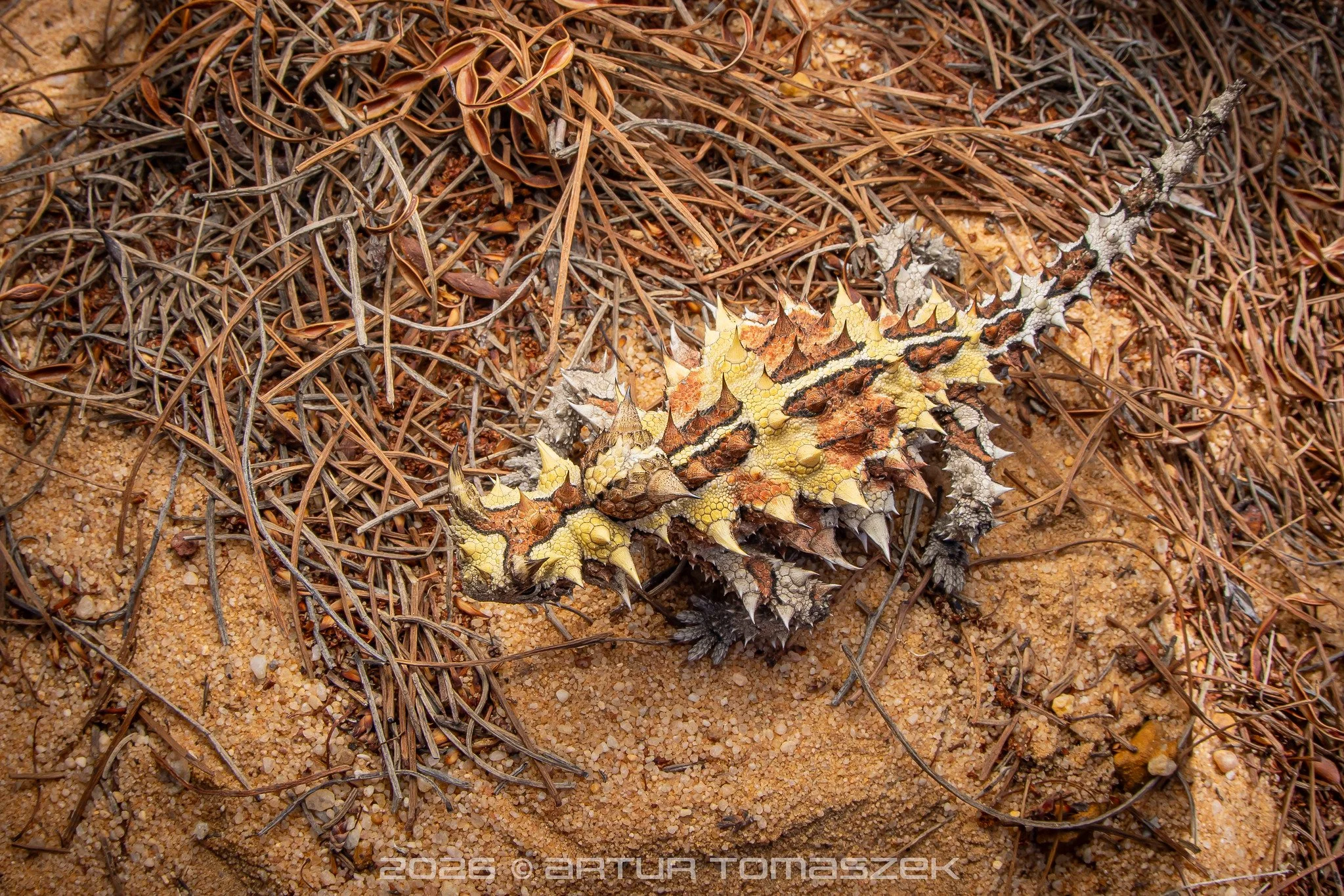
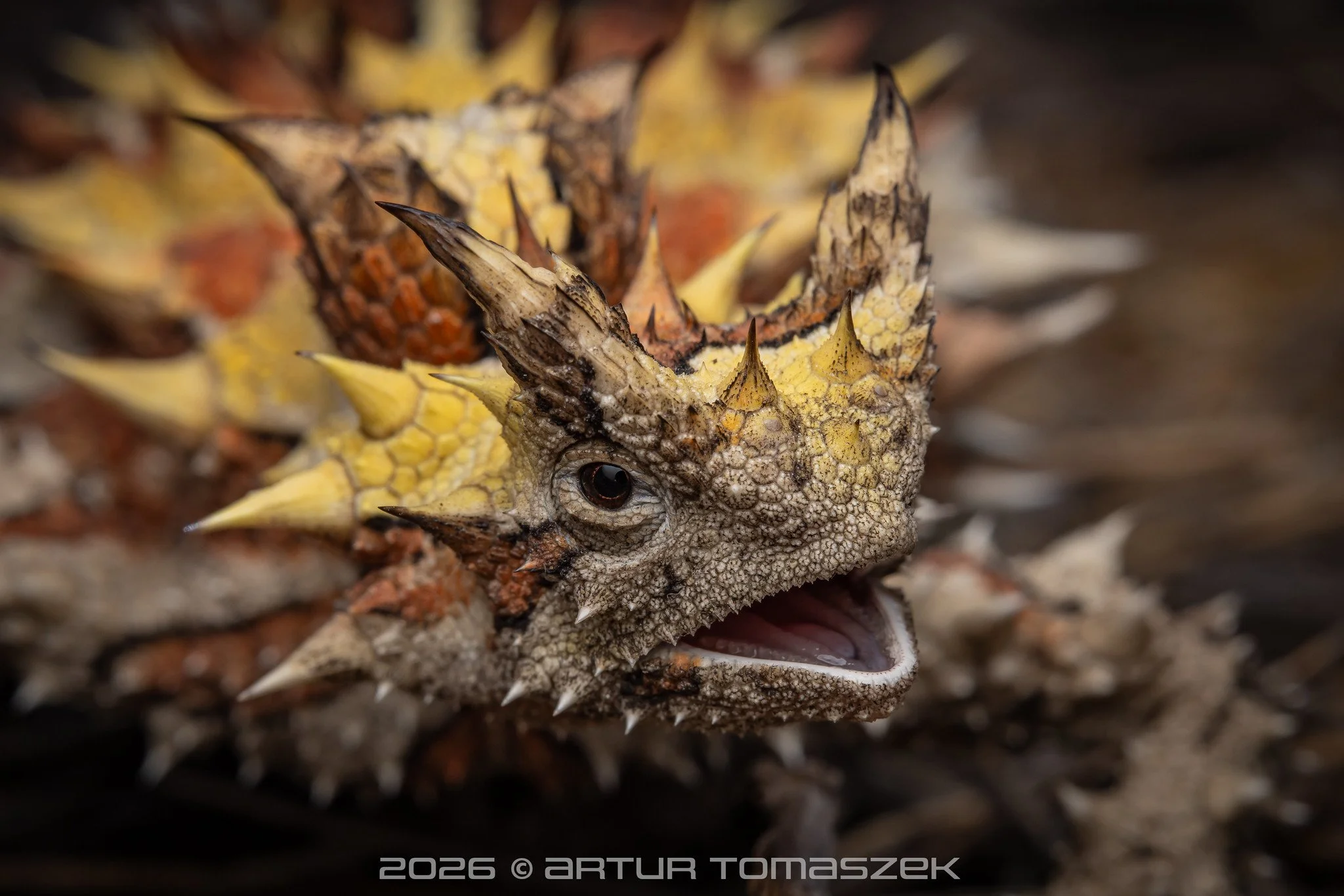
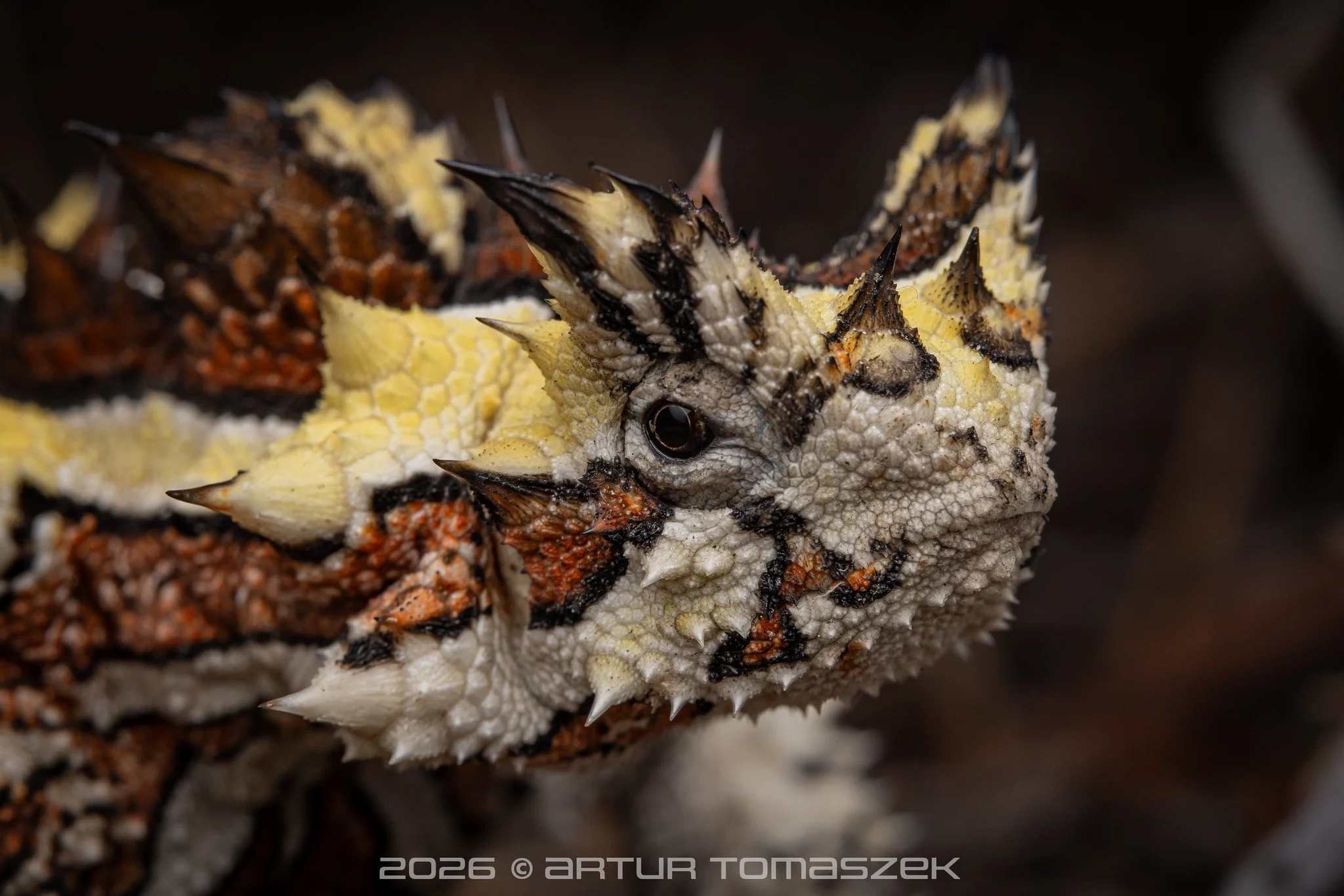
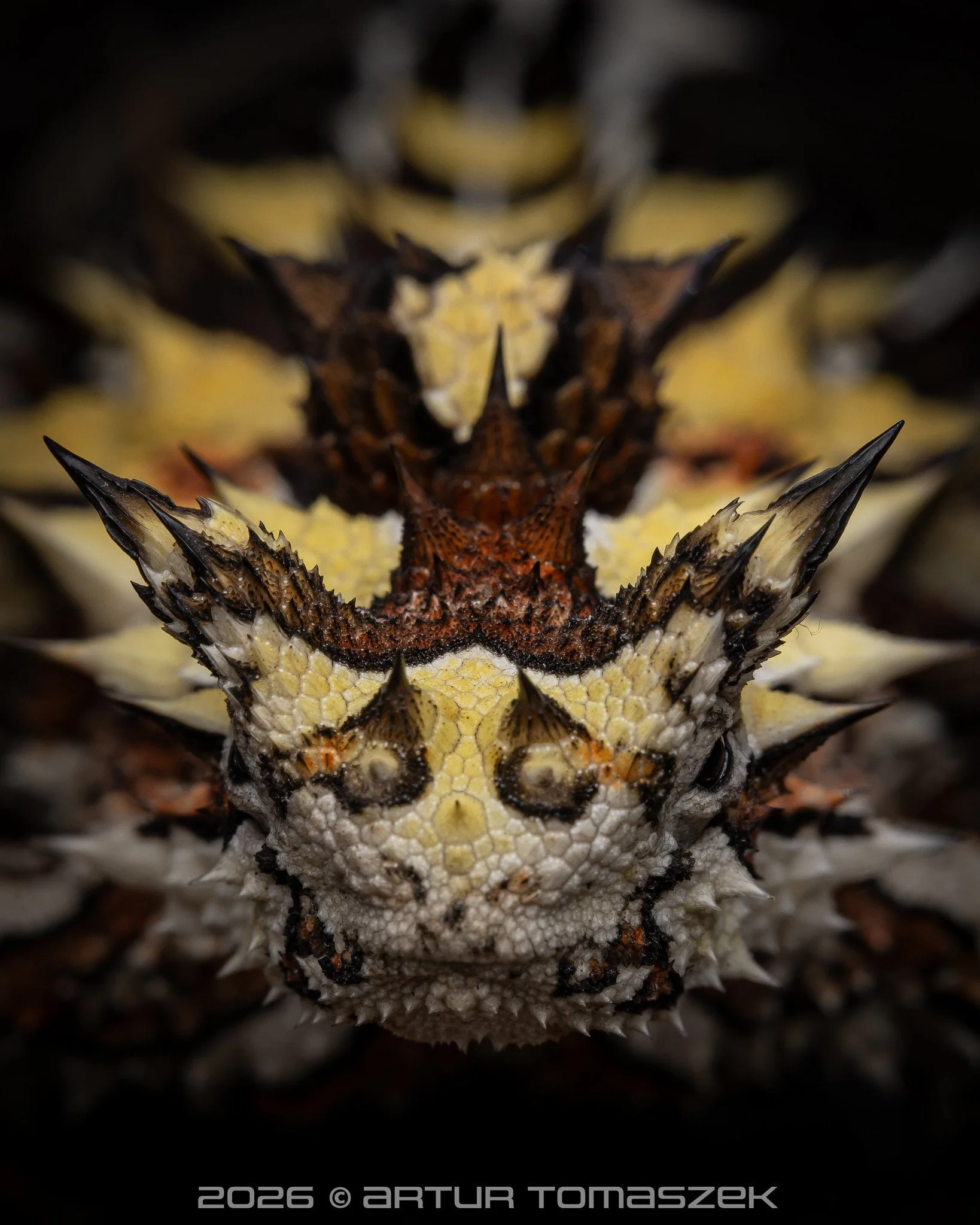

Moloch :)
Meanwhile, Alex struck gold too. Just after starting his hike, he spotted a Varanus giganteus moving between bushes. Australia’s largest monitor lizard, reaching over 2 metres in length. Powerful, intelligent, built like a dinosaur.
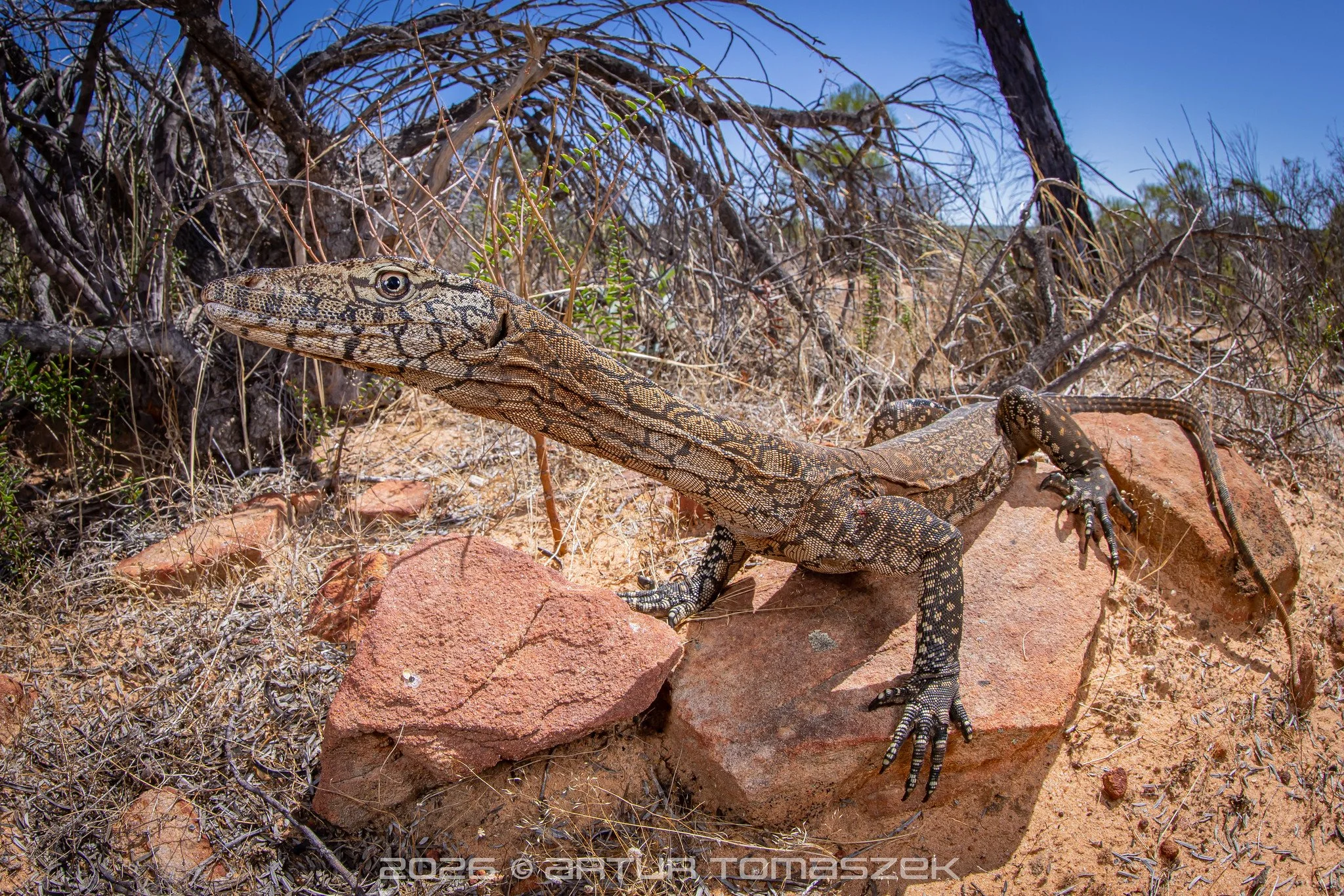
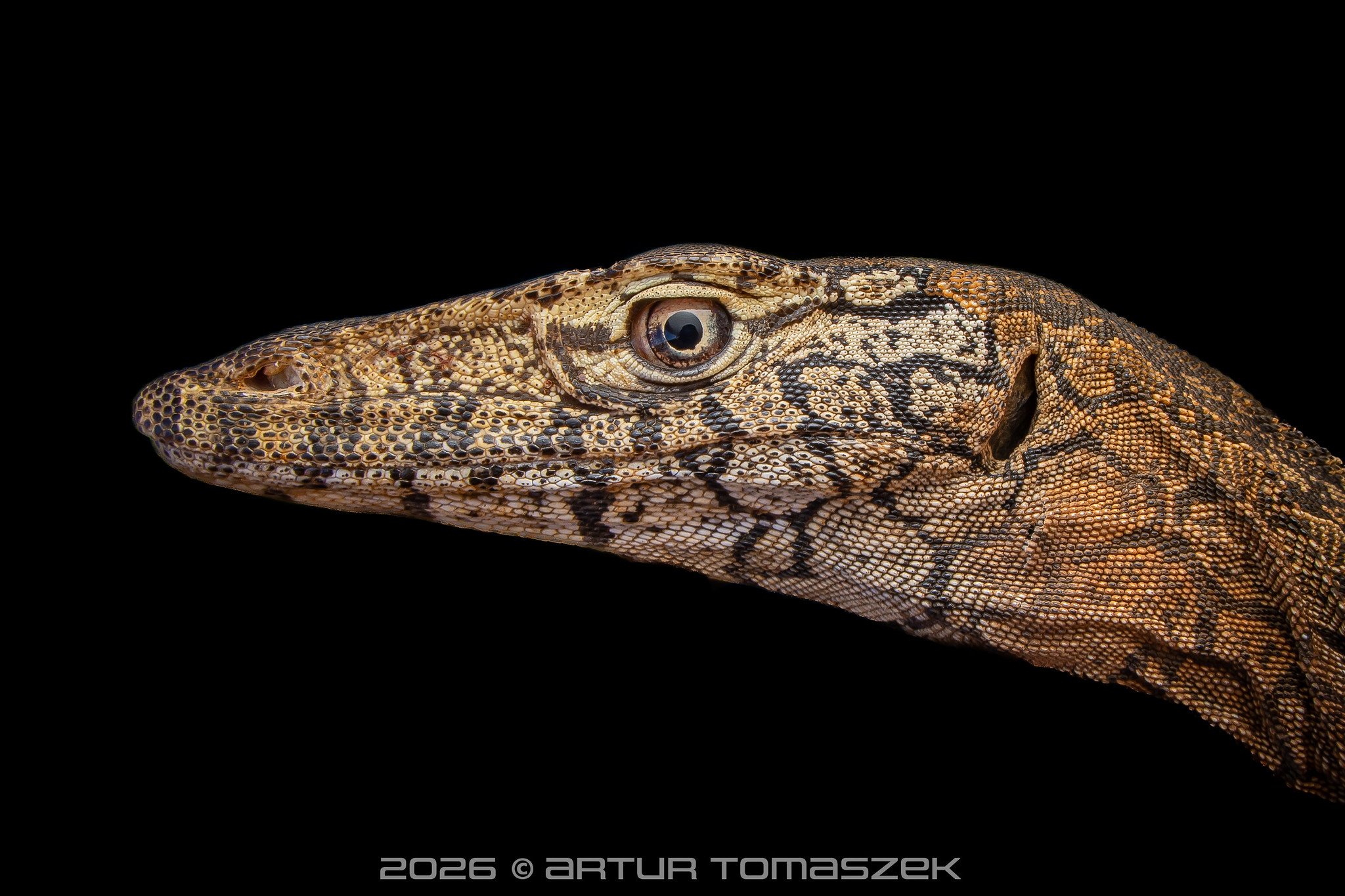
That day felt unreal. We left Kalbarri victorious.
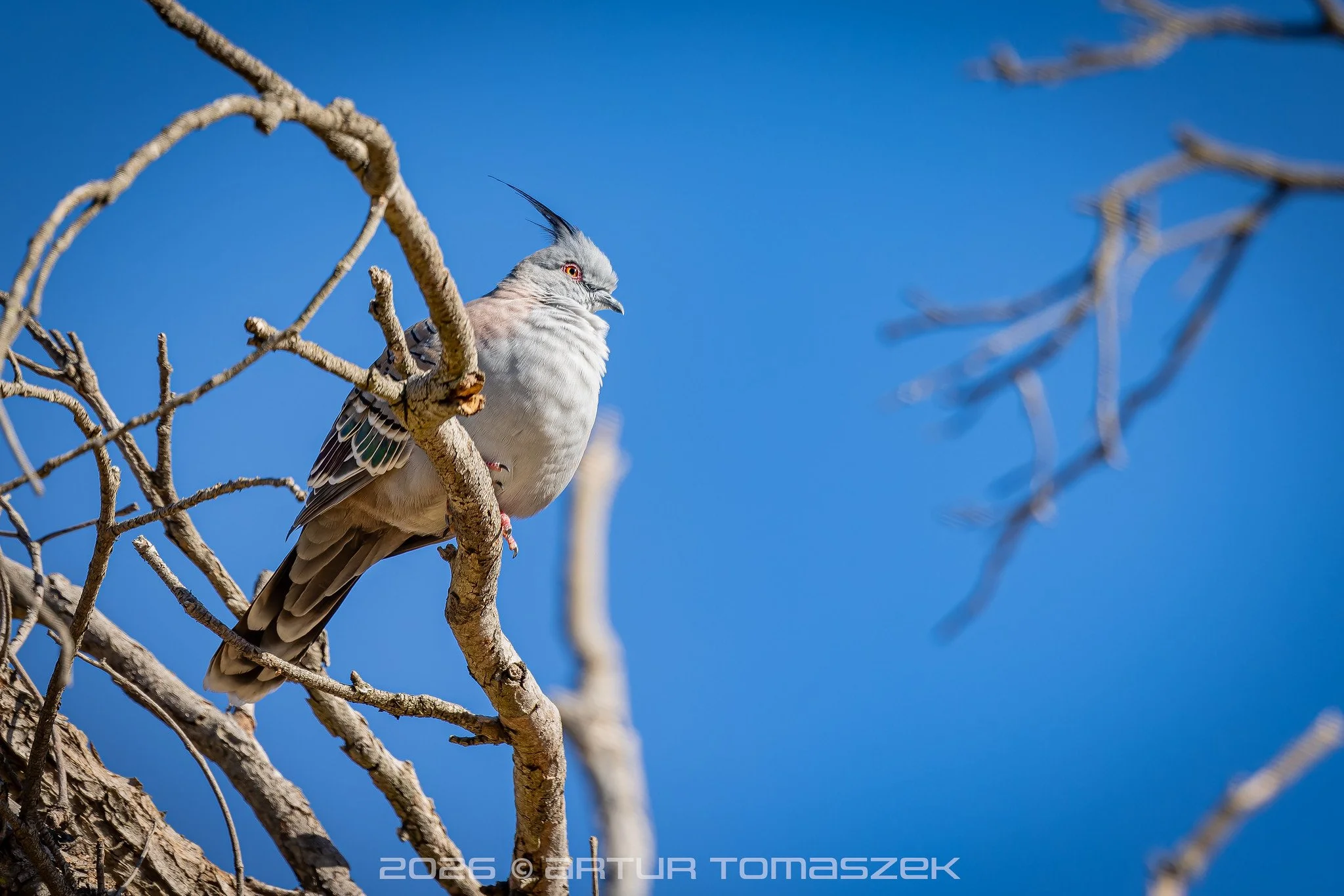
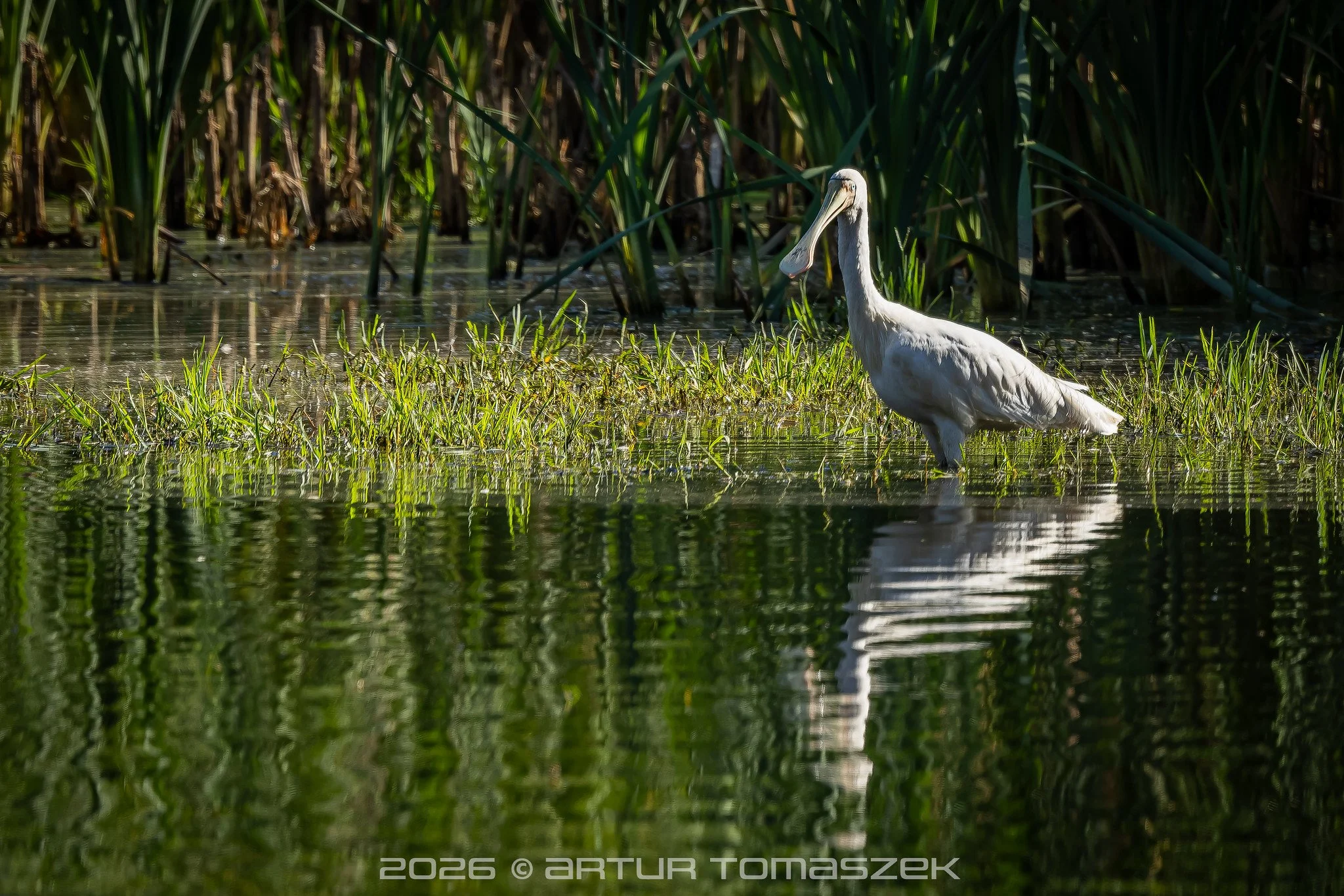
A couple of bird species from Kalbarri for good measure below.
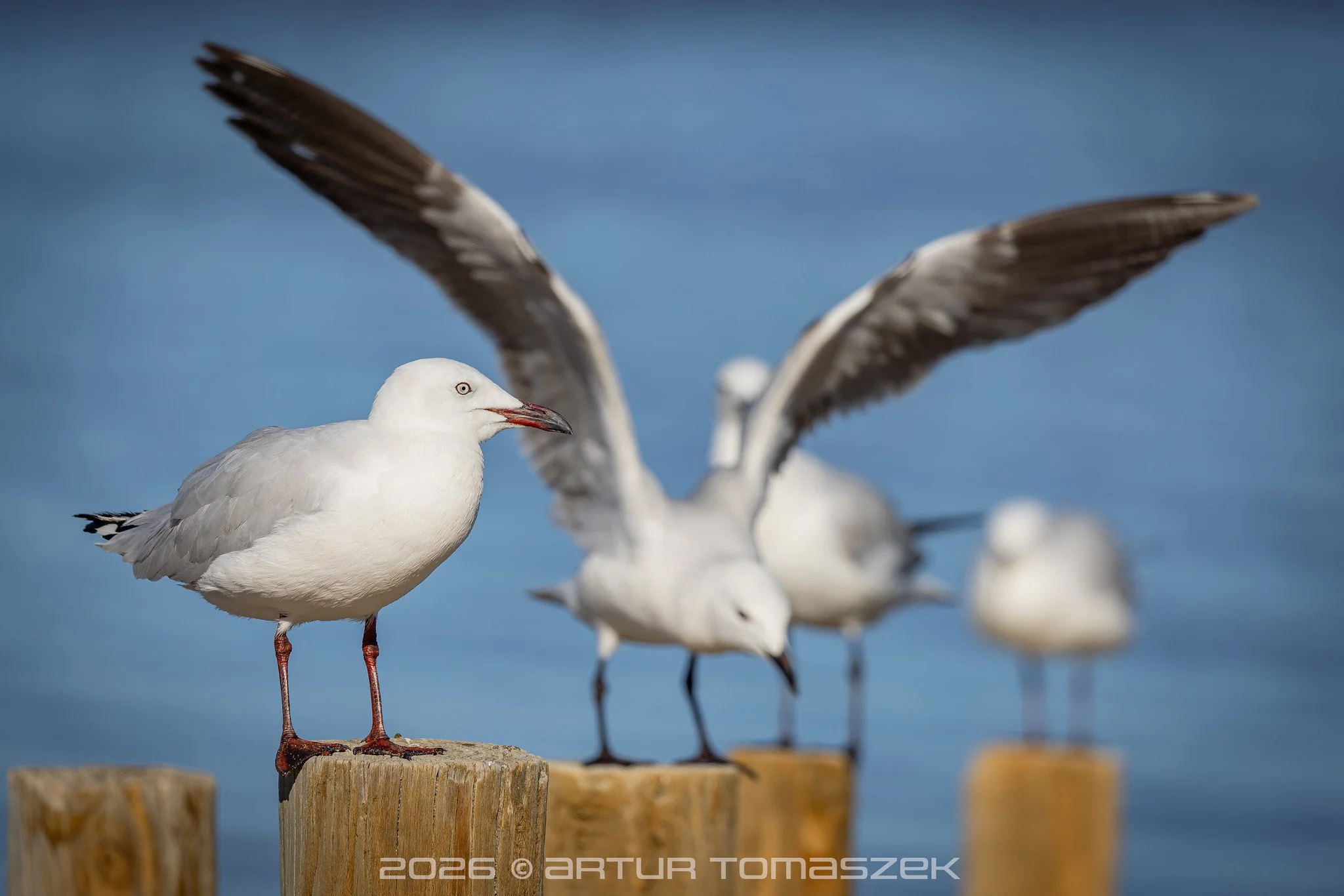
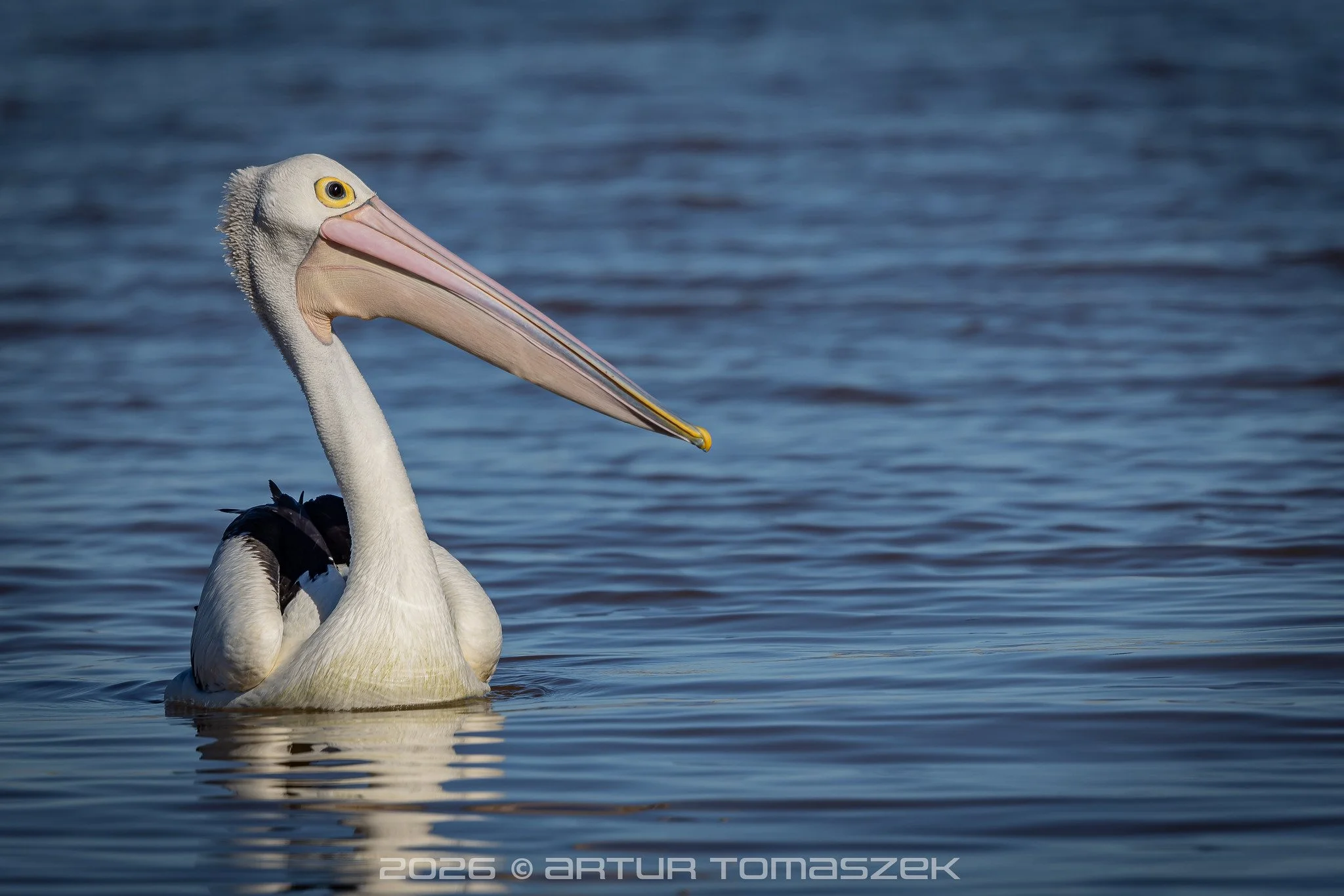
Shark Bay
Shark Bay greeted us with strong winds and breathtaking coastal views. It’s a UNESCO World Heritage site famous for seagrass meadows, stromatolites and incredible marine life. We arrived late, dropped our gear and started cruising immediately.
The highlights of the very night included the hooded scaly-foot (Pygopus nigriceps), common knob-tailed gecko (Nephrurus levis) and multiple Western spiny-tailed geckos (Strophurus strophurus). Exhaustion was slowly catching up with us at some point, but excitement kept us moving.
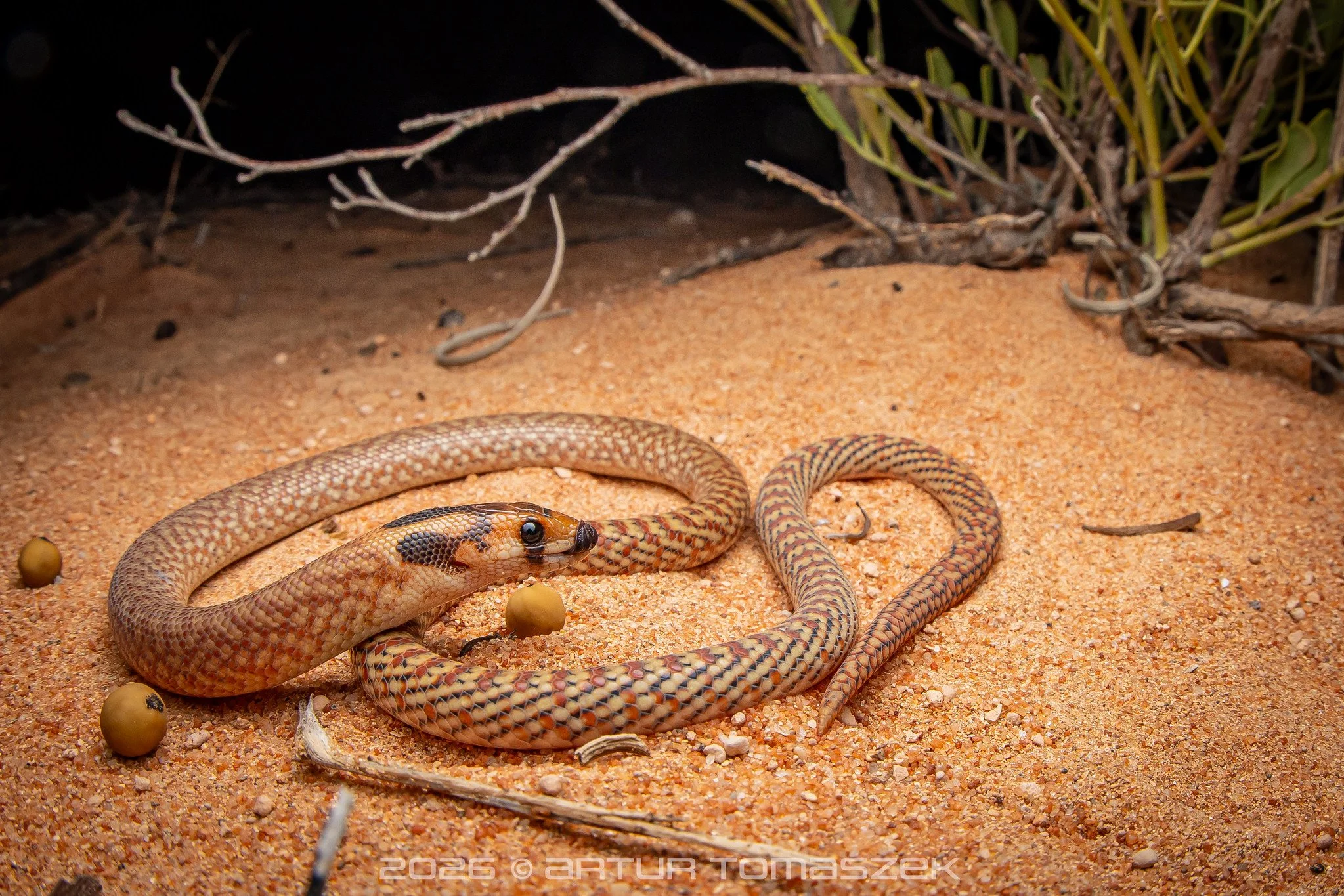
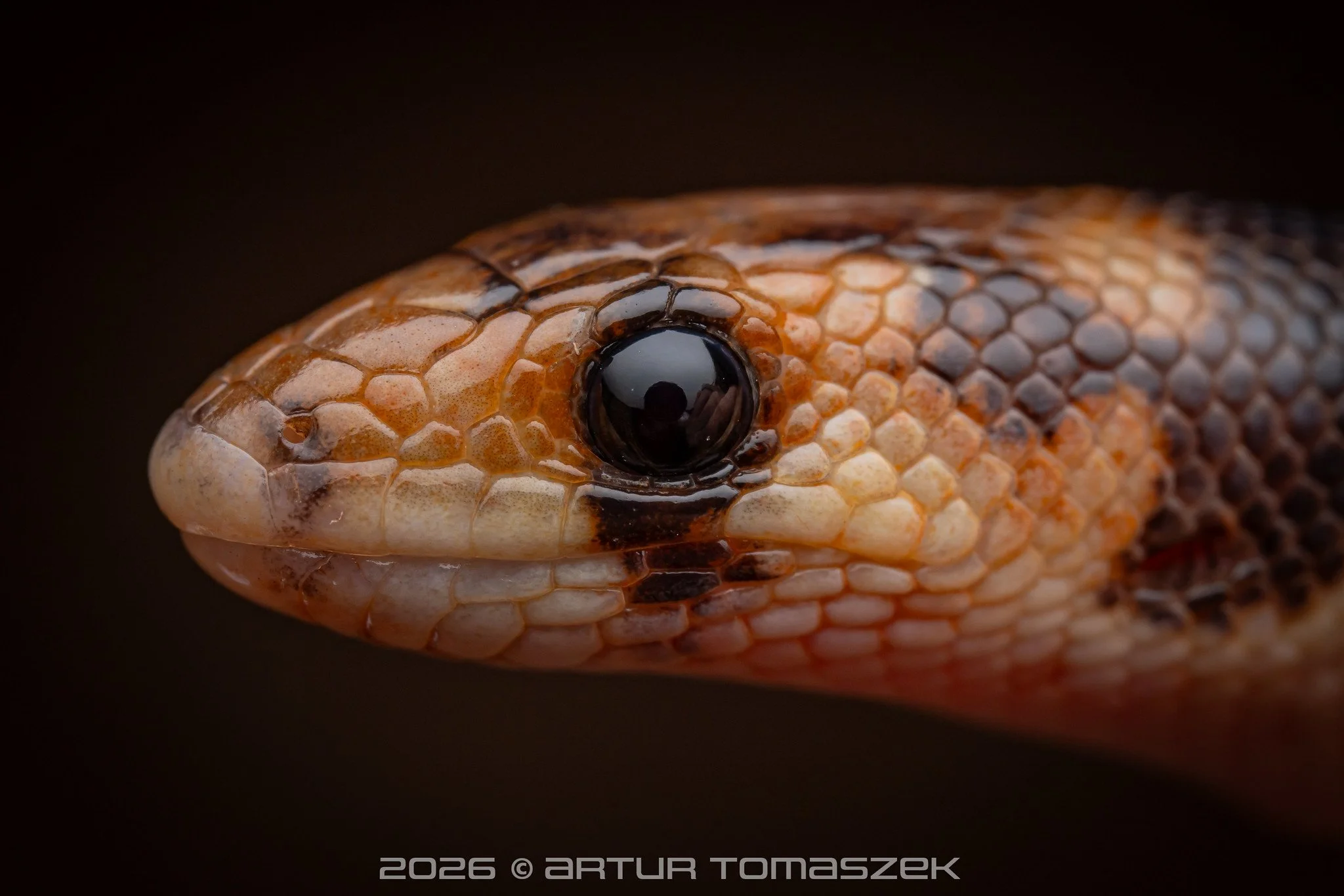
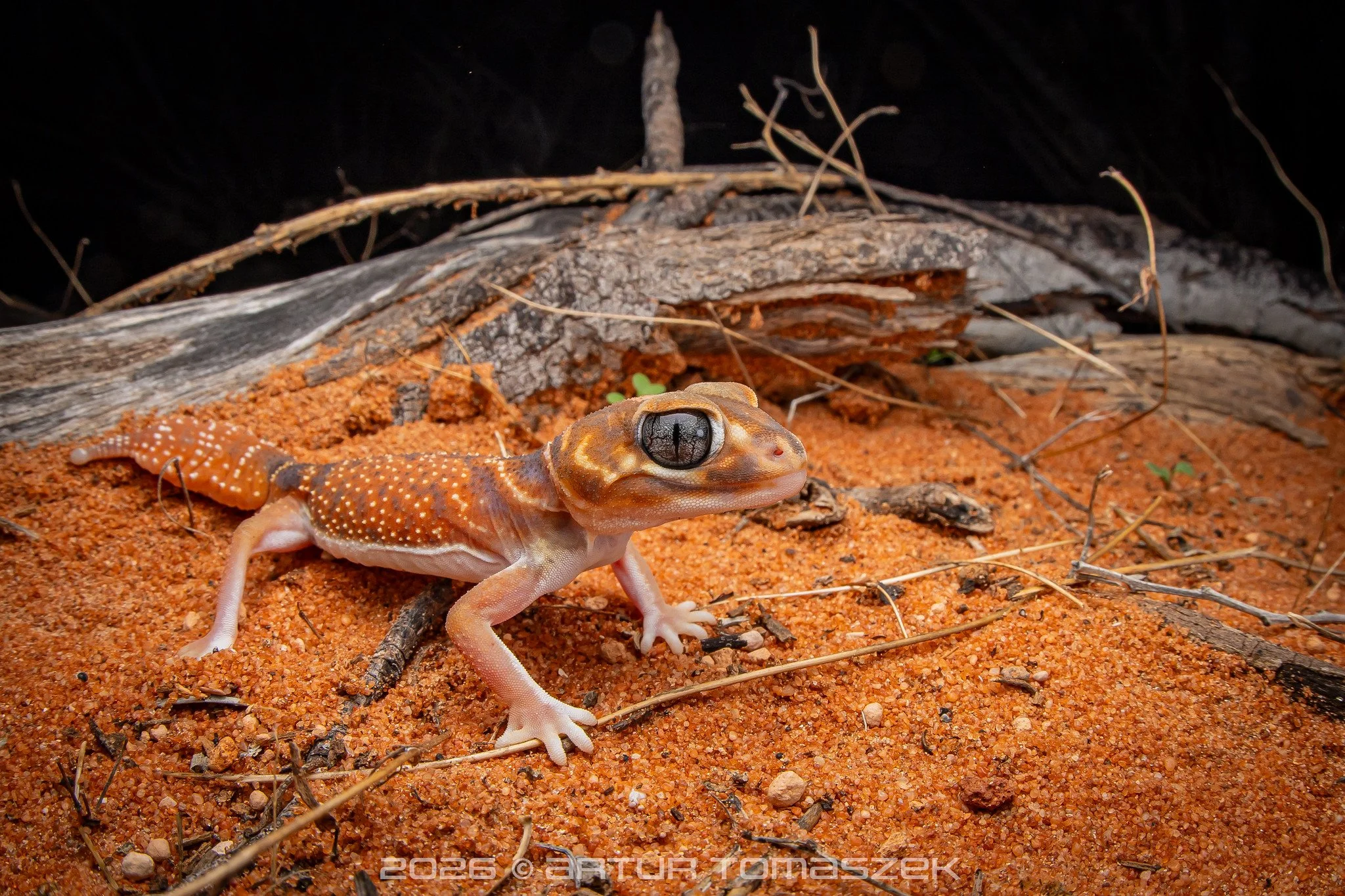
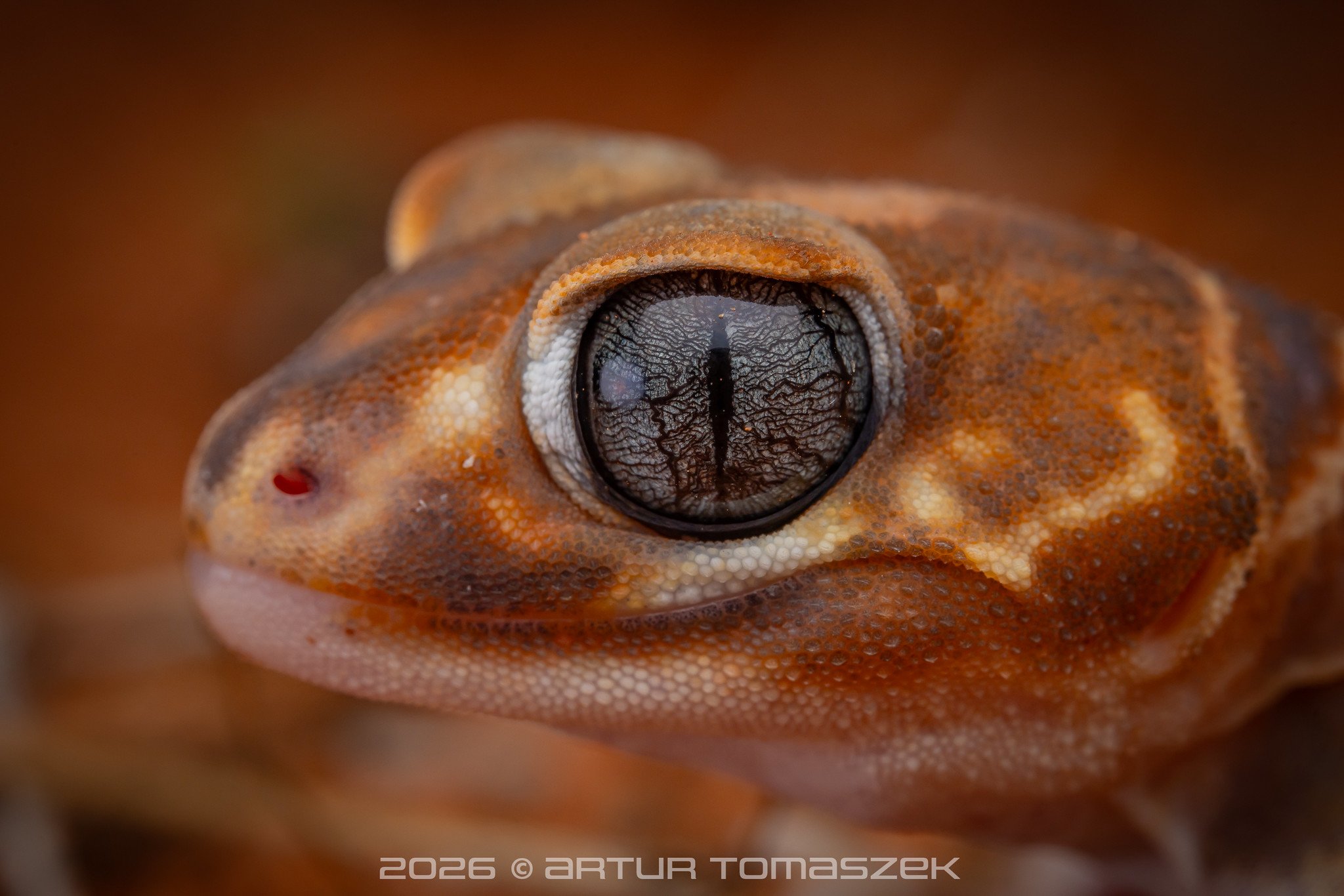
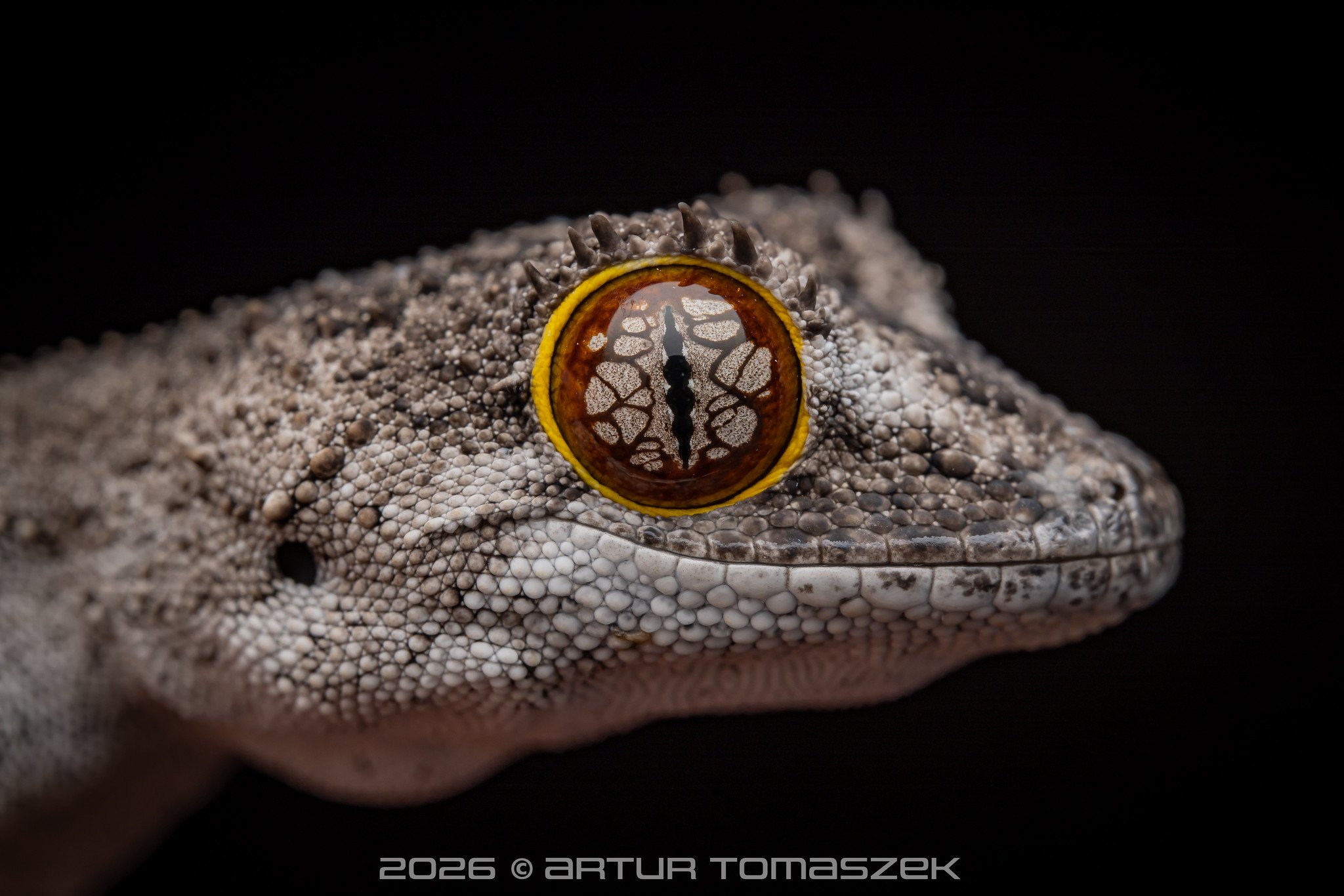
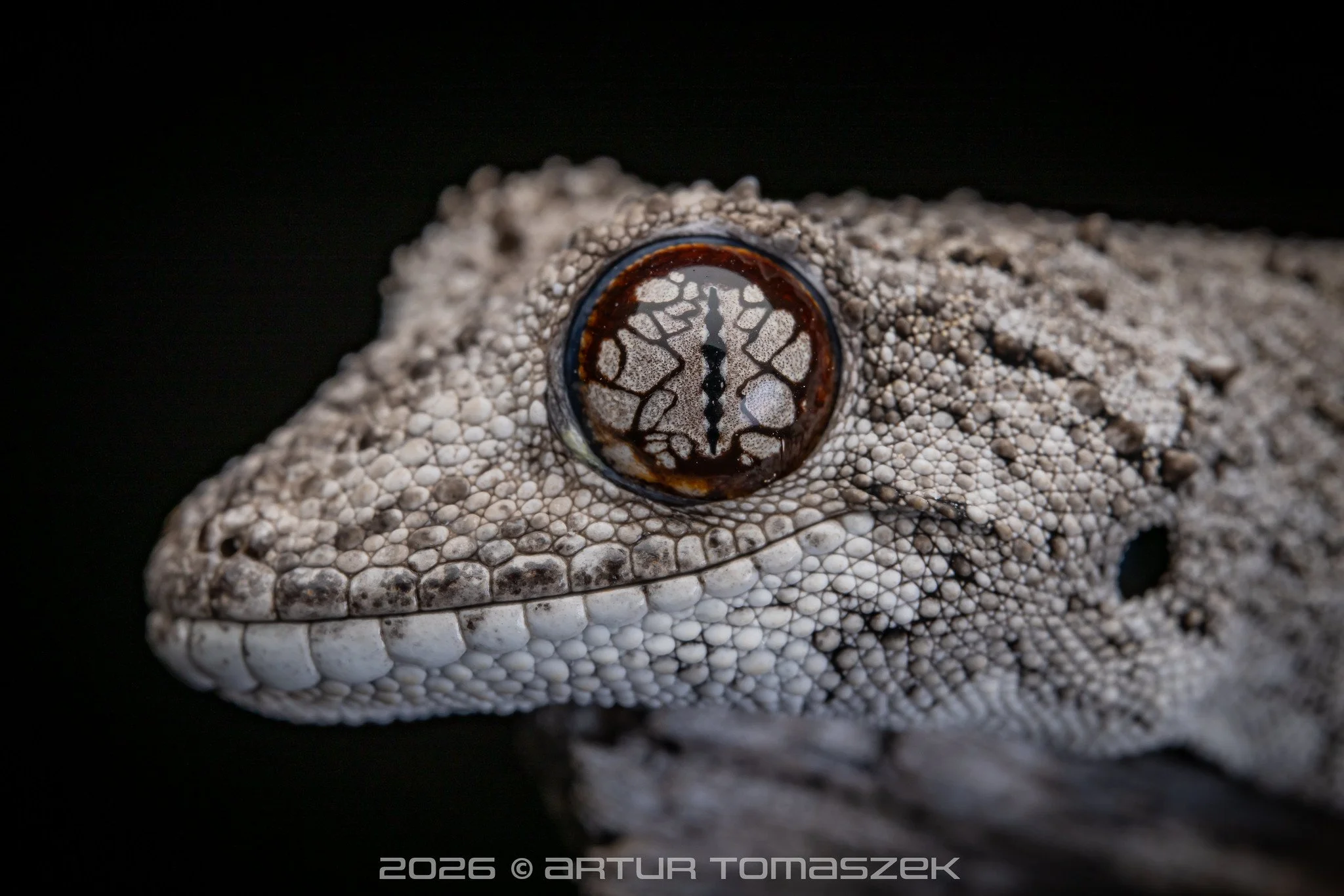
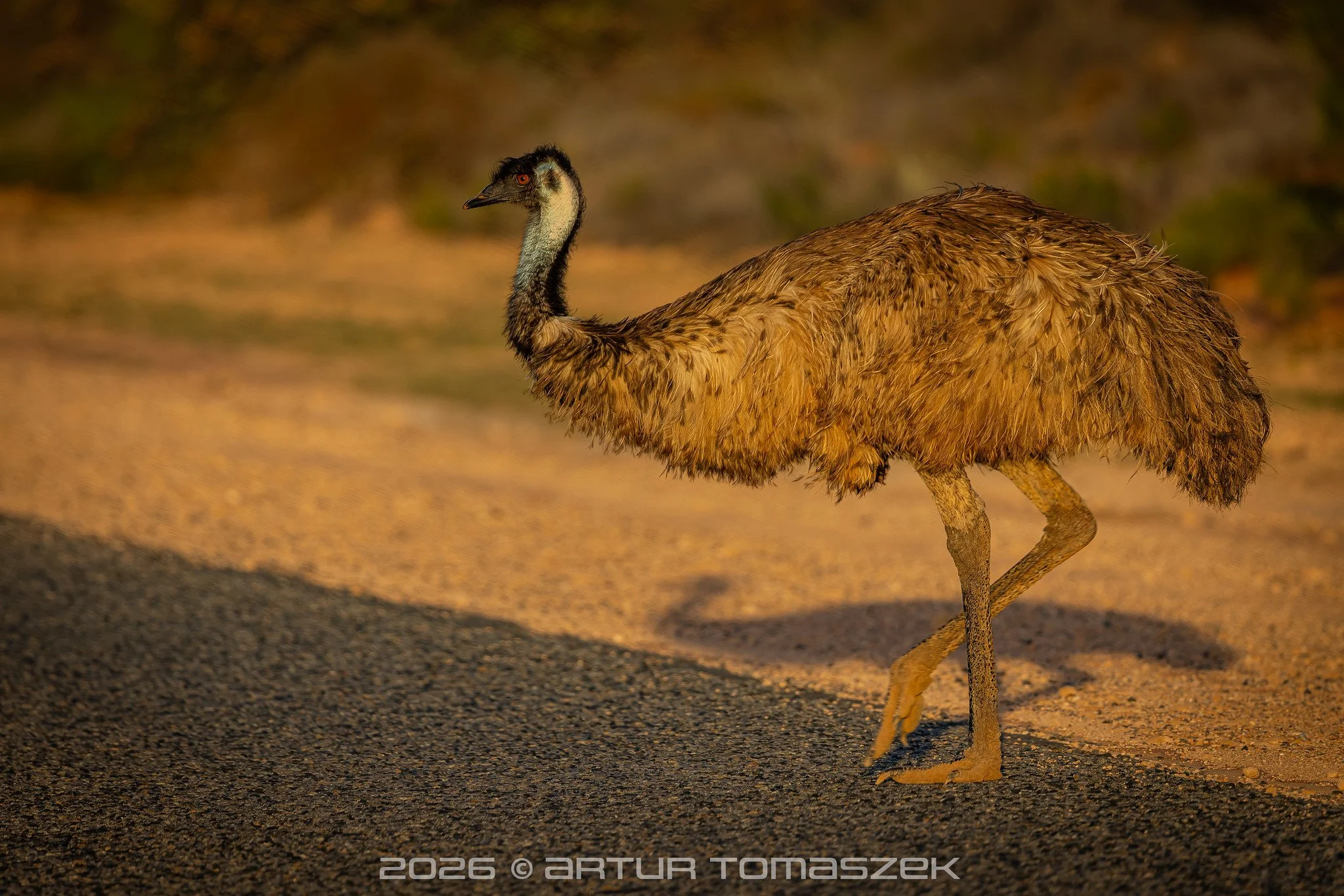
The next morning we were greeted by emus casually strolling along the road (morning video and evening photo of an emu below) and a Western bluetongue (Tiliqua occipitalis). Such a bold and curious lizard, flashing its iconic blue tongue as a bluff display. Sand goannas were everywhere, too fast for us to catch more than a short glimpse of them of course.
Emu
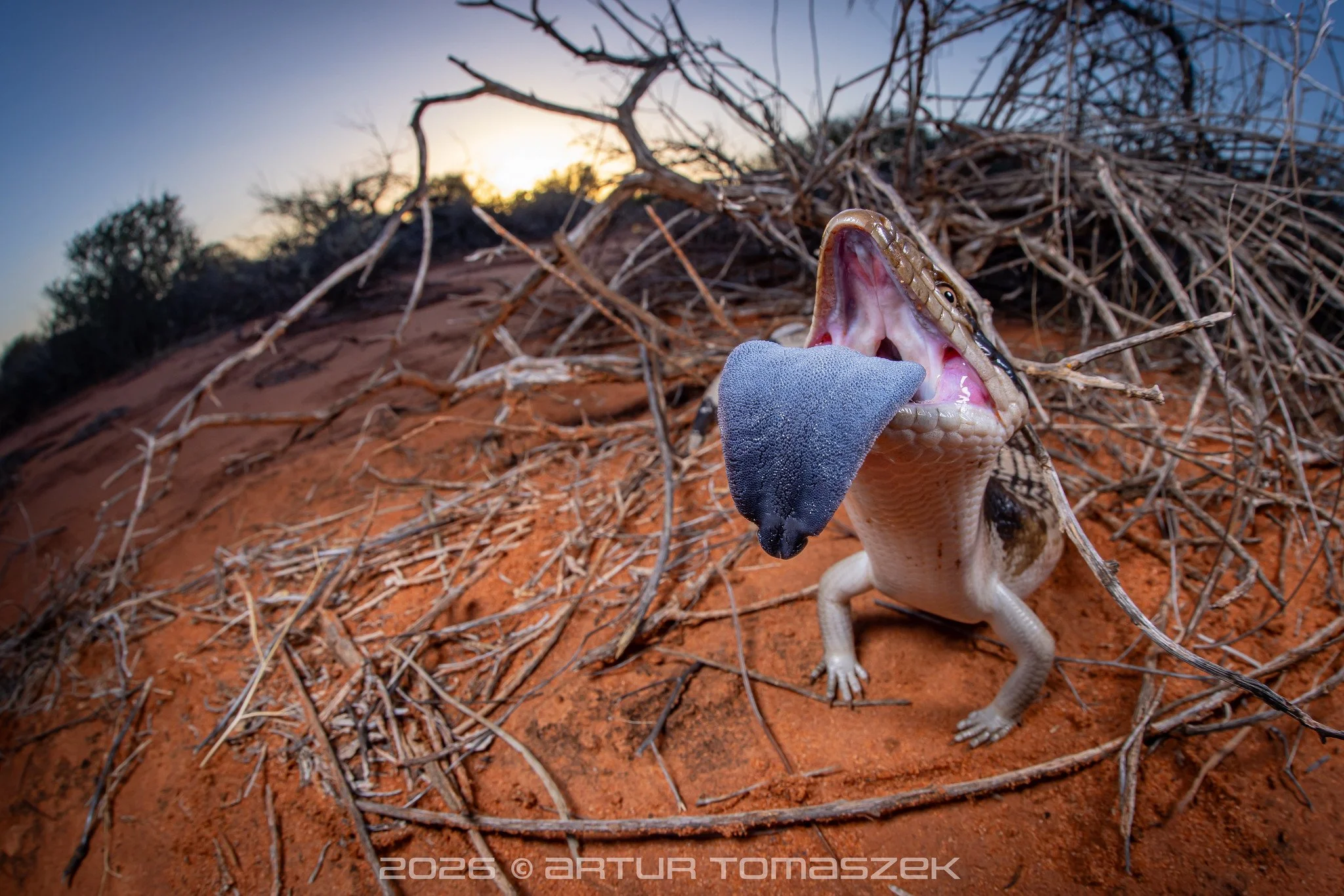
Tiliqua occipitalis
During the evening cruise, Karolina suddenly said she saw a weird stick that could be a thorny devil on the side of the road. Now, one thing you have to know about cruising in Australia is that you see many lizard-like objects on and near the road, so you often end up turning back multiple times a day to stare at a lifeless twig, poop or something less identifiable. This time we hit the jackpot though. It was another live Moloch! We were a bit surprised that it was active so late in the evening. Either way, we couldn’t have been happier with such an outcome.
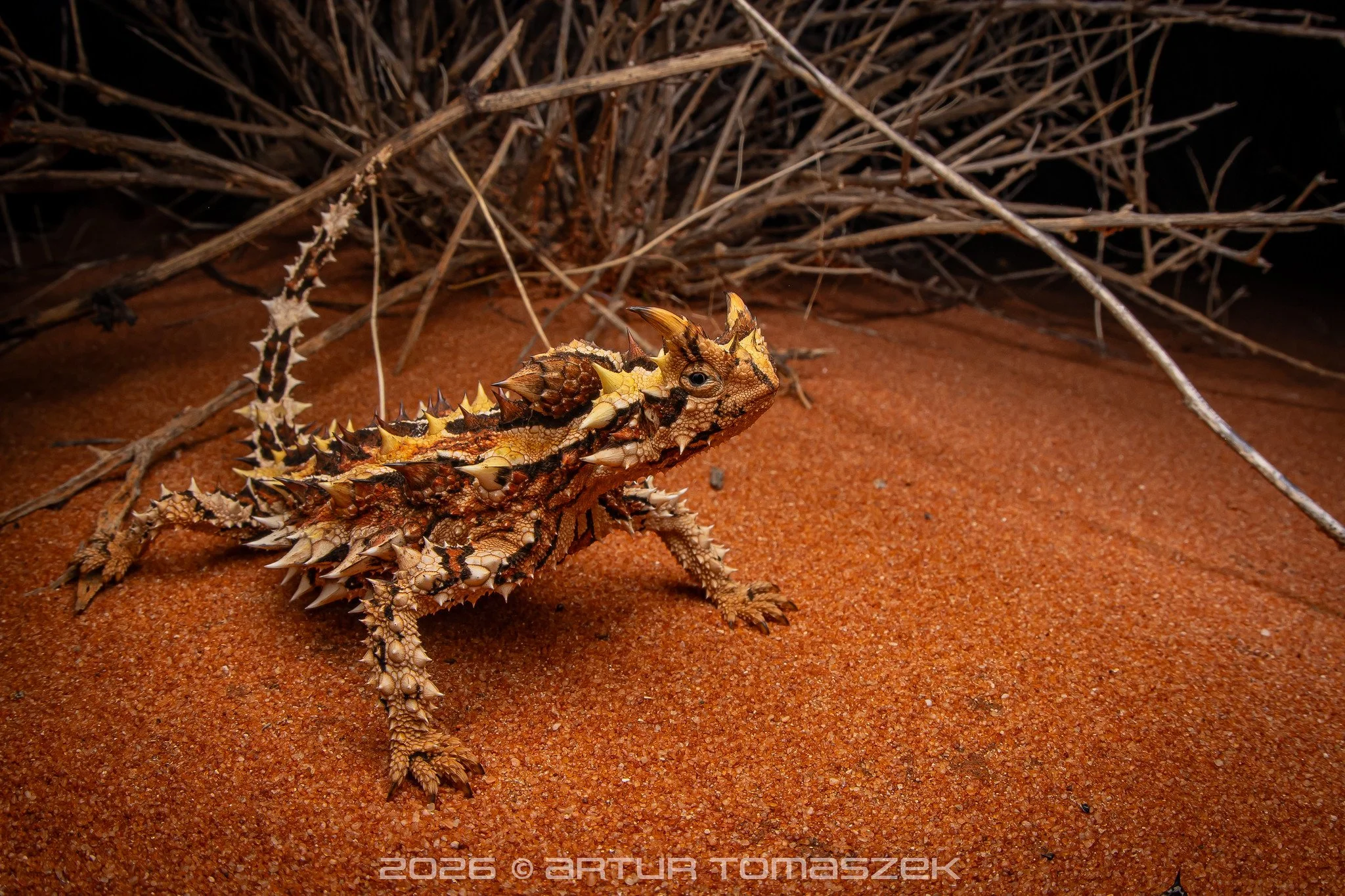
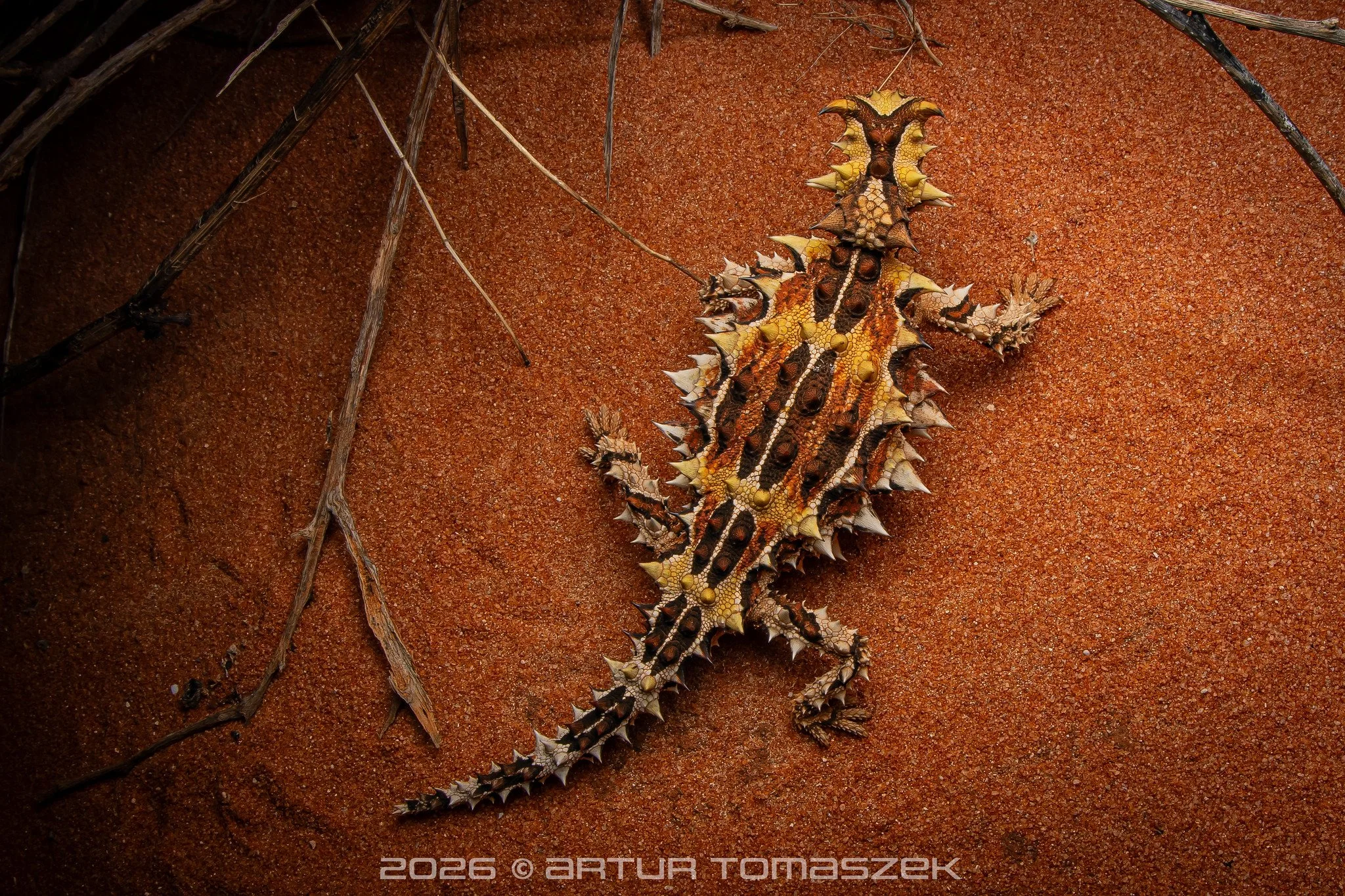
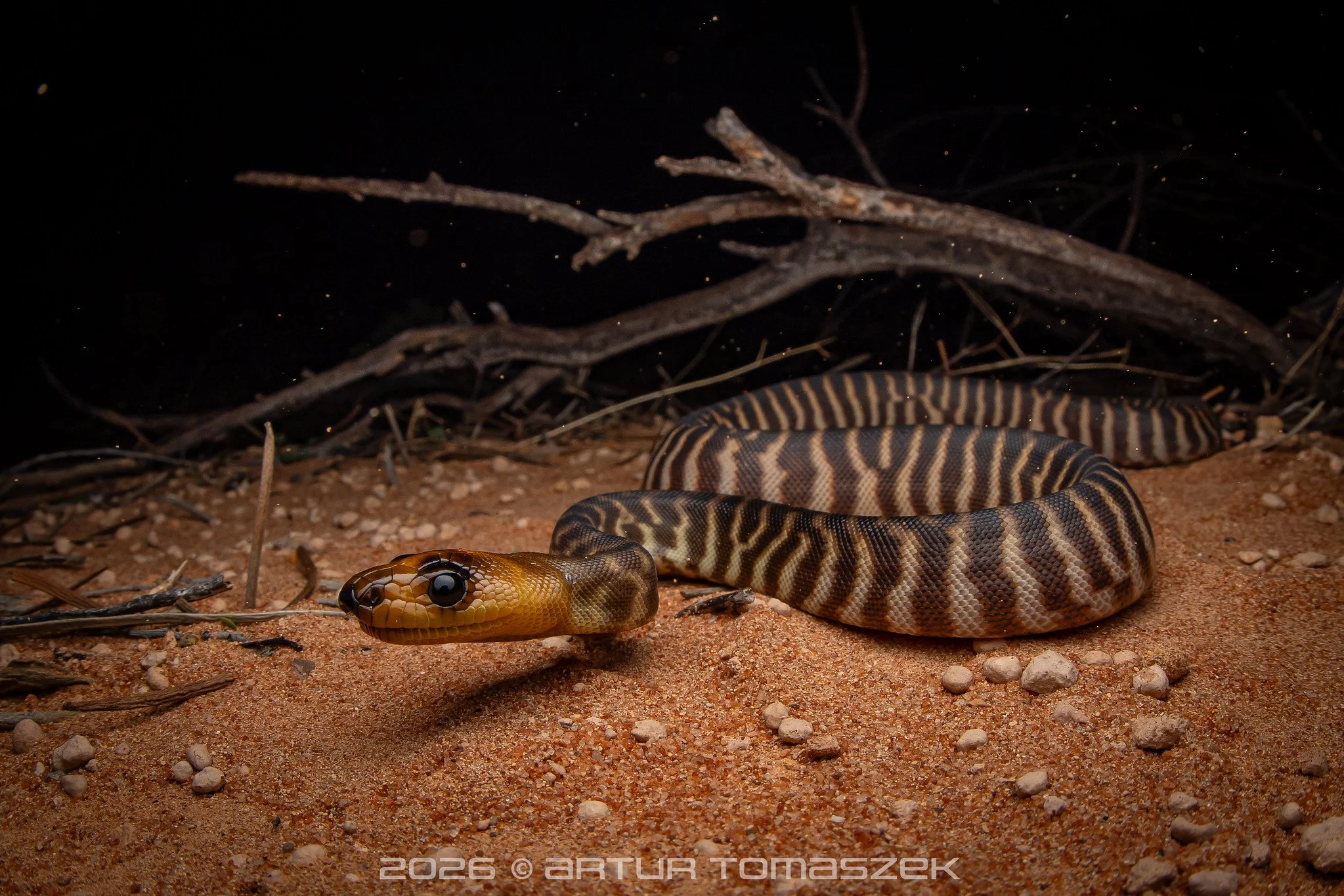
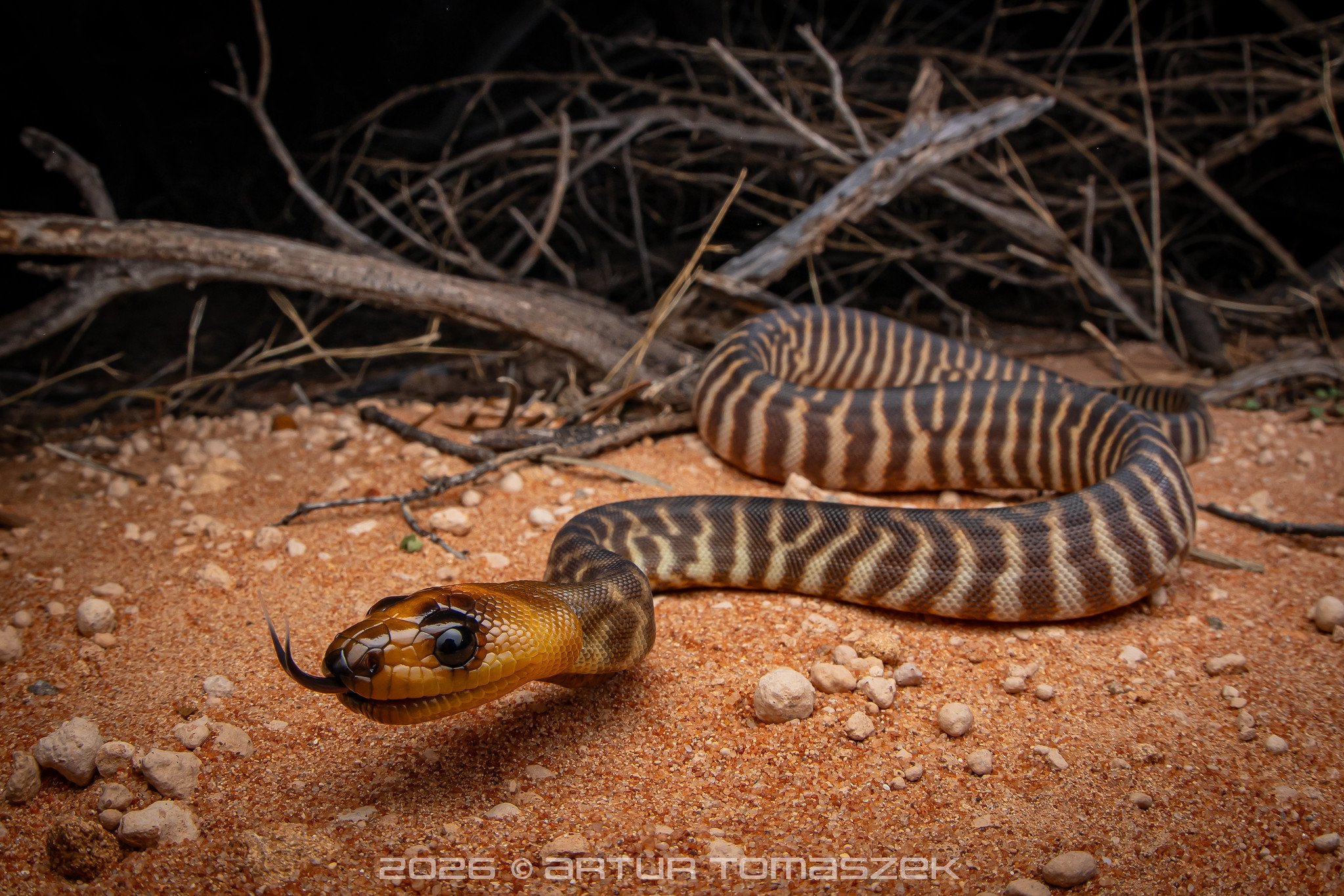
And then, maybe twenty minutes later, a juvenile woma python (Aspidites ramsayi) entered the road.
Woma pyhons are thick-bodied, burrowing pythons of arid Australia. Unlike many other pythons, they tolerate high temperatures and often hunt in mammal burrows. Shark Bay is one of the best places to see them, especially after reintroduction efforts following local declines. We didn’t really expect one but… we got one anyway!
(Can you see the sand in the first picture? That’s how windy it was!)
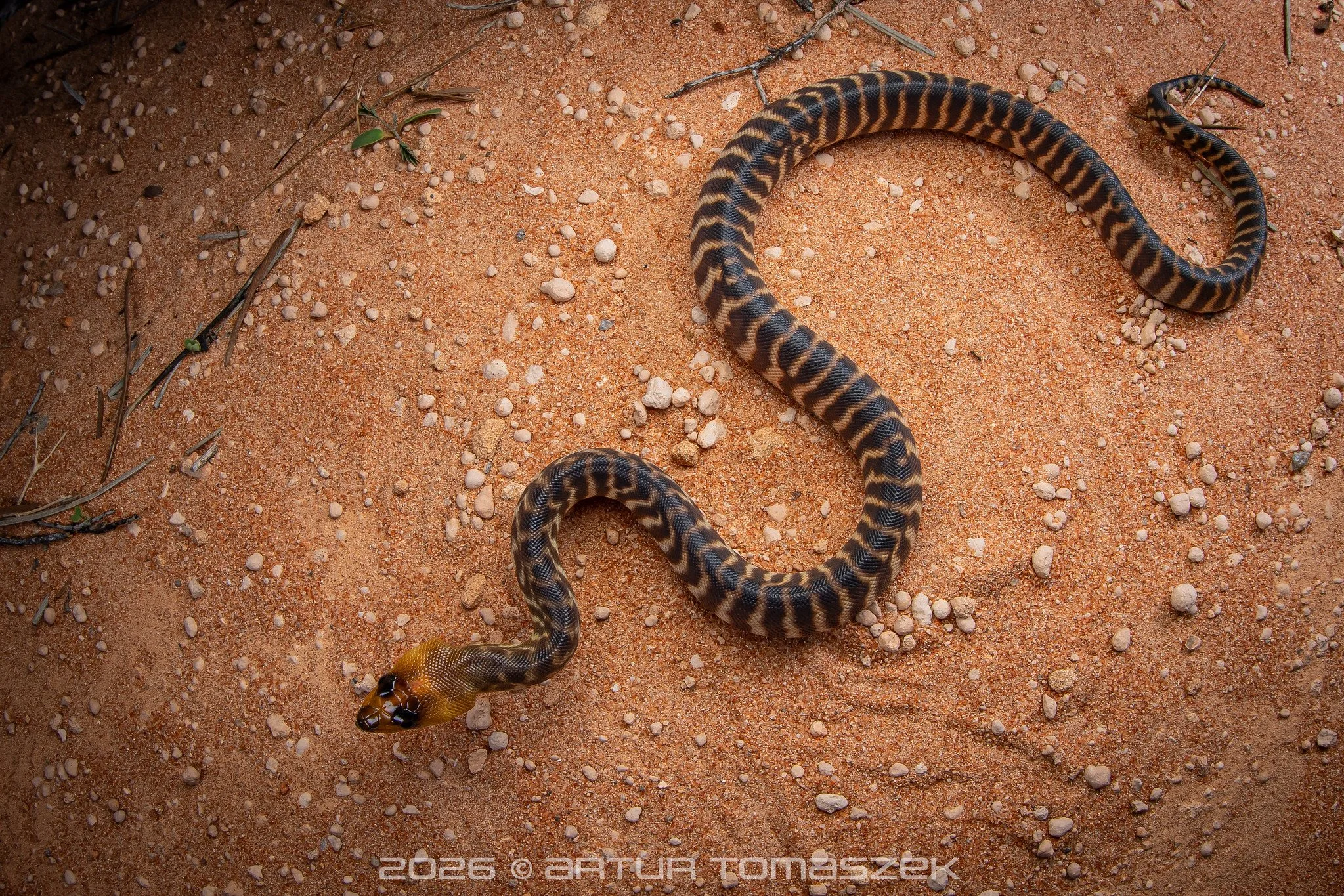
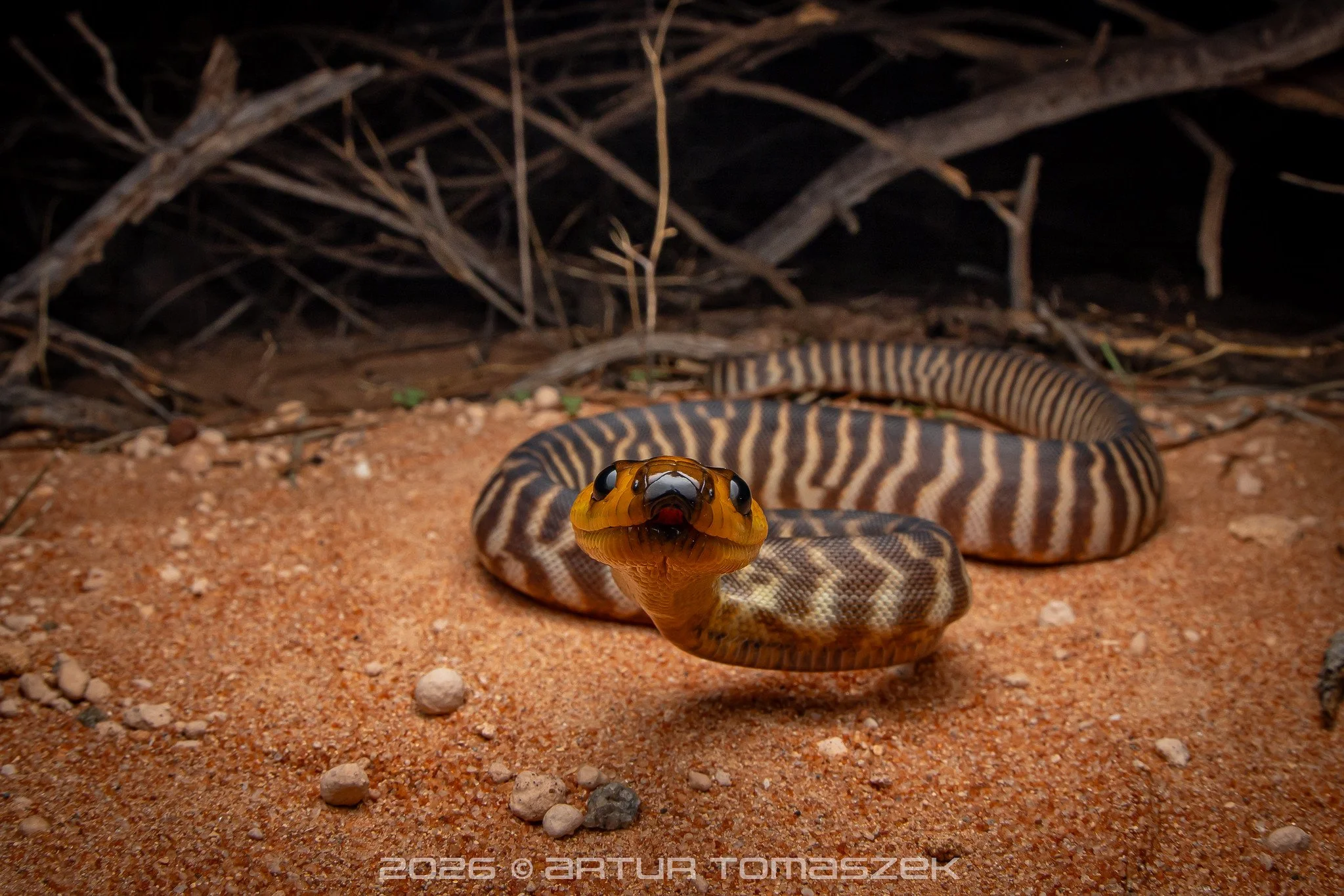
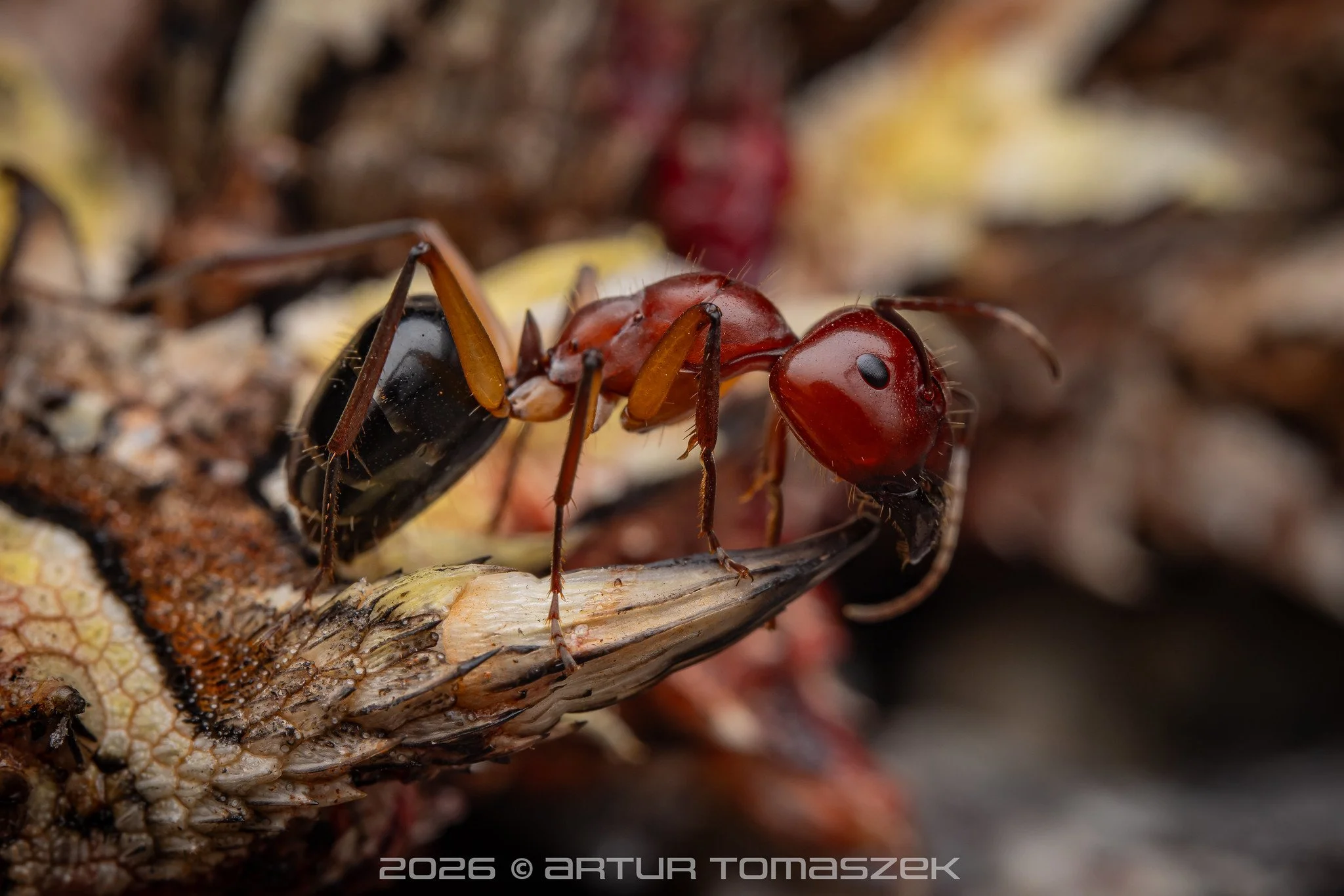
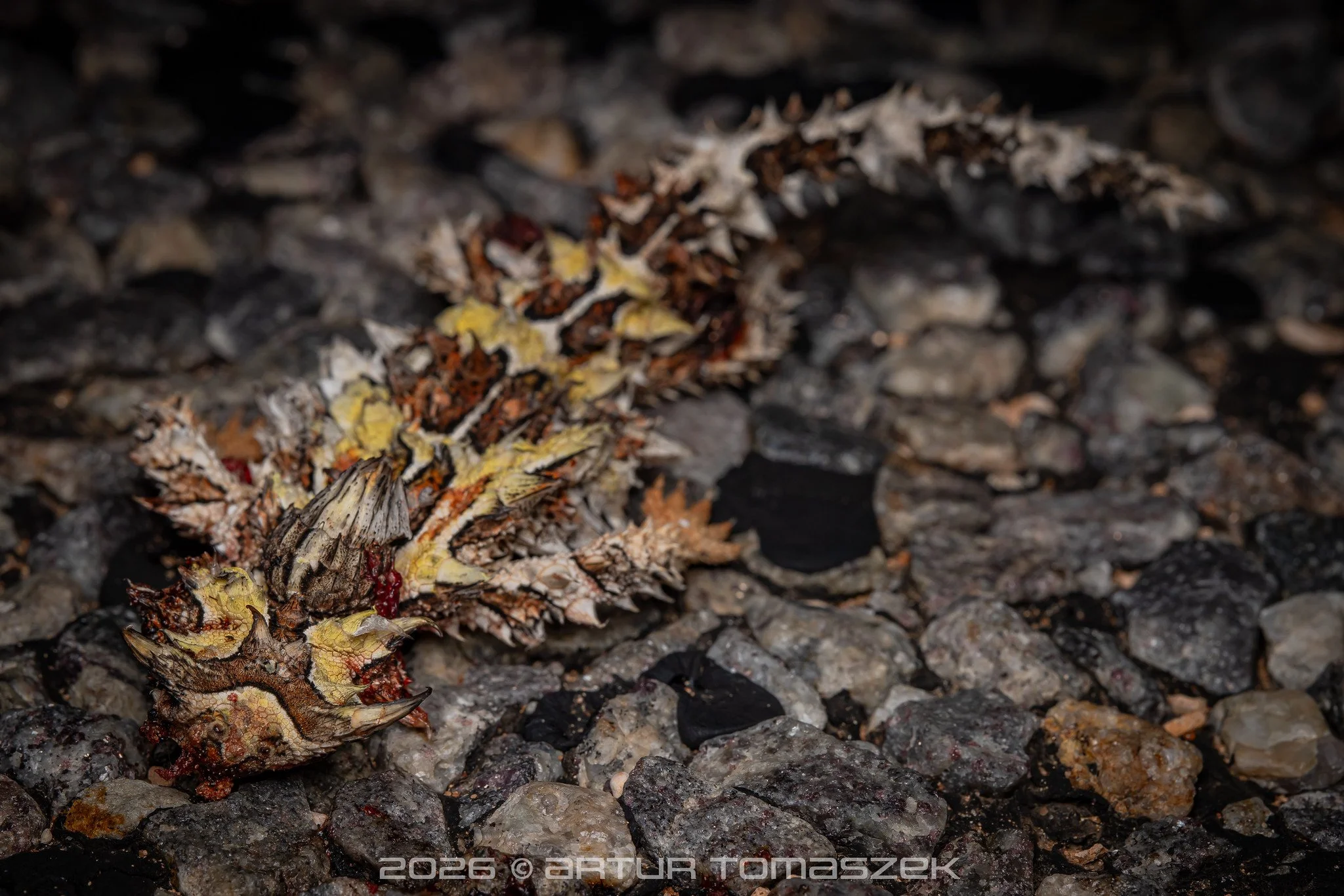
That same night brought Lialis burtonis (Karolina’s dream lizard) and sadly another dead thorny devil covered in ants, which somehow turned into a strangely artistic photo opportunity.
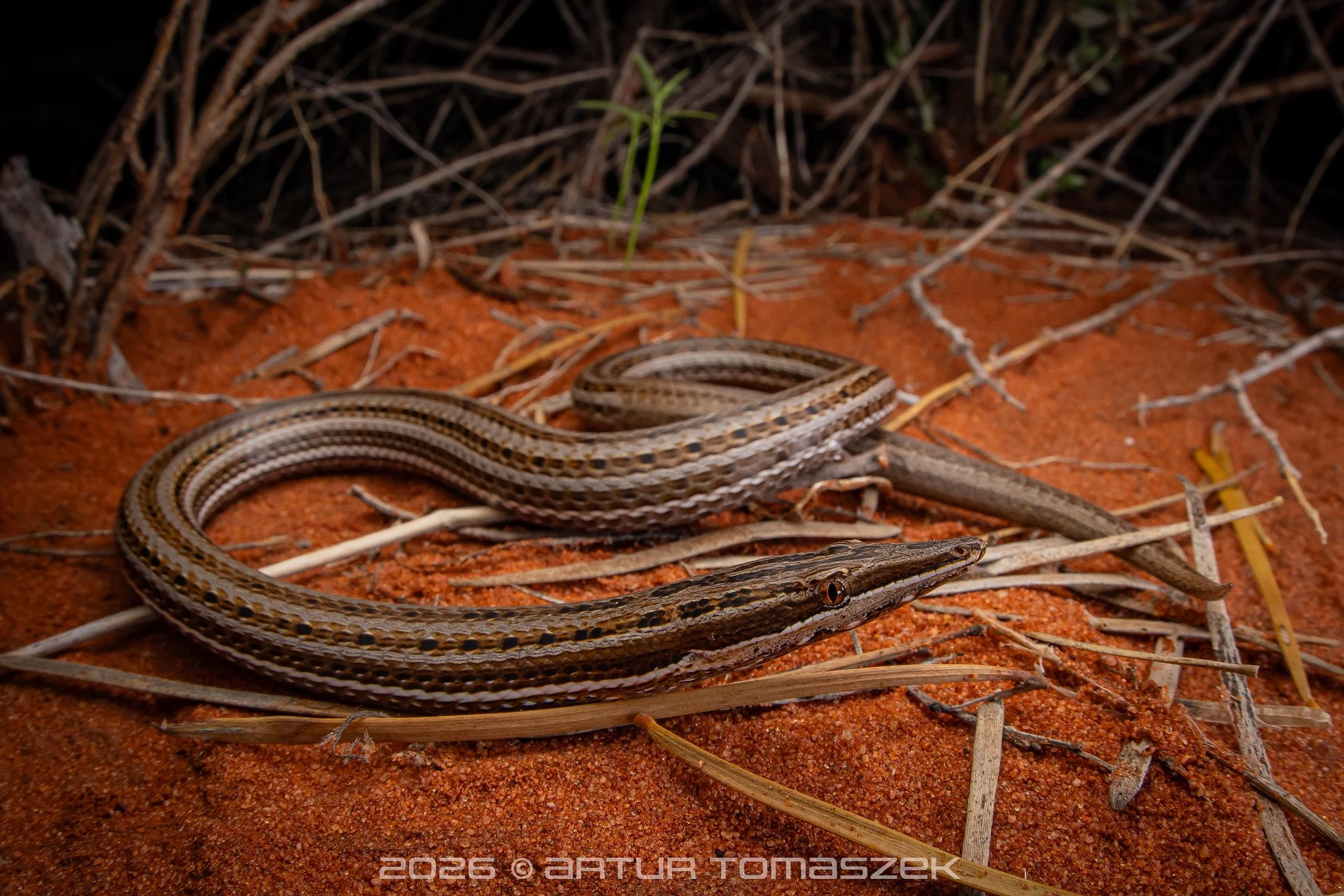
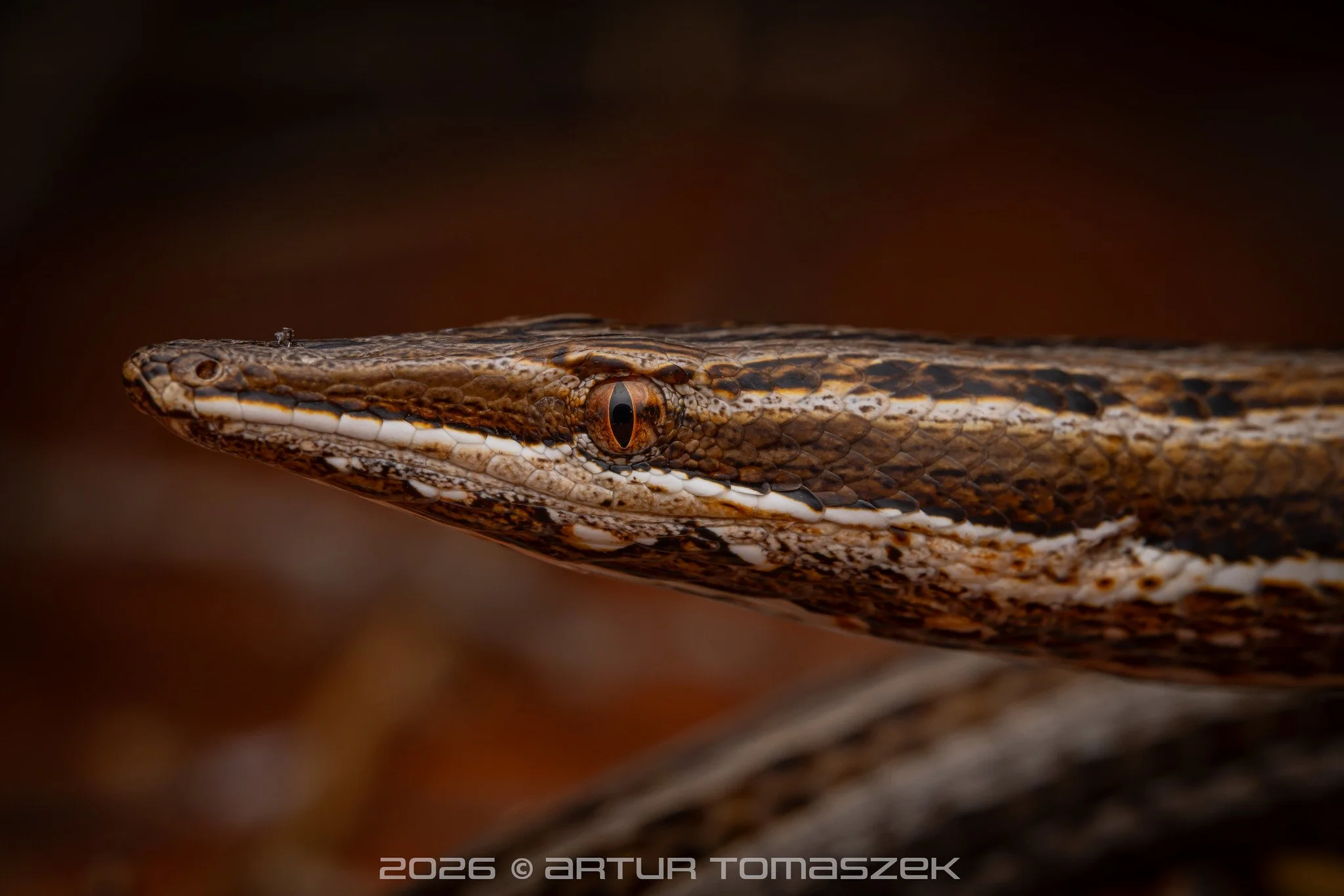
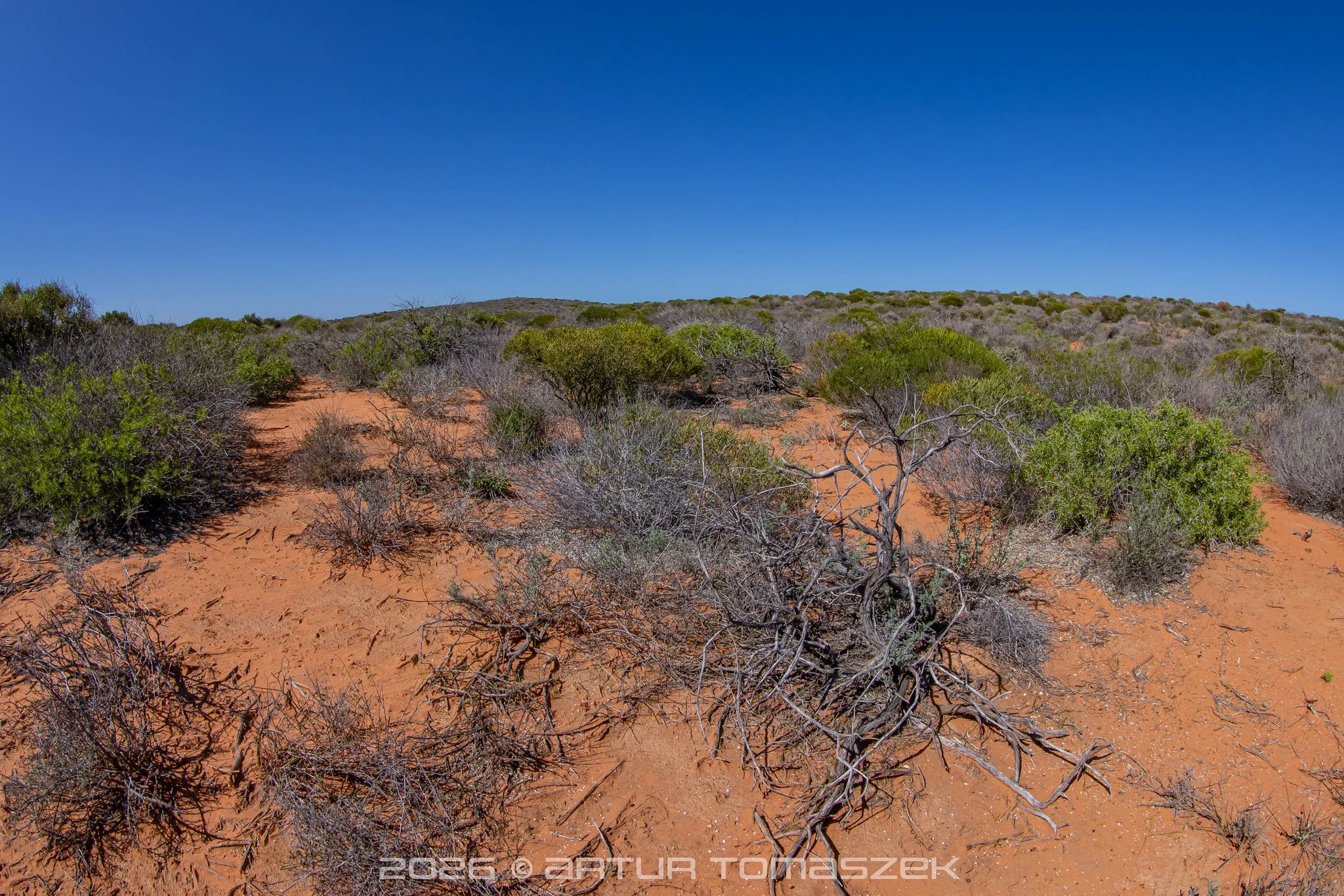
Moloch horridus - habitat in Shark Bay
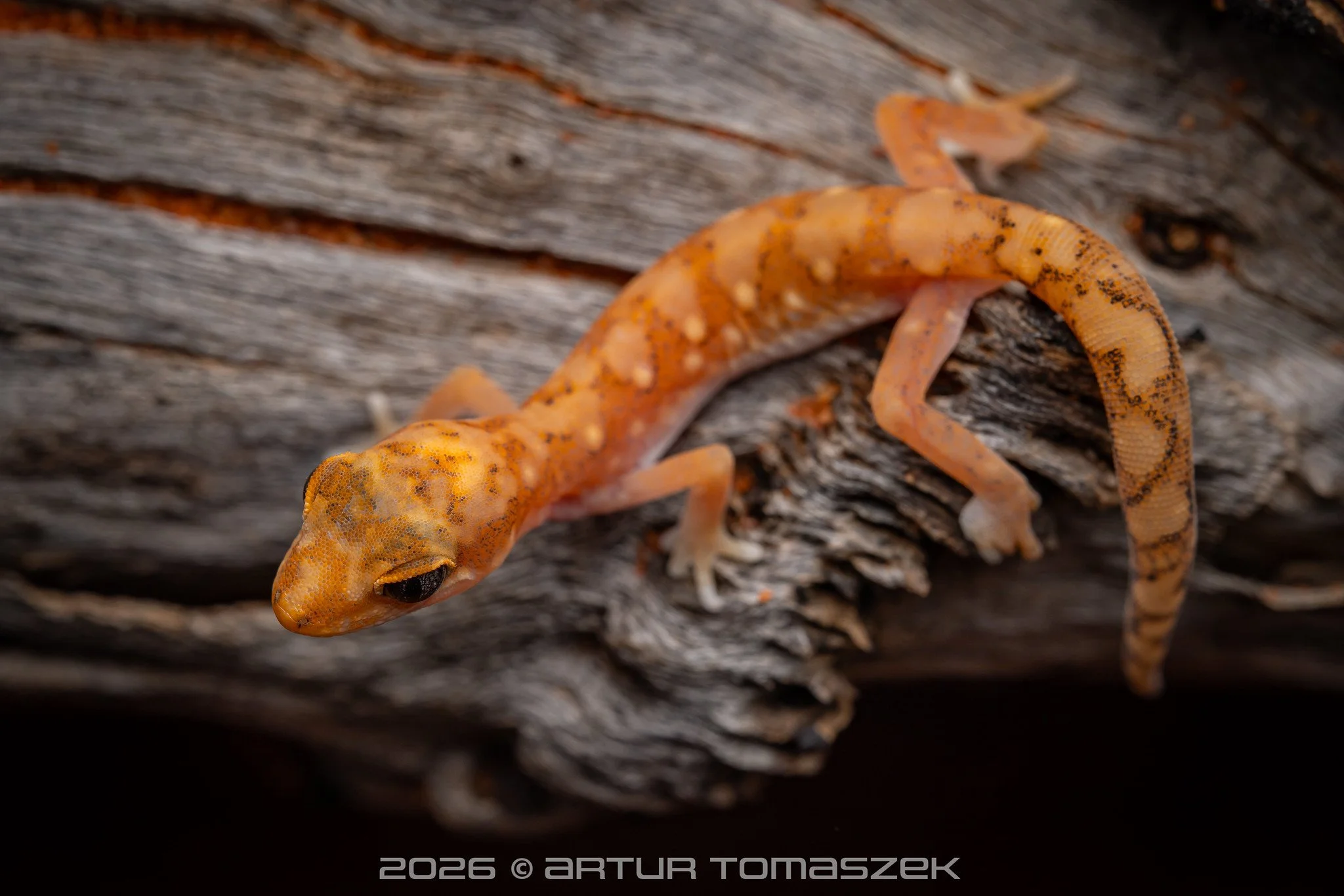
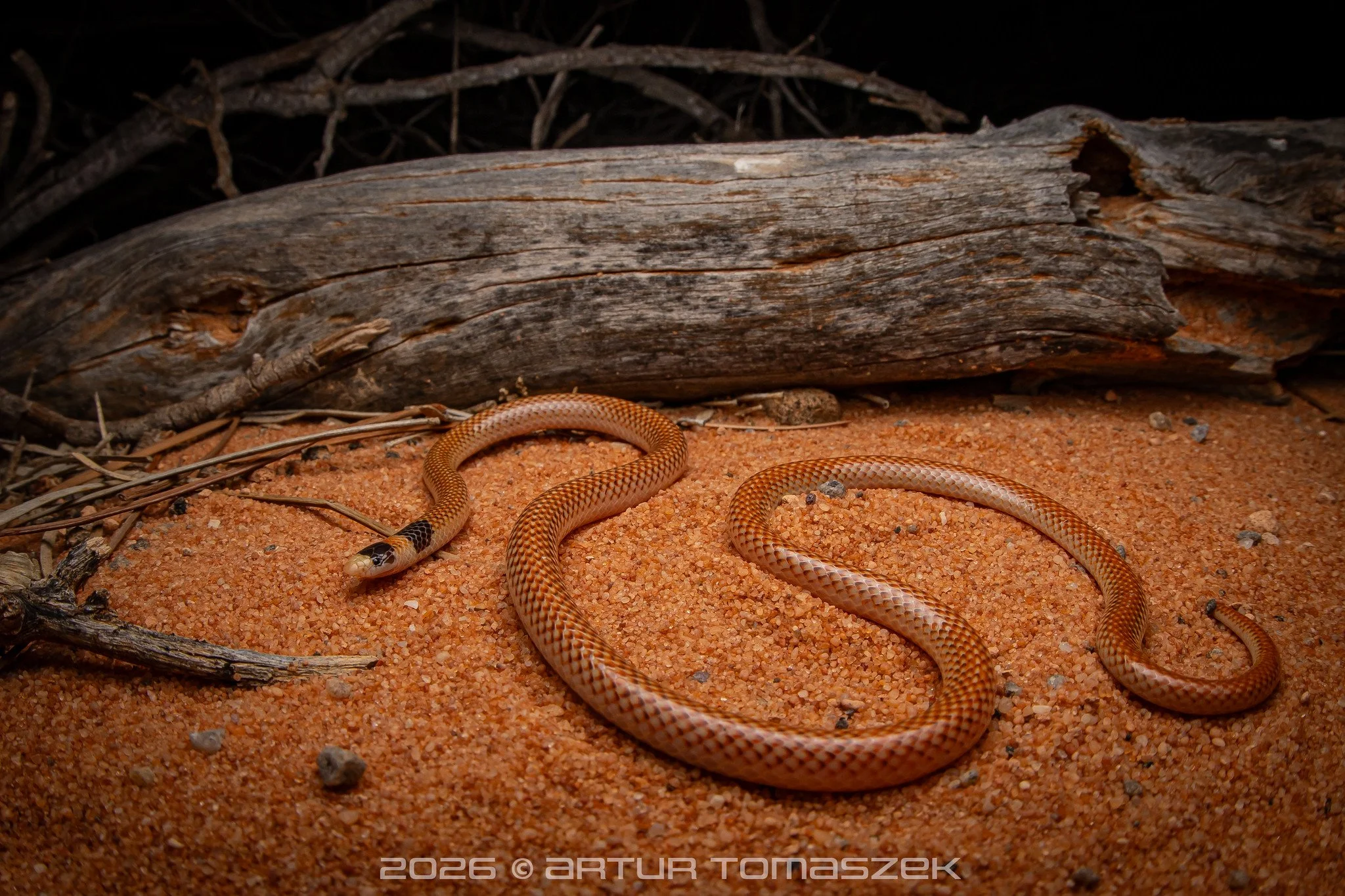
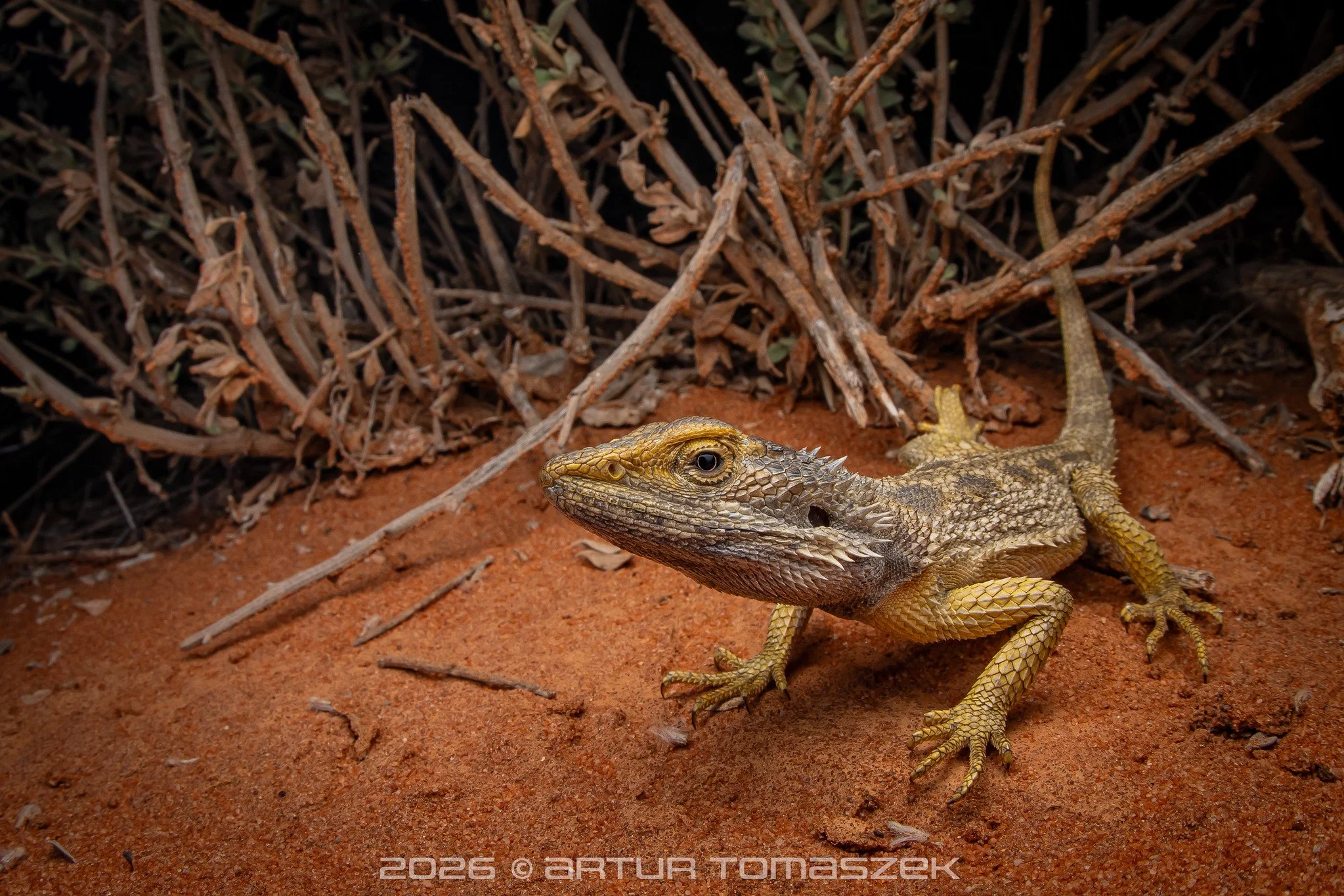
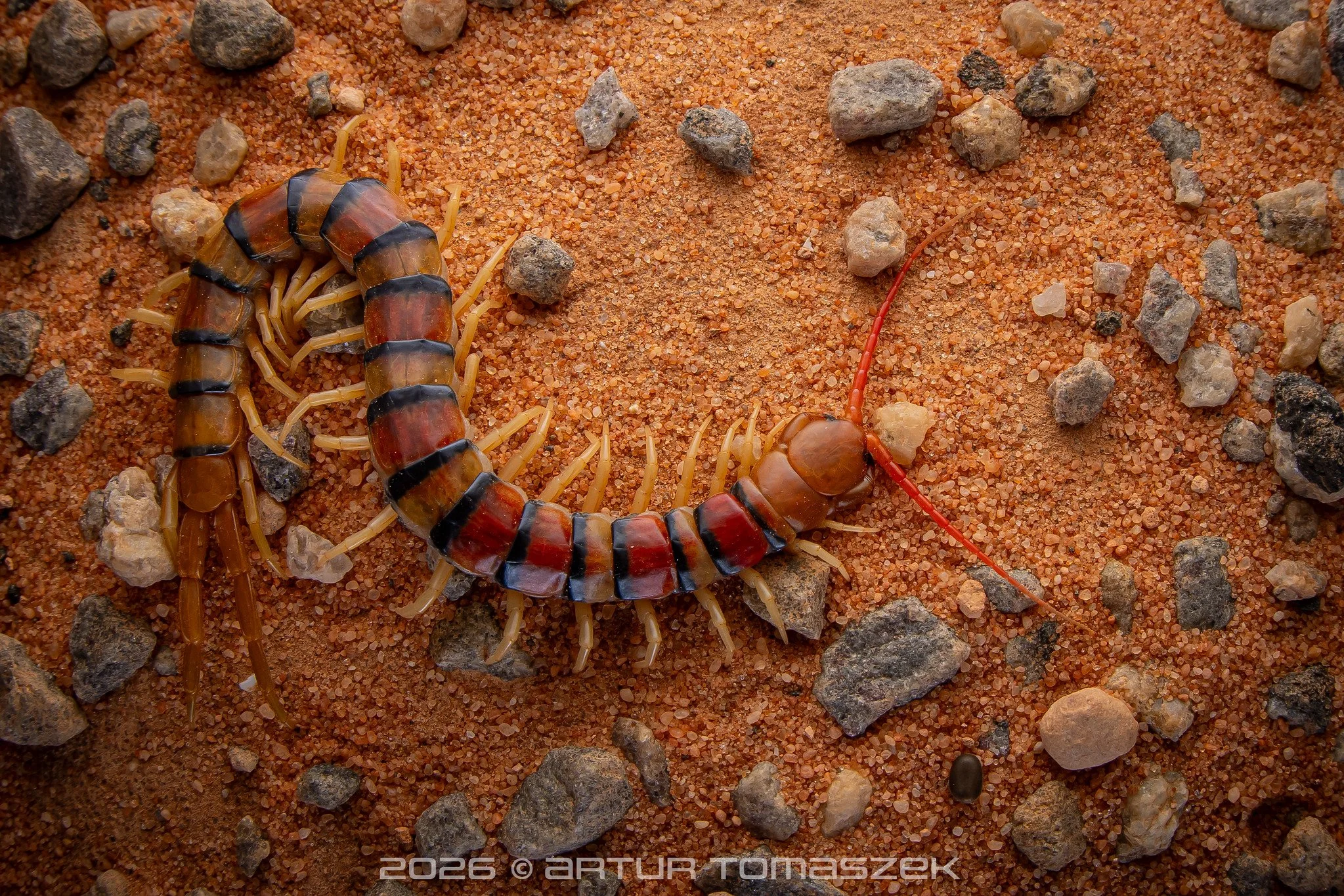
During night cruises and a couple of walks in the right habitats, we’ve managed to see quite a collection of different animal species.
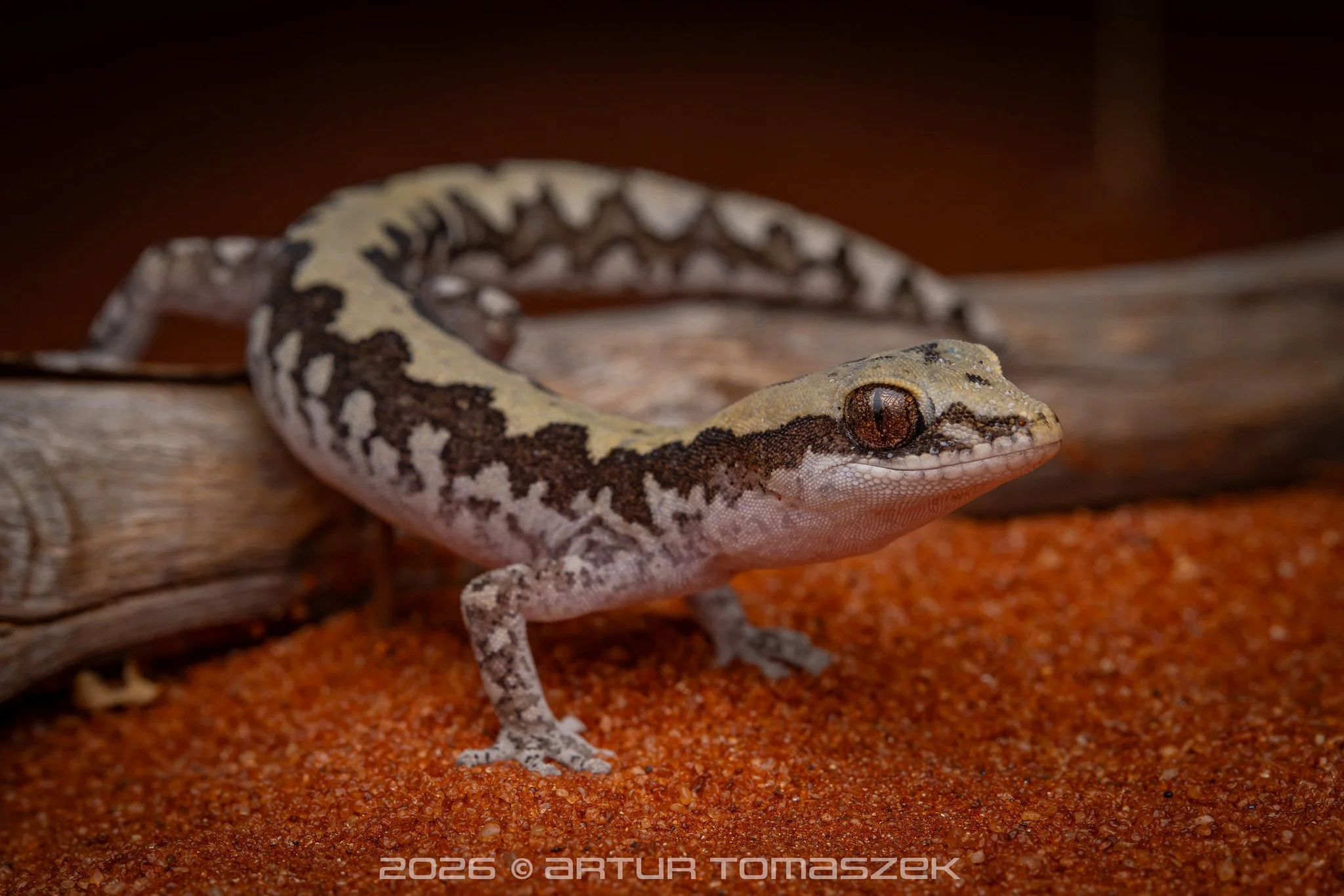
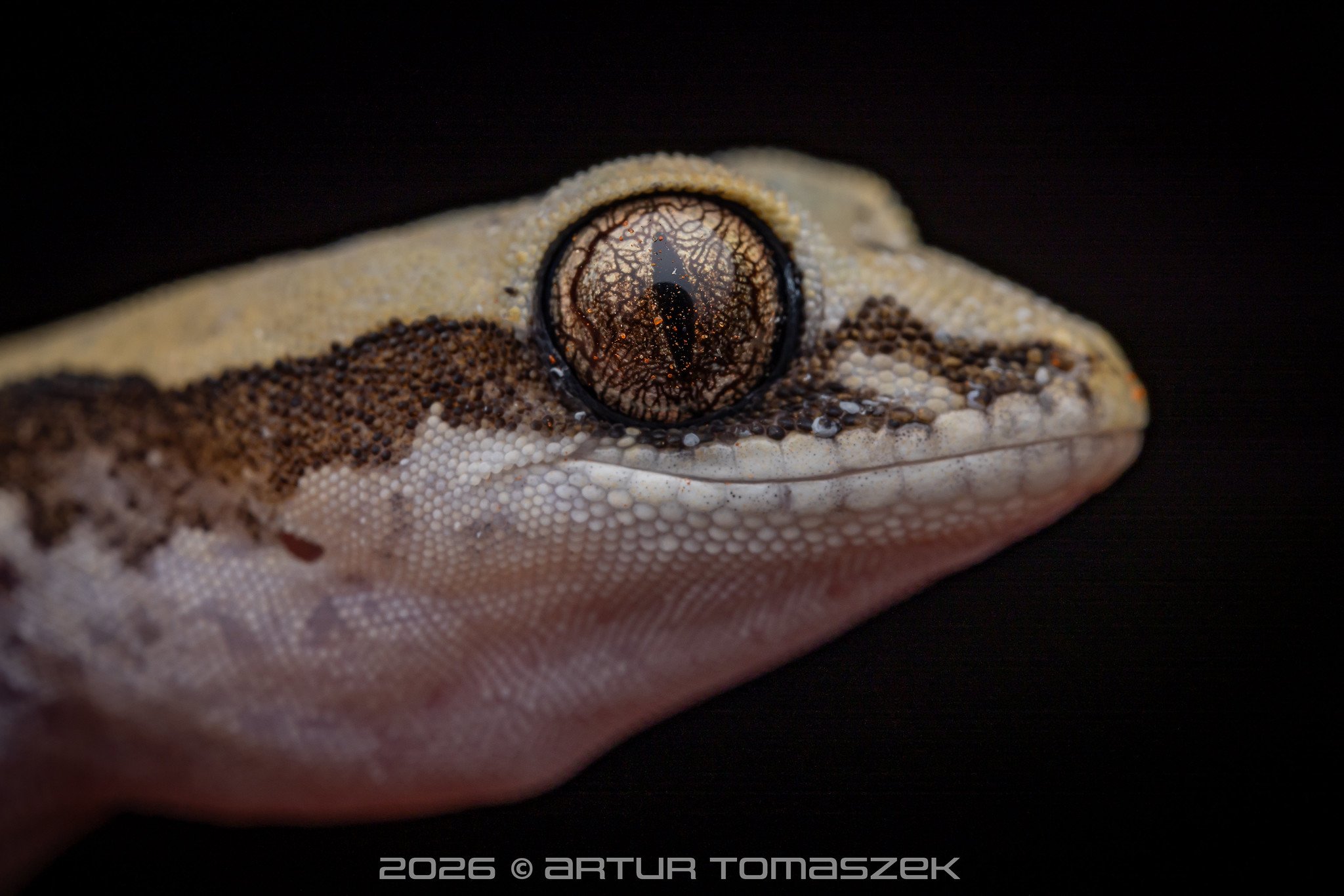
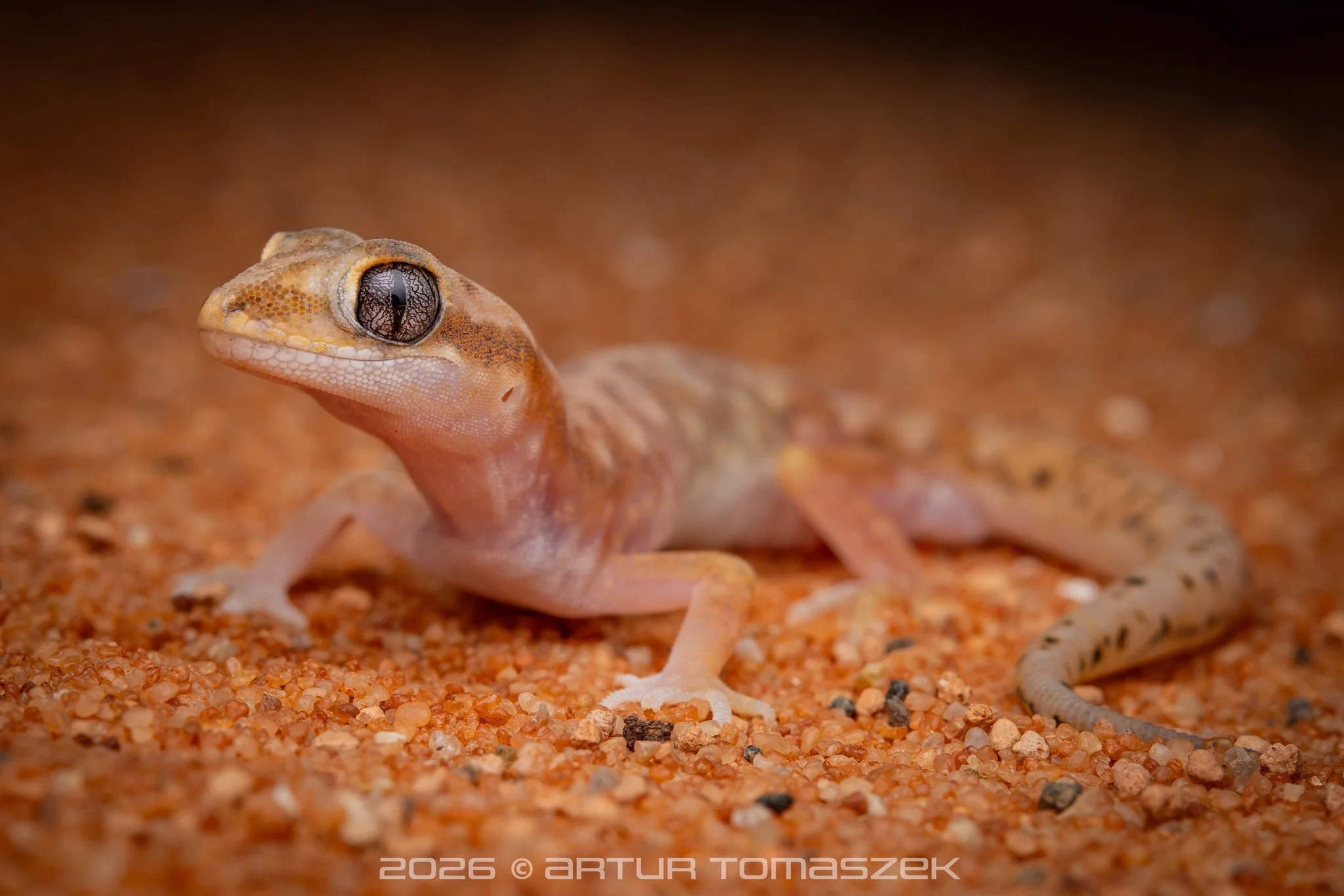
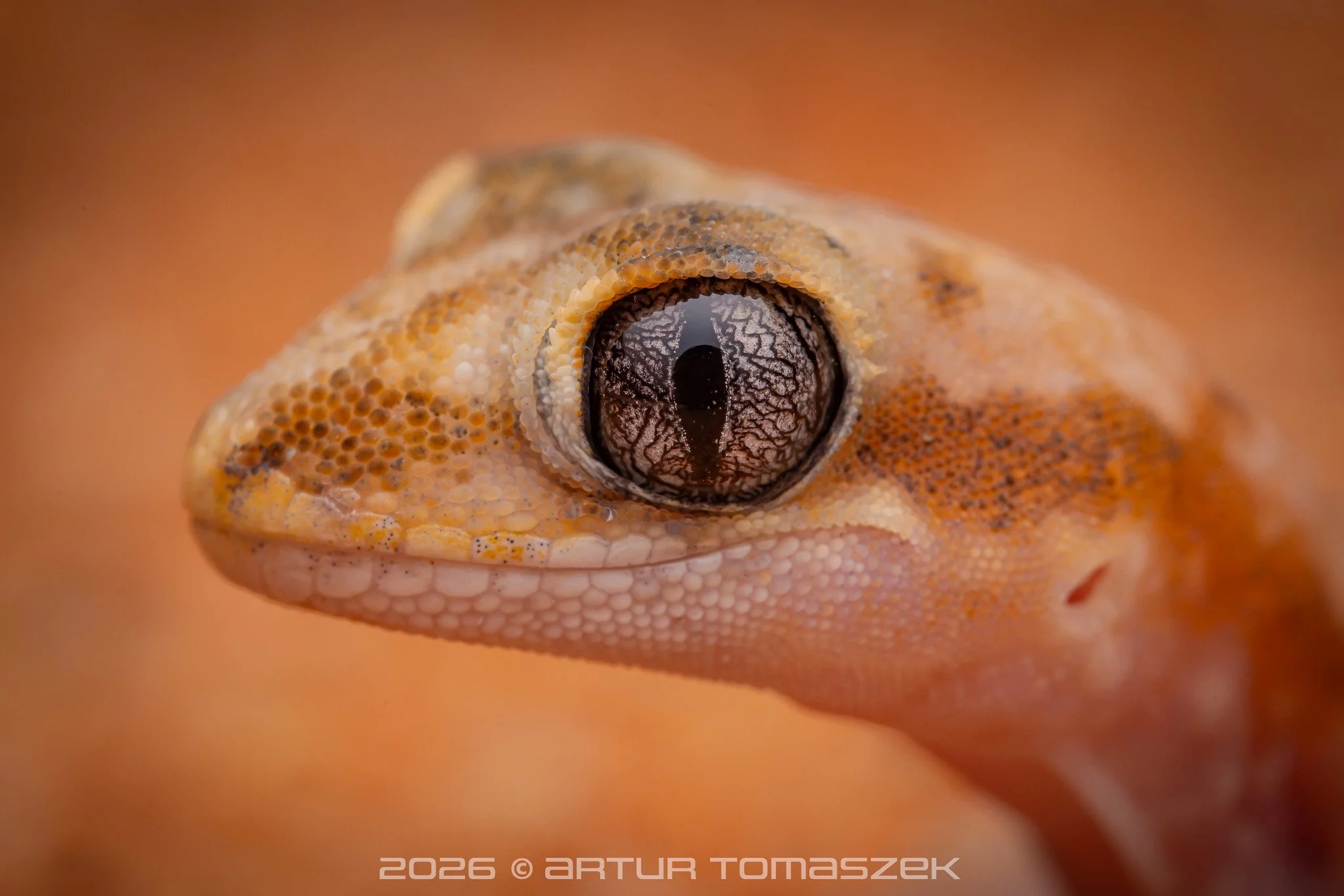
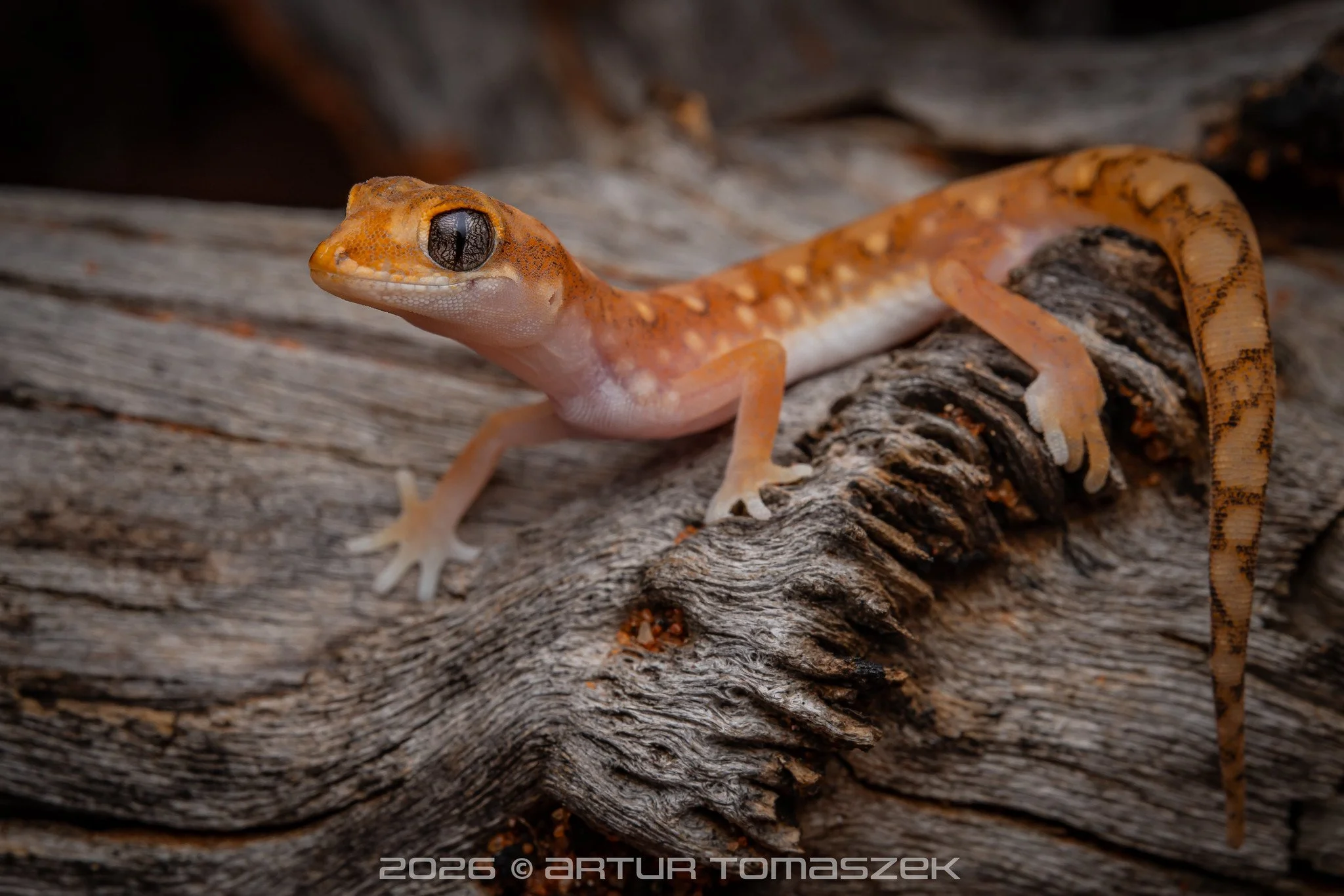
Bye bye, bluetongue!
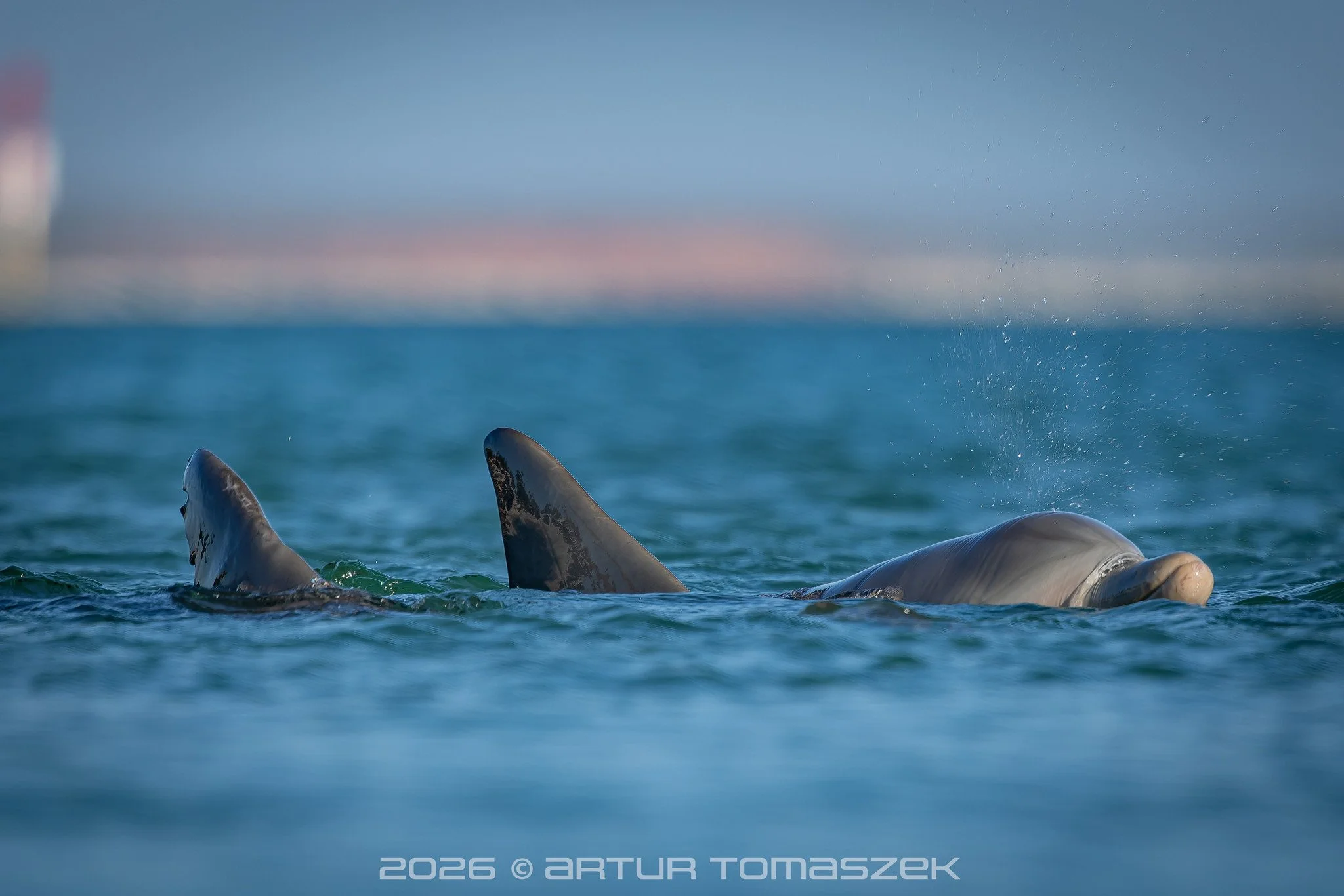
While in Shark Bay, we had a snorkeling break at Monkey Mia which brought wild dolphins close to us. Five adults surrounded Karolina and sang the song of their people to her (well… they clicked)! Pure magic.
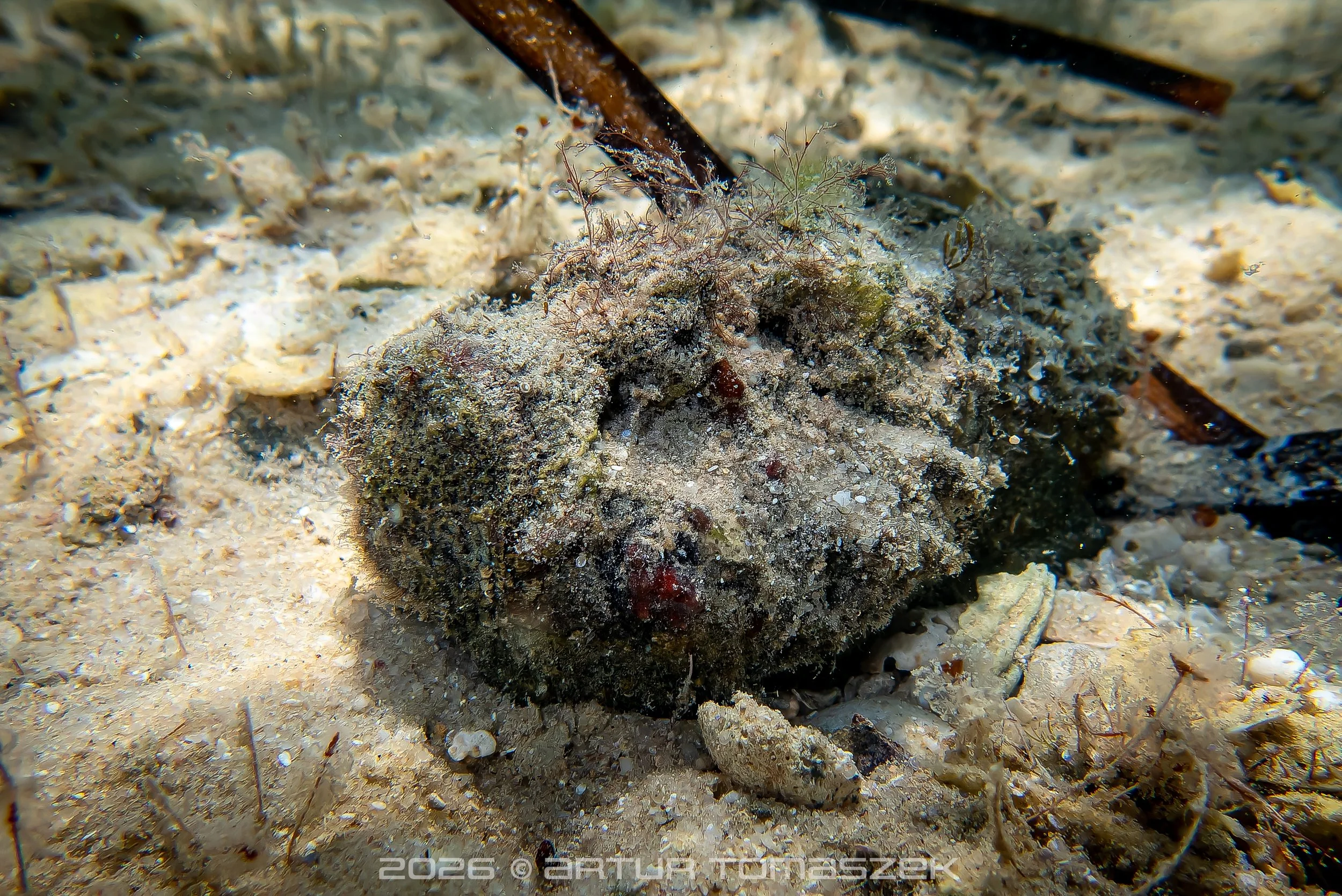
Later, in a shallow lagoon channel, we also located a stonefish (Synanceia horrida), the master of camouflage considered one of the most venomous fish in the world. Perfectly still and perfectly hidden.
After one more windy night in Shark Bay, we drove nine hours back to Perth for one final attempt.
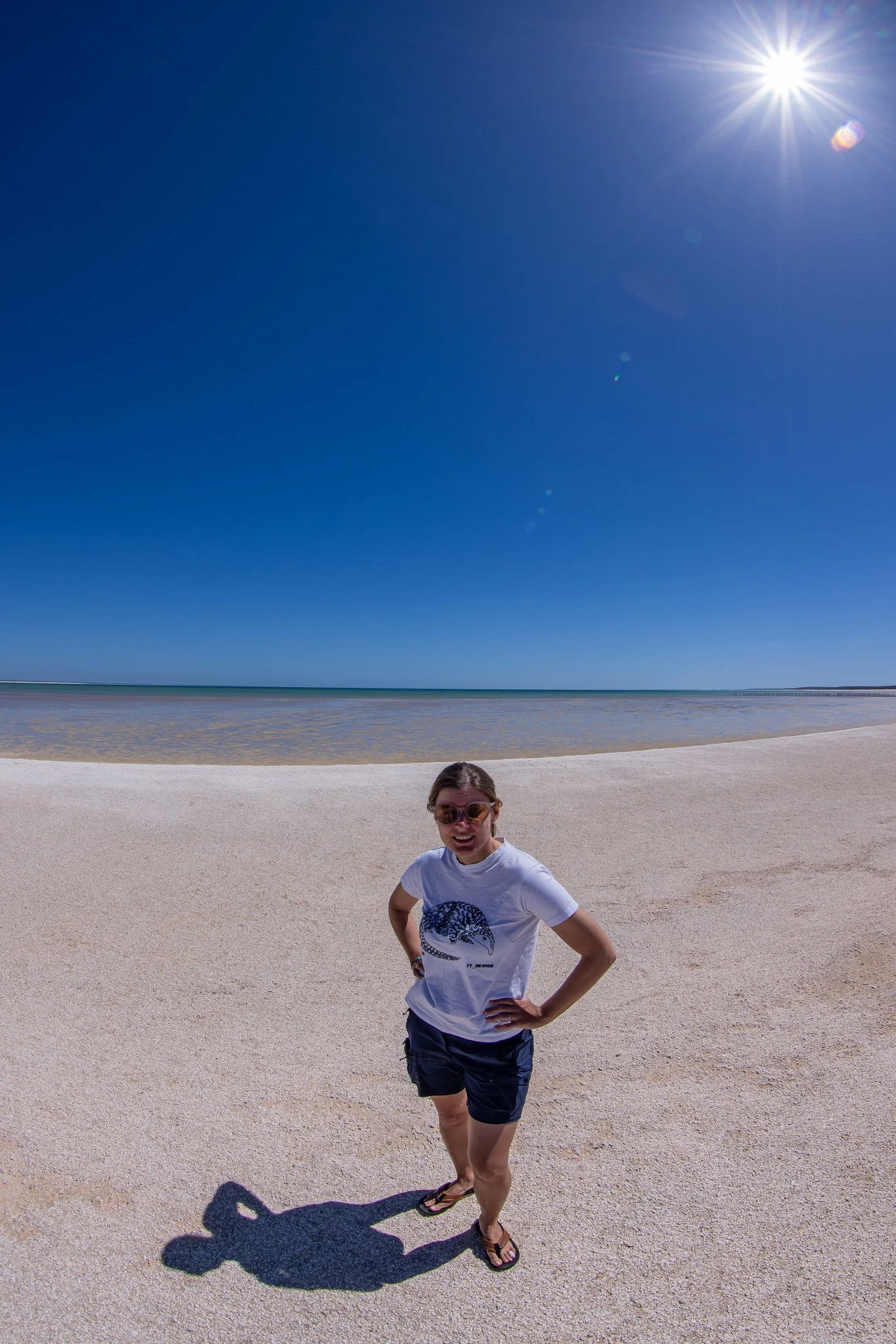
A short stop at the Shell Beach on the way out of Shark Bay.
Perth
Perth Hills
Upon arriving to Perth, we did a quick round in Perth Hills. Nothing…
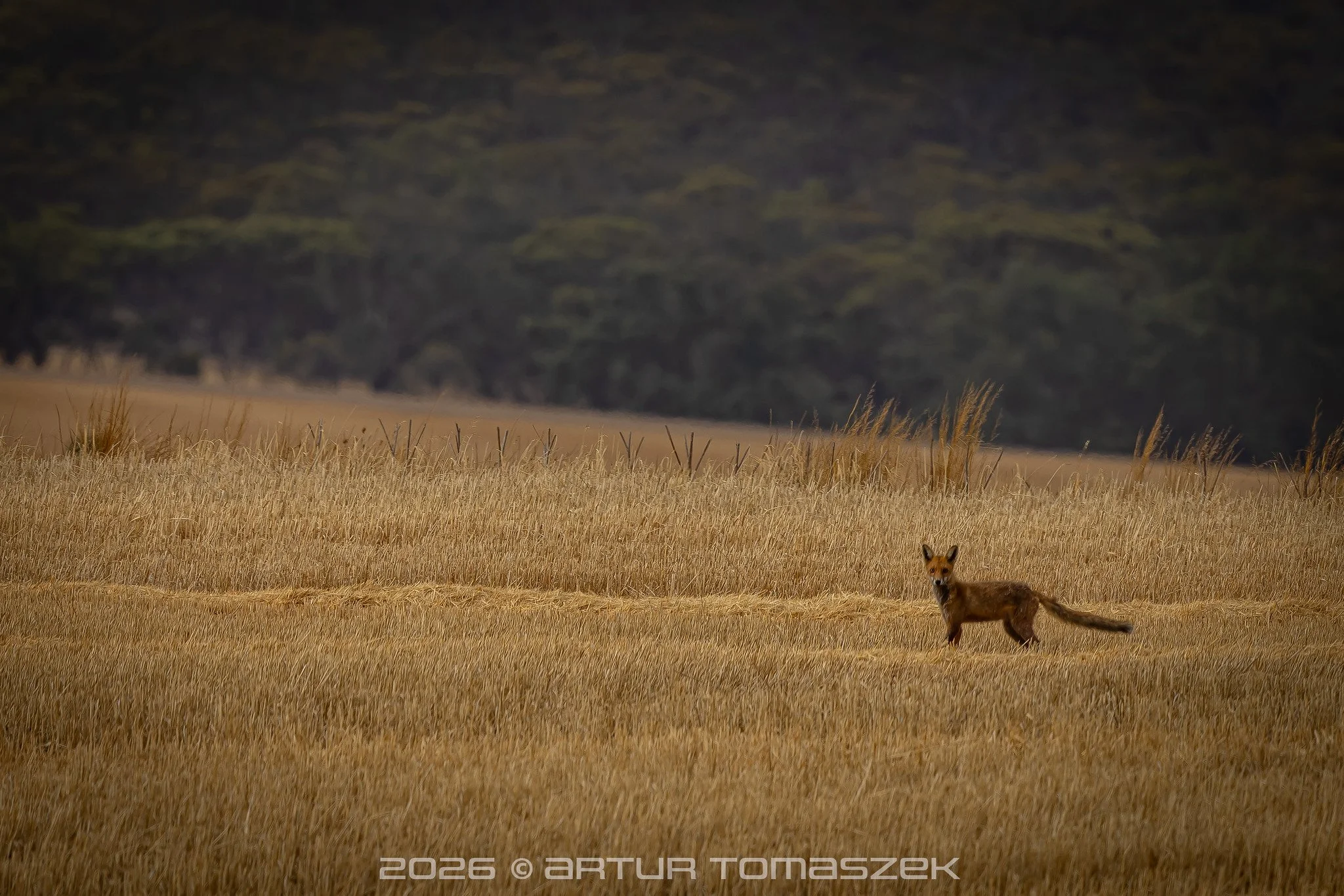
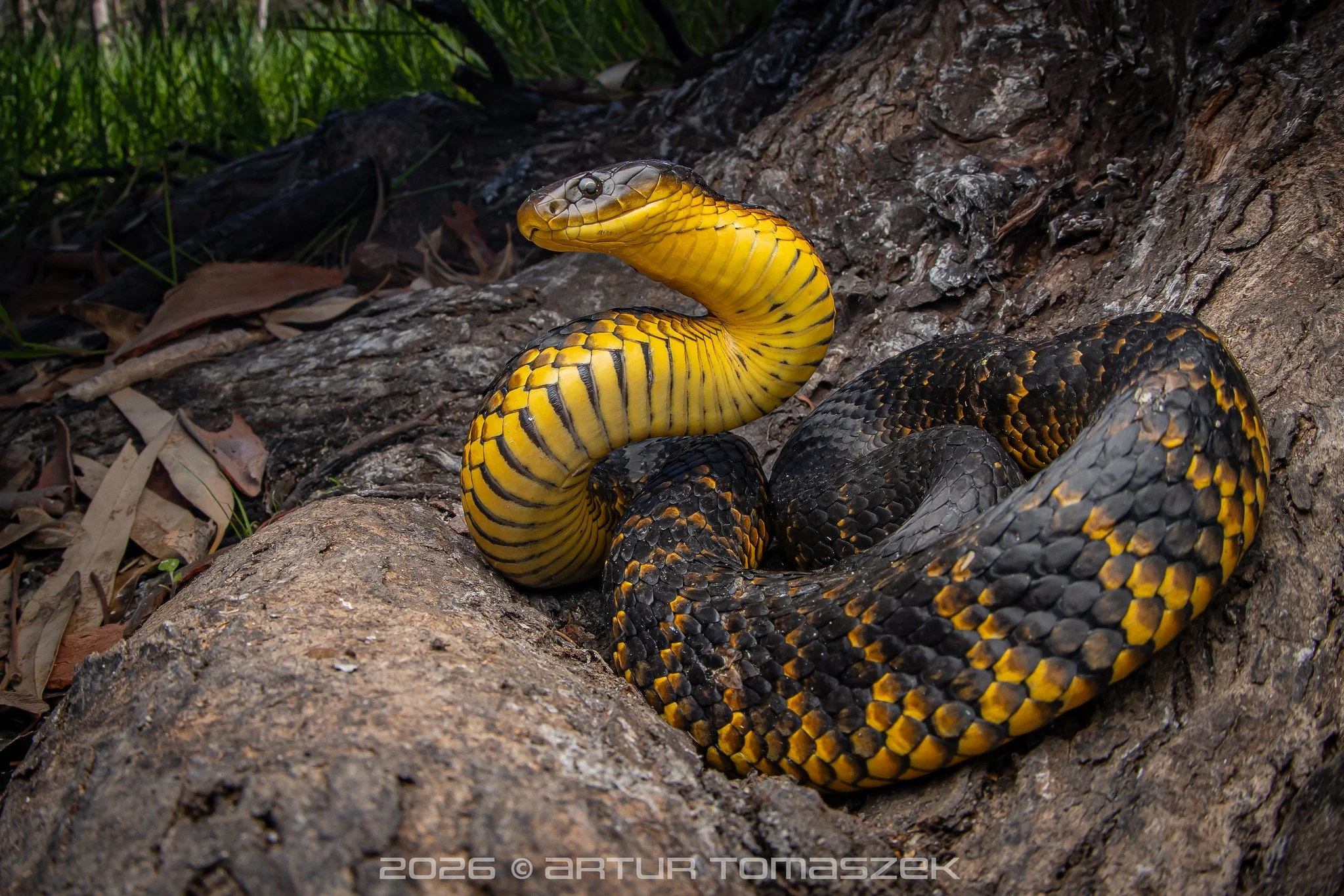
The next morning, we tried a different park and, finally, we encountered a tiger snake (Notechis scutatus). It’s a highly venomous elapid with variable banding and strong defensive behaviour. It’s common in southern Australia, apparently except when we’re looking for it… Finding it on our last morning felt like Australia gave us an epic closure.

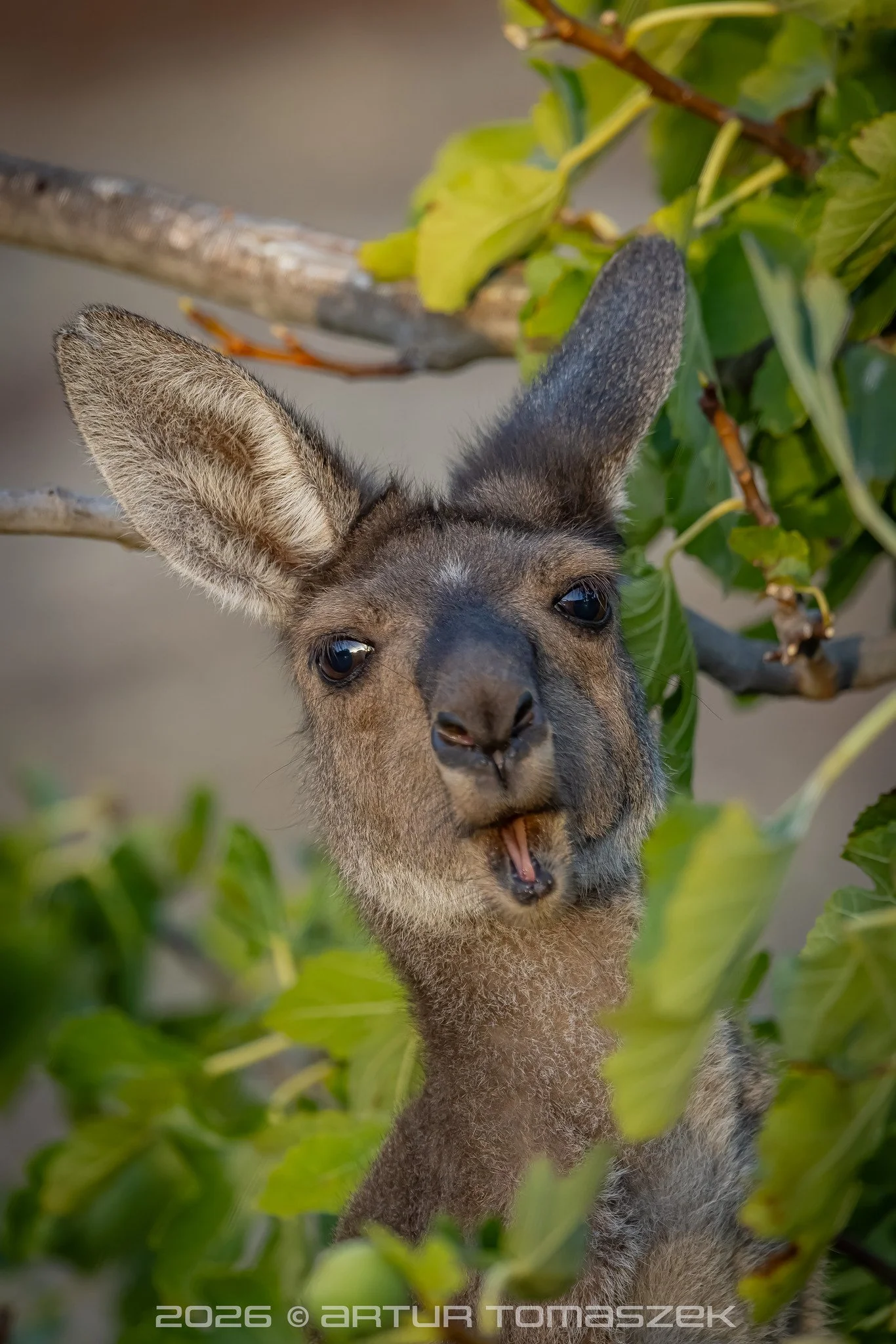
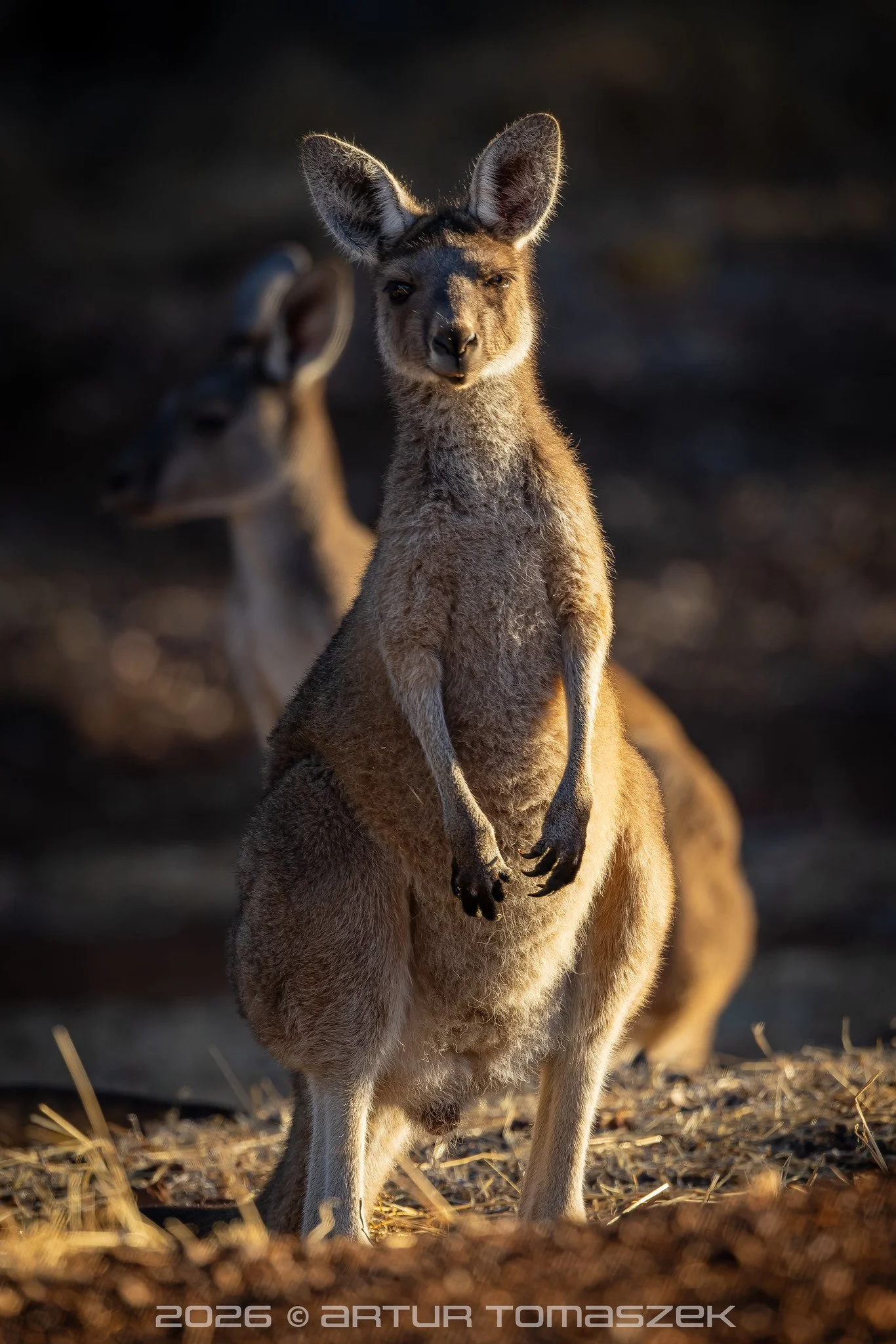
We also saw another shingleback and later that day, we had a few beers with kangaroos munching on figs from a fig tree right in front of the porch of our AirBnB. In the evening, we linked up with Ethan who spotted a southwestern carpet python (Morelia imbricata), the final reptile of the trip.
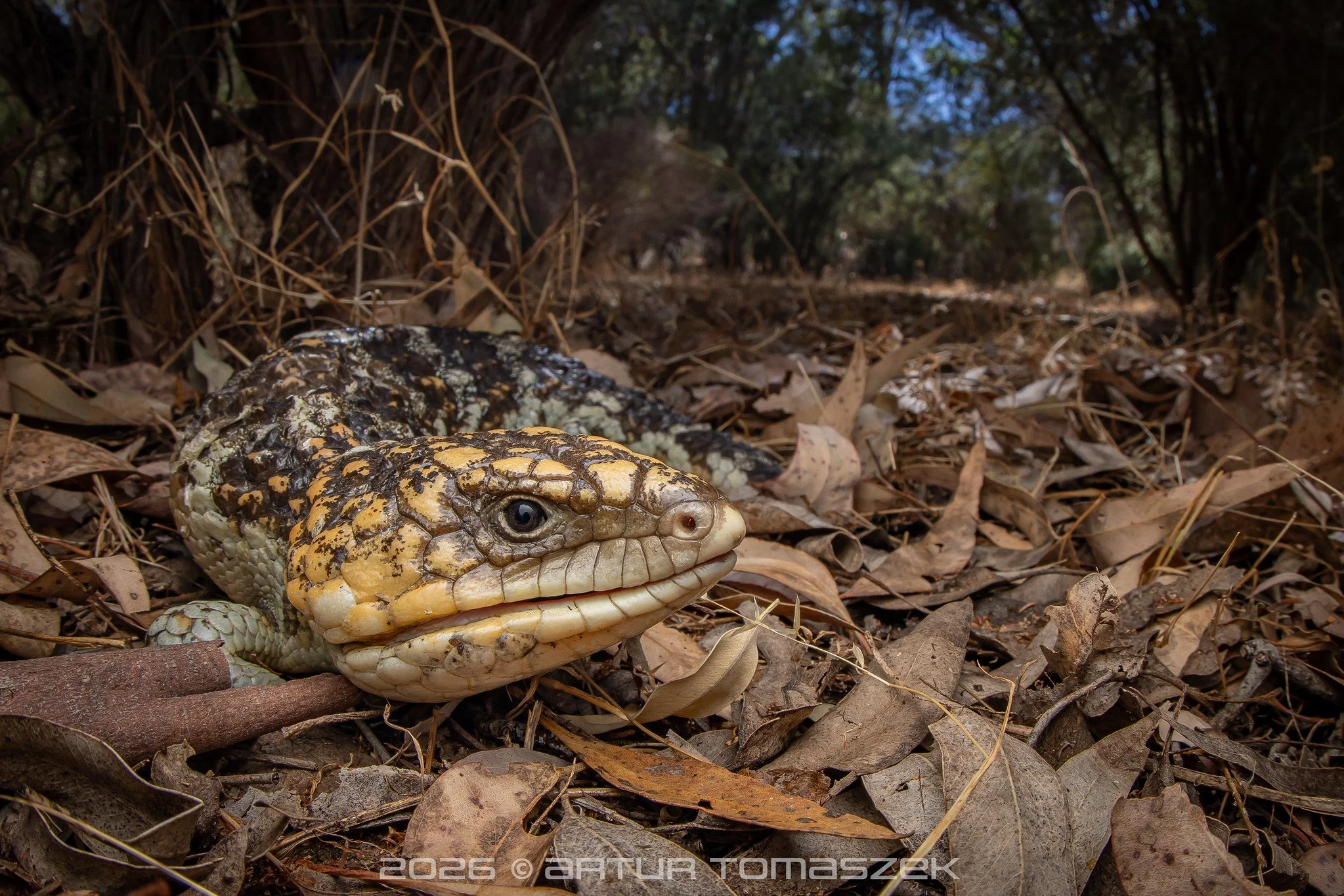
Tiliqua rugosa
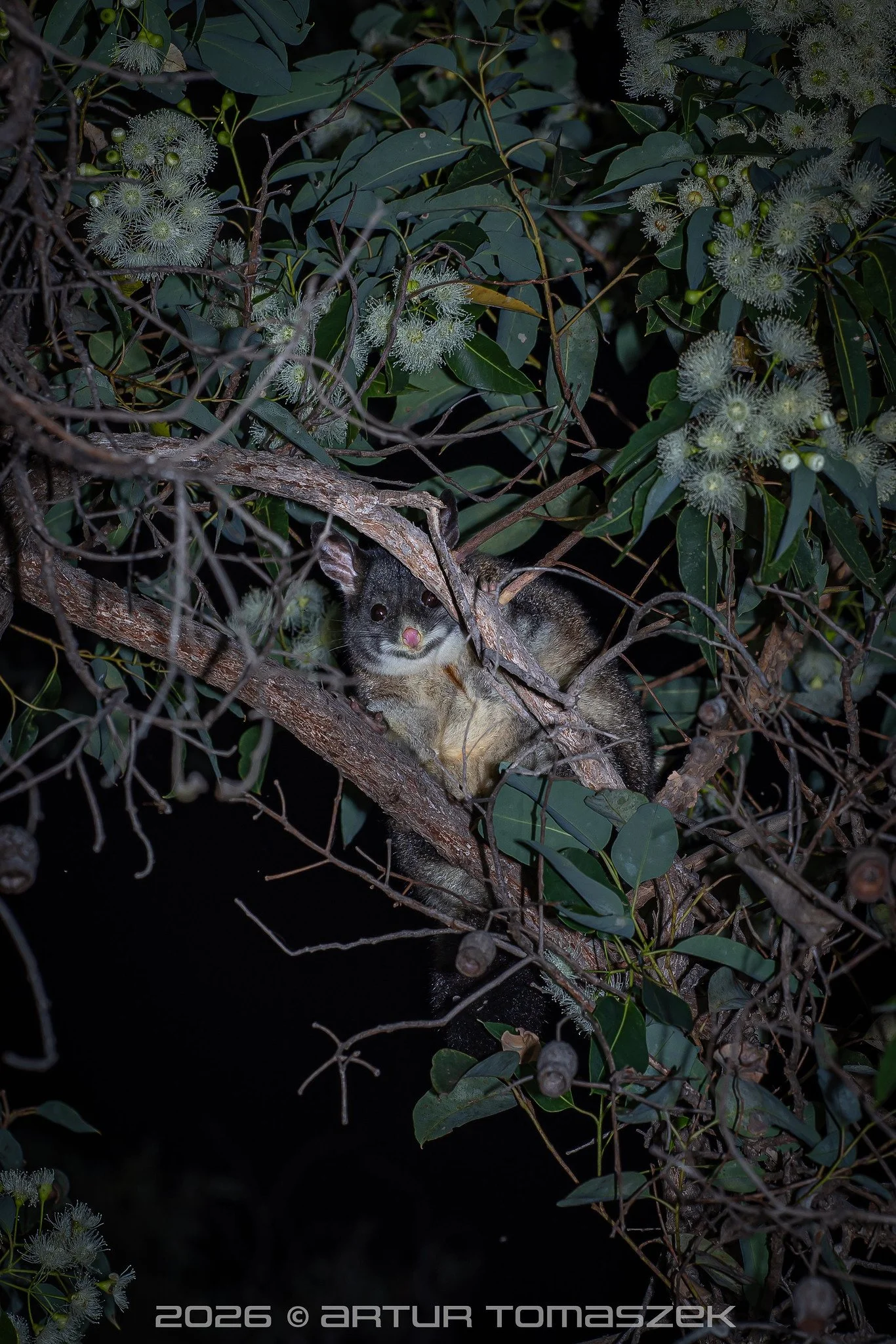
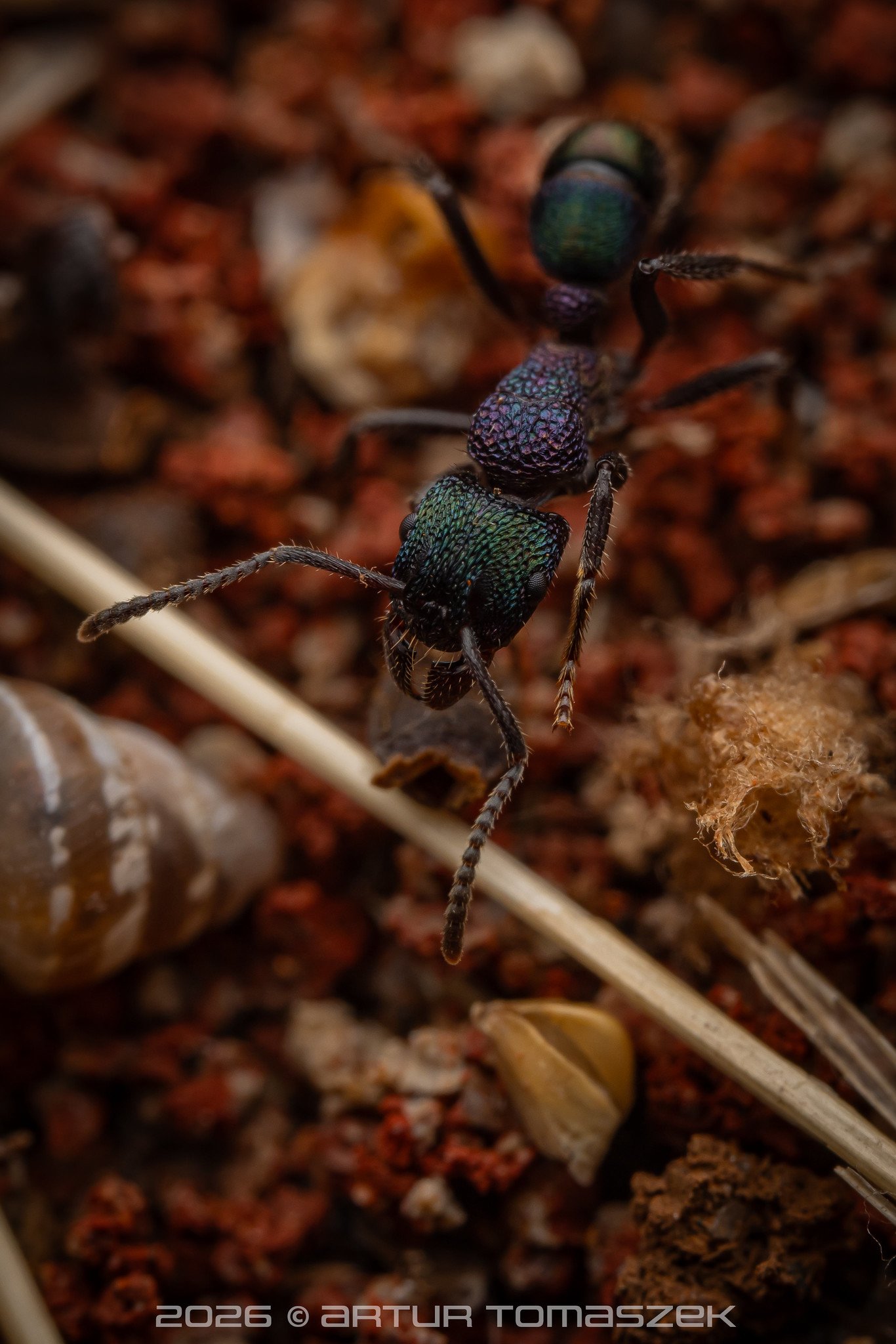
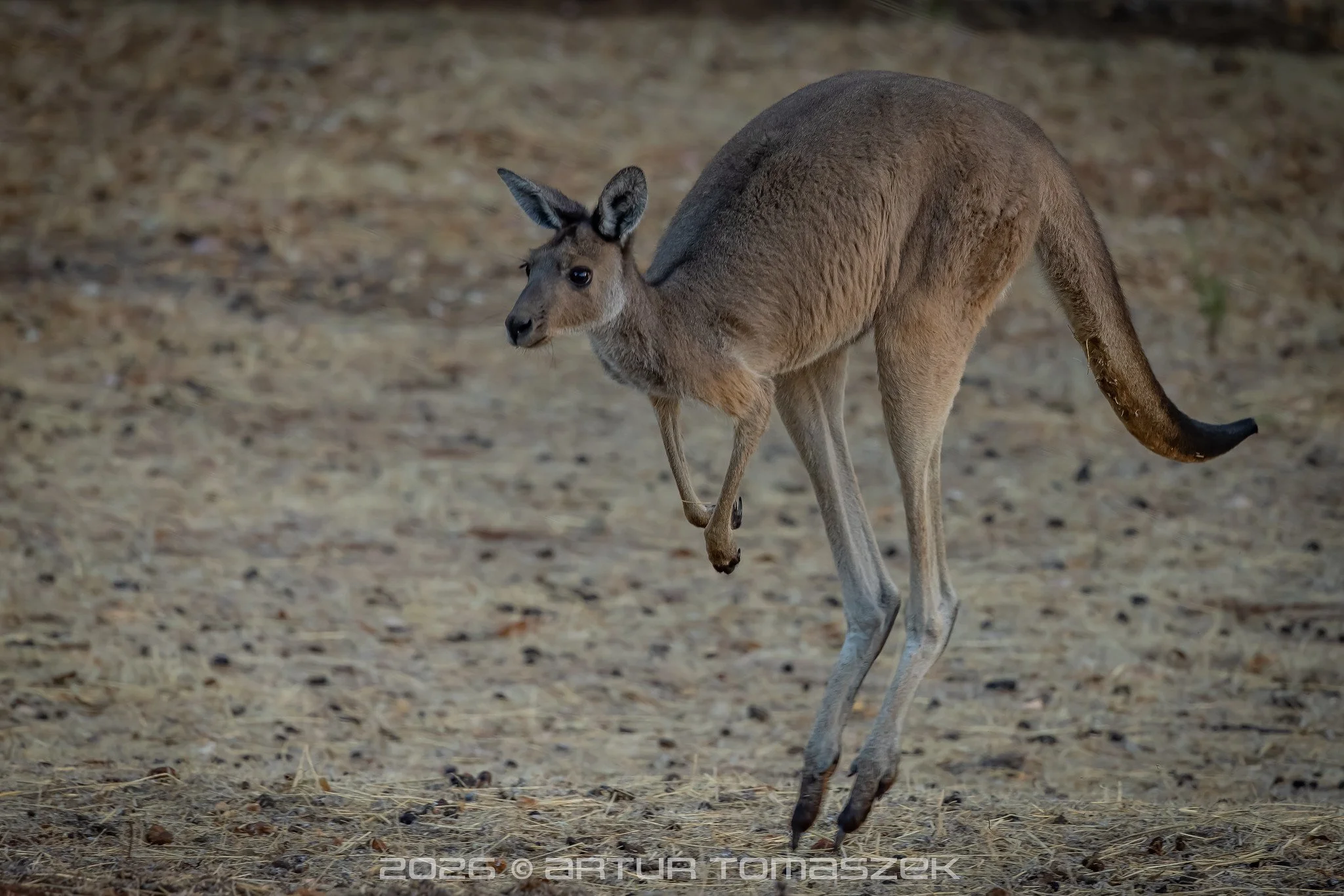
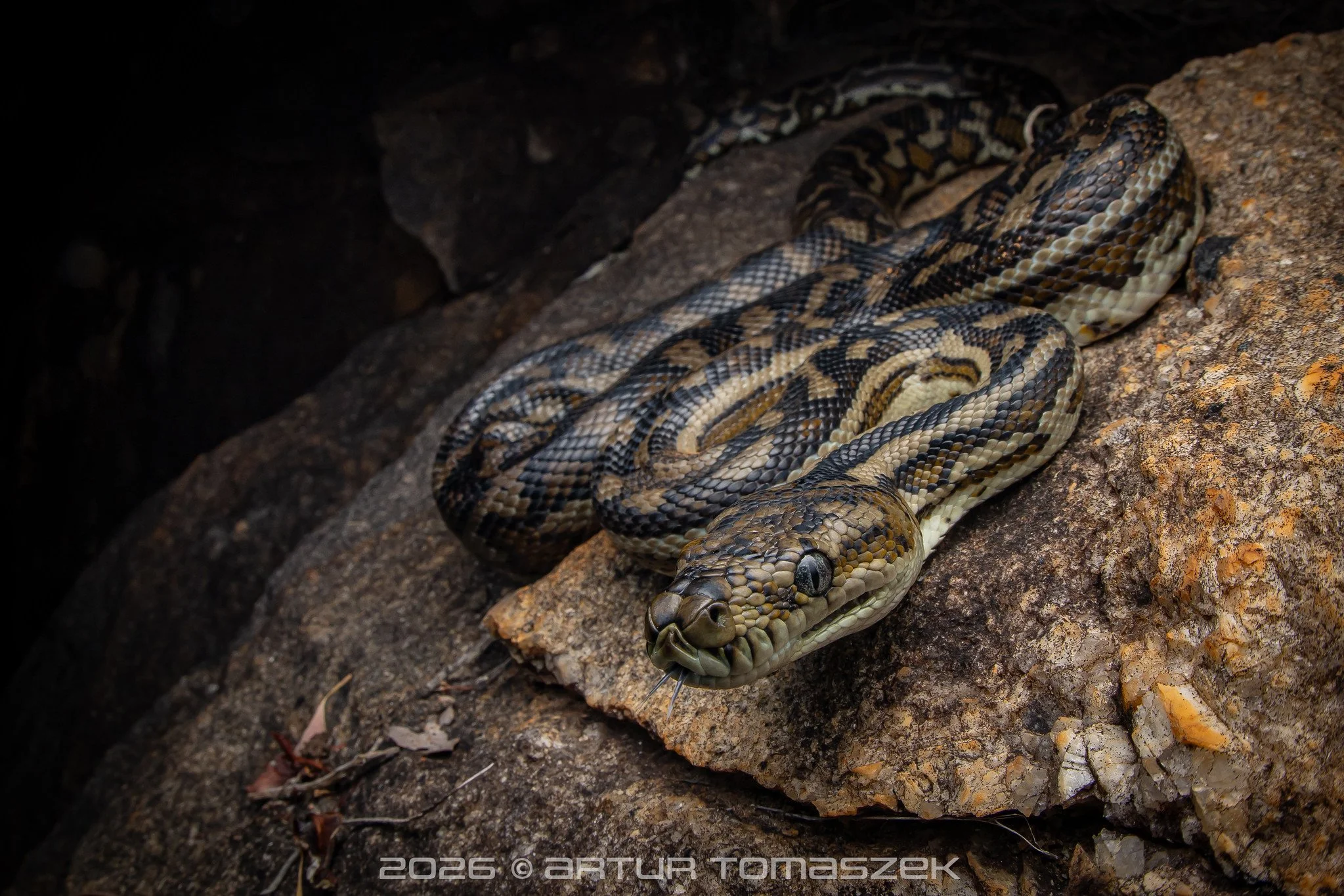
And then… departure. Western Australia gave us everything, but it made us work hard for it all too. We absolutely loved it and we’ll be back very soon.
Roo bonanza right in front of our Airbnb.
Special thanks to Tom for his invaluable advice, and to Alex for joining us on this trip. 🫶